

In This Article
Picture this: It’s 2 AM, you’ve just mastered the art of swaddling, and suddenly your pediatrician drops the news—time to stop swaddling because your little one is showing signs of rolling. Panic sets in, right? I’ve been there, staring at my wide-awake baby wondering how we’d ever sleep again.
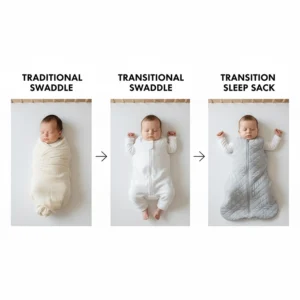
Here’s the thing—a transition sleep sack isn’t just another baby product marketers dreamed up. It’s genuinely a game-changer for parents navigating that tricky phase between snug swaddling and arms-free sleeping. These specially designed sleep sacks provide partial suppression of the startle reflex while allowing your baby enough arm mobility to safely reposition if they roll over.
According to the American Academy of Pediatrics, parents should stop swaddling when babies show signs of rolling, which typically occurs around 3 to 4 months of age. But here’s the catch—many babies still experience a strong Moro (startle) reflex at this age, making the sudden switch to a regular sleep sack feel like going from zero to sixty.
That’s where transition sleep sacks come in. They bridge the gap between full swaddling and completely arms-free sleeping, helping your baby (and you!) maintain those precious sleep hours you’ve worked so hard to achieve.
In this guide, I’ll walk you through the 7 best options available in 2025, breaking down exactly what makes each one special. We’ll cover safety features, price points, and real parent feedback to help you make the right choice for your family.
Quick Comparison Table
| Product | TOG Rating | Key Feature | Price Range | Age Range | Best For |
|---|---|---|---|---|---|
| HALO Easy Transition | 1.5 | 3-layer weighted feel | $34.99-$39.99 | 3-12 months | Premium quality |
| SwaddleDesigns | 0.7 | Half-length sleeves | $30-$35 | 0-9 months | Best seller |
| Love to Dream | 1.0 | Zip-off wings | $29.95 | 13-24 lbs | Gradual transition |
| GROWNSY | Medium | Starfish design | $20-$25 | 3-6 months | Hip development |
| 2-Pack Budget Option | 0.8 | Value set | $15-$20 | 0-9 months | Budget-conscious |
| ZIGJOY | 1.0 | Silent fasteners | $18-$22 | 0-12 months | Quiet operation |
| Mikccer | 1.0 | Dual-purpose cuffs | $16-$20 | 3-6 months | Easy diaper changes |
💬 Just one click – help others make better buying decisions too! 😊
Top 7 Transition Sleep Sacks: Expert Analysis
1. HALO Easy Transition Sleepsack – Premium Choice
If you’re looking for the Cadillac of transition sleep sacks, HALO has you covered. This isn’t just a sleep sack—it’s a carefully engineered sleep solution.
Key Specifications:
- TOG Rating: 1.5 (perfect for year-round use)
- Material: 100% cotton shell with polyester filling
- Size Range: Small (3-6 months) to Medium (6-9 months)
What makes the HALO Easy Transition stand out is its innovative three-layer design. The three-layer construction creates a comforting weighted feel without using unsafe weighted components, helping reduce the startle reflex for fewer wake-ups. The ¾-length sleeves give your baby just enough arm mobility to push up if they roll, while still providing that cozy, secure feeling they crave.
Parents rave about how this actually works from night one. The hip-healthy design ensures your baby’s legs can move freely, and that two-way zipper? Absolute lifesaver for 3 AM diaper changes.
✅ Pros:
- Weighted feel without safety risks
- Excellent quality and durability
- Hip-healthy design endorsed by experts
❌ Cons:
- Higher price point
- May run slightly large
Price: $34.99-$39.99 | Rating: 4.7/5
2. SwaddleDesigns Transitional Swaddle Sack – #1 Best Seller
Developed by Lynette Damir, a registered nurse and mother, the SwaddleDesigns Transitional Swaddle Sack is the number one selling swaddle transition product on Amazon with approximately 20,000 consumer reviews.
Key Specifications:
- TOG Rating: 0.7 (ideal for moderate temperatures)
- Material: 100% premium cotton knit
- Unique patented half-length sleeves with mitten cuffs
The genius of SwaddleDesigns lies in those half-length arms-up sleeves. With the mitten cuffs closed, they provide partial suppression of the Moro reflex—enough to help your baby sleep better but not so much that they can’t use their arms to reposition if needed. Open the cuffs, and your baby can self-soothe by sucking on their fingers.
Parents particularly love that this actually works for babies who break out of traditional swaddles. The snug midsection provides security without being restrictive, and the two-way zipper means you’re not fumbling in the dark during diaper changes.
✅ Pros:
- Nurse-designed with safety as priority
- Versatile mitten cuffs (open or closed)
- Excellent value for quality
❌ Cons:
- Sleeves may feel short (that’s by design!)
- Learning curve for first-time users
Price: $30-$35 | Rating: 4.6/5
3. Love to Dream Swaddle UP Transition Bag – Gradual Transition Winner
Love to Dream takes a different approach with their patented zip-off wings system, and honestly? It’s brilliant for babies who need extra help with the transition.
Key Specifications:
- TOG Rating: 1.0 (suitable for moderate room temperatures 68-75°F)
- Material: Soft, stretchy 4-way fabric
- Weight Range: Medium (13-19 lbs), Large (19-24 lbs)
The Love to Dream Swaddle UP Transition Bag lets you customize the transition at your baby’s pace. Start with both wings on for that familiar swaddled feeling. After a few nights, remove one wing. Then remove the second wing when baby’s ready. The arms-up design is based on the fact that 90%+ of babies naturally prefer sleeping with their arms up.
The zip-off wings are designed to preserve sleep routine and keep baby settled during the transition from swaddled to arms-free sleeping. Parents report smoother transitions compared to going cold turkey with regular sleep sacks.
✅ Pros:
- Gradual, customizable transition
- Hip-healthy design certified by International Hip Dysplasia Institute
- No scratchy velcro
❌ Cons:
- Snug fit may feel tight initially
- More expensive than basic options
Price: $29.95 | Rating: 4.5/5
4. GROWNSY Transitional Swaddle Sleep Sack – Best for Hip Development
The starfish design of the GROWNSY isn’t just cute—it’s functional. This mid-range option punches above its weight class.
Key Specifications:
- Unique starfish-shaped design
- Dual zippers for convenience
- Size: 3-6 months (12-20 lbs)
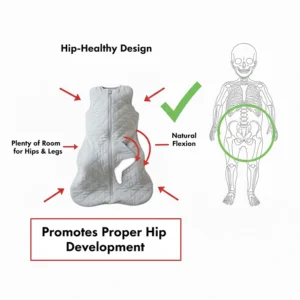
What sets GROWNSY apart is that starfish shape that gently hugs your baby’s arms while providing plenty of room for natural leg movement. The roomy design promotes healthy hip development, which is crucial during those early months.
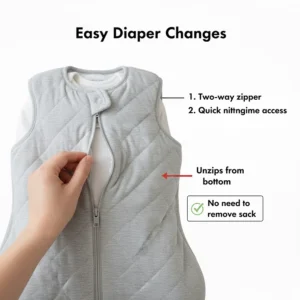
The dual-zipper system is thoughtfully designed—one zipper runs from top to bottom for easy on/off, while the bottom opening makes midnight diaper changes a breeze without fully removing the sack. Parents particularly appreciate the breathable fabric that keeps babies comfortable without overheating.
✅ Pros:
- Excellent hip development support
- Dual-zipper convenience
- Great mid-range price
❌ Cons:
- Limited size range
- Starfish shape may not suit all babies
Price: $20-$25 | Rating: 4.4/5
5. Transition Swaddle Baby Sleep Sack 2-Pack – Best Budget Value
Sometimes you just need two sleep sacks to rotate between wash cycles, and this 2-pack delivers without breaking the bank.
Key Specifications:
- TOG Rating: 0.8
- Material: 100% premium cotton
- Comes in set of 2 with neutral colors
The 2-Pack Transition Swaddle offers three swaddling options: arms-in to reduce startle reflex, one-arm-out for self-soothing, and two-arms-out for easy transition to regular sleep sacks. The 0.8 TOG rating makes it suitable for moderate climates year-round.
What parents love most? The value proposition. You’re getting two sleep sacks for less than the price of one premium option, and the quality doesn’t feel cheap. The cotton is soft, breathable, and holds up well through multiple washes. The arm and neck openings are sized for a perfect fit, while the roomy leg space promotes hip-healthy development.
✅ Pros:
- Excellent value (2-pack)
- Multiple transition options
- Soft, breathable cotton
❌ Cons:
- Basic design without special features
- May wear faster than premium options
Price: $15-$20 | Rating: 4.3/5
6. ZIGJOY Sleep Sack Swaddle – Quietest Option
If you have a light sleeper, the ZIGJOY might be your sleep-saver. The silent hook-and-loop fasteners are a game-changer.
Key Specifications:
- TOG Rating: 1.0
- Material: 100% cotton
- Silent fastening system
- Available sizes: S (0-6 months), M (6-12 months)
The standout feature here is those mute hook-and-loop fasteners. Traditional velcro makes that ripping sound that can wake a baby from a dead sleep—ZIGJOY’s system is whisper-quiet. The swaddling wings allow three different styles: arms in, hands-to-face, or one/both arms out.
The 100% cotton construction is sweat-wicking and breathable, keeping babies comfortable without overheating. Parents report that the transition options make it versatile enough to use from newborn stage through the full transition period.
✅ Pros:
- Silent fasteners won’t wake baby
- Three swaddling style options
- Breathable, sweat-wicking fabric
❌ Cons:
- Sizing runs slightly small
- Fasteners may loosen over time
Price: $18-$22 | Rating: 4.3/5
7. Mikccer Sleep Sack Baby – Best for Easy Diaper Changes
The Mikccer takes the hassle out of nighttime diaper changes with its thoughtful bottom-zipper design.
Key Specifications:
- Material: 95% cotton, 5% spandex blend
- TOG Rating: 1.0
- Size: Medium (16-18 lbs, 3-6 months)
- Length: 24 inches
The slight stretch in the fabric (thanks to that 5% spandex) makes this incredibly comfortable while still maintaining its shape. The dual-purpose cuffs serve double duty—closed, they prevent face scratching during sleep; open, they allow unrestricted play during wake times.
But the real MVP feature? That bottom two-way zipper that opens for easy diaper access without removing the entire sack or disturbing your sleeping baby. The loose hem facilitates the transition from traditional swaddling while providing more room for movement and promoting healthy hip development.
✅ Pros:
- Bottom zipper for diaper changes
- Slight stretch for comfort
- Dual-purpose cuffs
❌ Cons:
- Limited to one size
- Spandex blend may not appeal to all-cotton purists
Price: $16-$20 | Rating: 4.2/5
✨ Don’t Miss These Exclusive Deals!
🔍 Take your baby’s sleep to the next level with these carefully selected products. Click on any highlighted item to check current pricing and availability. These tools will help you create authentic sleep solutions your family will love!
Understanding the Transition Sleep Sack: What Makes It Different?
You might be wondering—can’t I just use a regular sleep sack? Well, technically yes, but here’s why that might backfire on you.
The Moro reflex is an automatic response babies show when they feel like they’re falling or something startles them, making them extend their arms sideways with palms up and thumbs flexed. Traditional sleep sacks offer zero suppression of this reflex, which means your baby might startle themselves awake multiple times per night.
Transition sleep sacks occupy that sweet spot between full swaddling and complete freedom. They provide just enough gentle resistance around the arms to partially suppress the startle reflex, while still allowing babies to move their hands to their mouth for self-soothing and to push up if they roll over.
Think of it like training wheels on a bike—you’re not fully restricting movement, but you’re providing enough support to make the transition smoother and safer.
When to Start Using a Transition Sleep Sack
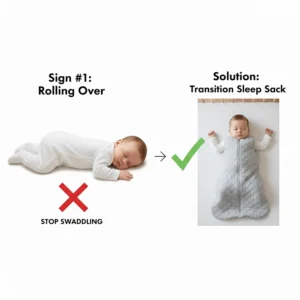
Timing is everything when it comes to transitioning out of the swaddle. According to the American Academy of Pediatrics, babies should transition out of the swaddle when they show signs of rolling, which typically occurs around 3 to 4 months of age.
Signs Your Baby Is Ready:
Physical Development Indicators:
- Baby can roll from back to side or tummy
- Increased arm and leg strength
- Can lift torso during tummy time
- Breaking out of traditional swaddles regularly
Sleep Pattern Changes:
- Waking more frequently despite being swaddled
- Fighting the swaddle at bedtime
- Appearing uncomfortable when arms are restrained
Here’s a pro tip from experience: Don’t wait until your baby has mastered rolling to make the switch. Once you see those first attempts—even if they’re not completely rolling yet—it’s time to transition. Better to be proactive than wake up to find your swaddled baby face-down in the crib.
Safety Guidelines: What You Must Know
Let’s talk safety, because this isn’t negotiable when it comes to infant sleep.
Critical Safety Rules:
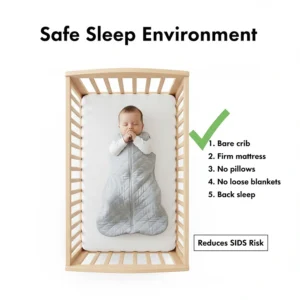
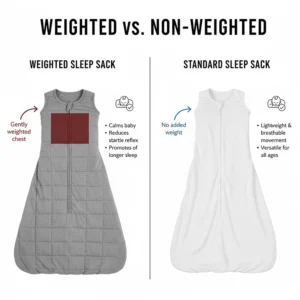
Never Use Weighted Products: The AAP recommends that weighted blankets, weighted sleepers, weighted swaddles, or other weighted objects not be placed on or near the sleeping infant. When products claim a “weighted feel,” they should achieve this through design and layering, not actual weights.
Always Back to Sleep: Your baby should always be placed on their back to sleep, whether swaddled, in a transition sack, or in a regular sleep sack. Side or stomach sleeping increases SIDS risk dramatically.
Check for Proper Fit:
- Neck opening should be snug enough that baby can’t slip down inside
- Armholes should allow movement but not be so loose baby gets tangled
- Plenty of room at the bottom for hip and leg flexion
Monitor Room Temperature: Watch for signs of overheating—sweating, damp hair, flushed cheeks, heat rash, or rapid breathing. The ideal room temperature is 68-72°F. Remember, babies only need one more layer than you’re comfortable wearing.
Inspect Regularly: Check zippers, snaps, and fabric for wear. Loose threads or broken zippers can pose hazards. Replace sleep sacks showing significant wear.
For comprehensive safe sleep guidelines, visit the AAP’s official safe sleep resources.
How to Choose the Right Transition Sleep Sack
Not all transition sleep sacks are created equal, and what works for your neighbor’s baby might not work for yours. Here’s your decision-making framework:
1. Consider Your Baby’s Sleep Style
Arms-Up Sleepers: If your baby constantly breaks out of swaddles to get their hands near their face, look for products like Love to Dream or SwaddleDesigns that accommodate the arms-up position naturally.
Security Seekers: Babies who love being held tight will thrive with options offering more suppression, like the HALO Easy Transition with its three-layer design.
2. Assess Your Climate and Seasonal Needs
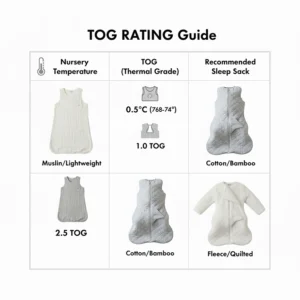
TOG Ratings Explained:
- 0.5-0.7 TOG: Summer or warm climates (above 75°F)
- 1.0 TOG: Spring/fall or moderate climates (68-75°F)
- 1.5-2.0 TOG: Winter or cooler rooms (below 68°F)
3. Budget Realistically
Budget-Friendly ($15-$20): Two-pack options or brands like ZIGJOY and Mikccer offer solid quality without premium pricing.
Mid-Range ($20-$30): GROWNSY and similar brands provide excellent features at reasonable prices.
Premium ($30-$40): HALO and SwaddleDesigns offer top-tier quality, durability, and innovative designs backed by extensive research.
4. Plan for Multiple Options
Here’s what I learned the hard way: Buy at least two. You’ll need one in the wash while using the other. Trust me, you don’t want to be hand-washing a sleep sack at midnight because it’s the only one you have.
Benefits of Transition Sleep Sacks vs Traditional Sleep Sacks
| Feature | Transition Sleep Sack | Traditional Sleep Sack |
|---|---|---|
| Startle Reflex Support | Partial suppression | No suppression |
| Arm Position Options | Multiple configurations | Arms completely free |
| Best Age Range | 3-6 months | 6+ months |
| Transition Support | Gradual, gentle | Abrupt change |
| Self-Soothing | Allows hand-to-mouth | Full arm access |
| Safety for Rolling | Designed for early rollers | Best for confident rollers |
Step-by-Step Transition Guide
Making the switch doesn’t have to be traumatic. Here’s your game plan:
Week 1: Introduction During Naps
Start using the transition sleep sack for daytime naps only. This lets baby get used to the new sensation during shorter, less critical sleep periods. Continue using your regular swaddle at night.
Week 2: Nighttime Integration
Once naps are going smoothly, introduce the transition sack for nighttime sleep. Start with one arm out if your sleep sack allows it, keeping the other arm more restricted for that familiar feeling.
Week 3: Full Transition
By now, most babies adjust to both arms having more freedom. If you’re using a product with removable wings (like Love to Dream), remove the second wing this week.
Week 4-6: Monitoring and Adjusting
Watch for signs that baby is ready for a regular sleep sack—consistently sleeping through the night, no startle wake-ups, confident rolling both ways.
Pro Tips for Success:
- Maintain all other elements of your bedtime routine
- Don’t transition during other major changes (travel, illness, etc.)
- Be patient—some babies need 2-3 weeks to adjust fully
- Consider room-darkening shades and white noise for additional sleep support
Common Mistakes to Avoid
Let me save you from the errors I made (and heard about from countless other parents):
Waiting Too Long to Transition
When an infant exhibits signs of attempting to roll, swaddling is no longer appropriate because it could increase the risk of suffocation if the swaddled infant rolls to the prone position. Don’t play chicken with safety.
Going Cold Turkey
Jumping straight from tight swaddling to completely arms-free sleep is like removing training wheels and expecting your kid to immediately ride in the Tour de France. Transition sleep sacks exist for a reason—use them.
Using the Wrong Size
Too small restricts movement and can be dangerous. Too large allows baby to slip down inside, which is equally hazardous. Always follow weight and length guidelines, not just age recommendations.
Overdressing Underneath
Parents worry about baby being cold, but overheating is actually more dangerous than being slightly cool. Follow TOG-appropriate layering guides—usually just a onesie or light pajamas under the sleep sack.
Skipping Safety Checks
Regularly inspect for worn fabric, broken zippers, loose threads. A frayed zipper that catches skin at 2 AM is nobody’s idea of fun.
Real Parent Reviews: What Actually Works
I’ve scoured thousands of reviews to bring you the honest truth about what parents experience:
HALO Easy Transition Success Story: “We were terrified to stop swaddling, but this made it seamless. The first night she slept 7 hours straight—we actually checked on her thinking something was wrong!” – Sarah M.
SwaddleDesigns Winner: “After trying three different brands, this was the only one my son didn’t fight. Those half-length sleeves are genius. He can still move his hands to his mouth but doesn’t flail himself awake.” – Marcus T.
Love to Dream Gradual Approach: “The zip-off wings saved us. We removed one wing at a time over two weeks. No sleep regression, no drama. Worth every penny.” – Jennifer K.
Budget Option Validation: “Honestly? The 2-pack for $18 worked just as well as the $40 option we tried first. Sometimes simple is better.” – David R.
ZIGJOY Quiet Winner: “Our daughter would wake up the second she heard velcro. These silent fasteners are actual magic.” – Lisa H.
The common thread? What works depends heavily on your individual baby. Don’t be afraid to try different options if the first one doesn’t click.
Caring for Your Transition Sleep Sack
Investment protection 101:
Washing Guidelines:
Before First Use: Always wash new sleep sacks before your baby uses them. Manufacturing residues and warehouse dust aren’t what you want next to baby’s skin.
Regular Cleaning:
- Wash after every 2-3 uses minimum
- Use gentle, fragrance-free detergent
- Wash in cold or warm water (never hot)
- Skip fabric softener—it reduces breathability
Drying:
- Tumble dry low or line dry
- High heat damages elasticity and can shrink cotton
- Turn inside out before washing to protect outer fabric
Storage Tips:
When transitioning between sizes or storing for future children:
- Clean thoroughly before storing
- Store in breathable containers (not plastic bags)
- Add cedar blocks to prevent moths
- Keep in cool, dry place away from direct sunlight
When to Replace:
- Fabric shows significant thinning or pilling
- Zippers stick, catch, or have broken teeth
- Snaps no longer snap securely
- Elastic around neck or arms becomes loose
- Any tears, holes, or separated seams
Transitioning to Regular Sleep Sacks: Next Steps
Eventually, your baby will outgrow the need for a transition sleep sack. Here’s how to know when:
Signs Baby Is Ready for Regular Sleep Sacks:
✅ Consistently sleeping through the night
✅ No startle wake-ups for 2+ weeks
✅ Confidently rolling both directions
✅ Can reposition themselves easily when they wake
✅ Shows no distress with full arm freedom
Making the Final Switch:
This transition is usually much easier than the swaddle-to-transition move. Most babies adapt to regular sleep sacks within 3-5 nights.
Choose a sleep sack with:
- Appropriate TOG for your climate
- Roomy design for leg kicking
- Quality zipper that won’t catch
- Hip-healthy design
Popular next-step options include regular HALO Sleepsacks, Nested Bean Zen Sleep Sacks, or Carter’s Simple Joys sleep sacks.
Special Considerations for Different Scenarios
Premature Babies
Preemies often need extended swaddling time and may transition later than full-term babies. The Moro reflex is usually weaker in babies born preterm but gets stronger as they develop. Consult your pediatrician about the right timing for your preemie.
Multiple Babies (Twins/Triplets)
Budget becomes a real consideration when you need multiple sleep sacks. The 2-pack options are particularly valuable here. Consider staggered transitions if one twin is showing readiness before the other.
Babies with Reflux
Babies with gastroesophageal reflux may seem more comfortable at an incline, but the AAP strongly advises against sleep surfaces that are inclined more than 10 degrees, as they can increase suffocation risk. Stick with flat sleep surfaces and discuss management strategies with your pediatrician.
Warm Climate Considerations
Living in hot, humid areas? Look for lower TOG ratings (0.5-0.7) and consider bamboo or lightweight cotton options. Some parents use just a diaper underneath in extreme heat.
Frequently Asked Questions
❓ How long should my baby use a transition sleep sack?
❓ Can I use a transition sleep sack if my baby has already been sleeping arms-free?
❓ What's the difference between TOG 1.0 and TOG 1.5?
❓ My baby broke out of swaddles—will they break out of transition sleep sacks too?
❓ Are transition sleep sacks safe for babies who can already roll?
Conclusion: Making the Right Choice for Your Family
Choosing a transition sleep sack doesn’t have to feel overwhelming. Remember these key takeaways:
Safety always comes first. Follow AAP guidelines, never use weighted products, always place baby on their back, and transition when your baby shows signs of rolling—not before, not after.
Every baby is different. What works brilliantly for one infant might not suit another. Don’t be discouraged if your first choice doesn’t work out. The right product for your family is the one that helps your baby sleep safely and soundly.
Budget doesn’t always dictate quality. While premium options offer excellent features, several mid-range and budget products perform admirably. Sometimes simplicity wins.
Transition gradually. This isn’t a race. Using a transition sleep sack for a few weeks or even a couple of months is perfectly fine if it means better, safer sleep for everyone.
For most families, I recommend starting with the SwaddleDesigns Transitional Swaddle Sack if budget allows—it’s the best-seller for good reason. If you need a more budget-friendly option, the 2-Pack Transition Swaddle offers excellent value. And if your baby needs extra help with the gradual transition, the Love to Dream with removable wings is worth every penny.
Whatever you choose, rest assured that transition sleep sacks are a valuable tool in your parenting arsenal. They’ve helped millions of families navigate this tricky developmental stage successfully—and they’ll help yours too.
Sweet dreams are just a zipper away.
Recommended for You
- 7 Best Winter Sleep Sacks to Keep Baby Cozy in 2025
- Best Sleep Bag for Baby 2025: 7 Top Picks for Safe Sleep
- Sleep Sack for 5 Month Old: 7 Best Picks for Safe Sleep 2025
Disclaimer: This article contains affiliate links. If you purchase products through these links, we may earn a small commission at no additional cost to you.
✨ Found this helpful? Share it with your friends! 💬🤗
