
In This Article
Picture this: you’re standing in the baby aisle, overwhelmed by dozens of sleep sacks promising safety, comfort, and peaceful nights. But here’s what most parents don’t realize—not all sleep sacks are created equal. The organic sleep sack you choose becomes your baby’s second skin for 12-14 hours every single day.
In 2025, parents are finally waking up to the truth about conventional baby products. Research shows babies absorb chemicals through their skin at rates up to 5 times higher than adults. That adorable sleep sack might be harboring pesticides, flame retardants, and synthetic dyes that could irritate your little one’s delicate system.
An organic sleep sack isn’t just a trend—it’s your frontline defense against chemical exposure during the most vulnerable developmental stages. GOTS-certified options eliminate over 250 harmful substances while delivering the breathability essential for safe sleep. According to the American Academy of Pediatrics, proper sleep environment reduces SIDS risk by up to 50%, making fabric quality a non-negotiable factor.
This guide cuts through the marketing noise to reveal the 7 best organic sleep sacks actually worth your investment. You’ll discover which TOG ratings work for your climate, why merino wool outperforms cotton in temperature regulation, and the specific certifications that separate genuine organic products from greenwashed imposters. Let’s find the perfect chemical-free cocoon for your baby’s safest, soundest sleep yet.
Quick Comparison Table
| Product | TOG Rating | Material | Price Range | Best For |
|---|---|---|---|---|
| KeaBabies Soothe (2-Pack) | 0.5 | GOTS Organic Cotton | $29-35 | Budget-conscious families |
| Woolino 4 Season | Universal (2-24mo) | Merino Wool + Organic Cotton | $90-120 | Year-round use, grows with baby |
| HALO Organic Cotton | 0.5-1.5 | 100% Organic Cotton | $25-40 | Hospital-trusted safety |
| Burt’s Bees Beekeeper | 0.5-1.5 | GOTS Organic Cotton | $28-45 | Premium quality, lifetime zipper |
| Mama Cheetah | 0.5-2.5 | 100% Organic Cotton | $20-38 | Various TOG options |
| Parade Organic Essentials | 1.0 | 100% GOTS Organic Cotton | $42-58 | Canadian-made quality |
| Mushie Sleep Bag | 0.5 | 100% Organic Cotton Muslin | $32-40 | Lightweight, breathable |
💬 Just one click – help others make better buying decisions too! 😊
Top 7 Organic Sleep Sacks: Expert Analysis
1. KeaBabies Soothe Organic Sleep Sack (2-Pack)
Picture getting two premium organic sleep sacks for less than the cost of one from most competitors. That’s exactly what the KeaBabies Soothe Organic Sleep Sack delivers—exceptional value without compromising on safety or comfort. This GOTS-certified wonder has become a staple in nurseries across America, and for good reason.
The proprietary FabTech 2-way stretch knit creates a cocoon that moves with your baby rather than restricting them. Parents rave about how the 0.5 TOG rating keeps babies comfortable year-round, whether you’re battling July heat waves or October’s cool nights. The adjustable shoulder snaps accommodate growth spurts, while the inverted zipper system makes 3 AM diaper changes surprisingly painless.
What sets this apart? The certification matters. GOTS Certified by CU 1042833 means every thread meets stringent organic standards—no pesticides, no synthetic fertilizers, no harmful processing chemicals. The fabric is breathable enough to prevent overheating (a major SIDS risk factor) yet substantial enough to provide that secure feeling babies crave. Customer feedback consistently mentions babies sleeping longer stretches, with many reporting their first 6-hour sleep sessions within days of switching.
Key Specifications:
- GOTS Certified Organic Cotton (CU 1042833)
- 0.5 TOG rating
- Sizes: Small (0-6mo), Medium (6-12mo), Large (12-18mo)
- Hip Dysplasia Institute certified
✅ Pros:
- 2-pack value eliminates laundry stress
- Adjustable shoulder snaps for extended use
- Anti-shrink organic cotton maintains size after washing
❌ Cons:
- Limited color/pattern variety
- Snaps may be stiff initially
Price Range: $29.96-$34.99 (2-pack)
Customer Insight: “Finally slept for 5 hours straight! The organic cotton is noticeably softer than our old sleep sack.”
2. Woolino 4 Season Ultimate Baby Sleeping Bag
If you could buy just one sleep sack that works from 2 months to 2 years, through scorching summers and freezing winters, would you? The Woolino 4 Season Ultimate Baby Sleeping Bag isn’t just a product—it’s an investment that pays for itself within months by eliminating the need for multiple seasonal sleep sacks.
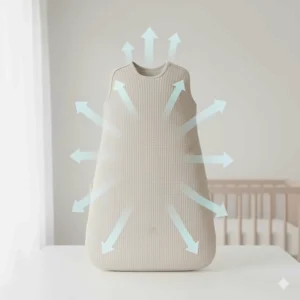
Australian merino wool sounds counterintuitive for warm weather, but here’s the science: merino fibers actively regulate temperature, keeping babies cooler when it’s hot and warmer when it’s cold. The GOTS-certified organic cotton outer layer adds breathability while the superfine merino lining (softer than cashmere) creates a microclimate that adapts to your baby’s body heat. This isn’t theoretical—Woolino has dominated the US and Canadian markets since 2010, earning multiple awards including the 2021 Cribsie Award.
The universal sizing system features double shoulder snaps and underarm snaps that adjust as your baby grows. Those closable seat-belt slots might seem like a minor detail, but they’re game-changers for parents who want to keep their baby buckled safely in strollers or car seats during travel. The two-way zipper opens from bottom or top, making diaper changes feasible without fully unzipping and waking a sleeping baby.
Key Specifications:
- Australian Merino Wool + GOTS Organic Cotton
- Universal size (2 months – 2 years)
- Four-season temperature regulation
- Adjustable snaps for growth
✅ Pros:
- One size fits for 22 months eliminates repurchasing
- Natural temperature regulation beats TOG ratings
- Machine washable despite premium materials
❌ Cons:
- Higher upfront investment ($90-120)
- Wool may take 2-3 washes to reach peak softness
Price Range: $89.99-$119.99
Customer Insight: “Used it from 3 months to 18 months. Wore it in 85°F summers and 40°F winters—she never overheated or felt cold.”
3. HALO 100% Organic Cotton Sleepsack
When hospitals nationwide trust one brand for newborn sleep safety, you know you’re looking at something special. The HALO 100% Organic Cotton Sleepsack has been the #1 choice in hospital nurseries since its founder created it after losing his firstborn to SIDS. That heartbreaking origin story translates into obsessive attention to safety details that matter.
The hip-healthy design received recognition from the International Hip Dysplasia Institute, featuring a roomy sack that allows natural leg movement crucial for proper hip development. The inverted zipper starts from the bottom—a brilliant feature that prevents the cold metal from touching your baby’s delicate chin area. Every HALO sleepsack includes their signature “Back is Best” embroidery, serving as a gentle reminder to follow AAP safe sleep guidelines.
Available in both regular cotton and organic cotton versions, the TOG options (0.5 for warm climates, 1.5 for moderate temperatures) let you customize for your environment. The double-knit construction creates a slightly stretchy feel that accommodates wiggling without feeling restrictive. Parents appreciate how the arm and neck openings are precisely sized—snug enough for safety but not so tight they leave marks.
Key Specifications:
- 100% Organic Cotton (GOTS versions available)
- TOG 0.5 (lightweight) or 1.5 (medium weight)
- Sizes: Newborn through Large (12-18 months)
- Hip Dysplasia Institute approved
✅ Pros:
- Hospital-grade safety standards
- Inverted zipper prevents chin scratches
- Lifetime warranty on YKK zippers
❌ Cons:
- Single pack only (no multi-pack discount)
- Organic versions cost 30-40% more than regular cotton
Price Range: $24.99-$39.99
Customer Insight: “My pediatrician specifically recommended HALO. After using it for 4 months, I understand why hospitals trust this brand.”
4. Burt’s Bees Baby Beekeeper Wearable Blanket
You know Burt’s Bees for lip balm and skincare, but their baby line deserves equal recognition. The Burt’s Bees Baby Beekeeper Wearable Blanket combines their signature organic commitment with thoughtful design features that solve real parent pain points. GOTS-certified by CU 831717 (2024), this sleep sack represents what happens when a brand applies personal care standards to baby products.
The interior zipper guard protects delicate baby skin from accidental pinching—a detail many cheaper brands overlook. The snap tab zipper pull cover prevents curious toddler hands from unzipping themselves mid-sleep. Soft ribbed-knit binding reinforces edges without creating stiff, uncomfortable seams. These aren’t luxury add-ons; they’re solutions to common frustrations parents face nightly.
The watercolor prints and timeless designs work for both boys and girls, making hand-me-downs between siblings seamless. Available in lightweight (0.5 TOG) and medium weight (1.5 TOG), you can match the right warmth level to your climate. The organic cotton interlock fabric gets softer with each wash rather than pilling or wearing thin like conventional cotton.
Key Specifications:
- GOTS Certified Organic Cotton (CU 831717, 2024)
- TOG 0.5 or 1.5 available
- Sizes: Small, Medium, Large, Extra Large
- YKK zipper with lifetime guarantee
✅ Pros:
- Interior zipper guard prevents skin pinching
- Gets softer with each wash
- Gender-neutral designs for multi-child families
❌ Cons:
- Premium price compared to budget options
- Limited availability in physical stores
Price Range: $27.99-$44.99
Customer Insight: “The quality difference is obvious. Our Beekeeper still looks brand new after 6 months of nightly use and weekly washing.”
5. Mama Cheetah Organic Cotton Sleep Sack
Finding affordable organic baby gear feels like searching for unicorns. The Mama Cheetah organic cotton sleep sack proves you don’t need to drain your savings for chemical-free sleep. This brand focuses on one thing: delivering GOTS-certified organic cotton at prices that make sense for real families.
The double-layer premium organic cotton construction with 0.5 TOG rating hits the sweet spot for most climates. The innovative 2-way zipper design unzips from bottom OR top—bottom access for quick diaper changes, top access when you need to add or remove the sleep sack without disturbing your sleeping baby. The safety tab at the neckline prevents the zipper from scratching your baby’s chin, while the bottom zipper cover stops little hands from unzipping themselves.
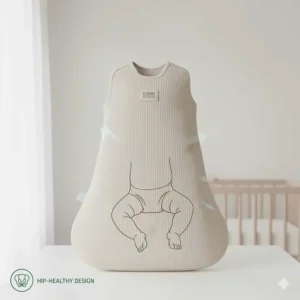
What parents love most? The generously sized design that promotes proper hip development. There’s ample kicking room so babies can move their legs freely without feeling constricted. The roomy sleepbag design aligns with International Hip Dysplasia Institute recommendations for healthy hip growth during critical developmental months.
Key Specifications:
- 100% Premium Organic Cotton
- TOG 0.5 (also available in 1.0 and 2.5)
- Sizes: 0-6mo, 6-12mo, 12-18mo, 18-24mo
- 2-way zipper with safety guards
✅ Pros:
- Budget-friendly organic option
- Multiple TOG ratings for different seasons
- Machine washable and fade-resistant
❌ Cons:
- Less brand recognition than established names
- Fabric slightly thinner than premium competitors
Price Range: $19.99-$37.99
Customer Insight: “Can’t believe this organic sleep sack costs half what we paid for our first non-organic one. Quality is excellent!”
6. Parade Organic Essentials Sleep Sack
Canadian parents have known about Parade Organics for years, and now US families are discovering why this Toronto-based brand has such a devoted following. The Parade Organic Sleep Sack embodies the thoughtful, chemical-free approach to baby products that defines Canadian baby gear culture.
Made with two layers of pure, GOTS-certified 100% organic cotton and absolutely zero chemicals, these sleep sacks prioritize your baby’s health over trendy features. The chunky, durable 2-way zipper glides smoothly even after months of use—none of that frustrating catching or snagging you experience with cheap zippers. Each piece is still made by hand, from cutting to printing to sewing, which means slight variations in sizing or prints that add charm rather than defects.
GOTS certification ensures organic status from cotton harvesting through manufacturing, with environmentally and socially responsible practices at every stage. The fabric has that lived-in softness right out of the package, getting even cozier after washing. Available in subtle, gender-neutral colors perfect for minimalist nurseries or families planning multiple children.
Key Specifications:
- 100% GOTS Certified Organic Cotton
- Double-layer construction
- Sizes: 0-6mo, 6-12mo, 12-24mo, 24-36mo
- Hand-made quality control
✅ Pros:
- Premium Canadian craftsmanship
- Chemical-free processing throughout supply chain
- Substantial two-layer warmth
❌ Cons:
- Higher price point ($42-58)
- Limited US retail availability
Price Range: $42-$58
Customer Insight: “Worth every penny. The quality and softness are unmatched. My baby seems more comfortable in this than any other sleep sack.”
7. Mushie Organic Cotton Baby Sleep Bag
Minimalist parents, meet your aesthetic dream. The Mushie Organic Cotton Baby Sleep Bag proves that simple design and serious functionality can coexist beautifully. Made from 100% organic cotton muslin, this Danish-inspired sleep sack brings that clean, Scandinavian simplicity to American nurseries.
The lightweight, breathable muslin construction makes it ideal for warmer climates or babies who run hot. Unlike heavier organic cottons, muslin allows exceptional airflow while still providing the secure feeling babies need for quality sleep. The two-way zipper and sleeveless design keep legs free from crib slat entanglement—a safety feature that gives parents genuine peace of mind.
Third-party tested to meet CPSIA, ASTM, and Prop 65 standards, Mushie doesn’t just claim safety—they prove it through rigorous independent testing. The full-body coverage design eliminates the need for loose blankets in the crib, aligning perfectly with AAP safe sleep recommendations. Available in beautiful muted colors that photograph gorgeously, it’s become an Instagram favorite among design-conscious parents.
Key Specifications:
- 100% Organic Cotton Muslin
- Third-party tested (CPSIA, ASTM, Prop 65)
- Size: 0-6 months
- Two-way zipper design
✅ Pros:
- Ultra-lightweight for warm sleepers
- Beautiful minimalist aesthetic
- Breathable muslin prevents overheating
❌ Cons:
- Only one size available (0-6 months)
- Muslin may feel too thin for cold climates
Price Range: $32-$40
Customer Insight: “Perfect for our California summer. Baby stays cool and comfortable. The muted sage color is gorgeous in photos!”
What Is an Organic Sleep Sack and Why Every Parent Needs One
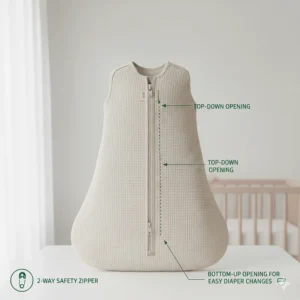
An organic sleep sack is a wearable blanket made from certified organic materials—typically cotton, merino wool, or bamboo—that replaces loose blankets in your baby’s crib. Think of it as a cozy sleeping bag designed specifically for infants, with armholes that allow natural movement while keeping the torso and legs securely covered. Unlike conventional sleep sacks that may contain pesticide residues, synthetic fibers, or chemical flame retardants, organic versions must meet strict certification standards (like GOTS) that eliminate over 250 potentially harmful substances.
The American Academy of Pediatrics recommends that babies sleep without loose blankets until at least 12 months old to reduce SIDS risk. Sleep sacks solve this problem elegantly—they can’t be kicked off during sleep, won’t cover a baby’s face, and can’t become tangled around tiny limbs. The organic designation matters more than you might think: babies spend 12-16 hours daily in direct contact with this fabric during their most vulnerable developmental window. Organic certification means the cotton was grown without pesticides, processed without harsh chemicals, and manufactured according to environmental and social responsibility standards.
Temperature regulation is another critical factor. Quality organic materials breathe better than synthetic alternatives, helping prevent dangerous overheating. According to safe sleep guidelines, room temperature should stay between 68-72°F, and organic sleep sacks work with your baby’s natural temperature regulation rather than fighting against it. Whether you choose organic cotton for year-round versatility or merino wool for superior climate adaptation, you’re investing in safer, healthier sleep for your little one.
Understanding TOG Ratings: The Science Behind Sleep Sack Warmth
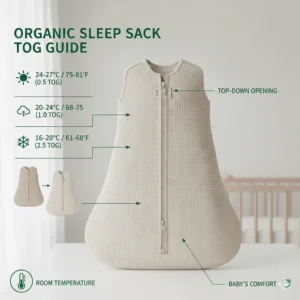
TOG stands for Thermal Overall Grade—a measurement system that tells you exactly how warm a sleep sack will keep your baby. Think of it like SPF for sunscreen: a clear, standardized number that removes the guesswork. The scale typically ranges from 0.5 (lightweight summer) to 2.5 (heavy winter), with most organic sleep sacks falling between 0.5 and 1.5.
Here’s how to decode TOG ratings for your specific situation. A 0.5 TOG sleep sack works perfectly for room temperatures between 73-78°F, ideal for summer months or homes without air conditioning. Parents in warm climates like Florida or Southern California often use 0.5 TOG year-round with seasonal clothing adjustments underneath. A 1.0 TOG rating suits moderate temperatures of 69-73°F, making it the most versatile option for spring and fall. Many parents find this “goldilocks” rating perfect for maintaining consistent nursery temperature. For rooms between 65-72°F—typical during winter or in homes with aggressive air conditioning—a 1.5 TOG provides comfortable warmth without overheating risk. The heaviest 2.5 TOG rating works for genuinely cold environments (61-68°F), though most US homes won’t need this level unless dealing with extreme winter conditions.
The clever part? You layer clothing underneath to fine-tune warmth. In summer with 0.5 TOG, use just a diaper or lightweight bodysuit. For 1.0 TOG during moderate weather, add a cotton onesie or footie pajamas. Winter with 1.5 TOG calls for a long-sleeve bodysuit plus footed pajamas. The AAP recommends your baby wear only one more layer than you’d be comfortab
le sleeping in yourself—a practical rule that prevents overdressing.
Material choice amplifies or moderates TOG effects. Merino wool naturally regulates temperature beyond its TOG rating, keeping babies comfortable across a wider temperature range. Organic cotton provides consistent, predictable warmth that matches its TOG number reliably. Muslin organic cotton breathes exceptionally well, making even 0.5 TOG feel comfortable in very warm conditions.
How to Choose the Right Organic Sleep Sack: 7 Essential Factors
1. Verify Authentic Organic Certification
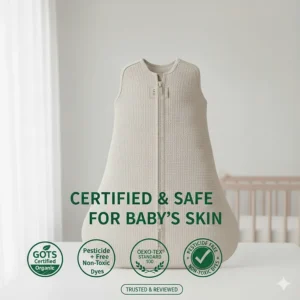
Not all “organic” labels mean the same thing. Look specifically for GOTS (Global Organic Textile Standard) certification—the gold standard that ensures organic status from raw cotton through final manufacturing. Check for the certification number (like “CU 1042833” for KeaBabies) printed on the product or packaging. OEKO-TEX Standard 100 certification adds another layer of assurance, testing for harmful substances even after processing. Avoid vague terms like “natural” or “eco-friendly” without supporting certifications—these are often greenwashing tactics.
2. Match TOG Rating to Your Climate
Start by measuring your baby’s room temperature overnight for three consecutive nights. If it fluctuates more than 5°F, invest in two sleep sacks at different TOG ratings rather than constantly adjusting clothing layers. Coastal climates with mild year-round temperatures do well with a single 1.0 TOG. Regions with dramatic seasonal swings need both 0.5 TOG for summer and 1.5 TOG for winter. Consider your home’s heating/cooling system—older homes with poor temperature control benefit from versatile merino wool options.
3. Size for Current Weight, Not Age
Age ranges are guidelines, not rules. Always prioritize your baby’s actual weight over their age in months. A chunky 4-month-old might need the 6-12 month size, while a petite 8-month-old could still fit comfortably in 3-6 months. Check the weight specifications: Small typically fits 10-18 lbs, Medium suits 16-24 lbs, Large accommodates 22-28 lbs. The fit should be snug around the armholes (you shouldn’t be able to fit more than two fingers between the sleep sack and your baby’s skin) but roomy around the torso and legs for unrestricted movement.
4. Prioritize Hip-Healthy Design
The International Hip Dysplasia Institute warns that restrictive sleep sacks can contribute to hip dysplasia during critical development months. Look for designs specifically certified as “hip healthy” with ample room for leg movement. The bottom of the sleep sack should resemble a balloon shape rather than a narrow tube. Your baby should be able to bend their legs naturally into a frog-leg position. Avoid any sleep sack that requires you to straighten your baby’s legs to zip it closed.
5. Evaluate Zipper Quality and Placement
Premium YKK zippers with lifetime guarantees justify slightly higher prices through years of reliable use. Two-way zippers are non-negotiable for convenience—bottom opening for diaper changes without full unzipping, top opening for easy on/off. Check for protective zipper guards at both ends to prevent pinching delicate skin or catching on clothing. The zipper pull should be large enough to operate one-handed in the dark (you’ll thank yourself during 3 AM changes).
6. Consider Seasonal Versatility vs. Specialized Use
Budget-conscious parents should start with one 1.0 TOG organic cotton sleep sack and layer clothing underneath for temperature adjustment. Families with storage space and larger budgets benefit from a rotation system: multiple 0.5 TOG for summer, several 1.5 TOG for winter. The Woolino 4-season approach—one adaptable sleep sack lasting 2 years—works brilliantly for minimalists or frequent travelers who need consistent sleep routines across different climates.
7. Read the Fine Print on Care Instructions
Organic fabrics require specific care to maintain their beneficial properties. GOTS-certified cotton should be machine washed in cold water with mild, fragrance-free detergent—fabric softeners and bleach destroy organic fibers’ natural breathability. Merino wool sleep sacks need gentle cycles and air drying despite being technically machine washable. Check shrinkage expectations: anti-shrink organic cotton maintains size, while standard organic cotton may shrink 3-5% after first wash. If a sleep sack requires dry cleaning, reconsider—you’ll be washing it weekly, and dry cleaning costs will exceed the product’s value within months.
The Health Benefits of Organic Sleep Sacks vs. Conventional Options
Chemical Exposure: The Hidden Danger in Your Baby’s Crib
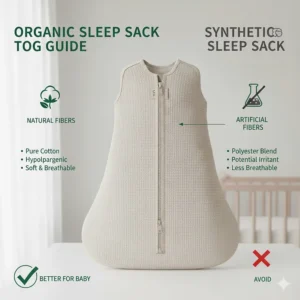
Conventional cotton is one of the world’s most pesticide-intensive crops. According to the Organic Trade Association, traditional cotton farming uses approximately 16% of the world’s insecticides and 7% of pesticides, despite occupying only 2.5% of cultivated land. These chemicals don’t just disappear after harvest—residues persist through processing and into the final fabric. When your baby sleeps against conventional cotton for 12-16 hours daily, their thinner, more permeable skin absorbs these residues at rates significantly higher than adults.
Organic certification eliminates this exposure entirely. GOTS standards prohibit synthetic pesticides, herbicides, and fertilizers throughout the growing cycle. The processing phase must avoid harmful bleaches, formaldehyde-based resins, and heavy metals commonly used in conventional textile manufacturing. Many conventional sleep sacks also contain flame retardants (sometimes added to meet safety regulations) that have been linked to hormonal disruption and developmental concerns in multiple studies.
Breathability and Temperature Regulation
Synthetic fibers trap heat against your baby’s skin, creating dangerous microclimates that elevate SIDS risk. Research published in the Journal of Pediatrics found that overheating increases SIDS risk up to 2-3 times compared to appropriately dressed babies. Organic natural fibers work differently: cotton and merino wool have natural moisture-wicking properties that pull perspiration away from the skin and allow air circulation.
Merino wool specifically contains tiny air pockets within each fiber that actively regulate temperature. When your baby gets warm, these pockets release heat. When they cool down, the structure traps warmth. This explains why merino wool organic sleep sacks like Woolino work across seasons—the material adapts rather than forcing your baby to adapt to the material.
Skin Sensitivity and Allergic Reactions
Baby eczema affects up to 20% of infants in developed countries. While food allergies often get blamed, textile sensitivities frequently trigger or worsen skin conditions. Conventional cotton processing uses dozens of chemicals—chlorine bleach for whitening, synthetic dyes containing heavy metals, formaldehyde resins for wrinkle resistance. Each represents a potential allergen.
Dermatologists consistently recommend GOTS-certified organic cotton for babies with sensitive skin or eczema. The certification prohibits these common irritants, using only low-impact dyes that meet strict environmental standards. Parents frequently report dramatic improvements in their baby’s skin within 2-3 weeks of switching to organic sleep sacks. The difference isn’t psychological—it’s the elimination of chronic low-level irritation from chemical residues.
Long-Term Development Considerations
Your baby’s endocrine system is developing rapidly during the first two years. Hormone-disrupting chemicals found in conventional textiles—phthalates, BPA, certain dyes—can interfere with normal development even at low doses. While research on long-term effects continues, the precautionary principle suggests minimizing exposure when simple alternatives exist. Organic sleep sacks represent one of the easiest swaps parents can make, considering the extended daily contact time and the availability of quality organic options at reasonable prices.
Common Mistakes When Buying Organic Sleep Sacks (And How to Avoid Them)
Mistake #1: Assuming All “Organic” Claims Are Equal
You see “made with organic cotton” stamped on the packaging and assume you’re getting a fully organic product. Plot twist: that label might mean only 30% of the cotton is organic, with the remaining 70% conventional or synthetic blend. Manufacturers exploit vague labeling regulations to create an organic halo effect without delivering genuine organic benefits.
Solution: Only trust third-party certifications. GOTS requires a minimum 95% organic fibers for the “organic” label, and 70% for “made with organic” designation. The certification number should be printed clearly—if you can’t find it, contact the manufacturer directly. Check the certifying body’s website (like Organic Trade Association) to verify the certification number matches the brand. Yes, this takes five extra minutes, but it’s the only way to ensure you’re getting what you’re paying for.
Mistake #2: Buying the Wrong Size “To Grow Into”
Parents buy Large sleep sacks for their 3-month-old thinking they’ll save money by getting extended use. Instead, the oversized armholes create a strangulation hazard, the excess fabric bunches uncomfortably, and the baby wakes more frequently from poor temperature regulation. The American Academy of Pediatrics specifically warns against oversized sleep sacks.
Solution: Follow weight guidelines religiously, not age ranges. If your baby falls between two sizes, choose the smaller option—a slightly snug fit (that still allows natural movement) is safer than too loose. Plan to replace sleep sacks every 3-6 months during rapid growth phases. Consider selling outgrown organic sleep sacks on secondhand sites—quality brands like Woolino and Burt’s Bees retain 40-60% of their value in good condition.
Mistake #3: Ignoring Washing Requirements Before Purchase
You invest in a beautiful merino wool organic sleep sack, then discover it requires hand washing and air drying. Two weeks later, you’re exhausted from the extra laundry burden and the sleep sack sits unused while your baby wears the cheaper, easier-to-clean conventional one.
Solution: Read care instructions before buying, not after. If you have access to a washer/dryer but limited time, prioritize machine-washable organic cotton that can handle weekly hot-water sanitizing cycles. If you enjoy gentle hand-care routines, merino wool’s premium benefits justify the effort. Match the maintenance requirements to your actual lifestyle, not your aspirational one. Remember: the best organic sleep sack is the one you’ll actually use consistently.
Mistake #4: Underestimating How Many You Need
First-time parents buy one organic sleep sack, thinking it’s sufficient. Then reality hits: diaper blowouts at 2 AM, spit-up down the front, the sleep sack in the wash when you need it for nap time. You resort to using conventional backups, defeating the purpose of buying organic.
Solution: Own at least two of the same size—three is ideal for true peace of mind. This ensures you always have a clean backup during the washing/drying cycle. If budget is tight, buy two organic sleep sacks in current size rather than one organic and one conventional. The 2-pack options (like KeaBabies) deliver better value than buying singles. As your baby grows, pass down lightly-used organic sleep sacks to younger siblings or sell them to recoup costs.
Mistake #5: Focusing Solely on Brand Rather Than Certifications
Parents spend premium prices on “luxury” baby brands that carry prestige names but lack actual organic certifications. The beautiful organic-looking packaging and eco-friendly marketing create an assumption of superior quality that doesn’t match reality.
Solution: Verify certifications first, brand reputation second. A lesser-known brand with legitimate GOTS certification and positive safety testing delivers more value than a famous brand with vague “natural” claims. Check certification numbers, read the fine print, and prioritize substance over style. The organic baby products market attracts greenwashing precisely because concerned parents will pay premium prices—don’t reward deceptive marketing.
Mistake #6: Not Testing Temperature Before Committing
You order a 1.5 TOG sleep sack without measuring your baby’s actual room temperature. It arrives, your baby overheats the first night, and now you’re stuck with a $40 product that doesn’t suit your climate.
Solution: Buy an affordable room thermometer first (under $15). Monitor your baby’s room temperature overnight for 3-5 days, noting any fluctuations. If temperature varies significantly (more than 5°F), plan for two different TOG ratings. Consider your climate’s seasonal extremes—will you need different weights for summer versus winter? Start with the mid-range 1.0 TOG if uncertain, then add specialized options as you understand your baby’s temperature regulation. Many premium brands offer generous return policies—confirm this before ordering.
Mistake #7: Overlooking Hip Dysplasia Considerations
You buy a beautifully designed organic sleep sack with a narrow, restrictive bottom that forces your baby’s legs straight. Months later, a pediatrician raises concerns about hip development, and you realize the pretty sleep sack was working against your baby’s natural positioning.
Solution: Look specifically for International Hip Dysplasia Institute certification or clear “hip-healthy” labeling. The sleep sack should have a balloon-shaped bottom with ample room for the frog-leg position. When you zip it closed, your baby’s knees should bend naturally outward, not be forced straight down. If the sleep sack requires you to straighten your baby’s legs to close it, return it immediately. Hip health matters more than aesthetics—choose function over form for this essential baby item.
✨ Don’t Miss These Exclusive Deals!
🔍 Take your baby’s sleep safety to the next level with these carefully selected organic sleep sacks. Click on any highlighted product name to check current pricing and availability on Amazon. These GOTS-certified options will help you create authentic chemical-free sleep environments your baby deserves!
Organic Sleep Sacks vs. Traditional Swaddles: Making the Switch
The swaddle-to-sleep-sack transition ranks among the most anxiety-inducing parenting milestones. You’ve finally achieved consistent sleep using a snug swaddle, and now experts tell you it’s time to stop. Here’s the truth: this transition doesn’t have to be traumatic when you understand the developmental reasons behind it and use organic sleep sacks as your bridge to arms-free sleep.
Why and When to Transition
The American Academy of Pediatrics recommends stopping swaddling the moment your baby shows any signs of rolling over—typically between 2-4 months. Once babies can roll from back to stomach, a swaddled position becomes dangerous because they can’t use their arms to reposition themselves if they end up face-down. This isn’t a gradual recommendation; it’s a safety imperative. Signs your baby is ready: pushing up during tummy time, rolling from tummy to back, or any side-to-side movement during sleep.
Many parents delay this transition because they fear losing hard-won sleep gains. Sleep consultants report this fear is valid—the startle reflex (Moro reflex) that swaddling suppresses remains active until 4-6 months. Without the constriction, babies often wake themselves with sudden arm movements. Organic sleep sacks solve this problem through a different mechanism: the gentle weight and secure feeling around the torso provide comfort while allowing necessary arm mobility.
Transitional Strategies That Work
Start with the one-arm-out method using a convertible swaddle-sleep sack hybrid (several organic brands offer these). For 3-5 nights, leave your baby’s non-dominant arm out while keeping the dominant arm swaddled. Most babies adapt within a week. Then switch to both arms out, but maintain the same bedtime routine, room temperature, and sleep schedule—consistency in other areas helps babies adjust to this single change.
Consider using a transitional weight. A 1.0 TOG organic sleep sack provides slightly more substance than the 0.5 TOG summer version, offering that secure feeling without the restriction of a swaddle. Mama Cheetah and KeaBabies both make transitional options specifically designed for this phase. The extra weight isn’t about warmth; it’s about replicating the gentle pressure babies found comforting in swaddles.
Expect temporary sleep disruption. Most babies take 3-7 nights to adjust fully, with the first 2-3 nights being roughest. Your baby might wake more frequently as they adapt to arm freedom. This is normal and temporary. Resist the urge to go back to swaddling “just for tonight”—inconsistency prolongs the adjustment period. Organic sleep sacks help here because the chemical-free, soft materials don’t add the irritation of scratchy synthetic fibers to an already challenging transition.
Understanding the Safety Difference
Swaddles restrict movement intentionally, which works for non-mobile newborns but becomes dangerous once rolling starts. Sleep sacks, by contrast, allow natural arm and leg movement while eliminating loose blankets—addressing the primary SIDS risk factors without creating new ones. The hip-healthy design of quality organic sleep sacks like Woolino and HALO lets babies assume their natural frog-leg position, supporting proper joint development.
The temperature regulation also differs significantly. Swaddles create a tight microclimate that can contribute to overheating, especially if parents layer clothing underneath without adjusting for the additional warmth. Organic sleep sacks, with their breathable natural fibers, regulate temperature more effectively. You can layer underneath predictably: in cool rooms, add a long-sleeve onesie; in warm rooms, use just a diaper or short-sleeve bodysuit.
Long-Term Sleep Foundation
Here’s what pediatricians don’t emphasize enough: transitioning to sleep sacks earlier (around 8-10 weeks, even before rolling signs) builds better long-term sleep habits. Babies who never strongly associate sleep with the swaddled feeling adjust more easily to future transitions. Consider starting with organic sleep sacks from birth if you’re comfortable doing so—many NICU nurses report that babies sleep equally well in properly-fitted sleep sacks as in swaddles.
The investment in quality organic sleep sacks pays dividends through multiple transitions. Unlike swaddles that you’ll definitely outgrow by 3-4 months, organic sleep sacks like Woolino last until age 2. The same product that helps your 3-month-old transition from swaddling will still be working for your 18-month-old toddler. That’s why organic certification matters so much—you’re buying a product your child will use intensively for potentially two years.
Frequently Asked Questions
❓ What age can babies start using an organic sleep sack?
❓ How do I know if my baby is too hot in their organic sleep sack?
❓ Can organic sleep sacks go in the dryer?
❓ What's the difference between organic cotton and merino wool sleep sacks?
❓ Are GOTS-certified organic sleep sacks worth the higher price?
Conclusion: Investing in Your Baby’s Safest Sleep
Choosing the right organic sleep sack isn’t just about ticking boxes on a safety checklist—it’s about creating a foundation for healthy development during your baby’s most vulnerable years. Every night your little one spends in GOTS-certified organic materials is a night free from pesticide residues, synthetic chemicals, and irritants that conventional products routinely expose them to. The seven organic sleep sacks reviewed here represent the best options available in 2025, each bringing unique strengths to different family situations.
For budget-conscious families who refuse to compromise on organic standards, the KeaBabies Soothe 2-Pack delivers exceptional value without sacrificing safety certifications. Parents seeking a single, adaptable solution that grows with their baby from 2 months to 2 years will find the Woolino 4 Season worth every penny of its premium price through eliminated repurchases. The HALO Organic Cotton brings hospital-trusted safety to your home nursery, while Burt’s Bees Beekeeper combines brand recognition with thoughtful design details that solve real parenting pain points.
The science is clear: organic materials significantly reduce chemical exposure during critical developmental windows. The AAP guidelines leave no room for debate about safe sleep practices—and organic sleep sacks check every box while adding the bonus of chemical-free comfort. Whether you’re preparing for your first baby or upgrading your third child’s nursery, investing in certified organic sleep sacks represents one of the smartest decisions you’ll make for your family’s health.
Your baby deserves to sleep in materials as pure as the love you have for them. These seven organic sleep sacks make that beautiful ideal completely achievable.
Recommended for You
- 7 Best Transition Sleep Sacks Parents Trust in 2025
- 7 Best Winter Sleep Sacks to Keep Baby Cozy in 2025
- Best Sleep Bag for Baby 2025: 7 Top Picks for Safe Sleep
Disclaimer: This article contains affiliate links. If you purchase products through these links, we may earn a small commission at no additional cost to you.
✨ Found this helpful? Share it with your friends! 💬🤗
