
In This Article
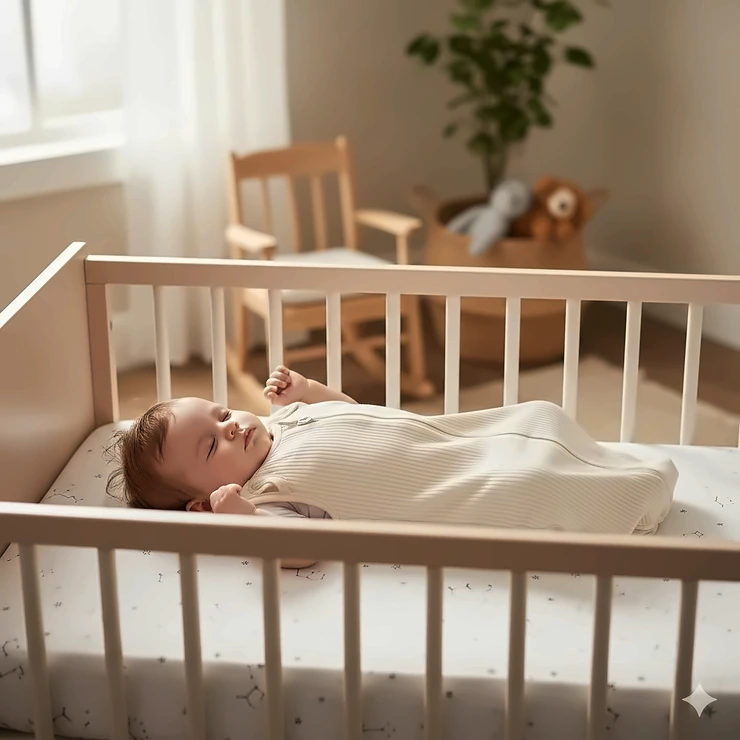
Finding the right sleep sack for 5 month old babies can feel overwhelming with countless options flooding the market. At five months, your baby is likely rolling over, becoming more active, and saying goodbye to swaddling forever. This developmental milestone makes choosing the perfect sleep sack absolutely crucial for safe, restful sleep.
I’ve spent weeks researching and analyzing top-rated sleep sacks to bring you this comprehensive guide. A quality wearable blanket not only keeps your baby cozy but also aligns with recommendations from the American Academy of Pediatrics (AAP), which strongly endorses sleep sacks as safe alternatives to loose blankets for reducing SIDS risk. Whether you’re searching for budget-friendly cotton options or premium bamboo blends, this guide covers everything you need to make an informed decision that works for your family and keeps your little one sleeping soundly through the night.
Quick Comparison Table: Top Sleep Sacks at a Glance
| Product | TOG Rating | Material | Price Range | Best For |
|---|---|---|---|---|
| HALO SleepSack Cotton | 0.5-1.5 | 100% Cotton | $20-$30 | Budget-conscious parents |
| Kyte Baby Sleep Bag | 0.5-2.5 | Bamboo Rayon | $55-$60 | Sensitive skin |
| Woolino 4 Season | Year-round | Merino Wool | $109 | All-season use |
| Gunamuna WONDERZiP | 0.5-2.6 | Bamboo Viscose | $45-$70 | Easy diaper changes |
| Yoofoss Organic Cotton (3-Pack) | 0.5 | 100% Organic Cotton | $25-$35 | Value seekers |
| Burt’s Bees Baby Beekeeper | 0.5-1.5 | Organic Cotton | $23-$27 | Eco-conscious families |
| Love to Dream Transition Bag | 1.0-2.5 | Cotton Blend | $30-$40 | Former swaddlers |
💬 Just one click – help others make better buying decisions too! 😊
Top 7 Sleep Sack for 5 Month Old: Expert Analysis 🏆
1. HALO SleepSack Cotton Wearable Blanket
The HALO SleepSack remains the gold standard for infant sleep sacks, trusted by hospitals nationwide. This classic sleepless design features 100% cotton construction with a comfortable 0.5 TOG rating, perfect for year-round use in most nurseries.
Key Specifications:
- Available in Small (0-6 months), Medium (6-12 months)
- Inverted two-way zipper for easy diaper changes
- Hip-healthy design approved by International Hip Dysplasia Institute
Price: $20-$30
Parents rave about the HALO’s reliability and ease of use. One reviewer mentioned the double zipper feature makes midnight changes effortless even when half-asleep. The extra-long sack design provides ample room for growing babies while maintaining a snug fit around the arms and neck.
✅ Pros:
- Hospital-trusted brand with proven safety record
- Affordable price point for multiple purchases
- Machine washable and durable
❌ Cons:
- Cotton may not be as soft as bamboo alternatives
- Limited TOG variety compared to premium brands
2. Kyte Baby Bamboo Sleep Bag
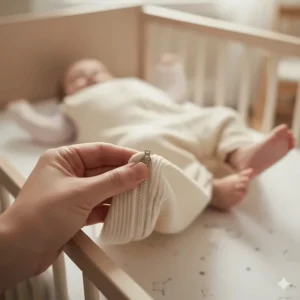
The Kyte Baby Sleep Bag has become a cult favorite among parents seeking luxury softness. Made from 97% bamboo rayon and 3% spandex, this sleep sack delivers buttery-soft comfort while offering superior temperature regulation.
Key Specifications:
- Sizes: X-Small (0-6 months), Small (0-6 months), Medium (6-12 months)
- Available in 0.5, 1.0, and 2.5 TOG ratings
- J-shaped double zipper with protective zipper garage
Price: $55-$60
Customer feedback consistently praises the exceptional softness and quality construction. The bamboo fabric naturally wicks moisture and helps soothe eczema-prone skin. Multiple parents noted their babies sleep longer stretches in Kyte bags compared to other brands.
✅ Pros:
- Incredibly soft bamboo material
- Excellent temperature regulation
- Helps soothe sensitive skin and eczema
❌ Cons:
- Higher price point ($55+)
- Requires air drying for longevity
3. Woolino 4 Season Ultimate Baby Sleep Bag
The Woolino 4 Season Ultimate Baby Sleep Bag revolutionizes sleep sack design with its innovative merino wool and organic cotton blend. This premium option works year-round, eliminating the need for multiple TOG ratings.
Key Specifications:
- Universal size fits 2-24 months
- Natural temperature regulation (equivalent to all TOG ratings)
- Seatbelt openings for car seat compatibility
Price: $109
Research from the University of Sydney demonstrates that sleeping in wool leads to better quality sleep. Parents appreciate the long-term value, as one sleep sack lasts through multiple sizing stages. The merino wool naturally regulates temperature, keeping babies comfortable in both winter and summer without overheating.
✅ Pros:
- Works for all seasons
- Universal sizing (2-24 months)
- Exceptional durability and quality
❌ Cons:
- Significant upfront investment
- May feel too warm in very hot climates
4. Gunamuna WONDERZiP Sleep Sack
Gunamuna’s WONDERZiP design changes the game for nighttime diaper changes. The innovative 4-way zipper system allows bottom access while keeping baby covered and cozy throughout changes.
Key Specifications:
- Sizes: 0-3 months through 18-36 months
- Available in 0.5, 1.0, and 2.6 TOG
- OEKO-TEX Standard 100 certified bamboo viscose
Price: $45-$70
Parents consistently mention this as their favorite feature for preserving baby’s sleep during changes. The ultra-soft bamboo fabric rivals Kyte Baby’s quality while the generous fit accommodates cloth diapers easily. One mother reported her daughter slept through diaper changes for the first time using Gunamuna.
✅ Pros:
- Genius WONDERZiP for covered diaper changes
- Exceptionally soft bamboo material
- Roomy fit for comfortable movement
❌ Cons:
- Runs large, which may not suit smaller babies
- Premium pricing tier
5. Yoofoss Organic Cotton Sleep Sack (3-Pack)
The Yoofoss 3-Pack delivers outstanding value for budget-conscious families without sacrificing safety or quality. GOTS-certified organic cotton ensures chemical-free comfort for your baby’s delicate skin.
Key Specifications:
- 100% organic cotton, GOTS certified
- Size Small fits 0-6 months perfectly
- Smooth 2-way zipper with interior guard
- 0.5 TOG rating
Price: $25-$35 for 3-pack
Customer reviews highlight the exceptional value proposition—three quality sleep sacks for less than one premium brand bag. The organic cotton provides breathability while the roomy leg design promotes healthy hip development. Parents appreciate having multiple sacks for rotation during laundry days.
✅ Pros:
- Incredible value (3-pack under $35)
- GOTS certified organic cotton
- Hip-healthy design
❌ Cons:
- Only available in 0.5 TOG
- Not as plush as bamboo options
6. Burt’s Bees Baby Beekeeper Wearable Blanket
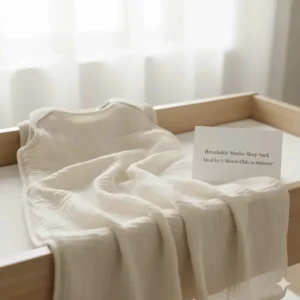
The Burt’s Bees Baby Beekeeper sleep sack combines affordability with organic quality. This GOTS-certified option features 100% organic cotton in adorable prints that parents and babies love.
Key Specifications:
- Sizes: Small (0-6 months) through X-Large (18-24 months)
- Available in 0.5 and 1.5 TOG ratings
- Bottom-opening zipper with guard
Price: $23-$27
Reviewers consistently praise the soft, breathable cotton and thoughtful design details. The interior zipper guard prevents skin irritation while the snap tab cover keeps the zipper secure. Multiple parents mentioned these wash beautifully and maintain softness through countless cycles.
✅ Pros:
- Budget-friendly organic option
- Wide range of cute patterns
- Excellent durability
❌ Cons:
- Sizing runs slightly small
- Limited TOG options
7. Love to Dream Transition Bag
The Love to Dream Transition Bag perfectly bridges the gap between swaddling and traditional sleep sacks. The innovative zip-off wing design allows gradual transition as your baby develops.
Key Specifications:
- Recommended for 3-12 months
- Available in 1.0 and 2.5 TOG
- Zip-off wings for customizable arm freedom
Price: $30-$40
Parents transitioning from Love to Dream swaddles find this particularly helpful for maintaining familiar comfort while allowing increased mobility. The snug torso fit helps reduce startle reflex while the generous bottom provides room for active legs. Customer feedback indicates babies adapt quickly to this transitional style.
✅ Pros:
- Perfect for swaddle graduation
- Zip-off wings for flexible use
- Maintains familiar feel
❌ Cons:
- Shorter wear window than standard sacks
- May be unnecessary if not using L2D swaddles
Understanding TOG Ratings: The Key to Perfect Temperature 🌡️
TOG (Thermal Overall Grade) measures insulation levels in sleep sacks. Think of it as your guide to keeping baby comfortably warm without overheating.
TOG Rating Breakdown
0.5 TOG – The Summer Lightweight Perfect for room temperatures between 74-78°F (23-26°C). These ultra-light options work beautifully in warm climates or heated nurseries. Your baby should wear just a onesie or diaper underneath.
1.0 TOG – The All-Season Favorite Ideal for temperatures between 69-73°F (21-23°C). This versatile rating suits most homes year-round. Dress baby in a long-sleeve onesie for optimal comfort.
2.5 TOG – The Cozy Winter Choice Best for cooler rooms between 61-68°F (16-20°C). These quilted options provide substantial warmth for winter months or chilly nurseries. Layer with pajamas for extra cold nights.
Choosing the Right TOG
Consider your nursery’s temperature rather than outdoor weather. Most families benefit from having two sleep sacks—a 0.5 or 1.0 TOG for warmer months and a 2.5 TOG for winter. If you’re investing in one option, the 1.0 TOG offers the most flexibility across seasons with proper layering underneath.
Why Sleep Sacks Matter: Safety Meets Comfort 🛡️
The Science Behind Safe Sleep
The American Academy of Pediatrics recommends wearable blankets as they keep babies warm without covering their face, head, or neck—significantly reducing suffocation risks. Approximately 3,500 babies die annually in the United States from sleep-related causes, making proper sleep environments critically important.
Sleep sacks eliminate dangerous loose blankets while maintaining your baby’s warmth throughout the night. Unlike traditional blankets that babies kick off, wearable blankets stay securely in place, ensuring consistent temperature regulation. The armhole design allows natural arm movement while preventing fabric from covering baby’s face—a crucial safety feature that gives parents peace of mind.
Developmental Benefits for 5-Month-Olds
At five months, babies experience significant physical development. They’re rolling over, discovering their hands, and becoming more mobile during sleep. Sleep sacks accommodate this increased movement while maintaining safe sleep practices.
The roomy bottom design promotes healthy hip development by allowing natural leg positioning. The International Hip Dysplasia Institute specifically recognizes several brands for supporting proper hip growth. Additionally, the sleeveless design helps babies practice rolling skills safely without fabric restriction.
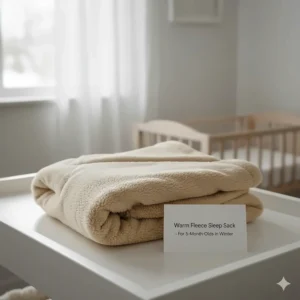
How to Choose the Perfect Sleep Sack for 5 Month Old 👶
Step 1: Measure Your Nursery Temperature
Use a reliable room thermometer to determine your average overnight temperature. This single factor guides your TOG selection more than any other consideration.
Step 2: Consider Your Baby’s Sleep Preferences
Does your baby tend to sleep hot or cold? Some babies naturally run warmer and need lighter options even in cool rooms. Observe how your baby responds to different clothing layers.
Step 3: Evaluate Material Sensitivity
If your baby has eczema or sensitive skin, bamboo rayon or organic cotton offers superior softness and breathability. These natural fibers reduce irritation while providing comfort.
Step 4: Assess Your Budget and Quantity Needs
Budget-conscious families might choose affordable 3-packs or reliable HALO options. Those investing in premium quality often prefer single high-end pieces like Woolino or Kyte Baby. Consider purchasing at least two sleep sacks for laundry rotation.
Step 5: Check Safety Certifications
Look for products that meet CPSC safety standards and feature appropriate sizing. Avoid weighted sleep sacks, which the AAP specifically warns against. Ensure proper fit—sleep sacks shouldn’t be too large or too small.
Step 6: Think About Ease of Use
Consider zipper placement for diaper changes. Bottom-up zippers or innovative designs like Gunamuna’s WONDERZiP make nighttime changes easier while preserving sleep.
Step 7: Plan for Growth
Five-month-olds grow rapidly. Most babies transition to medium size (6-12 months) within weeks. Consider sizing up if your baby measures at the upper end of the range.
Sleep Sack vs Traditional Blankets: Making the Safe Choice 🔄
| Feature | Sleep Sack | Traditional Blanket |
|---|---|---|
| Safety | AAP-recommended, reduces SIDS risk | Not safe for babies under 12 months |
| Coverage | Stays in place all night | Easily kicked off or pulled over face |
| Temperature | Consistent warmth with TOG ratings | Unpredictable, can cause overheating |
| Ease of Use | Simple zipper closure | Requires tucking and monitoring |
| Hip Development | Promotes healthy positioning | May restrict movement if tucked too tightly |
The choice becomes clear when examining safety data. Research demonstrates that loose blankets in cribs increase suffocation risks significantly, while sleep sacks provide the warmth babies need without the hazards.
Sizing Guide: Finding the Perfect Fit 📏
General Size Guidelines
Small (S): 0-6 months, 10-18 lbs, 23-26 inches
- Perfect for most 5-month-olds
- Provides room for growth
- Snug armholes prevent slipping
Medium (M): 6-12 months, 16-24 lbs, 26-31 inches
- Consider if your baby measures at upper weight/height range
- Allows for several months of use
- Better for larger or taller babies
Fitting Tips
Check these key areas for proper fit:
- Armholes: Should be snug but not tight—you should fit two fingers between fabric and skin
- Neck opening: Ensure baby’s chin sits above the neckline
- Length: Toes should have 2-3 inches of room to kick freely
- Body: Roomy enough for comfortable movement but not excessively loose
Never size up significantly, as oversized sleep sacks pose safety risks. The fabric could cover baby’s face or create entanglement hazards. If your baby falls between sizes, choose the smaller option for safer fit.
Transitioning from Swaddle to Sleep Sack: A Smooth Journey 🦋
When to Make the Switch
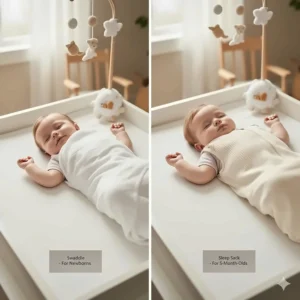
Most babies transition between 3-5 months when showing signs of rolling. The AAP recommends discontinuing swaddling as soon as babies show signs of attempting to roll over, which often occurs around 3-4 months. If your 5-month-old still uses a swaddle, it’s definitely time to transition.
Making It Easy
Week 1: One Arm Out Start by leaving one arm out of the swaddle during naps. This helps baby adjust gradually to free arm movement while maintaining some familiarity.
Week 2: Both Arms Out Transition to a traditional sleep sack with both arms free. The Love to Dream Transition Bag works excellently for this stage, offering removable wings.
Week 3: Full Sleep Sack By now, most babies adapt completely to arms-free sleeping. If your baby struggles, maintain consistency and offer comfort through other means like white noise or a pacifier.
Troubleshooting Common Issues
Frequent Waking: Normal initially as baby adjusts to free arm movement. Usually resolves within 3-5 days of consistent use.
Startle Reflex: Use a snug-fitting 1.0 or higher TOG sleep sack. The gentle pressure provides security similar to swaddling.
Rolling Immediately: This actually indicates perfect timing for transitioning! Sleep sacks allow safe rolling practice.
Caring for Your Sleep Sack: Maintenance and Longevity 🧺
Washing Instructions by Material
Cotton Sleep Sacks: Machine wash cold with like colors. Tumble dry low or hang dry to prevent shrinkage. Cotton typically maintains quality through 50+ washes, making it incredibly durable for families.
Bamboo/Rayon Sleep Sacks: Machine wash cold on gentle cycle. Air dry recommended for longevity, though many parents successfully use low heat dryer settings. Fabric softness actually improves with each wash.
Wool Sleep Sacks: Machine washable despite common misconceptions about wool care. Use wool-safe detergent and lay flat or hang to dry. Merino wool naturally resists odors, requiring less frequent washing.
Extending Sleep Sack Life
Rotate between at least two sleep sacks to reduce wear. Pre-treat any stains immediately—baby-safe stain removers work wonders on spit-up and diaper leaks. Store clean sleep sacks in a dry location away from direct sunlight to prevent fabric degradation.
Inspect zippers regularly for smooth operation. A stuck zipper becomes frustrating during 2 AM diaper changes. Replace sleep sacks showing significant wear, especially around armholes or neck openings where fabric stress concentrates.
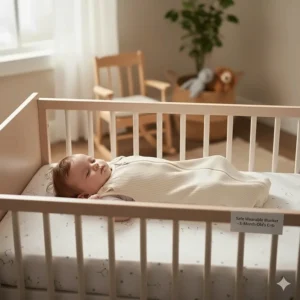
Common Sleep Sack Mistakes to Avoid ⚠️
Oversizing for “Growth Room”
While tempting to buy larger sizes for extended use, oversized sleep sacks compromise safety. Excess fabric around the neck can slip over baby’s face. Always choose current size based on your baby’s measurements.
Incorrect TOG Selection
Using a 2.5 TOG sleep sack in a 75°F nursery leads to overheating and disrupted sleep. Match TOG ratings to your actual room temperature, not outdoor weather. Feel baby’s chest and back (not hands and feet) to gauge temperature appropriateness.
Skipping the Transition
Jumping directly from tight swaddling to roomy sleep sacks can disrupt sleep initially. Take time for gradual transitions using intermediate products like transition swaddles with zip-off wings.
Using Weighted Sleep Sacks
Despite marketing claims, weighted sleep sacks lack safety approval from major pediatric organizations. The AAP explicitly recommends avoiding weighted products for infant sleep. Stick with traditional wearable blankets that meet established safety standards.
Improper Layering
Parents often over-layer clothing under sleep sacks, causing overheating. Follow the general rule: dress baby in one layer less than you’d wear yourself, then add the appropriately-rated sleep sack.
Sleep Sack Safety Guidelines: Following AAP Recommendations 🏥
The American Academy of Pediatrics provides comprehensive safe sleep guidelines that directly apply to sleep sack use. Following these evidence-based recommendations significantly reduces sleep-related risks.
Essential Safety Rules
Always Place Baby on Back: Babies should sleep on their backs for every sleep until their first birthday. However, if baby rolls from back to stomach independently, they can remain in that position.
Room Sharing, Not Bed Sharing: Keep baby’s sleep surface in your room for at least six months, ideally the full first year. This arrangement reduces SIDS risk by up to 50% while making nighttime care more convenient.
Firm, Flat Sleep Surface: Use CPSC-approved cribs, bassinets, or play yards with firm mattresses and fitted sheets. Never place baby to sleep on soft surfaces like couches, adult beds, or cushioned chairs.
Keep Sleep Area Bare: Remove all pillows, stuffed animals, loose blankets, and bumper pads. The sleep sack replaces loose blankets entirely, eliminating suffocation hazards.
Avoid Overheating: Dress baby appropriately for room temperature. If baby’s chest feels warm or sweaty, remove layers or switch to a lighter TOG rating.
What to Avoid
Never use weighted sleep products, inclined sleepers, or bed-sharing arrangements. These practices increase sleep-related death risks despite marketing claims. Trust evidence-based guidelines from pediatric experts rather than product advertising.
For comprehensive safe sleep information, visit the AAP’s Safe Sleep page and HealthyChildren.org’s safe sleep guide.
Real Parent Reviews: What Families Are Saying 💬
Sarah, Mom of 2 (Atlanta, GA)
“We tried three different brands before discovering Kyte Baby for our 5-month-old. Yes, it’s pricier, but the bamboo fabric makes such a difference for our daughter’s eczema. She sleeps 11 hours straight now, and the material still feels brand new after four months of use. Worth every penny for us.”
Michael, Dad of Twins (Portland, OR)
“With twins, budget mattered. The Yoofoss 3-packs saved us hundreds compared to premium brands. They wash well, fit perfectly, and both babies sleep soundly. Sometimes the best choice isn’t the most expensive—it’s what works for your family situation.”
Jennifer, First-Time Mom (Miami, FL)
“Living in Florida, we needed something breathable for our hot summers. HALO’s 0.5 TOG cotton sleep sack keeps our son comfortable without overheating. The two-way zipper makes diaper changes so much easier at 3 AM. Can’t recommend it enough for warm climates.”
David, Dad of 3 (Minneapolis, MN)
“After two kids, we finally tried Woolino for our third. The all-season design means we don’t constantly swap sleep sacks based on temperature. It’s expensive upfront but pays off when you’re not buying multiple TOG ratings. Plus, the universal sizing lasts forever.”
Sleep Environment Optimization: Beyond the Sleep Sack 🌟
Creating the Perfect Sleep Space
The right sleep sack forms just one component of optimal sleep conditions. Room temperature should remain between 68-72°F (20-22°C) for most babies. Use a reliable room thermometer to monitor conditions accurately.
Maintain appropriate humidity levels between 40-50% to prevent dry air from irritating baby’s respiratory system. A cool mist humidifier works well in most climates, particularly during winter heating seasons.
Sound and Light Management
White noise machines help babies sleep longer by masking household sounds and creating consistent audio environments. Keep volume at conversational levels—never exceeding 50 decibels near baby’s sleep space.
Blackout curtains support circadian rhythm development by creating darkness conducive to melatonin production. Even small amounts of light can disrupt infant sleep patterns, so invest in quality window coverings.
Establishing Routines
Consistent bedtime routines signal sleep time to babies. A typical sequence might include bath time, diaper change, feeding, and putting on the sleep sack. This final step becomes a powerful sleep cue—babies quickly learn that zipping into their sleep sack means bedtime has arrived.
✨ Don’t Miss These Exclusive Deals!
🔍 Take your baby’s sleep to the next level with these carefully selected products. Click on any highlighted item above to check current pricing and availability. These sleep sacks will help create the safe sleep environment your baby needs for restful nights and healthy development!
Price Comparison: Finding Value at Every Budget 💰
| Budget Category | Price Range | Best Options | Value Score |
|---|---|---|---|
| Budget-Friendly | $20-$30 | HALO SleepSack, Burt’s Bees Baby, Yoofoss 3-Pack | ⭐⭐⭐⭐⭐ |
| Mid-Range | $40-$60 | Love to Dream, Kyte Baby, Gunamuna | ⭐⭐⭐⭐ |
| Premium | $70-$110 | Woolino 4 Season, Gunamuna Long-Sleeve | ⭐⭐⭐⭐ |
Budget Analysis
Best Overall Value: Yoofoss 3-Pack ($25-35) provides three quality sleep sacks for less than one premium option. Perfect for families needing multiple sacks without breaking the bank.
Best Long-Term Investment: Woolino 4 Season ($109) costs more upfront but the universal sizing (2-24 months) and year-round functionality eliminate future purchases. One sack potentially serves your baby for nearly two years.
Best Mid-Range Choice: Kyte Baby ($55-60) balances premium quality with reasonable pricing. The exceptional softness and durability justify the cost for many families, especially those dealing with sensitive skin.
Money-Saving Tips
Buy during major sales events like Black Friday or Prime Day for 20-40% discounts. Join brand email lists for exclusive promo codes. Consider gently used options from trusted marketplace groups—sleep sacks typically wear excellently and wash clean.
Purchase end-of-season sales for next year’s needs. Summer sleep sacks go on clearance in fall, while winter options discount in spring. This strategic buying approach saves significantly over retail pricing.
Frequently Asked Questions ❓
❓ How many sleep sack for 5 month old should I own?
❓ Can my 5 month old sleep in just a diaper with a sleep sack?
❓ What happens if my baby kicks off the sleep sack?
❓ Should I use a sleep sack for 5 month old during daytime naps?
❓ How do I know if my baby is too hot or too cold in their sleep sack?
Conclusion: Sweet Dreams Await Your Little One 😴
Choosing the perfect sleep sack for 5 month old babies involves balancing safety, comfort, and budget considerations. Whether you opt for the hospital-trusted HALO SleepSack, the luxuriously soft Kyte Baby, or the innovative Woolino 4 Season, you’re making a smart investment in your baby’s sleep quality and safety.
Remember that the best sleep sack for your family meets your specific needs—climate, budget, and baby’s preferences all matter. Start with proper TOG selection based on your nursery temperature, ensure appropriate sizing, and follow AAP safe sleep guidelines for optimal results.
Your 5-month-old is entering an exciting developmental phase with increased mobility and awareness. The right wearable blanket supports this growth while maintaining safe sleep practices that give you peace of mind throughout the night. Sweet dreams are just a sleep sack away!
✨ Found This Helpful? Share the Knowledge!
🔍 Ready to upgrade your baby’s sleep experience? Explore these expert-recommended sleep sacks and discover which option works best for your family’s unique needs!
Recommended for You 📚
- 7 Best Sleep Sacks for 4 Month Old | Safe Sleep Guide 2025
- 7 Best Sleep Sacks for Babies Who Roll 2025 (Safe Sleep Guide)
- Best 7 Sleep Sacks for 3 Month Old: 2025 Expert Guide
Disclaimer: This article contains affiliate links. If you purchase products through these links, we may earn a small commission at no additional cost to you.
✨ Found this helpful? Share it with your friends! 💬🤗
