In This Article
You’ve probably spent countless nights worrying about whether your little one is too hot, too cold, or if those loose blankets are safe. Here’s the thing: a sleep bag for baby isn’t just another nursery gadget—it’s actually a game-changer for both safety and sleep quality.
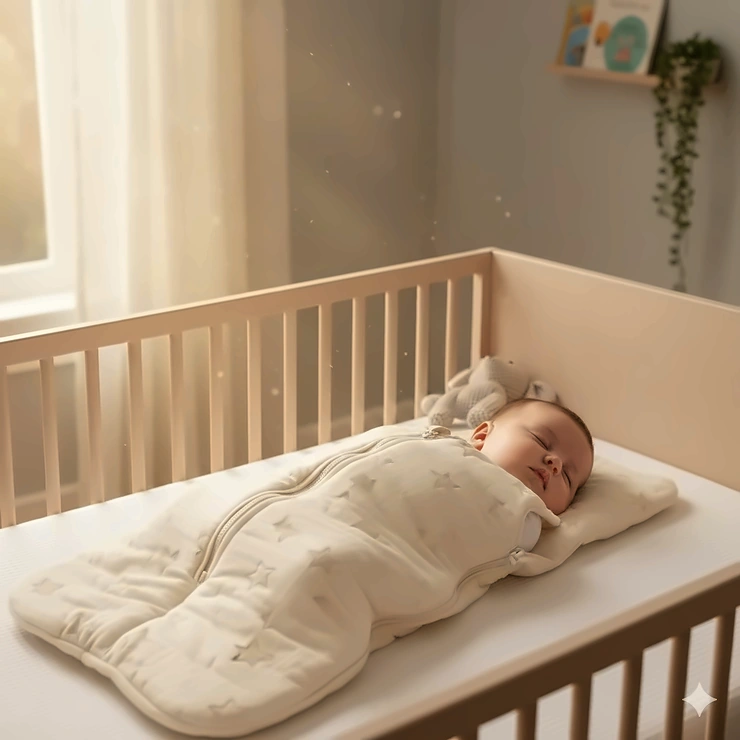
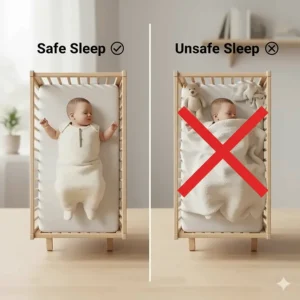
Around 3,500 babies in the United States die each year during sleep due to unsafe sleep environments, according to the American Academy of Pediatrics. That’s why the AAP recommends keeping your baby’s sleep area free of loose blankets, pillows, and soft bedding. Enter the sleep bag for baby—a wearable blanket that keeps your infant cozy without the hazards.
I remember when my daughter was born, I was terrified every time I checked on her. Was she breathing? Did she kick off her blanket? Then I discovered sleep bags, and honestly, my anxiety dropped by about 80%. These clever wearable blankets have revolutionized how babies sleep safely, replacing those risky loose blankets with a snug, secure design that can’t be kicked off.
Whether you’re a first-time parent or adding to your family, choosing the right sleep bag for baby can feel overwhelming with so many options flooding the market. In this guide, I’ll walk you through everything you need to know—from TOG ratings to sizing—plus my honest reviews of the best sleep bags available in 2025.
Quick Comparison Table
| Product | TOG Rating | Material | Price Range | Best For |
|---|---|---|---|---|
| HALO SleepSack | 0.5, 1.5, 2.5 | 100% Cotton | $20-$30 | Hospital-trusted choice |
| KYTE BABY Sleep Bag | 0.5, 1.0, 2.5 | Bamboo Rayon | $35-$45 | Luxe softness |
| Woolino 4 Season | Universal (2-24 months) | Merino Wool | $90-$120 | Year-round use |
| LollyBanks Sleep Sack | 0.5 | Organic Cotton | $25-$35 | Budget-friendly |
| Yoofoss Sleep Sack | 0.5, 1.0 | Organic Cotton | $22-$32 | Value pack options |
| BABYINABAG | 1.25, 2.5 | Minky Plush | $40-$50 | Extra warmth |
| TOTCHILL Sleep Sack | 1.0 | Soft Blend | $28-$38 | All-season comfort |
💬 Just one click – help others make better buying decisions too! 😊
Top 7 Sleep Bags for Baby: Expert Analysis
1. HALO SleepSack – The Hospital Gold Standard
The HALO SleepSack has been the #1 choice in hospitals nationwide for years, and there’s a good reason why. Used by nurses and pediatricians across the country, this HALO SleepSack offers unmatched reliability and safety features that make it perfect for nervous new parents.
Key Specifications:
- Available in TOG ratings: 0.5 (lightweight), 1.5 (medium), 2.5 (winter)
- 100% cotton interlock fabric with double-knit construction
- Sizes from Newborn (6-12 lbs) to X-Large (26-36 lbs)
Price Range: $20-$30 depending on size and TOG rating
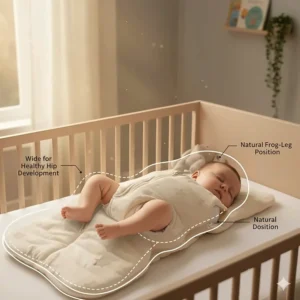
Parents consistently praise its inverted zipper design that opens from the bottom, making those 2 AM diaper changes a breeze. The hip-healthy sack design has been recognized by the International Hip Dysplasia Institute, ensuring your baby’s legs develop properly while they snooze.
✅ Pros:
- Hospital-trusted brand with proven safety record
- Generous sizing accommodates growing babies
- Machine washable and incredibly durable
❌ Cons:
- Some parents find the armholes slightly large for smaller babies
- Limited color options compared to boutique brands
2. KYTE BABY Sleep Bag – Cloud-Like Bamboo Luxury
If you’re looking for the Rolls-Royce of sleep bags, the KYTE BABY Sleep Bag delivers luxury that your baby can actually feel. Made from 97% rayon derived from bamboo, this KYTE BABY Sleep Bag feels impossibly soft—like sleeping on a cloud.
Key Specifications:
- Bamboo rayon fabric with natural temperature regulation
- Available in 0.5, 1.0, and 2.5 TOG ratings
- Features a quilted interior to prevent bunching
Price Range: $35-$45
The bamboo fabric naturally wicks moisture and regulates temperature better than cotton, making it ideal for babies who tend to overheat. Customer reviews consistently mention how their babies sleep longer stretches in these sleep bags, with many parents calling it “worth every penny.”
✅ Pros:
- Incredibly soft bamboo fabric feels luxurious
- Wide rainbow of modern colors and prints
- Excellent temperature regulation properties
❌ Cons:
- Higher price point than cotton options
- May require more delicate washing care
3. Woolino 4 Season Ultimate Sleep Bag – The One-Bag Solution
Here’s something revolutionary: the Woolino 4 Season Ultimate Sleep Bag is designed to be the only sleep bag your baby needs from 2 months to 2 years. This Woolino 4 Season sleep bag uses Australian merino wool, which naturally regulates temperature across all seasons.
Key Specifications:
- Merino wool lining with GOTS certified organic cotton outer
- Universal adjustable sizing (2-24 months)
- Two-way zipper system with double shoulder snaps
Price Range: $90-$120
While the upfront cost might make you gulp, consider this: you’re buying one sleep bag instead of multiple sizes and TOG ratings. Parents love the adjustable features that grow with their baby, and the merino wool means your little one won’t overheat in summer or freeze in winter.
✅ Pros:
- One bag covers 2 months to 2 years (incredible value)
- Natural temperature regulation works year-round
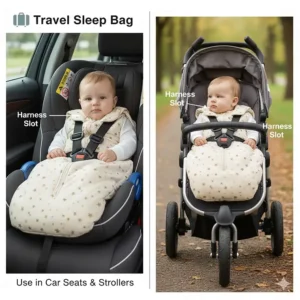
- Closable seat-belt slots for stroller transfers
❌ Cons:
- Significant upfront investment
- Wool may require special washing care
4. LollyBanks Baby Sleep Sack – Budget-Friendly Organic Option
Don’t let the affordable price fool you—the LollyBanks Baby Sleep Sack punches way above its weight class. This LollyBanks sleep sack offers organic cotton quality at a price that won’t make you wince.
Key Specifications:
- 100% organic cotton construction
- TOG 0.5 rating ideal for year-round use
- Two-way zipper with protective flap
Price Range: $25-$35
New parents especially appreciate the thoughtful 2-way zipper design that allows quick diaper changes without removing the entire sleep bag. Available in multiple adorable prints (the vehicle design is particularly popular), it offers premium features without the premium price tag.
✅ Pros:
- Organic cotton at an affordable price point
- Soft and breathable for delicate skin
- Cute designs babies (and parents) love
❌ Cons:
- Only available in 0.5 TOG (may need layering in winter)
- Newer brand with less market history
5. Yoofoss Baby Sleep Sack – Best Value Pack
If you’re the type who wants backups for everything (smart parent move, by the way), the Yoofoss Baby Sleep Sack comes in convenient 3-pack sets. This Yoofoss sleep sack offers GOTS-certified organic cotton at a price that makes stocking up easy.
Key Specifications:
- 100% organic cotton certified by Global Organic Textile Standard
- Available in 0.5 and 1.0 TOG ratings
- Interior zipper guard protects delicate skin
Price Range: $22-$32 for 3-pack sets
Parents rave about always having a clean sleep bag ready, which is crucial during those inevitable midnight blowouts. The roomy design promotes healthy hip development while giving babies freedom to kick and move comfortably.
✅ Pros:
- Excellent value with 3-pack options
- GOTS-certified organic materials
- Smooth double zipper system
❌ Cons:
- May run slightly large for smaller babies
- Limited size availability compared to major brands
6. BABYINABAG Winter Model – The Cozy Champion
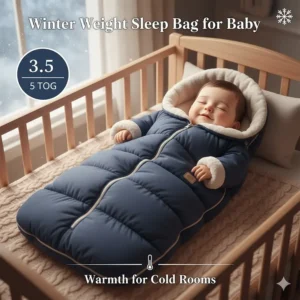
For parents in colder climates or drafty homes, the BABYINABAG Winter Model offers serious warmth without loose blankets. This BABYINABAG sleep bag features plush minky dot fabric that feels like a warm hug.
Key Specifications:
- 2.5 TOG quilted winter model with polyester filling
- Plush minky dot exterior with 100% cotton jersey interior
- Three sizes available (3-11, 10-24, 24-36 months)
Price Range: $40-$50
European families have trusted sleep bags for decades, and this design brings that time-tested safety to American nurseries. The quilted construction provides consistent warmth throughout, and parents love that only soft cotton touches baby’s skin despite the warm exterior.
✅ Pros:
- Excellent insulation for cold rooms (below 70°F)
- Adjustable armholes accommodate growth
- European safety standards
❌ Cons:
- Too warm for summer or well-heated homes
- Synthetic filling may not appeal to natural-fiber purists
7. TOTCHILL Baby Sleep Sack – The All-Season Performer
The TOTCHILL Baby Sleep Sack strikes a perfect balance between warmth and breathability, making it ideal for parents who want one versatile option. This TOTCHILL sleep sack features 1.0 TOG rating that works across multiple seasons.
Key Specifications:
- 1.0 TOG rating suitable for 68-75°F rooms
- Soft, cozy wearable blanket design
- Multiple sizes from newborn to 3T
Price Range: $28-$38
Customer feedback highlights how well this sleep bag works during transitional seasons like spring and fall. The medium-weight construction provides just enough warmth without overheating, and the quality rivals more expensive brands.
✅ Pros:
- Versatile 1.0 TOG works most of the year
- Comfortable, soft fabric babies love
- Affordable mid-range pricing
❌ Cons:
- Less brand recognition than established names
- May need supplementation in extreme temperatures
What Is a Sleep Bag for Baby?
A sleep bag for baby (also called a wearable blanket or sleep sack) is essentially a sleeveless garment that zips up to create a safe sleeping environment. Think of it as a sleeping bag designed specifically for infants—your baby’s legs stay inside a roomy sack while their arms remain free.
The concept originated in Europe, where parents have relied on sleep bags for generations as a safer alternative to loose blankets. According to the Centers for Disease Control and Prevention, keeping soft objects and loose bedding away from your baby’s sleep area significantly reduces the risk of SIDS and suffocation.
Unlike traditional blankets that babies can kick off (leaving them cold) or pull over their faces (creating a suffocation hazard), sleep bags stay securely in place throughout the night. The sleeveless design prevents overheating while allowing natural arm movement, and the roomy leg area promotes healthy hip development.
Modern sleep bags come in various TOG ratings, which measure thermal insulation. Understanding TOG ratings helps you choose the right warmth level for your nursery temperature, ensuring your baby stays comfortable without overheating—a major SIDS risk factor identified by the AAP’s safe sleep guidelines.
Understanding TOG Ratings: The Secret to Comfortable Sleep
What Does TOG Actually Mean?
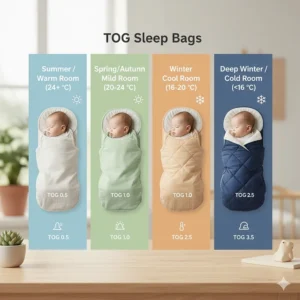
TOG stands for “Thermal Overall Grade,” a measurement system developed in Britain during the 1940s. It quantifies how well a textile insulates and retains heat. For baby sleep bags, TOG ratings typically range from 0.5 to 3.5, with higher numbers indicating warmer garments.
Here’s the kicker: TOG isn’t about thickness—it’s about the fabric’s ability to trap heat. A thin bamboo sleep bag might have the same TOG rating as a thicker cotton one because bamboo naturally regulates temperature differently.
TOG Rating Guidelines by Room Temperature
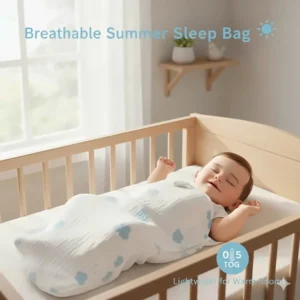
0.5 TOG (Lightweight):
- Room temperature: 75-81°F
- Perfect for: Hot summer nights, well-heated homes
- Layer underneath: Just a lightweight bodysuit or diaper
1.0 TOG (Medium-Light):
- Room temperature: 68-75°F
- Perfect for: Spring, fall, and mild winter nights
- Layer underneath: Short-sleeve bodysuit or light pajamas
1.5 TOG (Medium):
- Room temperature: 64-72°F
- Perfect for: Cool evenings and moderate climates
- Layer underneath: Long-sleeve bodysuit or light footed pajamas
2.5 TOG (Winter Weight):
- Room temperature: 61-68°F
- Perfect for: Cold winter nights and drafty rooms
- Layer underneath: Long-sleeve pajamas (avoid overheating)
3.5 TOG (Extra Warm):
- Room temperature: Below 61°F
- Perfect for: Extremely cold conditions
- Layer underneath: Minimal layering to prevent overheating
How to Check If Your Baby Is Comfortable
The best way to gauge your baby’s temperature isn’t by feeling their hands or feet (which are naturally cooler). Instead, gently touch the back of their neck or their tummy. These areas should feel warm but not sweaty or clammy.
Signs your baby is too hot:
- Damp hair or sweaty back
- Flushed, red cheeks or ears
- Rapid breathing
- Restless, frequent waking
Signs your baby is too cold:
- Cool chest or back to touch
- Fussiness and crying
- Shivering (though rare in properly dressed babies)
- Difficulty settling
Remember: Overheating poses a greater SIDS risk than being slightly cool. When in doubt, dress your baby in one more layer than you’re comfortable wearing, then adjust based on their cues.
Benefits of Using a Sleep Bag for Baby
Safety First: Reducing SIDS Risk
The primary benefit of a sleep bag for baby is enhanced safety. Loose blankets in the crib increase the risk of suffocation and SIDS. Sleep bags eliminate this hazard entirely, keeping your baby warm without any loose bedding. Safe sleep research consistently shows that wearable blankets are safer than traditional blankets for infants under 12 months.
Better Sleep for Everyone
When babies stay comfortably warm all night, they sleep longer and wake less frequently. Unlike blankets that get kicked off at 2 AM (cue the crying), sleep bags stay put. Many parents report their babies sleeping an extra hour or two once they switched to sleep bags—that’s gold for exhausted parents.
Easier Nighttime Routines
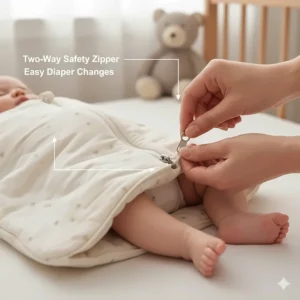
That 2 AM diaper change doesn’t have to be a production. Most quality sleep bags feature bottom-opening zippers, so you can change your baby without removing the entire garment. Your baby stays warm and drowsy, making it easier for everyone to drift back to sleep.
Promotes Healthy Hip Development
The International Hip Dysplasia Institute recognizes properly designed sleep bags as “hip-healthy” products. The roomy sack design allows babies’ legs to move freely and naturally, supporting proper hip joint development. Tight swaddling or restrictive clothing can increase the risk of hip dysplasia, but sleep bags provide the perfect balance of security and freedom.
Temperature Regulation
Quality sleep bags help maintain consistent body temperature throughout the night. Natural fabrics like cotton and bamboo wick moisture and allow airflow, while TOG-rated designs let you choose the perfect warmth level for your nursery.
Comparison: Sleep Bags vs Traditional Blankets
| Feature | Sleep Bag for Baby | Traditional Blanket |
|---|---|---|
| Safety | Cannot cover face or be kicked off | Risk of face covering and suffocation |
| Warmth | Consistent all night | Easily kicked off, leading to cold baby |
| SIDS Risk | Lower risk (AAP recommended) | Higher risk with loose bedding |
| Convenience | Stays on during diaper changes | Needs replacement after changes |
| Hip Health | Promotes healthy development | Tight swaddling can restrict movement |
| Sleep Quality | Baby stays warm, sleeps longer | Frequent waking from cold |
| Cost | $20-$120 per sleep bag | $10-$30 per blanket |
| Lifespan | Lasts multiple seasons (adjustable) | Outgrown quickly |
How to Choose the Perfect Sleep Bag for Baby
Step 1: Determine Your Nursery Temperature
Invest in a simple room thermometer ($10-15) to accurately measure your nursery temperature. Most experts recommend keeping baby’s room between 68-72°F for optimal sleep. Once you know your typical room temperature, selecting the appropriate TOG rating becomes straightforward.
Step 2: Consider the Season
Do you need a sleep bag for all seasons, or just specific weather? If you live in a climate with mild year-round temperatures, a 1.0 TOG might be your perfect one-bag solution. But if you experience hot summers and frigid winters, you’ll likely want at least two sleep bags with different TOG ratings.
Some innovative options like the Woolino offer year-round versatility with natural temperature regulation, potentially saving you money in the long run.
Step 3: Select the Right Size
Sleep bags should fit snugly around the armholes and neck to prevent your baby from sliding down inside (a suffocation hazard). However, the bottom should be roomy enough for leg movement. Most brands size by weight and age:
- Newborn/Small: 0-6 months (6-18 lbs)
- Medium: 6-12 months (16-24 lbs)
- Large: 12-18 months (22-28 lbs)
- X-Large: 18-24+ months (26-36 lbs)
Never buy a sleep bag your baby hasn’t grown into yet—proper fit is crucial for safety.
Step 4: Choose Your Fabric
100% Cotton: Breathable, soft, and affordable. Great for most babies with normal temperature regulation.
Organic Cotton: Same benefits as regular cotton but grown without pesticides. Ideal for babies with sensitive skin or eco-conscious parents.
Bamboo/Rayon: Incredibly soft and naturally temperature-regulating. More expensive but worth it for babies who overheat easily.
Merino Wool: Natural temperature regulation works across all seasons. Higher price point but eliminates the need for multiple TOG ratings.
Synthetic Blends: Often more affordable and easier to care for, though may not breathe as well as natural fibers.
Step 5: Check Safety Features
Look for these important safety elements:
- Neck and armholes sized appropriately (not too loose)
- Two-way zipper for easy diaper changes
- Zipper cover or guard to prevent skin irritation
- No loose ribbons, buttons, or decorative elements
- Meets current CPSC safety standards
Step 6: Consider Your Budget
Quality sleep bags range from $20 to $120. While premium options offer luxe features, plenty of budget-friendly sleep bags meet safety standards and keep babies comfortable. Buying multiple affordable options (one for washing, one for wearing) often makes more sense than splurging on a single high-end bag.
Step 7: Read Real Parent Reviews
Before committing, check verified customer reviews on Amazon and other retailers. Pay attention to comments about sizing accuracy, durability after washing, and whether babies actually sleep better. Real parent experiences often reveal details manufacturers won’t mention.
✨ Don’t Miss These Exclusive Deals!
🔍 Take your baby’s sleep to the next level with these carefully selected products. Click on any highlighted item to check current pricing and availability. These tools will help you create authentic safe sleep solutions your family will love!
Common Mistakes Parents Make with Sleep Bags
Mistake #1: Choosing the Wrong TOG for Room Temperature
Many parents guess at their nursery temperature or assume it’s warmer/cooler than reality. This leads to uncomfortable babies who wake frequently or, worse, overheat. Solution: Use an accurate thermometer and follow TOG guidelines strictly.
Mistake #2: Over-Layering Underneath
It seems logical to bundle your baby in warm pajamas under their sleep bag, but this can quickly lead to dangerous overheating. Each layer you add increases the overall warmth. For a 2.5 TOG sleep bag, your baby might only need a long-sleeve bodysuit underneath—not full footed pajamas plus layers.
Mistake #3: Buying the Wrong Size
An oversized sleep bag allows your baby to slip down inside, creating a suffocation hazard. A too-small bag restricts movement and becomes uncomfortable. Always follow the manufacturer’s weight and height guidelines, and when in doubt, measure your baby before purchasing.
Mistake #4: Using Sleep Bags with Unsafe Sleep Products
Sleep bags are meant for flat, firm crib mattresses—not inclined sleepers, soft surfaces, or products that haven’t met CPSC safety standards. Combining a sleep bag with unsafe sleep surfaces doesn’t magically make them safer.
Mistake #5: Continuing Swaddling Too Long
Once your baby shows signs of rolling over (typically 2-4 months), it’s time to transition from swaddling to sleep bags. Continuing to swaddle a rolling baby creates serious suffocation risks. Sleep bags with arm freedom eliminate this concern.
Mistake #6: Ignoring Signs of Discomfort
Your baby will tell you if they’re uncomfortable—through fussiness, red ears, sweating, or difficulty settling. Pay attention to these cues and adjust layers, TOG rating, or room temperature accordingly.
Sleep Bag Care and Maintenance Tips
Washing Guidelines
Most sleep bags are machine washable, but following care instructions extends their lifespan significantly:
Cotton Sleep Bags:
- Wash in cold or warm water (check label)
- Use gentle, fragrance-free detergent
- Tumble dry low or line dry
- Avoid fabric softeners (they reduce breathability)
Bamboo/Rayon Sleep Bags:
- Wash in cold water on gentle cycle
- Use mild detergent designed for delicates
- Line dry preferred, or tumble dry extra low
- Never use bleach or harsh chemicals
Wool Sleep Bags:
- Hand wash or use wool cycle
- Use wool-specific detergent
- Lay flat to dry (never hang or tumble dry)
- May need special lanolin treatment periodically
General Tips:
- Wash new sleep bags before first use
- Close zippers before washing to prevent snagging
- Wash sleep bags separately from items with hooks or rough textures
- Inspect after each wash for wear, tears, or loose threads
- Replace immediately if damaged
Storage Between Seasons
When storing seasonal sleep bags:
- Ensure they’re completely clean and dry
- Fold loosely to prevent permanent creasing
- Store in breathable cotton bags (not plastic)
- Keep in cool, dry location away from direct sunlight
- Check for moths or pests if storing wool items
Transitioning from Swaddle to Sleep Bag
Around 2-4 months, babies begin showing signs they’re ready to roll over. This is your cue to transition from swaddling to a sleep bag—but the change doesn’t have to be dramatic.
Signs It’s Time to Transition
- Baby is attempting to roll from back to side or stomach
- Breaking free from swaddle regularly
- Showing frustration with arm restriction
- Reaching 8 weeks old (some pediatricians recommend this timeline)
Making the Switch Easier
Option 1: Gradual Transition Many companies offer transitional swaddles that allow one or both arms out. This helps babies adjust to arm freedom while maintaining some swaddle security.
Option 2: Cold Turkey Method If your baby adapts well to change, you can switch directly to a sleep bag. Some babies hardly notice the difference, especially if you maintain other sleep routine elements.
Option 3: Daytime Practice Let your baby wear the sleep bag during supervised naps for a few days before using it at night. This familiarization helps them adapt without disrupting nighttime sleep.
First Nights in a Sleep Bag
Expect some adjustment period. Your baby might:
- Wake more frequently the first 2-3 nights
- Seem confused by arm freedom
- Need extra soothing to settle
Stay consistent and patient. Most babies fully adjust within a week, and many sleep better than ever with unrestricted arm movement.
Frequently Asked Questions
❓ When can babies start using a sleep bag for baby?
❓ Can a sleep bag for baby help babies sleep through the night?
❓ How many sleep bags do I actually need?
❓ Can babies wear pajamas under their sleep bag for baby?
❓ What happens if my baby outgrows their sleep bag for baby before the season ends?
Conclusion: Finding Your Perfect Sleep Bag for Baby
Choosing the right sleep bag for baby doesn’t have to be overwhelming. By understanding TOG ratings, selecting appropriate sizes, and considering your specific needs (climate, budget, fabric preferences), you’ll find the perfect option for your little one.
Remember that the “best” sleep bag is ultimately the one that works for YOUR family. The hospital-trusted HALO SleepSack offers unbeatable reliability, while the luxurious KYTE BABY delivers premium softness. Budget-conscious parents love LollyBanks and Yoofoss, and the Woolino provides unmatched versatility across seasons.
Whatever you choose, you’re making a smart investment in your baby’s safety and sleep quality. Loose blankets are officially yesterday’s news—welcome to safer, simpler sleep solutions that actually work.
Sweet dreams are just one sleep bag away. Your well-rested future self will thank you for making the switch!
Recommended for You
- Sleep Sack for 5 Month Old: 7 Best Picks for Safe Sleep 2025
- 7 Best Sleep Sacks for 4 Month Old | Safe Sleep Guide 2025
- 7 Best Sleep Sacks for Babies Who Roll 2025 (Safe Sleep Guide)
Disclaimer: This article contains affiliate links. If you purchase products through these links, we may earn a small commission at no additional cost to you.
✨ Found this helpful? Share it with your friends! 💬🤗
