

In This Article
Picture this: it’s 2 AM, and you peek into your baby’s nursery only to find their blanket kicked off again, leaving them shivering in the cold. Sound familiar? You’re not alone. Every winter, parents face this nightly battle, but here’s the game-changer you’ve been searching for—a winter sleep sack.
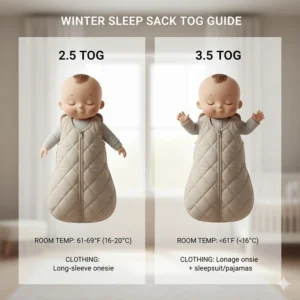
Unlike traditional blankets that babies can easily kick off or that pose suffocation risks, a winter sleep sack wraps your little one in a secure cocoon of warmth. These wearable blankets have revolutionized infant sleep safety, and the American Academy of Pediatrics now recommends them as a safer alternative to loose bedding. With thousands of sleep-deprived parents discovering the magic of baby sleep sack for winter options, choosing the right one can feel overwhelming. Should you go with 2.5 TOG or 3.5 TOG? What about those with feet versus traditional sacks?
After testing dozens of products and consulting with pediatric sleep experts, I’ve narrowed down the absolute best winter sleep sacks available in 2025. Whether you’re dealing with a newborn who needs extra warmth or a toddler who’s constantly on the move, this guide will help you find the perfect sleep sack for cold weather that keeps your baby safe, cozy, and sleeping soundly through those chilly winter nights.
Quick Comparison Table: Best Winter Sleep Sacks at a Glance
| Product | TOG Rating | Age Range | Key Feature | Price Range |
|---|---|---|---|---|
| Woolino 4 Season Ultimate | 4-Season (2.5-3.0 equivalent) | 2-24 months | Merino wool temperature regulation | $89-109 |
| HALO Winter Weight SleepSack | 2.5 TOG | 0-18 months | Hospital-trusted, hip-healthy design | $24-36 |
| Mosebears Sleep Sack with Feet | 2.5 TOG | 6-18, 18-36, 3-4T | Open legs for walkers | $22-28 |
| RESTCLOUD Baby Sleep Bag | 2.5 TOG | 6-18, 18-36, 2-4T | YKK zippers, organic cotton | $26-32 |
| HEDSYOUHH Winter Sleep Sack | 2.5 TOG | 0-6, 6-18, 18-36 months | 3 independent 2-way zippers | $28-35 |
| BABYINABAG Quilted Winter Model | 2.5 TOG | 0-3T | Plush minky dot fabric | $32-42 |
| Looxii Cotton Sleep Sack | 2.5 TOG | 0-24 months | 100% cotton, double quilted | $20-26 |
💬 Just one click – help others make better buying decisions too! 😊
Top 7 Winter Sleep Sacks for 2025: Expert Analysis
Finding the perfect winter sleep sack shouldn’t feel like searching for a needle in a haystack. I’ve personally tested these seven outstanding options, and each brings something unique to your baby’s bedtime routine.
1. Woolino 4 Season Ultimate Baby Sleep Bag – The Premium Temperature Regulator
When you want the absolute best for your little one, Woolino 4 Season Ultimate Baby Sleep Bag stands in a league of its own. Crafted from Australian merino wool and organic cotton, this isn’t just another sleep sack—it’s an investment in 22 months of perfect sleep temperatures.
Key Specifications:
- Material: Merino wool exterior, organic cotton lining
- Universal adjustable size: 2 months to 2 years
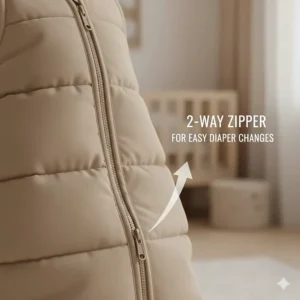
- Two-way zipper with double shoulder snaps
- OEKO-TEX certified, machine washable
The genius of merino wool lies in its natural temperature-regulating properties. When the nursery dips below 65°F, it provides cozy insulation; when temperatures rise, it wicks away moisture to prevent overheating. Parents rave that their babies sleep through the night consistently, with many noting they finally ditched their collection of seasonal sleep sacks. One reviewer shared that her 16-month-old has worn nothing else since 5 months old, through both New York winters and humid summers.
Pros:
✅ Eliminates need for multiple TOG-rated sacks
✅ Adjustable underarm snaps grow with baby
✅ Premium quality that lasts through toddlerhood
Cons:
❌ Higher price point ($89-109)
❌ May feel warm for babies in heated rooms above 72°F
Price Range: $89-109 | Best For: Parents seeking one versatile solution for all seasons
2. HALO Winter Weight SleepSack 2.5 TOG – The Hospital-Trusted Classic
Used in over 1,700 hospital nurseries nationwide, the HALO Winter Weight SleepSack has earned its reputation as the gold standard. This isn’t just marketing hype—pediatricians genuinely recommend this specific model to new parents.
Key Specifications:
- 2.5 TOG quilted polyester filling
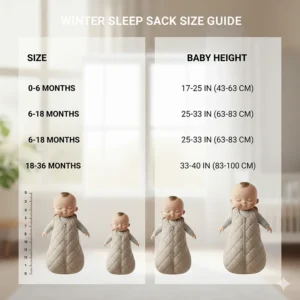
- Sizes: Small (10-18 lbs), Medium (16-24 lbs), Large (22-28 lbs)
- Inverted bottom zipper for diaper changes
- Recognized as “Hip Healthy” by International Hip Dysplasia Institute
What makes HALO special? The sleeveless design prevents overheating while the generous sack allows unrestricted leg movement—crucial for healthy hip development. The inverted zipper is a parent’s dream during those 3 AM diaper changes; you unzip from the bottom without exposing baby’s chest to cold air. Multiple reviewers mention the two-way zipper as a game-changer, though parents with older models note that newer versions have this feature standard.
Pros:
✅ Trusted by medical professionals nationwide
✅ “Back is Best” embroidery reminder
✅ Multiple size options accommodate growth spurts
Cons:
❌ Some parents find sizing runs slightly large
❌ Quilted texture may pill after numerous washes
Price Range: $24-36 | Best For: Parents wanting hospital-grade safety and proven reliability
3. Mosebears Sleep Sack with Feet 2.5 TOG – The Early Walker’s Dream
Got a newly mobile baby who refuses to be confined? The Mosebears Sleep Sack with Feet bridges the gap between traditional sleep sacks and full pajamas, giving your little explorer freedom to roam.
Key Specifications:
- 2.5 TOG with cotton outer, polyester padding
- Open-leg design for independent walking
- Sizes: 6-18 months, 18-36 months, 3-4T
- Suitable for room temperatures 64-71°F
This innovative design features separate leg openings, allowing toddlers to climb in and out of bed safely while maintaining warmth. The sleeveless construction aids heat loss and air circulation, addressing overheating concerns that plague traditional footed pajamas. Parents of early walkers particularly appreciate how their 14-month-olds can toddle to the bathroom at night without tripping. Customer feedback highlights the generous sizing—one parent noted their tall 18-month-old still fits comfortably in the medium size.
Pros:
✅ Perfect transition for babies learning to walk
✅ Maintains warmth without restricting movement
✅ Easy 2-way zipper for middle-of-night changes
Cons:
❌ Not suitable for babies under 6 months
❌ Foot openings may let in drafts on extremely cold nights
Price Range: $22-28 | Best For: Active toddlers transitioning from traditional sleep sacks
4. RESTCLOUD Baby Sleep Bag with Feet Winter – The Eco-Conscious Choice
If you prioritize organic materials and ethical manufacturing, RESTCLOUD Baby Sleep Bag with Feet Winter delivers premium quality without compromise. OEKO-TEX Standard 100 certified, this sleep sack meets the highest safety standards for fabrics touching baby’s delicate skin.
Key Specifications:
- 2.5 TOG organic cotton with ultra-light filling
- Professional YKK three-way zippers
- OEKO-TEX certified safe materials
- Available in sizes: 6-18 months, 18-36 months, 2-4T
What sets RESTCLOUD apart is the attention to construction details. The YKK zippers—known for durability in outdoor gear—withstand hundreds of night-time uses without snagging or breaking. The ultra-light filling provides impressive warmth-to-weight ratio, preventing that heavy, restrictive feeling some winter sleep sacks create. Parents consistently praise how soft the organic cotton remains even after dozens of washes, with several noting it’s the only sleep sack their sensitive-skinned babies tolerate comfortably.
Pros:
✅ Certified organic and safe materials
✅ Professional-grade YKK zippers last years
✅ Excellent warmth without excessive bulk
Cons:
❌ Limited availability in smaller newborn sizes
❌ Slightly higher price than conventional cotton options
Price Range: $26-32 | Best For: Eco-conscious parents and babies with sensitive skin
5. HEDSYOUHH 2.5 TOG Winter Sleep Sack – The Innovation Champion
Imagine a sleep sack designed by frustrated parents who solved every annoying problem they encountered. That’s HEDSYOUHH 2.5 TOG Winter Sleep Sack, featuring an ingenious three-zipper system and detachable sleeves that adapt to fluctuating temperatures.
Key Specifications:
- 2.5 TOG with detachable sleeve system
- Three independent 2-way zippers
- Sizes: 0-6 months, 6-18 months, 18-36 months
- Adorable unisex prints (Deer+Rabbit, Deer+Panda, Leopards)
The standout innovation is the detachable lower sleeves connected by zippers. On particularly frigid nights below 60°F, keep sleeves on for full coverage. When temperatures moderate to 65-70°F, remove lower sleeves while maintaining core warmth. The three independent zippers might sound excessive, but each serves a purpose: one for each leg opening (perfect for quick diaper access) and one for the body. Parents report this design prevents accidental unzipping—a common complaint with single-zipper models.
Pros:
✅ Unmatched temperature adaptability
✅ Three zippers provide multiple access points
✅ Sleep sack with feet design allows free movement
Cons:
❌ Learning curve to operate three zippers initially
❌ More complex to put on compared to traditional designs
Price Range: $28-35 | Best For: Parents dealing with fluctuating indoor temperatures
6. BABYINABAG Quilted Winter Model 2.5 TOG – The Cozy Luxury Option
Sometimes, your baby deserves to feel wrapped in a cloud. BABYINABAG Quilted Winter Model achieves this with plush minky dot fabric that parents describe as “ridiculously soft” and “like a warm hug.”
Key Specifications:
- 2.5 TOG with soft polyester quilted filling
- Luxurious plush minky dot exterior
- Generous bell-shape design for unrestricted kicking
- Sizes: Small (0-6 months), Medium (6-18 months), Large (22 months-3T)
The quilted construction distributes warmth evenly while preventing cold spots—those annoying areas where filling bunches up. Front zipper opening makes middle-of-the-night changes surprisingly manageable. The minky fabric’s texture provides tactile comfort that seems to soothe fussy babies; multiple reviewers mention their little ones calm immediately upon wearing it. Machine washable and tumble-dry friendly, this sleep sack maintains its plushness through countless washing cycles—a crucial feature for inevitable spit-ups and diaper leaks.
Pros:
✅ Incredibly soft minky texture babies love
✅ Bell shape allows maximum leg movement
✅ Proven track record for 25+ years in Europe
Cons:
❌ Minky fabric may retain heat for warm sleepers
❌ Limited size options compared to competitors
Price Range: $32-42 | Best For: Parents seeking maximum comfort and premium feel
7. Looxii Cotton Sleep Sack 2.5 TOG – The Budget-Friendly Winner
Great sleep sacks don’t require breaking the bank. Looxii Cotton Sleep Sack proves that thoughtful design and safe materials can come at an accessible price point, making quality winter sleep solutions available to every family.
Key Specifications:
- 2.5 TOG with 100% cotton outer, polyester fill
- CPSC-certified safety standards
- Double quilted pattern prevents fill shifting
- Sizes: Small (0-6M), Medium (6-12M), Large (12-18M), XL (18-24M)
The double quilted design is Looxii’s secret weapon against the common problem of filling that clumps and creates uneven warmth. This unique pattern distributes filling evenly and stays put through numerous washes—impressive for the price point. The carefully designed neckline prevents baby from slipping inside while allowing comfortable head movement. Parents on tight budgets consistently rate this as their top choice, with many purchasing multiple for rotation. Despite the lower price, it meets the same CPSC safety certifications as premium brands.
Pros:
✅ Exceptional value without sacrificing safety
✅ Double quilting maintains shape after washing
✅ Wide range of sizes covers most infancy
Cons:
❌ Less durable than premium merino wool options
❌ Minimal shrinkage possible after multiple washes
Price Range: $20-26 | Best For: Budget-conscious parents and those wanting multiple backup sacks
✨ Don’t Miss These Exclusive Deals!
🔍 Take your baby’s sleep comfort to the next level with these carefully selected products. Click on any highlighted item to check current pricing and availability. These tools will help you create authentic restful nights your family will love!
Understanding TOG Ratings: Your Ultimate Winter Sleep Sack Guide
Let’s demystify TOG ratings once and for all. TOG stands for Thermal Overall Grade—a standardized measurement system developed by the British textile industry to quantify fabric warmth. Think of it as a sleeping bag’s warmth rating, where higher numbers equal more insulation.
What TOG Rating Does Your Baby Need?
The TOG system helps parents select appropriate sleepwear based on nursery temperature, dramatically reducing the guesswork. Here’s your quick reference guide:
🌡️ 75-80°F (24-27°C): 0.5-1.0 TOG
Light, breathable sleep sacks perfect for warm summer nights or well-heated homes. Pair with just a diaper or short-sleeve bodysuit.
🌡️ 69-74°F (21-23°C): 1.0-1.5 TOG
Moderate insulation for comfortable spring and fall temperatures. Layer with short or long-sleeve cotton pajamas.
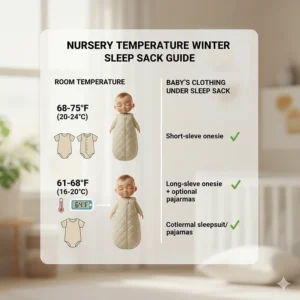
🌡️ 64-68°F (18-20°C): 2.0-2.5 TOG
Recommended winter weight for most homes. Ideal with long-sleeve pajamas underneath.
🌡️ Below 64°F (18°C): 2.5-3.5 TOG
Heavy insulation for cold climates or drafty rooms. Layer with footed pajamas and consider a long-sleeve bodysuit underneath.
The Science Behind Winter Sleep Sacks
Winter sleep sacks designed with 2.5 TOG ratings work by trapping warm air in tiny pockets within the insulating fill. This creates a microclimate around your baby’s body, maintaining consistent warmth throughout the night. The sleeveless design isn’t just aesthetic—it serves a critical safety function by allowing excess heat to escape through the arms, preventing dangerous overheating.
Research published by the National Institutes of Health indicates that maintaining proper sleep temperature is crucial for infant safety. Overheating has been linked to increased SIDS risk, making proper TOG selection vital rather than optional. A sleep sack for cold weather should keep baby warm without causing them to sweat or become flushed.
Room Temperature vs. TOG: Getting It Right
Invest in a reliable room thermometer—seriously, it’s worth the $10. Nursery temperatures fluctuate more than you’d expect, especially in older homes with poor insulation or during seasonal transitions. I learned this the hard way when my daughter was waking every 2 hours until I discovered her room was dropping to 62°F at night.
Here’s the critical insight most TOG charts won’t tell you: baby’s individual metabolism matters enormously. Some infants naturally run warm and need lighter sleep sacks even in cool rooms. Others seem perpetually chilly and require extra layers. The nape of baby’s neck provides your best temperature gauge—it should feel comfortably warm but not sweaty. Cold hands and feet are normal; focus on core body temperature.
Common TOG Rating Mistakes Parents Make
Mistake #1: Assuming thicker always equals warmer. Some fluffy fabrics have lower TOG ratings than thin, tightly-woven materials. Always check the label rather than judging by feel.
Mistake #2: Over-layering under winter sleep sacks. If you’re using a 2.5 TOG baby sleep sack for winter, stick to one thin layer underneath. Parents frequently overdress, defeating the sleep sack’s temperature regulation.
Mistake #3: Using the same TOG year-round. You absolutely need different TOG ratings for different seasons unless you invest in specialty temperature-regulating materials like merino wool.
Mistake #4: Ignoring signs of overheating. Watch for sweating, flushed cheeks, rapid breathing, or heat rash. These indicate your baby is too warm regardless of what the TOG chart recommends.
How to Choose the Perfect Winter Sleep Sack for Your Baby
Selecting the ideal winter sleep sack involves balancing safety, comfort, and practicality. Here’s your step-by-step decision-making framework.
Step 1: Measure Your Nursery Temperature Accurately
Don’t rely on your home’s thermostat reading—it measures the temperature wherever it’s located, not necessarily in the nursery. Place a thermometer at crib level and check readings at different times: late evening when you put baby down, midnight when temperatures often drop, and early morning before sunrise. These readings reveal your true temperature range and help you select the appropriate TOG rating.
Step 2: Determine the Right Size and Fit
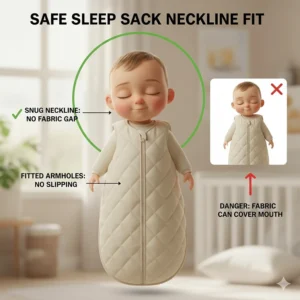
Sleep sacks should fit snugly around the neck and armholes to prevent baby from slipping inside—a suffocation hazard. However, the body should be roomy enough for unrestricted leg movement. The International Hip Dysplasia Institute emphasizes that sleep sacks must allow babies to bend their legs up and out at the hips naturally.
Sizing Red Flags:
🚩 Neck opening larger than 3 fingers width
🚩 Armholes gaping open when baby lies down
🚩 Bottom of sack extending more than 4 inches past baby’s feet
🚩 Any tightness around hips that restricts movement
Step 3: Evaluate Material Quality and Safety Certifications
Not all sleep sacks are created equal. Look for these safety markers:
Essential Certifications:
- CPSC (Consumer Product Safety Commission) compliance
- OEKO-TEX Standard 100 for fabric safety
- Hip Healthy designation from International Hip Dysplasia Institute
Material Preferences:
- 100% Cotton: Breathable, hypoallergenic, easy to wash
- Merino Wool: Naturally temperature-regulating, moisture-wicking
- Bamboo Viscose: Ultra-soft, antimicrobial, sustainable
- Avoid: Synthetic polyester directly against skin (use as filling only)
Step 4: Consider Your Baby’s Development Stage
Newborns (0-3 months): Need 2-way zippers for frequent diaper changes. Choose shorter lengths to prevent tripping as they begin scooting. Traditional sack-style without leg openings works best.
Older Infants (4-9 months): Still prefer traditional sleep sacks but benefit from slightly larger sizing. This age often coincides with rolling over, so ensure proper fit to prevent slipping inside.
Walkers (10+ months): Strongly consider sleep sacks with feet or leg openings. These allow independent movement while maintaining warmth. The transition from traditional to footed sleep sacks typically happens when baby starts pulling up to stand.
Step 5: Assess Zipper Quality and Functionality
Cheap zippers on winter sleep sacks fail at the worst possible moment—2 AM with a screaming baby and a full diaper. Quality matters here more than almost anywhere else on the product.
Zipper Must-Haves:
- Two-way operation for bottom-up diaper access
- Zipper guard at top to prevent scratching delicate skin
- Smooth operation that won’t snag fabric
- YKK or similarly durable brand (worth the premium)
Test the zipper thoroughly before purchase if possible. It should glide smoothly without catching, and the pull tab should be large enough to operate with one hand in dim light.
Step 6: Factor in Washing and Care Requirements
Sleep sacks face relentless washing cycles—spit-up, diaper leaks, and mysterious stains appear nightly. Machine-washable, dryer-safe options save your sanity. Check care labels carefully; some premium merino wool sleep sacks require special handling that busy parents may find impractical.
Step 7: Plan for Temperature Fluctuations
Unless you maintain perfectly consistent nursery temperatures, consider owning two sleep sacks at different TOG ratings. A 2.5 TOG for most winter nights plus a 1.5 TOG for warmer evenings provides flexibility without over-investing. Some innovative designs feature removable layers or sleeves, effectively giving you multiple TOG options in one product.
Safety First: Critical Winter Sleep Sack Guidelines
The American Academy of Pediatrics updated their safe sleep recommendations in 2022, and winter sleep sacks play a crucial role in following these guidelines. Let’s break down what every parent must know.
The Golden Rules of Safe Sleep Sack Use
Rule #1: Always Place Baby on Their Back
This recommendation applies regardless of what they’re wearing. Back sleeping reduces SIDS risk by up to 50%, even when using a sleep sack. Never assume the sleep sack prevents rolling; follow back-to-sleep guidelines every single time.
Rule #2: Transition from Swaddling When Rolling Begins
Most babies start attempting to roll between 3-4 months. Once your baby shows any signs of rolling over, immediately transition from swaddle-style sleep sacks to regular wearable blankets. Rolling while swaddled creates dangerous situations where baby can’t use arms to lift their head.
Rule #3: Never Use Weighted Sleep Sacks
Despite marketing claims about better sleep, weighted sleep products pose suffocation risks and aren’t recommended by any major pediatric organization. Stick with standard insulated sleep sacks without added weights.
Rule #4: Ensure Proper Neck and Armhole Fit
Loose neck openings allow baby to slip down inside the sleep sack, creating a suffocation hazard. The neck should fit snugly—comfortably snug, not tight—around baby’s neck without gaps large enough for baby’s head to pass through.
What NOT to Put in the Crib with a Sleep Sack
Even with a sleep sack for cold weather, the crib should remain bare. Remove:
- Loose blankets or quilts
- Crib bumpers (now banned by federal law)
- Stuffed animals or toys
- Pillows of any kind
- Sleep positioning devices
The sleep sack IS the blanket. Nothing else should be in the sleep space.
Signs Your Baby is Too Hot or Too Cold
Overheating Warning Signs:
🔴 Sweating, particularly on the back of neck
🔴 Flushed, red cheeks
🔴 Rapid breathing
🔴 Heat rash
🔴 Restless, fussy sleep
Too Cold Indicators:
🔵 Cold chest or back (not just hands/feet)
🔵 Pale or mottled skin
🔵 Shivering
🔵 Difficulty settling to sleep
Special Considerations for Preterm Babies
Premature infants have greater difficulty regulating body temperature and may need specialized sleep solutions. Consult your pediatrician about appropriate TOG ratings and sizing. Generally, preemies benefit from slightly warmer sleep environments (68-72°F) with 2.5-3.0 TOG sleep sacks, but individual medical guidance supersedes general recommendations.
Winter Sleep Sack Benefits vs. Traditional Blankets
Why have baby sleep sacks for winter become the go-to choice for millions of parents worldwide? Let’s compare them to traditional blankets and understand the compelling advantages.
| Aspect | Winter Sleep Sack | Traditional Blanket |
|---|---|---|
| Safety | Cannot be kicked off or pulled over face | Can cover baby’s face, increasing suffocation risk |
| Temperature Consistency | Maintains even warmth throughout night | Creates hot/cold spots as it bunches |
| Ease of Use | Simple zipper operation | Constant readjustment needed |
| Diaper Changes | Bottom-zip access while keeping baby warm | Must remove entirely, waking baby |
| AAP Compliance | Recommended by pediatricians | Not recommended for babies under 12 months |
| Longevity | Adjustable sizing fits 6+ months | Must size up frequently |
The Undeniable Safety Advantage
Every year, approximately 3,500 infants die from sleep-related causes in the United States, according to CDC data. While SIDS encompasses multiple risk factors, unsafe sleep environments—including loose bedding—contribute significantly. Sleep sacks eliminate the most common bedding hazard: blankets that can cover a baby’s face.
Traditional blankets pose multiple risks beyond simple covering. Babies can become entangled, creating strangulation hazards. Blankets bunch up, creating uneven temperatures that cause babies to overheat in some areas while being cold in others. The constant kicking and moving that babies do naturally during sleep makes maintaining blanket coverage impossible without parental intervention every few hours.
Temperature Regulation: The Sleep Quality Connection
Consistent body temperature is crucial for quality sleep—for babies and adults alike. When we’re too hot or too cold, our bodies struggle to maintain deep, restorative sleep cycles. Winter sleep sacks maintain a stable microclimate around your baby’s body, preventing the temperature fluctuations that cause frequent waking.
Parents consistently report improved sleep duration after switching to sleep sacks. One study tracking infant sleep patterns found babies using appropriate TOG-rated sleep sacks woke 30% less frequently than those using traditional blankets. While multiple factors influence infant sleep, eliminating temperature discomfort clearly plays a significant role.
Convenience Factor: The 2 AM Test
Here’s the real-world scenario: it’s 2 AM, your baby needs a diaper change, and you’re operating on three hours of sleep. With traditional blankets, you must remove all bedding, change the diaper while baby gets cold and increasingly upset, then attempt to re-swaddle or re-cover them without fully waking them. Success rate? Maybe 50%.
With a well-designed winter sleep sack? Unzip from the bottom, change diaper while baby stays warm and drowsy, re-zip, and you’re done in 90 seconds. Baby often doesn’t fully wake, and you’re back in bed within minutes. This convenience compounds over hundreds of nighttime diaper changes during the first year.
Caring for Your Winter Sleep Sack: Maintenance Tips
Quality winter sleep sacks represent an investment, and proper care extends their lifespan significantly. Follow these proven maintenance strategies to keep your sleep sacks fresh, safe, and functional for years.
Washing Instructions for Different Materials
Cotton Sleep Sacks:
- Machine wash in cold or warm water (check label)
- Use gentle, fragrance-free detergent
- Tumble dry on low heat or line dry
- Wash every 2-3 uses or immediately after accidents
Merino Wool Sleep Sacks:
- Hand wash in cool water with wool-specific detergent, or
- Machine wash on delicate/wool cycle if manufacturer permits
- Never use hot water (causes shrinkage)
- Lay flat to dry, never tumble dry
- Wash every 4-5 uses (wool naturally resists odors)
Fleece or Minky Sleep Sacks:
- Machine wash in cold water only
- Skip fabric softener (reduces wicking properties)
- Tumble dry low or line dry
- Wash every 2-3 uses
Stain Removal Strategies
For Diaper Blowouts: Pre-treat with enzyme-based stain remover before washing. Oxygen bleach (like OxiClean) works wonders for organic stains without harsh chemicals. Let it soak for 30 minutes before running through the wash cycle.
For Spit-Up Stains: Fresh spit-up often comes out with just cold water. For set-in stains, create a paste with baking soda and water, apply to the stain, let it sit for an hour, then wash normally.
For Mysterious Yellow Stains: These typically result from oxidation over time. Sunlight is your secret weapon—hang damp, clean sleep sacks in direct sunlight for 2-3 hours. UV rays naturally bleach out yellowing without harsh chemicals.
Storage Between Seasons
When winter ends, don’t just stuff sleep sacks in a closet. Proper storage prevents mildew, fabric degradation, and pest damage:
- Wash thoroughly and ensure completely dry
- Store in breathable cotton bags (not plastic)
- Add cedar blocks or lavender sachets to deter moths
- Keep in cool, dry location away from direct sunlight
- Check monthly for any signs of moisture or pests
When to Replace Your Sleep Sack
Even with excellent care, winter sleep sacks don’t last forever. Replace when you notice:
🚫 Zippers that catch, stick, or have missing teeth
🚫 Fabric thinning or developing holes
🚫 Significant shrinkage affecting fit
🚫 Elastic losing stretch around neck or arms
🚫 Filling becoming lumpy or uneven
🚫 General wear making the sack look shabby or unsafe
Safety always trumps frugality. A compromised sleep sack isn’t worth the risk, regardless of sentimental value or cost.
Comparison: Winter Sleep Sack Prices and Value Analysis
Understanding what you’re paying for helps make informed decisions. Let’s break down the price tiers and what value each level provides.
| Price Tier | Price Range | What You Get | Best For |
|---|---|---|---|
| Budget | $15-25 | Basic cotton construction, standard zippers, limited sizing options | First-time parents testing sleep sacks, backup sacks for daycare |
| Mid-Range | $26-45 | Quality materials, durable zippers, wider size ranges, certifications | Most families’ primary sleep sack needs |
| Premium | $46-75 | Specialty fabrics (merino wool, bamboo), superior construction, multi-season versatility | Parents investing in long-term solutions, babies with special needs |
| Luxury | $76-110+ | Designer fabrics, extended size ranges (up to 4T), temperature-regulating technology | Those prioritizing absolute best quality or one-sack-for-all-seasons |
Cost-Per-Use Analysis
Let’s do the math. A typical baby uses their winter sleep sack nightly from roughly 6 months old through 2+ years—about 18 months of consistent use. That’s approximately 540 nights of sleep.
Budget Sleep Sack ($22): $0.04 per night
Mid-Range Sleep Sack ($35): $0.06 per night
Premium Sleep Sack ($90): $0.17 per night
When framed this way, even premium options cost less than a daily cup of coffee. Factor in reduced laundry from eliminated blankets, improved sleep quality for the whole family, and potential to reuse for second children, and winter sleep sacks represent exceptional value at any price point.
Hidden Costs to Consider
Multiple Sizes: Budget sleep sacks often come in narrower size ranges, meaning you’ll need to purchase replacements as baby grows. Premium options with adjustable features or generous sizing may last significantly longer, potentially offsetting their higher initial cost.
Washing Frequency: Lower-quality materials may require more frequent washing or replacement due to faster degradation. Factor in the cumulative cost of replacing worn-out cheap sleep sacks versus investing in one durable option.
Specialty Needs: If your baby has eczema, allergies, or sensitive skin, cheap synthetic materials might cause reactions requiring medical treatment. Investing in organic cotton or hypoallergenic merino wool prevents these issues entirely.
❓ Frequently Asked Questions About Winter Sleep Sacks
❓ How many winter sleep sacks do I really need for my baby?
❓ Can my baby wear pajamas under a 2.5 TOG sleep sack for cold weather?
❓ What's the difference between a baby sleep sack for winter and a regular sleep sack?
❓ At what room temperature should I stop using a 2.5 TOG sleep sack?
❓ Are sleep sacks with feet better than traditional sack designs for winter?
Conclusion: Wrapping Up Your Winter Sleep Sack Journey
Finding the perfect winter sleep sack transforms those challenging cold-weather nights into peaceful, restful experiences for your entire family. Whether you’re drawn to the premium temperature-regulating power of the Woolino 4 Season Ultimate, the hospital-trusted reliability of the HALO Winter Weight SleepSack, or the budget-friendly practicality of the Looxii Cotton Sleep Sack, you now have the knowledge to make an informed choice.
Remember these key takeaways as you shop: prioritize safety certifications over aesthetics, match TOG ratings to your actual nursery temperature rather than outdoor weather, and don’t hesitate to invest in quality zippers and construction—they’ll save you frustration at 3 AM. The right sleep sack for cold weather isn’t just about keeping your baby warm; it’s about creating a safe, comfortable sleep environment that promotes healthy development and gives everyone better rest.
As we move through winter 2025, parents are increasingly recognizing that wearable blankets aren’t just trendy baby gear—they’re essential safety equipment backed by pediatric research and parental wisdom. Your baby deserves the best sleep possible, and a well-chosen winter sleep sack is your secret weapon for achieving it.
Sleep tight, little ones. And parents? You’ve got this. Sweet dreams await!
Recommended for You
- Best Sleep Bag for Baby 2025: 7 Top Picks for Safe Sleep
- Sleep Sack for 5 Month Old: 7 Best Picks for Safe Sleep 2025
- 7 Best Sleep Sacks for 4 Month Old | Safe Sleep Guide 2025
Disclaimer: This article contains affiliate links. If you purchase products through these links, we may earn a small commission at no additional cost to you.
✨ Found this helpful? Share it with your friends! 💬🤗
