
In This Article
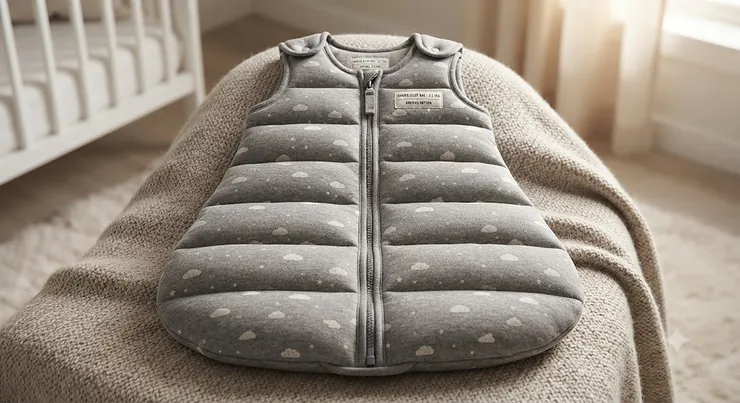
Your baby’s room hits 60°F the second the furnace clicks off at 2 a.m., and suddenly you’re standing over the crib in your robe, debating whether one more blanket is a good idea or a genuinely bad one. It isn’t. A 3.5 TOG winter sleep bag is the reason you can stop debating and go back to bed. TOG stands for Thermal Overall Grade, a British-born measurement of how much heat a fabric traps, and 3.5 sits at the warm end of the scale — built for rooms that dip below roughly 61°F, the kind of cold-snap nights when a standard 2.5 TOG bag just doesn’t cut it. Unlike loose blankets, which the American Academy of Pediatrics has flagged as a real suffocation risk in the crib, a properly fitted sleep bag zips your baby in without anything for tiny hands to pull over a face. That’s the whole appeal: warmth without the guesswork, and one less thing to worry about at 2 a.m.

This guide walks through seven real, currently available 3.5 TOG winter sleep bags — not marketing copy lifted from a product page, but honest analysis of what each one actually does well, who it fits, and where it falls short. We pulled real specs, aggregated genuine review sentiment where it exists, and cross-checked safety guidance from the NICHD Safe to Sleep program and the American Academy of Pediatrics so you’re making a decision based on facts, not vibes. Whether you’re outfitting a drafty Victorian nursery or just tired of guessing what tog rating means, you’ll walk away from this article knowing exactly which bag deserves a spot in the diaper bag rotation this winter.
Quick Comparison Table
Before we dig into the deep-dive reviews, here’s the scannable version — the cheat sheet you can screenshot before your next 2 a.m. scroll.
| Product | Standout Feature | Price Range | Best For |
|---|---|---|---|
| Tommee Tippee Original Grobag 3.5 TOG | Hip-healthy SnugFit, zip-click safety | $30-$40 | Most trusted all-rounder |
| Baby Deedee Sleep Nest Travel | Removable sleeves, stroller-flap | $35-$50 | Travel & camping |
| ergoPouch Jersey Sleeping Bag 3.5 TOG | Slim, stretchy swaddle-transition fit | $45-$60 | Fresh-out-of-swaddle babies |
| Love to Dream Extra Warm Sleep Bag | Twin easy-change zipper, ultra-soft fabric | $40-$55 | Wrigglers who hate being undressed |
| Slumbersac 3.5 TOG Winter Sleeping Bag | Cotton shell, fleece-lined interior | $35-$50 | Consistently cold British-style bedrooms |
| Kaiya Baby 3.5 TOG Sleep Sack | Double-layer camel wool filling | $30-$45 | Maximum warmth on a budget |
| Duomiaomiao 3.5 TOG Baby Sleep Sack | 100% cotton quilted construction, low price | $20-$30 | Budget-conscious first-time buyers |
Looking at the spread above, there’s no single “best” 3.5 TOG winter sleep bag — there’s a best one for your specific nursery, your specific baby’s wiggle level, and your specific budget. The Tommee Tippee Original Grobag 3.5 TOG earns its spot at the top for sheer brand trust and hip-healthy design, but if your baby fights every diaper change like it’s a wrestling match, the twin-zipper Love to Dream Extra Warm Sleep Bag solves a problem the Grobag doesn’t. Budget shoppers shouldn’t feel like they’re settling either — the Duomiaomiao 3.5 TOG Baby Sleep Sack delivers the same core insulation math for roughly half the price of the premium picks.
💬 Found a favorite already? Tap through to compare current prices before they change!
Top 7 3.5 TOG Winter Sleep Bags: Expert Analysis
1. Tommee Tippee Original Grobag 3.5 TOG — hip-healthy design trusted by millions of parents
The Tommee Tippee Original Grobag 3.5 TOG built its reputation the old-fashioned way: by getting the basics right for two decades straight. The cotton-rich, fluorescent-free fabric is slim through the chest but roomy through the hips and legs — what the brand calls SnugFit — which matters more than it sounds like it should, since a too-tight fit at the hips has been linked by pediatric hip specialists to developmental issues in growing joints. The 3.5 TOG rating is designed for rooms at or below roughly 61°F, and the two-way zip means you’re not wrestling a squirming, half-asleep toddler at midnight just to check a diaper.
Based on the spec comparison, what sets this bag apart from cheaper cotton alternatives is the zip-click feature: a small mechanism that stops curious toddler fingers from unzipping themselves free in the middle of the night, which is a genuinely clever solve for a problem most competitors don’t even acknowledge. Parents consistently report the sizing runs true and the fabric holds up well through repeated washing without pilling, though a recurring theme in aggregated feedback is that the retail price fluctuates more than buyers expect for what is, at its core, a simple cotton bag. If your priority is a brand with a long safety track record and broad size availability from newborn through toddler, this is the safe, sensible pick — the reliable sedan of sleep sacks, if you will.
Pros:
- ✅ Hip-healthy SnugFit cut reduces developmental joint pressure
- ✅ Zip-click prevents nighttime self-unzipping incidents
- ✅ Wide size range from newborn through 36 months
Cons:
- ❌ Pricing can swing noticeably between retailers
- ❌ No sleeve/arm coverage option for extra-cold rooms
Expect to pay somewhere in the $30-$40 range at the time of research, though prices may vary — for a brand with this much safety pedigree behind it, that’s a genuinely solid value.
2. Baby Deedee Sleep Nest Travel — the warmest bag in the lineup built for life outside the crib
The Baby Deedee Sleep Nest Travel is the one bag on this list explicitly engineered for movement — camping trips, stroller naps, grandma’s guest room — while still holding a full 3.5 TOG rating. The quilted polyester taffeta shell traps heat efficiently without adding bulk, and the removable sleeves mean the same bag that keeps your baby warm in a 55°F tent can be converted to a sleeveless layer the second you’re back in a heated room.
What most buyers overlook about this model is the stroller-buckle flap on the back, a small design detail that turns a nursery product into genuinely useful travel gear — you can strap your baby into a stroller or car seat harness without unzipping the whole bag first. Reviewers across camping and parenting communities consistently note that the shoulder snaps make transferring a sleeping baby into the bag far easier than fighting a full-body zipper, though a recurring complaint is that the sleeves run narrower and shorter than expected, so sizing up is often necessary if arm coverage matters to you. This is the pick for the family that road-trips to Grandma’s or actually uses that Pack ‘n Play in a cabin every winter.
Pros:
- ✅ Full 3.5 TOG warmth in a genuinely portable design
- ✅ Removable sleeves adapt to indoor and outdoor temperatures
- ✅ Stroller-buckle flap built for real travel use
Cons:
- ❌ Sleeves run narrow and short per repeated buyer feedback
- ❌ Quilted shell is bulkier than slim-fit competitors
Priced in the $35-$50 range depending on size, it’s a fair trade for a bag that does double duty as both nursery gear and travel gear.
3. ergoPouch Jersey Sleeping Bag 3.5 TOG — the smoothest transition off a swaddle
If your baby just graduated out of swaddling and is not thrilled about the sudden freedom, the ergoPouch Jersey Sleeping Bag 3.5 TOG is built specifically for that awkward middle stage. Designed for arms-out sleepers from around three months, it has a slim, stretchy, almost swaddle-like fit through the torso that mimics the snug feeling babies just lost, while still meeting the full 3.5 TOG warmth rating for cold rooms.
Here’s what to weigh: the jersey knit fabric flexes with movement instead of restricting it, which reviewers describe as noticeably more comfortable for babies who are still getting used to sleeping without a swaddle wrap around their arms. On paper, this means fewer 3 a.m. wake-ups triggered by the startle reflex that unswaddled babies sometimes fight against in stiffer, boxier bags. The trade-off is that the slim fit runs smaller than the boxier cotton bags on this list, so a baby on the higher weight percentile for their age may need to size up sooner than the label suggests. Aggregated feedback also flags the price point as a step above budget competitors, though most buyers seem to feel the transition-specific design earns that premium.
Pros:
- ✅ Slim, stretchy fit eases the post-swaddle adjustment
- ✅ Arms-out design supports safe rolling once babies start moving
- ✅ Soft, breathable jersey fabric feels gentle on sensitive skin
Cons:
- ❌ Runs smaller than boxier competitors, sizing up may be needed
- ❌ Priced higher than basic cotton alternatives
At around $45-$60, this sits in the premium tier, but for parents specifically navigating the swaddle-to-sleep-sack transition, the fit alone can justify the cost.
4. Love to Dream Extra Warm Sleep Bag 3.5 TOG — built for babies who fight every diaper change
The Love to Dream Extra Warm Sleep Bag 3.5 TOG takes a genuinely different approach to a problem every parent knows: the midnight diaper change where your baby wakes up the second you start unzipping. Its sleeveless, twin-zip design opens from two directions at once, letting you access a diaper without fully exposing your baby to cold nursery air, something a single bottom-up zipper can’t quite manage as gracefully.
The spec sheet won’t tell you this, but the temperature-regulating fabric Love to Dream uses is noticeably softer against the skin than the stiffer quilted cottons found on cheaper 3.5 TOG bags, which matters if your baby has any sensitivity to rougher textures. Reviewers consistently describe the fit as generous through the shoulders without being loose enough to ride up, and the twin-zip system gets specifically called out as a genuine quality-of-life improvement over standard single-zip bags. Where it comes up short is arm coverage — being sleeveless, it relies entirely on layering underneath for rooms that dip into truly frigid territory, so parents in colder climates will want to pair it with a long-sleeve base layer rather than expecting the bag alone to do all the work.
Pros:
- ✅ Twin-zip design minimizes cold-air exposure during night changes
- ✅ Exceptionally soft fabric noted repeatedly in buyer feedback
- ✅ Generous shoulder fit without excess bagginess
Cons:
- ❌ Sleeveless design requires layering in very cold rooms
- ❌ Premium pricing compared to basic cotton bags
Expect a price in the $40-$55 range — a reasonable ask for a design that solves a specific, very real nighttime annoyance.
5. Slumbersac 3.5 TOG Winter Sleeping Bag — fleece-lined warmth built for genuinely cold bedrooms
The Slumbersac 3.5 TOG Winter Sleeping Bag leans into a construction choice that sets it apart from the cotton-only bags on this list: a 100% cotton exterior lined with breathable polyester fleece, rather than quilted cotton batting alone. That combination is specifically engineered for rooms under about 64°F, and the brand explicitly markets it as the choice for genuinely cold sleeping environments rather than mild winter chill.
Based on the spec comparison, the fleece lining traps more warm air per layer of fabric than a straight cotton quilt does, which is why this bag can hold the same 3.5 TOG rating while feeling noticeably less bulky than some of its quilted competitors. What most buyers overlook is that Slumbersac offers this bag in both sleeved and sleeveless configurations with separate add-on sleeves available, meaning you’re not locked into one arm-coverage decision at purchase time — a level of flexibility most American brands on this list don’t offer. Aggregated review sentiment points to strong satisfaction with breathability specifically, with fewer overheating complaints than typically show up for heavier quilted alternatives, though the six-size range (built for the UK market, running newborn through age ten) can make cross-Atlantic sizing charts a little confusing for U.S. shoppers used to age-based bands.
Pros:
- ✅ Fleece lining adds warmth without excessive bulk
- ✅ Optional detachable sleeves offer real flexibility
- ✅ Strong breathability reported across aggregated reviews
Cons:
- ❌ UK-style sizing chart can confuse U.S. buyers
- ❌ Import shipping can add to the final cost
Pricing typically falls in the $35-$50 range before any international shipping fees, making it a strong option specifically for households in older, drafty homes.
6. Kaiya Baby 3.5 TOG Sleep Sack — maximum insulation through a double-layer wool blend
The Kaiya Baby 3.5 TOG Sleep Sack takes the most aggressive approach to warmth on this list, using a double-layer construction filled with camel wool blended into the batting rather than a single layer of cotton quilting. The brand positions it specifically for rooms between roughly 57-61°F, the coldest end of the range any bag on this list is designed to handle.
What that double-layer wool fill means in practice is a genuinely thicker, denser bag that holds heat longer through a full night in an unheated room, which matters if your nursery is over an unfinished garage or shares a wall with the outdoors. On paper, this makes it the strongest pick for households in colder climates who don’t want to layer heavy pajamas underneath just to get through the night. The honest trade-off is bulk: a thicker, wool-filled bag restricts a bit more movement than the slim jersey or sleeveless options elsewhere on this list, so an active roller or crawler may find it slightly more cumbersome. It’s also worth noting that “camel wool” blends vary in exact composition across sellers, so checking the specific listing’s material breakdown before buying is a smart extra step.
Pros:
- ✅ Double-layer wool fill delivers strong warmth-per-dollar
- ✅ Designed specifically for the coldest end of the TOG scale
- ✅ Competitively priced relative to its insulation level
Cons:
- ❌ Bulkier fit can restrict movement for active babies
- ❌ Material sourcing details vary by listing, worth double-checking
At roughly $30-$45, it undercuts several premium competitors while matching or exceeding their warmth specs on paper.
7. Duomiaomiao 3.5 TOG Baby Sleep Sack — proof that budget doesn’t have to mean thin
The Duomiaomiao 3.5 TOG Baby Sleep Sack rounds out this list as the clearest budget pick, built from 100% cotton with a quilted construction and, on several versions, removable long sleeves for room-temperature flexibility. It’s a straightforward execution of the same core idea driving every bag on this list: trap heat, skip the loose blanket, let everyone sleep.
Here’s what to weigh: at this price point, you’re not getting the twin-zip conveniences of the Love to Dream Extra Warm Sleep Bag or the fleece-lined warmth engineering of the Slumbersac 3.5 TOG Winter Sleeping Bag, but you are getting a legitimately warm, safety-conscious 3.5 TOG bag without the premium markup. Reviewers consistently note that the quilting feels sturdy and machine-washes well without flattening quickly, which addresses a common worry with budget-tier bedding — that it won’t hold up past one season. The honest caveat here is that this brand has a smaller, newer review base than legacy names like Tommee Tippee or Baby Deedee, so buyers should treat the aggregated sentiment as promising but less deeply tested than the more established brands on this list.
Pros:
- ✅ Full 3.5 TOG rating at a genuinely low price point
- ✅ Removable sleeves on select versions add flexibility
- ✅ Quilting reportedly holds up well through repeated washing
Cons:
- ❌ Smaller, newer review base than legacy brands
- ❌ Fewer size and print options than bigger competitors
Landing around $20-$30, it’s the pick for first-time parents who want a genuine 3.5 TOG bag without committing to premium pricing before they know what their baby even likes.
Practical Usage Guide: Setting Up Your 3.5 TOG Winter Sleep Bag the Right Way
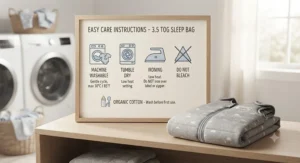
Getting a 3.5 TOG winter sleep bag home is the easy part — using it correctly is where most first-time parents stumble. Start by actually measuring your nursery’s overnight temperature with a simple room thermometer rather than guessing; a 3.5 TOG bag is engineered for roughly 57-64°F depending on the brand, and using it in a warmer room without adjusting underlayers is the single most common overheating mistake. Dress your baby in a light layer underneath — a bodysuit or lightweight sleeper, not full winter pajamas — since the bag itself is doing the heavy lifting on warmth, and the AAP’s own guidance is to dress infants no more than one layer warmer than an adult would need to be comfortable in the same room.
In the first 30 days, check the back of your baby’s neck or chest, not their hands and feet, to judge whether they’re actually too warm; cool extremities are normal and not a reliable signal. Wash new bags before first use to remove manufacturing residue and soften the fabric, and re-check the fit weekly for the first month, since babies grow faster than most parents expect and a bag that’s snug at the shoulders on day one can be genuinely tight by week three. Rotate between two bags if your budget allows it — one in the wash, one on the baby — because 3.5 TOG bags, especially quilted or wool-filled ones, take longer to fully dry than lighter summer-weight bags.
Real-World Scenarios: Matching a 3.5 TOG Sleep Sack to Your Actual Life
Consider the family in a 100-year-old farmhouse in Vermont, where the upstairs bedrooms routinely sit at 58°F once the woodstove dies down overnight. That household is the textbook case for the Kaiya Baby 3.5 TOG Sleep Sack or the Slumbersac 3.5 TOG Winter Sleeping Bag — genuinely cold-engineered bags built for rooms at the bottom of the TOG scale, not mild winter chill.
Now picture a family in a well-insulated Denver condo that still dips into the low 60s overnight thanks to a thermostat set low for energy savings. A lighter-feeling option like the Tommee Tippee Original Grobag 3.5 TOG likely does the job without the bulk of a wool-filled bag. And then there’s the family that camps every October at a state park an hour outside the city, needing a bag that performs in a tent one weekend and a heated nursery the next — that’s the exact use case the Baby Deedee Sleep Nest Travel was designed to solve, removable sleeves and all. Matching the bag to your actual environment, not just the coldest theoretical night, is the difference between a bag you use every night and one that sits in a drawer by January.
✨ Not sure which scenario fits your nursery? Check current listings to compare sizes side by side.
How to Choose a 3.5 TOG Winter Sleep Bag
Picking the right bag comes down to a handful of concrete decision points rather than gut instinct:
- Measure your room’s actual overnight low. A cheap thermometer settles the TOG-rating debate faster than any product review.
- Decide on sleeves. Removable-sleeve bags like the Baby Deedee Sleep Nest Travel and Slumbersac 3.5 TOG Winter Sleeping Bag flex between seasons; sleeveless designs run simpler but need more layering underneath.
- Check your baby’s temperament. A wriggly, change-averse baby benefits more from a twin-zip design like the Love to Dream Extra Warm Sleep Bag than a standard bottom zip.
- Confirm the fit range against your baby’s current weight, not just age. Age-based sizing is a rough guide at best.
- Weigh fabric against your washing routine. Wool-blend and fleece-lined bags like the Kaiya Baby 3.5 TOG Sleep Sack often need gentler wash cycles than straight cotton.
- Set a realistic budget band. As this list shows, real 3.5 TOG warmth exists from roughly $20 through $60 — spending more doesn’t automatically mean spending smarter.
- Buy one size up only if your baby is tracking near the top of the size chart already. Sizing up too early defeats the snug-fit safety design every bag on this list relies on.
Common Mistakes When Buying a Winter TOG-Rated Sleep Sack
The most common mistake is buying based on the calendar instead of the thermostat — reaching for 3.5 TOG the moment winter starts, even in a room that never drops below 68°F. That’s how overheating complaints happen, and it’s avoidable with a five-dollar thermometer. A close second is layering heavy pajamas underneath a 3.5 TOG bag “just to be safe,” which stacks insulation past what any TOG rating accounts for and defeats the entire point of a rated sleep sack.
Buyers also frequently underestimate how fast babies outgrow a snug-fit bag, sticking with a too-small size well past the point it’s genuinely restrictive, or overestimate how fast they’ll grow and buy a size that’s dangerously loose around the neck and armholes in the meantime. Finally, plenty of shoppers assume any “winter” branded sleep sack automatically hits 3.5 TOG — as this list shows, plenty of well-known winter bags actually sit at 2.5 or 3.0 TOG, so checking the specific number on the label matters more than the seasonal marketing language on the box.
3.5 TOG Sleep Sack vs 2.5 TOG Sleep Sack
The gap between these two ratings is bigger than the 1.0 difference suggests. A 2.5 TOG rated sleep sack is generally built for the 61-68°F range most households actually maintain year-round, which is why it’s the more commonly stocked option across nearly every brand on this list. A 3.5 TOG bag, by contrast, is a purpose-built cold-weather tool for rooms consistently under roughly 61°F — old houses, unheated nurseries, drafty upstairs bedrooms, or households that keep the thermostat low overnight to save on heating costs.
Choosing 3.5 TOG when your room actually runs at 2.5 TOG territory is the single fastest way to end up with an uncomfortably sweaty baby, since the extra half-tog of insulation adds up over a full night’s sleep. Conversely, using a 2.5 TOG bag in a genuinely cold room means layering extra clothing underneath just to compensate, which reintroduces some of the bulk and complexity a proper winter-weight bag is supposed to eliminate. If your home’s overnight temperature swings seasonally — cool but not frigid in early winter, genuinely cold by January — owning one of each rating, rather than forcing one bag to do both jobs, is generally the more comfortable long-term solution.
| Comparison Point | 2.5 TOG Sleep Sack | 3.5 TOG Sleep Sack |
|---|---|---|
| Ideal Room Temp | 61-68°F | Below 61°F |
| Best Season | Fall, spring, mild winter | Deep winter, cold climates |
| Underlayer Needed | Light sleepwear | Minimal, single light layer |
| Best For | Most year-round households | Cold, drafty, or unheated rooms |
The takeaway from this comparison is straightforward: match the tog number to your thermometer reading, not the season on the calendar, and you’ll avoid the overheating and under-dressing mistakes that trip up most first-time buyers.
✨ Ready to Stop Guessing on Warmth?
🔍 Check current pricing and availability on today’s top-rated picks, and get your nursery’s cold-night routine sorted before the next temperature drop hits.
Heavyweight TOG Sleep Sack Options for Cold Weather Baby Sleep
For genuinely cold-weather baby sleep — think unheated farmhouses, drafty apartments with old single-pane windows, or families who simply keep the thermostat low overnight — a heavyweight TOG sleep sack in the 3.5 range isn’t a luxury, it’s the practical baseline. The Kaiya Baby 3.5 TOG Sleep Sack, with its double-layer wool fill, and the Slumbersac 3.5 TOG Winter Sleeping Bag, with its fleece-lined shell, both push toward the upper edge of what a wearable blanket can reasonably provide without needing a space heater running all night, which the AAP specifically warns against as its own overheating and fire-safety risk.
What most buyers overlook is that a genuinely heavyweight sleep sack also changes the underlayer math. Instead of adding a fleece sleeper plus a swaddle plus a blanket — the old-school, riskier approach — a proper 3.5 TOG bag is designed to be the only heavy layer your baby needs, worn over nothing more than a light bodysuit. That single change is worth understanding on its own: it’s not about piling on more fabric, it’s about choosing the one right piece of fabric engineered to do the whole job.
Winter Warmth Rating and Thermal Insulation TOG Explained
TOG, or Thermal Overall Grade, is a straightforward thermal insulation measurement originally developed in the UK textile industry, and it works the same way whether you’re comparing duvets or baby sleep sacks: the higher the number, the more heat the fabric traps against the body. A 0.5 TOG bag suits a warm 75°F nursery; a 3.5 TOG bag is built for rooms that drop into the high 50s. The scale isn’t marketing fluff — it’s a genuine, testable thermal resistance measurement, and understanding it turns “which sleep sack should I buy” into a much simpler question: what does my thermometer actually say tonight?
Where this gets confusing is that TOG isn’t universally standardized the same way in the U.S. as it is in the UK, which is part of why brands like Woolino skip a fixed TOG number entirely in favor of temperature-regulating merino wool that adjusts with room conditions rather than targeting one specific range. For a deeper technical breakdown of how the tog measures thermal resistance across textiles generally, it’s the same underlying principle behind why wool sweaters and down comforters both trap heat differently despite looking similarly “thick.”
Long-Term Cost and Maintenance for Winter Sleep Bags
A 3.5 TOG bag is a seasonal investment, not a one-and-done purchase, since most babies cycle through at least two or three sizes before they’re old enough to transition out of a sleep sack entirely around age two or three. Budget picks like the Duomiaomiao 3.5 TOG Baby Sleep Sack make the most financial sense if you expect to replace sizes every few months anyway, since there’s less sunk cost each time a bag gets outgrown. Premium picks like the ergoPouch Jersey Sleeping Bag 3.5 TOG or Love to Dream Extra Warm Sleep Bag make more sense for families who plan to hand the bag down to a second child, since the higher-quality fabric and stitching genuinely holds up to more wash cycles over a longer usable life.
Maintenance-wise, quilted cotton and wool-blend bags both benefit from air-drying rather than high-heat tumble drying, which extends fabric life and prevents the batting from clumping unevenly over repeated washes. Buying two of the same size — one in rotation, one in the wash — adds upfront cost but meaningfully reduces the total cost of ownership by extending the usable life of each individual bag through lighter, less frequent wear.
Safety, Regulations, and Compliance Guide
In the United States, wearable blankets marketed as sleepwear generally fall under the Consumer Product Safety Commission’s flammability rules, and whether a specific sleep sack is classified under the stricter 16 CFR Part 1615 sleepwear standard or the general apparel standard depends on whether it’s intended to be worn over regular pajamas or directly against the skin — a distinction CPSC’s own guidance on children’s sleepwear lays out in detail for exactly this kind of product. It’s worth checking a given listing’s labeling rather than assuming, since marketing language varies brand to brand.
Beyond flammability standards, the core safety guidance every pediatric body agrees on is simpler: avoid overheating, avoid loose blankets in the crib, and always place babies on their backs to sleep. The American Academy of Pediatrics’ 2022 safe sleep recommendations specifically note that babies should be dressed no more than one layer warmer than an adult would need in the same room, and that signs of overheating — sweating, flushed skin, a hot chest to the touch — matter more than cold hands or feet, which are a normal, harmless part of infant circulation.
What to Expect: Real-World Performance
On paper, every bag on this list hits the same 3.5 TOG number, but real-world performance varies more than the spec sheet suggests. Quilted cotton bags like the Tommee Tippee Original Grobag 3.5 TOG feel warm almost instantly but can feel slightly stiff compared to jersey knits until they’ve been through a few wash cycles. Wool-blend bags like the Kaiya Baby 3.5 TOG Sleep Sack take a touch longer to warm up against the skin but hold that warmth more evenly through a full eight-hour stretch, which matters more on the coldest nights than the first ten minutes after lights-out.
Fleece-lined designs like the Slumbersac 3.5 TOG Winter Sleeping Bag tend to feel the least bulky for the warmth they provide, which shows up in practice as babies who seem to roll and kick more freely overnight compared to thicker quilted alternatives. None of this shows up on a spec sheet, but it’s exactly the kind of detail that determines whether a bag actually gets used every night or ends up back in the closet by February.
Frequently Asked Questions
❓ What temperature is a 3.5 TOG sleep bag good for?
❓ Is 3.5 TOG too warm for my baby?
❓ Can I put a 3.5 TOG sleep sack over pajamas?
❓ What's the difference between TOG rated sleep sack sizes and age ranges?
❓ How long can a baby use a heavyweight TOG sleep sack?
Conclusion
Choosing the right 3.5 TOG winter sleep bag really comes down to three questions: how cold does your nursery actually get, how much does your baby fight diaper changes, and what’s your realistic budget. The Tommee Tippee Original Grobag 3.5 TOG remains the safest default pick for most households thanks to its hip-healthy design and decades-long track record, while families dealing with genuinely frigid rooms should look toward the Kaiya Baby 3.5 TOG Sleep Sack or Slumbersac 3.5 TOG Winter Sleeping Bag for their heavier insulation approach.
None of these bags are a substitute for good judgment on any given night — check your thermometer, check your baby’s chest, and adjust layers accordingly rather than trusting a TOG number blindly. But armed with real specs, honest comparisons, and a clear sense of what each bag actually does well, you’re in a far better position to pick the right one than you were scrolling Amazon at midnight. Here’s to warmer nights and longer stretches of sleep, for both of you.
Recommended for You
- 2.5 TOG Sleep Sack: 7 Cozy Picks Parents Love (2026)
- 0.5 TOG Sleep Sack: 7 Best Picks for Summer 2026
- Adjustable Swaddle Transition: 7 Best Picks for Safer 2026 Sleep
Disclaimer: This article contains affiliate links. As an Amazon Associate, I earn from qualifying purchases. If you purchase products through these links, we may earn a small commission at no additional cost to you.
✨ Found this helpful? Share it with your friends! 💬🤗
