
In This Article
Somewhere around 2 a.m., every new parent has the same thought while staring into a crib: is this thing my baby is wearing actually safe, or did I just buy a fancy bag with good marketing? A GOTS certified sleep sack is a wearable blanket made from fabric that’s been independently verified — from raw fiber to finished stitching — under the Global Organic Textile Standard, meaning no synthetic pesticides, no formaldehyde finishes, and no mystery dyes touching your baby’s skin for eight-plus hours a night. That’s the whole idea in one breath: organic growing plus clean processing plus a paper trail you can actually check.
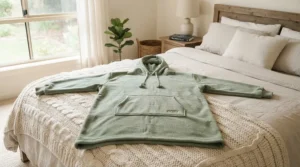
I’ve spent the last few weeks buried in spec sheets, GOTS documentation, and pediatric sleep guidelines so you don’t have to. What follows isn’t a rewritten Amazon listing — it’s a genuine comparison of seven real products, what their certifications actually cover, and where the marketing outpaces the fabric. Because here’s the thing nobody tells you at the baby shower: “organic” and “GOTS certified” are not the same claim, and the difference matters more than most sleep sack packaging lets on.
Before we get into product-by-product detail, it’s worth grounding this in the safety context that makes sleep sacks a thing in the first place. Pediatric guidance has shifted hard away from loose blankets in the crib, and the American Academy of Pediatrics recommends dressing babies in layers of clothing rather than blankets, noting that wearable blankets can also be used to keep an infant warm without the entrapment risk loose bedding creates. A sleep sack solves the “how do I keep the baby warm without a blanket” problem. GOTS certification solves a different problem: what’s actually in the fabric touching a newborn’s skin for a third of every day. Both matter, and this guide treats them as two separate questions worth separate answers.
We’ll walk through a quick comparison, then a deep dive on seven real GOTS certified sleep sack options — budget, mid-range, and boutique — followed by buying frameworks, common mistakes, and a straight answer on whether the organic cotton sleep bag premium is worth paying.
Quick Comparison Table
Before the long version, here’s the short one. Every product below carries a genuine GOTS certification claim I could verify through the brand or retailer listing — not a green-sounding label that just means “cotton was involved somewhere.”
| Sleep Sack | TOG Rating | Price Range | Best For |
|---|---|---|---|
| Burt’s Bees Baby Beekeeper | 0.5 or 1.5 | Under $25 | Widest sizing, easiest to find |
| Mama Cheetah Swaddle Wrap | Not rated (swaddle) | Under $40 (3-pack) | Newborns needing arm containment |
| L’ovedbaby Organic 2-Way Zipper Footie | Not rated | $25-$35 range | No-bamboo, no-synthetics households |
| HALO Organic Cotton Light Sleep Sack | 1.0 | $35-$50 range | Warm-climate, muslin airflow |
| Woolino Organic Cotton Classic Sleep Bag | 0.5 | $45-$60 range | Dual OEKO-TEX + GOTS verification |
| Parade Organics Cozy Sleep Sack | Not rated (2-layer) | $40-$55 range | Cooler rooms, extra warmth |
| Cat & Dogma Newborn Sleepsack Swaddle | Not rated | $50-$70 range | Boutique swaddle-transition design |
Looking at this lineup, the spread runs from a sub-$25 everyday basic to a boutique swaddle transition piece pushing $70, and the TOG ratings tell you almost as much as the price does. A 0.5 TOG bag is a summer-weight piece meant for warm rooms around 75°F, while anything unrated is usually a swaddle-style design meant to layer under or over other clothing rather than stand alone. If your nursery runs cold, the Parade Organics Cozy Sleep Sack‘s double-layer construction is going to earn its keep faster than a lightweight muslin option ever could.
💬 Bookmark this table — you’ll want to scroll back to it once you see the full breakdown below!😊
Top 7 GOTS Certified Sleep Sacks: Expert Analysis
1. Burt’s Bees Baby Beekeeper Organic Cotton Wearable Blanket — most widely available and wallet-friendly
The Burt’s Bees Baby Beekeeper is probably the sleep sack you’ve already seen in a friend’s nursery, and there’s a reason it shows up so often. Its interlock-knit organic cotton construction gives it a stretchy, t-shirt-like feel rather than the stiffer woven feel some competitors have. Available in 0.5 TOG for warm rooms and 1.5 TOG for winter, and sized from newborn through extra-large, it’s built to be the one sleep sack that actually lasts through a full year of growth spurts rather than three months.
What most buyers overlook about this model is the YKK zipper detail — the zipper is inverted for easier late-night diaper changes and backed by a lifetime guarantee, with a zipper guard designed to protect the baby’s skin. That’s a meaningful practical upgrade over cheaper zippers that snag fabric or scratch skin at 3 a.m. On the certification side, the brand states the product is GOTS certified under a specific certification body registration, and is recommended as an alternative to loose blankets in line with American Academy of Pediatrics guidance. Reviewers consistently note that the fabric holds up well across dozens of wash cycles without pilling — a common complaint with cheaper organic-blend competitors — though a minority mention the sizing running slightly large between size breaks.
Pros:
- ✅ Widest size range from newborn to toddler
- ✅ Lifetime-guaranteed YKK zipper with skin guard
- ✅ Two TOG weights cover most climates
Cons:
- ❌ Sizing runs slightly large between breaks
- ❌ Muslin/knit blend feels thinner than woven alternatives
Priced generally under $25 depending on size and color, this is the easiest recommendation on the list for a first sleep sack — the value-for-verification ratio is hard to beat.
2. Mama Cheetah Organic Cotton Baby Swaddle Blanket Wrap — best 3-pack value for nightly rotation
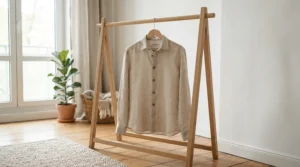
If you’re the kind of parent who does laundry every third day whether it needs it or not, the Mama Cheetah swaddle wrap’s 3-pack format is the practical answer. It’s designed as a zip-up swaddle rather than a free-legs sleep sack, meaning it’s aimed squarely at the newborn stage before rolling begins — it’s listed as GOTS and OEKO-TEX certified, sized for newborns 7-14 pounds in the 0-3 month range.
Here’s what the spec sheet won’t spell out clearly: a dual-certification claim (GOTS plus OEKO-TEX) is genuinely more reassuring than either certification alone, because GOTS governs the growing and processing of the fiber while OEKO-TEX Standard 100 tests the finished textile for a specific list of harmful substances. Getting both on a budget 3-pack is unusual — most brands at this price point pick one certification to advertise and let the other slide. The honest tradeoff is that a swaddle-style wrap has a shorter useful window than a true sleep sack, since the AAP guidance is clear that arm-restricting designs need to stop the moment a baby shows rolling signs.
Pros:
- ✅ Dual GOTS and OEKO-TEX certification at a budget price
- ✅ Three-pack means less mid-week laundry scrambling
- ✅ Zipper design speeds up diaper changes
Cons:
- ❌ Swaddle format has a shorter usage window than free-leg sacks
- ❌ Not rated for a specific TOG warmth level
Running under $40 for the full pack, this is the practical pick for the newborn-only stretch rather than a long-term investment.
3. L’ovedbaby Organic Cotton 2-Way Zipper Footie — snuggest fit, zero bamboo or semi-synthetics
L’ovedbaby has built its entire brand identity around a single hard line: no bamboo rayon, no semi-synthetic viscose, GOTS-certified organic cotton only. That’s a meaningful stance in a category where “bamboo” fabric is often marketed as eco-friendly despite being chemically processed into rayon. The brand states plainly that its cotton is sourced in India, where products are made in GOTS-certified factories that are monitored not just for organic processing but for fair treatment of workers — a social-criteria detail that pure fiber certifications sometimes skip past.
On fit, the 2-way zipper footie design includes fold-over mitt cuffs in newborn and smaller sizes to prevent self-scratching, dropping that feature once babies reach 6-9 months and need their hands free to explore — a small but genuinely thoughtful design choice rather than a one-size-fits-all shortcut. Based on the spec comparison with other budget-tier entries here, L’ovedbaby sits closest to true “grown from dirt to garment under one continuous audit trail,” which matters if traceability is your primary concern rather than just the word “organic” on a tag.
Pros:
- ✅ Strict no-bamboo, no-semi-synthetic sourcing policy
- ✅ Fold-over mitt cuffs prevent newborn self-scratching
- ✅ Full farm-to-factory GOTS traceability, including labor criteria
Cons:
- ❌ Smaller color/print selection than boutique competitors
- ❌ Footed design runs warmer than open-bottom sacks
In the $25-$35 range depending on style, it’s a strong pick for households specifically trying to avoid rayon-from-bamboo marketing.
4. HALO Organic Cotton Light Sleep Sack (Earthly) — best airflow for warm-climate nurseries
HALO‘s Earthly line takes its standard muslin sleep sack and swaps in GOTS-certified organic cotton, and the muslin weave is the whole story here. Muslin is a loose, breathable weave that moves air far more effectively than a tight interlock knit, which is exactly why it’s the go-to fabric choice for babies born in July in Phoenix. The brand describes it as crafted from lightweight, breathable 100% organic cotton muslin for maximum airflow to reduce the risk of overheating, sized extra-long for wiggle room.
What most buyers overlook here is that overheating is a modifiable SIDS risk factor, so a genuinely breathable fabric isn’t just a comfort feature — it’s arguably the single most safety-relevant spec on this entire list. Reviewers consistently point to the inverted bottom zipper as a diaper-change convenience win, echoing a design pattern nearly every brand on this list has converged on. The honest downside: muslin’s open weave means it’s a poor choice for genuinely cold rooms, so pairing it with a heavier layer underneath in winter is the realistic use case rather than a flaw in the product itself.
Pros:
- ✅ Muslin weave maximizes airflow and reduces overheating risk
- ✅ Extra-long cut gives babies real kicking room
- ✅ Inverted zipper simplifies nighttime diaper changes
Cons:
- ❌ Too breathable for consistently cold nurseries
- ❌ Muslin wrinkles and softens fast, which some parents dislike aesthetically
At roughly $35-$50, it’s the pick for anyone whose real enemy is a too-warm bedroom, not a too-cold one.
5. Woolino (Ecolino) Organic Cotton Classic Baby Sleep Bag — best dual OEKO-TEX plus GOTS verification
Woolino‘s Ecolino cotton line stacks two independent certifications rather than leaning on just one, and it’s worth explaining why that stacking matters instead of just listing it. The product page states it’s made of 100% GOTS certified organic cotton, free of pesticides and insecticides normally found in conventional cotton, and additionally carries an OEKO-TEX Standard 100 label confirming it passed safety testing for harmful substances from a specific accredited testing institute.
Here’s the practical translation: GOTS certifies the supply chain and processing methods; OEKO-TEX tests the literal finished fabric sample for a defined chemical panel. One tells you how it was made, the other tells you what’s actually left in the weave when it reaches your door. Getting a named, checkable lab reference number on the safety testing — rather than just a general safety claim — is the kind of detail that separates a brand willing to be audited from one that just wants the word “safe” near its product photos. The design itself includes a generous width to allow healthy hip movement and a two-way zipper with zipper guards, both now near-universal features across the category.
Pros:
- ✅ Named lab reference number backing the OEKO-TEX claim
- ✅ Generous cut supports healthy hip development
- ✅ Two-way zipper with skin-protecting guards
Cons:
- ❌ Premium pricing versus single-certification competitors
- ❌ Limited color palette compared to boutique brands
Sitting in the $45-$60 range, this one earns its price primarily through the verifiability of its safety claims, not flashy extras.

6. Parade Organics Cozy Sleep Sack — best double-layer warmth for cooler rooms
Parade Organics takes the opposite approach from the muslin picks above: two full layers of organic cotton rather than one lightweight layer. The brand describes it as designed with two layers of pure, chemical-free 100% certified organic cotton and a chunky two-way zipper down the front, with a sleeveless cut that prevents overheating while still allowing a onesie, footie, or gown underneath depending on temperature.
That two-layer, sleeveless combination is a smart middle path — you get real insulating warmth from doubled fabric, but the sleeveless design keeps arms exposed for temperature self-regulation rather than trapping heat the way a fully enclosed sleeve system can. The brand is also explicit that every piece is grown, dyed, and sewn in India under GOTS standards, which the Global Organic Textile Standard certification is described as ensuring organic status from raw material harvesting through environmentally and socially responsible manufacturing. That’s a fuller supply-chain claim than brands that only certify the finished garment stage.
Pros:
- ✅ Double-layer cotton adds real warmth without synthetic fill
- ✅ Sleeveless cut avoids arm-overheating while layering underneath
- ✅ Full farm-to-finished-garment GOTS chain, not just fabric-stage
Cons:
- ❌ Bulkier fit than single-layer competitors
- ❌ Fewer size options than mass-market brands
Priced around $40-$55, this is the pick for parents in genuinely cold climates who’ve been layering blankets under a thin sack and want one product to solve that instead.
7. Cat & Dogma GOTS Certified Newborn Sleepsack Swaddle — best boutique swaddle-transition design
Cat & Dogma sits at the top of this lineup on price, and the extra spend buys a specific design feature: snap sleeves that let you swaddle a newborn’s arms in or leave them free without changing garments. The brand states the piece features a two-way zipper and snap sleeves that let you swaddle baby’s arms while allowing easy diaper changes without full undressing, and can be worn with or without a coordinating bodysuit for year-round temperature control.
On the certification claim, the brand is unusually direct about what GOTS actually guarantees, stating it’s Global Organic Textile Standard certified, described as guaranteeing the highest organic and social criteria, and calling it the gold standard for chemical-free baby sleep products, with a chemical-free promise that GOTS certification ensures no harmful bleaches, formaldehyde, or synthetic finishes touch a baby’s skin. Based on the spec comparison, that snap-sleeve convertibility is the genuine differentiator here — it’s solving the exact problem parents hit around week six, when a newborn who slept great swaddled suddenly needs arms-free sleep, without requiring a whole new wardrobe purchase.
Pros:
- ✅ Snap sleeves convert between swaddled and arms-free instantly
- ✅ Explicit no-formaldehyde, no-harsh-bleach certification language
- ✅ Wearable with or without a bodysuit for seasonal flexibility
Cons:
- ❌ Highest price point in this comparison
- ❌ Newborn-focused sizing means a shorter usage window per unit
In the $50-$70 range, it’s the boutique pick for parents who specifically want one garment to handle the swaddle-to-sleep-sack transition rather than buying two separate product types.
Full Spec Comparison: All 7 Side by Side
| Sleep Sack | Certification Claim | Design Type | Price Range | Best For |
|---|---|---|---|---|
| Burt’s Bees Baby Beekeeper | GOTS (named cert body) | Knit sleeve-free sack | Under $25 | All-around everyday use |
| Mama Cheetah Swaddle Wrap | GOTS + OEKO-TEX | Zip swaddle | Under $40 (3-pack) | Newborn rotation |
| L’ovedbaby 2-Way Zipper Footie | GOTS, full chain | Footed, mitt cuffs | $25-$35 | No-bamboo households |
| HALO Organic Light Sleep Sack | GOTS | Muslin sack | $35-$50 | Warm rooms |
| Woolino Organic Classic Sleep Bag | GOTS + OEKO-TEX (named lab) | Knit sack | $45-$60 | Verifiable safety data |
| Parade Organics Cozy Sleep Sack | GOTS, full chain | Double-layer sack | $40-$55 | Cold rooms |
| Cat & Dogma Newborn Sleepsack | GOTS (explicit language) | Convertible swaddle | $50-$70 | Swaddle transition |
Looking at the full table, a pattern emerges: the products that pair GOTS with a second certification (Mama Cheetah, Woolino) or spell out the full supply-chain scope (L’ovedbaby, Parade Organics) tend to be the ones offering the most checkable detail, regardless of where they sit on price. That’s worth more than brand recognition alone when you’re evaluating a chemical free sleep bag claim, because a bigger, more familiar name doesn’t automatically mean a more rigorous certification.
✨ Ready to compare options side by side? Check current availability and pricing before your next order!
What Is a GOTS Certified Sleep Sack, Really?
A GOTS certified sleep sack is a wearable blanket where every stage — fiber growing, spinning, dyeing, and sewing — has been independently audited against the Global Organic Textile Standard’s ecological and social criteria, not just the raw cotton. That’s a meaningfully bigger claim than “made with organic cotton,” which can legally describe a product where only the raw fiber was organic before conventional, unaudited dyeing and finishing.
How to Choose a GOTS Certified Sleep Sack
- Check the TOG rating against your actual room temperature, not the season on the calendar — a 0.5 TOG bag in a 65°F room is a recipe for a chilly, restless baby regardless of how organic the fabric is.
- Look for a named certification body or license number, not just the word “GOTS” in the title — brands with nothing to hide usually cite the auditor.
- Match the design to the developmental stage, since swaddle-style arm containment needs to stop the moment rolling begins, per AAP guidance.
- Consider stacked certifications, since GOTS plus OEKO-TEX covers both the growing/processing chain and the finished-fabric chemical panel.
- Size up rather than down, since a snug sleep sack around the neck or arm openings creates a bigger practical risk than fabric choice ever will.
- Factor in your laundry rhythm, since a single premium sack means more frequent washing, while a 3-pack of budget basics spreads wear across more units.
- Read the fine print on “organic cotton” versus “GOTS certified organic cotton”, since the latter carries a verifiable audit trail and the former is sometimes just a fiber-sourcing claim.
GOTS Certified Sleep Sack vs Non-Certified “Organic” Alternatives
This is where a lot of nursery budgets quietly go sideways. Plenty of sleep sacks on the market use the word “organic” on the packaging while carrying no third-party certification at all — meaning the claim is essentially the manufacturer’s word, unaudited. A genuinely certified organic sleep sack, by contrast, has passed a chain-of-custody audit that traces the fiber back to a certified organic farm and verifies every processing step in between.
| Feature | GOTS Certified Sleep Sack | Uncertified “Organic” Sleep Sack |
|---|---|---|
| Fiber sourcing verification | Third-party audited | Manufacturer’s claim only |
| Dye and chemical finishing | Restricted, tested list | Unregulated |
| Social/labor criteria | Included in audit | Not typically covered |
| Price premium | Moderate to high | Often lower |
| Paper trail if challenged | License number, traceable | None |
The practical takeaway: an uncertified “organic” label isn’t necessarily dishonest, but it isn’t independently checkable either, and for a garment worn against a newborn’s skin for most of the day, that gap is exactly what a real organic baby certification is meant to close. If a listing can’t point to a certification body or license number, treat the organic claim as marketing language rather than a verified fact.
💬 One click helps other parents make safer buying decisions too!😊
Understanding Organic Baby Certification: GOTS, OEKO-TEX, and USDA Organic
Parents often assume these three labels are interchangeable, and they’re genuinely not. Textile products can only become GOTS certified if they contain a minimum of 70% organic fibers, and all chemical inputs such as dyestuffs and auxiliaries must meet specific environmental and toxicological criteria, covering the entire production chain rather than a single ingredient. You can verify a brand’s specific certification status directly through the official Global Organic Textile Standard registry, which lists approved certification bodies and licensing details.
OEKO-TEX Standard 100, by contrast, doesn’t govern how the fiber was grown at all — it’s a finished-product chemical safety test, checking the completed fabric for a defined panel of substances regardless of whether the raw material was organic. USDA Organic, meanwhile, is primarily built for food and agricultural products in the US market and applies a different certification framework than GOTS uses for finished textiles. The upshot for a safe textile standards comparison: GOTS is the only one of the three that simultaneously covers organic farming and social/labor criteria across the full supply chain, which is why it’s become the reference point most baby-product brands lean on when they want the strongest available claim.
Safe Textile Standards and Non-Toxic Baby Products: What the Labels Really Guarantee
“Non toxic baby products” is one of those phrases that sounds precise and is actually pretty vague on its own — there’s no single legal definition governing when a brand can use it. What a genuine safe textile standard like GOTS actually restricts is more specific: banned formaldehyde-based finishing agents, restricted heavy-metal dye components, and a defined wastewater treatment requirement for any wet-processing facility in the chain.
Here’s what most buyers overlook: a “non-toxic” claim without a named certification is unverifiable, while a GOTS or OEKO-TEX claim comes with an actual testing methodology behind it. That doesn’t mean every product without a certification is secretly dangerous — many small manufacturers simply can’t afford the certification fees — but it does mean the burden of proof shifts entirely onto the brand’s word rather than an independent auditor’s. When evaluating any sleep sack marketed around safety, the practical filter is simple: does the “non-toxic” or “chemical free” language point to a specific, checkable standard, or is it just doing marketing work on its own?
Common Mistakes When Buying an Organic Sleep Sack
Even careful parents trip over the same handful of issues repeatedly, and most of them have nothing to do with the fabric itself.
The first mistake is buying based on TOG rating alone without checking actual room temperature — a nursery thermometer costs less than a single sleep sack and solves more sleep problems than any fabric upgrade. The second is assuming “organic cotton” and “GOTS certified organic cotton” are the same claim, when only the latter carries an independently verifiable audit. The third is sizing based on age rather than current weight and length, since babies cluster around growth curves unevenly and a size chart beats a birthday every time. The fourth is over-layering a swaddle-style design well past the point a baby starts showing rolling signs, which runs directly against AAP guidance on discontinuing arm restriction once mobility begins. The fifth, and most avoidable, is skipping the certification-body check entirely and trusting a green leaf icon on packaging as if it were the same thing as a license number.
What to Expect: Real-World Performance of a Chemical Free Sleep Bag
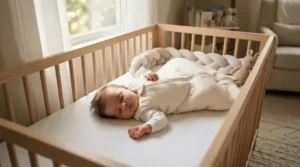
On paper, every product in this comparison reads similarly reassuring. In practice, the day-to-day experience diverges more than the spec sheets suggest. A genuinely chemical free sleep bag typically has a slightly stiffer initial feel straight out of the packaging than a conventionally treated one, because it skips the softening chemical finishes some non-certified competitors use — that stiffness generally softens within two to three wash cycles as the natural fiber relaxes. Reviewers consistently note this initial-stiffness pattern across GOTS-certified cotton products broadly, framing it as a fair trade-off rather than a defect, though it’s worth setting that expectation before the first unboxing rather than after.
Odor is another real-world difference worth naming honestly: some parents report GOTS-certified organic cotton products carrying less of the faint chemical smell associated with new synthetic-blend garments, likely tied to the restricted-finishing-agent rules built into the standard, though this is a subjective sensory report rather than a measured claim. What the spec sheet won’t tell you, but aggregated reviewer patterns suggest, is that breathability differences (muslin versus tight knit) tend to matter more for actual sleep quality than certification status alone — a GOTS-certified muslin sack and a GOTS-certified interlock-knit sack are equally “clean” by the standard’s definition but can feel very different on a genuinely hot or cold night.
Practical Usage Guide: Getting Fit, TOG, and Wash Routine Right
Getting the most out of any organic sleep sack comes down to three habits most parents figure out by trial and error rather than instruction. Start with fit: the neck and arm openings should allow two fingers of slack, no more, since anything looser creates the exact entrapment risk a sleep sack is supposed to eliminate in the first place. For TOG selection, layer thinking works better than single-product thinking — a base layer bodysuit plus the appropriate TOG sack, adjusted seasonally, beats owning five different sack weights.
On washing, GOTS-certified organic cotton generally does best with a cool or warm cycle and a fragrance-free, dye-free detergent, since harsh conventional detergents can strip some of the fabric’s natural softness faster than they would on a treated conventional-cotton product. Skip fabric softener entirely — it coats natural fibers with a synthetic residue that works directly against the point of buying an untreated organic textile in the first place. Common first-30-day mistakes include over-washing a brand-new sack before the fabric has had a chance to soften naturally, and sizing up too aggressively “for growing room,” which reintroduces the loose-fit risk the whole product category exists to avoid.
Real-World Scenarios: Matching a Sleep Sack to Your Actual Life
Consider three household types this comparison genuinely covers. A first-time parent in a mild-climate apartment with a newborn under three months is probably best served by starting with the Mama Cheetah 3-pack swaddle wrap, since the arm-containment design and multi-unit format handle the unpredictable newborn stage without a big upfront investment. A parent in a colder climate with a six-month-old who’s already rolling needs the arms-free design and real insulation of the Parade Organics Cozy Sleep Sack, since swaddle-style products are no longer appropriate once rolling begins and a single thin layer won’t cut it in a chilly room.
A parent specifically prioritizing verifiable safety documentation — say, one navigating a family history of skin sensitivities or asthma — is the clearest match for the Woolino Organic Cotton Classic Sleep Bag, given its named, checkable OEKO-TEX lab reference alongside GOTS certification. None of these are the “best” sleep sack in the abstract; they’re the best match for a specific stage, climate, and priority, which is the entire point of comparing real products instead of chasing a single universal winner.
Problem → Solution: Fixing the Most Common Sleep Sack Headaches
Baby runs hot and sweats through the current sack most nights → drop to a 0.5 TOG muslin option like the HALO Organic Cotton Light Sleep Sack and remove a base layer before assuming the room temperature is the problem.
Baby seems to be outgrowing swaddle-style products faster than expected → transition early to a free-arm design like the Burt’s Bees Baby Beekeeper rather than sizing up within the same swaddle category, since rolling-stage babies need arm freedom regardless of size.
Fabric feels scratchy straight out of the packaging → run it through two extra wash cycles with a fragrance-free detergent before assuming the product is defective, since untreated organic cotton typically softens with washing rather than arriving pre-softened.
Zipper snags fabric during late-night changes → prioritize models with an explicit zipper guard feature, like the Woolino or Burt’s Bees Baby options, both of which build this in as a named design detail rather than an afterthought.
Uncertain whether a listing’s “GOTS” claim is legitimate → search the product or brand name directly against the Global Organic Textile Standard’s public resources rather than taking a packaging icon at face value.
Safety, Regulations & Compliance Guide
Two separate regulatory frameworks apply here, and conflating them is a common source of confusion. Textile organic-and-chemical-safety claims fall under GOTS and OEKO-TEX, both independent, voluntary certification systems. Flammability, on the other hand, falls under mandatory U.S. federal law: the Consumer Product Safety Commission sets national flammability safety standards for children’s sleepwear, and under federal rules, garments sold in sizes larger than nine months must be either flame-resistant or tight-fitting.
This is genuinely relevant to organic cotton sleep sacks specifically, because the CPSC allows a tight-fitting exemption precisely because snug garments are less likely to contact an ignition source and less likely to sustain a flame, and most modern sleepwear brands favor this path since flame-retardant chemical treatments raise health and marketing concerns for parents who don’t want chemical treatments on garments their children sleep in. In practice, that means a well-fitted GOTS-certified cotton sack is typically compliant through snug design rather than chemical treatment — which is exactly the combination most safety-conscious parents are hoping to find, whether or not they know the regulatory mechanism behind it. You can review the CPSC’s public guidance on children’s sleepwear flammability directly for the full requirements.
On the SIDS-prevention side, the guidance is separate again and worth restating plainly: the AAP recommends wearable blankets, called sleep sacks, instead of loose blankets to keep babies warm, and sleep sacks that don’t compress the arms, chest, or body and allow free movement are considered safe throughout infancy, while swaddle-style sacks that restrict arm movement should be discontinued once a baby shows any signs of rolling. None of the seven products above are a substitute for following that guidance around timing and design type.
Long-Term Cost & Maintenance: Is Certified Organic Worth the Premium?
The honest math here depends heavily on usage window. A newborn-specific swaddle like Cat & Dogma‘s might see six to eight weeks of real use before a baby outgrows or out-develops it, which makes its higher price point a genuinely different value proposition than a sack sized to last six months or more.
| Consideration | Budget Pick (Burt’s Bees Baby) | Premium Pick (Cat & Dogma) |
|---|---|---|
| Typical usage window | 3-12 months per size | 6-8 weeks (newborn-focused) |
| Cost per week of use (rough estimate) | Under $1 | $6-$9 |
| Certification depth | GOTS, named body | GOTS, explicit chemical-exclusion language |
| Resale/hand-down potential | High (durable knit) | Moderate (niche newborn sizing) |
Looking at the numbers, a longer-window product amortizes its price far more favorably than a short-window premium piece, even when both carry equally legitimate certification. That doesn’t make the premium option a bad purchase — the added convertibility of a snap-sleeve swaddle solves a real problem for some households — but it does mean the “organic premium” argument holds up better for products designed to last the whole first year rather than a single developmental stage. For broader context on newborn sleep safety timelines that affect how long any given design stays appropriate, the Sleep Foundation’s guide on infant sleep and bedding is a useful independent reference.
🌿 Take the guesswork out of your next 3 a.m. decision — check current availability on today’s top pick!
Frequently Asked Questions
❓ Is a GOTS certified sleep sack worth the extra cost over regular cotton?
❓ What TOG rating is best for a GOTS certified sleep sack in summer?
❓ Can I use a GOTS certified sleep sack once my baby starts rolling?
❓ Does GOTS certification mean a sleep sack is flame-retardant?
❓ How many GOTS certified sleep sacks does a newborn actually need?
Conclusion
Choosing a GOTS certified sleep sack really comes down to matching three things honestly: your baby’s current developmental stage, your actual room temperature, and how much verification depth you personally need from a certification claim. The Burt’s Bees Baby Beekeeper covers the widest range of situations at the lowest cost, the Mama Cheetah and L’ovedbaby picks solve specific newborn-stage and no-bamboo priorities, and the Woolino, Parade Organics, and Cat & Dogma options each earn their higher price through a specific, real feature rather than premium branding alone.
None of these products replace following AAP safe sleep guidance around back-sleeping, firm surfaces, and discontinuing arm restriction once rolling begins — the fabric certification and the sleep-safety guidance are two different, equally important layers of the same decision. What matters most is picking a product with a genuinely checkable certification claim, sized correctly for right now rather than three months from now, and matched honestly to your climate instead of the season on a calendar.
Recommended for You
- 3.5 TOG Winter Sleep Bag: 7 Best Picks for Cold Nights (2026)
- 2.5 TOG Sleep Sack: 7 Cozy Picks Parents Love (2026)
- 0.5 TOG Sleep Sack: 7 Best Picks for Summer 2026
Disclaimer: This article contains affiliate links. As an Amazon Associate, I earn from qualifying purchases. If you purchase products through these links, we may earn a small commission at no additional cost to you.
✨ Found this helpful? Share it with your friends! 💬🤗
