In This Article
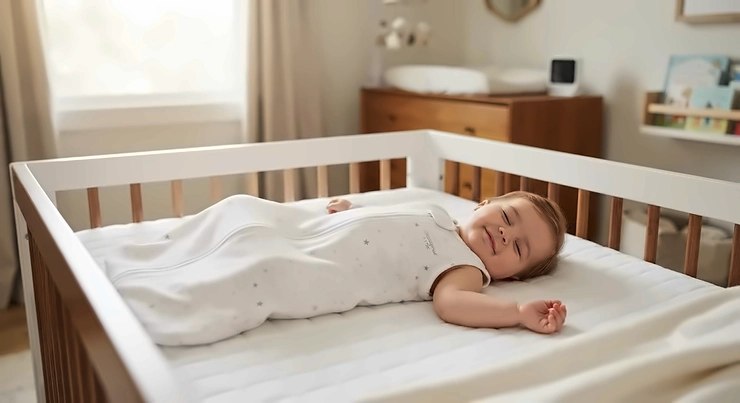
Somewhere around 2 a.m. on the hottest night of July, every parent asks the same panicked question: is my baby too warm in this thing? If you’re standing over the crib doing math with a room thermometer, you’re not alone, and you’re not overthinking it. A 0.5 TOG sleep sack is the lightest mainstream wearable blanket category on the market, purpose-built for exactly this scenario — nurseries that run 75°F and up, or babies who simply run hot no matter what the thermostat says.
TOG stands for Thermal Overall Grade, a warmth-measuring scale borrowed from bedding manufacturers decades before anyone thought to apply it to onesies. Think of it like sunscreen SPF, except in reverse: a lower number means less heat retention, not more protection. A 0.5 TOG sleep sack sits at the breathable end of that scale, designed to replace loose blankets (which the American Academy of Pediatrics has flagged as a suffocation risk) with something that keeps baby covered without trapping heat. According to the AAP’s safe sleep guidance, dressing an infant one layer more than an adult would wear — and skipping loose bedding entirely — meaningfully lowers overheating risk.
This guide breaks down seven real, currently sold sleep sacks rated at or near 0.5 TOG, compares them head-to-head, and walks through the practical stuff nobody tells you at the baby shower: how to layer underneath, when 0.5 TOG stops being enough, and which mistakes send parents back to the return line. We researched actual specs, aggregated review sentiment, and manufacturer data rather than guessing — so what follows is grounded in what’s really available, not marketing copy dressed up as advice.
Quick Comparison Table
Before diving into full reviews, here’s the fast version for anyone skimming between diaper changes.
| Sleep Sack | TOG | Fabric | Price Range | Best For |
|---|---|---|---|---|
| HALO 100% Cotton SleepSack | 0.5 | Cotton | $30–$40 range | Budget-conscious first-timers |
| Kyte Baby Sleep Bag | 0.5 | Bamboo rayon | $38–$46 range | Babies with sensitive/eczema-prone skin |
| Burt’s Bees Baby Beekeeper | 0.5 (light weight) | Organic cotton | $18–$25 range | Rotation stock, daycare bags |
| Loulou Lollipop Muslin | 0.5 | Tanboocel bamboo muslin | $40–$50 range | Design-conscious parents |
| Nested Bean Zen Sack Classic | 0.5 | Cotton, weighted pad | $40–$50 range | Swaddle-transition self-soothing |
| Love To Dream Swaddle Up Lite | 0.2 | Bamboo blend | $30–$40 range | Extra-hot rooms, no A/C |
| Woolino 4 Season | Natural regulation | Merino wool | $80–$95 range | Year-round, multi-sibling use |
Looking at the spread, there’s a clear budget-to-premium ladder here: Burt’s Bees Baby Beekeeper anchors the value end, HALO and Love To Dream Swaddle Up Lite occupy the reliable middle, and Kyte Baby, Loulou Lollipop, Nested Bean Zen Sack, and Woolino compete for the premium dollar with different specialties — bamboo softness, design polish, weighted soothing, and natural wool regulation, respectively. None of these are interchangeable despite similar TOG numbers, which is exactly why the fabric column matters as much as the rating itself.
💬 Found a favorite already? Save this comparison and share it with another sleep-deprived parent!
Top 7 0.5 TOG Sleep Sacks: Expert Analysis
1. HALO 100% Cotton SleepSack — hospital-trusted budget pick
The standout here isn’t flashy fabric tech, it’s trust: HALO built its reputation through hospital newborn programs, and that pedigree still shows in the details. The sleeveless 100% cotton construction is rated 0.5 TOG for rooms in the 72–75°F range, and the bottom-opening two-way zipper means 3 a.m. diaper changes don’t require fully undressing a sleeping baby. The extra-long, roomy cut is recognized by the International Hip Dysplasia Institute as hip-healthy, which matters more than it sounds — a too-narrow sack can restrict the natural frog-leg position babies need for healthy joint development.
Based on the spec comparison, HALO is the safest “first sleep sack” purchase for parents who don’t yet know their baby’s temperature preferences, since the brand’s cotton weave is forgiving and widely stocked at Target and Amazon rather than boutique-only. Reviewers consistently note that the fabric holds up through repeated hot washes without pilling, though a common thread in aggregated feedback is that the basic cotton feels noticeably less plush than bamboo competitors once you’ve tried both side by side.
Pros:
- ✅ Hip-healthy design recognized by pediatric specialists
- ✅ Bottom-opening zipper simplifies nighttime diaper changes
- ✅ Widely available with dozens of pattern options
Cons:
- ❌ Cotton weave feels less plush than bamboo alternatives
- ❌ Plain, non-print colorways are harder to find in some sizes
In the $30–$40 range, this is a fair value pick for parents stocking multiple sacks for laundry rotation rather than chasing the softest possible fabric.
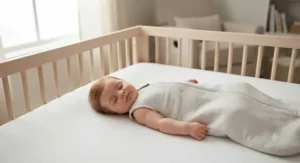
2. Kyte Baby Sleep Bag — silkiest bamboo feel on the market
What most buyers overlook about Kyte Baby is that the 0.5 TOG version isn’t quilted like its 1.0 and 2.5 TOG siblings, which is exactly why it runs looser and stretchier — a deliberate trade-off for maximum airflow. The bamboo rayon (97% rayon, 3% spandex) exterior is naturally moisture-wicking, which matters a lot for babies who sweat through pajamas on warm nights. The dual zipper with a “zipper garage” flap keeps the metal pull away from delicate chins, a small but genuinely useful detail during groggy midnight changes.
On paper, this means Kyte Baby earns its premium pricing through fabric feel rather than added features — reviewers repeatedly describe it as the softest sleep sack they’ve owned, “like a broken-in t-shirt” as more than one aggregated review put it. What the spec sheet won’t tell you, but reviewer patterns do, is that bamboo rayon takes noticeably longer to dry in a standard dryer than cotton, so parents doing overnight laundry loads should plan accordingly.
Pros:
- ✅ Bamboo rayon fabric rated exceptionally soft by reviewers
- ✅ Naturally moisture-wicking for babies who sleep hot
- ✅ Zipper garage design protects skin during changes
Cons:
- ❌ Runs large and stretchy due to unquilted 0.5 TOG construction
- ❌ Longer dryer times than cotton competitors
At $38–$46, it’s a reasonable premium for parents whose babies have sensitive or eczema-prone skin, where fabric feel genuinely changes sleep quality.
3. Burt’s Bees Baby Beekeeper — the organic budget anchor
The standout advantage is price-to-quality ratio: this is the only organic cotton option in this roundup priced under $25. The quilted texture holds its shape wash after wash, and the classic, gender-neutral prints mean it doesn’t scream “hand-me-down” after two kids. Based on the spec comparison, single-layer organic cotton at this weight sits comfortably at the light end of the 0.5 TOG range, appropriate for rooms in the mid-70s°F without extra layering.
Here’s what to weigh: Burt’s Bees Baby doesn’t offer the fabric-tech extras (bamboo, merino, weighted pads) that competitors lean on to justify higher price points, and that’s precisely the point — it’s a no-frills, reliable staple. A common theme in aggregated reviews is that families buy this brand specifically to build out a rotation of 3–4 sacks without breaking a budget, particularly for daycare bags where loss or damage is a real risk.
Pros:
- ✅ Certified organic cotton at the lowest price in this list
- ✅ Quilted texture withstands frequent washing
- ✅ Classic, gender-neutral print options
Cons:
- ❌ Fewer TOG and size variants than larger competitors
- ❌ Less insulating than bamboo or wool for slightly cooler rooms
At $18–$25, this is the value pick for parents buying in bulk or supplying a daycare with a spare.
4. Loulou Lollipop Muslin 0.5 TOG — design-forward with a real award behind it
The Tanboocel bamboo-muslin blend is the headline feature here, manufactured using a process the brand states uses roughly 99% less water than conventional cotton processing — a genuine sustainability angle, not just marketing dressing. The sleeveless cut is intentional: arms and shoulders are where babies lose the most body heat, so leaving them uncovered actively helps regulate temperature rather than just looking breezy. Loulou Lollipop was also recognized by Good Housekeeping as a top sleep sack pick, which adds a layer of third-party validation beyond the brand’s own claims.
Based on the spec comparison, the 2-way zipper opening from the bottom mirrors what competitors offer, so the real differentiator is fabric sourcing and aesthetic — this brand leans into elevated, design-conscious nursery styling rather than the more clinical look of hospital-associated brands. What most buyers overlook is that muslin fabric, while breathable, tends to soften and lighten further with each wash, meaning it can feel like a completely different (better) product by month three of ownership.
Pros:
- ✅ Tanboocel bamboo-muslin blend uses a low-water manufacturing process
- ✅ Sleeveless cut vents heat from arms and shoulders
- ✅ Recognized as a top pick by Good Housekeeping
Cons:
- ❌ Premium pricing above mainstream cotton competitors
- ❌ Smaller brand footprint means a thinner resale/hand-me-down market
Priced in the $40–$50 range, it’s aimed at parents who want nursery aesthetics and sustainability credentials alongside function.
5. Nested Bean Zen Sack Classic — gently weighted, but read the safety fine print
The Cuddle Pad is the entire pitch: a chest panel designed to simulate the pressure of a caregiver’s palm, intended to help babies self-soothe during swaddle transition. The fabric itself is 100% cotton rated 0.5 TOG, with adjustable shoulder snaps that extend the usable window as baby grows, and the same two-way zipper convenience found across this category. Reviewers consistently report calmer settling within the first few nights, and the brand cites an internal parent survey showing high satisfaction — though that’s manufacturer-sourced data, not independent research, so it’s worth reading with appropriate skepticism.
Here’s what to weigh honestly: the AAP has explicitly advised against weighted sleep products for infants, citing concerns that added weight may restrict chest expansion and breathing, even when marketed as “gentle.” Nested Bean frames its Cuddle Pad as lighter than a full weighted blanket, and the company points to a university-affiliated safety study, but parents who prioritize following AAP guidance to the letter should treat this as a product to discuss with a pediatrician before use, not an automatic yes.
Pros:
- ✅ Cuddle Pad design reportedly helps some babies self-soothe faster
- ✅ Adjustable snaps extend usable fit as baby grows
- ✅ Reversible design works for independently rolling babies
Cons:
- ❌ AAP guidance advises against weighted infant sleep products generally
- ❌ Premium price for a feature some pediatricians recommend skipping
At $40–$50, this is a niche pick — genuinely useful for some families, but one that deserves an honest safety conversation before it goes in the crib.

6. Love To Dream Swaddle Up Lite — lighter than 0.5 TOG, built for extreme heat
At 0.2 TOG, this is technically lighter than the 0.5 TOG benchmark that anchors this guide, and that’s exactly why it earns a spot: for homes without air conditioning, or nurseries that regularly climb past 80°F, even a standard 0.5 TOG sleep sack can be too much. The bamboo-blend fabric feels cool against skin, and the swaddle-to-sack silhouette is designed to ease the specific transition out of arms-in swaddling, a stage that trips up plenty of families who’ve relied on tight wrapping to extend sleep stretches.
What most buyers overlook is that a lighter TOG isn’t automatically “better” — it’s better only when the room genuinely runs hot. Based on the spec comparison, this Lite version trades insulation for maximum breathability, meaning it’s a poor match once a nursery drops into the low 70s°F, at which point the standard 0.5 TOG options in this list become the safer, more temperature-appropriate choice.
Pros:
- ✅ Lightest TOG rating in this entire lineup, ideal for extreme heat
- ✅ Bamboo-blend fabric feels notably cool to the touch
- ✅ Eases the arms-in-to-arms-out swaddle transition
Cons:
- ❌ Too light for rooms below the mid-70s°F
- ❌ Fitted swaddle shape offers less room for older, mobile babies
Priced around $30–$40, it’s a smart secondary purchase for the hottest stretch of summer rather than a year-round staple.
7. Woolino 4 Season Merino Wool Sleep Bag — the natural-fiber alternative to a fixed TOG number
Woolino takes a different approach entirely: instead of chasing a specific TOG rating, the brand leans on merino wool’s naturally occurring ability to wick moisture and regulate temperature across a wide range of conditions. This is why the product is marketed as “4 season” rather than TOG-labeled like its cotton and bamboo competitors — wool fibers trap or release heat dynamically based on humidity and body temperature, a property synthetic and cotton fabrics don’t replicate as effectively.
Based on the spec comparison, this makes Woolino a genuinely different value proposition: instead of buying separate 0.5 and 1.0 TOG sacks for different seasons, some families use one merino bag year-round. Reviewers frequently cite the fabric’s natural odor resistance, meaning fewer washes are needed, and durability that holds up across multiple children in the same family. The trade-off is the price tag, which sits well above every other product in this guide, and the lack of a precise numeric TOG rating means parents accustomed to that exact-science approach have to trust the wool’s natural regulation instead.
Pros:
- ✅ Naturally wicks moisture and regulates temperature across seasons
- ✅ Odor-resistant fiber reduces washing frequency
- ✅ Durable enough to pass down between siblings
Cons:
- ❌ Highest price point in this entire comparison
- ❌ No exact numeric TOG rating for parents who prefer precise matching
At $80–$95, this is a long-game investment for families who want one high-quality bag rather than a seasonal rotation.
Practical Usage Guide: Setting Up Your Summer Weight Sleep Sack
Getting a summer weight sleep sack right isn’t just about buying the correct TOG — setup and first-use habits matter just as much. Start by checking your nursery’s actual room temperature with a dedicated thermometer rather than guessing; smart displays and phone weather apps reflect outdoor conditions, not what’s happening six feet from an air vent. Once you know the real number, match it against the TOG chart rather than the season on the calendar, since a “summer” sack in a well-air-conditioned room can actually run cold.
During the first 30 days, the most common mistake is over-layering underneath a 0.5 TOG sack out of habit from cooler-weather routines — a bodysuit or short-sleeve onesie is typically sufficient at this TOG level, not long-sleeve pajamas. Check baby’s chest or the back of the neck (not hands or feet, which run cooler naturally) periodically during the first few nights to calibrate. For maintenance, wash on a gentle cycle in cool water to preserve elastic and zipper components, and air-dry bamboo or wool options when possible since high dryer heat degrades those fibers faster than cotton. One optimization trick experienced parents use: keep two sacks in rotation so one is always laundered and ready, since overnight accidents happen more than any single-sack household expects.
Real-World Scenarios: Which Sleep Sack Fits Your Baby
Consider three household profiles. First, a family in a converted attic nursery without central air, where summer temperatures regularly hit 82°F overnight — this is the textbook case for the Love To Dream Swaddle Up Lite at 0.2 TOG, paired with just a diaper underneath, since anything heavier risks overheating in genuinely hot conditions. Second, a budget-conscious family with twins who need four to six sacks in constant rotation for laundry cycling — here, the Burt’s Bees Baby Beekeeper and HALO cotton options make the most financial sense, since spending premium dollars per unit across six units adds up fast.
Third, a family whose baby has diagnosed eczema and reacts to standard cotton with irritation — this is where Kyte Baby‘s bamboo rayon or Loulou Lollipop‘s Tanboocel muslin genuinely earn their higher price tags, since aggregated reviewer sentiment across both brands repeatedly mentions skin-sensitivity benefits that plain cotton doesn’t offer. None of these households need the same product, which is exactly why “best 0.5 TOG sleep sack” doesn’t have one universal answer — it has one answer per household’s specific room temperature, budget, and skin considerations.
How to Choose a Lightweight TOG Sleep Sack
Picking the right lightweight TOG sleep sack comes down to five practical checks, in order of importance:
- Measure your actual room temperature — not the thermostat setting, the real reading at crib height, ideally over a few nights.
- Match TOG to that number, not the season — a 0.5 TOG suits 75–81°F rooms; go lighter (0.2 TOG) above that, heavier (1.0 TOG) below it.
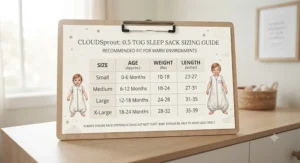
- Check the fit against your baby’s current weight and length, since a too-loose sack can ride up and a too-tight one restricts healthy hip movement.
- Prioritize fabric based on skin sensitivity, not marketing — cotton is fine for most babies, bamboo and merino solve specific sensitivity or hot-sleeper problems.
- Factor in wash frequency and drying time, since bamboo and wool need gentler care than cotton and that affects how many sacks you’ll actually need in rotation.
Following this order avoids the most expensive mistake in this category: buying based on TOG number alone without checking real room conditions first.
0.5 TOG Sleep Sack vs 1.0 TOG Sleep Bag: What’s the Real Difference
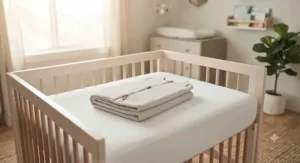
The gap between a 0.5 TOG sleep sack and a 1.0 TOG sleep bag looks small on paper — half a point — but it represents a meaningfully different comfort band. A 0.5 TOG sleep sack is engineered for rooms between roughly 75°F and 81°F, prioritizing breathability above almost everything else, often through sleeveless cuts and thinner single- or double-layer fabric. A 1.0 TOG sleep bag, by contrast, is the standard year-round option for most climate-controlled US nurseries sitting in the 68–74°F range, typically with sleeves and a slightly heavier weave or light quilting.
The mistake many first-time parents make is buying only a 1.0 TOG sleep bag assuming it will “work fine” through summer since it’s already in the house — but a 1.0 TOG sack in an 80°F room can genuinely contribute to overheating, a recognized SIDS risk factor. Conversely, using only a 0.5 TOG option through a cooler fall means constantly layering extra clothing underneath, which can look bulkier and paradoxically less safe if it interferes with the zipper or fit. Most families with a genuine four-season climate ultimately end up owning both weights rather than trying to make one TOG stretch across every month of the year.
Common Mistakes When Buying Warm Weather Sleepwear
Shopping for warm weather sleepwear trips up even experienced parents in a few predictable ways. The first and most common mistake is buying by size chart alone without checking room temperature — a perfectly sized 1.0 TOG sack purchased because “it’s their size now” can still be the wrong warmth level for July. Second, some parents assume weighted products like the Nested Bean Zen Sack are automatically safer because they’re marketed toward calming sleep, when the AAP has specifically cautioned against weighted infant sleep products, as noted above — always weigh that guidance against your own pediatrician’s input rather than marketing language alone.
Third, buyers frequently skip checking fabric care instructions before purchase, then discover bamboo or wool items need cooler washes and air-drying, which doesn’t fit every family’s laundry routine. Fourth, some parents layer a sleep sack over footed pajamas in warm rooms out of habit, effectively turning a 0.5 TOG product into something much warmer than intended — the sack’s TOG rating assumes light clothing underneath, not a full winter layer. Finally, a subtler mistake is ignoring the “Best For” guidance in comparison tables and buying the most popular option rather than the one matched to an individual baby’s actual sleep environment and skin type.
✨ Don’t Miss These Exclusive Deals!
🔍 Take your baby’s summer sleep setup to the next level with these carefully selected picks. Click on any highlighted product to check current pricing and availability. The right sleep sack can mean fewer overheated wake-ups and more rest for the whole family!
Safety, Regulations & Compliance Guide
Sleep sacks occupy an interesting regulatory gap: unlike cribs, bassinets, and play yards, wearable blankets are not currently subject to the same mandatory federal safety testing in the US, meaning manufacturers largely self-report safety claims. That makes third-party guidance especially important. The CDC’s safe infant sleep recommendations reinforce the AAP position: keep the crib bare, avoid loose blankets entirely, and choose sleep clothing that doesn’t cover baby’s head or restrict movement.
Choosing a temperature appropriate tog isn’t just a comfort preference, it’s a documented safety practice — overheating is independently recognized as a contributing risk factor in sleep-related infant deaths, alongside loose bedding and unsafe sleep positioning. Practical compliance steps: confirm the sack fits snugly at the neck and armholes without excess fabric that could ride up, avoid any product marketed with weighted components unless your pediatrician has specifically approved it, and always dress baby only one layer warmer than an adult would be comfortable in in the same room. None of the seven products in this guide are inherently unsafe when used as directed, but “as directed” is doing real work in that sentence — the TOG rating only protects against overheating if it’s matched correctly to the room.
Features That Actually Matter (And Those That Don’t)
Marketing copy across this category loves to highlight color options and cartoon prints, but those genuinely don’t affect sleep quality or safety — they’re aesthetic preference, nothing more. What actually matters: the two-way zipper (nearly universal across this list, and genuinely useful for diaper changes without full undressing), fabric breathability matched to actual room temperature, and a roomy hip-healthy cut that doesn’t restrict natural leg movement.
What doesn’t matter nearly as much as marketing suggests: “designer” branding alone, since Burt’s Bees Baby at $18–$25 uses fundamentally the same construction logic as premium competitors costing double or triple. Claimed “sleep-improving” technology like weighted pads deserves genuine scrutiny given the AAP’s stated position, rather than being treated as an automatic upgrade. And oversized size ranges marketed as “saves money long-term” can backfire if the loose fit compromises the snug-at-neck safety standard this category depends on. The honest takeaway: prioritize TOG-to-room matching and fit over brand prestige or feature lists.
Long-Term Cost & Maintenance
Running the numbers changes the budget conversation considerably. A single Burt’s Bees Baby Beekeeper at roughly $20 versus a Woolino at roughly $90 looks like a fourfold price gap on paper, but total cost of ownership tells a different story depending on usage pattern. Families who need 4–6 sacks in rotation for daily laundry cycling save real money buying multiples of the budget cotton option rather than a single premium bamboo or wool bag, since redundancy matters more than fabric luxury in that use case.
Conversely, families planning to use one bag across multiple seasons — or multiple siblings — get better cost-per-use math from Woolino‘s natural year-round regulation, since one $90 investment can replace what might otherwise be two or three seasonal cotton purchases across a child’s first two years, and durable wool often survives to be passed down. Maintenance costs matter too: bamboo and wool items typically require gentler washing and air-drying, adding time rather than dollars, while cotton options like HALO and Burt’s Bees Baby tolerate standard hot-wash, machine-dry routines that fit busier households. Matching maintenance tolerance to your actual laundry habits is as much a long-term cost factor as the sticker price.
FAQ
❓ What room temperature is a 0.5 TOG sleep sack good for?
❓ Is a 0.5 TOG sleep sack too light for air-conditioned rooms?
❓ Are weighted sleep sacks like the Zen Sack safe?
❓ Can I put pajamas under a 0.5 TOG sleep sack?
❓ How many 0.5 TOG sleep sacks do I actually need?
Conclusion
There’s no single “best” 0.5 TOG sleep sack — there’s a best match for your specific room temperature, your baby’s skin, and your household’s laundry realities. HALO and Burt’s Bees Baby cover the budget and rotation use case reliably. Kyte Baby and Loulou Lollipop earn their premium pricing through genuinely softer, more skin-friendly fabric. Nested Bean offers a specific soothing feature that deserves an honest safety conversation before purchase, not blind trust in marketing. Love To Dream Swaddle Up Lite solves the extreme-heat edge case that a standard 0.5 TOG can’t always handle, and Woolino rewards families thinking in years rather than seasons.
Whichever direction you go, the fundamentals matter more than the brand name: match TOG to your actual measured room temperature, dress baby in just one light layer underneath, skip weighted products without pediatrician sign-off, and keep the crib otherwise bare per current safe sleep guidance. Get those basics right, and the specific sack becomes a comfort preference rather than a safety gamble.
Recommended for You
- Adjustable Swaddle Transition: 7 Best Picks for Safer 2026 Sleep
- Swaddle Transition Bag: 7 Best Picks to End 3AM Wake-Ups (2026)
- 7 Best Walking Sleep Sack Toddler Picks (2026 Guide) — Safe & Cozy
Disclaimer: This article contains affiliate links. As an Amazon Associate, I earn from qualifying purchases. If you purchase products through these links, we may earn a small commission at no additional cost to you.
✨ Found this helpful? Share it with your friends! 💬🤗
