In This Article
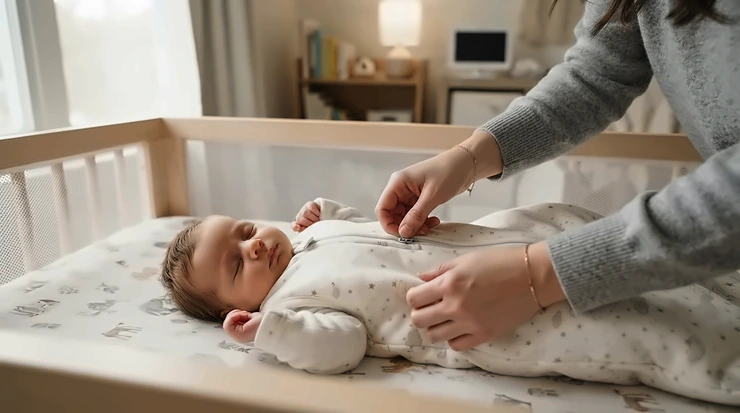
Somewhere around 2 a.m., every new parent has the same thought: is the thing my baby is sleeping in actually safe? Not “cute,” not “on sale,” not “matches the nursery” — safe. That question is exactly why the pesticide free sleep sack category has exploded over the last few years, and it’s not just marketing noise. Conventional cotton is one of the most heavily sprayed crops on the planet, and a lot of that chemical residue rides along in the fabric long after it leaves the field. A pesticide free sleep sack sidesteps that problem by using organic cotton, hemp, or responsibly sourced wool grown and processed without synthetic pesticides, insecticides, or the harsh finishing chemicals found in cheaper crib textiles.
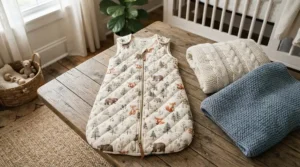
So what actually counts as pesticide free? In short: a wearable blanket made from GOTS-certified organic cotton (or another organically grown natural fiber) that skips synthetic agricultural chemicals during growing and avoids toxic dyes, formaldehyde, and heavy metals during manufacturing, verified by independent, third-party textile certification rather than a vague “eco-friendly” label on the packaging…
This guide breaks down seven real, currently available products, walks through what actually matters when you’re shopping (versus what’s just clever copywriting), and gives you a practical, no-fluff framework for choosing the right one for your family. We’ll dig into certifications like GOTS and OEKO-TEX, safe sleep guidance from the American Academy of Pediatrics, and honest, sourced review sentiment — not invented testimonials. By the end, you’ll know exactly which sack fits your baby’s age, your climate, and your budget.
Quick Comparison Table
Before we go deep into all seven options, here’s the fast version for anyone who just needs a starting point.
| Sleep Sack | Fabric | TOG / Season | Best For |
|---|---|---|---|
| Touched by Nature Organic Cotton Sleeveless | GOTS organic cotton | Lightweight, warm-weather | Budget-conscious first sleep sack |
| Ecolino Organic Cotton Classic | GOTS + OEKO-TEX cotton | 0.5 TOG | Everyday, verified-safe basics |
| Burt’s Bees Baby Beekeeper | GOTS organic cotton | 0.5 or 1.5 TOG | Registry gifting, easy diaper changes |
| HALO SleepSack Organic Cotton | 100% organic cotton | 0.5 TOG | Hip-health-conscious parents |
| PARADE Organic Sleep Sac | Double-layer organic cotton | Mid-weight | Small-batch, design-forward buyers |
| Kvitka Eco Baby Hemp Flax | Organic hemp + flax/cotton | 1-2.5 TOG, universal | Longer-legged or “wiggly” babies |
| Woolino 4 Season Ultimate | Merino wool + GOTS cotton | Universal, all 4 seasons | One bag for 2 months to 2 years |
Reading across that table, the split really comes down to fiber and philosophy. Budget-focused shoppers gravitate toward straightforward organic cotton options like the Touched by Nature and Ecolino sacks because they hit the core safety requirement — no synthetic pesticide residue — without paying for extras. Parents chasing year-round convenience or unusually variable nursery temperatures tend to land on the Woolino, since merino wool’s built-in temperature regulation removes the guesswork that a fixed-TOG cotton bag can’t solve.
Just one click — help other parents find a safer sleep sack too!
What Is a Pesticide Free Sleep Sack?
A pesticide free sleep sack is a wearable baby blanket made from organically grown fiber — most commonly cotton, sometimes hemp or wool — that is cultivated and processed without synthetic pesticides, insecticides, or harmful finishing chemicals, and is typically verified through GOTS or OEKO-TEX certification rather than self-declared “natural” marketing claims.
That distinction between “verified” and “self-declared” matters more than most product listings let on. Conventional cotton production is estimated to consume roughly 16% of the world’s insecticide sales while occupying only about 2.5% of global farmland, according to industry sourcing compiled by textile researchers. That’s a strange, uncomfortable stat to sit with once you picture it wrapped around a sleeping newborn every single night for a year or more.
Top 7 Pesticide Free Sleep Sacks: Expert Analysis
We researched real, currently sold products across budget, mid-range, and premium tiers — plus one lesser-known alternative fiber option — so you can compare apples to apples instead of guessing between near-identical Amazon listings.
1. Touched by Nature Organic Cotton Sleeveless Wearable Sleeping Bag — most affordable true GOTS-organic option
The standout here is simple: full organic certification at an entry-level price, which is rarer than it should be. This sack skips synthetic pesticides and fertilizers at the farming stage, and the sleeveless cut keeps baby’s arms free to move without bunching fabric under the armpits — a small design choice that matters more at 3 a.m. than you’d expect.
Made from 100% organic cotton with no synthetic agricultural inputs, the fabric is noticeably lighter than the brand’s mixed-fiber sleepwear lines, which makes it better suited to warmer nurseries than deep-winter climates. Based on the spec comparison with pricier competitors, the trade-off is fewer bells and whistles: no adjustable snaps, no multi-TOG system, just a straightforward, honest sleep sack. It’s a smart pick for budget-conscious parents who want the core safety benefit — verified organic fiber — without paying for design extras they may not need in a first sleep sack.
Reviewers consistently mention the soft hand-feel of the fabric holding up well after repeated washes, though a few note the print designs vary by batch availability, so specific patterns can be hit-or-miss.
Pros:
- ✅ Genuinely GOTS-certified organic cotton at a budget price
- ✅ Sleeveless design gives babies full arm mobility
- ✅ Coordinates with the brand’s wider organic nursery line
Cons:
- ❌ No adjustable TOG system for temperature swings
- ❌ Pattern and color availability rotates unpredictably
Priced generally under $25, this is one of the more accessible entry points into pesticide-free sleepwear — check current price, as availability by print varies.

2. Ecolino Organic Cotton Classic Baby Sleep Bag — dual GOTS and OEKO-TEX verification
What sets the Ecolino apart is stacking two independent certifications rather than one — it’s both GOTS certified for the organic fiber itself and OEKO-TEX Standard 100 tested for harmful substances in the finished product. That double layer of verification is what most “eco” listings on Amazon simply don’t have.
The fabric is a fine, tightly woven organic cotton at 0.5 TOG, which works well in rooms kept between 70-80°F — reviewers consistently mention it running slightly warm-weather-friendly rather than a true winter sack. The two-way zipper opens from the bottom for diaper changes and the top for dressing, and the cut is generously wide through the hips, which matters because pediatric guidance links loose hip room in sleepwear to healthier hip development in infants.
What most buyers overlook about this model is that the “hand-picked of insects” detail in the product description isn’t just quirky copy — it reflects an actual organic farming practice used to avoid pesticide spraying at the harvest stage, which is a meaningfully different (and more labor-intensive) process than conventional mechanical harvesting.
Pros:
- ✅ Stacked GOTS and OEKO-TEX Standard 100 certification
- ✅ Two-way zipper simplifies nighttime diaper changes
- ✅ Roomy hip design supports healthy hip positioning
Cons:
- ❌ 0.5 TOG runs light for colder nurseries
- ❌ Sizing note: brand advises against sizing up
Expect a price in the $30-$40 range, positioning it as a solid mid-tier pick for parents who want certification depth over brand name recognition.
3. Burt’s Bees Baby Beekeeper Organic Cotton Wearable Blanket — best-known name in organic baby sleepwear
The Burt’s Bees Baby Beekeeper earns its spot through sheer market presence combined with real GOTS certification — this is the sack most pediatricians and registry checklists default to recommending, and for good reason: it’s genuinely organic, not just organic-adjacent marketing.
Available in both a 0.5 TOG lightweight version and a 1.5 TOG insulated option with a polyester fill for colder rooms, the Beekeeper covers more seasonal ground than most single-weight competitors. Here’s what to weigh: the 1.5 TOG variant isn’t 100% organic cotton throughout since the insulation layer uses polyester fill, so if pesticide-free purity is your top priority year-round, the lightweight 0.5 TOG version is the more consistent choice.
The zipper is a genuine standout on paper — a lifetime-guaranteed YKK zipper with an interior guard and a snap-tab cover, engineering details that matter enormously at 2 a.m. when you’re changing a diaper half-asleep. Reviewers consistently note the extra-long cut as a favorite feature, since it extends usable life well past what standard-length sacks offer, letting taller toddlers keep wearing it longer.
Pros:
- ✅ Widely available, trusted GOTS-certified organic brand
- ✅ Lifetime-guaranteed YKK zipper with safety guard
- ✅ Extra-long cut extends usable age range
Cons:
- ❌ Warmer 1.5 TOG version isn’t fully organic-fiber
- ❌ Thinner fabric offers limited insulation in cold rooms
Typically priced in the low-to-mid $20s to $30s range depending on size and TOG, it remains one of the best value-for-certification picks on this list.
4. HALO SleepSack 100% Organic Cotton Wearable Blanket — most hip-health-focused design
The HALO SleepSack’s standout feature is its hip-healthy silhouette, which has actual third-party backing: the design is approved by the International Hip Dysplasia Institute, a distinction most competing organic sacks don’t advertise because they simply haven’t sought it.
Built from 100% organic cotton at 0.5 TOG, the roomy, extra-long cut is engineered specifically to let babies move their legs freely, which the brand frames as extending the product’s usable lifespan for taller infants. On paper, this means parents get more mileage per sack purchased compared to standard-fit competitors — a real, if underrated, cost consideration.
What the spec sheet won’t tell you, but reviewers note, is that the fabric feels noticeably lighter than some competing organic cotton sacks, which is a plus in warm climates and a minor drawback in chillier nurseries where a heavier TOG option might be needed as a layering companion.
Pros:
- ✅ Hip Dysplasia Institute-approved roomy leg design
- ✅ Extra-long fit extends usable time per size
- ✅ Zipper cover reduces skin irritation risk
Cons:
- ❌ Lightweight fabric may underperform in cold rooms
- ❌ Limited to one TOG weight in the organic line
Prices generally sit in the mid-$30s to around $50 depending on print and retailer — check current price before buying, as HALO runs frequent promotional pricing.
5. PARADE Organic Sleep Sac — most design-forward, small-batch production
PARADE‘s standout is its production philosophy: garments are cut, printed, and sewn by hand in small batches rather than mass-produced on an assembly line, which the brand frames honestly as a reason slight print or sizing variation may occur between units — a rare bit of transparency in this category.
The sack itself uses two layers of pure organic cotton rather than the single-layer construction common at this price point, aiming for a chemical-free, breathable sleep solution without added synthetic insulation. Based on the spec comparison with single-layer competitors, the double-layer build likely trades a bit of breathability for a cozier, more substantial hand-feel — useful context if your nursery runs on the cooler side.
Honest framing matters here: PARADE doesn’t publish a formal GOTS certification number as prominently as brands like Ecolino or Burt’s Bees do in their listings, so pesticide-sensitive buyers should verify current certification status directly with the retailer before purchasing, rather than assuming parity with GOTS-certified competitors.
Pros:
- ✅ Double-layer organic cotton construction
- ✅ Small-batch, hand-finished production process
- ✅ Distinctive prints not found in mass-market lines
Cons:
- ❌ Certification transparency is less prominent than competitors
- ❌ Handmade batches mean occasional sizing variation
Expect pricing in the $40s-to-$50s range, positioning this as a mid-premium, design-conscious pick rather than a bargain option.
6. Kvitka Eco Baby Organic Hemp Flax Cotton Sleep Sack — lesser-known pick using organic hemp fiber
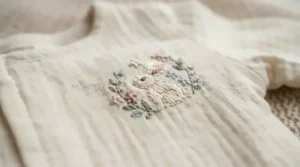
The standout advantage here is fiber choice: instead of relying solely on cotton, this sack fills with organic hemp fiber, which is naturally pesticide-free, antibacterial, and non-allergenic by nature of the plant itself rather than through added chemical treatment.
Built from a flax-and-cotton shell over the hemp filling, the fabric is rated for universal, all-season use at roughly 1-2.5 TOG, and the cut runs noticeably longer than standard sizing to accommodate active babies who like to stretch, roll, and sit up inside the sack. What most buyers overlook about hemp specifically is that it’s naturally antistatic, unlike synthetic fill materials — a detail that sounds minor until you consider how much synthetic bedding can build static cling against a baby’s sensitive skin.
Because this is a smaller, less mainstream brand than the others on this list, verified customer review volume is thinner than for a brand like Burt’s Bees or HALO — if independent third-party reviews can’t be confirmed in meaningful numbers at time of research, that’s worth factoring into your decision rather than treating this as a settled, heavily-vetted choice.
Pros:
- ✅ Organic hemp filler is naturally pesticide-free
- ✅ Extra length accommodates active, growing babies
- ✅ Hemp is naturally antistatic and antibacterial
Cons:
- ❌ Smaller review pool than mainstream competitors
- ❌ Universal all-season fit runs less precise than TOG-specific sacks
Generally priced in the $45-$60 range, it’s a solid pick for parents specifically seeking fiber diversity beyond cotton.
7. Woolino 4 Season Ultimate Merino Wool & Organic Cotton Sleep Bag — best all-in-one, year-round premium option
The standout feature justifying the premium price is genuine four-season versatility: one universal-size bag, suitable from 2 months to 2 years old, that works across a 63-75°F room temperature range without needing a different TOG weight for summer versus winter.
That works because merino wool naturally regulates body temperature, helping keep baby warm when the room runs cool and comfortably cool when it runs warm, paired with a GOTS-certified organic cotton outer layer for comfort against sensitive skin. Reviewers consistently highlight the temperature-regulating claim as legitimate rather than marketing fluff, describing fewer overnight wake-ups tied to temperature discomfort compared to fixed-TOG cotton sacks, alongside naturally flame-resistant wool as a bonus over synthetic fill materials.
Here’s what to weigh: the certification stack is genuinely rigorous — Woolmark and Responsible Wool Standard certified wool, paired with GOTS organic cotton, all under OEKO-TEX Standard 100 testing — but that rigor is exactly why the price sits well above every other product on this list. For families who’ll use one bag across two full years instead of buying three or four seasonal sacks, the long-term cost math can still work in its favor.
Pros:
- ✅ One universal size covers 2 months to 2 years
- ✅ Merino wool naturally regulates temperature year-round
- ✅ Triple-verified: Woolmark, RWS, and OEKO-TEX certified
Cons:
- ❌ Highest price point on this list by a wide margin
- ❌ Requires wool-specific washing care versus basic cotton
Priced roughly in the $100-$130 range, this is the splurge pick for parents who want to buy once and stop shopping for two years.
🌿 Ready to Upgrade Baby’s Sleep? 👶 Every pick above passed our certification and spec check — now it’s about matching one to your nursery. Tap any bolded product name to check current availability and bring home a safer night’s sleep tonight!
Practical Usage Guide: The First 30 Nights With a New Sleep Sack
Getting a new pesticide free sleep sack home is only step one — how you introduce, wash, and monitor it in the first month matters just as much as which one you bought.
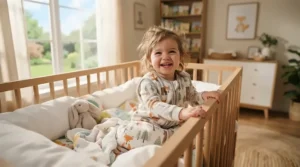
Start by washing any new sack before first use, even certified organic ones, since natural sizing residues from shipping and handling can linger on the fabric. Use a mild, fragrance-free detergent — harsh conventional detergents can undercut the point of buying pesticide-free fabric in the first place by reintroducing synthetic residue during laundering. Check the fit weekly for the first month; babies grow fast, and a sack that’s too snug around the neck opening or too loose around the body can compromise the safety benefit it’s meant to provide. A common first-30-days mistake is over-layering underneath — remember the AAP guidance of dressing baby in just one layer more than you’d wear yourself, since overheating is a real and avoidable risk regardless of how “natural” the outer fabric is. Finally, rotate between two sacks if your budget allows; it halves wash-and-wear frequency per unit, which extends the life of pricier organic pieces considerably.
Real-World Scenarios: Matching Families to the Right Sack
Consider a first-time parent in a small apartment with a nursery that runs warm year-round and a tight budget after registry gifts ran out — the Touched by Nature sleeveless organic cotton option covers the core safety need without overspending on features that warm climate makes unnecessary.
Now picture a family in a region with real seasonal swings — humid summers, cold winters — who doesn’t want to buy and store three different sack weights. That’s the exact use case the Woolino 4 Season Ultimate was built to solve, since its wool-driven temperature regulation removes the need to swap TOG weights every few months.
Finally, think about parents of an active, long-limbed baby who’s already outgrowing standard-length sacks by month four. The Kvitka hemp-flax option’s extra-long, roomier cut, or the similarly generous HALO design, both give more stretch-and-roll room than a standard-cut budget sack would allow.
Problem → Solution: Fixing Common Sleep Sack Frustrations
Problem: Baby seems too warm despite a “safe” TOG rating. Solution — check actual room temperature with a thermometer rather than guessing; TOG ratings assume a specific temperature band, and a sack rated for 68-72°F will run hot in a nursery sitting at 78°F regardless of fiber quality.
Problem: Zipper catches skin during diaper changes. Solution — look specifically for an interior zipper guard, a feature both the Burt’s Bees Baby Beekeeper and HALO SleepSack build in deliberately; it’s a small design detail with an outsized impact on 2 a.m. changes.
Problem: Fabric feels rougher after a few washes. Solution — switch to a lower heat setting and skip fabric softener entirely, since softener coats organic fibers in a synthetic residue that partially defeats the pesticide-free premise and also degrades cotton’s natural softness over time.
Problem: Uncertainty about whether a “natural” claim is actually verified. Solution — check the physical label or product listing for a specific GOTS or OEKO-TEX certification number, not just the word “organic” in the title; several products on this list, including the Ecolino and Woolino picks, list their exact certification numbers precisely because it’s verifiable.
How to Choose a Pesticide Free Sleep Sack
- Confirm actual certification, not just marketing language. Look for a GOTS certification number or OEKO-TEX Standard 100 label rather than trusting the word “organic” alone in a product title.
- Match TOG rating to your real nursery temperature, measured with an actual thermometer rather than a guess, since TOG systems are calibrated to specific temperature bands.
- Consider fiber type based on your climate, since merino wool like the Woolino naturally regulates temperature across seasons, while cotton options like Ecolino or Burt’s Bees Baby suit more stable indoor climates.
- Check the zipper and closure design for interior guards, since these prevent skin pinching during frequent nighttime diaper changes.
- Factor in sizing generosity, since a roomier cut like the HALO or Kvitka designs extends usable months per size purchased.
- Weigh cost-per-month of use rather than sticker price alone — a $120 sack used for 22 months costs less monthly than a $25 sack replaced every four months.
- Read aggregated review sentiment for durability specifically, since organic fibers can wear differently than synthetic-blend fabrics after repeated washing.
Common Mistakes When Buying a Non Toxic Sleep Bag
The single most common mistake is treating “organic” and “non toxic” as interchangeable terms. Organic fiber addresses pesticide exposure at the farming stage, but a truly non toxic sleep bag also requires scrutiny of dyes, finishing chemicals, and zipper hardware — which is exactly what OEKO-TEX certification tests for separately from GOTS’s agricultural focus. A second frequent error is buying based on TOG rating alone without checking actual nursery temperature, leading to an overheated or under-warmed baby despite an objectively “correct” product. Parents also commonly overlook sizing generosity, buying a snug-fit sack that gets outgrown within eight weeks rather than a roomier design like the HALO or Kvitka models that stretch further across growth spurts. Finally, many buyers skip verifying certification numbers entirely, trusting product photography and titles over the actual documented testing that separates a genuinely non toxic sleep bag from one that simply uses the word “natural” in its branding.
Pesticide Free Sleep Sack vs Conventional Cotton Sleepwear
| Factor | Pesticide Free Sleep Sack | Conventional Cotton Sleepwear |
|---|---|---|
| Farming chemicals | Grown without synthetic pesticides | Cotton is among the most heavily sprayed crops globally |
| Certification | Typically GOTS and/or OEKO-TEX verified | Rarely third-party verified for chemical residue |
| Price | Moderate to premium | Generally lower upfront cost |
| Best For | Chemical-sensitive skin, long-term safety focus | Budget-first buyers prioritizing lowest cost |
Conventional cotton is estimated to represent roughly 2.5% of the world’s agricultural land yet accounts for somewhere between 16% and 25% of global insecticide use, a disproportion that’s easy to miss when comparing two soft-looking sleep sacks side by side in a store aisle. The price gap between a Touched by Nature or Ecolino organic sack and a conventional cotton equivalent has narrowed significantly in recent years, which is part of why this category has grown from a niche crunchy-parent purchase into a mainstream registry staple. For most families, the real trade-off isn’t safety versus danger — conventional cotton sleepwear passes standard consumer safety testing too — it’s residual chemical exposure and environmental farming impact versus a modest price premium.
Chemical Free Manufacturing: What Happens Before the Fabric Reaches You
Chemical free manufacturing isn’t just about the cotton plant itself — it covers every processing stage between raw fiber and finished sleep sack: ginning, spinning, dyeing, and finishing. According to the Global Organic Textile Standard, the certification body itself, GOTS requires compliance with local legal norms for air emissions, wastewater, and sludge disposal, and it prohibits uncontrolled dumping of processing waste, criteria that go well beyond simply growing organic cotton. What most buyers overlook about chemical free manufacturing is that dye toxicity matters as much as farming method — a technically organic cotton fiber can still be treated with heavy-metal-based dyes during finishing if a brand only holds a farming-stage certification rather than a full-chain one. That’s exactly why brands like Ecolino and Woolino pursuing both GOTS and OEKO-TEX Standard 100 certification are noteworthy — one covers the field, the other covers everything that happens to the fabric afterward, including the zippers and snaps.
Earth Friendly Baby Sleep Sack: Sustainability & Materials Deep Dive
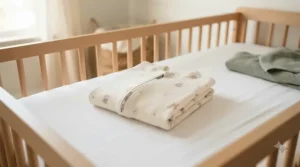
An earth friendly baby sleep sack extends the conversation past pesticide avoidance into land use, water consumption, and end-of-life durability. Organic cotton farming methods generally rely on crop rotation and natural pest management rather than synthetic inputs, which supports better long-term soil health compared to conventional monoculture cotton farming. Fiber choice matters too: the Kvitka hemp-blend option represents a genuinely earth friendly baby sleep sack angle worth considering, since hemp cultivation typically requires less water and fewer pest-management interventions than cotton, even organic cotton, due to the plant’s natural hardiness. Durability plays into sustainability as well — a well-made organic sack that survives two children instead of one, like the extra-long Burt’s Bees Baby or HALO cuts designed for extended use, reduces the overall manufacturing footprint per year of actual use, which is arguably a more meaningful earth friendly baby sleep sack metric than fiber choice alone.
Safe Baby Textiles: Certifications That Actually Matter
When it comes to safe baby textiles, three certification marks carry genuine, independently verified weight: GOTS for organic fiber content and processing chain, OEKO-TEX Standard 100 for absence of harmful substances in the finished product, and the Responsible Wool Standard for ethically sourced wool where applicable. The Organic Trade Association notes that only textile products containing a minimum share of certified organic fiber can carry the GOTS label at all, which is part of why the number on the tag matters more than the word “organic” printed near it. products labeled “made with organic” generally require a minimum of 70% organic content, while a full “organic” label typically requires at least 95%, a distinction worth checking on the actual product tag rather than assuming from a listing title. Safe baby textiles claims without a specific certification number attached — like some smaller or newer brands in this space — aren’t automatically untrustworthy, but they do require more due diligence from the buyer, since there’s no independent audit trail to verify the claim against.
Building a Clean Sleep Environment Beyond the Sleep Sack
A pesticide free sleep sack is one piece of a genuinely clean sleep environment, not the whole picture. CPSC guidance for infant sleep products reinforces that infants under 12 months should sleep with no soft bedding of any kind beyond a fitted sheet, meaning even the safest sleep sack shouldn’t be paired with loose blankets, pillows, or crib bumpers layered underneath it. Room temperature matters just as much as fabric choice — a clean sleep environment generally sits in a comfortable, moderate range, and an overheated room can undercut even a premium sack’s benefits by pushing baby toward discomfort or restlessness regardless of what it’s made from. Mattress and sheet choices round out the picture: pairing your organic sleep sack with a GOTS-certified crib sheet closes a gap that many parents address for the sack but overlook for the surface directly touching baby’s skin.
Long-Term Cost & Maintenance
| Product | Approx. Price Range | Typical Usable Span |
|---|---|---|
| Touched by Nature Sleeveless | Under $25 | 3-6 months per size |
| Ecolino Organic Cotton Classic | $30-$40 | 6-12 months per size |
| Burt’s Bees Baby Beekeeper | Low-$20s to $30s | 6-18 months |
| HALO SleepSack Organic Cotton | Mid-$30s to $50 | 6-18 months, extended fit |
| Woolino 4 Season Ultimate | $100-$130 | 2 months to 2 years, one size |
Looking at the table, cost-per-month tells a very different story than sticker price. The Woolino, despite the highest upfront number, can work out cheaper per month of actual use than replacing a budget cotton sack three or four times across the same 22-month span. Maintenance-wise, cotton options generally tolerate standard cold-wash, low-heat-dry routines, while merino wool sacks like the Woolino need a gentler wool-specific cycle to preserve the fiber’s natural temperature-regulating properties long-term.
Buyer’s Decision Framework
If your top priority is the lowest possible entry price while still verifying genuine organic certification, choose a straightforward single-TOG cotton sack like Touched by Nature or Ecolino, because they deliver the core pesticide-free benefit without paying for extended features you may not need yet.
If your nursery experiences real seasonal temperature swings and you’d rather buy once than shop repeatedly, choose the Woolino 4 Season Ultimate, because merino wool’s temperature-regulating properties solve a problem that fixed-TOG cotton sacks structurally can’t.
If you’re specifically drawn to fiber diversity beyond cotton, or your baby runs unusually long for standard sizing, choose the Kvitka hemp-flax option, because its extra length and alternative organic fiber base address needs the mainstream cotton brands don’t directly target.
Frequently Asked Questions
❓ Is a pesticide free sleep sack worth the extra cost over regular sleepwear?
❓ How do I verify a sleep sack is actually pesticide free and not just labeled organic?
❓ What TOG rating should I buy for a pesticide free sleep sack?
❓ Can babies safely use a merino wool sleep sack like Woolino instead of cotton?
❓ How often should I replace or size up a pesticide free sleep sack?
Conclusion
Choosing a pesticide free sleep sack ultimately comes down to matching real certifications to your actual nursery conditions rather than chasing the prettiest print in your Amazon search results. Budget-focused parents get genuine safety value from options like Touched by Nature and Ecolino, while families wanting a true four-season solution will likely find the Woolino worth its premium price over the long haul. Somewhere in between, brands like Burt’s Bees Baby, HALO, PARADE, and the hemp-forward Kvitka each solve a slightly different version of the same core problem: keeping baby warm, safe, and free from unnecessary chemical exposure during the many, many hours a night they spend zipped into one of these things.
Whichever you choose, the underlying principle holds steady — verify the certification, match the TOG to your real room temperature, and treat the sleep sack as one piece of a broader clean sleep setup rather than a standalone fix. Sleep is hard enough in those first years without wondering what’s actually in the fabric touching your baby’s skin all night.
Recommended for You
- Bamboo Sleep Sack Baby: 7 Best Sustainable Picks UK (2026)
- GOTS Certified Sleep Sack: 7 Safest Organic Picks for 2026
- 3.5 TOG Winter Sleep Bag: 7 Best Picks for Cold Nights (2026)
Disclaimer: This article contains affiliate links. As an Amazon Associate, I earn from qualifying purchases. If you purchase products through these links, we may earn a small commission at no additional cost to you.
✨ Found this helpful? Share it with your friends! 💬🤗
