

In This Article
Picture this: You’re cradling your precious little one, gently stroking their delicate scalp, and you notice how sparse or patchy their hair looks. You’re not alone—thousands of parents worry about their baby’s hair growth every single day. Whether you’re dealing with cradle cap, thin baby hair, or just want to give your infant the best head start (literally!), choosing the right oil for baby hair growth can make all the difference.
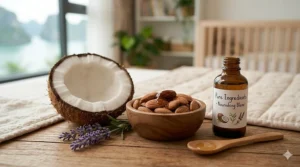
Here’s something most parents don’t realize: baby hair goes through dramatic changes during the first year. According to pediatric dermatology guidance, light oiling is safe for newborns when done gently and occasionally. But not all oils are created equal—some can actually clog those tiny follicles or cause irritation.
In this comprehensive guide, I’ll walk you through everything you need to know about oil for toddler hair growth, from understanding which ingredients actually work to finding the perfect product for your baby’s unique needs. We’ll explore natural hair growth stimulation techniques, dive into the science behind baby scalp nourishment oils, and review the top seven products that parents are raving about in 2026. Ready to transform your baby’s hair care routine? Let’s get started!
Quick Comparison Table: Top Baby Hair Growth Oils at a Glance
| Product Name | Key Ingredients | Price Range | Best For | Rating |
|---|---|---|---|---|
| theMANEthang Baby Hair Growth Oil | Coconut, Castor, Tea Tree, Olive Oil | $15-20 | Fast growth & dandruff | 4.5/5 ⭐ |
| Noir Gold Organic Hair Growth Oil | Castor, Jojoba, Aloe Vera, Chamomile | $18-25 | Cradle cap & eczema | 4.7/5 ⭐ |
| REVATOLOGY Kids & Baby Oil | 26 Cold-Pressed Botanicals, Rosemary | $20-28 | All hair types | 4.6/5 ⭐ |
| Baby Hair Super Growth Oil | Argan, Tea Tree, Castor, Peppermint | $12-16 | Deep hydration | 4.4/5 ⭐ |
| Mom & World Baby Hair Oil | Coconut, Almond, Jojoba, Avocado | $14-19 | Gentle daily use | 4.5/5 ⭐ |
| Johnson’s Baby Hair Oil | Avocado, Pro-Vitamin B5 | $8-12 | Budget-friendly | 4.3/5 ⭐ |
| Boogie and Bean Hair Growth Oil | Sunflower, Coconut, Almond, Castor | $16-22 | Curly/textured hair | 4.6/5 ⭐ |
💬 Just one click – help others make better buying decisions too! 😊
Top 7 Oil for Baby Hair Growth: Expert Analysis
1. theMANEthang Baby Hair Growth Oil – Best for Fast Growth
When it comes to infant hair strengthening, this organic elixir stands out from the crowd. The theMANEthang Baby Hair Growth Oil combines four powerhouse ingredients that work synergistically to boost hair volume and thickness.
Key Specifications:
- Ingredients: Organic coconut oil, tea tree oil, castor oil, and alma oil
- Volume: 2 fl oz
- Chemical-free: No alcohol, parabens, or sulfates
This baby scalp nourishment oil has gained serious traction among parents dealing with slow hair growth. The tea tree oil component helps reduce dandruff while the castor oil penetrates deep into follicles to stimulate growth. Customer feedback highlights noticeable improvements within 4-6 weeks of consistent use.
Pros:
✅ Fast-acting formula with visible results
✅ Natural antimicrobial properties from tea tree oil
✅ Lightweight, non-greasy texture
Cons:
❌ Slightly higher price point
❌ Strong herbal scent may not appeal to everyone
Price Range: $15-20

2. Noir Gold Organic Baby/Children Hair Growth Boosting Oil – Best for Scalp Conditions
Here’s a heartwarming story behind this product: The creator developed this formula when her daughter lost all her hair due to severe cradle cap and eczema during a hospital stay. The Noir Gold Organic Hair Growth Oil emerged from a mother’s determination to save her baby’s hair.
Key Specifications:
- Ingredients: Organic castor oil, jojoba oil, aloe vera oil, chamomile
- Volume: 4 fl oz
- Certification: All-organic, baby-safe ingredients
Parents dealing with cradle cap, scalp eczema, or hair loss have found this oil particularly effective. The chamomile provides soothing properties while aloe vera calms inflammation. Multiple reviews mention hair regrowth within 6-8 weeks.
Pros:
✅ Specifically formulated for scalp conditions
✅ Gentle enough for newborns (0 months+)
✅ Created by a parent who experienced the problem firsthand
Cons:
❌ May require consistent daily application
❌ Limited availability compared to mass-market brands
Price Range: $18-25
3. REVATOLOGY Kids & Baby Hair Growth Product – Best Premium Option
If you’re looking for the Mercedes-Benz of baby hair growth products, look no further than REVATOLOGY Kids & Baby Oil. This powerhouse formula packs 26 cold-pressed botanicals into one bottle—talk about comprehensive care!
Key Specifications:
- Ingredients: 26 botanicals including rosemary, castor, coconut, amla, hibiscus
- Volume: Available in multiple sizes
- Made in: USA with chemical-free formulation
What sets this hair oil for babies apart is its versatility. Use it as a pre-wash treatment, hot oil application, or light after-bath sealant. The rosemary oil supports circulation while coconut oil provides moisture without heaviness.
Pros:
✅ Comprehensive botanical blend for maximum benefits
✅ Works across all hair types and textures
✅ Lightweight absorption with no greasy residue
Cons:
❌ Premium pricing
❌ Complex ingredient list may overwhelm some parents
Price Range: $20-28
4. Baby Hair Super Growth Oil – Best Budget-Friendly Powerhouse
Don’t let the affordable price fool you—this Baby Hair Super Growth Oil punches well above its weight class. Formulated with argan, tea tree, and castor oils, this sulfate-free solution delivers professional-grade results without breaking the bank.
Key Specifications:
- Ingredients: Argan oil, tea tree oil, castor oil, peppermint, lavender
- Volume: 2 fl oz
- Formulation: Clean formula with no harsh chemicals
The peppermint and lavender combination boosts blood flow to the scalp, encouraging stronger hair growth from the roots. Parents appreciate the pleasant scent and quick absorption—no more oily pillowcases!
Pros:
✅ Excellent value for money
✅ Pleasant, natural fragrance
✅ Suitable for all hair types
Cons:
❌ Smaller bottle size
❌ May need reapplication for very dry scalps
Price Range: $12-16
5. Mom & World Baby Hair Oil – Best for Gentle Daily Care
Sometimes simplicity wins, and that’s exactly what Mom & World Baby Hair Oil delivers. This 200ml bottle features a carefully balanced blend of cold-pressed natural oils that nourish without overwhelming delicate baby scalps.
Key Specifications:
- Ingredients: Organic virgin coconut oil, almond oil, jojoba oil, avocado oil, olive oil
- Volume: 200ml (6.76 fl oz)
- Safety: No SLS, parabens, phthalates, mineral oils, or artificial fragrances
The jojoba and coconut oil combination is a game-changer for scalp moisturization. It absorbs quickly without leaving residue, making styling and combing infinitely easier. The avocado oil unclogs follicles and stimulates new growth while olive oil nourishes the skin beneath your baby’s hair.
Pros:
✅ Larger bottle size for extended use
✅ Perfect balance of multiple beneficial oils
✅ No harmful chemicals or synthetic fragrances
Cons:
❌ May be too light for extremely dry scalps
❌ International shipping may vary
Price Range: $14-19

6. Johnson’s Baby Hair Oil – Best Trusted Brand Option
When you need a reliable, widely available option, Johnson’s Baby Hair Oil delivers consistent results. Enriched with avocado and pro-vitamin B5, this light, non-greasy formula has been trusted by parents for generations.
Key Specifications:
- Ingredients: Avocado oil, Pro-Vitamin B5 (Panthenol)
- Volume: Available in 60ml, 100ml, and 200ml
- Formulation: Dermatologist-tested, hypoallergenic
The avocado oil provides essential fatty acids while Pro-Vitamin B5 strengthens each hair shaft. This coconut oil for baby hair alternative works beautifully for parents who prefer a lighter oil. It’s perfect for daily scalp massages that promote bonding while supporting hair health.
Pros:
✅ Widely available in stores and online
✅ Budget-friendly with multiple size options
✅ Mild perfume that’s gentle on sensitive noses
Cons:
❌ Contains mineral oil (some parents prefer plant-based only)
❌ Less potent than specialized growth formulas
Price Range: $8-12
7. Boogie and Bean Baby and Kids Hair Growth Oil – Best for Textured Hair
Created by a mom-herbalist in Florida, Boogie and Bean Hair Growth Oil specializes in nourishing curly, coily, and textured hair. This woman-owned, Black-owned brand understands the unique needs of diverse hair types.
Key Specifications:
- Ingredients: Sunflower oil, coconut oil, sweet almond oil, castor oil, avocado oil, rosemary extract
- Volume: 4 fl oz
- Made in: USA in small batches for quality control
Parents with babies who have 4C hair types consistently praise this product for its moisture retention and curl definition. The castor oil for baby hair provides thickness while sunflower oil delivers antioxidants. Customer reviews frequently mention noticeable growth within one month of use.
Pros:
✅ Specifically designed for curly and textured hair
✅ Small-batch production ensures freshness
✅ Pleasant natural fragrance
Cons:
❌ Scent may be strong for nighttime application
❌ Higher price point for smaller bottles
Price Range: $16-22
✨ Don’t Miss These Exclusive Deals!
🔍 Take your baby’s hair care to the next level with these carefully selected products. Click on any highlighted item to check current pricing and availability. These oils will help you create authentic results your family will love!
What Is Oil for Baby Hair Growth? Understanding the Basics
Oil for baby hair growth refers to specially formulated natural or organic oils designed to nourish infant scalps, strengthen hair follicles, and promote healthy hair development. Unlike adult hair products, these baby hair growth products are gentler, free from harsh chemicals, and specifically balanced for delicate baby skin. The best formulations combine traditional ingredients like coconut oil for baby hair with modern botanical extracts to create comprehensive scalp care solutions.
Think of baby hair oils as multitaskers: they moisturize dry scalps, prevent cradle cap, reduce breakage, and create an optimal environment for natural hair growth stimulation. Pediatricians recommend gentle scalp massage with mild oils, which can help loosen flakes in babies with cradle cap when followed by washing.
The Science Behind Baby Hair Growth: What Every Parent Should Know
Understanding Baby Hair Development Stages
Your baby’s hair journey is fascinating and complex. Hair follicles are unique structures that regulate hair growth through a complex interaction between hormones, neuropeptides, and immune cells. Here’s what happens during the first year:
The Shedding Phase (Birth to 3 months): Most babies experience telogen effluvium—a fancy term for hormone-related hair loss. According to research published by the National Institutes of Health (NIH), fetal hair growth starts around 9 to 12 weeks of gestation, and many babies have a scalp covered with some type of hair by 18 to 20 weeks of gestation. But here’s the twist: many babies shed this hair 8 to 12 weeks after birth.
The Regrowth Phase (3 to 6 months): New hair begins emerging, often with a completely different texture or color than birth hair. This is where infant hair strengthening becomes crucial.
The Establishment Phase (6 months to 2 years): Hair growth stabilizes and your baby’s permanent hair pattern begins to emerge.
How Hair Oils Actually Work
Natural oils penetrate the hair shaft and scalp through several mechanisms:
- Moisture Retention: Oils create a protective barrier that prevents water loss from the scalp
- Nutrient Delivery: Essential fatty acids and vitamins feed hair follicles directly
- Scalp Health: Antimicrobial properties in oils like tea tree prevent infections
- Blood Circulation: Massage combined with certain oils (like peppermint or rosemary) increases blood flow to follicles
Coconut oil is rich in natural vitamin E, which is a nutrient with antioxidant properties that can promote hair growth by improving blood circulation to the scalp.
Coconut Oil for Baby Hair: The Gold Standard Ingredient
Let’s talk about why coconut oil for baby hair has become such a staple in nurseries worldwide. This tropical treasure isn’t just hype—there’s solid science backing its benefits.
Why Coconut Oil Stands Out
Coconut oil contains medium-chain fatty acids that actually penetrate the hair shaft, unlike many other oils that simply coat the surface. In a 2003 study, researchers found coconut oil useful for hair when used as a wash or grooming product. When combined with other oils, it helps reduce protein loss from hair.
Benefits for Baby Hair:
- Lightweight and easily absorbed
- Natural antimicrobial properties
- Rich in vitamin E for scalp health
- Helps eliminate cradle cap
- Adds natural shine without greasiness
How to Use Coconut Oil Safely
Apply a small amount to your baby’s scalp and allow the oil to sit for about 20 minutes. You can rinse with warm water afterward, though some parents prefer to leave it on. Always choose organic or extra-virgin coconut oil—unrefined means it hasn’t been processed with chemicals.
Pro tip: Warm the coconut oil slightly between your palms before application. This improves absorption and makes the massage more soothing for your baby.
Castor Oil for Baby Hair: The Growth Powerhouse
If coconut oil is the foundation, castor oil for baby hair is the secret weapon. This thick, nutrient-dense oil has been used for centuries to promote hair growth, and modern parents are rediscovering its magic.
The Unique Properties of Castor Oil
Castor oil contains ricinoleic acid, a rare fatty acid that boasts impressive anti-inflammatory and antimicrobial properties. It’s significantly thicker than most oils, which means:
- Deep Penetration: It reaches follicles more effectively
- Lasting Moisture: Provides extended hydration
- Strengthening Effect: Coats hair shafts to prevent breakage
- Growth Stimulation: May activate dormant follicles
Best Practices for Castor Oil Application
Because castor oil is quite thick, many parents mix it with lighter oils like almond or jojoba in a 1:2 ratio. Apply to the scalp 2-3 times weekly, focusing on areas with sparse growth. Gentle massage for 5-10 minutes maximizes absorption and blood flow.
Warning: Always patch test castor oil on a small area of your baby’s skin first. While rare, some infants may be sensitive to it.

How to Choose the Perfect Oil for Baby Hair Growth
Essential Factors to Consider
1. Ingredient Purity
Look for products labeled organic, cold-pressed, or extra-virgin. These haven’t been stripped of beneficial nutrients through harsh processing. Avoid mineral oils, petroleum-based ingredients, and synthetic fragrances.
2. Age Appropriateness
Some oils are better for newborns (0-3 months) while others work best for toddlers (12+ months). Check product labels for age recommendations. Light oiling is safe for newborns when done gently and occasionally.
3. Hair Type Compatibility
Straight, fine baby hair needs lighter oils like jojoba or almond. Curly, textured hair thrives with richer combinations including castor and coconut. Match the oil viscosity to your baby’s hair density.
4. Specific Concerns
Targeting cradle cap? Choose oils with tea tree or chamomile. Dealing with dryness? Opt for avocado or olive oil. For growth stimulation, rosemary and peppermint extracts work wonders.
5. Certification and Safety
Prioritize products that are dermatologist-tested, hypoallergenic, and free from parabens, sulfates, and phthalates. Being aware of ingredients in personal care products is a helpful way to choose products that will work best for your family.
Reading Labels Like a Pro
When scanning ingredient lists, remember: the first five ingredients make up the bulk of the product. If you see water, fillers, or synthetic compounds at the top, that’s a red flag. Quality baby hair growth products lead with active botanical oils.
Natural Hair Growth Stimulation Techniques for Babies
The Power of Scalp Massage
Scalp massage isn’t just bonding time—it’s a proven technique for promoting hair growth. Here’s how to do it right:
Step 1: Warm the oil between your palms
Step 2: Apply 5-10 drops to your baby’s scalp
Step 3: Use gentle circular motions with fingertips
Step 4: Cover entire scalp, spending 30 seconds per section
Step 5: Let oil absorb for 15-20 minutes
Step 6: Rinse with mild baby shampoo (optional)
The massage increases blood circulation to hair follicles, delivering more oxygen and nutrients. Aim for 2-3 sessions weekly for optimal results.
Complementary Hair Care Practices
Gentle Detangling: Use your fingers or a wide-tooth comb on wet hair. Never tug or pull—patience prevents breakage.
Limited Washing: The American Academy of Pediatrics (AAP) recommends bathing your baby—including shampooing their hair—no more than three times a week during the first year. Over-washing strips natural oils.
Protective Sleep Surfaces: Consider satin or silk crib sheets to reduce friction. Some fabrics, including cotton, can be drying to natural hair and the friction can cause tiny strands to become brittle or even break off.
Proper Nutrition: For breastfeeding mothers, include butternut squash, mango, carrots and pumpkin in your diet as these foods are rich in vitamin A. These nutrients pass through breast milk and support hair health.
Baby Scalp Nourishment: Creating the Perfect Environment
Understanding Scalp Health
Think of your baby’s scalp as soil—hair is the crop. You can plant the best seeds (use the best products), but without healthy soil (a nourished scalp), nothing will thrive.
Signs of a Healthy Baby Scalp
- Soft, smooth texture with no flaking
- Pink or light color (not red or irritated)
- No excessive oiliness or dryness
- Absence of bumps or rashes
- No unpleasant odor
Common Scalp Issues and Solutions
Cradle Cap (Seborrheic Dermatitis):
Those yellowish, scaly patches are super common. Treat tough scales by massaging coconut oil or petroleum jelly into the scalp, then gently brush away loosened flakes. Follow with a mild shampoo.
Dry Scalp:
Apply lightweight oils like jojoba or almond 2-3 times weekly. Avoid over-washing, which strips natural moisture.
Eczema:
This requires gentle, fragrance-free products. Aloe vera-based oils can soothe inflammation. Always consult your pediatrician for persistent cases.
Infant Hair Strengthening: Building Strong Foundations
Why Hair Strength Matters
Strong hair resists breakage, tangles less, and grows longer. For babies, strengthening is about protecting those delicate strands during their most vulnerable growth phase.
Top Strengthening Ingredients
Biotin (Vitamin B7): Supports keratin production, the protein that makes up hair structure.
Protein-Rich Oils: Coconut and argan oils contain proteins that fortify hair shafts.
Vitamin E: Found in almond, sunflower, and wheat germ oils, it protects against oxidative stress.
Essential Fatty Acids: Omega-3 and omega-6 from flaxseed and hemp oils nourish from within.
Creating a Strengthening Routine
Weekly Deep Treatment:
Once a week, apply a generous amount of strengthening oil blend. Cover with a soft cap for 30 minutes, then wash gently. This intensive treatment rebuilds damaged strands.
Daily Protection:
Apply a small amount of light oil to hair ends before bed. This prevents friction damage from sleeping surfaces.
Gentle Styling:
Avoid tight hairstyles that pull on the hairline. Some styles like cornrows and braids might be best for the toddler years and older. Keep it simple and stress-free for baby hair.
DIY vs. Commercial Baby Hair Oils: Making the Right Choice
The DIY Route
Advantages:
- Complete control over ingredients
- Cost-effective for multiple uses
- Customizable for specific needs
- No preservatives or fillers
Challenges:
- Time-consuming preparation
- Shorter shelf life
- Requires knowledge of oil properties
- May lack standardized potency
Simple DIY Recipe:
- 3 tablespoons coconut oil
- 1 tablespoon castor oil
- 1 tablespoon almond oil
- 3 drops lavender essential oil (optional)
Mix thoroughly and store in a dark glass bottle. Use within 3 months.
Commercial Products
Advantages:
- Professionally formulated ratios
- Quality-tested and standardized
- Longer shelf life
- Convenient application
Challenges:
- Higher cost per ounce
- May contain preservatives
- Less customization
- Some contain fillers
Verdict: For beginners or busy parents, commercial products offer convenience and reliability. DIY works beautifully for those with time and interest in customization.

Safety First: Important Precautions for Baby Hair Oils
Allergy Testing
Always perform a patch test before full application. Apply a small amount of oil behind your baby’s ear or on their inner arm. Wait 24 hours and check for redness, bumps, or irritation.
Age-Appropriate Application
Some lotions, body washes, hair products and massage oils may contain nut-based oils like almond oil. If your child has a nut or seed allergy, it is best to avoid these products.
Newborns (0-3 months): Use minimal oil, focus on gentle massage
Infants (3-12 months): Gradually increase frequency and amount
Toddlers (12+ months): Can handle richer formulations and more frequent treatments
What to Avoid
Essential Oils: Many are too strong for babies under 3 months. When using them, always dilute properly (1-2 drops per tablespoon of carrier oil).
Synthetic Fragrances: These can trigger allergies and irritate sensitive scalps.
Mineral Oil: While not harmful, it coats rather than nourishes hair.
Hot Oil Treatments: Never apply hot oil directly. Always test temperature on your wrist first.
When to Consult a Pediatrician
Contact your doctor if you notice:
- Persistent redness or inflammation
- Hair loss in patches or unusual patterns
- Scalp bleeding or oozing
- Strong, unpleasant odor
- Signs of infection (heat, swelling, pus)
Maximizing Results: Pro Tips from Pediatric Hair Care Experts
Timing Is Everything
Best Times to Apply Oil:
- Evening bath routine: Allows oil to work overnight
- Pre-wash treatment: 30 minutes before shampooing maximizes penetration
- Post-bath sealing: Locks in moisture from the bath
Temperature Tricks
Slightly warming oils increases absorption. Place the bottle in warm (not hot) water for 2-3 minutes before application. Test on your wrist—it should feel comfortable, never hot.
Combination Therapy
Don’t put all your eggs in one basket. Pair quality oils with:
- Gentle, sulfate-free shampoos
- Detangling brushes with soft bristles
- Protective sleep surfaces
- Balanced nutrition (for breastfeeding moms or formula-fed babies)
Consistency Wins
Results don’t happen overnight. Commit to a routine for at least 6-8 weeks before evaluating effectiveness. Most parents report noticeable improvements around the 4-6 week mark.
Understanding Baby Hair Growth Products: Beyond Just Oils
While oils form the foundation of baby hair care, the market offers various complementary products worth exploring.
Hair Growth Serums
These water-based formulas combine botanical extracts with lightweight carriers. They’re less greasy than oils and work well for babies who don’t like heavy products. Look for ingredients like biotin, peptides, and plant stem cells.
Leave-In Conditioners
Perfect for toddlers with longer hair, these products detangle while providing ongoing moisture. Choose formulas with natural oils and avoid silicones, which can build up on delicate hair.
Scalp Treatments
Specialized treatments target specific issues like cradle cap or dry patches. They typically contain higher concentrations of active ingredients and are used weekly rather than daily.
Complete Hair Care Systems
Some brands offer comprehensive kits including shampoo, conditioner, oil, and treatments. These ensure all products work synergistically, though they come at a premium price.
The Role of Nutrition in Baby Hair Growth
For Breastfeeding Mothers
Your diet directly impacts your baby’s hair health through breast milk. Key nutrients include:
Iron: Iron can stimulate hair growth by bringing oxygen and nutrients to the follicles. Include lean meats, beans, and fortified cereals.
B Vitamins: Include whole grains, potatoes, beans and eggs in your diet because they are rich in B vitamins. Biotin is especially important for hair growth.
Vitamin A: Supports sebum production for a healthy scalp. Think sweet potatoes, carrots, and leafy greens.
Protein: Hair is made of protein. Ensure adequate intake through lean meats, dairy, or plant-based sources.
For Formula-Fed Babies
If you formula feed, choose one that has iron, prebiotics, probiotics and vitamin D. These support overall health, which translates to better hair growth.
Starting Solids
Your baby can start eating solid foods between four and six months of age. However, you should consult with your pediatrician before starting your child on solids. Once cleared, introduce nutrient-rich options like mashed avocado, sweet potato, and iron-fortified cereals.
Seasonal Hair Care: Adapting Your Routine
Winter Care
Cold, dry air strips moisture from baby scalps. During winter months:
- Increase oil application frequency
- Use richer oil blends with avocado or olive oil
- Consider a humidifier in the nursery
- Protect baby’s head with soft hats outdoors
Summer Care
Heat and humidity create different challenges:
- Switch to lighter oils like jojoba or grapeseed
- Apply sunscreen or hats to protect the scalp from UV damage
- Rinse hair more frequently if baby sweats heavily
- Use leave-in conditioners with SPF protection
Year-Round Essentials
Regardless of season, maintain consistent practices: gentle cleansing, regular massage, and quality oil application. Adjust product weight and frequency based on environmental conditions.
Cultural Practices and Traditional Baby Hair Care
African Hair Care Traditions
Many African cultures use shea butter, coconut oil, and castor oil for baby hair care. Gentle braiding and protective styling preserve delicate strands. These time-tested methods emphasize minimal manipulation and maximum moisture.
South Asian Practices
Traditional Indian baby care includes elaborate oil massages with coconut, almond, or sesame oil. The practice of “champi” (head massage) combines nurturing touch with nutritive oils. Some families use ayurvedic ingredients like amla and bhringraj.
Latin American Traditions
Many Latino families use olive oil or coconut oil for baby hair and scalp health. Gentle combing with natural bristle brushes and protecting hair during sleep are common practices passed through generations.
Respecting and Learning
Medical experts agree: as long as scalp health remains protected and no harsh products are used, cultural styling is entirely legitimate and often deeply affirming for families. These traditions offer valuable wisdom about gentle, effective baby hair care.

Common Myths About Baby Hair Growth Debunked
Myth 1: “Shaving Your Baby’s Head Makes Hair Grow Thicker”
Reality: Shaving or cutting baby hair more often will not change thickness or accelerate growth. Hair grows from follicles beneath the scalp—cutting the visible portion has zero impact on follicle activity or hair structure.
Myth 2: “Baby Hair Should Be Washed Daily”
Reality: Daily washing strips natural oils and can actually hinder growth. The AAP recommends 2-3 times weekly for most babies.
Myth 3: “More Oil Equals Faster Growth”
Reality: Drowning hair in oil doesn’t accelerate growth—it just makes a mess. Use the minimum effective amount for your baby’s needs.
Myth 4: “All Babies Should Have Full Hair by Six Months”
Reality: Hair growth is individual, and a full head of hair can vary greatly from 12 months to 2 or 3 years. Genetics play the starring role in timing.
Myth 5: “Expensive Products Work Better”
Reality: Price doesn’t always correlate with effectiveness. A simple bottle of pure coconut oil can outperform fancy formulations loaded with fillers.
Troubleshooting: When Hair Growth Isn’t Happening
Identify the Root Cause
Nutritional Deficiencies: Iron, biotin, or protein insufficiency can slow growth. Consult your pediatrician about supplements if breastfeeding or formula concerns arise.
Scalp Conditions: Untreated eczema, severe cradle cap, or fungal infections inhibit growth. Address underlying issues first.
Product Overload: Too many products or harsh ingredients damage hair faster than it can grow. Simplify your routine.
Genetic Factors: Some babies naturally have slower-growing or thinner hair. Your baby’s hair growth is probably mostly controlled by genetics. Patience is key.
Adjusting Your Approach
If you’re not seeing results after 8 weeks:
- Reevaluate product ingredients
- Increase massage frequency and technique
- Ensure adequate nutrition
- Reduce washing frequency
- Check for underlying scalp issues
When to Accept Natural Patterns
Not all babies will have thick, flowing locks in infancy. Focus on scalp health and gentle care rather than forcing growth that isn’t genetically programmed yet.
Environmental Factors Affecting Baby Hair Health
Water Quality
Hard water with high mineral content can leave residue on hair and scalp. If you live in an area with hard water, consider:
- Installing a shower filter
- Using clarifying rinses occasionally
- Choosing sulfate-free, mineral-removing shampoos
Air Quality
Pollution and environmental toxins settle on baby scalps. Living in urban areas may require:
- More frequent (but still gentle) cleansing
- Protective products with antioxidants
- Regular scalp checks for irritation
Indoor Environment
Central heating and air conditioning dry out skin and hair. Combat this with:
- Bedroom humidifiers (maintain 40-50% humidity)
- Protective oils before sleep
- Avoiding direct airflow on baby’s head
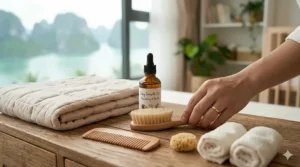
Building a Complete Baby Hair Care Toolkit
Essential Items
1. Quality Hair Oil: Your primary growth-promoting product
2. Gentle Baby Shampoo: Sulfate-free, tear-free formula
3. Soft Bristle Brush: Natural bristles for gentle detangling
4. Wide-Tooth Comb: For longer baby hair
5. Spray Bottle: For dampening hair during styling
6. Soft Towels: Microfiber or bamboo to reduce friction
7. Protective Sleep Surface: Satin or silk crib sheet
Nice-to-Have Additions
- Leave-in conditioner for toddlers
- Scalp massager tool
- Hair clips (soft, no-pull varieties)
- Natural bristle toothbrush (great for baby edges)
- Storage container for DIY oil blends
Product Rotation
Don’t use the same oil indefinitely. Rotate between 2-3 different formulations every few months to provide varied nutrients and prevent hair from becoming “immune” to specific ingredients.
Budget-Friendly Baby Hair Care Strategies
Making Products Last
- Use pump or dropper bottles for controlled dispensing
- Apply to fingertips first, then scalp (prevents over-application)
- Buy larger sizes when possible (better per-ounce value)
- Mix expensive oils with affordable carrier oils
Smart Shopping Tips
- Watch for sales on quality brands (stock up during promotions)
- Join baby product subscription services for discounts
- Buy multi-purpose oils (coconut works for skin, hair, and massage)
- Compare per-ounce prices across brands and sizes
Affordable Alternatives That Work
Pure coconut oil from the grocery store often costs $5-8 for 16 oz—a fraction of specialized baby products. Same goes for:
- Sweet almond oil
- Jojoba oil
- Grapeseed oil
- Avocado oil
Purchase these individually and create custom blends at home for maximum savings without sacrificing quality.
Advanced Techniques for Maximum Hair Growth
Hot Oil Treatments
For babies over 6 months, warm oil treatments intensify benefits. Here’s the safe method:
- Warm oil to slightly above body temperature (test on wrist)
- Apply generously to dry hair and scalp
- Gently massage for 5-10 minutes
- Cover with a warm, damp towel
- Let sit for 15-20 minutes
- Wash with mild shampoo
Perform monthly for deep nourishment.
Protein Treatments
For babies with brittle or damaged hair (from previous products or conditions):
- Mix 1 tablespoon coconut milk with 1 tablespoon coconut oil
- Apply to hair (avoiding scalp if sensitive)
- Leave for 30 minutes
- Rinse thoroughly
Do this every 2-3 weeks to rebuild hair strength.
Scalp Exfoliation
For toddlers with product buildup:
- Mix 1 teaspoon brown sugar with 1 tablespoon oil
- Gently massage onto damp scalp in circular motions
- Rinse thoroughly with warm water
- Follow with gentle shampoo
Perform monthly to remove dead skin and boost circulation.
Transitioning from Baby to Toddler Hair Care
Recognizing the Shift
Around 12-18 months, baby hair begins transforming. You might notice:
- Increased growth rate
- Texture changes (straight to curly or vice versa)
- More resilient strands
- Different moisture needs
Adapting Your Routine
Increase Product Variety: Introduce leave-in conditioners and styling creams as hair lengthens.
Adjust Oil Weight: Toddler hair often tolerates richer oils like shea butter or heavier castor oil blends.
More Frequent Detangling: Longer hair requires daily gentle combing to prevent matting.
Protective Styling: Simple ponytails, loose braids, or twists keep hair neat without damage.
Maintaining Good Habits
Continue gentle handling, limit heat styling (no blow dryers yet!), and keep that oil massage routine going. The foundation you build now sets the stage for healthy hair through childhood.
FAQ
❓ How often should I apply oil for baby hair growth?
❓ Can I use coconut oil for baby hair every day?
❓ What is the best oil for baby hair growth for newborns?
❓ Does castor oil for baby hair really promote faster growth?
❓ Are there any side effects of using hair oil for babies?
Conclusion: Your Journey to Healthier Baby Hair
Choosing the right oil for baby hair growth transforms more than just your little one’s appearance—it creates precious bonding moments and establishes healthy habits that last a lifetime. Whether you opt for the budget-friendly Johnson’s Baby Hair Oil, the premium REVATOLOGY formulation, or the specialized Boogie and Bean blend for textured hair, success comes down to consistency and gentle care.
Remember these key takeaways: genetics plays the starring role in hair growth timing, but proper care optimizes what nature provides. Start with simple, pure oils like coconut or almond, gradually introducing more complex formulations as your baby grows. Pair quality products with gentle massage, appropriate washing frequency, and patience.
The seven products we’ve reviewed offer something for every budget, hair type, and concern. From the growth-focused theMANEthang to the condition-fighting Noir Gold, each has earned its spot through real results and parent testimonials. Don’t get overwhelmed by choices—start with one product that matches your baby’s primary need, commit to consistent use, and give it time to work its magic.
Your baby’s hair journey is uniquely theirs. Some will sport flowing locks at six months, others at two years. Both are completely normal. Focus on scalp health, gentle handling, and creating those loving massage moments that nourish far more than just hair follicles. The strokes of today become the self-care foundation of tomorrow.
Recommended for You
- 7 Best Baby Dandruff Shampoos 2026 – Gentle & Effective
- 7 Best Budget Baby Bath Products That Work in 2026
- 7 Best Vapor Bath for Babies That Soothe & Comfort (2026)
Disclaimer: This article contains affiliate links. If you purchase products through these links, we may earn a small commission at no additional cost to you.
✨ Found this helpful? Share it with your friends! 💬🤗
