
In This Article
Your little one’s first strands deserve more than just any product off the shelf. Whether you’re dealing with cradle cap, fine wisps that refuse to cooperate, or that adorable bed head every morning, choosing the right baby hair products can make all the difference between a frustrating bathtime battle and a smooth, enjoyable bonding experience.
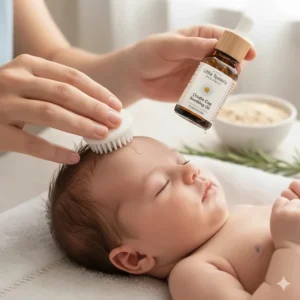
Here’s what many new parents don’t realize: baby hair isn’t just miniature adult hair. According to pediatric dermatology experts, a newborn’s scalp is significantly thinner and more sensitive than adult skin, with natural oil production still developing in those early months. This means conventional hair products can strip away protective oils, cause irritation, or even lead to long-term scalp issues.
The baby hair products market has exploded in 2026, with countless brands claiming to be the gentlest, most nourishing option for your infant. From traditional baby hair oil passed down through generations to innovative hair gel for babies designed for modern styling needs, parents face an overwhelming array of choices. I’ve spent countless hours researching, testing, and consulting with pediatric dermatologists to bring you this comprehensive guide that cuts through the marketing noise and delivers real, actionable information.
In this guide, you’ll discover seven expertly vetted products that address everything from infant hair maintenance to baby scalp nourishment. We’ll cover budget-friendly options that don’t sacrifice quality, premium formulas backed by clinical research, and practical solutions for toddler hair styling essentials. Whether your baby has thick curls, fine straight hair, or barely any hair at all, you’ll find products that work specifically for your little one’s needs.
Quick Comparison: Top Baby Hair Products at a Glance
| Product | Best For | Key Ingredient | Price Range | Age Suitability |
|---|---|---|---|---|
| Johnson’s Baby Oil | Daily moisturizing | Mineral oil + Aloe | $3-$8 | Newborn+ |
| SheaMoisture Baby Leave-In | Curly/textured hair | Shea butter + Argan | $8-$12 | 0-24 months |
| Mustela Cradle Cap Foam | Cradle cap treatment | Avocado perseose | $13-$15 | Newborn-6 months |
| T is for Tame Gel | Styling & frizz control | Vitamin E + Natural oils | $12-$14 | 0+ years |
| Cantu Kids Detangler | Detangling curls | Shea butter | $5-$7 | 2+ years |
| Baby Don’t Be Bald | Hair growth support | Natural botanicals | $8-$14 | 2+ months |
| Colief Baby Scalp Oil | Sensitive scalp care | Rosehip + Chamomile | $10-$13 | Birth+ |
💬 Just one click – help others make better buying decisions too! 😊
Top 7 Baby Hair Products: Expert Analysis & Real Parent Reviews
1. Johnson’s Baby Oil – The Timeless Classic for All-Around Care
When it comes to baby hair oil that’s stood the test of time, Johnson’s Baby Oil remains an unshakeable favorite among pediatricians and parents alike. Available in multiple formulations—Original (14-20 fl oz), Aloe Vera enriched (20 fl oz), and the specialized Hair Oil with Avocado (200ml)—this versatile product has been gently caring for baby scalps since 1893.
Key Specifications:
- Main ingredients: Pure mineral oil, vitamin E, aloe vera (in select formulas)
- Price range: $3.99-$8.50 depending on size
- Texture: Lightweight, non-greasy formula that absorbs quickly
The genius of Johnson’s Baby Oil lies in its simplicity. Pediatricians note that light oil application can help maintain scalp moisture and support natural oil balance development in infants. Parents consistently report that just a few drops massaged gently into the scalp post-bath helps prevent dryness while making hair incredibly soft and manageable.
Real customer experiences highlight its effectiveness beyond basic moisturizing. One verified purchaser shared that it completely transformed their baby’s cradle cap situation within two weeks of consistent use. The key is applying it 15 minutes before bath time, allowing it to soften the flakes naturally without aggressive scrubbing.
✅ Pros:
- Budget-friendly with incredible value for money
- Hypoallergenic and dermatologist-tested for 125+ years
- Multipurpose (can be used for massage and skin care too)
❌ Cons:
- Some parents find the mineral oil base too heavy for fine hair
- Requires thorough washing to remove completely
2. SheaMoisture Baby Raw Shea Leave-In Conditioner – Premium Nourishment for Textured Hair
For parents of babies with curly, coily, or textured hair, SheaMoisture Baby Raw Shea, Chamomile & Argan Oil Leave-In Conditioner (10.3 oz) is nothing short of a game-changer. This pediatrician-tested formula specifically addresses the unique needs of melanin-rich skin and textured baby hair.
Key Specifications:
- Active ingredients: Fair Trade shea butter, chamomile extract, argan oil
- Price: $8.99-$11.99
- Certification: Hypoallergenic, tear-free, cruelty-free
What sets this leave-in conditioner apart is its thoughtful formulation. The chamomile provides natural anti-inflammatory properties that help soothe sensitive baby scalps, while the shea butter delivers deep moisture without weighing down delicate curls. The argan oil adds essential fatty acids that strengthen fragile hair strands from root to tip.
Parent testimonials consistently rave about how it transforms detangling sessions from tearful struggles into manageable routines. The sweet, warm scent with floral hints is gentle enough for babies while creating a calming bath time atmosphere. One mother of twins reported that after using SheaMoisture for just three weeks, her babies’ hair went from dry and brittle to soft, bouncy curls that actually held their natural pattern.
✅ Pros:
- Specifically formulated for textured and curly baby hair
- No parabens, phthalates, mineral oil, or sulfates
- Supports fair trade practices and community development
❌ Cons:
- Higher price point than basic baby products
- May be too rich for very fine, straight hair types
3. Mustela Cradle Cap Foam Shampoo – Clinical Solution for Common Scalp Issues
Cradle cap affects up to 70% of newborns, and Mustela Cradle Cap Foam Shampoo (5.07 fl oz) has become the dermatologist-recommended solution that actually delivers results. This specialized formula goes beyond regular baby shampoo to target the root causes of seborrheic dermatitis.
Key Specifications:
- Active ingredients: Natural avocado perseose, sunflower seed oil unsaponifiables
- Composition: 99% naturally derived ingredients
- Price: $13.00-$15.00
- Treatment duration: Results typically visible in 2-3 weeks
Dermatologists recommend using fragrance-free, specially formulated shampoos for cradle cap treatment, with gentle massage techniques to help remove scales without causing trauma to the scalp. Mustela follows these expert guidelines perfectly with its soap-free, tear-free formula that cleanses while helping prevent and reduce cradle cap flakes.
The pump dispenser makes application incredibly easy, even with a squirming baby. Parents report that the soft foaming action requires minimal massaging—leave it on for 1-2 minutes, rinse carefully, and watch the flakes soften and rinse away naturally. One particularly compelling review came from a mother whose 13-month-old daughter had persistent cradle cap despite trying numerous home remedies. After one use of Mustela, combined with gentle combing, all the scales were gone without any hair loss.
✅ Pros:
- Clinically proven effectiveness for cradle cap
- Gentle enough for newborns from day one
- Free from parabens, phthalates, and phenoxyethanol
❌ Cons:
- Premium pricing compared to regular baby shampoos
- Small bottle size means frequent repurchasing for ongoing treatment
4. T is for Tame Hair Taming Gel – Mom-Created Styling Solution That Actually Works
Created by a frustrated mom of twins with unruly hair, T is for Tame Hair Taming Gel (3.38 fl oz) has helped over 250,000 families transform chaotic mornings into picture-perfect moments. This natural, vegan formula proves that effective hair gel for babies doesn’t need harsh chemicals or sticky residue.
Key Specifications:
- Key ingredients: Vitamin E, natural plant extracts, hydroxypropyl starch phosphate
- Price: $12.99-$13.49 (with Subscribe & Save discount available)
- Hold level: Flexible, natural hold without stiffness
- Manufacturing: Made in USA, physician-tested
Unlike adult styling gels that contain alcohol and synthetic polymers, T is for Tame uses a completely alcohol-free, non-sticky formula that provides smoothness and control while actually nourishing hair. The vitamin E infusion strengthens hair strands, making it ideal for creating fun hairstyles like ponytails, braids, buns, or even tiny mohawks without damage.
What parents love most is the versatility. Apply it to wet hair for defined styles or use on dry hair to tame flyaways and baby hairs throughout the day. The gel “sets” quickly, so styling becomes a quick morning routine rather than an extended battle. One parent shared that their toddler’s fine, static-prone hair finally stayed in neat pigtails all day at daycare—a first after trying countless other products.
✅ Pros:
- Created by a parent, tested by parents, for parents
- Suitable for all hair types from babies to kids
- Vegan, cruelty-free, free from parabens and sulfates
❌ Cons:
- Slightly higher price for the size compared to adult gels
- Not recommended for use with hairbrush after application to dry hair
5. Cantu Care for Kids Conditioning Detangler – Budget-Friendly Curl Care
Cantu Care for Kids Conditioning Detangler (6 fl oz) brings professional-quality natural hair care to families at an accessible price point. Formulated specifically for children’s delicate curls, coils, and waves, this detangler has become a staple in thousands of households managing textured baby and toddler hair.
Key Specifications:
- Primary ingredient: Pure shea butter with coconut oil
- Price: $5.49-$6.99
- Formula: No mineral oil, sulfates, parabens, silicones, phthalates, gluten, paraffin, or propylene
- Recommended age: 3+ years (though many parents use earlier)
The conditioning formula works as both a detangler and a leave-in treatment, making it incredibly versatile for infant hair maintenance. Shea butter provides intense moisture while creating a protective barrier against breakage, while coconut oil penetrates the hair shaft to condition from within.
Parent reviews consistently highlight how it transforms post-bath crying sessions into peaceful moments. One mother reported that after three years of struggling with her daughter’s tangles, Cantu reduced detangling time from 20 minutes to just 3-4 minutes. The key is applying it to damp hair after washing, working through with fingers or a wide-tooth comb, and allowing it to air dry naturally.
✅ Pros:
- Exceptional value for money with frequent sales and multipacks available
- Gentle enough for sensitive scalps while being highly effective
- Pleasant scent that children actually enjoy
❌ Cons:
- Primarily designed for textured hair (may be too heavy for fine, straight hair)
- Bottle size runs out quickly with daily use on longer hair
6. Baby Don’t Be Bald Hair & Scalp Nourishment – Targeted Growth Support
For families concerned about slow hair growth or persistent bald spots, Baby Don’t Be Bald Hair & Scalp Nourishment (4 oz and 8 oz sizes) offers a specialized approach to baby scalp nourishment. This unique cream-based formula has gained a devoted following among parents seeking natural hair growth support.
Key Specifications:
- Active ingredients: De-ionized water, natural botanical extracts, vitamins A, D, and E, lanolin
- Price range: $8.00-$13.93 depending on size and strength (regular or triple strength)
- Application: 2-3 times per week or as needed
- Age range: Designed for children 2+ months to 72 years
The brand’s triple-strength formula specifically targets areas of hair loss or slow growth by stimulating the scalp and providing intensive nourishment. According to pediatric research, while hair growth in babies is primarily genetic, maintaining a healthy scalp environment through proper nourishment can support better hair quality and growth patterns over time.
Customer testimonials reveal impressive results, with many parents reporting visible new hair growth in previously sparse areas after 6-8 weeks of consistent use. The cream texture allows for precise application to problem areas without making the entire head greasy. One parent shared photos showing their baby’s significantly fuller hairline after three months of twice-weekly applications.
✅ Pros:
- Specifically formulated to address hair growth concerns
- Available in regular and triple-strength options
- Contains vitamins that nourish both scalp and hair
❌ Cons:
- Texture is thicker than oils, requiring more effort to massage in
- Contains petrolatum, which some natural-product advocates avoid
7. Colief Baby Scalp Oil – Award-Winning Sensitive Care Solution
Winner of the 2023 Pharmacy Product of the Year Award in Baby Care, Colief Baby Scalp Oil (1.01 fl oz) represents the pinnacle of gentle, effective baby scalp care. This plant-based formula combines traditional ingredients with modern dermatological science to create something truly special for the most sensitive baby scalps.
Key Specifications:
- Star ingredients: Rosehip oil (omega 3 & 6), chamomile extract, naturally-sourced vitamin E
- Price: $10.00-$12.99
- Safety features: Free from parabens, phthalates, phenoxyethanol, mineral oil, petrolatum, sulfates, dyes, and fragrances
- Suitability: From birth (full term)
Rosehip oil stands out as a lightweight moisturizer rich in essential fatty acids that help hydrate delicate baby skin without heaviness. The chamomile brings centuries of proven anti-inflammatory benefits, making this ideal for babies prone to scalp irritation or eczema. Vitamin E acts as a natural antioxidant, helping repair and protect skin cells from environmental damage.
The lightweight formula absorbs rapidly, making it perfect for daily use without buildup. Parents appreciate that it helps remove cradle cap flakes while keeping the scalp healthy and moisturized long-term. The Mother & Baby Awards 2023 Silver Award winner status speaks volumes about real-world effectiveness. One parent noted that their baby’s persistent dry scalp patches completely cleared within two weeks, with no return of symptoms even months later.
✅ Pros:
- Award-winning formula validated by healthcare professionals
- Completely natural, fragrance-free composition
- Quick absorption means no greasy residue on clothing or bedding
❌ Cons:
- Small 1 oz bottle requires frequent repurchasing
- Premium price point reflective of high-quality natural ingredients
Understanding Baby Hair Development and Needs
Before diving into products, let’s talk about why baby hair is so unique. Hair development actually begins around 14 weeks of gestation when hair follicles first appear on the fetus’s scalp. Between 16 and 20 weeks, babies develop lanugo—fine, downy hair covering the body that helps regulate temperature and protects the skin. Most newborns shed this lanugo shortly after birth, beginning their first hair transformation.
Here’s what surprises many new parents: that adorable newborn hair you fell in love with in the delivery room? It’s completely normal for all babies to lose their initial hair during the first six months as mature hair follicles develop and take over. This means your baby might go through a temporarily bald phase before their permanent hair grows in—and that permanent hair might be a completely different color and texture than what they were born with!
The Three Phases of Baby Hair Growth
Phase 1: Newborn Vellus Hair (Birth to 3 months) This soft, fine hair lacks the pigment and thickness of mature hair. It requires minimal maintenance but benefits greatly from gentle scalp care to establish healthy follicles.
Phase 2: The Shedding Phase (3-6 months) Hair loss accelerates as new follicles push out the baby hair. This is when many parents panic, but it’s a completely natural process. Focus on baby scalp nourishment rather than hair styling during this phase.
Phase 3: Terminal Hair Growth (6-12 months) Permanent hair begins emerging, often with different characteristics. This is when you’ll want quality toddler hair styling essentials as your little one’s personality shines through their new locks.
Common Baby Hair and Scalp Conditions
Cradle Cap (Infantile Seborrheic Dermatitis) Affecting up to 70% of babies, cradle cap presents as yellow, greasy, scaly patches on the scalp. According to the American Academy of Pediatrics, cradle cap isn’t caused by poor hygiene or allergic reactions—theories suggest it’s linked to yeast on the skin or hormonal factors from the mother. The American Academy of Dermatology recommends gentle treatment with specialized shampoos and non-food-based oils to soften scales, combined with very gentle massage to remove flakes—never picking or scratching, which could cause infection.
Hair Loss from Friction Babies spend significant time lying on their backs, which can cause hair loss on the back of the head from friction. Research on infant hair development shows this type of hair loss is temporary and normal. Dermatology research has recognized that friction-reducing fabrics like silk can help protect fragile hair and sensitive skin during sleep.
Texture Surprises Many parents of mixed-heritage babies wonder which parent’s hair texture will dominate. The truth? Hair texture can continue evolving through early childhood, with curls appearing or disappearing as follicles mature.
How to Choose the Right Baby Hair Products
Selecting appropriate baby hair products isn’t about grabbing whatever looks cute in the baby aisle. Consider these expert-backed factors:
1. Match the Product to Your Baby’s Hair Type
For Fine, Straight Hair:
- Choose lightweight oils like jojoba or almond
- Avoid heavy butters that can cause buildup
- Look for volumizing formulas rather than intense moisturizers
For Curly or Coily Hair:
- Embrace rich ingredients like shea butter and coconut oil
- Prioritize moisture retention over lightweight formulas
- Invest in quality detanglers to prevent breakage
For Minimal or No Hair:
- Focus on scalp health rather than hair styling
- Use gentle oils for massage to stimulate blood flow
- Keep routines simple with multipurpose products
2. Ingredient Transparency Matters
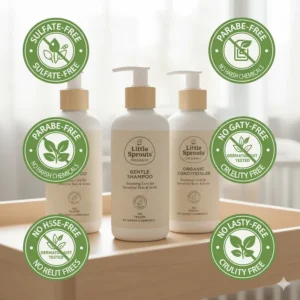
According to pediatric guidelines, products for infants should avoid harsh ingredients like sulfates, parabens, synthetic fragrances, and dyes that can irritate sensitive scalps or cause allergic reactions. The CDC’s information on infant safety emphasizes the importance of choosing safe products for babies. Research published in the Journal of Forensic Science found that chemicals like phthalates, parabens, and formaldehyde-releasing preservatives in infant care products can result in serious health issues including skin irritation, hormonal disruption, and respiratory problems. Here’s what to look for and avoid:
Safe Ingredients:
- Natural oils (coconut, jojoba, almond, avocado)
- Shea butter and cocoa butter
- Vitamin E and natural antioxidants
- Gentle plant extracts (chamomile, calendula)
Ingredients to Avoid:
- Sodium lauryl sulfate (SLS) and sodium laureth sulfate (SLES)
- Synthetic fragrances and artificial dyes
- Parabens (methylparaben, propylparaben)
- Phthalates and formaldehyde releasers
3. Age-Appropriate Formulations
Not all baby products suit all ages. Newborns (0-3 months) need the gentlest, most minimal formulas with ingredients you could literally eat. Toddlers (12+ months) can handle slightly more complex formulations for styling needs as they become more active.
4. Consider Your Baby’s Scalp Sensitivity
Does your baby have eczema, extremely dry skin, or a history of allergic reactions? Opt for hypoallergenic, fragrance-free products. Always perform a patch test before full application, especially with new products.
5. Evaluate Your Lifestyle and Routine
Busy parents need multitasking products. Look for 2-in-1 washes, leave-in conditioners, and quick-dry formulas that fit your schedule. If bath time is already a struggle, adding complex hair care routines will only increase stress.
Proper Application Techniques for Baby Hair Products
Even the best products fail when applied incorrectly. Here’s how to maximize effectiveness while keeping your baby comfortable and safe:
Oil Application Method
- Start with clean hands and warm the oil between your palms
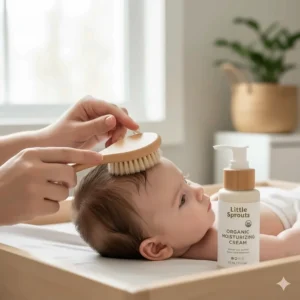
- Apply to scalp first using gentle circular motions, not the hair itself
- Massage for 2-3 minutes to stimulate blood flow and aid absorption
- Leave on for 15-20 minutes before bathing (for cradle cap, leave overnight)
- Remove thoroughly with gentle shampoo to prevent buildup
Shampoo Technique
The American Academy of Pediatrics recommends bathing babies—including washing hair—no more than three times weekly during the first year to avoid stripping natural oils from sensitive scalps. When you do wash:
- Wet hair with lukewarm water (never hot)
- Use a quarter-sized amount of shampoo
- Lather gently with fingertips in circular motions
- Rinse thoroughly ensuring no product remains
- Pat dry with a soft towel (never rub vigorously)
Gel and Styling Product Application
- Apply to damp hair for best hold and distribution
- Start with less than you think you need (you can always add more)
- Work from roots to tips using fingers or a wide-tooth comb
- Style immediately as most baby gels set quickly
- Avoid overuse which can cause buildup and require more frequent washing
Complete Baby Hair Care Routine by Age
Newborn (0-3 Months): Minimalist Approach
Frequency: 1-2 times weekly Focus: Scalp health over hair appearance
- Step 1: Gentle scalp massage with natural baby hair oil (2-3 times per week)
- Step 2: Mild tear-free shampoo during bath time (1-2 times per week maximum)
- Step 3: Soft towel pat-dry, no brushing wet hair
- Step 4: Optional light oil application post-bath if scalp appears dry
Products needed: One gentle baby oil, one tear-free shampoo
Infant (3-12 Months): Building the Foundation
Frequency: 2-3 times weekly Focus: Managing shedding, preventing cradle cap
- Step 1: Pre-bath oil treatment for any cradle cap patches (15-20 minutes before bath)
- Step 2: Gentle shampooing with cradle cap formula if needed, regular baby shampoo otherwise
- Step 3: Light conditioner or leave-in for emerging textured hair
- Step 4: Wide-tooth comb detangling on damp hair
- Step 5: Natural air-dry with minimal manipulation
Products needed: Scalp treatment oil, specialized shampoo if needed, basic detangler for textured hair
Toddler (12+ Months): Introducing Style
Frequency: 2-3 times weekly (daily washing strips oils) Focus: Managing active lifestyle, gentle styling
- Step 1: Dry brushing with soft bristles before bath
- Step 2: Shampoo and conditioner appropriate for hair type
- Step 3: Leave-in conditioner or detangler application
- Step 4: Gentle detangling with wide-tooth comb or fingers
- Step 5: Optional styling gel for special occasions or photo shoots
- Step 6: Daily refresh with water spray and light cream for curls
Products needed: Age-appropriate shampoo and conditioner, detangler, styling gel, soft bristle brush
Benefits of Natural Ingredients in Baby Hair Products
The movement toward natural, organic baby hair products isn’t just trendy marketing—it’s grounded in solid science about infant skin absorption and long-term health.
Why Natural Matters for Babies
According to the American Academy of Pediatrics, infant skin absorbs substances at a significantly higher rate than adult skin due to its thinner structure and higher surface-area-to-body-weight ratio, making the use of harsh chemicals particularly risky for babies. This increased permeability means what you apply to your baby’s scalp can enter their bloodstream more easily than it would in adults.
Top Natural Ingredients and Their Benefits
Coconut Oil Rich in lauric acid with natural antimicrobial properties, coconut oil penetrates the hair shaft to prevent protein loss while moisturizing without heaviness. Perfect for both hair and scalp care.
Shea Butter Packed with vitamins A and E, shea butter creates a protective barrier that locks in moisture while soothing irritation. Ideal for dry, textured hair that needs intensive hydration.
Avocado Oil Contains essential fatty acids and vitamins that strengthen delicate hair follicles. The lightweight texture makes it suitable even for babies with fine hair.
Jojoba Oil Structurally similar to human sebum, jojoba oil balances oil production while providing moisture. Excellent for babies prone to both dryness and oily buildup.
Chamomile Extract Known for centuries as a natural anti-inflammatory and calming agent. Particularly beneficial for irritated scalps or babies with eczema-prone skin.
Vitamin E (Tocopherol) A powerful antioxidant that protects developing hair follicles from environmental damage while promoting healthy cell growth.
Addressing Common Baby Hair Concerns
“My Baby Has No Hair at 12 Months—Is This Normal?”
Absolutely! Hair growth patterns vary dramatically among babies. Genetics play the primary role in determining hair growth speed and texture. According to the American Academy of Pediatrics information on hair loss, it’s normal for all babies to lose hair in the first few months after birth, and some babies don’t develop noticeable hair until 18-24 months—this is completely within the normal developmental range. Focus on scalp health rather than trying to force hair growth.
What to do:
- Maintain gentle scalp massage routine to stimulate blood flow
- Ensure proper nutrition (if solid foods have been introduced)
- Protect scalp from sun exposure with hats
- Avoid tight hats or headbands that could damage emerging follicles
“Cradle Cap Won’t Go Away—What Am I Doing Wrong?”
You’re probably not doing anything wrong! Cradle cap can be stubborn and may require specialized products rather than standard baby care items.
Effective treatment protocol:
- Apply oil treatment 15-20 minutes before bathing (never leave on for days)
- Use specialized cradle cap shampoo like Mustela rather than regular baby wash
- Gently massage and remove softened flakes with a soft baby brush
- Be patient—complete clearance can take 4-6 weeks of consistent treatment
- If it spreads beyond the scalp or shows signs of infection, consult your pediatrician
“My Baby’s Hair Changed Completely—Why?”
Remember that initial newborn hair is just temporary. The color, texture, and thickness of permanent hair can be entirely different. Blonde newborn hair might turn dark brown by age two. Straight baby hair might develop curls at six months. This is normal developmental progression as melanin production stabilizes and follicles mature.
“Is Daily Hair Washing Harmful?”
Yes—daily washing can strip natural oils from a baby’s scalp. Pediatric dermatologists recommend washing hair only 1-2 times per week to maintain natural oil balance, unless a specific scalp condition requires more frequent washing.
Signs you’re washing too frequently:
- Increasingly dry or flaky scalp
- Hair that tangles more easily
- Irritation or redness after bathing
- Excessive oil production (scalp overcompensates)
The Role of Nutrition in Baby Hair Health
While topical products matter, what goes inside your baby’s body impacts hair growth even more. Nutritional factors play a significant role in healthy hair development, with breast milk providing optimal nutrition for the first six months.
Essential Nutrients for Hair Growth
Protein (Building Blocks) Hair is primarily composed of keratin protein. Ensure adequate protein intake through breast milk, formula, or age-appropriate protein sources after six months.
Iron (Blood Flow and Growth) Iron deficiency can slow hair growth. Pediatrician-approved iron-fortified cereals and eventually iron-rich foods support healthy follicle development.
Biotin and B-Vitamins Support keratin production and strengthen hair structure. Found naturally in eggs, nuts (when age-appropriate), and whole grains.
Omega-3 Fatty Acids Promote scalp health and provide building blocks for hair cell membranes. Present in breast milk and fatty fish (when age-appropriate).
Zinc Supports tissue growth and repair, including hair follicles. Found in meat, legumes, and fortified cereals.
When to Worry About Nutrition
Consult your pediatrician if you notice:
- Hair loss accompanied by poor weight gain
- Texture changes combined with other developmental concerns
- Unusual thinning or bald patches beyond normal shedding
- Hair growth that significantly lags family patterns
Safety Considerations and Red Flags
While most baby hair products are safe when used correctly, be vigilant about these warning signs:
When to Stop Using a Product Immediately
- Redness or rash appearing after product use
- Excessive scratching indicating allergic reaction
- Swelling around application areas
- Hair loss increasing rather than improving
- Unusual odor from the scalp (possible infection)
- Breathing changes after application (rare but serious allergic reaction)
Safe Product Testing Protocol
- Read full ingredient list before purchasing
- Perform patch test on small area of skin (inner arm) 24 hours before scalp use
- Use minimal amount for first application
- Watch for reactions for 48 hours
- Discontinue immediately if any adverse effects appear
Storage and Expiration Guidelines
Most baby hair products last 12-24 months unopened, but only 6-12 months after opening. Natural, preservative-free products may have shorter shelf lives.
Storage tips:
- Keep in cool, dry place away from direct sunlight
- Close caps tightly after each use
- Never share between children (prevents infection spread)
- Discard if color, smell, or texture changes
- Mark opening date on bottle for reference
Budget vs. Premium: Is Expensive Always Better?
The baby product industry loves premium pricing, but does higher cost truly equal better quality? Let’s break it down honestly.
When to Invest in Premium Products
Worth the splurge:
- Specialized treatment products (cradle cap remedies, medical shampoos)
- Products for severe sensitivities (babies with eczema, multiple allergies)
- Natural, certified organic formulas (when avoiding synthetic ingredients is a priority)
- Concentrated formulas (where a little goes a long way, making cost-per-use reasonable)
Examples: Mustela Cradle Cap Bundle, Colief Baby Scalp Oil, SheaMoisture specialized treatments
When Budget Options Work Perfectly
Save money on:
- Basic daily moisturizers (simple oils like Johnson’s perform excellently)
- Standard shampoos for babies without scalp issues
- Styling products if used occasionally (like Cantu)
- Large family sizes of proven performers
Examples: Johnson’s Baby Oil, Cantu Care for Kids, generic brand tear-free shampoos
The Best Value Approach
Build a tiered system:
- Premium cradle cap treatment if needed ($25-35)
- Mid-range specialized care for your baby’s specific hair type ($15-25)
- Budget basics for everyday maintenance ($8-15)
Total investment: $50-75 for a complete hair care system lasting 3-6 months. That’s roughly $8-25 monthly—reasonable compared to adult hair care budgets.
Environmental and Sustainability Considerations
Modern parents increasingly care about environmental impact. Here’s how to make eco-conscious choices in baby hair products.
Sustainable Brand Practices
Look for:
- Recyclable packaging (many baby brands still use non-recyclable mixed plastics)
- Refill programs (emerging in baby care but still rare)
- Biodegradable formulas that won’t harm aquatic systems
- Fair trade ingredients (SheaMoisture leads here)
- Cruelty-free certification (never tested on animals)
- Minimal packaging (avoid excessive plastic wrap and boxes)
DIY vs. Store-Bought: The Reality
While creating your own baby hair products from kitchen ingredients sounds appealing, experts urge caution. Pediatric dermatology reviews emphasize that while natural plant oils can improve skin barrier function, they should be formulated properly to avoid contamination or ingredient interactions that could harm sensitive baby skin.
Safe DIY options:
- Pure coconut oil (store-bought food grade)
- Pure almond oil (if no nut allergies)
- Pure jojoba oil
Avoid DIY:
- Complex formulations requiring preservatives
- Essential oils (too concentrated for babies)
- Mixtures that could promote bacterial growth
- Anything requiring heat processing at home
Frequently Asked Questions About Baby Hair Products
❓ At what age can I start using baby hair oil?
❓ Is it safe to use hair gel for babies under one year old?
❓ How can I tell if my baby is allergic to a hair product?
❓ Can baby hair products help with hair growth?
❓ Should I use different products for my baby's hair type?
Conclusion: Creating Your Perfect Baby Hair Care Routine
Navigating the world of baby hair products doesn’t have to feel overwhelming. By understanding your baby’s unique hair type, choosing age-appropriate formulas with safe ingredients, and maintaining consistency with gentle techniques, you’ll establish a routine that keeps your little one’s scalp healthy and their hair looking adorable—without the stress.
Remember these key takeaways:
For Newborns (0-3 months): Keep it minimal with just one quality oil and a gentle shampoo. Products like Johnson’s Baby Oil and Colief Baby Scalp Oil provide everything needed without overwhelming delicate scalps.
For Infants (3-12 months): Address specific concerns as they arise. If cradle cap appears, invest in specialized treatment like Mustela. For emerging curls, introduce gentle detanglers like SheaMoisture leave-in conditioner.
For Toddlers (12+ months): Expand your routine as needed based on hair growth and activity level. Incorporate toddler hair styling essentials like T is for Tame gel for those special photos, while maintaining scalp health with consistent oil treatments.
The best baby hair products are those that work specifically for your child’s needs while fitting naturally into your daily routine. Don’t get caught up in buying every trendy product—focus on quality over quantity, natural over synthetic when possible, and always prioritize your baby’s comfort and safety above aesthetic concerns.
Your baby’s hair journey is unique and beautiful in every phase. From those first precious wisps to the tumbling curls of toddlerhood, each stage deserves gentle care and celebration. Armed with this guide and the right products, you’re ready to confidently navigate every hair care challenge that comes your way.
Recommended for You
- 7 Best Bath Products for Toddlers in 2026
- 7 Best Newborn Bath Essentials 2026
- Organic Baby Wash: 7 Best Picks for Gentle, Safe Skin in 2026
Disclaimer: This article contains affiliate links. If you purchase products through these links, we may earn a small commission at no additional cost to you.
✨ Found this helpful? Share it with your friends! 💬🤗
