
In This Article
Picture this: It’s 3 AM, and you hear a familiar thud followed by crying. Your toddler tried to climb out of their crib while wearing a traditional sleep sack and took a tumble. Sound familiar? You’re not alone.
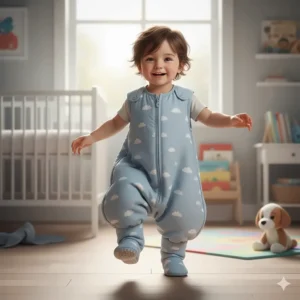
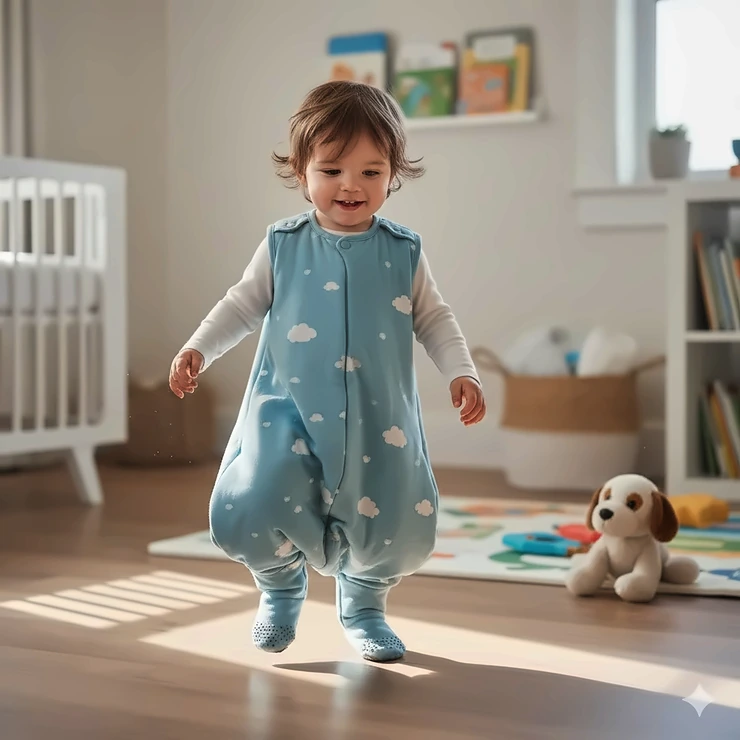
A toddler sleep sack with feet revolutionizes how your active little walker sleeps by combining the safety of a wearable blanket for toddler with the freedom to move naturally. Unlike traditional sleep sacks that bunch around the legs, these ingenious designs feature individual leg openings that prevent trips and falls while maintaining the cozy warmth that helps little ones sleep soundly.
The American Academy of Pediatrics continues to recommend wearable blankets as a safer alternative to loose bedding, even for toddlers who can roll and walk. These specialized sleep sacks eliminate the suffocation risks associated with traditional blankets while giving your toddler the mobility they crave. Whether your child is just starting to pull up in their crib or already walking confidently, finding the right sleep sack with feet can transform bedtime from a battle into a peaceful routine.
I’ve spent weeks researching, testing, and analyzing dozens of toddler sleep sack with feet options available in 2025. From budget-friendly cotton designs to premium bamboo blends, this comprehensive guide covers everything you need to make an informed decision for your family’s needs.
Quick Comparison Table
| Product | TOG Rating | Material | Size Range | Price Range | Best For |
|---|---|---|---|---|---|
| Tealbee Dreamsuit | 0.8-1.5 | 70% Bamboo/30% Cotton | 12m-4T | $35-$45 | Premium softness & durability |
| WONDAY Sleep Sack | 0.5-1.0 | 100% Cotton | 12m-5T | $18-$25 | Budget-conscious families |
| Bublo Baby | 0.5 | 100% Cotton | 3-6M to 3-4T | $18-$22 | Best value for money |
| Kaiya Baby | 0.5-3.5 | Organic Cotton/Wool | 6-48 months | $28-$38 | Winter warmth |
| TOTBASIC | 1.0 | 95% Polyester/5% Spandex | 2T-4T | $22-$28 | Active sleepers |
| Mosebears | 2.5 | Cotton/Polyester | 6-36 months | $25-$32 | Cold climates |
| NOUJULOUN | 0.5 | Breathable fabric | 2T-3T | $20-$26 | Summer lightweight option |
💬 Just one click – help others make better buying decisions too!😊
Top 7 Toddler Sleep Sack with Feet: Expert Analysis
1. Tealbee Dreamsuit Toddler Sleep Sack – Premium Choice
If you’re looking for the gold standard in toddler sleep sacks with feet, the Tealbee Dreamsuit stands in a class of its own. This women-owned brand has been perfecting wearable blankets since 2016, and their expertise shows in every stitch.
Key Specifications:
- Material: 70% rayon made from bamboo, 30% organic cotton
- TOG Options: 0.8 (summer), 1.2 (all-season), 1.5 (winter)
- Available in three sizes based on height: 12-2T (31-36″), 2-3T (34-38″), 3-4T (36-45″)
The buttery-soft bamboo blend fabric is genuinely remarkable—think luxury hotel bedding for your toddler. The material regulates temperature beautifully, preventing both overheating and cold wake-ups. Customer reviews consistently praise how the quilted, double-layered construction provides consistent warmth without bulk. One parent shared that their toddler actually asks to wear it during the day, calling it their “sleep blanket.”
✅ Pros:
- Mom’s Choice Gold Award winner
- Lab-tested TOG ratings for accuracy
- Higher leg inseam prevents tripping
- Holds shape through countless washes
❌ Cons:
- Premium price point ($35-$45)
- Some parents report ~5% shrinkage after first wash
Price Range: $35-$45 | Customer Rating: 4.7/5 stars
The two-way YKK zipper is whisper-quiet during midnight diaper changes, and the zipper guard prevents any scratching. If you’re willing to invest in quality that lasts through multiple children, the Tealbee Dreamsuit delivers exceptional value despite its higher upfront cost.
2. WONDAY Toddler Sleep Sack with Feet – Best for Active Walkers
The WONDAY Toddler Sleep Sack with Feet strikes an impressive balance between affordability and functionality. This brand has built a reputation for creating comfortable sleepwear that empowers toddler independence.
Key Specifications:
- Material: 100% cotton (lightweight and breathable)
- TOG Rating: 0.5 or 1.0 depending on model
- Size range: 12-18 months through 5T
What sets WONDAY apart is their focus on freedom of movement. The sleeveless design allows excellent ventilation while the generous leg openings let toddlers stand, walk, and play before bedtime without restriction. Parents appreciate that this eliminates the tripping hazard completely—your little one can safely explore their crib or room without getting tangled.
✅ Pros:
- Excellent price-to-quality ratio
- Wide size range extends usefulness
- Two-way zipper for easy changes
- True-to-size fit
❌ Cons:
- Thinner fabric may require layering in winter
- Limited color/pattern selection
Price Range: $18-$25 | Customer Rating: 4.5/5 stars
Multiple reviewers mention this as their go-to option for transitioning from traditional sleep sacks. The 0.5 TOG version works perfectly for room temperatures between 68-75°F, making it ideal for year-round use in climate-controlled homes.
3. Bublo Baby Toddler Sleep Sacks with Feet – Budget Champion
At under $20, the Bublo Baby Toddler Sleep Sacks with Feet proves you don’t need to break the bank for quality sleepwear. This budget-friendly option earned high marks from The Bump’s testing panel for delivering premium features at an accessible price.
Key Specifications:
- Material: 100% cotton muslin
- TOG Rating: 0.5 (lightweight)
- Sizes: 3-6M through 3-4T
Don’t let the low price fool you—independent testers found this sleep sack delivered many features found in options costing twice as much. The fabric quality holds up beautifully through repeated washing, and the stitching shows no signs of weakness even after extended use. The muslin construction is naturally breathable, making it perfect for warmer months or homes kept at comfortable temperatures.
✅ Pros:
- Outstanding value at $17.99-$21.99
- Soft, breathable cotton
- Smooth two-way zipper
- Great for budget-conscious families
❌ Cons:
- Zipper slightly louder than premium brands
- Limited TOG options (only lightweight)
Price Range: $18-$22 | Customer Rating: 4.6/5 stars
Parents consistently describe Bublo Baby as their “everyday” sleep sack—reliable, comfortable, and affordable enough to buy multiples. It’s an excellent choice for daycare naps or for families who want backup options without overspending.
4. Kaiya Baby Unisex Toddler Sleep Sack with Feet – Winter Warmth Specialist
When temperatures drop, the Kaiya Baby Sleep Sack with Feet becomes a parent’s best friend. Born from 15 years of parenting experience, this brand specializes in keeping toddlers warm without overheating.
Key Specifications:
- Material: Organic cotton, camel wool, and polyester blend
- TOG Options: 0.5, 1.0, 2.5, or 3.5 (widest range available)
- Includes unique temperature sensing sticker
- GOTS certified organic cotton
The standout feature is Kaiya’s exclusive temperature sensing sticker at the chest area. This clever addition displays the surface temperature where the product contacts skin, allowing you to adjust layers without disturbing your sleeping toddler. It’s a game-changer for anxious parents worried about overheating or cold wake-ups.
✅ Pros:
- Temperature monitoring sticker
- Four TOG options for any climate
- CPSC safety certified
- Durable through millions of wash cycles
❌ Cons:
- Higher price for warmest options
- Thicker TOG ratings may be too warm for some homes
Price Range: $28-$38 | Customer Rating: 4.7/5 stars
The 2.5 TOG version is perfect for rooms between 61-68°F, while the ultra-warm 3.5 TOG handles temperatures as low as 57°F. The double zipper closure makes diaper changes effortless, and the long sleeve options provide extra coverage for cold winter nights.
5. TOTBASIC Toddler Sleep Sack with Feet – Everyday Comfort
The TOTBASIC Toddler Sleep Sack with Feet has quietly built a loyal following since 2018, with over 100,000 satisfied customers. This brand focuses on delivering “buttery soft” comfort that toddlers genuinely want to wear.
Key Specifications:
- Material: 95% premium polyester, 5% spandex
- TOG Rating: 1.0 (all-season)
- Available sizes: 2T, 3T, 4T
The fabric blend creates a unique texture that’s incredibly soft while maintaining breathability. The addition of spandex provides just enough stretch for active sleepers without losing shape. Parents rave about how their toddlers can walk, play, and sleep comfortably in this wearable blanket for toddler without any restriction.
✅ Pros:
- Exceptionally soft fabric
- Stretch material for comfort
- Well-established brand since 2018
- Good for sensitive skin
❌ Cons:
- Polyester blend (not 100% natural fibers)
- Limited to 1.0 TOG only
Price Range: $22-$28 | Customer Rating: 4.6/5 stars
The 1.0 TOG rating makes this ideal for year-round use in rooms between 68-75°F. While some parents prefer natural fibers, the hypoallergenic polyester blend actually works well for children with skin sensitivities.
6. Mosebears Baby Sleep Sack with Feet – Cold Weather Warrior
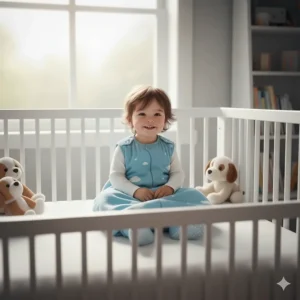
For parents in colder climates or older homes with drafty bedrooms, the Mosebears Baby Sleep Sack with Feet offers exceptional insulation. This winter-weight sleep sack keeps toddlers toasty without requiring dangerous extra blankets.
Key Specifications:
- Material: Cotton outer/lining with polyester padding
- TOG Rating: 2.5 (winter weight)
- Suitable for room temperatures: 64-71°F
- Available in 6-18 months and 18-36 months
The quilted construction with polyester padding creates pockets of warm air while still allowing breathability. The sleeveless design reduces overheating risk while the long leg coverage keeps little feet warm. The smooth two-way zipper features protective guards that prevent scratches during hurried nighttime changes.
✅ Pros:
- Extra warmth for cold climates
- Thick padding without bulk
- Protective zipper guards
- Hand wash or gentle machine wash
❌ Cons:
- Too warm for heated homes
- Requires careful washing to maintain padding
Price Range: $25-$32 | Customer Rating: 4.4/5 stars
If you live in areas with harsh winters or keep nursery temperatures cool, this sleep sack eliminates worries about kicked-off blankets. Just ensure proper sizing—the product should fit snugly but not restrict movement.
7. NOUJULOUN Toddler Sleep Sack with Feet – Summer Lightweight Option
The NOUJULOUN Toddler Sleep Sack specializes in warm-weather comfort. This lightweight option ensures your toddler stays covered without overheating during summer months or in consistently warm climates.
Key Specifications:
- Material: Lightweight breathable fabric
- TOG Rating: 0.5 (summer weight)
- Two-way zipper design
- Available in 2T-3T sizes
The ultra-light construction makes this perfect for temperatures above 75°F or for toddlers who tend to sleep hot. The breathable fabric allows excellent air circulation while still providing the security of being covered. Parents in warmer states particularly appreciate having a sleep sack option that works year-round.
✅ Pros:
- Perfect for warm weather
- Prevents overheating
- Affordable pricing
- Good for hot sleepers
❌ Cons:
- Limited size range
- May need layering in cooler months
Price Range: $20-$26 | Customer Rating: 4.5/5 stars
This sleep sack proves that summer babies need special consideration too. The cozy yet cool design helps maintain sleep routines even when temperatures climb.
Understanding TOG Ratings: The Secret to Perfect Sleep Temperature
TOG stands for “Thermal Overall Grade,” and it’s the most important number you need to understand when shopping for a toddler sleep sack with feet. Think of it as the warmth index that helps you match the right sleep sack to your nursery temperature.
What Do Different TOG Ratings Mean?
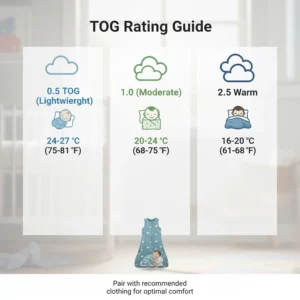
0.5 TOG (Light Summer): Designed for room temperatures between 75-80°F. These ultra-lightweight sleep sacks work perfectly for hot summer nights, warmer climates, or homes without air conditioning. They’re barely there in terms of insulation but still provide coverage.
1.0 TOG (All-Season): The versatile middle ground for temperatures between 68-75°F. This rating works year-round in most climate-controlled homes and represents the sweet spot for most families. You can layer underneath with warmer or cooler pajamas to fine-tune temperature.
1.5 TOG (Cooler Weather): Ideal for temperatures ranging from 61-69°F. These provide noticeable warmth while maintaining breathability, perfect for fall and spring or homes kept cooler for energy savings.
2.5 TOG (Winter): Designed for chilly rooms between 61-68°F. These thicker sleep sacks offer significant insulation, often with quilted construction or padding. Great for older homes, drafty bedrooms, or families who prefer cooler sleeping temperatures.
3.5 TOG (Extra Warm): The warmest option for rooms between 57-61°F. Typically features multiple layers and substantial padding. Essential for unheated bedrooms or extremely cold climates.
How to Choose the Right TOG
First, measure your nursery temperature at bedtime using a simple thermometer. Room temperature fluctuates more than you might think—what feels comfortable during the day may drop significantly overnight.
Consider your toddler’s natural temperature regulation. Some children run hot and kick off covers, while others curl up and seek warmth. If your child frequently has sweaty hair or damp pajamas in the morning, they’re too warm. Cold hands and feet upon waking suggest they need more insulation.
Remember that you’ll adjust the clothing underneath rather than constantly buying new sleep sacks. A 1.0 TOG sleep sack paired with lightweight cotton pajamas works for summer, while adding fleece footie pajamas underneath handles winter nights.
The National Institute of Child Health and Human Development emphasizes that overheating increases SIDS risk, making proper TOG selection a safety issue, not just a comfort concern.
Materials Matter: Cotton vs Bamboo vs Synthetic Blends
100% Cotton Options
Cotton remains the traditional favorite for baby sleep products, and for good reason. It’s naturally breathable, hypoallergenic, and softens with each wash. Cotton wearable blankets for toddler work well for children with sensitive skin or eczema.
The main advantage is durability—quality cotton withstands countless wash cycles without pilling or losing shape. It also tends to be more affordable than bamboo alternatives. However, cotton retains heat and moisture more than newer fabrics, potentially leading to sweaty sleep sessions.
Look for organic cotton certification when possible. Conventional cotton farming uses significant pesticides that may leave residues in fabric. Brands like Bublo Baby and Kaiya Baby offer organic options that eliminate these concerns.
Bamboo Rayon Blends
Bamboo-derived fabrics represent the luxury end of sleep sacks. The Tealbee Dreamsuit’s 70% bamboo/30% organic cotton blend exemplifies why parents rave about this material.
Bamboo rayon is exceptionally soft—genuinely comparable to high-thread-count sheets. It regulates temperature better than cotton by wicking moisture away from skin while providing insulation. This means your toddler stays dryer and more comfortable throughout the night.
The environmental benefits appeal to eco-conscious families. Bamboo grows rapidly without pesticides and requires minimal water. However, the rayon manufacturing process involves chemicals, so look for brands with responsible sourcing practices.
The main drawback is cost. Bamboo blends typically run $10-$20 more than comparable cotton products. They also require gentle care to prevent shrinkage—expect about 5% shrinkage even with proper washing.
Polyester and Blends
Modern synthetic fabrics deserve consideration, especially for budget-conscious families. The TOTBASIC sleep sack’s 95% polyester/5% spandex blend demonstrates how far synthetic materials have evolved.
Quality polyester is surprisingly soft, highly durable, and resistant to shrinking. The addition of spandex creates gentle stretch that moves with your toddler without sagging. These fabrics dry quickly and resist wrinkling, making laundry easier.
The concerns are primarily environmental. Polyester is petroleum-based and sheds microplastics in washing. Some children with very sensitive skin may find synthetic fabrics less comfortable than natural fibers, though hypoallergenic polyester formulations address this issue.
Making Your Choice
For everyday use with average budgets, quality cotton works beautifully. If you’re investing in a single premium sleep sack to last through multiple children, bamboo blends justify their cost. Synthetic options serve well as backup sleep sacks or for families prioritizing easy care and durability.
Safety First: What the AAP Says About Toddler Sleep Sacks
The American Academy of Pediatrics updated their safe sleep guidelines in 2022, providing clear direction on wearable blankets.
Why Sleep Sacks Are Safer Than Blankets
Approximately 3,500 sleep-related infant deaths occur annually in the United States. Many result from loose bedding that covers a child’s face, obstructing breathing. Sleep sacks eliminate this risk by staying in place throughout the night.
Even for toddlers past the highest SIDS risk period (under 12 months), wearable blankets for toddler offer advantages. Traditional blankets shift, bunch, and get kicked off, leaving your child cold and potentially waking. Sleep sacks maintain consistent coverage and temperature.
The AAP specifically approves sleep sacks that allow free arm movement and don’t restrict hips or legs. This means sleeveless designs with proper sizing that lets toddlers move naturally.
What to Avoid
Never use weighted sleep sacks. While some brands market weighted blankets for anxiety relief, the AAP explicitly advises against weighted sleep products for children under two years. The added weight can restrict breathing and makes it difficult for toddlers to move freely.
Avoid improper sizing. A sleep sack that’s too large poses suffocation risk if your child slips down inside. Too tight restricts movement and can affect hip development. Always follow manufacturer sizing charts based on height rather than age.
Skip the hat. Previous generations bundled babies in hats to prevent heat loss, but current research shows hats interfere with temperature regulation and can slide over faces. Your toddler’s head should remain uncovered in a properly warm sleep environment.
Proper Fit Guidelines
The neck opening should be snug enough that your child can’t slip through but loose enough to fit two adult fingers between the fabric and their neck. Armholes should allow free movement without gaping so wide that your toddler could slip an arm inside the sack.
For sleep sacks with feet, ensure the leg openings accommodate your child’s legs comfortably. Too tight restricts circulation, while too loose creates a tripping hazard. Your toddler should be able to walk confidently in the sleep sack during pre-bed play.
Check the zipper guard carefully. Quality products include fabric or plastic guards that prevent the zipper from touching or scratching your child’s skin. Test the zipper’s smoothness—it should glide easily without catching fabric.
Sizing Guide: Getting the Perfect Fit for Your Growing Toddler
Measure First, Buy Second
Height is your most important measurement for toddler sleep sack with feet. While brands label products by age (12-18 months, 2T, 3T), individual children vary enormously in size. A tall 18-month-old may need a 2T, while a petite 2-year-old fits comfortably in 12-18 month sizing.
Measure your toddler from the top of their head to their heels while they’re standing. Add 2-3 inches for room to grow and comfortable movement. Most manufacturers provide detailed sizing charts listing height ranges for each size.
Weight matters less than height but helps confirm proper fit. A sleep sack sized correctly for height but rated for a much lighter child may not provide adequate coverage or durability.
Signs of Proper Fit
When your toddler wears their sleep sack, you should see these indicators of good fit:
The shoulder seams should sit at or slightly past your child’s actual shoulders—not riding up toward their neck or drooping down their upper arms. The leg openings should allow your toddler to walk naturally without the fabric bunching or creating a tripping hazard.
There should be a small amount of extra length in the torso—about 2 inches of fabric above the feet when your child stands straight. This allows room for growth and comfortable movement without the sleep sack riding up.
Check the armholes by having your child raise their arms. The fabric shouldn’t lift so much that you can see their torso, but they should have complete freedom of movement.
Planning for Growth
Most quality sleep sacks accommodate 6-12 months of growth. This means you’ll typically buy 2-3 sleep sacks during the toddler years rather than constantly replacing them.
The Tealbee Dreamsuit, for instance, sizes 2-3T fit children from 34-38 inches tall. A child who’s 34 inches when you buy it will likely get 12-18 months of use as they grow toward 38 inches.
Buy on the larger end of the size range if your child is growing rapidly or if you want maximum longevity. Just ensure the neck and armholes remain safe—slightly long legs matter less than proper fit around the upper body.
Some parents keep two sizes on hand, particularly during transitional periods. A slightly smaller sleep sack for cooler weather (where snugness helps retain warmth) and a roomier one for summer provides flexibility.
When to Size Up
Your toddler has outgrown their current sleep sack when:
- Their toes reach the end of the feet openings
- The shoulder seams ride above their actual shoulders
- The neck opening becomes too tight (less than two-finger space)
- The overall length doesn’t provide 1-2 inches of extra fabric
- They struggle to walk comfortably because the leg openings feel restrictive
Don’t wait until these signs become severe. Transitioning to the next size while your child still fits the old one comfortably means you can donate or save the smaller size in good condition.
Washing and Care: Making Your Investment Last
Pre-Wash Considerations
Always wash new sleep sacks before first use. Manufacturing processes leave residues that can irritate sensitive skin. Most shrinkage occurs during the first wash, so pre-washing ensures proper fit from the start.
For bamboo blends like the Tealbee Dreamsuit, expect approximately 5% shrinkage. Buy with this in mind—a sleep sack that fits perfectly out of the package may be slightly snug after washing. Cold water washing and air drying minimize shrinkage.
Washing Best Practices
Temperature: Cold or warm water (never hot) preserves fabric integrity and prevents excessive shrinkage. Hot water breaks down elastic, shrinks natural fibers significantly, and can fade colors.
Cycle: Gentle or delicate cycles reduce wear on zippers and fabric. The slower agitation and shorter spin cycle are especially important for quilted or padded sleep sacks. Regular cycles work fine for sturdy cotton options, but gentle washing extends the life of any sleep sack.
Detergent: Use fragrance-free, dye-free detergent formulated for baby items. Harsh chemicals and strong fragrances can irritate toddler skin and damage delicate fabrics. Avoid fabric softener—it reduces the breathability of sleep sack fabrics and can leave flammable residues.
Zipper Protection: Always zip sleep sacks completely before washing. This prevents the zipper from snagging other items or damaging the sleep sack fabric itself. Consider using a mesh laundry bag for extra protection, particularly for bamboo blends.
Drying Methods
Air drying preserves fabric quality longest but requires planning. Hang sleep sacks in a well-ventilated area away from direct sunlight, which can fade colors. Most air-dry overnight, ready for the next use.
If machine drying is necessary, use low heat only. High heat shrinks fabrics, melts synthetic materials, and breaks down elastic components. Remove sleep sacks while slightly damp to minimize wrinkles and complete drying by hanging.
The WONDAY and Bublo Baby cotton sleep sacks tolerate tumble drying better than bamboo blends. Check manufacturer recommendations—some brands specifically advise against machine drying.
Stain Treatment
Diaper leaks and spit-up happen. Treat stains immediately by rinsing with cold water before they set. For stubborn stains, apply a paste of baking soda and water, let sit for 15 minutes, then wash normally.
Avoid bleach, which weakens fabrics and can irritate skin. Oxygen-based stain removers work well for most baby-related stains without harsh chemicals. Sun-bleaching naturally lightens stains—hang damp sleep sacks in direct sunlight for a few hours.
Storage Between Seasons
Clean sleep sacks thoroughly before storage. Any remaining food or bodily fluids attract pests and create odors during storage. Fold neatly and store in breathable containers—avoid plastic bins that trap moisture.
Cedar chips or lavender sachets naturally repel moths without chemicals. Store in a cool, dry location away from direct sunlight. Before reusing stored sleep sacks, inspect zippers, seams, and fabric for any damage or wear.
Comparison: Sleep Sacks with Feet vs Traditional Sleep Sacks
Freedom of Movement
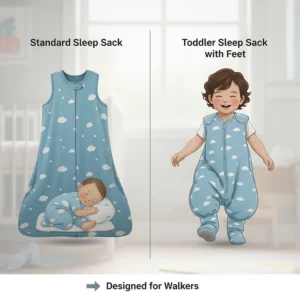
Traditional sleep sacks create a pouch around your toddler’s legs, limiting their ability to walk or stand. This works perfectly for infants who don’t yet cruise or walk, but becomes frustrating as mobility increases.
A toddler sleep sack with feet allows natural leg movement. Your child can walk confidently before bedtime, stand in their crib when they wake, and move around safely during those middle-of-the-night bathroom trips (if potty training).
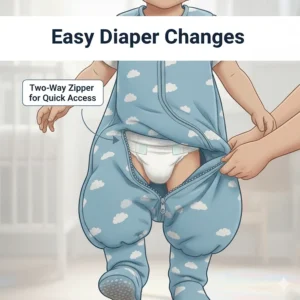
The leg openings also make diaper changes faster. Traditional sacks require completely unzipping to access the diaper, while footed versions only need partial unzipping. At 2 AM, this difference matters significantly.
Safety Considerations
Traditional sleep sacks present a tripping hazard once toddlers start walking. The enclosed bottom can cause falls when children try to stand or walk in their crib. Sleep sacks with feet eliminate this risk entirely.
However, footed sleep sacks require more careful sizing. Leg openings that are too large can still create a tripping hazard, while too-tight openings restrict circulation. Traditional sacks are more forgiving of slightly incorrect sizing.
For children who climb, traditional sleep sacks actually provide a safety advantage. The restricted leg movement makes it harder (though not impossible) to climb out of cribs. Sleep sacks with feet offer no such barrier.
Temperature Regulation
Traditional sleep sacks typically provide slightly better insulation because the enclosed legs create additional warm air pockets. For very cold rooms or winter months, this extra warmth can be beneficial.
Sleep sacks with feet allow more air circulation around the legs, which helps prevent overheating. This makes them ideal for active sleepers who generate more body heat or for homes kept at warmer temperatures.
You can adjust either style by layering underneath. Warm fleece pajamas under a lightweight sleep sack work for winter, while a onesie under a thicker sleep sack suits warmer weather.
When to Transition
Make the switch from traditional to footed sleep sacks when your toddler shows these signs:
They’re pulling up or cruising along furniture consistently. They’ve started taking independent steps. They become frustrated or cry when wearing their traditional sleep sack. You notice them trying to walk in their sleep sack and stumbling.
Some children transition as early as 9-10 months (early walkers), while others don’t need footed versions until 15-18 months. Follow your child’s development rather than arbitrary age guidelines.
Can You Skip Straight to Footed?
Absolutely. If your baby is already showing signs of walking or you prefer to buy once, starting with a wearable blanket for toddler with feet is perfectly fine. They work well for non-walking babies too—the leg openings simply won’t be utilized until your child becomes mobile.
The main advantage of starting with traditional sleep sacks is cost. They’re typically $5-$10 cheaper than footed versions, and infants don’t require the mobility features. But if budget isn’t a primary concern, buying footed versions from the start means one less transition period.
Troubleshooting Common Sleep Sack Challenges
My Toddler Refuses to Wear Their Sleep Sack
Resistance to sleep sacks often stems from feeling restricted or too warm. Try these solutions:
Gradual introduction: Start by having your toddler wear the sleep sack during quiet playtime before bed. Let them walk around, look at books, or play gently while wearing it. This builds positive associations.
Choice and control: Offer two sleep sack options and let your toddler choose. Even this small amount of control can increase cooperation. Some children respond well to fun patterns or favorite character prints.
Temperature adjustment: Your toddler may genuinely be too hot. Switch to a lighter TOG rating or reduce the warmth of pajamas underneath. Feel the back of their neck after 20 minutes—if it’s sweaty, they’re overheating.
Timing matters: Put the sleep sack on as the very last step before bed, not earlier during the bedtime routine. This minimizes the time your toddler feels “contained.”
Diaper Leaks While Wearing Sleep Sacks
Nighttime diaper leaks frustrate every parent. These strategies reduce accidents:
Size up diapers: Use overnight diapers one size larger than daytime diapers. The extra absorbency capacity matters during 10-12 hour stretches.
Double diaper: Layer a cloth diaper cover over the disposable diaper for extra leak protection. This old-school method still works brilliantly.
Check sleep sack fit: If the sleep sack is too tight around the waist, it can compress the diaper and force leaks. Ensure there’s room for the diaper to expand.
Strategic changing: Change the diaper immediately before putting on the sleep sack, even if you just changed it 15 minutes earlier.
Zipper Problems
Zippers catch, break, or become difficult to operate over time. Maintain zippers properly:
Monthly maintenance: Run a candle or bar soap along the zipper teeth to lubricate them. This prevents catching and extends zipper life significantly.
Proper technique: Always hold the fabric taut while zipping to prevent it from catching in the teeth. Start the zipper carefully, ensuring it’s properly aligned.
Replace quickly: A broken zipper makes a sleep sack unusable. Many brands offer replacement options or warranty coverage for zipper failures. Don’t struggle with a problematic zipper—it’s a safety issue if it won’t close properly.
Sleep Sack Rides Up During the Night
If you find the sleep sack bunched up around your toddler’s torso in the morning:
Check sizing: The sleep sack may be too large. Excess fabric naturally bunches as your child moves.
Snap closures: Some brands offer snap closures at the shoulder or along the legs. These keep the sleep sack in place better than zippers alone.
Tighter fit: Consider sizing down if your child is on the border between sizes. A slightly snugger fit stays in place better, though ensure it doesn’t restrict movement.
Budget-Friendly Tips: Getting Quality Without Overspending
Buy Multipacks
Many brands offer 2-pack or 3-pack options at discounted prices. Two sleep sacks cost less together than purchased separately, and having backups is essential for laundry emergencies.
Choose Versatile TOG Ratings
One all-season 1.0 TOG sleep sack paired with strategic layering underneath costs less than buying separate summer and winter options. A lightweight long-sleeve onesie works for summer, while fleece footie pajamas handle winter.
Shop End-of-Season Sales
Buy winter-weight sleep sacks in March or summer-weight options in September when retailers discount seasonal inventory. Your child will likely fit that size the following year, and savings typically range from 30-50% off.
Consider Secondhand
Sleep sacks are among the safest secondhand purchases because they’re used for relatively short periods before children outgrow them. Check for:
Intact zippers that operate smoothly. No fraying, holes, or thin spots in fabric. Clean smell (musty odors indicate mildew or poor storage). Elasticity in neck and armholes still firm.
Reputable secondhand sources include Once Upon a Child stores, consignment sales, and baby gear rental services. Many families pass down barely-used sleep sacks to younger siblings or friends.
Extend Usability
Proper care extends sleep sack life significantly. Follow washing instructions precisely, treat stains immediately, and store seasonally to prevent damage. A well-maintained sleep sack easily lasts through multiple children.
Focus on Value, Not Just Price
The cheapest option often costs more long-term if it wears out quickly or doesn’t keep your child comfortable. Calculate cost-per-month of use rather than upfront price. A $40 sleep sack used for 18 months costs $2.22 per month, while a $15 option that lasts 6 months costs $2.50 per month.
Seasonal Considerations: Summer vs Winter Sleep Sacks
Summer Sleep Strategies
When temperatures climb, maintaining safe sleep becomes challenging. These tips help:
Focus on TOG 0.5: Ultra-lightweight sleep sacks provide coverage without insulation. The NOUJULOUN and WONDAY 0.5 TOG options excel in warm weather.
Minimal layering: A simple short-sleeve cotton onesie underneath is often sufficient. Some toddlers sleep comfortably in just a diaper under a lightweight sleep sack.
Room temperature: Aim for 68-72°F using air conditioning or fans. Never point fans directly at your toddler, but good air circulation prevents stuffy conditions.
Material matters: Cotton and bamboo blends breathe better than polyester for summer use. The natural fibers wick moisture and allow heat to escape.
Winter Warmth Without Risk
Cold weather requires balancing warmth with safety:
Layer strategically: Start with a long-sleeve onesie, add fleece footie pajamas, then use a 1.5-2.5 TOG sleep sack. This creates insulating air layers.
Check extremities: Cold hands don’t necessarily mean your toddler is cold overall. Feel the back of their neck and chest—if warm, they’re fine. Hands and feet are naturally cooler.
Room heater safety: If using a space heater, choose models with automatic shut-off and keep them far from the crib. Never use extension cords with space heaters.
Humidifier help: Winter air dries out quickly with heating systems. A cool-mist humidifier maintains comfortable humidity levels that help your toddler breathe easier and stay comfortable.
Transition Seasons
Spring and fall present unique challenges with fluctuating temperatures:
Modular approach: Keep both a 1.0 TOG and 1.5 TOG sleep sack available. Check the nursery thermometer and choose accordingly each night.
Adjust midway: If you wake for a feeding or bathroom trip and your toddler feels too warm or cold, don’t hesitate to adjust layers or switch sleep sacks.
Weather monitoring: Fall particularly can swing from 75°F days to 45°F nights. Check overnight lows rather than daytime temperatures when selecting sleep sack TOG ratings.
FAQ: Your Top Questions Answered
❓ Can toddlers wear sleep sacks with feet year round?
❓ What age should toddlers stop using sleep sacks with feet?
❓ How do I know if my toddler sleep sack fits properly?
❓ Are sleep sacks with feet safe for toddlers who climb cribs?
❓ Can I use a toddler sleep sack with feet during potty training?
Conclusion: Finding Your Perfect Toddler Sleep Sack with Feet
Choosing the right toddler sleep sack with feet transforms bedtime from a battle into a peaceful routine. Whether you prioritize the premium softness of the Tealbee Dreamsuit, the budget-friendly practicality of Bublo Baby, or the winter warmth of Kaiya Baby, there’s a perfect option for every family’s needs.
Remember these key takeaways as you make your decision: Match TOG ratings to your nursery temperature—this single factor impacts sleep quality more than any other feature. Prioritize proper sizing based on height measurements rather than age labels. Invest in quality zippers and fabrics that withstand countless washes while maintaining safety and comfort.
The transition to a wearable blanket for toddler with feet marks an important milestone in your child’s development. These innovative sleep sacks honor their growing independence while maintaining the safety standards that let you sleep soundly too.
Start with one all-season sleep sack to test your toddler’s preferences, then add seasonal options as needed. The small investment in quality sleep gear pays dividends in better rest for the entire family. Your well-rested toddler (and your own improved sleep) will thank you for making the switch to a sleep sack with feet.
Recommended for You
- 7 Best Organic Sleep Sacks 2025: Safe, Soft & Certified
- 7 Best Transition Sleep Sacks Parents Trust in 2025
- 7 Best Winter Sleep Sacks to Keep Baby Cozy in 2025
Disclaimer: This article contains affiliate links. If you purchase products through these links, we may earn a small commission at no additional cost to you.
✨ Found this helpful? Share it with your friends! 💬🤗
