
In This Article
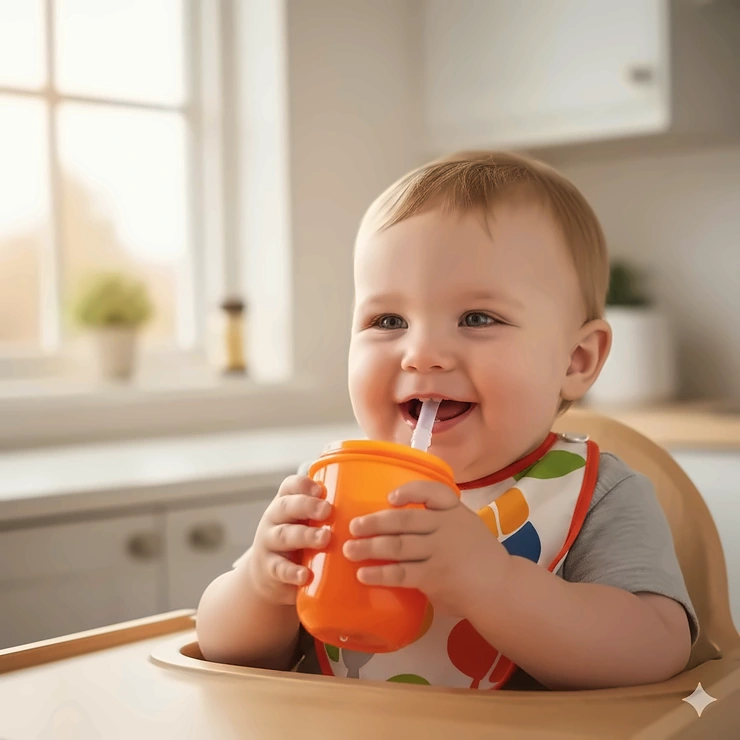
Every parent knows that magical moment when their little one transitions from bottle to cup—it’s both exciting and, let’s be honest, a bit messy! If you’re searching for the perfect sippy cups with straw for toddlers, you’ve landed in exactly the right spot. These game-changing drinking vessels aren’t just about preventing spills; they’re instrumental in developing your child’s oral motor skills and promoting healthy drinking habits.
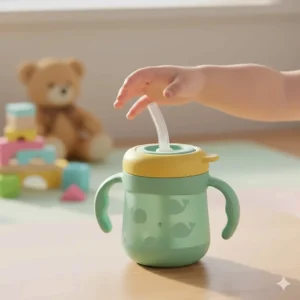
Straw cups can help develop
proper advanced tongue placement, making them a superior choice compared to traditional sippy cups with hard spouts. Pediatricians recommend introducing an open or straw cup once your child hits the 6-month mark. Unlike hard-spout sippy cups that can interfere with oral development, toddler sippy cup with straw options encourage proper sipping rather than sucking, which mimics natural drinking patterns.
In this comprehensive guide, I’ll walk you through seven exceptional sippy cups with straws that combine functionality, durability, and toddler-approved designs. Whether you’re dealing with a squirmy 9-month-old or a rambunctious 3-year-old, there’s a perfect straw cup waiting for your family.
Quick Comparison Table
| Product | Capacity | Key Feature | Price Range | Age |
|---|---|---|---|---|
| OXO Tot Transitions | 6-9 oz | Almond-shaped spill-proof straw | $9-12 | 6m+ |
| Munchkin Any Angle | 7-10 oz | Weighted straw, any angle drinking | $8-15 | 6m+ |
| Zak Kelso Tumbler | 15 oz | Built-in valve, no-leak guarantee | $19.99 (2pk) | 3y+ |
| Dr. Brown’s First Cup | 9 oz | Sliding lid, measurement marks | $8-10 | 6m+ |
| Honey Bear Cup | 8 oz | Therapy-grade, squeezable design | $9.99 (2pk) | 4m+ |
| Nuby Clik-it FlexStraw | 8 oz | Budget-friendly, simple design | $8 (2pk) | 6m+ |
| Lollacup | 10 oz | Mom-designed, weighted straw | $12-15 | 6m+ |
💬 Just one click – help others make better buying decisions too! 😊
Top 7 Sippy Cups with Straw for Toddlers: Expert Analysis
1. OXO Tot Transitions Straw Cup – Best Overall
The very best straw cup for toddlers is the OXO Tot Transitions Straw Cup with Removable Handles, and for good reason. This thoughtfully designed cup features an almond-shaped, spill-proof straw that conforms to your tot’s mouth, minimizing those inevitable messes during the learning phase.
Key Specifications:
- Capacity: 6 oz or 9 oz options
- Weighted straw valve system
- Removable handles for transitioning
The straw valve opens immediately when your toddler’s lips press down, making drinking effortless. It’s made from sturdy, durable plastic while still being lightweight enough for tiny hands to hold. What sets this apart is the hinged cap that creates a truly leakproof seal—you can toss it in your diaper bag without worry.
Price: $9-12 per cup
Customer Feedback: Parents rave about how this cup survived tosses without leaking. One reviewer mentioned being genuinely sad to stop testing it because it worked so flawlessly!
✅ Pros:
- Genuinely leak-proof design
- Easy-to-clean two-piece straw
- Measurement marks on exterior
❌ Cons:
- Initial learning curve for some toddlers
- Slightly higher price point
2. Munchkin Any Angle Click Lock Weighted Straw Cup – Best for Versatility
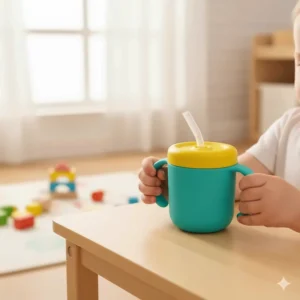
Finally, a cup that keeps up with your constantly moving toddler! The Munchkin Any Angle Click Lock cup features innovative weighted straw technology that follows the liquid no matter which direction your child tilts their head.
Key Specifications:
- Capacity: 7 oz (trainer) or 10 oz (toddler)
- 360-degree drinking capability
- Click Lock leak-proof technology
The weighted straw moves with the liquid to ensure that your child can slurp up every last drop. The flip-top lid adds convenience for on-the-go families, while the transparent base lets you monitor liquid levels at a glance.
Price: $8-15 depending on size and pack
Customer Feedback: Parents appreciate how it’s designed to be leak-proof, dishwasher safe and freezer friendly, offering true versatility for juice, water, or milk.
✅ Pros:
- Drink from any angle
- Removable handles grow with baby
- Budget-friendly option
❌ Cons:
- Straw requires occasional replacement
- Not insulated
3. Zak Kelso Tumbler – Best for Older Toddlers
Ready for something that looks more “grown-up”? The Zak Kelso Tumbler is truly spill-proof in most situations and ultra-durable. Recommended for children 3 years and older, this tumbler bridges the gap between toddler cups and big-kid drinkware.
Key Specifications:
- Capacity: 15 oz (2-pack)
- Built-in silicone valve technology
- Dishwasher-safe components
The silicone sipper spout has a built-in valve that lets water flow freely when kids are drinking, but stops spills if the tumbler is tipped over. The detachable spout makes cleaning simple, and it fits perfectly in car cup holders.
Price: $19.99 for 2-pack
Customer Feedback: Moms consistently praise the zero-spill ability, with one parent stating they’ve had absolutely zero leaking issues.
✅ Pros:
- Truly leak-proof valve system
- Fun character designs
- Fits cup holders perfectly
❌ Cons:
- Valve makes thick smoothies difficult
- Only for 3+ years
4. Dr. Brown’s Milestones Baby’s First Straw Cup – Best Transitional Design
The soft, weighted straw moves with the liquid in the cup so baby can drink no matter which way they tip it, making this an ideal first straw cup for babies transitioning from bottles.
Key Specifications:
- Capacity: 9 oz
- Soft silicone weighted straw
- Sliding hygienic lid
The side-grip handles lock in place for easy holding and are removable as your baby’s cup-holding skills improve. The travel-friendly sliding lid keeps the straw covered and clean when not in use—perfect for the diaper bag.
Price: $8-10 (often sold in 2-packs for better value)
Customer Feedback: One parent noted their child has used it since 6 months and takes it to bed every night. The measurement marks are particularly appreciated for tracking liquid intake.
✅ Pros:
- Measurement marks on side
- Dishwasher and sterilizer safe
- Includes straw cleaning brush
❌ Cons:
- Requires strong suction initially
- More parts to clean
5. Honey Bear Straw Cup – Best for Speech Therapy
Don’t let the adorable bear-shaped design fool you—this cup is seriously functional! Originally designed for speech and feeding therapy, the Honey Bear Straw Cup has become a favorite among all parents.
Key Specifications:
- Capacity: 8 oz
- Squeezable therapy design
- BPA-free, food-grade materials
The squeezable design allows parents to control liquid flow, making it perfect for teaching straw drinking skills. The long flexible straws are ideal for developing oral motor skills, and therapists frequently recommend this cup for children with special needs.
Price: $9.99 for 2-pack
Customer Feedback: Parents love the transitional design and affordability, noting it’s excellent for teaching independent drinking skills.
✅ Pros:
- Squeezable for training
- Therapy-recommended design
- Very affordable
❌ Cons:
- Not spill-proof when squeezed
- Requires supervision initially
6. Nuby Clik-it FlexStraw Cup – Best Value Pick
At around $8 for two cups, the Nuby Clik-it FlexStraw Cups are the best-value straw cups for toddlers without compromising on quality or functionality.
Key Specifications:
- Capacity: 8-10 oz
- Flexible silicone straw
- Clik-it closure system
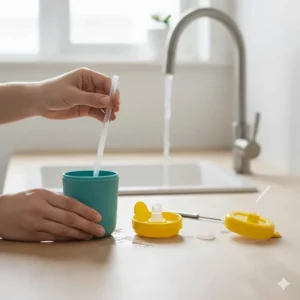
This no-frills cup delivers exactly what busy parents need: easy cleaning, minimal leaking, and an price point that won’t break the bank. The flexible straw is gentle on developing teeth and gums.
Price: $8 for 2-cup pack
Customer Feedback: Parents appreciate the simplicity and ease of cleaning, making it perfect for daily use at home or daycare.
✅ Pros:
- Exceptional value
- Simple, fewer parts
- Gentle flexible straw
❌ Cons:
- Basic design (no handles)
- Less durable than premium options
7. Lollacup – Best Mom-Designed Innovation
Designed by a mom who saw a problem and filled a need, the Lollacup was created when Hanna Lim’s daughter struggled transitioning from bottles. The weighted straw technology ensures liquid is always accessible, regardless of cup angle.
Key Specifications:
- Capacity: 10 oz
- Weighted straw system
- Easy-grip handles
The weighted straw makes drinking easier by reaching the liquid while tilted and the adorable handles make it easy for little hands to handle. While intentionally not spill-proof to avoid suction issues, it’s dishwasher safe for easy maintenance.
Price: $12-15
Customer Feedback: Parents report both 7-month-olds and 2-year-olds taking to it immediately, praising its versatility across age ranges.
✅ Pros:
- Works from 6 months to 3+ years
- No valve suction issues
- Dishwasher safe
❌ Cons:
- Not completely spill-proof
- Higher price for single cup
✨ Don’t Miss These Exclusive Deals!
🔍 Take your toddler’s hydration to the next level with these carefully selected products. Click on any highlighted item to check current pricing and availability. These cups will help you create healthy drinking habits your little one will maintain for life!
Understanding Why Straw Cups Matter
The Science Behind Straw Drinking
Here’s something many parents don’t realize: not all cups are created equal when it comes to your child’s development. Speech-language pathologists have cautioned against the continued use of traditional sippy cups, as they can affect proper oral motor development.
According to research from speech therapists, traditional hard-spout sippy cups can force the tongue forward, potentially impeding speech development and affecting facial structure. Straw cups, conversely, promote proper tongue elevation and encourage the mature swallowing pattern children need as they grow.
Think of it this way: when your toddler drinks from a straw, they’re essentially doing a mini workout for their mouth muscles. The sucking action strengthens the lips, cheeks, and tongue—all crucial for clear speech production later on.
Developmental Timeline
The AAP suggests to start offering your baby a cup around 6 months of age, around the time when they begin solid foods. Here’s what that timeline typically looks like:
6-9 months: Introduction phase with open cups and gentle straw practice
9-12 months: Active straw cup use alongside bottle reduction
12-18 months: Primary drinking from straw or open cups
18-24 months: Bottles should be phased out entirely between 12 and 24 months
Types of Straw Cups: Which Style Suits Your Toddler?
Weighted Straw Cups
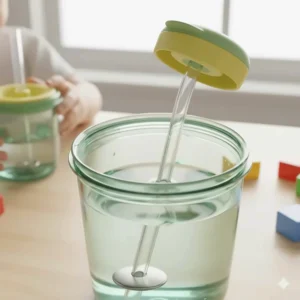
These ingenious designs feature a small weight attached to the straw bottom, allowing it to follow the liquid as your child tilts the cup. Perfect for beginners still learning proper cup handling! The OXO Tot and Munchkin Any Angle excel in this category.
Valve-Free Straw Cups
Some cups, like the Lollacup, intentionally skip the anti-spill valve. Why? Because valves can create suction issues that frustrate young drinkers and potentially discourage cup use. These work great once your toddler has mastered basic drinking skills.
Valved Straw Cups
For parents who prioritize mess prevention, valved options like the Zak Kelso offer peace of mind. The built-in valve allows liquid flow during active drinking but seals shut when the cup tips. Ideal for car rides and diaper bag storage!
Training/Therapy Cups
Squeezable cups like the Honey Bear give parents control over liquid flow, making them exceptional for teaching straw drinking or addressing feeding challenges. Occupational therapists frequently recommend these for children with developmental delays.
Materials Matter: Plastic vs. Stainless Steel vs. Silicone
BPA-Free Plastic
The most common and affordable option, modern plastic cups are typically made from polypropylene or Tritan, both considered safe and durable. They’re lightweight, come in fun colors, and survive countless drops. All cups featured in our top 7 are BPA-free.
Stainless Steel Options
While our top picks focus on plastic designs, stainless steel alternatives like the Pura Kiki offer insulation benefits and zero plastic contact with liquids. They’re heavier and pricier but extremely durable. Learn more about safe drinking vessels from the FDA.
Silicone Components
Many cups feature silicone straws and spouts because this material is gentle on developing teeth, easy to clean, and naturally flexible. The Dr. Brown’s cup showcases excellent silicone straw design.
Essential Features Comparison
| Feature | Benefits | Best For |
|---|---|---|
| Weighted Straw | Drinks from any angle | New straw drinkers |
| Removable Handles | Grows with child | Long-term value |
| Leak-Proof Valve | Mess prevention | Travel, car rides |
| Measurement Marks | Track intake | Formula/breast milk transition |
| Dishwasher Safe | Easy cleaning | Busy parents |
| Sliding Lid | Hygienic storage | On-the-go families |
Common Mistakes Parents Make (And How to Avoid Them!)
Mistake #1: Waiting Too Long to Introduce Straws
Many parents stick with bottles until their pediatrician specifically mentions cups. The reality? Earlier introduction means easier transition. Starting around 6 months with a few practice sips makes the eventual full switch much smoother.
Mistake #2: Choosing Style Over Function
That adorable character cup might tempt you, but if it’s difficult to clean or has too many parts, you’ll resent it within a week. Prioritize functionality first, cuteness second.
Mistake #3: Only Using One Type
Your toddler benefits from experiencing both straw cups and open cups. Each develops different oral motor skills. Use straw cups for on-the-go situations and practice open cups during supervised mealtimes.
Mistake #4: Not Cleaning Thoroughly
Straws are notorious bacteria hideouts! Invest in specialized straw brushes and disassemble cups completely for washing. Several of our top picks include cleaning brushes—use them religiously.
Mistake #5: Giving Up Too Quickly
If your toddler rejects the first cup, don’t assume they hate straws. Try different designs, temperatures of liquid, or times of day. Persistence pays off!
Cleaning and Maintenance Tips
Keeping sippy cups sanitary doesn’t have to be exhausting. Here’s my battle-tested system:
Daily Routine:
- Rinse immediately after use (prevents stubborn residue)
- Disassemble completely—every single piece
- Use warm soapy water and specialized straw brush
- Air dry upside down on clean rack
Weekly Deep Clean:
- Run all parts through dishwasher top rack
- Check straws for discoloration or damage
- Replace any worn components
- Sanitize with steam sterilizer if desired
Pro Tip: Keep replacement straws on hand. They’re inexpensive and having backups means you’re never stuck without a functional cup!
Transitioning From Bottle to Straw Cup
Making the switch can feel daunting, but these strategies make it manageable:
Start Slow: Offer the straw cup once daily during a meal, keeping bottles for other feedings initially.
Model the Behavior: Toddlers learn through imitation. Drink from your own straw cup and exaggerate the action—they’ll want to copy you!
Make It Fun: Let your toddler choose their cup color or design. That ownership creates excitement about using it.
Consistency Wins: Use the same cup type for a few weeks before switching to a different style. Consistency builds confidence.
Celebrate Success: Praise every sip! Positive reinforcement encourages continued efforts.
When to Upgrade or Downsize
Your toddler’s cup needs evolve rapidly. Here’s when to make changes:
Upgrade to Larger Size When:
- They consistently drain the cup quickly
- You’re refilling multiple times per outing
- They’re 18+ months old
Consider Different Style When:
- Current cup causes frustration despite practice
- Leaking issues persist after thorough checking
- Your toddler shows interest in more “grown-up” designs
Stick With Current Cup When:
- It’s working well (if it ain’t broke!)
- Your toddler shows attachment to it
- They’re still mastering the skill
Price Range and Value Analysis
| Price Category | Range | What to Expect | Best Options |
|---|---|---|---|
| Budget | $4-8 | Basic functionality, fewer features | Nuby Clik-it |
| Mid-Range | $9-15 | Quality materials, good features | OXO Tot, Munchkin, Dr. Brown’s |
| Premium | $16+ | Advanced features, superior durability | Lollacup, Zak Kelso |
Value Verdict: Mid-range options offer the best balance of quality, features, and longevity. Most families find the $9-15 price point sweet spot delivers cups that last through multiple children while performing reliably.
Safety Considerations
Safety always comes first with toddler products:
✅ Look For:
- BPA-free certification
- Phthalate-free materials
- Smooth edges (no sharp seams)
- Stable base (reduces tip-overs)
- Age-appropriate sizing
❌ Avoid:
- Cups with small detachable parts (choking hazards)
- Valves that create excessive suction
- Designs with crevices that trap bacteria
- Unknown brands without safety certifications
Important: According to HealthyChildren.org, always supervise young children during drinking, regardless of cup type. Never put toddlers to bed with cups containing anything except water.
Travel-Friendly Features to Consider
Taking cups on the road requires specific features:
Must-Haves:
- Truly leak-proof design (test before trips!)
- Protective lid or cap for straw
- Fits standard cup holders
- Lightweight construction
Nice-to-Haves:
- Insulation for temperature control
- Carrying strap or handle
- Measurement markings
- Fun designs that keep toddlers engaged
The Zak Kelso and Munchkin Any Angle excel for travel thanks to their secure lids and cup-holder-friendly dimensions.
Environmental Impact and Sustainability
More parents are considering environmental factors when choosing toddler products:
Plastic Cups: Reusable plastic cups eliminate disposable cup waste. Look for recyclable materials and plan to use them for multiple children or pass along when outgrown.
Longevity Matters: Investing in durable cups like the OXO Tot means fewer replacements over time, reducing overall consumption.
Replacement Parts: Brands offering replacement straws and valves extend cup life significantly. This prevents throwing away entire cups when only one component fails.
End-of-Life: Check if your cup manufacturer has recycling programs. Some brands accept used cups back for proper recycling.
Special Needs Considerations
Children with developmental delays, sensory issues, or feeding challenges may need specialized features:
The Honey Bear Cup stands out here. Occupational therapists recommend honey bears with straws as invaluable tools in teaching children how to drink. The squeezable design gives therapists and parents precise control over liquid flow, making it ideal for:
- Building oral motor strength
- Addressing sensory sensitivities
- Working through feeding aversions
- Practicing controlled sips
Consult with your pediatrician or occupational therapist for personalized cup recommendations if your child has specific needs.

Frequently Asked Questions
❓ When should I introduce sippy cups with straw to my toddler?
❓ Are weighted straw cups better than regular straw cups for toddlers?
❓ How often should I replace my toddler sippy cup with straw?
❓ Can sippy cups with straw cause dental problems?
❓ Why does my toddler refuse sippy cups with straw but drinks from bottles fine?
Conclusion
Choosing the perfect sippy cups with straw for toddlers ultimately comes down to understanding your child’s developmental stage, your lifestyle needs, and which features matter most to your family. The OXO Tot Transitions Straw Cup earns our top overall recommendation for its leak-proof design, durability, and thoughtful features. For budget-conscious families, the Nuby Clik-it FlexStraw delivers impressive value without sacrificing quality.
Remember that transitioning to straw cups is a process, not a one-day event. Be patient, celebrate small wins, and don’t stress if your toddler takes longer than expected to master this skill. Every child develops at their own pace, and the right cup makes all the difference in creating positive drinking experiences.
Whether you choose a weighted straw design, valve-free option, or therapy-recommended squeezable cup, you’re taking an important step toward your child’s independence and healthy oral development. The toddler sippy cup with straw journey is just beginning—here’s to mess-free sipping and happy, hydrated little ones!
Final Pro Tip: Buy two of whichever cup you choose. Trust me, having a backup while one is in the dishwasher or lost somewhere in the house saves countless headaches!
Recommended for You
- 7 Best Toddler Sippy Cups 2025 – Leak-Proof & Parent-Approved
- Transition Infant From Bottle to Sippy Cup: 7 Best Options 2025
- Best Starter Sippy Cup: 7 Top Picks for Beginners in 2025
Disclaimer: This article contains affiliate links. If you purchase products through these links, we may earn a small commission at no additional cost to you.
✨ Found this helpful? Share it with your friends! 💬🤗
