
In This Article
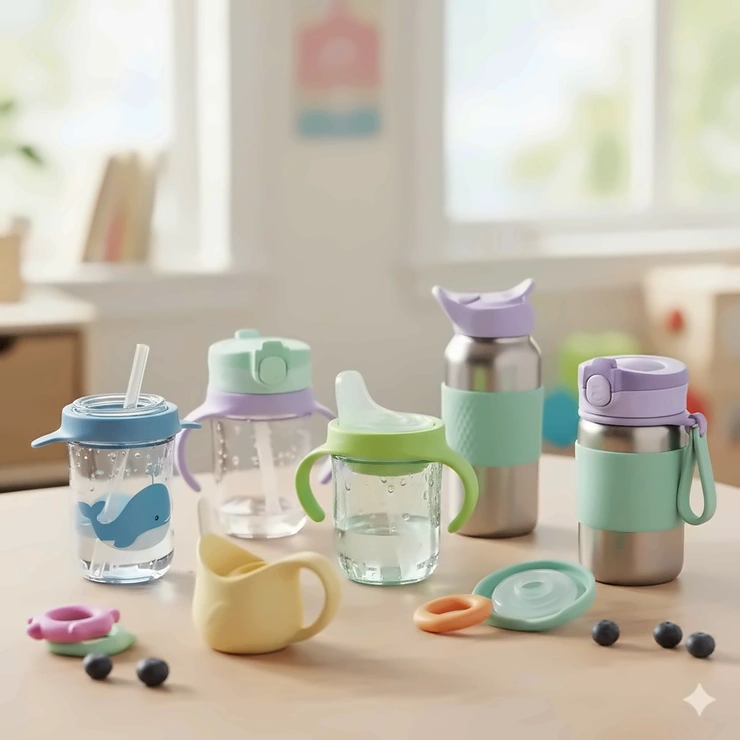
What is the best toddler sippy cup? The best toddler sippy cup combines leak-proof reliability, age-appropriate design, and easy cleaning while supporting healthy oral development. Top options include spoutless 360-degree cups like Munchkin Miracle, weighted straw cups like Dr. Brown’s First Straw, and truly leak-proof tumblers like Zak Kelso that accommodate different developmental stages and family needs.
Choosing the best toddler sippy cup feels like navigating a maze of endless options, doesn’t it? I remember standing in the baby aisle, overwhelmed by rows of colorful cups promising leak-proof miracles. After testing dozens with my own little ones and hearing from countless parent friends, I’ve learned what actually works. The American Academy of Pediatrics recommends getting your baby onto a sippy cup to ensure they gradually start to get more calories from fiber-rich foods than from breastmilk or formula. Whether you’re dealing with a bottle-attached toddler or simply looking for a reliable cup that won’t turn your car seat into a milk-soaked disaster, finding the right toddler sippy cup can transform your daily routine from chaos to calm.
The best toddler sippy cup isn’t just about preventing spills – though that’s definitely a bonus! It’s about supporting your child’s oral development, encouraging independent drinking, and yes, saving your sanity during those inevitable cup-throwing phases. The transition from bottle to cup marks a significant developmental milestone, and having the right tools makes all the difference.
Quick Comparison Table
| Product | Type | Capacity | Age | Price Range | Best Feature |
|---|---|---|---|---|---|
| Munchkin Miracle 360 | Spoutless | 7-10 oz | 6m+ | $8-15 | 360° drinking edge |
| NUK Learner Cup | Soft Spout | 5-10 oz | 6m+ | $9-19 | Gentle on gums |
| Zak Kelso Tumbler | Straw | 12-15 oz | 3+ | $15-25 | Truly leak-proof |
| OXO Tot Transitions | Straw | 6-9 oz | 6m+ | $9-12 | Almond-shaped straw |
| Tommee Tippee Insulated | Spout/Straw | 9 oz | 12m+ | $11-16 | Keeps drinks cold |
| Dr. Brown’s First Straw | Weighted Straw | 9 oz | 6m+ | $10-16 | Drink from any angle |
| Dr. Brown’s Insulated | Straw | 10 oz | 12m+ | $15-20 | Double-wall insulated |
💬 Just one click – help others make better buying decisions too!😊
Top 7 Best Toddler Sippy Cups: Expert Analysis
1. Munchkin Miracle 360 Sippy Cup
When parents talk about the best toddler sippy cup, the Munchkin Miracle 360 inevitably comes up. This revolutionary design eliminates the traditional spout entirely, allowing toddlers to drink from any point around the rim. With more than 37,000 five-star Amazon reviews, it’s become a household favorite for good reason.
Key Specifications:
- Available in 7 oz (with handles) and 10 oz sizes
- 360-degree drinking edge
- BPA-free plastic or stainless steel options
- Recommended for 6 months and up
The magic lies in its simplicity – no valves, no complicated parts, just a smart seal that opens when your toddler’s lips press against the rim. Parents love that it promotes normal oral muscle development while teaching kids to drink like grown-ups. The stainless steel version keeps drinks cold for hours, perfect for hot summer days at the park.
Customer Feedback: One parent shared that their daycare loves these cups because they truly don’t leak, even when held upside down for minutes at a time. Many families report using these cups from infancy through preschool years.
Pros:
✅ Supports healthy oral development
✅ Extremely easy to clean (no small parts!)
✅ Durable enough to last through multiple kids
Cons:
❌ Some babies need time to understand the drinking mechanism
❌ Can leak slightly if dropped from height
Price Range: $8-15 (2-pack plastic), $15-20 (stainless steel)
2. NUK Learner Cup
The NUK Learner Cup serves as an ideal bridge between bottle and big-kid drinking. Its soft silicone spout feels familiar to bottle-fed babies while introducing new drinking skills. The spout is designed to be gentle on teeth and gums and includes an air vent that helps reduce swallowed air.
Key Specifications:
- 5 oz and 10 oz capacity options
- Soft silicone spout
- Removable, easy-grip handles
- Available in multiple Disney designs
What sets the NUK Learner Cup apart as a top toddler sippy cup option is its thoughtful design for beginners. The anti-slip handles are sized perfectly for tiny hands, and they’re removable as your child’s motor skills develop. The cup’s lightweight construction means even young babies can maneuver it independently.
Customer Feedback: Parents consistently praise the gentle spout and find the transition from bottle remarkably smooth. The variety of fun designs keeps toddlers engaged and excited about their “big kid” cup.
Pros:
✅ Perfect for transitioning from bottle
✅ Gentle, orthodontic-friendly spout
✅ Fun character designs motivate reluctant sippers
Cons:
❌ More parts to clean than spoutless cups
❌ Handles may be too large for very small babies
Price Range: $9-19 for 2-pack
3. Zak Designs Kelso Tumbler
If you’re searching for the best toddler sippy cup that absolutely won’t leak, the Zak Kelso Tumbler consistently tops parent recommendations. Parents report that these cups are 100% true to their zero-spill claim, with no issues with spilling. The built-in valve in the silicone sipper spout allows water to flow freely during drinking but stops instantly when tipped over.
Key Specifications:
- 12 oz (stainless steel) or 15 oz (plastic) options
- Vacuum insulation keeps drinks cold up to 10 hours
- Soft silicone straw with leak-proof valve
- Fits most car cup holders
Made from food-grade 18/8 stainless steel, everything is completely BPA-free, and the lid disassembles easily for thorough cleaning. The comfortable silicone spout encourages healthy sipping habits while the fun character designs make hydration exciting for kids.
Customer Feedback: Multiple parents have tested these cups at bedtime without a single leak, allowing toddlers to take cups to bed safely. The durability impresses families – these cups survive countless drops without denting or breaking.
Pros:
✅ Truly leak-proof even when shaken
✅ Insulated versions keep drinks cold for hours
✅ Ultra-durable construction
Cons:
❌ Stainless steel version requires hand washing
❌ Not recommended for thick smoothies
Price Range: $15-25 depending on material
4. OXO Tot Transitions Straw Cup
After testing 10 popular straw cups for toddlers, the OXO Tot Transitions Straw Cup emerged as the best option. This thoughtfully designed cup makes the bottle-to-straw transition seamless with its unique almond-shaped spout that conforms naturally to your toddler’s mouth.
Key Specifications:
- 6 oz (with handles) and 9 oz options
- Almond-shaped, spill-proof straw
- Removable handles for growing toddlers
- Measurement marks on exterior
The straw valve opens immediately when your child’s lips touch it – no hard sucking required. The hinged cap protects the straw when not in use and creates a completely leak-proof seal. Parents particularly appreciate the removable handles that accommodate both beginning sippers and more advanced drinkers.
Customer Feedback: One tester was actually sad to stop using this cup during testing because of how well it worked, noting it survived significant tosses without a single drop escaping.
Pros:
✅ Leak-proof even when tossed
✅ Easy to clean with removable parts
✅ Grows with your child (removable handles)
Cons:
❌ Straw requires brush cleaning
❌ Cap can be tricky for some toddlers to open
Price Range: $9-12
5. Tommee Tippee Insulated Sippy Cup
The Tommee Tippee Insulated Sippy Cup combines British engineering with practical parenting needs. Double-wall insulation keeps your child’s water cold, helping them stay cool during summer days spent outdoors. The ergonomic design fits comfortably in small hands while the insulated base minimizes condensation.
Key Specifications:
- 9 oz capacity
- Bite-resistant spout
- Two-piece detachable valve
- Dishwasher and sterilizer safe
The resilient bite-resistant spout is gentle on little mouths but tough enough to withstand tiny teeth. The innovative INTELLIVALVE technology means the cup is completely spill and leak-proof – it won’t leak even when turned upside down or shaken vigorously.
Customer Feedback: Parents love the easy-grip design and find cleaning surprisingly simple despite the valve system. The colorful designs appeal to toddlers, encouraging them to drink more throughout the day.
Pros:
✅ Keeps drinks cold for extended periods
✅ Extremely durable bite-resistant spout
✅ Ergonomic design perfect for toddlers
Cons:
❌ Valve requires careful assembly
❌ Some models may develop leaks after extensive use
Price Range: $11-16 for 2-pack
6. Dr. Brown’s Baby’s First Straw Cup
The Dr. Brown’s Baby’s First Straw Cup simplifies the bottle-to-cup transition with its innovative weighted straw design. The soft, weighted straw moves with liquid inside the cup, allowing babies to drink from any angle while transitioning from tipping the bottle upside-down to sipping upright.
Key Specifications:
- 9 oz capacity
- Soft silicone weighted straw
- Removable handles with locking mechanism
- Sliding lid keeps straw clean
This cup grows with your child – handles lock in place for beginners but remove easily as coordination improves. The contoured design fits naturally in small hands, while the measurement marks help track fluid intake. The travel-friendly sliding lid protects the straw and prevents spills in diaper bags.
Customer Feedback: Parents appreciate that babies can continue drinking even when lying down during diaper changes. The cup’s durability survives countless floor throws, and the weighted straw ensures every last drop is drinkable.
Pros:
✅ Weighted straw reaches liquid at any angle
✅ Handles grow with baby (removable design)
✅ Measurement marks for tracking intake
Cons:
❌ Straw may be difficult for some babies initially
❌ Can leak slightly if bumped while straw contains liquid
Price Range: $10-16 for 2-pack
7. Dr. Brown’s Milestones Insulated Straw Cup
For active toddlers who need drinks to stay cold, the Dr. Brown’s Milestones Insulated Straw Cup delivers premium performance. The double-walled tumbler keeps drinks fresh while on the go, with handles that lock in place for easy grip. The lightweight construction makes it manageable even for younger toddlers.
Key Specifications:
- 10 oz capacity
- Double-wall insulated
- Soft silicone straw
- Sliding lid protection
The soft silicone straw teaches proper sipping skills while the sliding lid keeps both the straw clean and liquid in the cup when not in use. Available in various colors and playful designs, assembly and disassembly couldn’t be simpler – perfect for busy parents managing multiple cups.
Customer Feedback: Families report these cups surviving drops from high chairs and strollers without damage. The insulation works remarkably well, keeping water cold through entire outings.
Pros:
✅ Excellent insulation keeps drinks cold
✅ Lightweight yet durable construction
✅ Simple assembly and cleaning
Cons:
❌ Sliding lid can distract some toddlers
❌ More expensive than non-insulated options
Price Range: $15-20 for 2-pack
How to Choose Best Toddler Sippy Cup: 6 Simple Steps
Finding the perfect toddler sippy cup doesn’t have to be overwhelming. Follow these straightforward steps to make the best choice for your family:
Step 1: Identify Your Child’s Age and Stage Match the cup to your toddler’s developmental abilities. Babies 6-12 months benefit from handled cups with soft spouts or weighted straws. Toddlers 12-24 months can handle more advanced straw or spoutless designs.
Step 2: Decide on Material Preference Choose between BPA-free plastic (affordable, lightweight), stainless steel (durable, eco-friendly), or silicone (gentle, flexible). Consider your budget and environmental priorities.
Step 3: Evaluate Leak-Proof Technology Test reviews specifically mentioning leak performance. True leak-proof cups withstand tipping, shaking, and throwing without spills. Decide if you need total leak protection or can manage minor seepage.
Step 4: Consider Cleaning Requirements Cups with fewer parts clean faster and accumulate less mold. Decide if you prefer simple designs or accept extra cleaning for superior features like insulation or advanced valves.
Step 5: Check Size and Capacity Younger babies manage 5-7 oz portions while active toddlers need 10-12 oz for longer outings. Ensure the cup fits comfortably in your child’s hands and your cup holders.
Step 6: Read Real Customer Reviews Focus on reviews mentioning durability, actual leak performance, and cleaning experiences. Look for feedback from parents with similar priorities to yours.
Understanding Different Types of Sippy Cups for Toddlers
Navigating sippy cup options feels overwhelming until you understand the three main categories. Each type serves different developmental stages and drinking skill levels.
Spoutless Cups (360-Degree Design)
Spoutless cups like the Munchkin Miracle 360 represent the latest innovation in toddler drinking vessels. These cups feature a special seal that opens when lips press against the rim from any angle. Dentists and pediatricians increasingly recommend these because they promote the same oral muscle patterns used in regular cup drinking. Your toddler learns to sip rather than suck, supporting healthy dental development and jaw alignment.
The learning curve varies by child. Some toddlers grasp the concept immediately, while others need several days of practice. Once mastered, these cups transition seamlessly to open cup drinking.
Traditional Spout Cups
Traditional spout cups bridge the gap between bottles and more advanced sippy cups. The familiar nipple-like spout comforts babies transitioning from bottles, making the change less traumatic. Soft silicone spouts feel gentle on teething gums while harder spouts withstand aggressive chewing from determined toddlers.
While sippy cups are not “bad,” they do not promote the most optimal oral motor pattern for drinking, as the spout sits on the tongue just like a bottle nipple. Pediatric speech therapists and dental professionals generally recommend limiting long-term use of traditional spout cups and transitioning to straws or open cups when possible.
Straw Cups
A straw cup anchors the tongue high and back in the mouth, which is the optimal position for mature drinking. This makes straw cups the preferred choice among many pediatric professionals. Weighted straws, like those in Dr. Brown’s cups, allow drinking from any angle – perfect for toddlers who haven’t mastered tipping techniques yet.
Straw cups come in regular and insulated versions. Insulated options maintain beverage temperature during long outings but typically cost more. Regular straw cups work perfectly well for quick errands and home use.
Key Features to Look for in the Best Toddler Sippy Cup
Leak-Proof Technology
Let’s be honest – the primary reason most parents seek the best toddler sippy cup is to avoid cleaning up constant spills. True leak-proof technology involves sophisticated valve systems that seal automatically when not in use. The built-in valve stops water from flowing when no one is drinking, making it easy for children to quench their thirst without mess if the tumbler is tipped over.
However, “leak-proof” doesn’t always mean “shake-proof.” Some cups handle gentle tipping but leak when vigorously shaken. Others, like the Zak Kelso, withstand even aggressive shaking. Consider your child’s temperament – cup-throwers need different technology than gentle sippers.
Material Safety and Durability
Material composition matters enormously when selecting a toddler sippy cup. BPA-free plastic remains the most common and affordable option, though some parents prefer eliminating plastic entirely. Stainless steel cups offer exceptional durability and eliminate plastic concerns but weigh more and cost significantly more.
The Pura Kiki features a 100% plastic-free design with an insulated stainless steel body, silicone sleeve, and silicone spout, representing the premium end of eco-friendly options. However, these cups require more investment and careful handling of removable parts.
Durability varies dramatically between brands. The best toddler sippy cup should survive countless drops from high chairs, throws during tantrums, and rough dishwasher cycles. Read customer reviews specifically mentioning longevity – cups that crack after weeks prove expensive in the long run.
Ease of Cleaning
This factor separates genuinely great sippy cups from mediocre ones. Cups with fewer parts clean faster and harbor less mold. With no extra spouts, valves or pieces, the Miracle 360 Cup is easy to use and even easier to clean. However, some parents accept extra cleaning effort for superior leak-proof performance.
Valve systems require particular attention. Some valve systems must be disassembled for cleaning, which takes more time and effort. Straw cups need special brushes to clean narrow interior spaces where milk residue accumulates. Dishwasher-safe components simplify daily maintenance, though some high-end cups require hand washing to preserve insulation properties.
Mold prevention depends largely on thorough drying. Cups with numerous crevices need complete disassembly and air-drying between uses. If you lack time for meticulous cleaning, choose simpler designs with fewer hiding spots for moisture and bacteria.
Age-Appropriate Design
The best toddler sippy cup changes as your child develops. Six-month-old babies need different features than assertive three-year-olds. Early learners benefit from handles, soft spouts, and lighter weights. Older toddlers prefer handleless designs that resemble grown-up cups.
Handle design matters more than you might expect. Some cups feature permanently attached handles while others offer removable options. Removable handles accommodate your child’s growing independence – use them initially, then remove them as coordination improves. This versatility extends the cup’s useful lifespan significantly.
Capacity considerations change with age too. Younger babies manage 5-7 oz portions while active toddlers need 10-12 oz cups for longer outings. Oversized cups frustrate small hands while undersized cups require constant refills.
How to Choose the Right Sippy Cup for Your Toddler
Assess Your Child’s Developmental Stage
Your toddler’s current abilities determine which cup type works best. Can they sit independently? Hold objects with both hands? Understand cause and effect? These milestones guide selection more than age alone. According to the CDC, most babies reach developmental readiness for cup introduction around 6 months.
Babies just starting solids around 6 months often succeed with traditional spout cups or weighted straw cups. The familiar sucking motion transfers easily from bottle feeding. Wait until your child demonstrates better hand-eye coordination before introducing spoutless 360-degree cups.
Walking toddlers need portable, truly leak-proof options. The Tommee Tippee Insulated Sipper Cup is specifically designed for little ones who are busy walking, running and climbing. These active explorers carry cups everywhere, increasing spill probability dramatically.
Consider Your Lifestyle and Needs
Your family’s daily routine influences which features matter most. Frequent travelers need lightweight, completely leak-proof cups that fit car cup holders. Parents using daycare should check provider preferences – some facilities require specific cup types for safety or cleaning ease.
Do you prefer plastic convenience or eco-friendly materials? Plastic cups cost less and survive drops better, while stainless steel options eliminate plastic concerns but require more investment. Consider buying both – plastic for everyday chaos and stainless steel for special outings.
Temperature maintenance matters if you live in hot climates or spend significant time outdoors. Vacuum insulation keeps drinks cold for up to 10 hours, crucial for all-day outings or hot summer days. However, insulated cups cost more and often require hand washing.
Test and Transition Gradually
Don’t expect immediate perfection. Toddlers need time adjusting to new drinking methods. Some parent testers say that young babies used to bottles may not immediately realize how to get liquid out of spoutless cups, noting that it takes time for them to get it, but once they do, it’s very easy.
Introduce new cups during calm moments, not when your child is desperately thirsty or tired. Demonstrate the drinking motion yourself. Offer their favorite beverage initially to build positive associations. Expect resistance and regression – this is completely normal developmental behavior.
Some families use multiple cup types simultaneously. Straw cups for milk, 360-degree cups for water, traditional spouts for bedtime. This variety helps toddlers develop comprehensive drinking skills while accommodating different situations.
Budget Considerations
Quality sippy cups range from budget-friendly to premium pricing. The RE-PLAY sippy cups are the best spill-proof cups on a budget, but they’re also just amazing cups in general. However, investing in slightly more expensive options often saves money long-term if they last through multiple children.
Calculate cost per use rather than just upfront price. A $20 stainless steel cup used daily for three years costs less per day than disposable or frequently replaced cheaper options. Evaluate what matters to your family – leak-proof reliability, cleaning ease, or material safety might justify higher prices.
Watch for sales and bundle deals. Many brands offer 2-packs or multi-color sets at discounted rates. Amazon Prime Day, Black Friday, and baby-focused sale events provide excellent opportunities to stock up on quality cups at reduced prices.
Common Sippy Cup Challenges and Solutions
Dealing with Leaks and Spills
Even the “best” leak-proof sippy cup occasionally fails under extreme conditions. Understanding why leaks happen helps prevent future disasters. Most leaks result from improper assembly rather than cup defects. Some parents notice that plastic and rubber stoppers sometimes pop off slightly, and when this happens, the bottle leaks. Always double-check valve placement and lid tightness before handing cups to toddlers.
Temperature changes affect sealing mechanisms. Cold beverages cause contraction while warm liquids expand, sometimes compromising seals. If your cup leaks with cold water but not room temperature, temperature sensitivity explains the problem.
Wear and tear eventually affects even premium cups. Silicone valves and seals deteriorate after months of constant use and dishwasher cycles. Replace cups showing cracks, tears, or persistent leaking despite proper assembly.
Transitioning from Bottle to Cup
This transition ranks among parenting’s most stressful milestones. The American Academy of Pediatrics lists reasons for getting your baby onto a sippy, the biggest of which is to ensure they gradually start to get more calories from fiber-rich foods than from breastmilk or formula. However, knowing why doesn’t make the process easier.
Start slowly. Introduce sippy cups at meals while maintaining bottles for other times. Gradually reduce bottle frequency until cups dominate. Some pediatricians recommend going cold-turkey at 12-18 months, while others prefer gentler transitions. Trust your instincts about your child’s readiness.
Choose cups resembling bottles initially. Familiar shapes, similar nipple-like spouts, and transparent bodies showing favorite beverages ease anxiety. Dr. Brown’s Sippy Straw Bottle allows babies to continue using the bottle they love while transitioning from bottle to big kid drinking.
Never put juice or milk in bedtime bottles or cups. This practice contributes to tooth decay and disrupts sleep training. Offer water only in any cup taken to bed, and ideally transition away from liquid nighttime comfort entirely.
Encouraging Independent Drinking
Fostering independence requires patience and strategic cup selection. Lightweight cups with easy-grip handles empower toddlers attempting self-service. The chunky yet lightweight design with easy-grip sides makes the cup perfect for toddlers to grab and sip.
Model proper drinking behavior. Toddlers learn through imitation, so drink from similar cups during family meals. Make drinking fun with colorful character cups or letting them choose their cup each day. Positive associations encourage enthusiasm.
Avoid hovering anxiously during early attempts. Yes, spills happen. Relax and let your child experiment with tilting, sipping, and controlling liquid flow. This messy learning process builds confidence and motor skills. Keep cleanup supplies nearby and respond to accidents matter-of-factly rather than with frustration.
Create designated drinking stations. A low shelf or special basket holding their cups promotes independence. When thirsty toddlers can access cups independently, they drink more and bother you less.
Cleaning and Maintenance Tips
Proper maintenance extends cup lifespan and prevents bacterial growth. Disassemble cups completely after each use, washing all components separately. Silicone valves and straws trap milk residue easily, requiring special attention.
Invest in proper cleaning tools. Small straw brushes take only about 10 seconds to clean the inside of straws but prevent yucky buildup. Bottle brushes with flexible heads reach cup interiors thoroughly. Dishwasher baskets designed for baby items prevent small parts disappearing during wash cycles.
Air-dry all components completely before reassembly. Moisture trapped in assembled cups breeds mold rapidly. Some parents run components through extra dishwasher dry cycles or use dish racks specifically designed for baby items with individual compartments.
Establish replacement schedules. Even high-quality cups eventually wear out. Sippy cups used daily typically last 6-12 months before seals deteriorate and leaks begin. Replace cups showing cracks, discoloration, or persistent odors despite thorough cleaning.
✨ Don’t Miss These Exclusive Deals!
🔍 Take your toddler’s hydration to the next level with these carefully selected products. Click on any highlighted item to check current pricing and availability. These cups will help you create authentic spill-free experiences your family will love!
Sippy Cup Safety Guidelines
BPA and Chemical Concerns
Material safety concerns have evolved significantly over recent decades. All modern sippy cups sold in the United States must be BPA-free, but other chemicals of concern exist. Phthalates, PVC, and various plasticizers may affect hormone regulation and development.
The entire Tommee Tippee bottle is BPA, BPS, PVC, Phthalate and Nitrosamine free, representing comprehensive safety standards. When selecting the best toddler sippy cup, verify products explicitly state freedom from all concerning chemicals, not just BPA.
Stainless steel options eliminate most plastic-related concerns entirely. Food-grade 18/8 stainless steel contains no harmful chemicals and doesn’t leach substances into beverages. However, verify coating materials and ensure silicone components meet food-safety standards.
Preventing Dental Issues
Most pediatricians recommend transitioning away from traditional sippy cups between 18-24 months, encouraging straw or open-top cups for better oral development. Prolonged sippy cup use can affect tooth alignment, palate development, and speech patterns.
Constant sipping on sugary beverages creates the worst dental scenario. Liquid pools around front teeth, bathing them in sugar for extended periods. This leads to “baby bottle tooth decay” affecting even primary teeth. If you must offer juice or milk in sippy cups, limit consumption to mealtimes only. Offer water for all-day sipping.
Bedtime bottles or cups filled with anything except water significantly increase cavity risk. Saliva production decreases during sleep, reducing natural tooth protection. The combination of reduced saliva and prolonged sugar exposure creates perfect conditions for decay.
Choking Hazards and Supervision
Hard spouts pose injury risks if toddlers fall while drinking. Some experts recommend soft, flexible spouts or straw cups exclusively for walking/running toddlers. Although hard spouts don’t protrude as high as some others, they could cause injuries if children fall while using them.
Never allow toddlers to run or climb with cups in their mouths. The safest practice involves sitting during drinking, though active toddlers rarely comply perfectly. Choose cups with protective lids that close completely when not actively being used.
Inspect cups regularly for wear. Cracked plastic creates sharp edges potentially causing cuts. Deteriorating silicone components present choking hazards if pieces break off. Replace damaged cups immediately rather than risking injury.
Temperature Considerations
Manufacturers caution to prevent burns by not microwaving or using cups with hot liquids. Sippy cups aren’t designed for hot beverages – heat damages seals and valves while creating burn risks for curious toddlers.
Insulated cups maintain temperatures longer, which helps with cold drinks but could be dangerous with warm ones. Test beverage temperature before offering any cup to your child. What feels lukewarm to adults might burn sensitive toddler mouths.
Extreme temperature changes affect cup performance. Moving from refrigerators to warm rooms causes condensation and potential seal issues. Similarly, putting ice-cold water in warm cups creates pressure changes affecting leak-proof capabilities.
Comparing Sippy Cups: Value for Money Analysis
Budget-Friendly Options ($5-$12)
Entry-level sippy cups deliver solid performance without premium pricing. These options work perfectly for families watching expenses or those wanting multiple cups for different locations. Basic plastic cups without insulation dominate this price range.
NUK Learner Cups ($9-12 for 2-pack) provide excellent value. The simple design, easy cleaning, and reliable performance justify the investment. These cups last through normal wear and tear, often surviving long enough to hand down to younger siblings.
The Munchkin Miracle 360 plastic version ($8-10 for 2-pack) offers revolutionary spoutless technology at accessible pricing. While less durable than stainless steel counterparts, these cups provide years of daily use with proper care. The combination of innovative design and budget-friendly pricing makes these exceptional value.
Mid-Range Options ($12-$20)
Mid-range cups balance quality, features, and affordability. This sweet spot provides enhanced durability, better leak-proof technology, and additional features like insulation or advanced valve systems.
OXO Tot Transitions cups ($9-12 each) exemplify smart mid-range investments. These cups feature durable plastic while still being lightweight enough for tiny hands, with simple, easy-to-clean components. The leak-proof reliability and thoughtful design justify slightly higher pricing.
Dr. Brown’s Baby’s First Straw Cup ($10-16 for 2-pack) provides weighted straw technology and developmental support at reasonable prices. While more expensive than basic cups, the versatility and longevity make these worthwhile investments for families prioritizing smooth transitions.
Premium Options ($20+)
Premium sippy cups command higher prices through superior materials, advanced technology, or exceptional durability. These investments make sense for families prioritizing eco-friendly materials, extensive longevity, or specific features like exceptional insulation.
Stainless steel versions from Munchkin, Zak, and other brands ($18-25) eliminate plastic entirely while providing years of use. These cups survive multiple children and maintain appearance despite constant drops and dishwashing. The per-use cost becomes negligible when calculated over years of service.
Some premium cups like Pura Kiki ($25-30) offer 100% plastic-free construction with lifetime warranties on some components. While expensive initially, these cups transition through multiple stages (sippy, straw, sports bottle) by simply changing tops. This versatility creates long-term value despite high entry costs.
Cost Per Use Calculations
Smart parents calculate cost per use rather than just sticker price. A $25 stainless steel cup used daily for 3+ years costs approximately 2 cents per use. Meanwhile, a $7 plastic cup replaced every 6 months due to leaks or damage costs more over time despite lower initial investment.
Consider your family size when evaluating costs. Premium cups passed between multiple children deliver incredible value. Single-child families might prioritize different factors than those planning larger families.
Factor replacement costs into calculations. Cups with readily available replacement parts (straws, valves, lids) extend usability affordably. Others require complete replacement when small components wear out, increasing long-term costs significantly.
Environmental Considerations for Sippy Cups
Plastic Alternatives and Sustainability
Growing environmental awareness drives many families toward sustainable sippy cup options. Traditional plastic cups, while affordable and convenient, contribute to environmental challenges through production and disposal.
Stainless steel represents the most popular plastic alternative. These cups last indefinitely with proper care, eliminating repeated replacements. Food-grade 18/8 stainless steel construction ensures completely BPA-free materials while providing exceptional durability. The higher upfront investment pays environmental dividends through extended lifespan.
Silicone sippy cups emerge as another alternative, though less common. These flexible cups resist breaking during drops and contain no harmful chemicals. However, silicone production requires significant energy, complicating sustainability claims. Pure silicone cups also tend to be smaller and better suited for younger babies than active toddlers.
Glass sippy cups exist but remain controversial due to breakage concerns. While recyclable and chemically inert, glass weight and fragility limit practicality for toddler use. Silicone sleeves provide some protection but don’t eliminate shattering risks entirely.
Durability and Longevity
The most sustainable sippy cup is one you don’t replace frequently. Durability directly impacts environmental footprint regardless of material composition. Families report that Zak Kelso tumblers hold up well over time and maintain durability through regular use.
Evaluate replacement part availability when selecting cups. Some brands offer individual component replacements (straws, valves, handles) rather than requiring full cup replacement. This reduces waste significantly when only small parts wear out.
Consider secondhand options cautiously. Sippy cups accumulate bacteria in hard-to-clean crevices, making thorough sanitization challenging. However, high-quality stainless steel cups sterilize easily, making them excellent candidates for hand-me-downs between siblings or friends.
Reducing Sippy Cup Waste
American families collectively discard millions of sippy cups annually. Reducing this waste requires intentional purchasing and maintenance decisions. Buy fewer, higher-quality cups rather than accumulating dozens of mediocre options. Three excellent cups serve most families better than twelve marginal ones.
Establish proper cleaning and maintenance routines extending cup lifespan. Many cups fail prematurely due to inadequate cleaning allowing mold growth or neglecting to replace worn seals. Simple preventive maintenance keeps quality cups functional for years.
Donate gently used cups to shelters, daycares, or secondhand stores when your child outgrows them. While concerns about hygiene exist, properly sanitized quality cups serve other families well. Some organizations specifically request baby feeding equipment for families in need.
Choose recyclable materials when possible. Check local recycling programs to verify they accept the specific plastics in your cups. Some municipalities accept all plastics while others limit recycling to specific numbers. Stainless steel cups recycle universally.
Frequently Asked Questions About Toddler Sippy Cups
❓ What age should my baby start using a sippy cup?
❓ How do I clean sippy cup straws and valves properly?
❓ Can sippy cups cause speech delays or dental problems?
❓ Why does my leak-proof sippy cup still leak sometimes?
❓ Are stainless steel sippy cups worth the extra cost?
Conclusion: Finding Your Best Toddler Sippy Cup
Selecting the best toddler sippy cup transforms from overwhelming challenge to informed decision once you understand your priorities and options. Whether you prioritize leak-proof reliability like the Zak Kelso Tumbler, developmental support from the OXO Tot Transitions, or innovative design with the Munchkin Miracle 360, excellent options exist for every family.
Remember that the “best” cup varies between children and situations. Your active runner needs different features than your careful sipper. Daycare requires different cups than home use. Many families successfully use multiple cup types simultaneously, building comprehensive drinking skills while meeting various needs.
Start with one or two quality options matching your child’s current developmental stage. Add specialized cups as needs arise rather than purchasing everything immediately. Trust your instincts about what works for your family – parent reviews and expert recommendations guide decisions, but your daily reality determines success.
The transition from bottle to independent drinking marks significant development. With patient introduction, consistent practice, and the right cup supporting their efforts, your toddler will master this milestone successfully. Celebrate small victories, manage expectations around messes, and remember that this challenging phase passes quickly. Before you know it, you’ll be shopping for school water bottles instead of debating sippy cup features!
Recommended for You
- Transition Infant From Bottle to Sippy Cup: 7 Best Options 2025
- Best Starter Sippy Cup: 7 Top Picks for Beginners in 2025
- When to Start Sippy Cup: 7 Best Expert Tips for 2025
Disclaimer: This article contains affiliate links. If you purchase products through these links, we may earn a small commission at no additional cost to you.
✨ Found this helpful? Share it with your friends! 💬🤗
