
In This Article
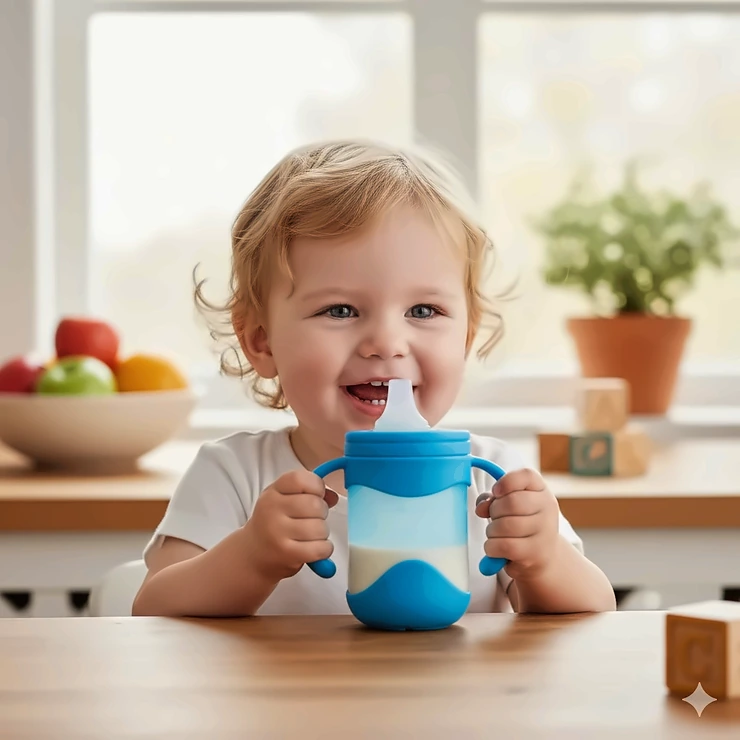
Picture this: Your toddler proudly clutches their very first cup, beaming with independence as milk dribbles down their chin onto your freshly mopped floor. Sound familiar? The journey from bottle to cup is a messy milestone, but choosing the right sippy cups with handles for toddlers can transform chaos into confident sipping.
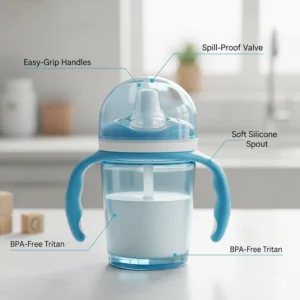
According to the American Academy of Pediatrics, transitioning babies to sippy cups around six months helps develop crucial motor skills and prepares them for independent drinking. But with hundreds of options flooding store shelves, how do you pick the winner? I’ve tested dozens of cups (and cleaned up countless spills) to bring you this no-nonsense guide to the best toddler sippy cup with handles that actually work.
Whether you’re searching for a hard spout sippy cup with handles that withstands aggressive chomping or a gentle soft-spout design for sensitive gums, this comprehensive review covers everything from leak-proof technology to easy-clean features. Let’s dive into the cups that’ll make this transition smoother for both of you!
Quick Comparison Table: Top Sippy Cups at a Glance
| Product | Type | Capacity | Age Range | Price Range | Key Feature |
|---|---|---|---|---|---|
| Munchkin Any Angle | Weighted Straw | 7 oz | 6m+ | $8-12 | Drink from any angle |
| OXO Tot Transitions | Soft Spout | 6 oz | 4m+ | $9-13 | 100% leak-proof tested |
| Dr. Brown’s Soft Spout | Soft Spout | 9 oz | 9m+ | $7-11 | Removable handles |
| Dr. Brown’s Hard Spout Insulated | Hard Spout | 10 oz | 12m+ | $12-16 | Double-wall insulation |
| NUK Learner Cup | Soft Spout | 5-10 oz | 6m+ | $6-10 | Gentle on gums |
| NUK Active Hard Spout | Hard Spout | 10 oz | 9m+ | $7-11 | Bite-resistant spout |
| Tommee Tippee Sportee | Hard Spout | 9 oz | 12m+ | $10-14 | Insulated design |
💬 Just one click – help others make better buying decisions too! 😊
Top 7 Sippy Cups with Handles for Toddlers: Expert Analysis
1. Munchkin Any Angle Weighted Straw Cup
The Munchkin Any Angle revolutionizes toddler drinking with its ingenious weighted straw that follows liquid wherever it goes. No more frustrated cries when your little one tips their cup at odd angles!
Key Specifications:
- Capacity: 7 oz
- Patented Click Lock technology
- Weighted straw design
- BPA-free materials
This cup tackles one of parenting’s most annoying problems: the “I can’t reach it!” tantrum. The weighted straw ball sinks to the bottom, ensuring your toddler gets every last drop whether they’re holding it upright, sideways, or practically upside down. Parents consistently praise the Click Lock lid that audibly clicks when sealed properly—no more guessing if you’ve tightened it enough.
Customer Feedback: Reviewers rave about leak-proof performance during drop tests and appreciate the included straw cleaning brush. One parent noted their daycare specifically requests these cups because “they actually don’t leak when thrown across the room.”
✅ Pros:
- Truly drink-from-any-angle functionality
- Audible seal confirmation
- Dishwasher and freezer safe
❌ Cons:
- Straw requires regular deep cleaning
- Multiple small parts to track
Price Range: $8-12 for single cup, $12-18 for 2-pack
Perfect For: Active toddlers who’ve mastered straw drinking but still struggle with cup angles
2. OXO Tot Transitions Soft Spout Sippy Cup
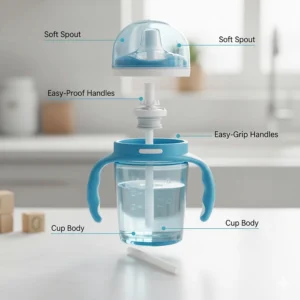
Winner of multiple parenting awards, the OXO Tot Transitions earns its reputation as the gold standard for leak-proof performance. During independent testing, this was the ONLY cup that survived 12+ hours on its side without releasing a single drop.
Key Specifications:
- Capacity: 6 oz
- Almond-shaped silicone spout
- Removable handles
- Measurement markings on exterior
The brilliance lies in the almond-shaped spout that conforms to your baby’s mouth, opening only when they actively sip. The hinged cap snaps shut to create a hermetic seal, and the handles are sized perfectly for pudgy little hands. Parents love the measurement markings that help track fluid intake—especially crucial during illness.
Customer Feedback: One reviewer shared, “I was actually sad to stop using this cup during testing because of how well it worked.” Multiple testers confirmed zero leakage even after significant tosses from energetic toddlers.
✅ Pros:
- Genuinely 100% leak-proof when sealed
- Easy-to-clean design with minimal parts
- Clear markings for tracking intake
❌ Cons:
- Smaller 6 oz capacity
- Must put lid on before straw to avoid squirting
Price Range: $9-13
Perfect For: Parents who prioritize leak-proof performance above all else
3. Dr. Brown’s Milestones Soft Spout Sippy Cup
Dr. Brown’s brings their bottle-making expertise to sippy cups with this thoughtfully designed Milestones Soft Spout model. It’s particularly brilliant for babies already using Dr. Brown’s bottles, as the familiar feel eases transitions.
Key Specifications:
- Capacity: 9 oz
- One-piece silicone valve
- Handles lock in place, then remove
- Contoured shape for easy grip
What sets this apart is the handles that lock securely during early learning stages, then pop off as coordination improves. The attached lid folds completely back—a genius touch that keeps it out of tiny noses while preventing lost caps. The one-piece valve simplifies assembly and ensures thorough cleaning without hidden crevices where milk can spoil.
Customer Feedback: Parents appreciate how the bright animal designs (bunny and tiger) keep babies engaged. One reviewer noted their 9-month-old transitioned seamlessly from Dr. Brown’s bottles to this cup within days.
✅ Pros:
- Extremely easy assembly and cleaning
- Removable handles grow with baby
- Dishwasher and sterilizer safe
❌ Cons:
- Softer spout may not suit aggressive chewers
- Limited color variety
Price Range: $7-11
Perfect For: Families transitioning from Dr. Brown’s bottles or preferring soft spouts
4. Dr. Brown’s Milestones Hard Spout Insulated Sippy Cup
For toddlers who’ve discovered the joy of chomping everything, the Dr. Brown’s Hard Spout Insulated delivers durability without sacrificing functionality. The double-wall construction is a game-changer for keeping drinks cool during long outings.
Key Specifications:
- Capacity: 10 oz (2-pack)
- Bite-resistant hard spout
- Double-wall insulation
- One-piece silicone valve
This hard spout sippy cup with handles combines the durability parents need with the temperature control toddlers deserve. The insulation maintains drink temperatures for hours—perfect for hot summer playground visits or lengthy car trips. The handles lock firmly in place, and the spout withstands serious teething punishment without showing wear.
Customer Feedback: Multiple parents report using these cups for over a year with zero deterioration. “They can handle the regular banging and dropping toddlers dish out,” one satisfied customer shared.
✅ Pros:
- Superior temperature retention
- Incredibly durable construction
- Large 10 oz capacity for older toddlers
❌ Cons:
- Heavier than non-insulated options
- Higher price point
Price Range: $12-16 for 2-pack
Perfect For: Aggressive chewers and families who need drinks to stay cold/warm
5. NUK Learner Cup
The classic NUK Learner Cup has helped millions of babies master independent drinking. Its straightforward design focuses on what matters: comfortable handles, a gentle spout, and reliable spill protection.
Key Specifications:
- Capacity: 5 oz or 10 oz options
- Extra-soft silicone spout
- Built-in air vent
- Removable ergonomic handles
NUK’s signature soft spout feels familiar to bottle-fed babies while encouraging proper cup-drinking techniques. The air vent reduces swallowed air that causes gas and discomfort—a thoughtful detail many competitors overlook. Handles are ergonomically designed specifically for tiny hands still developing grip strength.
Customer Feedback: According to the American Dental Association, training cups without valves help children transition to sipping rather than sucking. Parents consistently praise NUK’s gentle spout for being kind to sensitive gums.
✅ Pros:
- Exceptionally soft, gum-friendly spout
- Two size options for different ages
- Budget-friendly pricing
❌ Cons:
- Some report difficulty cleaning spout thoroughly
- Replacement spouts sold separately
Price Range: $6-10
Perfect For: First-time sippy cup users and babies with sensitive gums
6. NUK Active Hard Spout Sippy Cup
When your toddler’s ready to graduate from soft spouts, the NUK Active Hard Spout provides the perfect next step. Ultra-lightweight with a convenient clip, it’s designed for active kids constantly on the move.
Key Specifications:
- Capacity: 10 oz
- Bite-resistant hard spout
- Attached clip for easy carrying
- Break-proof guarantee
This cup’s star feature is the ultra-durable hard spout that withstands even the most determined chewers. The attached clip hooks onto stroller straps, diaper bags, or your belt loop—keeping the cup accessible without taking up precious hand space. NUK backs this cup with a leak-proof, spill-proof, and break-proof guarantee.
Customer Feedback: Parents of teether toddlers celebrate finally finding a spout that doesn’t get chewed flat within weeks. However, many wish NUK sold replacement spouts separately for long-term cost savings.
✅ Pros:
- Extremely bite-resistant spout
- Convenient clip attachment
- Lightweight design (under 4 oz empty)
❌ Cons:
- No handles for younger learners
- Replacement spouts not readily available
Price Range: $7-11
Perfect For: Older toddlers (9m+) who’ve mastered handles and need durability
7. Tommee Tippee Insulated Sportee Bottle
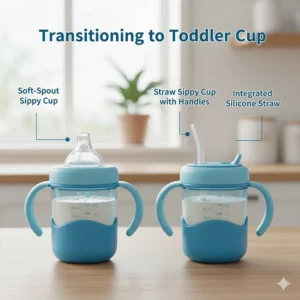
The Tommee Tippee Sportee brings sports-bottle styling to the toddler world. Its insulated design and easy-hold handle make it ideal for active families who spend time outdoors.
Key Specifications:
- Capacity: 9 oz
- Two-piece valve system
- Bite-resistant hard spout
- Easy-hold single handle
Tommee Tippee’s two-piece valve system provides superior spill resistance while remaining easy enough for toddlers to drink from without excessive sucking. The single ergonomic handle offers better control than dual handles for many children, and the sports-style design appeals to older toddlers wanting to mimic grown-ups.
Customer Feedback: Reviewers consistently mention the excellent insulation keeping water cold for hours during summer activities. The bite-resistant spout holds up well, though some note the valve requires careful assembly.
✅ Pros:
- Excellent insulation performance
- Single handle design for better control
- Appeals to older toddlers’ independence
❌ Cons:
- Two-piece valve adds cleaning complexity
- Single handle may not suit all grip styles
Price Range: $10-14 for 2-pack
Perfect For: Active families and toddlers who prefer sports-bottle style
🎯 Don’t Miss These Exclusive Deals!
🔍 Take your toddler’s drinking journey to the next level with these carefully selected products. Click on any highlighted item to check current pricing and availability. These tools will help you create authentic independence your family will love!
Understanding Sippy Cups with Handles: What Makes Them Special
Transitioning from bottle to cup represents more than just a feeding change—it’s a developmental milestone that impacts oral motor skills, independence, and even dental health. Sippy cups with handles serve as the crucial bridge between passive bottle-feeding and active drinking from open cups.
Why Handles Matter for Development
Handles aren’t just convenient accessories; they’re developmental tools. Between 6-12 months, babies develop the “palmer grasp” where they clutch objects with their whole hand. Cup handles perfectly accommodate this early grip style, building confidence as coordination improves. By 12-18 months, they refine their “pincer grasp,” and many transition to handleless cups—but handles remain invaluable during the learning phase.
Research published by pediatric occupational therapists indicates that bilateral handle use (grasping with both hands) strengthens fine motor skills and hand-eye coordination. This seemingly simple action lays groundwork for later skills like holding crayons, manipulating utensils, and even early writing.
Hard Spout vs. Soft Spout: The Great Debate
The choice between hard and soft spouts isn’t just preference—it significantly impacts oral development. According to the American Academy of Pediatric Dentistry, prolonged sippy cup use can affect dental alignment and speech patterns, making spout choice crucial.
Soft Spout Benefits:
- Gentler on emerging teeth and sensitive gums
- Familiar feel for bottle-fed babies
- More forgiving for inexperienced drinkers
- Less risk of mouth injury during falls
Hard Spout Benefits:
- More durable against aggressive chewing
- Encourages proper tongue positioning
- Better resembles regular cup drinking
- Longer-lasting construction
Speech pathologists often recommend limiting hard-spout sippy cups because they promote tongue-thrust patterns similar to bottles. The ideal approach? Use soft spouts initially for comfort, then transition to straw cups or open cups rather than prolonged hard-spout use.
How to Choose the Perfect Sippy Cup with Handles
1. Match Cup Type to Development Stage
Don’t buy based on age alone—observe your child’s actual skills. Can they sit unassisted? Do they reach for your drinks? Have they mastered bringing objects to their mouth? These readiness signs matter more than calendar months.
4-6 months: Start with soft-spout trainer cups featuring prominent handles
6-9 months: Graduate to soft-spout or early straw cups with ergonomic grips
9-12 months: Introduce hard-spout options for determined chewers
12+ months: Focus on straw cups and begin open-cup practice
2. Prioritize Easy-Clean Design
Here’s an uncomfortable truth: sippy cups can harbor dangerous bacteria and mold if not cleaned thoroughly. According to a study cited by WebMD, training cups with complex valve systems showed bacterial growth in hidden crevices after just 48 hours.
Look for these cleaning-friendly features:
- One-piece valve systems (not multi-part)
- Wide openings for hand-washing access
- Dishwasher-safe materials rated for top-rack placement
- Minimal crevices and detachable parts
- Clear materials showing interior cleanliness
3. Consider Capacity Based on Usage
Smaller 5-7 oz cups work perfectly for beginning sippers learning coordination. Larger 10-12 oz capacities suit older toddlers during meals or outings. Many parents maintain both sizes: small for learning at home, larger for extended trips.
Remember: The AAP recommends limiting juice consumption and avoiding prolonged milk sipping. Smaller cups naturally encourage finishing drinks during designated times rather than carrying cups all day.
4. Test Leak-Proof Claims Yourself
Marketing promises “leak-proof” everything, but reality often disappoints. Upon receiving a new cup, fill it with water, seal it properly, and perform your own drop test before trusting it with milk or juice. Shake it vigorously, leave it sideways for 30 minutes, and toss it onto a soft surface from toddler height.
True leak-proof performance means zero drips under normal use conditions—not just “spill-resistant” marketing speak that allows occasional leakage.
5. Evaluate Handle Ergonomics
Not all handles are created equal. Ideal toddler cup handles should:
- Position 2-3 inches apart for comfortable bilateral grip
- Feature textured or non-slip surfaces
- Attach securely without wobbling
- Remove easily for advancing skills
- Accommodate both small and larger hands
Try having your toddler test the grip before committing. Some babies prefer wider spacing, others struggle with handles positioned too far apart.
Benefits of Starting with Handled Sippy Cups
Building Independence and Confidence
Few parenting moments rival watching your baby successfully drink independently for the first time. Sippy cups with handles accelerate this milestone by providing secure grip points that minimize spills and frustration. This early success builds crucial self-confidence that extends beyond drinking—it establishes the “I can do it myself!” mentality that drives all developmental progress.
Studies in early childhood development show that toddlers who achieve feeding independence earlier demonstrate stronger problem-solving skills and greater willingness to tackle new challenges. Something as simple as a well-designed handled cup creates ripple effects throughout learning.
Preventing Tooth Decay and Dental Issues
The American Dental Association emphasizes that prolonged bottle use significantly increases early childhood caries risk. Transitioning to sippy cups around 12 months helps prevent “baby bottle tooth decay” by encouraging upright drinking positions and limiting continuous milk/juice exposure.
However—and this is critical—sippy cups themselves aren’t cavity-proof. Carrying cups constantly throughout the day or sleeping with sippy cups creates similar decay risks. The solution? Designate sippy cups for mealtime and specific snack periods, offering water in cups between meals.
Developing Fine Motor Skills
Every time your toddler grasps those handles and brings the cup to their mouth, they’re performing complex motor planning. This seemingly simple action requires:
- Bilateral coordination (using both hands together)
- Hand-eye coordination (guiding cup to mouth)
- Spatial awareness (understanding cup position)
- Controlled movement (avoiding spills)
- Sustained grasp (holding throughout drinking)
Physical therapists recognize early cup use as foundational for later skills like self-feeding with utensils, manipulating small toys, and even early academic tasks like cutting with scissors or holding pencils.
Common Sippy Cup Mistakes to Avoid
Mistake #1: Introducing Too Early or Too Late
Starting before 6 months often frustrates babies who haven’t developed necessary head control and hand coordination. Conversely, waiting past 18 months makes transition harder as bottle attachment strengthens. The sweet spot? Begin introduction around 6 months while continuing bottles, then gradually shift balance toward cups.
Mistake #2: All-Day Accessibility
Dentists consistently identify all-day sippy cup access as a leading cause of toddler tooth decay. Constant milk or juice sipping bathes teeth in sugar, creating perfect cavity conditions. Instead, establish designated drink times during meals and snacks, offering water-only cups between if needed.
Mistake #3: Skipping Regular Deep Cleaning
Those cute sippy cups harbor surprising amounts of bacteria and mold. Weekly deep cleaning prevents dangerous buildup:
- Disassemble completely, including hidden valve parts
- Soak in hot, soapy water for 15 minutes
- Scrub with dedicated bottle brushes
- Rinse thoroughly and air dry completely
- Replace worn valves and spouts promptly
Mistake #4: Forcing Favorites
Some babies strongly prefer certain cup styles or spout types. Trying to force an unpopular cup often backfires into complete refusal. Instead, offer 2-3 options and let your toddler choose their favorite. Their preference reveals important information about readiness and comfort level.
Mistake #5: Using as a Pacifier Replacement
Sippy cups serve feeding purposes, not comfort objects. Allowing constant carrying or bed-time cup use creates dental problems and can delay emotional development. If your toddler needs comfort items, offer appropriate alternatives like stuffed animals or blankets.
Transitioning from Sippy Cups to Open Cups
When to Make the Leap
Most pediatricians recommend phasing out sippy cups between 18-24 months, though this timeline varies by child. Signs your toddler’s ready for open cups:
- Masters straw drinking independently
- Shows interest in “grown-up” cups
- Demonstrates good impulse control (can follow “gentle” instructions)
- Maintains attention during mealtimes
- Successfully uses cups without excessive spilling
The Gradual Transition Strategy
Cold turkey rarely works well. Instead, implement this proven phased approach:
Phase 1 (2-3 weeks): Introduce small open cups at ONE meal daily, starting with minimal liquid (2-3 oz). Continue sippy cups at other meals.
Phase 2 (2-3 weeks): Expand to TWO meals with open cups. Reserve sippy cups for the messiest meal (often dinner) and snack times.
Phase 3 (2-3 weeks): Use open cups at all meals, keeping sippy cups only for travel or special circumstances.
Phase 4 (Ongoing): Phase out sippy cups entirely, using spill-proof travel tumblers when needed for outings.
Handling Resistance
Expect resistance—it’s normal! Try these strategies:
- Let your toddler pick their “big kid” cup at the store
- Create a special “cup ceremony” celebrating the milestone
- Model open cup use enthusiastically during meals
- Accept that spills happen—avoid scolding accidents
- Praise effort, not perfection
Remember: regression happens during stressful times (moving, new siblings, illness). Don’t hesitate to temporarily reintroduce sippy cups for comfort, then resume transition when stability returns.
Sippy Cup Safety and Maintenance
Material Safety Considerations
Modern sippy cups must meet strict safety standards, but understanding materials helps make informed choices:
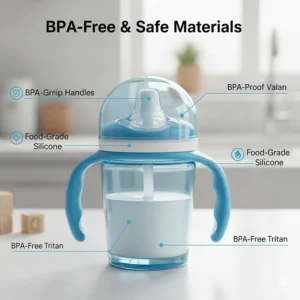
BPA-Free Plastics: The industry standard since 2012. Look for explicit “BPA-Free” labeling.
Silicone: Food-grade silicone resists bacterial growth and tolerates extreme temperatures. Perfect for spouts and straws.
Stainless Steel: Durable, non-toxic, and excellent for temperature control. Often heavier but virtually indestructible.
Avoid: Cups containing phthalates, PVC, or those lacking clear material disclosure.
Proper Sterilization Methods
New cups always require initial sterilization. Choose your method:
Boiling: Submerge fully in boiling water for 5 minutes. Allow complete drying before assembly.
Sterilizers: Electric or microwave sterilizers designed for baby items work perfectly. Follow manufacturer timing.
Dishwasher: Top-rack placement with sanitize cycle (if available). Not all cups tolerate dishwasher heat—check labels.
Chemical Sterilization: Use baby-safe sterilizing tablets according to package directions. Rinse extremely thoroughly.
Replacement Timelines
Even quality cups don’t last forever. Replace when you notice:
- Discoloration or clouding (indicates material breakdown)
- Cracks, chips, or damage to any part
- Worn or damaged spouts showing teeth marks
- Persistent odors despite thorough cleaning
- Valve degradation affecting seal quality
Most plastic sippy cups last 6-12 months with regular use. Stainless steel bodies last years, though spouts and straws still require periodic replacement.
Comparison: Sippy Cups vs. Straw Cups vs. 360 Cups
| Feature | Traditional Sippy | Straw Cups | 360 Cups |
|---|---|---|---|
| Oral Development | May promote tongue thrust | Best for proper tongue positioning | Mimics open cup drinking |
| Spill Resistance | Good | Moderate | Excellent |
| Learning Curve | Easy | Moderate | Steep initially |
| Dental Health | Can promote decay if overused | Better than sippy | Excellent |
| Cleaning Difficulty | Moderate | High (straw components) | Moderate |
| Age Appropriateness | 6-18 months | 9+ months | 12+ months |
Price Range and Value Analysis
| Price Tier | Range | What to Expect | Best For |
|---|---|---|---|
| Budget | $5-8 | Basic designs, limited features, shorter lifespan | Testing preferences, backups |
| Mid-Range | $8-15 | Quality materials, good features, reliable performance | Daily use, primary cups |
| Premium | $15-25 | Exceptional durability, advanced features, lifetime guarantees | Long-term investment |
The sweet spot? Most families find best value in the $8-12 range, where quality meets affordability. Buy 3-4 cups at this price point rather than 10 cheap cups requiring constant replacement.
Frequently Asked Questions
❓ What age should I introduce a toddler sippy cup with handles?
❓ Are hard spout sippy cups with handles better than soft spouts?
❓ How do I clean mold from sippy cup handles and valves?
❓ Can sippy cups with handles cause speech delays?
❓ What's the difference between spill-proof and leak-proof sippy cups?
Conclusion: Making the Right Choice for Your Toddler
Choosing the perfect sippy cups with handles for toddlers doesn’t require a PhD in child development—just understanding your child’s unique needs and developmental stage. Whether you select the innovative Munchkin Any Angle with its genius weighted straw, the bulletproof OXO Tot Transitions with its unbeatable leak-proof seal, or the gentle NUK Learner Cup perfect for first-time sippers, you’re investing in more than drinking gear—you’re fostering independence.
Remember these key takeaways:
- Start around 6 months but watch developmental readiness over age
- Match cup type (soft spout, hard spout, straw) to your toddler’s skills
- Prioritize easy-clean designs to prevent dangerous bacterial growth
- Limit sippy cup use to designated meal and snack times
- Transition to open cups between 18-24 months for optimal development
The messy moments will pass, but the confidence and skills your toddler builds using the right cup last forever. Don’t overthink it—pick a well-reviewed option from our list, test it out, and adjust as needed. Your little one’s drinking journey is just beginning, and with the right sippy cup in their hands, they’ll master independence one confident sip at a time!
Recommended for You
- 7 Best Sippy Cups with Straw for Toddlers 2025 (Top Picks)
- 7 Best Toddler Sippy Cups 2025 – Leak-Proof & Parent-Approved
- Transition Infant From Bottle to Sippy Cup: 7 Best Options 2025
Disclaimer: This article contains affiliate links. If you purchase products through these links, we may earn a small commission at no additional cost to you.
✨ Found this helpful? Share it with your friends! 💬🤗
