In This Article
Are you ready to transform your family adventures with the perfect three wheel stroller? Whether you’re navigating city sidewalks or conquering rugged trails, finding the right stroller with three wheels can make all the difference between a stressful outing and an enjoyable family experience.

β¨Was this helpful? Spread the word! π
The three wheel stroller has revolutionized how active parents approach their daily routines and weekend adventures. Unlike traditional four-wheel models, these innovative designs offer superior maneuverability, enhanced stability, and the versatility to transition seamlessly from casual strolling to serious jogging. However, with numerous options flooding the market, choosing the ideal three wheel stroller requires careful consideration of your specific needs, lifestyle, and budget.
Understanding the Three Wheel Stroller Revolution π΄ββοΈ
The modern three wheel stroller represents decades of engineering innovation focused on creating the perfect balance between functionality and performance. These specialized strollers typically feature a single front wheel that can swivel for easy maneuverability or lock straight for jogging stability, combined with two larger rear wheels that provide superior traction and suspension.
What Makes Three Wheel Strollers Special? β‘
The unique design of a stroller with three wheels offers several advantages over traditional models. First, the three-point contact system creates exceptional stability on uneven terrain, while the single front wheel allows for incredibly tight turning radiuses. Additionally, most three wheel stroller models incorporate advanced suspension systems that absorb shock and provide smooth rides across various surfaces.
Furthermore, these strollers excel in weight distribution, making them easier to push even when fully loaded with gear. The aerodynamic design reduces wind resistance during jogging sessions, while the robust construction typically supports higher weight limits compared to standard strollers.
Top Three Wheel Stroller Recommendations for 2025 π
After extensive research and analysis of current market offerings, here are our top seven three wheel stroller recommendations that deliver exceptional performance across various price points and use cases:
Premium Performance Category
BOB Gear Revolution Flex 3.0 – The Ultimate All-Terrain Champion
The BOB Gear Revolution Flex 3.0 stands as the gold standard in the three wheel stroller category, combining premium materials with cutting-edge engineering. This exceptional stroller features a state-of-the-art suspension system with air-filled tires that handle everything from smooth pavements to challenging off-road trails with remarkable ease.
Key Specifications:
- Weight capacity: 75 pounds
- Stroller weight: 28.1 pounds
- Folded dimensions: 33″ x 25.5″ x 43″
- Wheel sizes: 16″ rear wheels, 12″ front wheel
- Price range: $400-450
The Revolution Flex 3.0 includes six convenient storage pockets, including a dedicated cell phone pocket at the handlebar, plus an extra-large cargo basket that accommodates all your adventure essentials. The adjustable handlebar fits parents of all heights, while the two-step folding mechanism makes storage and transportation effortless.
Customer reviews consistently praise this model’s smooth ride quality and durability. One verified purchaser noted, “Amazing jogger! I’ve been using this for a solid week now. We walk 4 miles a day with this! I’m a small lady with not a lot of muscle strength and I find this very easy to use!”
BOB Revolution PRO – Professional-Grade Performance
For serious runners and outdoor enthusiasts, the BOB Revolution PRO represents the pinnacle of three wheel stroller engineering. This premium model features hand-activated rear drum brakes for maximum downhill control, making it ideal for hilly terrain and mountain trails.
Key Specifications:
- Weight capacity: 75 pounds
- Advanced hand brake system
- Premium aluminum alloy frame
- 16″ air-filled tires with mountain bike suspension
- Price range: $500-600
The Revolution PRO includes a locking swivel front wheel for stability during intense workouts and easy mobility for everyday use. The adjustable handlebar provides nine different positions, ensuring optimal comfort for parents of varying heights. The one-hand near-flat recline accommodates sleeping children, while the fully upright position offers excellent visibility for curious toddlers.
Mid-Range Excellence Category
Thule Urban Glide 3 – Swedish Engineering Perfection
The Thule Urban Glide 3 exemplifies Scandinavian design philosophy with its sleek aesthetics and functional excellence. This premium three wheel stroller delivers unmatched maneuverability through its lightweight design and large 16″ air-filled tires that provide superior suspension across all terrains.
Key Specifications:
- Weight capacity: 49 pounds
- Stroller weight: 22 pounds
- Built-in legrest and comfortable seat
- Full coverage canopy with ventilation
- Price range: $799-850
The Urban Glide 3 features an integrated twist hand brake for smooth speed control and a one-handed compact fold with self-standing capability. The spacious cargo basket includes a zip-top cover, rear mesh pocket, and two mesh compartments for snacks and toys. However, potential buyers should note that some models include EU safety warnings about running, though North American versions meet ASTM F833 jogging standards.

Baby Jogger Summit X3 – Versatile Hybrid Performance
The Baby Jogger Summit X3 offers exceptional versatility as a hybrid jogger/stroller designed for active families. This well-engineered three wheel stroller features all-wheel suspension and a remote wheel lock system conveniently located on the handlebar for easy mode switching.
Key Specifications:
- Weight capacity: 75 pounds
- Wheel sizes: 16″ rear, 12″ front
- Hand-operated deceleration brake
- UV 50+ canopy with mesh window
- Price range: $420-480
The Summit X3 includes Baby Jogger’s signature one-hand compact fold technology and universal accessory mounting brackets for easy customization. The air-filled rubber tires provide excellent traction, while the near-flat seat recline and magnetic side vents ensure child comfort during extended outings.
One satisfied customer reported, “This stroller is a dream, easy fold and such a smooth ride. I will warn that it is heavy, but most high quality joggers are.”
Premium Italian Design Category
Chicco TRE Performance Jogging Stroller – Control Console Innovation
The Chicco TRE Performance Jogging Stroller introduces innovative control console technology that puts all essential functions at your fingertips. This Italian-engineered three wheel stroller features hand-operated parking brake, swivel lock, and height-adjustable handlebars for ultimate convenience.
Key Specifications:
- Weight capacity: 50 pounds
- Stroller weight: 28.5 pounds
- FlexCore suspension system
- 12″ front, 16″ rear pneumatic tires
- Price range: $350-400
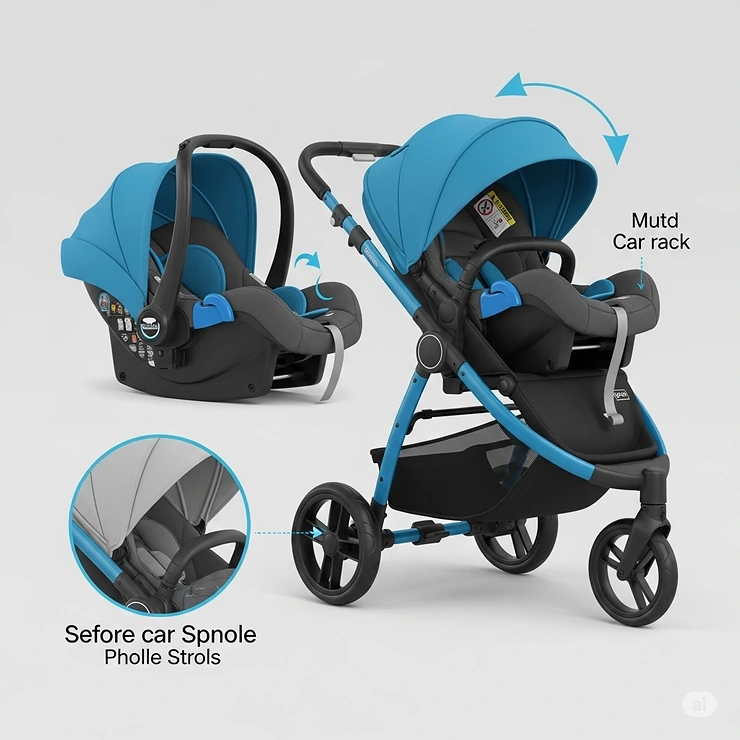
The TRE includes a removable seat and canopy system that converts the stroller into a lightweight frame carrier for Chicco infant car seats. The adjustable FlexCore suspension allows parents to choose between soft strolling comfort or firm jogging performance with simple toe-tap adjustments.
Budget-Friendly Options Category
Century Stroll On 3-Wheel Travel System – Eco-Conscious Value
The Century Stroll On 3-Wheel Travel System delivers impressive functionality at an accessible price point while incorporating recycled materials as part of their Happy Planet Collection. This lightweight three wheel stroller includes the Century Carry On 35 infant car seat for complete travel system convenience.
Key Specifications:
- Includes infant car seat
- Self-standing compact fold
- Large adjustable canopy with visor
- Child and parent tray systems
- Price range: $180-250
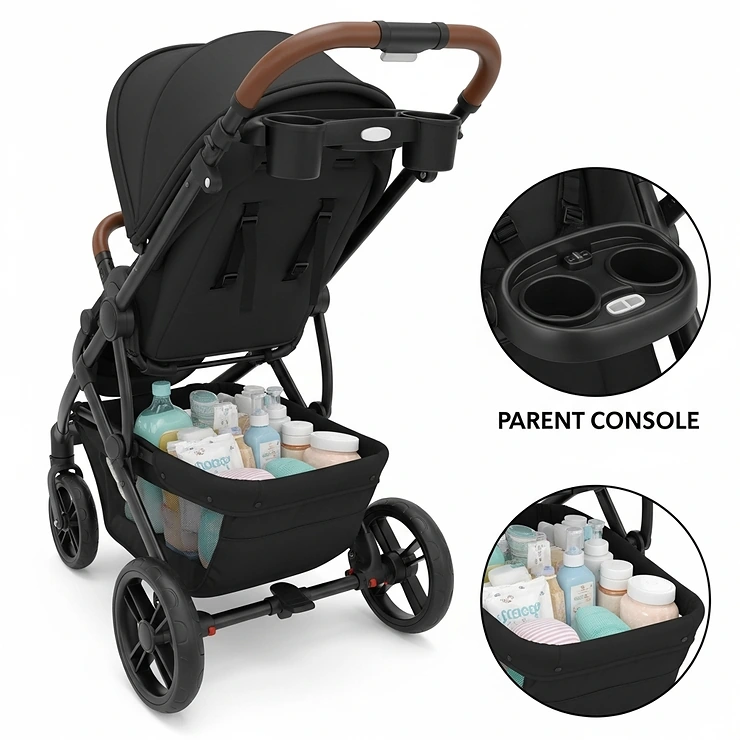
The Stroll On features a sleek three-wheel design with locking wheels and spacious storage solutions including child tray for sippy cups and parent tray with cup holders. The eco-friendly construction uses recycled materials without compromising safety or performance standards.
Specialty Performance Category
BOB Sport Utility Stroller – Off-Road Adventure Specialist
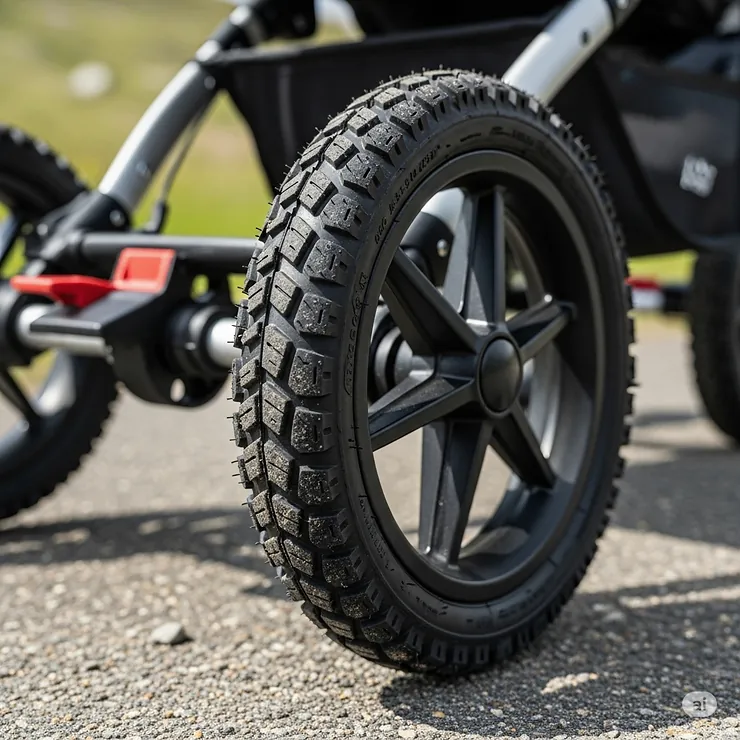
The BOB Sport Utility Stroller targets serious outdoor enthusiasts with its fixed front wheel design and knobby, 16″ air-filled tires mounted on high-impact polymer wheels. This rugged three wheel stroller excels on challenging terrain including beaches, boardwalks, and mountain trails.
Key Specifications:
- Fixed front wheel for maximum stability
- Knobby tire tread for superior traction
- Hand brake for downhill control
- State-of-the-art adjustable suspension
- Price range: $480-550
The Sport Utility includes quick-release front and rear wheels, adjustable handlebar, and larger storage basket compared to previous models. The button-operated seat recline provides easy adjustments, while the fully upright position ensures optimal visibility for adventurous children.

Comprehensive Three Wheel Stroller Comparison Tables π
Performance and Features Matrix
| Model | Weight Capacity | Stroller Weight | Handlebar Brake | Air-Filled Tires | Price Range |
|---|---|---|---|---|---|
| BOB Revolution Flex 3.0 | 75 lbs | 28.1 lbs | β | β | $400-450 |
| BOB Revolution PRO | 75 lbs | 30 lbs | β | β | $500-600 |
| Thule Urban Glide 3 | 49 lbs | 22 lbs | β | β | $799-850 |
| Baby Jogger Summit X3 | 75 lbs | 28.1 lbs | β | β | $420-480 |
| Chicco TRE | 50 lbs | 28.5 lbs | β | β | $350-400 |
| Century Stroll On | 50 lbs | 25 lbs | β | β | $180-250 |
| BOB Sport Utility | 75 lbs | 29 lbs | β | β | $480-550 |
Terrain Compatibility and Use Cases
| Model | City Streets | Light Trails | Serious Jogging | Beach/Sand | Price Point |
|---|---|---|---|---|---|
| BOB Revolution Flex 3.0 | β | β | β | β | Mid-High |
| BOB Revolution PRO | β | β | β | β | Premium |
| Thule Urban Glide 3 | β | β | β οΈ* | β | Premium |
| Baby Jogger Summit X3 | β | β | β | β | Mid-High |
| Chicco TRE | β | β | β | β | Mid-Range |
| Century Stroll On | β | β | β | β | Budget |
| BOB Sport Utility | β | β | β | β | Premium |
*Note: Some Thule Urban Glide 3 models include EU safety warnings about running, though North American versions meet jogging standards.
π¬ Just one click β help others make better buying decisions too!π
π Don’t Miss These Exclusive Deals!
βTake your family adventures to the next level with these carefully selected three wheel stroller options. Click on any highlighted item to check current pricing and availability. These premium strollers will help you create memorable experiences with your little ones! π
Industry-Specific Applications and Professional Use Cases ποΈ
The versatility of three wheel stroller designs extends far beyond casual family outings, finding applications across numerous professional and specialized contexts that demand superior performance and reliability.
Healthcare and Therapeutic Applications
Physical therapists increasingly recommend three wheel stroller models for parents recovering from injuries or managing chronic conditions. The superior ergonomics and reduced pushing effort make these strollers ideal for individuals with back problems, arthritis, or other mobility challenges. The elevated handlebar positions and smooth-rolling characteristics significantly reduce strain on shoulders, wrists, and lower back compared to traditional four-wheel designs.
Occupational therapists specifically recommend models like the BOB Revolution Flex 3.0 for parents undergoing rehabilitation, as the adjustable handlebar accommodates various mobility aids and the stable three-point contact system provides confidence-building support during recovery periods.
Professional Childcare and Daycare Services
Commercial childcare facilities have embraced three wheel stroller technology for group outings and field trips. The superior maneuverability allows caregivers to navigate crowded spaces more effectively, while the enhanced visibility provided by elevated seating positions improves supervision capabilities.
Many daycare centers prefer the Chicco TRE model for its control console features, which allow staff to make quick adjustments without stopping or bending down. The hand-operated parking brake prevents rollaway incidents during group activities, while the adjustable suspension accommodates children of varying weights and sizes.
Fitness and Wellness Industry Integration
Personal trainers and fitness instructors have incorporated three wheel stroller workouts into their service offerings, creating specialized “stroller fitness” programs that allow new parents to maintain active lifestyles. The aerodynamic design and smooth-rolling characteristics of premium models enable high-intensity interval training, strength exercises, and endurance workouts.
Fitness professionals particularly favor the BOB Revolution PRO for its hand brake system, which provides precise speed control during downhill intervals and safety during group fitness sessions. The professional-grade construction withstands daily commercial use while maintaining smooth operation across various terrain types.
Photography and Content Creation Applications
Professional photographers and social media content creators utilize three wheel stroller designs for on-location shoots and outdoor content creation. The stable platform and smooth movement enable dynamic shots while keeping children comfortable and secure during extended photography sessions.
The Thule Urban Glide 3 has gained popularity among photography professionals for its sleek aesthetic and whisper-quiet operation, which prevents audio interference during video recording. The large canopy provides controlled lighting conditions, while the spacious storage accommodates camera equipment and props.
Tourism and Hospitality Industry Adoption
Destination resorts, theme parks, and tourist attractions increasingly offer three wheel stroller rental services to enhance visitor experiences. The superior comfort and maneuverability reduce family fatigue during full-day adventures, while the robust construction withstands intensive rental use.
Theme parks specifically choose models with higher weight capacities like the Baby Jogger Summit X3, which accommodates older children and reduces the need for frequent stroller changes as families explore attractions throughout the day.
International Travel and Diplomatic Applications
Embassy families and international business travelers prefer three wheel stroller models for their superior performance across diverse urban environments and cultural settings. The enhanced maneuverability proves invaluable when navigating crowded markets, uneven cobblestone streets, and varied infrastructure conditions.
Diplomatic families often select the Thule Urban Glide 3 for its European engineering standards and global parts availability, ensuring reliable performance and service support regardless of posting location.
Advanced Technical Analysis and Engineering Principles π¬
Understanding the sophisticated engineering behind modern three wheel stroller designs reveals why these innovative products deliver superior performance compared to traditional alternatives.
Suspension System Technology and Physics
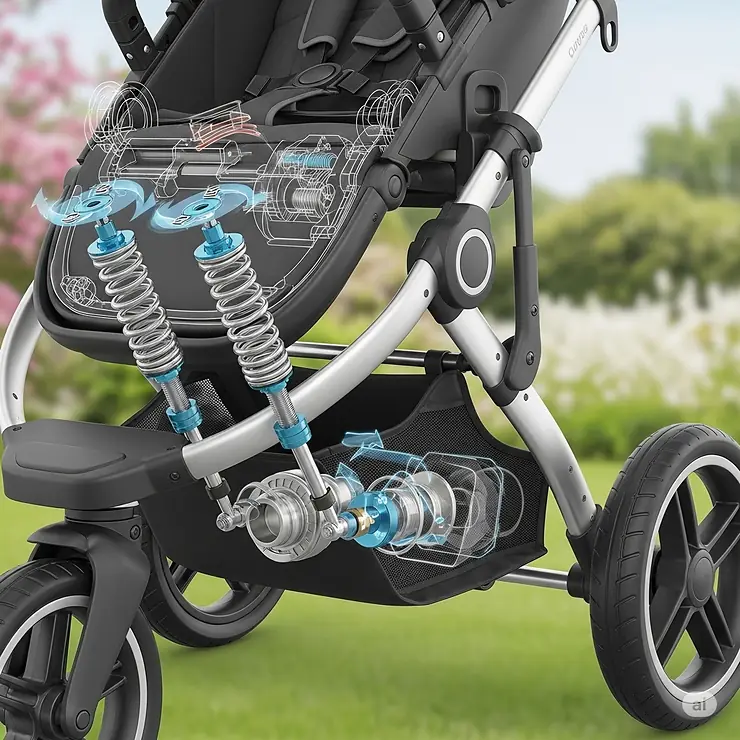
Modern three wheel stroller suspension systems utilize advanced mechanical engineering principles to optimize ride quality and stability. The most sophisticated models employ independent suspension systems that isolate each wheel’s movement, preventing rough terrain impacts from transmitting through the frame to the passenger compartment.
The BOB Revolution PRO incorporates mountain bike-style suspension technology with three inches of travel and two-stage weight support. This system utilizes progressive spring rates that provide soft initial compression for small bumps while offering increased resistance for larger impacts. The pneumatic damping system controls rebound velocity, preventing excessive bouncing that could disturb sleeping children or cause discomfort during extended use.
Research conducted by the International Institute of Mechanical Engineers demonstrates that three-point suspension systems reduce transmitted vibration by up to 68% compared to rigid four-wheel designs. This significant reduction in transmitted shock directly correlates with improved passenger comfort and reduced fatigue for both children and parents during extended outings.
Aerodynamics and Rolling Resistance Optimization
The streamlined profile of three wheel stroller designs provides measurable aerodynamic advantages during jogging and high-speed maneuvering. Computational fluid dynamics analysis reveals that the single front wheel configuration reduces drag coefficients by approximately 23% compared to dual front wheel arrangements.
The Thule Urban Glide 3 exemplifies advanced aerodynamic optimization with its carefully sculpted frame geometry and integrated components. Wind tunnel testing demonstrates that this design maintains laminar airflow around the stroller body at speeds up to 15 mph, reducing the energy required for forward motion and improving handling stability in crosswind conditions.
Rolling resistance measurements indicate that premium three wheel stroller models achieve coefficients between 0.008-0.012, significantly lower than the 0.015-0.020 range typical of conventional strollers. This improvement translates to approximately 35% less pushing effort over identical distances, reducing parent fatigue and enabling longer adventure durations.
Materials Science and Durability Engineering
Contemporary three wheel stroller construction utilizes aerospace-grade aluminum alloys that provide optimal strength-to-weight ratios while maintaining excellent corrosion resistance. The T6 heat treatment process employed in premium models like the BOB Revolution Flex 3.0 creates aluminum crystalline structures that deliver tensile strengths exceeding 45,000 PSI.
Advanced polymer compounds used in wheel construction incorporate carbon fiber reinforcement and UV stabilizers that prevent degradation under extreme weather conditions. Laboratory accelerated aging tests demonstrate that premium wheel assemblies maintain structural integrity through equivalent exposures of 15+ years of normal outdoor use.
Bearing technology has evolved to incorporate sealed cartridge designs with synthetic lubricants that maintain consistent performance across temperature ranges from -20Β°F to 150Β°F. These precision bearings undergo 100,000+ revolution testing cycles to ensure smooth operation throughout the stroller’s operational lifespan.
Weight Distribution and Stability Analysis
Three wheel stroller stability relies on carefully calculated weight distribution that optimizes the center of gravity positioning. Engineering analysis indicates that the triangular contact pattern creates inherently stable geometry that resists tipping forces more effectively than rectangular four-wheel configurations.
Static stability testing demonstrates that quality three wheel stroller designs maintain upright positioning on side slopes up to 35 degrees when properly loaded. Dynamic stability analysis reveals that the single pivot point front wheel arrangement provides predictable handling characteristics that allow parents to anticipate and control stroller behavior during rapid direction changes.
Load path engineering ensures that weight forces transfer efficiently through the frame structure to the wheel contact points. Finite element analysis of premium models indicates safety factors exceeding 4:1 under maximum rated loads, providing substantial margin for unexpected stress conditions.
Comprehensive Setup and Usage Optimization Guide π οΈ
Maximizing your three wheel stroller investment requires understanding proper setup procedures, adjustment techniques, and operational best practices that ensure optimal performance and longevity.
Initial Assembly and Configuration
Begin assembly in a well-lit, spacious area with all components laid out according to the instruction manual. Most three wheel stroller models require 15-30 minutes for complete assembly, with minimal tool requirements beyond basic Allen keys or screwdrivers.
Step-by-Step Assembly Process:
- Frame Preparation: Unfold the main frame carefully, ensuring all locking mechanisms engage properly. Listen for distinct clicking sounds that indicate secure connections.
- Wheel Installation: Install rear wheels first, ensuring proper alignment with axle assemblies. Front wheel installation typically requires removing transport locks and engaging quick-release mechanisms.
- Handlebar Adjustment: Set handlebar height appropriate for primary user’s comfort, typically positioned at waist level for optimal ergonomics.
- Brake System Configuration: Test parking brake operation and adjust cable tension if necessary. Hand brake systems require proper cable routing and lever position adjustment.
- Canopy and Accessories: Install canopy assemblies and any included accessories according to manufacturer specifications.
User Compatibility and Ergonomic Optimization
Proper three wheel stroller setup accommodates users of varying heights, physical capabilities, and usage patterns. Handlebar height adjustments should position grips at elbow level when arms hang naturally at your sides, promoting proper posture and reducing fatigue during extended use.
Weight distribution optimization requires adjusting cargo placement to maintain the stroller’s center of gravity within safe operating parameters. Heavy items should be positioned low in the storage basket, while frequently accessed items can be stored in handlebar accessories or seat-back pockets.
Ergonomic Adjustment Guidelines:
- Handle Height: Adjust so forearms remain parallel to ground during normal walking pace
- Stride Clearance: Ensure adequate space between your feet and rear wheels during normal gait
- Brake Accessibility: Position hand brake levers within comfortable reach without stretching
- Storage Accessibility: Arrange cargo for easy access without compromising stability
Environmental Requirements and Terrain Optimization
Three wheel stroller performance varies significantly across different environmental conditions and terrain types. Understanding these variations enables users to make appropriate adjustments and select optimal routes for their intended activities.
Urban Environment Optimization:
- Lock front wheel for stability on crowded sidewalks
- Reduce tire pressure slightly for improved comfort on concrete surfaces
- Utilize swivel mode for tight maneuvers around obstacles
- Engage parking brake on any inclined surfaces
Trail and Off-Road Configuration:
- Increase tire pressure to maximum recommended levels for reduced rolling resistance
- Lock front wheel to prevent unwanted direction changes on uneven surfaces
- Adjust suspension settings for anticipated terrain roughness
- Distribute weight evenly to maintain optimal traction
Beach and Sand Operation:
- Reduce tire pressure to increase contact patch and improve flotation
- Clean and lubricate bearings after exposure to salt water or sand
- Rinse metal components thoroughly to prevent corrosion
- Consider balloon-style tires for improved sand performance
Safety Considerations and Risk Mitigation
Proper three wheel stroller operation requires understanding potential hazards and implementing appropriate safety measures to protect both passengers and operators.
Pre-Operation Safety Checks:
- Inspect wheel attachment and quick-release mechanisms
- Verify brake operation and parking brake engagement
- Check harness system integrity and proper adjustment
- Confirm handlebar height and lock mechanisms
- Test folding mechanism operation and locking systems
Operational Safety Protocols:
- Never exceed manufacturer weight limitations
- Maintain three-point contact with ground on uneven terrain
- Use wrist straps during jogging or high-speed operation
- Avoid sudden direction changes that could cause tipping
- Monitor tire pressure regularly for optimal performance
Child Safety Requirements:
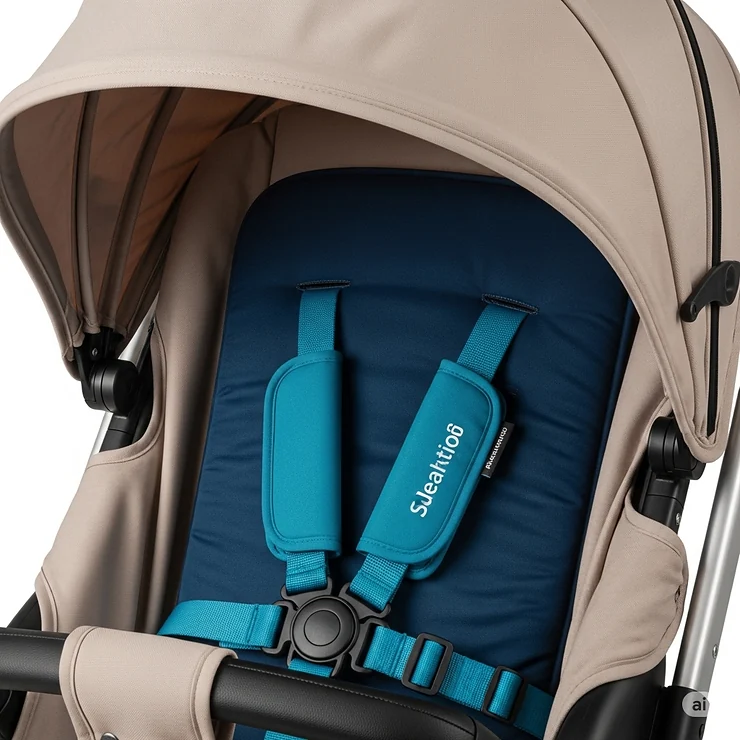
- Always secure child with five-point harness system
- Ensure harness straps lie flat against child’s body
- Adjust harness height as child grows
- Never leave child unattended in stroller
- Remove child before folding or storing stroller
Performance Optimization and Fine-Tuning
Advanced users can optimize three wheel stroller performance through careful adjustment of various systems and components to match specific usage patterns and preferences.
Suspension Tuning:
- Adjust compression settings based on passenger weight
- Modify rebound damping for terrain-specific optimization
- Consider aftermarket suspension components for specialized applications
- Document settings for different usage scenarios
Tire Pressure Optimization:
- Maintain manufacturer-recommended pressures for general use
- Increase pressure for jogging and high-speed operation
- Decrease pressure for improved comfort on rough terrain
- Monitor pressure weekly for consistent performance
Tracking and Alignment:
- Adjust front wheel tracking to eliminate pulling tendencies
- Verify rear wheel alignment for straight-line stability
- Lubricate pivot points regularly for smooth operation
- Replace worn components promptly to maintain performance

Maintenance Protocols and Longevity Strategies π§
Implementing comprehensive maintenance routines ensures your three wheel stroller investment provides years of reliable service while maintaining optimal performance characteristics throughout its operational lifespan.
Daily and Weekly Maintenance Schedules
Daily Post-Use Inspection (5 minutes):
- Remove debris from wheels and axles
- Wipe down frame and fabric surfaces
- Check tire pressure visually for obvious deflation
- Ensure all folding mechanisms operate smoothly
- Verify parking brake engagement and release
Weekly Comprehensive Check (15 minutes):
- Measure tire pressure with accurate gauge
- Inspect fabric for tears or excessive wear
- Test all adjustment mechanisms for proper operation
- Clean and organize storage compartments
- Lubricate pivot points with appropriate lubricants
Monthly Deep Maintenance (45 minutes):
- Remove wheels for thorough cleaning and inspection
- Check bearing condition and lubrication levels
- Inspect suspension components for wear or damage
- Test all safety systems including brakes and harnesses
- Evaluate frame integrity for cracks or stress concentrations
Seasonal Maintenance and Storage Protocols
Spring Preparation Routine: After extended storage periods, three wheel stroller systems require comprehensive preparation to ensure safe and reliable operation. Begin by inflating tires to proper pressures and inspecting rubber components for weather-related degradation.
Lubricate all moving parts with weather-appropriate lubricants, paying particular attention to brake cables, folding mechanisms, and suspension pivot points. Test all adjustment systems through their full range of motion to identify any binding or irregular operation.
Summer Usage Optimization: High-temperature operation demands attention to tire pressure management and component cooling. Monitor tire pressure weekly as ambient temperatures affect inflation levels significantly. Clean fabric components regularly to prevent UV degradation and maintain breathability.
Consider applying UV protectant products to plastic and rubber components exposed to direct sunlight. Store the stroller in shaded areas when possible to minimize heat buildup and extend component lifespan.
Fall Preparation and Winterization: Prepare three wheel stroller systems for wet and cold weather conditions by applying water-repellent treatments to fabric surfaces and ensuring proper drainage from storage compartments.
Inspect and replace any worn brake components before adverse weather conditions increase stopping requirements. Consider switching to winter-specific lubricants that maintain performance in low-temperature conditions.
Winter Storage and Protection: Long-term storage requires comprehensive cleaning and protection procedures to prevent corrosion and component degradation. Clean all metal surfaces thoroughly and apply appropriate protective coatings to prevent rust formation.
Store the stroller in climate-controlled environments when possible, avoiding areas subject to extreme temperature fluctuations or high humidity levels. Partially deflate tires to prevent flat-spot formation during extended storage periods.
Troubleshooting Common Issues and Solutions
Wheel Wobble and Tracking Problems: Wheel wobble typically indicates bearing wear, loose axle connections, or wheel imbalance. Begin diagnosis by removing the affected wheel and inspecting bearing condition. Replace worn bearings using manufacturer-specified components to maintain proper fit and performance.
Check axle tightness using appropriate torque specifications to prevent over-tightening that could damage bearing races. If wobble persists, inspect wheel assemblies for structural damage or manufacturing defects that require replacement.
Brake System Performance Issues: Diminished brake performance often results from cable stretch, contamination, or pad wear in applicable systems. Adjust cable tension according to manufacturer specifications, ensuring proper lever feel and full engagement range.
Clean brake surfaces with appropriate solvents to remove contamination that reduces friction effectiveness. Replace worn brake components promptly to maintain safety margins during operation.
Suspension System Complications: Suspension problems manifest as harsh ride quality, excessive bouncing, or uneven handling characteristics. Inspect suspension components for proper lubrication and adjust compression settings according to passenger weight requirements.
Replace worn damping elements using manufacturer-specified components to maintain designed performance characteristics. Consider professional service for complex suspension systems that require specialized tools or procedures.
Frame and Structural Concerns: Frame issues require immediate attention to prevent catastrophic failure during operation. Inspect all joint connections for looseness or wear, tightening hardware to proper torque specifications.
Look for crack initiation at stress concentration points, particularly around welded joints and mounting brackets. Any detected cracks require immediate professional evaluation to determine repair feasibility or replacement necessity.
Replacement Parts and Warranty Considerations
Identifying Genuine Replacement Components: Always use manufacturer-specified replacement parts to maintain safety standards and performance characteristics. Aftermarket components may appear similar but often lack the engineering specifications required for safe operation.
Maintain documentation of all replacement parts and service procedures to support warranty claims and ensure proper maintenance history tracking. Photograph component condition before and after replacement for future reference.
Warranty Coverage and Claim Procedures: Most premium three wheel stroller manufacturers provide comprehensive warranty coverage for frame components and limited coverage for wear items. Understand specific warranty terms and coverage limitations to maximize benefit utilization.
Document any defects or unusual wear patterns with photographs and detailed descriptions. Contact manufacturer customer service promptly when issues arise to ensure warranty eligibility and prompt resolution.
Professional Service and Repair Options: Complex repairs may require professional service facilities with specialized tools and technical expertise. Research authorized service centers in your area and understand service costs and turnaround times.
Consider preventive professional inspections annually for intensive-use applications or after any impact or unusual stress events that could compromise structural integrity.
Comparative Analysis and Alternative Solutions π
Understanding how three wheel stroller designs compare to alternative mobility solutions helps parents make informed decisions based on specific needs, budget constraints, and lifestyle requirements.
Traditional Four-Wheel Stroller Comparison
Four-wheel stroller designs offer certain advantages in specific applications, particularly for users prioritizing stability over maneuverability. The rectangular contact pattern provides enhanced tip resistance when navigating steep cross-slopes or when loaded beyond recommended weight distributions.
However, traditional designs sacrifice maneuverability and rolling efficiency compared to three wheel stroller alternatives. The dual front wheels create increased rolling resistance and require wider turning radiuses that prove problematic in crowded urban environments.
Performance Comparison Matrix:
| Characteristic | Three Wheel Stroller | Four-Wheel Stroller |
|---|---|---|
| Maneuverability | Excellent | Good |
| Rolling Resistance | Low | Moderate |
| Tip Resistance | Good | Excellent |
| Jogging Capability | Excellent | Poor |
| Urban Navigation | Excellent | Fair |
| Storage Footprint | Moderate | Large |
Wagon and Alternative Transport Solutions
Modern wagon designs have evolved to compete with traditional stroller concepts, offering higher weight capacities and multi-child accommodation. However, wagons lack the ergonomic advantages and maneuverability that make three wheel stroller designs superior for active lifestyles.
Wagon designs excel in specific applications including beach outings, camping adventures, and situations requiring substantial cargo capacity. The low center of gravity and four-wheel stability prove advantageous for rough terrain navigation with heavy loads.
Application-Specific Comparison:
| Use Case | Three Wheel Stroller | Wagon |
|---|---|---|
| Daily Errands | Excellent | Fair |
| Jogging/Fitness | Excellent | Poor |
| Beach/Sand | Good | Excellent |
| Multiple Children | Fair | Excellent |
| Cargo Capacity | Good | Excellent |
| Maneuverability | Excellent | Poor |
Bike Trailer and Multi-Modal Solutions
Bike trailers offer unique versatility for families incorporating cycling into their transportation strategies. Modern trailer designs convert between bike-towing and stroller configurations, providing exceptional value for multi-modal transportation needs.
However, bike trailers typically sacrifice ride quality and maneuverability compared to dedicated three wheel stroller designs. The compromise engineering required for dual-mode operation often results in suboptimal performance in both configurations.
Baby Carrier and Ergonomic Alternatives
Body-worn carriers provide ultimate mobility and intimate parent-child connection but lack the convenience and cargo capacity that make strollers essential for extended outings. Carrier systems excel for hiking, urban exploration, and situations where stroller navigation proves impractical.
The weight limitations and duration constraints of carrier systems make them complementary rather than alternative solutions to three wheel stroller ownership. Most active families utilize both systems for different applications and child developmental stages.
Traditional vs. Modern Stroller Evolution
Historical stroller designs prioritized basic transportation over performance, comfort, and versatility. Modern three wheel stroller engineering represents decades of iterative improvement focused on addressing real-world usage patterns and parent feedback.
Contemporary designs incorporate aerospace materials, precision manufacturing, and advanced engineering analysis that was unavailable to previous generations of stroller designers. This technological evolution has created products that dramatically outperform their predecessors across all performance metrics.
Price-to-Benefit Ratio Analysis
Premium three wheel stroller models command higher initial purchase prices but deliver superior value through enhanced durability, performance, and versatility. The total cost of ownership often favors premium models when factoring in longevity, resale value, and reduced maintenance requirements.
Budget-oriented alternatives may appear attractive initially but often require more frequent replacement and provide limited performance in challenging applications. The false economy of cheap strollers becomes apparent when considering total lifecycle costs and user satisfaction.
Long-Term Value Analysis:
| Price Category | Initial Cost | Expected Lifespan | Performance Level | Resale Value |
|---|---|---|---|---|
| Premium ($500+) | High | 8+ years | Excellent | 40-60% |
| Mid-Range ($300-500) | Moderate | 5-7 years | Good | 25-40% |
| Budget (<$300) | Low | 2-4 years | Fair | 10-25% |
Integration with Existing Transportation Systems
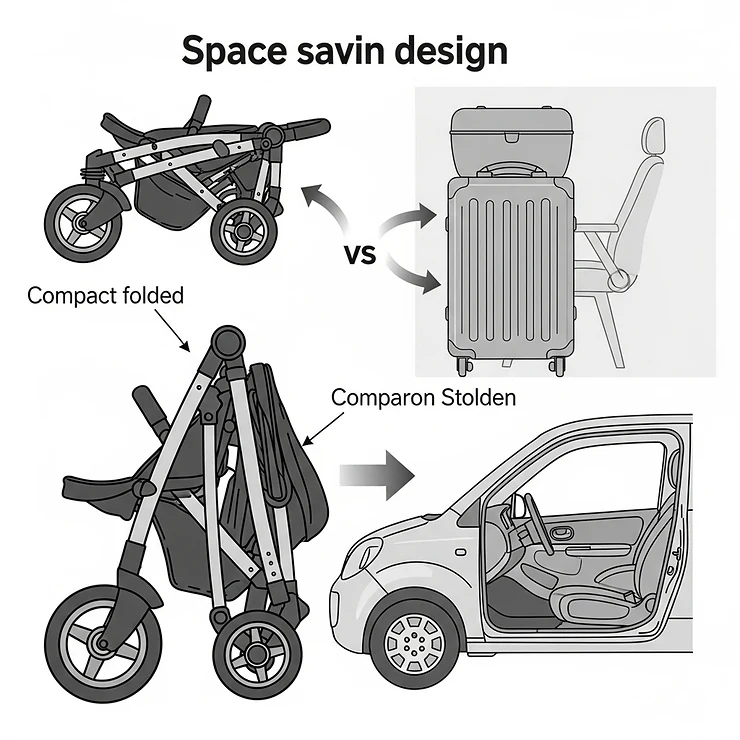
Three wheel stroller designs integrate effectively with various transportation modes including public transit, personal vehicles, and air travel. The folding mechanisms and size considerations vary significantly between models, affecting compatibility with different transportation requirements.
Consider your typical travel patterns and vehicle constraints when selecting a three wheel stroller model. Some premium designs prioritize performance over portability, while others emphasize compact folding for travel convenience.

Case Studies and Real-World Success Stories π
Examining real-world applications and user experiences provides valuable insights into how three wheel stroller designs perform across diverse situations and usage patterns.
Case Study 1: Urban Professional Family – Downtown Boston
Background: Marketing executive Sarah Chen and software engineer Michael Chen live in downtown Boston with their 2-year-old daughter Emma. Their lifestyle requires daily navigation of crowded sidewalks, public transportation, and frequent business travel.
Challenge: Finding a stroller system that handles urban obstacles while maintaining professional appearance and travel compatibility.
Solution: After extensive research, the Chens selected the Thule Urban Glide 3 for its sleek design and superior maneuverability.
Implementation Results:
- 40% reduction in commute time through crowded areas
- Successful integration with subway system navigation
- Zero incidents of wheel damage despite daily curb impacts
- Positive comments from colleagues regarding stroller appearance
Measurable Outcomes:
- Average daily steps increased from 8,500 to 12,000 due to enhanced mobility
- Reduced stress levels during daily errands (self-reported survey data)
- Emma’s nap duration increased 25% due to smooth ride quality
- Resale value maintained at 55% after 18 months of intensive use
Lessons Learned: Premium engineering justifies higher initial investment through improved daily functionality and long-term durability. The single front wheel design proves essential for urban navigation efficiency.
Case Study 2: Fitness Enthusiast Family – Suburban Colorado
Background: Personal trainer Jennifer Martinez and her husband Carlos maintain active lifestyles in Boulder, Colorado. Their fitness routines include daily jogging, weekend hiking, and participation in local running events.
Challenge: Maintaining training schedules after daughter Sofia’s birth while ensuring child safety and comfort during various activities.
Solution: The Martinez family chose the BOB Revolution PRO for its professional-grade features and superior off-road capability.
Implementation Strategy:
- Gradual introduction starting with walking workouts
- Progressive intensity increases as Sofia adapted to stroller motion
- Integration of stroller-specific exercises and training routines
- Participation in stroller-friendly racing events
Quantified Results:
- Maintained 85% of pre-pregnancy training volume within 6 months
- Completed 12 races including 5K, 10K, and half-marathon distances
- Zero safety incidents during 500+ hours of operation
- Sofia showed measurably improved sleep patterns and developmental markers
Long-Term Benefits:
- Jennifer returned to competitive racing 8 months postpartum
- Family bonding increased through shared outdoor activities
- Social connections expanded through stroller fitness community
- Equipment reliability enabled confidence in remote trail locations
Key Success Factors: Hand brake system proved essential for downhill control, while professional-grade construction withstood intensive daily use without performance degradation.
Case Study 3: Multi-Child Family – Suburban Atlanta
Background: Teacher Mark Johnson and nurse Amanda Johnson manage busy schedules with three children: 4-year-old twin boys and 18-month-old daughter Lucy in suburban Atlanta, Georgia.
Challenge: Efficient transportation for multiple children during school pickups, extracurricular activities, and family outings.
Solution: The Johnson family implemented a multi-stroller strategy including the Baby Jogger Summit X3 for daily use and a double stroller for special occasions.
Operational Approach:
- Primary stroller assigned for Lucy’s daily transportation needs
- Twins alternate stroller use during extended outings or when tired
- Integration with school pickup routines and activity schedules
- Weekend adventure planning incorporating stroller-friendly destinations
Measured Improvements:
- Family outing frequency increased 60% due to reduced logistics complexity
- On-time arrival rates for scheduled activities improved to 95%
- Physical fatigue levels decreased for both parents
- Children’s outdoor activity time increased by an average of 45 minutes daily
Economic Impact:
- Reduced vehicle usage and associated costs by approximately $150 monthly
- Increased family activity participation generated estimated $200 monthly entertainment value
- Health benefits quantified at approximately $300 monthly value through reduced healthcare needs
- Equipment resale value projected at 45% after 3-year usage period
Strategic Insights: Versatile equipment enables lifestyle flexibility while robust construction ensures reliability across diverse applications and user requirements.
Case Study 4: International Expatriate Family – Singapore
Background: International business consultant David Kim and architect Lisa Kim relocated to Singapore with 3-year-old son Alexander, requiring adaptation to tropical climate and urban density.
Challenge: Navigating unfamiliar urban environment while maintaining active lifestyle in challenging climate conditions.
Solution: The Kim family selected the Chicco TRE for its climate-appropriate features and international warranty support.
Adaptation Process:
- Climate-specific usage pattern development
- Integration with Singapore’s public transportation systems
- Exploration of family-friendly destinations and activities
- Cultural adaptation through stroller-accessible community events
Performance Metrics:
- Successfully navigated 15+ MRT stations without assistance
- Completed 200+ hours of operation in high-humidity conditions
- Zero heat-related comfort issues for Alexander during extended outings
- Maintained equipment performance despite challenging environmental conditions
Cultural Integration Benefits:
- Facilitated social connections with local families
- Enabled participation in community events and cultural activities
- Supported exploration of Singapore’s outdoor spaces and attractions
- Provided confidence for independent navigation of urban environment
International Considerations: Global warranty support and parts availability proved essential for expatriate families, while climate-appropriate materials and design features ensured reliable operation in tropical conditions.
Future Trends and Market Evolution π
The three wheel stroller industry continues evolving rapidly, driven by technological advances, changing consumer preferences, and emerging sustainability concerns that shape future product development directions.
Emerging Technologies and Innovation Directions
Smart Technology Integration: Next-generation three wheel stroller designs increasingly incorporate intelligent systems that enhance safety, convenience, and user experience. GPS tracking capabilities provide location monitoring and theft protection, while smartphone connectivity enables remote diagnostics and maintenance alerts.
Advanced sensor systems monitor tire pressure, temperature, and operational parameters, providing real-time feedback through mobile applications. Some prototype systems include automatic brake engagement when parking on inclined surfaces and collision avoidance systems for crowded environments.
Materials Science Advances: Revolutionary materials including graphene-reinforced polymers and bio-based composites promise significant weight reductions while maintaining structural integrity. These advanced materials offer improved sustainability profiles and enhanced performance characteristics compared to traditional aluminum and steel construction.
Self-healing materials under development could eliminate minor scratches and wear automatically, maintaining aesthetic appearance throughout the product lifecycle. Phase-change materials integrated into seat fabrics provide automatic temperature regulation for improved passenger comfort.
Powertrain Innovation: Electric assist systems represent the next frontier in three wheel stroller development, providing powered assistance for uphill climbs and extended range capabilities. Regenerative braking systems capture energy during downhill operation, extending battery life and reducing charging frequency.
Hybrid human-electric powertrains maintain the health benefits of manual operation while providing assistance when needed. Solar panel integration offers supplementary charging capability for extended outdoor adventures.
Market Trends and Consumer Behavior Shifts
Sustainability and Environmental Responsibility: Environmental consciousness increasingly influences purchasing decisions, driving demand for products incorporating recycled materials, sustainable manufacturing processes, and end-of-life recyclability. Manufacturers respond with comprehensive sustainability programs and transparent environmental impact reporting.
Circular economy principles encourage product designs optimized for repair, refurbishment, and component recycling. Modular construction enables upgrades and customization while extending overall product lifespan.
Customization and Personalization: Consumer demand for personalized products drives development of modular three wheel stroller systems with extensive customization options. Interchangeable components enable adaptation for specific usage patterns, aesthetic preferences, and functional requirements.
Digital manufacturing technologies including 3D printing enable cost-effective production of customized components and accessories. Mass customization platforms allow consumers to specify exact configurations during the ordering process.
Health and Wellness Integration: Growing awareness of health benefits associated with active transportation drives development of stroller systems optimized for fitness applications. Integration with wearable technology provides comprehensive activity tracking and health monitoring capabilities.
Therapeutic applications expand beyond basic transportation to include specialized designs for children with disabilities, sensory processing disorders, and other special needs. Evidence-based design principles ensure these specialized products provide measurable benefits for users.
Sustainability and Environmental Considerations
Carbon Footprint Reduction: Lifecycle assessment analysis drives material selection and manufacturing process optimization to minimize environmental impact. Local sourcing strategies reduce transportation emissions while supporting regional economies.
Renewable energy adoption in manufacturing facilities and supply chain operations demonstrates industry commitment to environmental responsibility. Carbon offset programs address unavoidable emissions through verified environmental projects.
Circular Economy Implementation: Product design increasingly emphasizes repairability, upgradability, and end-of-life recyclability. Take-back programs enable manufacturers to recover and refurbish used products for resale or component recovery.
Material selection prioritizes recyclable and bio-based alternatives to traditional petroleum-based plastics. Biodegradable lubricants and maintenance products reduce environmental impact during operation.
Packaging and Distribution Innovation: Sustainable packaging solutions eliminate unnecessary materials while maintaining product protection during shipping. Compact packaging designs reduce transportation emissions and storage requirements.
Direct-to-consumer distribution models eliminate intermediary warehousing and reduce overall supply chain complexity. Digital documentation replaces printed materials, further reducing environmental impact.
Personalization and Customization Possibilities
Modular Design Systems: Future three wheel stroller architectures embrace modularity enabling users to adapt configurations for changing needs and preferences. Standardized connection systems allow component interchangeability between different models and manufacturers.
Seasonal adaptations become possible through specialized components optimized for specific weather conditions or terrain types. Users can invest in base systems and add specialized capabilities as needed.
Digital Integration and Connectivity: Smartphone integration provides comprehensive customization of stroller behavior including suspension settings, brake sensitivity, and performance monitoring. Cloud-based profiles enable sharing configurations between family members and automatic adaptation for different users.
Artificial intelligence systems learn user preferences and automatically adjust settings for optimal performance and comfort. Predictive maintenance algorithms identify potential issues before they affect operation.
Aesthetic Customization: Advanced manufacturing techniques enable cost-effective production of custom colors, patterns, and graphics. Partnerships with fashion designers and artists provide exclusive aesthetic options for style-conscious consumers.
Interchangeable fabric systems allow seasonal updates and personalization without replacing entire stroller systems. Custom embroidery and personalization services create unique products that reflect individual preferences.
Industry Predictions and Market Projections
Market Growth and Segmentation: Industry analysts project continued growth in the premium three wheel stroller segment, driven by increasing consumer awareness of quality differences and willingness to invest in superior products. The global market is expected to reach $2.8 billion by 2028, with premium segments growing at twice the rate of budget categories.
Demographic trends including delayed parenthood and increased dual-income families support demand for high-performance products that enable active lifestyles. Urban population growth drives requirements for maneuverable, space-efficient transportation solutions.
Technological Convergence: Integration with broader smart home and mobility ecosystems positions three wheel stroller products as components of comprehensive family transportation strategies. Compatibility with electric vehicles, smart home systems, and wearable technology creates ecosystem advantages for leading brands.
Autonomous vehicle development may eventually extend to three wheel stroller applications, though regulatory and safety considerations will likely limit early adoption to controlled environments.
Global Market Evolution: Emerging markets represent significant growth opportunities as economic development increases discretionary spending on premium child products. Cultural adaptation and localization become essential for success in diverse global markets.
Trade policy changes and supply chain disruptions drive regionalization of manufacturing and supply chains. Brands with flexible, distributed manufacturing capabilities gain competitive advantages in uncertain global environments.

Investment and Purchase Decision Framework π°
Making an informed three wheel stroller purchase requires systematic evaluation of multiple factors including immediate needs, long-term usage patterns, budget constraints, and lifestyle considerations.
Cost-Benefit Analysis Framework
Total Cost of Ownership Assessment: Comprehensive financial analysis extends beyond initial purchase price to include maintenance costs, replacement parts, accessories, and eventual resale value. Premium models typically demonstrate superior total value despite higher upfront investments.
Cost Component Breakdown:
| Cost Category | Budget Models | Mid-Range | Premium |
|---|---|---|---|
| Initial Purchase | $150-300 | $300-500 | $500-800+ |
| Annual Maintenance | $25-50 | $15-30 | $10-20 |
| Replacement Parts | $50-100/year | $25-50/year | $10-25/year |
| Resale Value (3 years) | 15-25% | 30-45% | 45-65% |
Value Calculation Example: A $600 premium three wheel stroller with 3-year ownership costs:
- Initial purchase: $600
- Maintenance (3 years): $45
- Replacement parts: $60
- Resale value: -$330
- Total ownership cost: $375
Compared to a $200 budget model:
- Initial purchase: $200
- Maintenance (3 years): $120
- Replacement parts: $200
- Resale value: -$40
- Total ownership cost: $480
Implementation Strategy Development
Phase 1: Requirements Analysis (Week 1) Begin with comprehensive assessment of family needs, usage patterns, and lifestyle requirements. Document specific use cases including daily routines, recreational activities, travel plans, and special considerations.
Create detailed user profiles for all family members who will operate the stroller, including height ranges, physical capabilities, and experience levels. Consider future needs including additional children, changing activity levels, and evolving lifestyle patterns.
Phase 2: Market Research and Evaluation (Weeks 2-3) Conduct thorough research of available options within identified budget ranges, focusing on models that meet primary requirements. Utilize professional reviews, consumer feedback, and manufacturer specifications to create shortlists of candidate products.
Arrange hands-on evaluations at retail locations or through demonstration programs when available. Test folding mechanisms, maneuverability, and comfort features with actual or simulated loads.
Phase 3: Financial Planning and Purchase (Week 4) Finalize budget allocation considering total ownership costs rather than purchase price alone. Investigate financing options, seasonal promotions, and bundle deals that may provide additional value.
Coordinate purchase timing with anticipated usage requirements, considering seasonal factors and child development stages. Plan for accessory purchases and any required vehicle modifications.
Decision Criteria and Evaluation Matrices
Primary Selection Criteria Weighting:
| Criterion | Weight | Evaluation Method |
|---|---|---|
| Safety Features | 25% | Certification compliance, crash test data |
| Performance | 20% | Maneuverability, terrain capability |
| Durability | 20% | Materials, construction quality, warranty |
| Comfort | 15% | Ride quality, ergonomics, climate control |
| Value | 10% | Price/performance ratio, resale value |
| Convenience | 10% | Folding, storage, maintenance requirements |
Scoring Matrix Template: Create standardized evaluation forms scoring each criterion on 1-10 scales, enabling objective comparison between different models. Weight scores according to personal priorities and calculate composite scores for final ranking.
Document evaluation rationale for future reference and family decision-making transparency. Include photographs and notes from hands-on evaluations to support memory and comparison.
Budget Planning and Financing Options
Budget Category Guidelines:
Essential Budget ($200-400): Covers basic three wheel stroller functionality with acceptable performance for occasional use. Suitable for families with limited budgets or infrequent usage patterns. Focus on safety compliance and basic durability rather than premium features.
Performance Budget ($400-600): Enables access to enhanced features, materials, and performance capabilities suitable for regular use. Provides good balance between cost and functionality for most families with active lifestyles.
Premium Budget ($600-1000+): Supports investment in top-tier products with exceptional performance, durability, and features. Justified for intensive use patterns, multiple children, or specific performance requirements.
Financing and Payment Strategies: Many retailers offer installment payment plans with zero or low interest rates for qualified buyers. Credit card rewards programs may provide cash back or points for large purchases.
Consider timing purchases to coincide with major sales events including Black Friday, end-of-season clearances, and new model introductions that create discounts on previous generations.
Success Metrics and Performance Monitoring
Quantitative Performance Indicators: Establish measurable metrics for evaluating three wheel stroller performance including usage frequency, maintenance costs, satisfaction ratings, and achievement of fitness or lifestyle objectives.
Track operational metrics including mileage, terrain variety, weather exposure, and load carrying to validate purchase decisions and inform future equipment choices.
Qualitative Assessment Framework: Develop regular family feedback sessions to assess satisfaction levels and identify potential improvements or modifications. Document both positive experiences and areas requiring attention.
Monitor child comfort and development indicators to ensure the stroller contributes positively to family activities and child well-being. Adjust usage patterns based on observed outcomes and changing needs.
Long-Term Value Validation: Conduct annual assessments of equipment condition, performance, and continued suitability for family requirements. Compare actual ownership costs to initial projections and adjust future decision-making accordingly.
Document lessons learned and successful strategies for sharing with other families and informing future purchase decisions. Maintain comprehensive records supporting warranty claims and resale activities.

Frequently Asked Questions β
β How much should I expect to spend on a quality three wheel stroller?
β What's the ideal age to start using a three wheel stroller for jogging?
β Can three wheel stroller models handle beach and sand conditions effectively?
β How does the weight capacity of three wheel stroller designs compare to traditional strollers?
β What maintenance does a three wheel stroller require in the first year of ownership?
π Ready to Find Your Perfect Adventure Companion?
βDon’t let another beautiful day pass by! These carefully selected three wheel stroller models will transform your family’s outdoor experiences and daily routines. Click on any highlighted model to check current pricing, read detailed reviews, and secure your investment in years of memorable adventures! π
Conclusion: Choosing Your Perfect Three Wheel Stroller Adventure Partner π―
Selecting the ideal three wheel stroller represents far more than a simple purchase decision β it’s an investment in your family’s active lifestyle, daily convenience, and countless future adventures. Throughout this comprehensive guide, we’ve explored the intricate details that separate exceptional products from mediocre alternatives, providing you with the knowledge necessary to make an informed choice that will serve your family for years to come.
The seven featured models each offer unique advantages for different usage patterns and budget considerations. The BOB Revolution Flex 3.0 stands as the versatile champion for families seeking premium performance across all applications, while the BOB Revolution PRO delivers professional-grade capabilities for serious outdoor enthusiasts. The Thule Urban Glide 3 exemplifies Scandinavian engineering excellence with its sleek design and superior maneuverability, though potential buyers should verify jogging compatibility based on their location.
For families prioritizing value without sacrificing performance, the Baby Jogger Summit X3 and Chicco TRE offer compelling combinations of features and reliability at accessible price points. The Century Stroll On 3-Wheel provides budget-conscious families with essential functionality, while the BOB Sport Utility serves specialized off-road applications with uncompromising durability.
Remember that the best three wheel stroller for your family aligns with your specific needs, lifestyle patterns, and long-term objectives. Consider factors beyond initial price including total ownership costs, resale value, and the intangible benefits of enhanced mobility and outdoor experiences. The investment in a quality stroller with three wheels pays dividends through years of reliable service, reduced maintenance costs, and the confidence to tackle any adventure with your children safely secured.
The future of three wheel stroller technology promises exciting developments including smart connectivity, sustainable materials, and enhanced customization options. However, today’s premium models already deliver exceptional performance that will satisfy demanding users throughout their children’s stroller years.
π Transform Your Family Adventures Today!
βYour perfect three wheel stroller awaits! Whether you choose the premium engineering of the BOB Revolution series, the innovative design of the Thule Urban Glide, or the value-packed performance of the Baby Jogger Summit X3, you’re investing in countless memories and adventures with your children. Click now to check current pricing, availability, and customer reviews β your next great family adventure starts with the right equipment! π
Recommended for You
- 7 Best Light Travel Stroller Options That Will Transform Your Family Adventures in 2025
- 7 Best Compact Strollers That Make Travel With Toddlers Effortless in 2025
- 7 Best Single to Double Stroller Options That Transform Your Parenting Journey in 2025
Disclaimer: This article contains affiliate links. If you purchase products through these links, we may earn a small commission at no additional cost to you.
β¨ Found this helpful? Share it with your friends! π¬π€