
In This Article
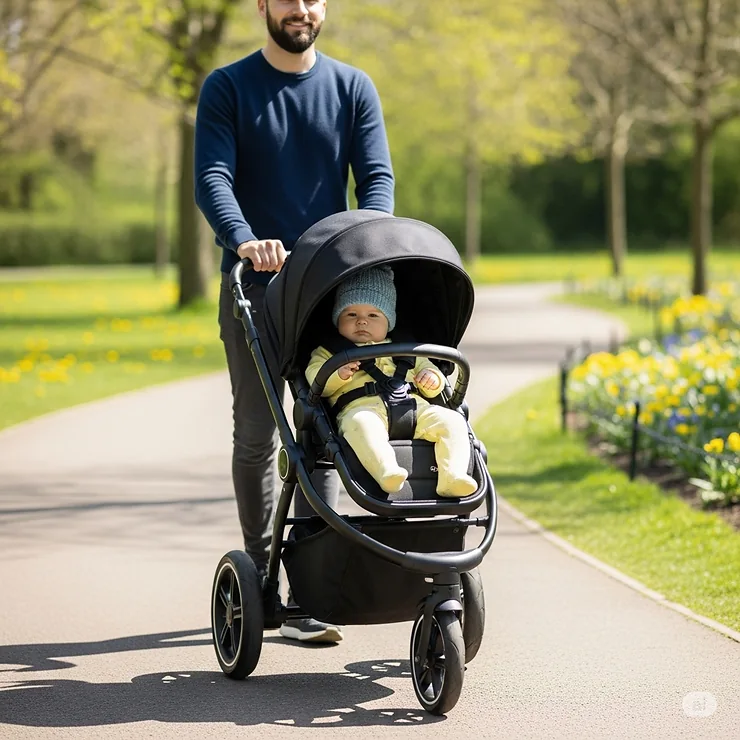
A 3 wheel pram stroller is a baby carrier built on a tricycle-style frame: two big rear wheels and one front wheel that swivels and, on many models, locks straight for running. The layout trades a little folded compactness for smoother steering, better rolling over rough ground, and steadier handling at speed.
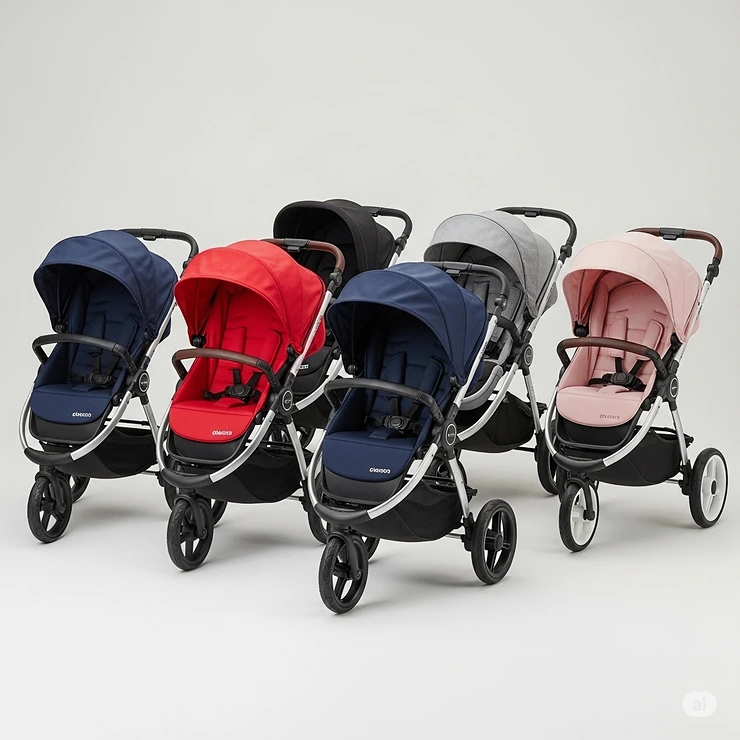
Baby transport has been evolving since William Kent built a wheeled carriage for the Duke of Devonshire’s children in 1733, and the three-wheel layout is the sporty cousin in that family tree. Today the label covers an odd mix: run-ready joggers with 16-inch tires, city strollers that happen to have one front wheel, and everything in between. Shop carelessly and you could end up with a trail machine that won’t fit your hallway. Or a pretty city stroller that your running route would shake apart.
This guide is built on research, not a test track. It draws on manufacturer specs, independent lab-style testing, and aggregated owner feedback, translated into plain English so you know what each number means for your actual days. Where something couldn’t be verified, I say so.
Seven real models follow, from a budget-friendly jogger well under $200 to a premium rig around $800. By the end you’ll know which 3 wheel pram stroller matches your terrain, your trunk and your wallet, and which features are mostly marketing glitter. Prices are ranges as of October 2026 and move often, so check the current price before you buy.
Quick Comparison: 7 Best 3 Wheel Pram Stroller Options at a Glance
| Stroller | Best For | Weight | Price Tier |
|---|---|---|---|
| Baby Trend Expedition Jogger | First-time runners on a budget | ~23.6 lb | Budget |
| Graco Trax Jogger 2.0 | Families who want built-in trays | ~26.2 lb | Budget |
| Joovy Zoom 360 Ultralight | City dwellers needing a small fold | ~26 lb | Mid-range |
| Chicco Activ3 | Owners of Chicco infant car seats | ~27.5 lb | Mid-range |
| Baby Jogger City Mini GT2 | Daily errands, stairs, transit | ~21-22 lb | Upper-mid |
| BOB Revolution Flex 3.0 | Trails and long-term use | 28.5 lb | Premium |
| Thule Urban Glide 3 | Serious runners who want a hand brake | 26.2 lb | Premium |
Look at the spread. Weight varies by only about seven pounds between the lightest (Baby Jogger City Mini GT2) and the heaviest (BOB Revolution Flex 3.0), yet price runs roughly five-fold from the cheapest to the Thule Urban Glide 3. That tells you what premium money mostly buys: suspension, tracking adjustment, brakes and capacity, not featherweight frames. If running is the goal, the last two rows deserve your attention; if it’s school-run strolling, the first four may be all you need.
💬 Just one click — help others make better buying decisions too!😊
Top 7 3 Wheel Pram Stroller Picks: Expert Analysis
The picks run from budget to premium. Every spec below comes with a plain-language “so what,” because a number without meaning is just trivia.
1. Baby Trend Expedition Jogger — lightest budget jogger here
The headline is weight. The manufacturer lists about 23.6 pounds, and an independent lab measured it near 24, which makes it the lightest stroller in this lineup and the easiest to hoist into a trunk.
Other specs matter just as much. The child limit is 50 pounds or 42 inches, with use starting at 6 months. It only accepts Baby Trend car seats, and the under-seat basket is rated for just 5 pounds. In practice, a tall toddler may outgrow it sooner than the 75-pound-rated rivals here, and the basket handles a diaper bag better than a grocery run.
Based on the spec comparison, this is a smart “test the waters” 3 wheel pram stroller for someone who isn’t sure jogging will stick. Lab verdicts are mixed on handling: one comparison rated maneuverability below average, another said it performed well, so the answer depends on what you compare it against.
Reviewers and testers consistently frame it as strong value for the money but not the pick for avid runners.
Pros:
- ✅ Lightest stroller in this lineup
- ✅ Compact fold suits small trunks
- ✅ Budget-friendly entry to jogging
Cons:
- ❌ 50 lb limit shortens its useful life
- ❌ Basket holds only 5 lb
Expect roughly the $110-$160 range. For casual walkers and new runners, the value verdict is excellent.
2. Graco Trax Jogger 2.0 — most family extras for the money
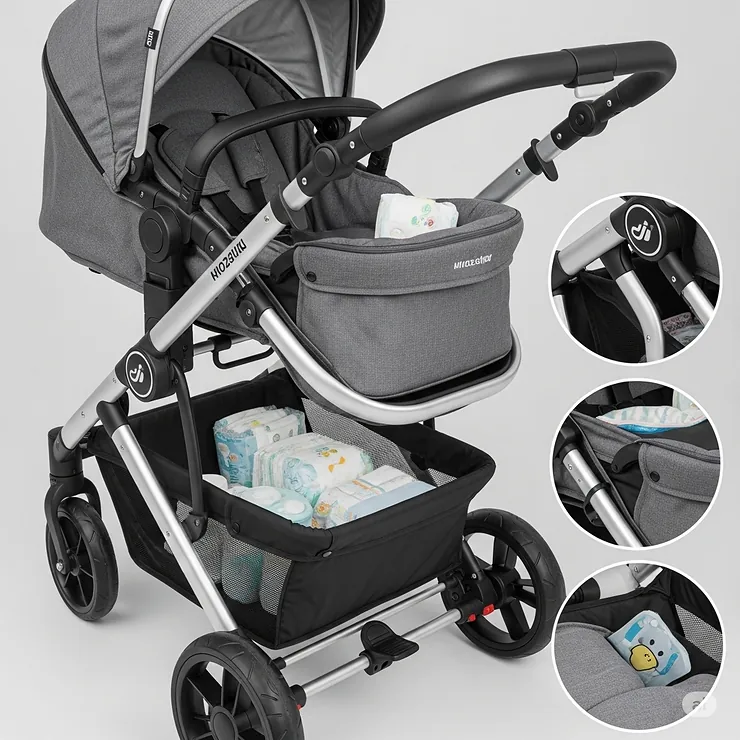
It’s the crossover for parents who want a jogger’s tires without giving up everyday conveniences. Graco packs in a parent tray with two cup holders and covered storage, plus a child tray of its own.
The specs: about 26.2 pounds, a 50-pound child limit, air-filled rubber tires with visible suspension, a locking front swivel wheel and a one-hand, self-standing fold. A self-standing fold means it stays upright in a closet instead of toppling over. The locking swivel is what lets it go from errands to a steady run. It also accepts Graco infant car seats with a one-step connection, giving you a travel system for walks from day one.
My analytical take: this is the “everything in one box” option for families who value cup holders and a tether more than trail-grade suspension. Keep the parent tray empty when running, since loose items bounce.
I couldn’t verify a trustworthy aggregate rating from the sources available, and one major retailer listing showed it out of stock during research. Check current availability and read recent reviews yourself.
Pros:
- ✅ Parent and child trays included
- ✅ Self-standing one-hand fold
- ✅ Works with Graco infant car seats
Cons:
- ❌ 50 lb child limit
- ❌ Heavier than the Baby Trend Expedition Jogger
Expect roughly the $150-$200 range. It’s good value for families who’ll use those extras daily.
3. Joovy Zoom 360 Ultralight — huge canopy, small fold
Its folded footprint is the standout. One lab measured about 14,515 cubic inches folded, among the smallest in its group, and reviewers note it meets Disney park stroller size rules.
It weighs about 26 pounds (a lab measured 25.9), which is average for a jogger despite the “Ultralight” name. Handlebar and brakes are where the compromises show up: the bar doesn’t adjust and the only brake is a foot bar. For tall or short parents the fixed bar can feel awkward, and without a hand brake long downhills demand more leg work. Car seat adapters, about $40, are sold separately. Reviewers cite a weight limit as high as 75 pounds, so confirm the figure in the manual before relying on it.
What stands out is everyday usability: a responsive push, a canopy that extends well past the knees, and a roomy seat for taller kids. Lab testers flagged tippiness in sharp high-speed turns and subpar straight-line tracking, so the verdict is that it’s built for walkers and casual joggers rather than racers.
Owners praise the ride and canopy; some find unfolding tedious.
Pros:
- ✅ Folds smaller than most joggers
- ✅ Giant canopy and roomy seat
- ✅ Easy, responsive turns on pavement
Cons:
- ❌ Non-adjustable handlebar
- ❌ Weaker tracking for serious runners
It sits in the mid-range tier. I couldn’t verify a stable current price, so check before buying. Best value for city walkers.
4. Chicco Activ3 — click-in seat compatibility, no adapters
If you already own a Chicco infant seat, this one’s easiest to pair with it. Any Chicco infant car seat clicks in via the included arm bar, no adapter required.
Chicco lists 27.5 pounds, and an independent lab measured 27.1. The tires are treaded rubber with foam cores, so there’s nothing to pump and nothing to puncture. A console on the handlebar combines the parking brake and the front-wheel swivel lock. The 50-pound child limit and 10-pound basket rating are respectable. Chicco also states the stroller is made without added fire-retardant chemicals, PFAS, BPA or phthalates.
Here’s the honest analysis. A lab reviewer found it heavy and bulky for its class, called it poor for running, and counted an 11-step fold. So treat it as a sturdy everyday crossover that handles light jogging, not a dedicated runner’s tool. The manufacturer’s own site shows a 4.6 out of 5 rating from about 60 ratings, which is encouraging but self-reported.
Pros:
- ✅ Chicco infant seats click in directly
- ✅ Foam-filled tires never need pumping
- ✅ Handlebar console controls brake and lock
Cons:
- ❌ Heavy for its class at ~27 lb
- ❌ Folding takes many steps
Expect mid-range pricing; a bundled travel system listing I found ran well above the stroller alone, so compare configurations. Good value for Chicco households.
5. Baby Jogger City Mini GT2 — city-first with all-wheel suspension
This is the odd one out, deliberately. It’s a 3 wheel pram stroller for sidewalks, curbs and stairwells, not for running. A retailer listing states plainly that it isn’t intended for jogging.
Weight is about 21-22 pounds depending on the source, the lightest here. Never-flat rubber tires, all-wheel suspension, a one-hand fold with auto-lock and a UPF 50+ canopy round out the package. Capacity is up to 65 pounds on a U.S.-oriented retailer listing, though a Canadian listing showed a lower figure, so check your region’s manual. Light weight is the point if you carry the stroller up stairs or onto buses.
One lab found the stroller could tip backward when a child’s weight sat near the top of the seatback, and its hand brake takes finessing. Overall testers called it a solid performer if not an award winner, and noted construction felt slightly less premium than older versions.
Pros:
- ✅ Lightest stroller in this lineup
- ✅ One-hand fold with auto-lock
- ✅ Adapters available for many infant seats
Cons:
- ❌ Not designed for jogging
- ❌ Can tip back with weight high on seatback
It’s priced in the upper-mid tier; I couldn’t confirm a stable current price. For stair-heavy city life, it earns its price.
6. BOB Revolution Flex 3.0 — the trail-ready benchmark
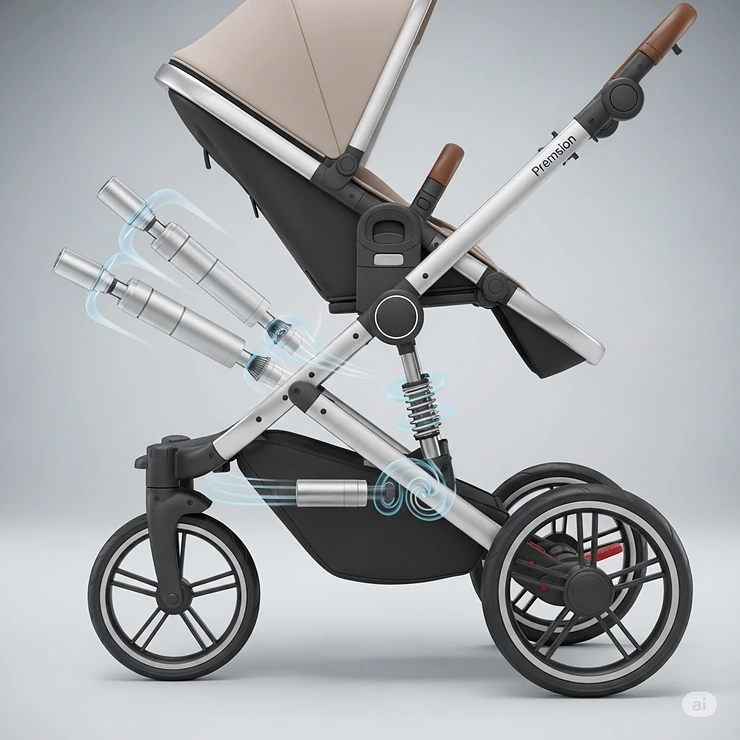
Most “best jogging stroller” roundups I found put it at or near the top, and the spec sheet explains why: a 12-inch front wheel, 16-inch rear wheels, a mountain-bike-style suspension and a swivel-lock front wheel with adjustable tracking.
It weighs 28.5 pounds and folds to roughly 38 x 25 x 16 inches with wheels on. Capacity is 75 pounds. Large wheels roll over roots and gravel instead of banging into them. Adjustable tracking lets you correct a drift to one side. A nine-position handlebar fits tall and short runners alike. BOB recommends waiting until a baby is at least 8 months old for running or off-road use.
The tradeoff is bulk. One lab called it heavy and bulky as a car seat combination, and one reviewer noted it could be too much to lift for a new mom. Owner feedback splits: many call it a favorite, while some report wheel and axle problems and slow customer support.
Pros:
- ✅ Adjustable front-wheel tracking
- ✅ Nine-position handlebar fits any height
- ✅ 75 lb capacity grows with your child
Cons:
- ❌ Bulky and heavy to lift
- ❌ Some owners report wheel durability issues
Listings put it around $550-$650. If you run or hike weekly, the value verdict is strong; for strolling only, it’s overkill.
7. Thule Urban Glide 3 — lighter premium with a hand brake
The twist hand brake gives it a standout advantage. Squeeze it going downhill and you control speed without stomping a foot pedal.
It weighs 26.2 pounds, rolls on 16-inch air-filled tires, and has a swivel front wheel that locks for speed. The seat has a built-in legrest, magnetic buckles and a full-coverage ventilated canopy. Total capacity is 75 pounds, but the maximum child weight is 48.5 pounds. The gap allows for cargo. Running starts at 6 months; for newborn walks you’d use a newborn nest, bassinet or compatible infant car seat. A newer Thule Urban Glide 4 exists, so compare the two before spending.
Reviewers on one baby-gear retailer rate it about 4.6-4.7 out of 5 across roughly 60 reviews, often praising smooth jogging routines. A few owners voice strong dissatisfaction, so skim recent reviews before committing.
Pros:
- ✅ Twist hand brake controls downhills
- ✅ Built-in legrest and ventilated canopy
- ✅ Lighter than the BOB Revolution Flex 3.0
Cons:
- ❌ Priciest stroller of the seven
- ❌ 48.5 lb child cap despite 75 lb rating
Expect around $800. It’s worth it for serious runners; otherwise it’s more stroller than most families need.
| Stroller | Wheels / Tires | Child Limit | Car Seat Route | Price Range |
|---|---|---|---|---|
| Baby Trend Expedition Jogger | Air-filled rubber | 50 lb / 42″ | Baby Trend seats only | ~$110-$160 |
| Graco Trax Jogger 2.0 | Air-filled rubber | 50 lb | Graco infant seats | ~$150-$200 |
| Joovy Zoom 360 Ultralight | Large air-filled | Up to 75 lb reported (confirm) | Adapters, ~$40 extra | Mid-range (verify) |
| Chicco Activ3 | Foam-filled rubber | 50 lb | Chicco seats click in | Mid-range (verify) |
| Baby Jogger City Mini GT2 | Never-flat rubber | 65 lb (U.S. listing) | Many adapters | Upper-mid (verify) |
| BOB Revolution Flex 3.0 | 12″ front, 16″ rear air-filled | 75 lb | Adapters sold separately | ~$550-$650 |
| Thule Urban Glide 3 | 16″ air-filled | 48.5 lb child (75 lb total) | Newborn nest, bassinet or car seat | ~$800 |
The table makes the lifespan story clear. The Baby Trend Expedition Jogger, Graco Trax Jogger 2.0 and Chicco Activ3 share a 50-pound ceiling, while the BOB Revolution Flex 3.0 and Joovy Zoom 360 Ultralight list higher limits. A taller kid could age out of the budget trio first, which narrows the real price gap over time. And the car seat column matters more than it looks: the Chicco Activ3 and Graco Trax Jogger 2.0 are the easiest if you already own those brands’ seats.
Real-World Scenarios: Matching a 3 Wheel Pram Stroller to Your Life
Specs are abstract. Lives are specific. Here are three buyer profiles and the reasoning behind each match.
Scenario one: the new runner on a $200 budget. You’ll jog three mornings a week on a paved park loop, with a baby who just passed 6 months. Smooth pavement and modest mileage mean you don’t need trail suspension. The Baby Trend Expedition Jogger or the Graco Trax Jogger 2.0 fits, with the Graco ahead if you want trays and cup holders, and the Baby Trend ahead if trunk lifting matters more.
Scenario two: the city commuter with a fifth-floor walk-up. You’ll walk roughly 8 miles a week, carry the stroller up stairs and hop on transit. Weight and fold size outrank wheel size. The Baby Jogger City Mini GT2 wins on weight; the Joovy Zoom 360 Ultralight wins on compact fold and canopy coverage. Don’t expect either to be your running stroller, and remember the GT2 isn’t built for jogging at all.
Scenario three: the weekend trail family. You’ll hit gravel paths and forest trails every Saturday, plus midweek runs, with a child you hope to push until preschool. The BOB Revolution Flex 3.0 gives you big wheels, adjustable tracking and a high capacity. The Thule Urban Glide 3 counters with a hand brake that makes hilly routes less stressful. If long-term use is the plan, the higher price spreads over several years.
Your First 30 Days: Setup and Maintenance for a 3 Wheel Pram Stroller
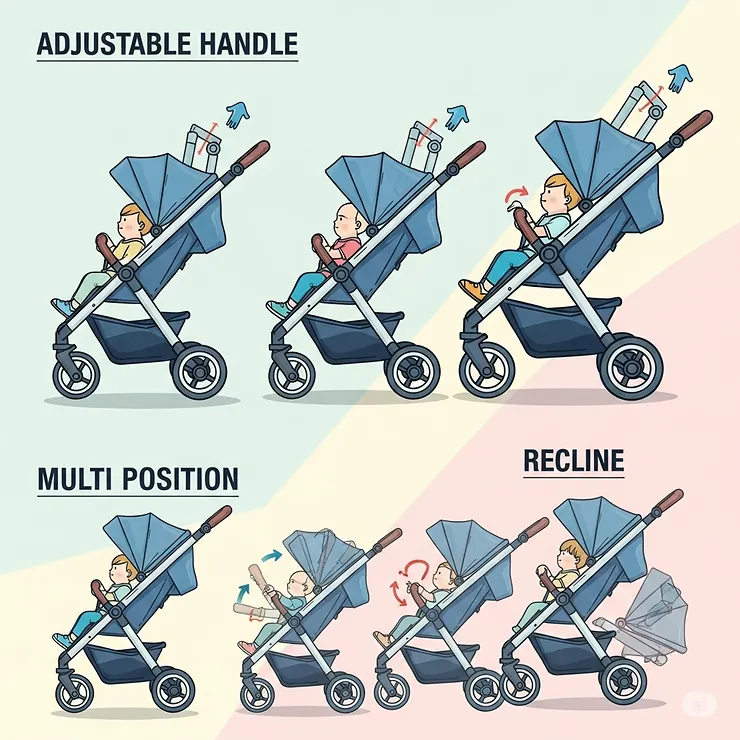
Most 3 wheel pram stroller problems show up in the first month, usually because of rushed setup. Work through this checklist.
Days 1-3: setup. Attach the wheels until you hear or feel them lock, then tug each one firmly. Check tire pressure against the number printed on the tire sidewall if you have air-filled tires. Foam-filled tires like those on the Chicco Activ3 skip this step. Practice folding and unfolding a few times so it isn’t a roadside struggle.
Days 4-10: dry runs. Put a weighted bag in the seat and push it, as pediatric experts suggest, before your child rides. Lock the front wheel, walk straight, and see whether it drifts. Models with adjustable tracking, such as the BOB Revolution Flex 3.0, let you correct it.
Days 10-30: build the habit. Always buckle the harness and use the wrist tether. A pediatric group citing AAP guidance advises running only once a baby is at least 6 months old, sticking to smooth surfaces until around 12 months, and checking tire inflation and loose screws every few weeks. Put that check on a monthly calendar reminder.
Common first-month mistakes: hanging heavy bags from the handlebar, running with the front wheel unlocked, and forgetting that a child who isn’t exercising can get colder than you do.
Problem → Solution Guide for 3 Wheel Pram Stroller Owners
Even good strollers misbehave. Here are the most common complaints and the fix for each.
Problem: it pulls to one side. First check tire pressure on both rear wheels. If those match, use the tracking adjustment if your model has one, as the BOB Revolution Flex 3.0 does. The Joovy Zoom 360 Ultralight lacks that feature, and testers flagged its tracking, so uneven pressure is the first suspect there.
Problem: squeaky wheels. Graco’s care guidance recommends a light oil on squeaky wheels. Wipe off the excess so it doesn’t collect grit.
Problem: a flat tire on a long weekend. Air-filled tires offer a cushier ride but need a pump. Foam-filled tires, like those on the Chicco Activ3, never go flat but ride a touch firmer. Pack a small pump or choose foam for hassle-free use.
Problem: your child slouches. Check the harness height and crotch strap first. Rolled-up small blankets along the seat sides can help a wobbly sitter, and a baby who still can’t hold their head up should be walked, not jogged.
Problem: it won’t fit the trunk. Measure the folded size before buying. The Joovy Zoom 360 Ultralight folds among the smallest of the seven, while the BOB Revolution Flex 3.0 is the bulkiest.
How to Choose a 3 Wheel Pram Stroller
Here’s the short answer, in order of importance.
- Decide whether you’ll actually run. Real running needs a locking front wheel, a wrist tether and decent suspension. If you’re strolling only, a Baby Jogger City Mini GT2 style saves weight and money.
- Respect your baby’s age. Pediatric sources cited by Healthline say jogging strollers are generally safe for babies at 6 to 8 months, and that the front wheel should be locked when running.
- Compare real child limits. A 50-pound cap and a 75-pound cap can mean a year or more of extra use.
- Check wheel size and type. Bigger, air-filled wheels roll over bumps; foam-filled ones skip flats.
- Look for a hand brake or reliable foot brake. A hand brake like the Thule Urban Glide 3 twist brake controls downhills.
- Measure your trunk and storage. A bulky fold means little if it won’t fit your car.
- Match your infant car seat. Confirm adapters or direct compatibility before you buy, and factor in adapter cost.
Whatever you pick, set your budget last. The cheapest 3 wheel pram stroller that meets steps 1 through 7 is usually the right answer.
3 Wheel Pram Stroller vs 4 Wheel Pram: Which Wins?
| Factor | 3 Wheel Pram Stroller | 4 Wheel Pram |
|---|---|---|
| Rough terrain | Larger wheels roll over bumps better | Smaller wheels catch on cracks |
| Tight turns indoors | Swivel front wheel helps, but footprint is often long | Often easier in cramped aisles |
| Running | Built for it (locking front wheel) | Rarely suitable |
| Folded size | Often bulkier | Often more compact |
| Best For | Parks, trails, active parents | Shopping malls, travel, tight spaces |
The honest split is lifestyle. If your week includes gravel paths, sidewalks with cracks, or jogging, a three-wheel layout gives you a smoother ride and straighter tracking. If you live in a small apartment, shop in crowded stores and take a lot of public transit, a four-wheel stroller can be easier to park and turn. That’s why a city-first model like the Baby Jogger City Mini GT2 sits in the middle: it borrows the three-wheel look but skips the running features.
Also remember that stroller categories overlap. A 3 wheel pram stroller isn’t automatically a jogging stroller, so confirm the manufacturer says it’s jogging-rated before you run with it.
✨ Don’t Miss These Exclusive Deals!
🔍 Take your next walk, jog or trail adventure to the next level with these carefully selected strollers. Click on any highlighted product name to check current pricing and availability. The right 3 wheel pram stroller will help you get outdoors with confidence and enjoy every mile together!
Features That Actually Matter (And Those That Don’t)
Stroller marketing is loud. Here’s how to filter it.
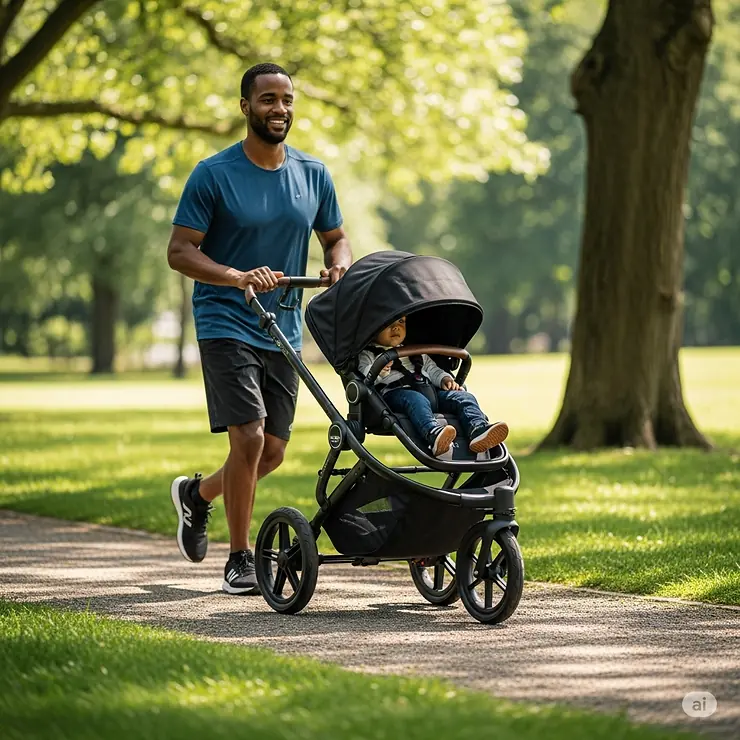
Features worth paying for: a locking front wheel (essential for running), a 5-point harness, a reliable parking brake and well-sized wheels. Adjustable tracking helps if you run regularly, and a hand brake is a genuine safety upgrade on hilly routes. A high child-weight limit matters if you want one stroller for years.
Features that sound better than they are: parent consoles and cup holders are nice for walking, but you shouldn’t load them while running, since weight and bouncing change the stroller’s balance. A giant canopy is lovely until you realize you won’t use it at dusk. Extra-premium fabrics matter little compared with the frame and wheels.
What the spec sheet won’t tell you: how it feels to fold in a parking lot. One lab counted 11 steps for the Chicco Activ3 fold, while the Baby Jogger City Mini GT2 folds with one hand. That daily annoyance matters more than a fashionable color.
A quick rule: spend extra on wheels, brakes and capacity. Skip extras you can add later, like cup holders, rain covers and sun shields. Remember that some strollers, like the Joovy Zoom 360 Ultralight, don’t have a manufacturer rain cover available.
What to Expect: Real-World Performance
Specs turn into feelings once you start pushing. A 3 wheel pram stroller with 16-inch rear wheels, like the BOB Revolution Flex 3.0 or Thule Urban Glide 3, tends to roll over curbs and cracks with less jarring. A lab reviewer described the BOB Revolution Flex 3.0 as a breeze to push and turn, which matches what its wheel geometry would suggest.
Lighter models feel different. The Baby Trend Expedition Jogger and Baby Jogger City Mini GT2 are easier to lift but give you less mass on rough ground. And weight distribution matters: a stroller that feels twitchy at speed, as testers reported for the Joovy Zoom 360 Ultralight, will need two hands and some attention in turns.
Storage tells another story. A 5-pound basket limit on the Baby Trend Expedition Jogger means you pack light, while the Chicco Activ3 allows 10 pounds. Always stay under the limits printed on the stroller.
Finally, expect a short learning curve. Locking and unlocking the front wheel, adjusting tracking and folding will feel clumsy for the first week, then become second nature.
Long-Term Cost & Maintenance
The sticker price is only the opening bid. Total cost depends on how long you’ll use the stroller and what you add.
| Stroller | Price Range | Typical Extras | Best For |
|---|---|---|---|
| Baby Trend Expedition Jogger | ~$110-$160 | Baby Trend car seat | Short-term budget use |
| Graco Trax Jogger 2.0 | ~$150-$200 | Graco car seat | Family walks plus light jogging |
| BOB Revolution Flex 3.0 | ~$550-$650 | Car seat adapter, rain or sun shield | Multi-year active use |
| Thule Urban Glide 3 | ~$800 | Bassinet or newborn nest for early months | Serious runners, long-term |
A stroller used for three years through two children can cost less per month than a cheaper model replaced early, as the premium units often hold resale value. Budget models make sense if you expect shorter use or a second stroller later.
Maintenance costs are small but real: a bike pump, tire tubes for air-filled models, a drop of oil for squeaky wheels, and occasional replacement parts. Some owners report difficulty getting replacement wheel parts for the BOB Revolution Flex 3.0, so check parts availability if you plan to resell or use it for years.
Safety, Regulations, and Compliance Guide
Safety isn’t glamorous, but it’s the part you can’t skip. In the United States, strollers fall under a mandatory federal standard, 16 CFR part 1227, which incorporates ASTM F833. The CPSC’s carriages and strollers page explains that the rule targets risks tied to stability, brakes, restraints, latches, folding mechanisms and wheels, and it requires children’s products to pass third-party testing. The page also identifies the mandatory edition of ASTM F833; one published rule made F833-21 effective in February 2022, but check the CPSC page for the current version.
What that means for you: a new stroller from a reputable seller should carry the compliance and labeling information. If you buy used, check the model for recalls on cpsc.gov and look for the manufacture date, a registration card and intact labels.
Follow the manufacturer’s age guidance. The BOB Revolution Flex 3.0 is meant for running only after about 8 months, and the Baby Jogger City Mini GT2 is not meant for jogging at all. Never jog with an infant car seat attached, always use the harness and wrist tether, and always lock the front wheel when running.
FAQ
❓ Can I use a 3 wheel pram stroller from birth?
❓ How much should I spend on a 3 wheel pram stroller?
❓ Are 3 wheel pram strollers hard to fold or store?
❓ Do I need air-filled tires on a 3 wheel pram stroller?
❓ Where can I check current prices for a 3 wheel pram stroller?
Conclusion
Choosing a 3 wheel pram stroller comes down to one honest question: how will you really use it? If you want a first jogger without a big bill, the Baby Trend Expedition Jogger and Graco Trax Jogger 2.0 are worth a look. If your life is stairs, buses and sidewalks, the Baby Jogger City Mini GT2 or Joovy Zoom 360 Ultralight suits it better. Chicco households may prefer the Chicco Activ3. And if you plan to run regularly or head to trails, the BOB Revolution Flex 3.0 and Thule Urban Glide 3 earn their premium price through wheels, brakes and capacity.
Whichever you choose, follow the age guidance, lock the front wheel when running, buckle the harness every time and do the monthly tire-and-screw check. Verify current prices, return policies and availability before you buy, because they shift often. A thoughtful pick now beats a rushed replacement later.
✨ Ready to find your match? 🔍 Click on any highlighted stroller name above to check current pricing and availability, and find the 3 wheel pram stroller that fits your family’s pace. Happy strolling! 🚶♀️
Recommended for You
- Three Wheel Stroller: 7 Best Picks for 2026
- Best Light Travel Stroller: 7 Top Picks Ranked for 2026
- Best Compact Strollers: 7 Proven Picks for 2026
Disclaimer: This article contains affiliate links. As an Amazon Associate, I earn from qualifying purchases. If you purchase products through these links, we may earn a small commission at no additional cost to you.
✨ Found this helpful? Share it with your friends! 💬🤗
