

In This Article
Picture this: It’s 3 AM, and your 4-month-old has kicked off their blanket for the third time tonight. You’re exhausted, worried about safe sleep guidelines, and desperately seeking a solution. Enter the sleep sack for 4 month old babies – your secret weapon for peaceful, safe slumber.
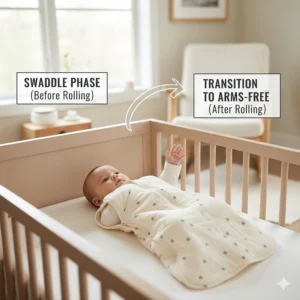
A sleep sack for 4 month old is a wearable blanket that keeps your baby cozy without the risks associated with loose bedding. At four months, your little one is likely becoming more active, starting to roll, and definitely kicking off traditional blankets. This developmental stage makes sleep sacks not just convenient, but essential for following safe sleep recommendations from the American Academy of Pediatrics (AAP).
Unlike regular blankets that can pose suffocation risks, sleep sacks provide consistent warmth while allowing your baby freedom to move safely. They’re designed with your growing baby’s needs in mind – breathable fabrics, temperature regulation, and easy diaper access. Whether you’re dealing with the dreaded 4-month sleep regression or simply want to establish better sleep habits, choosing the right sleep sack for 4 month old can transform bedtime from stressful to peaceful.
In this comprehensive guide, I’ll walk you through everything you need to know about selecting the perfect sleep sack for your 4-month-old, from understanding TOG ratings to finding the ideal fit for your baby’s unique needs.
Quick Comparison Table
| Sleep Sack | Material | TOG Rating | Price Range | Best For |
|---|---|---|---|---|
| HALO SleepSack | 100% Cotton | 0.5 – 3.0 | $20-$35 | Hospital-trusted safety |
| Kyte Baby Sleep Bag | Bamboo Rayon | 0.5 – 2.5 | $40-$55 | Temperature regulation |
| Nested Bean Zen Sack | 100% Cotton | 0.5 | $35-$50 | Sleep regression help |
| Woolino 4 Season | Merino Wool | 4-Season | $90-$110 | Year-round use |
| Yoofoss Sleep Sack | Organic Cotton | 0.5 – 1.0 | $18-$28 | Budget-friendly |
| HALO SuperSoft Bamboo | Bamboo Viscose | 1.5 | $30-$40 | Ultra-soft comfort |
| BubblePanda Bamboo | Bamboo Rayon | 0.5 – 1.0 | $22-$32 | Value & quality |
💬 Just one click – help others make better buying decisions too!😊
Top 7 Sleep Sacks for 4 Month Old: Expert Analysis
1. HALO SleepSack – The Hospital Gold Standard
The HALO SleepSack is the number one choice in hospitals nationwide, and for good reason. This iconic sleep sack for 4 month old babies offers unmatched safety credentials and practical design.
Key Specifications:
- Material: 100% cotton double-knit construction
- Available TOG ratings: 0.5, 1.0, 1.5, 2.0, 3.0
- Sizes: Newborn to X-Large (18-24 months)
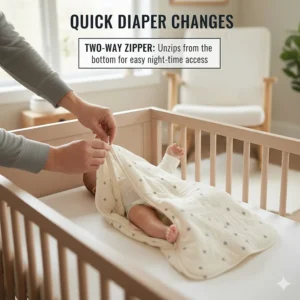
- Features: Inverted bottom zipper, sleeveless design
Parents love the versatility – you can choose from lightweight cotton for summer (TOG 0.5) or cozy micro-fleece for winter (TOG 3.0). The inverted zipper is genius for midnight diaper changes, opening from the bottom without disturbing your sleeping baby.
Pros:
✅ Endorsed by hospitals nationwide
✅ Hip Healthy certification from International Hip Dysplasia Institute
✅ Multiple fabric and TOG options
Cons:
❌ Cotton versions may shrink slightly after washing
❌ Some parents find sizing runs small
Price: $20-$35 depending on fabric and TOG rating
Customer feedback: Parents report babies sleep 2-3 hours longer with consistent use, especially appreciate the “Back is Best” embroidery reminder.
2. Kyte Baby Sleep Bag – Bamboo Luxury
The Kyte Baby Sleep Bag has earned cult status among parents for its buttery-soft bamboo fabric and superior temperature regulation – perfect for that unpredictable 4-month phase.
Key Specifications:
- Material: 97% bamboo rayon, 3% spandex
- TOG ratings: 0.5, 1.0, 2.5
- Sizes: Extra Small (0-6 months) to Large (18-36 months)
- Features: J-shaped double zipper, zipper garage
The bamboo fabric is naturally moisture-wicking and hypoallergenic, making it ideal for babies with sensitive skin or eczema. The 1.0 TOG version works beautifully for room temperatures between 69-73°F – the sweet spot for most nurseries.
Pros:
✅ Exceptional softness and breathability
✅ Helps soothe eczema symptoms
✅ Wide range of modern colors and prints
Cons:
❌ Higher price point
❌ Must air dry to maintain quality
Price: $40-$55
Customer feedback: Parents rave about the quality, with many saying it’s worth every penny for the improved sleep and skin benefits.
3. Nested Bean Zen Sack – Weighted Comfort Technology
The Nested Bean Zen Sack features gently weighted Cuddle Pads that mimic your reassuring touch – a game-changer during the notoriously difficult 4-month sleep regression.
Key Specifications:
- Material: 100% cotton or bamboo/cotton blend
- TOG rating: 0.3 (Premier) or 0.5 (Classic)
- Weight: 30-90 grams distributed on chest
- Features: 2-way zipper, adjustable shoulder snaps
The weighted design is backed by research from pediatric pulmonologists and has helped over 2 million families. The gentle pressure on the chest mimics your palm, helping babies self-soothe and transition between sleep cycles.
Pros:
✅ Scientifically designed for better sleep
✅ Parents report 1-3 hours additional sleep within days
✅ Reversible for tummy sleepers
Cons:
❌ May not work for all babies
❌ Higher cost than non-weighted options
Price: $35-$50
Customer feedback: About 80% of parents see improvement within one week, though some babies don’t respond to the weighted feature.
4. Woolino 4 Season Sleep Sack – The Ultimate Investment
The Woolino 4 Season Sleep Sack is a premium merino wool option that grows with your baby from 2 months to 2 years – making it the only sleep sack for 4 month old you’ll need to buy.
Key Specifications:
- Material: Merino wool interior, organic cotton exterior
- Universal size: 2-24 months with adjustable snaps
- Temperature range: 63-75°F
- Features: Two-way zipper, underarm snaps, seatbelt slots
Merino wool’s natural temperature-regulating properties mean this works year-round. It keeps babies warm in winter and cool in summer – eliminating the need for multiple TOG-rated sacks.
Pros:
✅ Grows with baby for 2 full years
✅ Works in all seasons
✅ Natural, breathable fibers
Cons:
❌ Significant upfront investment
❌ Some babies find wool too warm in summer
Price: $90-$110
Customer feedback: Parents love the value proposition, though some wish there were more size options for petite babies.
5. Yoofoss Organic Cotton Sleep Sack – Budget Champion
The Yoofoss Sleep Sack offers GOTS-certified organic cotton at an accessible price point – proving you don’t need to break the bank for quality.
Key Specifications:
- Material: 100% GOTS-certified organic cotton
- TOG ratings: 0.5 for summer, 1.0 for year-round
- Sizes: 0-6, 6-12, 12-18, 18-24 months
- Features: 2-way zipper, zipper guard
This is an excellent starter sleep sack for 4 month old babies, especially if you’re testing whether your baby likes the concept. The 3-pack options provide great value, and the quality rivals more expensive brands.
Pros:
✅ Excellent value for money
✅ GOTS organic certification
✅ Available in convenient 3-packs
Cons:
❌ Thinner fabric than premium brands
❌ Limited color/pattern selection
Price: $18-$28
Customer feedback: Parents appreciate the quality at this price point, calling it a “no-brainer” for trying out sleep sacks.
6. HALO SuperSoft Bamboo SleepSack – Premium Softness
The HALO SuperSoft Bamboo edition combines HALO’s trusted design with luxurious bamboo viscose fabric for ultra-soft comfort.
Key Specifications:
- Material: Viscose made from bamboo
- TOG rating: 1.5
- Sizes: Small (0-6 months) to Large (12-18 months)
- Features: Inverted zipper, sleeveless design
This version offers the best of both worlds – HALO’s hospital-endorsed safety features with the temperature-regulating benefits of bamboo. Perfect for parents who want premium softness without leaving the trusted HALO ecosystem.
Pros:
✅ HALO’s safety reputation
✅ Bamboo’s temperature regulation
✅ Hip Healthy certified
Cons:
❌ Mid-high price range
❌ Limited TOG options
Price: $30-$40
Customer feedback: Parents transitioning from regular HALO love the upgraded softness while maintaining the familiar design.
7. BubblePanda Bamboo Sleep Sack – Value Meets Quality
The BubblePanda Sleep Sack offers bamboo rayon softness at a fraction of premium brand prices – perfect for parents wanting quality on a budget.
Key Specifications:
- Material: Bamboo rayon blend
- TOG ratings: 0.5, 1.0
- Sizes: 0-6, 6-12, 12-18 months
- Features: 2-way zipper, breathable construction
This relative newcomer has quickly gained fans for delivering Kyte Baby-level softness at nearly half the cost. The bamboo fabric is naturally hypoallergenic and moisture-wicking.
Pros:
✅ Excellent price-to-quality ratio
✅ Soft, breathable bamboo fabric
✅ Good zipper quality
Cons:
❌ Fewer color options
❌ Newer brand with less track record
Price: $22-$32
Customer feedback: Many parents compare it favorably to more expensive brands, calling it their “best-kept secret.”
🛍️ Don’t Miss These Exclusive Deals!
✨ Take your baby’s sleep to the next level with these carefully selected products. Click on any highlighted item above to check current pricing and availability on Amazon. These sleep sacks will help you create authentic safe sleep habits your baby will love!
Understanding TOG Ratings: The Temperature Guide
TOG (Thermal Overall Grade) measures how well a fabric retains heat. Think of it as your sleep sack’s warmth rating – crucial for choosing the right sleep sack for 4 month old based on your nursery temperature.
TOG Rating Breakdown:
0.5 TOG – Summer Weight
Perfect for room temperatures 74-78°F (23-26°C). Ultra-lightweight and breathable, ideal for warm summer nights or well-heated homes. Your baby should wear just a diaper or light onesie underneath.
1.0 TOG – Year-Round Moderate
Best for temperatures 69-73°F (21-23°C). This is the most versatile option – suitable for spring, fall, and temperature-controlled homes. Dress baby in a bodysuit or light pajamas underneath.
1.5 TOG – Cooler Weather
Ideal for 68-72°F (20-22°C). Great for cooler autumn evenings or if you keep your thermostat lower. Pair with regular pajamas for optimal warmth.
2.5 TOG – Winter Warmth
For temperatures 61-68°F (16-20°C). These insulated options keep babies cozy during cold winter months. Use with standard sleepwear, adjusting layers as needed.
3.0 TOG – Deep Winter
For very cold rooms below 61°F (16°C). Often made with fleece or quilted materials for maximum warmth.
Quick Temperature Check
The best way to tell if your baby is comfortable? Feel the trunk of their body (chest, back, or belly). It should feel warm but not hot or sweaty. Cold hands and feet are normal – they’re not reliable indicators of your baby’s overall temperature.
Sizing Guide: Getting the Perfect Fit
Choosing the right size sleep sack for 4 month old is critical for both safety and comfort. Here’s what you need to know:
General Sizing Standards:
Most brands offer these approximate sizes:
- Newborn: 0-3 months (6-12 lbs)
- Small: 0-6 months (12-18 lbs)
- Medium: 6-12 months (16-24 lbs)
- Large: 12-18 months (22-28 lbs)
The Four-Month Sweet Spot
At 4 months, most babies fit the Small size (0-6 months) or are transitioning to Medium (6-12 months), depending on their growth curve. Always check:
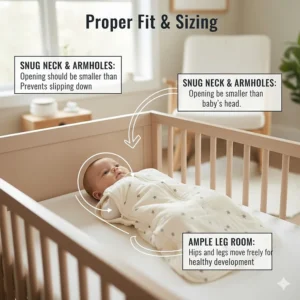
Neck Opening: Should be snug enough that baby can’t slip down into the sack but roomy enough to fit two adult fingers comfortably.
Armholes: Appropriately sized to prevent wiggling arms through but not so loose baby could slip sideways.
Length: Baby’s feet shouldn’t be able to touch the bottom – allow at least 4-6 inches of extra room for kicking and movement.
When to Size Up
Time for the next size when:
- Baby’s shoulders are at the armhole seam
- Toes consistently touch the bottom
- Diaper changes become difficult due to tight fit
- Neck opening seems snug
Pro Tip from Experience
Never size up thinking baby will “grow into it.” An oversized sleep sack for 4 month old poses safety risks, including the possibility of baby slipping down inside or fabric covering their face. When in doubt, choose the size that fits now, not later.
Safety First: AAP Guidelines for Sleep Sacks
According to the American Academy of Pediatrics, safe infant sleep practices can significantly reduce the risk of Sudden Infant Death Syndrome (SIDS). Sleep sacks are actually recommended as a safer alternative to loose blankets.
Essential Safety Rules:
1. Back Sleep Only
Always place your 4-month-old on their back to sleep, even in a sleep sack. Once baby can roll both ways independently, they can be left in whatever position they naturally assume.
2. Firm, Flat Surface
Use sleep sacks only on firm, flat mattresses in cribs, bassinets, or play yards that meet Consumer Product Safety Commission (CPSC) standards. Never use on inclined surfaces.
3. Nothing Else in the Crib
The sleep sack replaces loose blankets. Keep the sleep space free of pillows, stuffed animals, bumpers, or any other items.
4. Appropriate Temperature
Avoid overheating by choosing the correct TOG rating and layering appropriately underneath. Baby’s chest should feel warm but not hot.
5. Proper Fit
Ensure the sleep sack fits correctly around neck and armholes. Too large poses entanglement risks; too small restricts movement.
6. Stop Swaddling at Rolling
Once your baby shows signs of rolling (often around 3-4 months), transition from swaddling to arms-out sleep sacks immediately.
What to Avoid:
❌ Weighted blankets or excessively weighted products (some lightly weighted sleep sacks like Nested Bean are designed specifically for infant safety)
❌ Sleep sacks with loose hoods or attachments
❌ Using sleep sacks in car seats (except those specifically designed for it)
❌ Layering multiple sleep sacks
For comprehensive safe sleep guidelines, visit HealthyChildren.org, the AAP’s official parenting website.
Benefits of Using a Sleep Sack for 4 Month Old
Beyond safety compliance, sleep sacks offer remarkable advantages during this challenging developmental period.
1. Handles the 4-Month Sleep Regression Like a Pro
The infamous 4-month sleep regression hits when babies transition from newborn sleep patterns to more adult-like cycles. A consistent sleep sack for 4 month old becomes a powerful sleep cue. When you zip up that familiar sack, your baby’s brain recognizes “it’s sleep time,” regardless of the chaos happening developmentally.
2. Temperature Regulation Without Guesswork
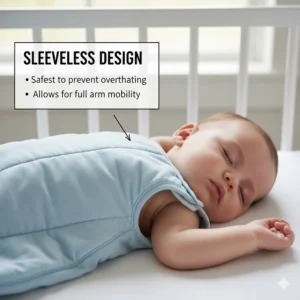
Four-month-olds can’t regulate body temperature effectively yet. A properly chosen sleep sack maintains optimal warmth throughout the night, even as your baby kicks and moves. No more worrying whether they’ve kicked off their blanket and are getting cold.
3. Freedom to Roll Safely
Around 4 months, babies begin working on rolling skills. A sleep sack for 4 month old provides the freedom to practice these movements safely while sleeping, unlike swaddles which must be discontinued when rolling begins.
4. Consistent Sleep Environment
Whether you’re traveling, at grandma’s house, or in your own nursery, the sleep sack creates a portable, consistent sleep environment. This consistency is golden for maintaining sleep schedules during this transitional age.
5. Reduces Parent Anxiety
With clear safe sleep guidelines met, you can rest easier knowing your baby is sleeping safely. That peace of mind translates to better sleep for you too.
6. Economic Sense
Quality sleep sacks grow with your baby through adjustable features and generous sizing. One good sleep sack for 4 month old can last through 12 or even 18 months.
Materials Matter: Choosing the Right Fabric
The fabric of your sleep sack for 4 month old dramatically affects comfort, temperature regulation, and durability.
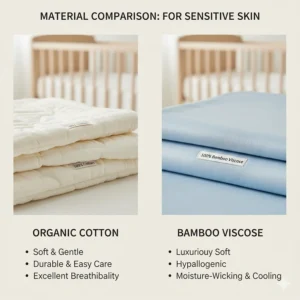
Cotton – The Classic Choice
Benefits:
- Naturally breathable and soft
- Easy care (most are machine washable and dryable)
- Affordable and widely available
- Hypoallergenic for sensitive skin
Best for: Year-round use in temperature-controlled homes, budget-conscious parents
Examples: HALO SleepSack Cotton, Yoofoss Organic Cotton
Bamboo/Bamboo Rayon – Premium Comfort
Benefits:
- Exceptionally soft, often described as “buttery”
- Superior moisture-wicking properties
- Natural temperature regulation
- Antibacterial and hypoallergenic
Best for: Hot sleepers, babies with eczema, luxury seekers
Examples: Kyte Baby, HALO SuperSoft Bamboo
Merino Wool – Natural Thermostat
Benefits:
- Regulates temperature in all seasons
- Moisture-wicking and breathable
- Naturally antimicrobial
- Durable and long-lasting
Best for: Year-round use, variable temperatures, investment piece
Examples: Woolino 4 Season
Micro-Fleece – Winter Warmth
Benefits:
- Extra warm for cold climates
- Soft and cozy texture
- Maintains warmth even when damp
Best for: Winter months, cold nurseries
Examples: HALO Micro-Fleece
Organic Options
Look for GOTS (Global Organic Textile Standard) certification when choosing organic cotton. This ensures the entire production process meets strict environmental and social criteria. Organic options are ideal if you’re concerned about pesticide exposure or chemical treatments on fabrics touching your baby’s skin.
Transitioning from Swaddle to Sleep Sack
Most babies need to transition from swaddles around 3-4 months when rolling begins. Here’s how to make the switch to a sleep sack for 4 month old smooth and successful.
Step 1: Watch for Rolling Signs
If your baby can roll from back to tummy (even once), it’s time to stop swaddling immediately. Don’t wait for consistent rolling – safety first.
Step 2: Start Gradually (Optional)
Some babies transition cold turkey with no issues. Others benefit from a gradual approach:
Night 1-3: Swaddle with one arm out
Night 4-6: Swaddle with both arms out
Night 7+: Full sleep sack transition
Step 3: Choose Transitional Products (If Needed)
Products like the HALO SleepSack Swaddle offer 3-way adjustability (arms in, one arm out, both arms out), making the transition easier. The Nested Bean Zen Sack’s weighted feature can also help babies who relied on swaddle pressure for comfort.
Step 4: Maintain Other Sleep Cues
Keep everything else about bedtime routine consistent – same songs, same timing, same room environment. The sleep sack should be the only change.
Step 5: Be Patient
Expect 3-7 days of adjustment. Some babies adapt immediately; others need a week. Stay consistent, and don’t revert to swaddling if baby struggles initially.
Troubleshooting Transition Issues:
Baby startles awake: The Moro reflex is strong at this age. Try the Nested Bean weighted option or ensure baby is tired enough at bedtime.
Baby fusses during dress: Practice putting on the sleep sack during daytime play so it’s familiar. Make it fun with songs or peek-a-boo.
Baby works arms out: Normal! The sleep sack is meant to have arms free. If concerned about scratching, use built-in hand covers or clip nails regularly.
Sleep Sacks vs. Swaddles vs. Blankets
Understanding the differences helps you choose the right sleep solution for your 4-month-old’s developmental stage.
| Feature | Sleep Sack | Swaddle | Loose Blanket |
|---|---|---|---|
| Age Range | Birth to 2+ years | Birth to rolling | 12+ months only |
| Arms | Free movement | Restricted | Free |
| Safety (4 months) | ✅ Safe | ❌ Unsafe once rolling | ❌ SIDS risk |
| Temperature Control | Excellent | Good | Poor (kicks off) |
| Ease of Use | Simple zipper | Requires wrapping skill | Very easy |
| AAP Recommended | Yes | Only before rolling | Not under 12 months |
| Price Range | $20-$110 | $15-$50 | $5-$20 |
| Developmental Support | Allows movement | Restricts movement | Allows movement |
The Verdict: For a 4-month-old, the sleep sack is the clear winner. Swaddles must be discontinued if baby shows any rolling ability, and loose blankets aren’t safe until after the first birthday according to AAP guidelines.
Caring for Your Sleep Sack
Proper care extends the life of your sleep sack for 4 month old and maintains its safety features.
Washing Guidelines:
Before First Use:
Always wash new sleep sacks before use to remove manufacturing residues and soften fabrics.
Cotton Sleep Sacks:
- Machine wash cold or warm
- Tumble dry low or medium
- Wash every 3-4 uses or as needed
Bamboo Sleep Sacks:
- Machine wash cold on gentle cycle
- Air dry or tumble dry low (check manufacturer instructions)
- Some brands (like Kyte Baby) recommend air drying to preserve softness
- Wash every 3-4 uses
Wool Sleep Sacks (Woolino):
- Machine wash on wool or delicate cycle
- Use wool-safe detergent
- Lay flat or tumble dry low
- Wash less frequently (every 4-6 weeks with spot cleaning between)
Weighted Sleep Sacks (Nested Bean):
- Machine wash cold
- Tumble dry low
- Do not bleach
- Wash every 3-4 uses
Care Tips:
Use Gentle Detergents: Choose fragrance-free, dye-free options to minimize skin irritation. Many parents love baby-specific detergents.
Avoid Fabric Softener: It can reduce the breathability of fabrics and leave residues that may irritate sensitive skin.
Check Zippers Before Washing: Close zippers fully to prevent catching on other items and damaging the zipper or fabric.
Inspect Regularly: Before each use, check for loose threads, damaged zippers, or worn areas that could pose safety hazards.
Have Backups: Own at least 2-3 sleep sacks so you always have a clean one available, especially during illness or accidents.
When to Replace:
Replace your sleep sack for 4 month old when:
- Zipper becomes difficult or catches
- Fabric shows significant wear or thinning
- Holes or tears develop
- Baby has outgrown the size
- Neck or armholes have stretched considerably
Common Concerns and Solutions
“My baby hates the sleep sack!”
Solution: Try different fabrics – some babies prefer soft bamboo while others like structured cotton. Introduce during daytime play first, and ensure you’re not overdressing underneath. The sleep sack should feel cozy, not restrictive.
“Baby keeps wiggling out of armholes”
Solution: You likely need to size down. Armholes should fit snugly (but not tightly) around baby’s upper arms. If between sizes, choose the smaller option for safety.
“How do I know if baby is too hot or cold?”
Solution: Feel the back of baby’s neck or chest (not hands or feet, which are naturally cooler). Skin should be warm but not sweaty. Flushed cheeks and damp hair indicate overheating; cold trunk indicates insufficient warmth.
“Can I use a sleep sack in the car seat?”
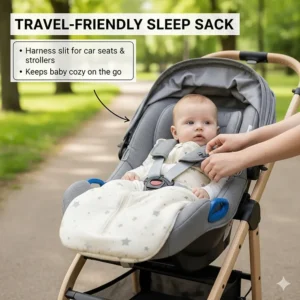
Solution: Most sleep sacks should be removed for car seat safety. However, some brands like Woolino have seatbelt slots designed specifically for this purpose. Always check manufacturer guidelines and ensure nothing interferes with harness placement.
“My baby’s sleep didn’t improve with a sleep sack”
Solution: Sleep sacks support safe sleep but aren’t magic sleep solutions. The 4-month regression is developmental and will pass. Continue using the sleep sack for safety and consistency while addressing other sleep factors like wake windows, nap schedules, and bedtime routines.
“Is it safe to use a sleep sack if baby can stand?”
Solution: Once babies can pull to stand, consider transitioning to a sleep sack with leg openings (like Woolino with feet) or moving to a toddler bed with appropriate blankets. Standard sleep sacks can become trip hazards for standing babies.
Special Considerations
For Preemie or Small Babies
If your 4-month-old was born prematurely or is on the smaller side, you might need Newborn or Preemie sizes even at this age. HALO and some other brands offer specialized sizing. Focus on proper fit over age recommendations.
For Larger or Taller Babies
Conversely, some 4-month-olds are already in the 90th percentile for height. Don’t hesitate to move up to Medium (6-12 month) sizes if your baby has outgrown Small. Brands like Woolino with universal sizing can be especially valuable for bigger babies.
For Babies with Eczema
Bamboo and merino wool fabrics often provide relief for eczema-prone skin due to their moisture-wicking and hypoallergenic properties. Kyte Baby and Woolino receive especially high marks from parents managing baby eczema.
For Room-Sharing Situations
If you’re room-sharing (which AAP recommends for the first 6 months), choose sleep sacks with quiet zippers. Some cheaper zippers can be quite loud during night changes. Magnetic zippers or well-designed traditional zippers make minimal noise.
For Multiple Temperature Zones
If your home has variable temperatures (like older houses with inconsistent heating), consider owning sleep sacks in different TOG ratings or investing in a temperature-adaptable option like Woolino that works across wide temperature ranges.
Frequently Asked Questions
❓ What TOG sleep sack should I use for a 4 month old in summer?
❓ When should I stop using a sleep sack for my baby?
❓ Can my 4 month old sleep in just a diaper under the sleep sack?
❓ Is it safe to use a sleep sack when baby can roll?
❓ How many sleep sacks do I need for my 4 month old?
Conclusion: Sweet Dreams Ahead
Choosing the right sleep sack for 4 month old doesn’t have to be overwhelming. Whether you opt for the hospital-trusted HALO SleepSack, the luxurious Kyte Baby bamboo option, the innovative weighted Nested Bean Zen Sack, or the investment-worthy Woolino 4 Season, you’re making a choice that prioritizes both safety and comfort.
Remember, the best sleep sack is one that fits properly, suits your climate, and meets current AAP safe sleep guidelines. Your 4-month-old is entering an exciting but challenging developmental phase – rolling, sleep regressions, and increased awareness can all disrupt sleep. A quality sleep sack becomes your ally in this journey, providing consistency and safety while allowing your baby the freedom to grow.
The most important factors? Ensure proper fit, choose appropriate TOG for your room temperature, and maintain safe sleep practices. With these foundations in place, you’re setting the stage for better sleep for your entire family.
Sweet dreams to you and your little one – may your nights be peaceful and your mornings well-rested. Trust your instincts, stay consistent, and remember that this challenging phase is temporary. The right sleep sack for your 4 month old can make all the difference.
Recommended for You
- 7 Best Sleep Sacks for Babies Who Roll 2025 (Safe Sleep Guide)
- Best 7 Sleep Sacks for 3 Month Old: 2025 Expert Guide
- 7 Best Newborn Sleep Sacks for Safe Sleep & Peaceful Nights 2025
Disclaimer: This article contains affiliate links. If you purchase products through these links, we may earn a small commission at no additional cost to you.
✨ Found this helpful? Share it with your friends! 💬🤗
