
In This Article
✨Was this helpful? Spread the word! 🚀
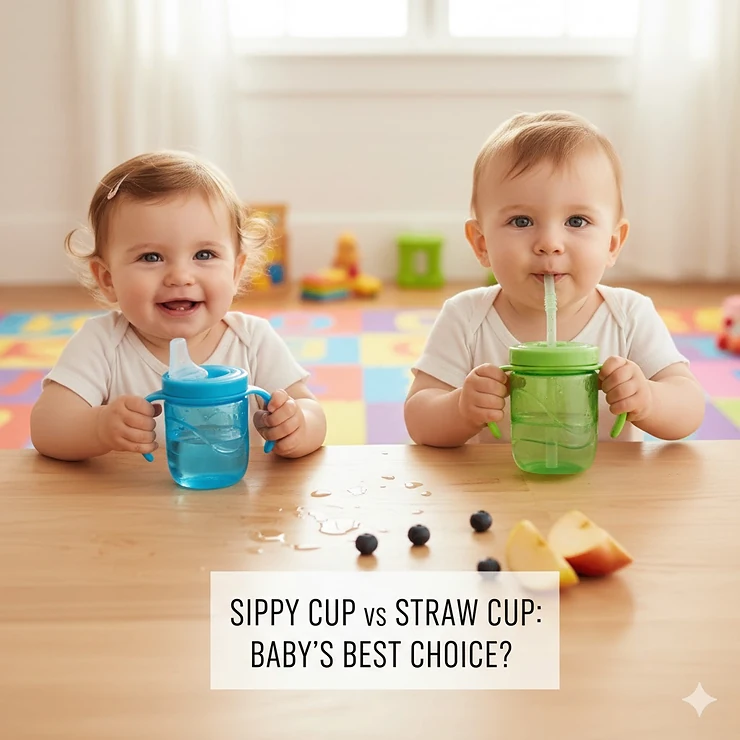
If you’re scratching your head over the sippy cup vs straw cup for baby debate, you’re not alone. I remember standing in the baby aisle, overwhelmed by the sheer variety of cups staring back at me. It’s like choosing between pancakes and waffles – both are good, but which one’s right for your little one?
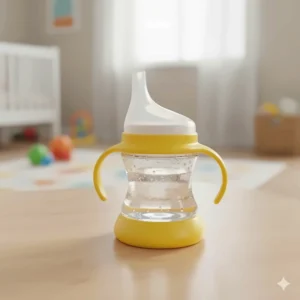
Here’s the thing: transitioning your baby from bottle to cup is a milestone that matters. The American Academy of Pediatrics advises that bottles should be phased out entirely between 12 and 24 months, making this decision more important than you might think. Whether you’re leaning toward a traditional sippy cup or straw cup for baby, understanding the differences can save you time, money, and those frustrating moments when milk ends up everywhere except in your child’s mouth.
The question of sippy cup or straw cup for baby isn’t just about preference – it’s about developmental benefits, ease of use, and what works best for your family’s lifestyle. Some parents swear by straw cups for their oral development benefits, while others find sippy cups perfect for the transition from bottle feeding. The truth? Both have their place in your baby’s drinking journey, and I’m here to help you figure out which one (or maybe both!) deserves a spot in your diaper bag.
In this comprehensive guide, we’ll explore everything from expert-tested products to real parent reviews, helping you make an informed decision that supports your baby’s development while keeping your sanity intact. Let’s dive in and settle this sippy vs straw cup showdown once and for all.
Quick Comparison: Sippy Cup vs Straw Cup for Baby
| Feature | Sippy Cup | Straw Cup |
|---|---|---|
| Best Age | 6-18 months | 6 months+ |
| Oral Development | Good for transition | Better for muscle development |
| Spill-Proof | ✅ Usually excellent | ✅ Varies by model |
| Ease of Cleaning | ⭐⭐⭐⭐ | ⭐⭐⭐ |
| Learning Curve | Easy (similar to bottle) | Moderate (new skill) |
| Dentist Recommendation | Short-term use | Preferred long-term |
| Price Range | $6-$20 | $8-$26 |
| Travel-Friendly | ✅ Very portable | ✅ Portable with covers |
💬 Just one click – help others make better buying decisions too!😊
🎯 Call-to-Action: Start Your Baby’s Drinking Journey Right! ✨
Ready to find the perfect cup for your little one? Browse our top-rated picks below to compare features, prices, and real parent reviews. Each product has been carefully selected based on safety, functionality, and value. Click on any highlighted product to check current availability and exclusive deals!
Top 7 Sippy Cup vs Straw Cup for Baby: Expert Analysis
1. Munchkin Miracle 360 Trainer Cup 💫
The Munchkin Miracle 360 Trainer Cup revolutionized the sippy cup market with its innovative 360-degree drinking edge. This spoutless wonder mimics a regular cup while virtually eliminating spills – something that makes it a parent favorite.
Key Specifications:
- Capacity: 7 oz
- Age Range: 6 months+
- Material: BPA-free plastic
- Special Feature: 360-degree spoutless design
Price Range: $6-$12 (2-pack typically $10-15)
Parents from The Bump community recommend it as the overall best sippy cup for baby because it’s simple for little ones to sip from and has minimal parts to assemble and clean. The cup automatically seals when your child stops drinking, creating a leak-proof barrier that’s saved countless parents from car seat disasters.
However, it’s worth noting that some parents found that while the Munchkin 360s made the initial switch from bottles straightforward, it made the change to normal cups a bit tricky later on. The unique drinking mechanism, while brilliant for preventing spills, can be a double-edged sword.
Pros:
✅ Minimal parts = easy cleaning
✅ Dentist-recommended spoutless design
✅ Drink from any angle
Cons:
❌ May leak if thrown hard
❌ Can delay transition to regular cups
2. OXO Tot Transitions Straw Cup with Handles 🎪
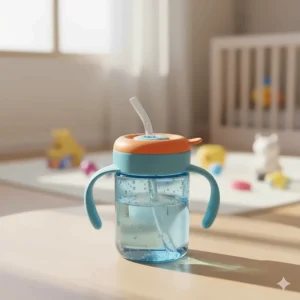
The OXO Tot Transitions Straw Cup is an absolute game-changer when it comes to straw cups for baby. This 6-ounce marvel features an almond-shaped, spill-proof straw that conforms to your tot’s mouth, making the transition from bottle or breast smoother than butter.
Key Specifications:
- Capacity: 6 oz or 9 oz options
- Age Range: 6 months+
- Material: BPA-free plastic
- Special Feature: Almond-shaped soft straw
Price Range: $9-13 per cup
This straw cup survived more than a few significant tosses without a single drop of liquid escaping, and it has removable handles that don’t slide around during use, plus measurement marks on the exterior. The hinged cap closes to create a leakproof seal when not in use, which is clutch for diaper bag storage.
Parents love that the straw comes in two easy-to-clean pieces that are simple to take apart and wash. While the entire cup is dishwasher safe, a quick hand-wash with a small bristle brush keeps it pristine between uses.
Pros:
✅ Truly leak-proof design
✅ Easy-grip removable handles
✅ Volume measurement marks
Cons:
❌ Slightly more expensive than competitors
❌ Multiple parts to track
3. Dr Brown Baby’s First Straw Cup 🍼
Dr Brown Baby’s First Straw Cup simplifies the bottle-to-cup transition with its genius weighted straw design. This 9-ounce powerhouse lets babies drink from any angle, which is perfect for those awkward early sipping stages.
Key Specifications:
- Capacity: 9 oz
- Age Range: 6 months+
- Material: BPA-free plastic with soft silicone straw
- Special Feature: Weighted straw moves with liquid
Price Range: $8-12 per cup ($14-20 for 2-pack)
The soft silicone weighted straw moves with the liquid in the cup, allowing baby to tip and sip in any direction. Side-grip handles make it easy for little hands to grab and hold, and the handles are removable so the cup grows with your baby’s developing skills. The travel-friendly sliding lid stores the straw away when not in use – genius for keeping it hygienic in your bag.
Customer feedback reveals that babies take to this cup quickly, though some parents note it requires a fairly strong suck to get liquid flowing. The measurement marks on the side are a thoughtful touch for parents tracking fluid intake, and the included straw cleaning brush is a nice bonus.
Pros:
✅ Weighted straw reaches every drop
✅ Measurement marks for tracking intake
✅ Sliding lid keeps straw clean
Cons:
❌ Requires strong suction
❌ May leak from straw after extended use
4. Pura Kiki Stainless Steel Straw Bottle 🌿
For eco-conscious parents, the Pura Kiki Stainless Steel Straw Bottle is the holy grail. This 11-ounce premium option is 100% plastic-free and MADESAFE Certified – the first and only in its category.
Key Specifications:
- Capacity: 9 oz or 11 oz (insulated and non-insulated)
- Age Range: 6 months+
- Material: Food-grade 18/8 stainless steel, medical-grade silicone
- Special Feature: Convertible design with interchangeable lids
Price Range: $22-28 per bottle
This cup is a 100% plastic-free sippy, featuring an insulated stainless steel body with a silicone sleeve and spout, and it’s a durable, quality bottle with interchangeable spouts that accommodate your child’s development stage. The versatility is unmatched – swap the straw for different lids to transform it into an infant bottle, sippy cup, or sport bottle as your child grows.
The medical-grade silicone straw is gentle on sensitive gums, and the silicone sleeve provides grip while protecting surfaces from condensation. However, some parents note the straw can be tricky to use initially, and the cover can be challenging to keep in place.
Pros:
✅ Zero plastic, toxin-free materials
✅ Convertible for multiple life stages
✅ Durable stainless steel construction
Cons:
❌ Premium price point
❌ Heavier than plastic alternatives
5. Munchkin Any Angle Weighted Straw Trainer Cup 🎨
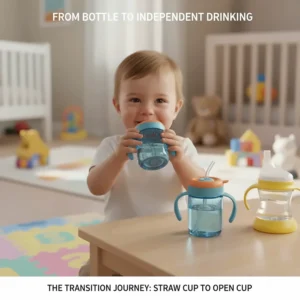
The Munchkin Any Angle Weighted Straw Trainer Cup combines the best of both worlds – Munchkin’s trusted brand quality with the developmental benefits of straw drinking. This 7-ounce clever design features their patented Click Lock technology for true spill-proof confidence.
Key Specifications:
- Capacity: 7 oz
- Age Range: 6 months+
- Material: BPA-free plastic with soft flexible straw
- Special Feature: Click Lock spill-proof seal
Price Range: $7-10 per cup ($12-16 for 2-pack)
The weighted straw base allows toddlers to sip from any angle, making it incredibly forgiving for babies still mastering the art of cup-holding. Twist the lid until you hear a click, and you’ll know the seal is secure – no more guessing if it’s truly closed before tossing it in your diaper bag.
The easy-grip trainer handles are perfectly sized for little ones, and the soft, flexible straw is gentle on developing gums. Parents appreciate that it helps transition from sippy to straw cups, bridging that developmental gap beautifully.
Pros:
✅ Click Lock technology = guaranteed seal
✅ Weighted straw for any-angle drinking
✅ Gentle silicone straw
Cons:
❌ Requires occasional valve replacement
❌ Small capacity for older toddlers
6. Tommee Tippee Superstar Insulated Straw Cup ⭐
The Tommee Tippee Superstar Insulated Straw Cup brings temperature control to the table – literally. This 9-ounce insulated wonder keeps drinks cool for hours, making it perfect for long outings or warm summer days.
Key Specifications:
- Capacity: 9 oz
- Age Range: 12 months+
- Material: BPA-free plastic with insulation
- Special Feature: Double-wall insulation
Price Range: $11-16 per cup
The double-wall insulation means cold drinks stay cold without creating condensation on the outside – a feature every parent appreciates when it’s stuffed in a bag with electronics or important papers. The easy-hold handle is ergonomically designed for small hands, and the soft silicone straw is comfortable for extended sipping.
The leak-proof flip-top lid adds an extra layer of protection, and the whole thing is dishwasher safe (top rack). Parents love the fun designs and colors that appeal to toddlers, encouraging independent drinking.
Pros:
✅ Keeps drinks cold for hours
✅ No external condensation
✅ Colorful, kid-friendly designs
Cons:
❌ Slightly bulkier than non-insulated options
❌ Recommended for 12+ months only
7. NUK Learner Straw Cup 🎯
The NUK Learner Straw Cup rounds out our list as an excellent budget-friendly option that doesn’t skimp on quality. This 5-ounce starter cup is specifically designed for babies just beginning their straw-drinking journey.
Key Specifications:
- Capacity: 5 oz
- Age Range: 6 months+
- Material: BPA-free plastic
- Special Feature: Extra-soft straw for beginners
Price Range: $6-9 per cup ($10-14 for 2-pack)
The smaller capacity is actually perfect for younger babies who are just learning – it’s less overwhelming and easier to manage. The extra-soft straw requires minimal sucking force, which helps babies master the skill without frustration. The easy-grip handles have a textured surface that’s easier for wet hands to hold, a thoughtful design detail.
While it doesn’t have all the bells and whistles of pricier options, the NUK Learner Straw Cup does its job well. It’s spill-resistant (though not completely spill-proof), easy to clean, and gentle enough for tender gums.
Pros:
✅ Budget-friendly price point
✅ Perfect starter size for beginners
✅ Extra-soft, gentle straw
Cons:
❌ Smaller capacity limits use time
❌ Not completely spill-proof
Understanding the Sippy Cup vs Straw Cup for Baby Debate
The Science Behind Each Design 🔬
Let’s get nerdy for a second. The difference between a sippy cup and straw cup for baby isn’t just cosmetic – it’s actually about biomechanics and oral development. Speech and feeding experts recommend straw cups over sippy cups since they strengthen oral muscles and help with swallowing development.
When your baby uses a traditional sippy cup with a spout, they’re essentially using a sucking motion similar to bottle feeding. It’s familiar, comfortable, and requires muscles they’ve already developed. Think of it as the training wheels of cup drinking – it gets the job done and builds confidence.
Straw cups, on the other hand, require a different set of oral motor skills. Your baby needs to create a seal with their lips around the straw, use their tongue differently, and coordinate suction in a new way. It’s like graduating from crawling to walking – more complex, but ultimately better for long-term development.
Developmental Milestones and Cup Choice 📊
Choosing between a sippy cup or straw cup for baby often comes down to where your little one is in their developmental journey. Around 6 months, most babies are ready to start exploring cup drinking alongside their regular bottle or breastfeeding routine. This is when introducing either option makes sense.
For babies who are bottle-resistant or exclusively breastfed, a straw cup might be easier since it doesn’t mimic the bottle experience. Conversely, bottle-fed babies often transition more smoothly to sippy cups initially because the spout feels familiar.
Pediatrician Mona Amin recommends introducing an open or straw cup once your child hits the 6-month mark. If your child kicks up a fuss at first, don’t be discouraged – patience and consistent use help babies master new skills.
Health and Dental Considerations 🦷
Here’s where things get interesting from a health perspective. Most pediatricians recommend transitioning away from traditional sippy cups between 18–24 months, encouraging straw or open-top cups for better oral development. Why? Prolonged sippy cup use can potentially affect tooth alignment and jaw development.
Traditional sippy cups with spouts can contribute to what dentists call “sippy cup tooth decay” if used constantly throughout the day, especially with sugary drinks. The spout position tends to direct liquid toward the front teeth, which isn’t ideal for dental health.
Straw cups, by contrast, deliver liquid further back in the mouth, reducing contact with front teeth. They also promote a more mature swallowing pattern that’s closer to how we drink as adults. That said, both cup types are perfectly safe when used appropriately – meaning water or milk during meals and snacks, not all-day sippy sessions.
Spill-Proof Features: What Really Works 💧
Valve Technology Explained
Let’s talk about the magic (or sometimes frustration) of anti-spill valves. These little silicone or rubber components are what separate a truly spill-proof cup from one that’s merely “spill-resistant.” Understanding how they work can save you from many soggy disappointments.
Most spill-proof sippy cups use a valve that opens when your baby sucks and closes automatically when they stop. It’s genius in theory, but here’s the catch: many spill-proof valves caused suction issues for kids, making drinking more difficult than necessary. This is why some designers intentionally create cups without complex valve systems.
The Munchkin Miracle 360 features a valve that automatically closes when child is not drinking, creating a leak-proof seal. However, no cup is truly indestructible – throw any “spill-proof” cup hard enough, and physics will win every time.
Real-World Spill Test Results 🧪
In my experience (and after cleaning up more spills than I can count), here’s the hierarchy of spill protection:
Most Spill-Proof: 360-degree cups like Munchkin Miracle and Dr. Brown’s Cheers 360. These seal completely when not in use, though aggressive throwing can pop the valve.
Very Spill-Proof: Cups with Click Lock or twist-seal technology. The audible “click” confirms a proper seal, giving you confidence before tossing it in your diaper bag.
Moderately Spill-Proof: Standard valve-based straw cups. They prevent drips and minor tips but may leak if left on their side for extended periods or if the straw isn’t fully inserted.
Least Spill-Proof (but developmentally valuable): Free-flow cups and open cups. These are intentionally designed without valves to promote proper drinking skills, even if they’re messier in the short term.
Ease of Cleaning: A Critical Factor 🧼
Mold-Prevention Strategies
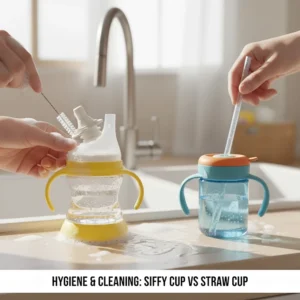
Let me be real with you: cup cleaning can be the make-or-break factor in your cup choice. I’ve seen beautiful, expensive cups abandoned in the back of the cupboard because cleaning them required a master’s degree in disassembly.
Many parents find cups with hard-to-clean valves can trap bacteria, and multiple parts make cleaning a hassle. The fewer nooks, crannies, and separate pieces, the better. This is one reason the Munchkin Miracle 360 wins parents over – minimal parts mean minimal hiding spots for milk residue.
Here’s my golden rule: if you can’t easily reach every surface with a bottle brush, mold will eventually find a way. Those cute weighted straws? Great for drinking, but they need special long brushes to clean properly. Standard valve assemblies? They need to be completely disassembled and scrubbed after every use.
Dishwasher-Safe Reality Check
“Dishwasher safe” sounds like a dream, but the reality is more nuanced. Yes, most modern baby cups can technically go in the dishwasher (top rack only!), but will they come out truly clean? Not always.
Valve pieces often need hand-washing to remove trapped milk proteins. Silicone straws can develop a weird smell if not thoroughly cleaned before dishwashing. And some cups, like certain stainless steel models, specifically recommend hand-washing to preserve their finish and insulation properties.
My best practice? Quick rinse immediately after use, then proper wash (hand or dishwasher) within a few hours. Never let milk sit overnight in any cup, no matter how easy the manufacturer claims it is to clean. Trust me on this – I learned the hard way.
Age-Appropriate Recommendations 👶
6-9 Months: Starting the Journey
At this stage, you’re just introducing the concept of cup drinking. Your baby is still getting most nutrition from breast milk or formula, so cups are for practice and exploration. Both sippy cups and straw cups work, but expectations should be low. Expect more play than drinking, and that’s perfectly normal.
The best first cups have:
- Handles that are easy to grip (even with chubby, uncoordinated hands)
- Soft spouts or straws that are gentle on teething gums
- Small capacity (5-7 oz) so they’re not too heavy when full
- Bright colors or fun designs to make them appealing
9-12 Months: Building Skills
Now we’re getting somewhere! Most babies at this age can intentionally drink from a cup, though they still need assistance. This is prime time for both sippy and straw cup practice.
Mona Amin recommends introducing an open or straw cup once your child hits the 6-month mark, and by 9-12 months, babies should be regularly practicing with cups during meals. Offer water in a cup at mealtimes to build the habit without the stress of tracking milk intake.
12-18 Months: Independence Grows
Toddlers in this age range are usually ready to hold and drink from cups independently. They’re also developmentally ready to start moving away from bottles entirely. This is when the sippy cup vs straw cup for baby decision becomes more strategic.
If you’ve been using sippy cups, consider introducing straw cups now to promote those advanced oral motor skills. The transition is usually smooth since toddlers are eager to do “big kid” things. Letting them pick their cup color or design can increase enthusiasm for using it.
18 Months and Beyond: Advanced Drinking
Most pediatricians recommend transitioning away from traditional sippy cups between 18–24 months, encouraging straw or open-top cups for better oral development. This doesn’t mean your toddler can never use a sippy cup again – just that it shouldn’t be their only or primary drinking vessel.
By 2 years old, your child should be proficient with both straw cups and open cups. Save the spill-proof options for travel or bedtime, and use open cups during supervised mealtimes to continue developing mature drinking patterns.

Material Matters: Plastic, Stainless Steel, and Silicone 🌱
BPA-Free Plastic: The Standard Choice
The vast majority of baby cups are made from BPA-free plastic, and for good reason – it’s lightweight, durable, affordable, and dishwasher-safe. Modern baby-safe plastics have come a long way from the questionable materials of decades past.
Look for cups specifically labeled “BPA-free” (though this should be standard now) and preferably also free from phthalates and PVC. Brands like Munchkin, OXO Tot, and Dr. Brown’s all use food-grade plastics that meet strict safety standards.
The downside? Plastic can stain (especially with berry-flavored drinks), may retain odors over time, and isn’t the most eco-friendly option. Plan to replace plastic cups every 6-12 months or when they show signs of wear like cracks or cloudiness.
Stainless Steel: The Premium Option
Stainless steel cups like the Pura Kiki have surged in popularity among health-conscious parents. This cup is a 100% plastic-free sippy, featuring an insulated stainless steel body, making it the gold standard for toxin-free drinking.
Benefits include durability that lasts through multiple children, no leaching concerns, better temperature retention, and significantly lower environmental impact. Food-grade 18/8 stainless steel is non-reactive and won’t affect the taste of drinks.
The trade-offs? Higher price point, heavier weight (which can be challenging for younger babies), potential for dents, and the possibility of the metal becoming uncomfortably cold or hot depending on the drink temperature.
Silicone Components: Soft and Safe
Almost every baby cup incorporates silicone somewhere – straws, valves, handles, or spouts. Medical-grade silicone is ideal for baby products because it’s:
- Soft and flexible, gentle on gums
- Heat-resistant and dishwasher-safe
- Non-toxic and doesn’t leach chemicals
- Durable and resistant to deterioration
However, silicone parts require thorough cleaning to prevent mold and can develop a slightly sticky texture over time. Always inspect silicone components regularly and replace them if they show any signs of damage or discoloration.
Travel-Friendly Features for On-the-Go Parents ✈️
Leakproof Lids and Covers
When you’re juggling a diaper bag, stroller, and possibly another child, the last thing you need is a leaking cup ruining your stuff. Travel-friendly cups need truly reliable leak prevention – not just “mostly spill-proof.”
The best travel cups have:
- Caps or covers that protect the drinking spout/straw
- Secure locking mechanisms (like Click Lock technology)
- Compact designs that fit standard cup holders
- Attachment clips or handles for stroller/bag hanging
The sliding lid on Dr. Brown’s Baby’s First Straw Cup is brilliant for travel – it covers the straw completely when closed, keeping it hygienic and leak-free. Similarly, cups with flip-top lids add an extra layer of security.
Size and Weight Considerations
A 12-ounce insulated stainless steel cup might be perfect for home use, but it becomes a burden during a long day out. For travel, prioritize lighter weight and moderate capacity (6-9 oz is the sweet spot). Your toddler needs to be able to carry it comfortably, and you need it to fit in your already-overstuffed diaper bag.
Consider having a “home set” of cups and a “travel set.” Use your heavier, larger capacity cups at home where spills are easier to clean up, and reserve compact, ultra-leak-proof options for outings. It’s okay to have different cups for different purposes – in fact, it’s smart.
Budget-Friendly Options vs. Premium Choices 💰
Best Value Picks Under $15
You absolutely don’t need to spend a fortune on baby cups. Some of the best-performing options fall well under $15, especially when bought in multi-packs. The Munchkin Miracle 360 2-pack typically costs around $10-12, giving you two cups for the price of many single premium options.
The NUK Learner Straw Cup is another budget champion, usually priced under $10 for a single or around $12-14 for a 2-pack. For families buying multiple cups (which you’ll need), these affordable options make total sense without sacrificing quality or safety.
Dollar-per-use, budget cups often provide better value, especially in the 6-18 month range when cups are frequently dropped, chewed on, and generally subjected to baby abuse. Save the premium options for when your child is a bit older and gentler.
When to Invest in Premium Products
That said, premium cups like the Pura Kiki ($22-28) have their place. These are investments that can last through multiple children, eventually paying for themselves in longevity and versatility. The ability to swap lids and transition from infant bottle to toddler straw cup to big-kid sport bottle is genuinely useful.
Premium often also means:
- Better materials (stainless steel, medical-grade silicone)
- Superior insulation for temperature control
- More thoughtful design details
- Longer warranties or guarantees
- Lower environmental impact
If you’re committed to reducing plastic use or want a “buy it for life” option, premium stainless steel cups make sense. Just be realistic about whether your baby is ready for a heavier cup before investing.
Common Problems and Solutions 🔧
My Baby Won’t Drink from the Cup
This is probably the most common frustration I hear from parents. You’ve bought the perfect cup, but your baby treats it like a chew toy rather than a drinking vessel. Here’s what works:
Solution 1: Model the behavior. Babies learn through imitation, so let them watch you drink from a straw or regular cup. Exaggerate the action and make it look fun and interesting.
Solution 2: Start with familiar liquids. If your baby loves breastmilk or formula, put a small amount in the new cup rather than introducing both new container and new liquid simultaneously.
Solution 3: Practice without stakes. Let your baby explore the empty cup first. Fill it with just water (minimal mess if spilled) and keep expectations low. Drinking is a learned skill; it takes time and practice.
Solution 4: Try different cup styles. Some babies prefer spouts, others prefer straws. If one type isn’t working after a few weeks of consistent trying, switch it up. There’s no shame in experimenting.
The Cup Keeps Leaking
Despite being labeled “spill-proof” or “leak-proof,” many cups still leak. Before declaring your cup defective, check these common issues:
Assembly: Is everything properly clicked, twisted, or locked into place? Even a small gap can cause leaks. Most cups require a specific assembly order – follow the instructions carefully.
Valve Position: If your cup has a valve, make sure it’s correctly positioned. Many valves can be accidentally inserted upside-down or backward, compromising the seal.
Worn Components: Silicone parts deteriorate over time. Check straws, valves, and gaskets for any signs of wear, tearing, or stiffness. Replace these components every few months or sooner if damaged.
User Error: Are you testing the cup with water or thin liquids? Some cups work perfectly with water but struggle with thicker drinks like milk or smoothies. Is your toddler biting or chewing the spout/straw? This can damage the seal.
Mold Is Growing in My Cup
Let’s address the nightmare scenario: you open your cup to wash it and discover mold. Gross, but unfortunately common with baby cups that have valves and straws.
Prevention is key:
- Rinse cups immediately after use
- Completely disassemble every part for washing
- Use a bottle brush to clean straws and hard-to-reach areas
- Air dry completely before reassembling (moisture + trapped air = mold city)
- Don’t leave milk sitting in cups for hours
If mold appears:
- Discard heavily molded components (especially porous materials)
- Soak remaining parts in a vinegar-water solution (1:1 ratio) for 10-15 minutes
- Scrub thoroughly with a dedicated bottle brush
- Consider replacing the entire cup if mold is extensive
Remember: baby cups have a limited lifespan. Budget cups should probably be replaced every 3-6 months with heavy use. It’s not wasteful – it’s hygiene.

Transitioning from Bottle to Cup Successfully 🍼➡️🥤
Creating a Gradual Transition Plan
Cold turkey bottle removal can work for some families, but a gradual transition is often less stressful for everyone involved. Start by replacing one bottle feeding per day with a cup – typically the mid-day feeding works best since it’s usually the smallest and least emotionally charged.
Week 1-2: Introduce the cup at mealtimes without pressure. Let your baby explore it, play with it, and maybe take a few sips. Keep regular bottle feedings.
Week 3-4: Replace the midday bottle with the cup. Offer it confidently and matter-of-factly.
Week 5-6: Replace the morning bottle with the cup. Morning bottles are often easier to give up than bedtime ones.
Week 7-8: Begin working on the bedtime bottle last. This is typically the hardest to eliminate because of the comfort association. Consider replacing it with a different bedtime routine like reading or singing.
Making Cups Exciting for Reluctant Babies
Sometimes you need to get creative. Here are some tricks that have worked for parents:
Let Them Choose: Take your baby to the store and let them “pick” their cup (from your pre-selected safe options, of course). Toddlers especially love having control over decisions.
Straw Practice: Use a regular drinking straw in a regular cup with a small amount of smoothie or juice. Show your baby how to suck liquid up the straw, making it a game. Once they master the skill, transfer it to their straw cup.
Favorite Character: Choose cups featuring their favorite characters or colors. Licensing fees make these cups slightly pricier, but if Paw Patrol or Elsa motivates your child to drink, it’s worth it.
Big Kid Connection: Frame cup use as a “big kid” milestone. Say things like “Look at you using a cup like your big cousin!” or “Wow, babies use bottles, but you’re a big kid who uses a cup!”
When to Seek Professional Advice
Most babies figure out cup drinking with time and patience, but some struggle more than others. Consider consulting your pediatrician or a feeding therapist if:
- Your baby is over 15 months and still refusing all cup attempts
- Your baby gags or chokes frequently when using a cup
- Your baby has developmental delays that might affect oral motor skills
- Your family has a history of speech or feeding issues
- You’ve tried multiple approaches for 2+ months without progress
Early intervention for feeding issues can make a huge difference. Don’t hesitate to ask for help – feeding specialists exist for exactly this reason.
Environmental Impact and Sustainability 🌍
Plastic Waste Concerns
Let’s talk about the elephant in the room: baby gear creates a lot of waste. The average baby goes through multiple cups during their first few years, and most of those cups are plastic. Even “recyclable” plastics often don’t actually get recycled due to contamination or local recycling program limitations.
If environmental impact concerns you (and it probably should), consider:
Strategy 1: Buy Quality Once Investing in durable, long-lasting cups that can be passed down to siblings or friends reduces overall consumption. A $25 stainless steel cup used by three children over six years is more sustainable than buying six $10 plastic cups over the same period.
Strategy 2: Choose Sustainable Materials Stainless steel, glass (for older toddlers), and silicone have longer lifespans and better end-of-life options than plastic. While they cost more upfront, they’re better for the planet long-term.
Strategy 3: Proper Care Extends Life Take care of your cups – clean them thoroughly, store them properly, and replace only worn components rather than entire cups when possible. Many brands sell replacement valves, straws, and lids.
Eco-Friendly Brand Choices
Certain brands prioritize sustainability beyond just making their products BPA-free. Pura Kiki focuses on safety, durability, ease of use, and eco-progressive consumption, creating repurpose-able solutions that are infinitely superior to single-use or recyclable offerings.
Look for brands that:
- Use recycled or recyclable packaging
- Offer product take-back or recycling programs
- Manufacture domestically to reduce transportation emissions
- Use sustainable materials like bamboo, stainless steel, or glass
- Support environmental causes or carbon offset programs
Every purchasing decision is a vote for the kind of world you want your baby to grow up in. Choose brands aligned with your values whenever your budget allows.
Expert Tips from Pediatric Occupational Therapists 👩⚕️
Oral Motor Development Insights
Pediatric feeding specialists emphasize that how babies drink is just as important as what they drink. The muscles and coordination patterns developed during cup drinking set the foundation for speech development, proper swallowing, and jaw development.
Speech and feeding experts recommend straw cups over sippy cups since they strengthen oral muscles and help with swallowing development. The action of drawing liquid up through a straw requires more complex muscle coordination than the simple tipping and sucking of sippy cup use.
Straw drinking specifically:
- Strengthens lip muscles needed for speech sounds
- Promotes tongue retraction and elevation
- Develops jaw stability and control
- Encourages mature swallowing patterns
This doesn’t mean sippy cups are harmful – they serve their purpose during transition periods. Just don’t rely on them exclusively or for too long.
Sensory Considerations
Some babies have sensory sensitivities that affect their cup preferences. A child with oral sensitivity might refuse hard plastic spouts but accept soft silicone straws. Others might prefer the firm feedback of a spout over the flexible give of a straw.
Pay attention to your baby’s sensory cues:
- Do they prefer cold or room-temperature drinks?
- Do they react negatively to certain textures in their mouth?
- Are they bothered by the sound or movement of weighted straws?
- Do they prefer clear cups where they can see the liquid?
These aren’t pickiness issues – they’re legitimate sensory preferences. Accommodate them when possible while gently encouraging flexibility over time.
Positioning for Success
How you position your baby during cup drinking matters more than you might think. Proper positioning supports safe swallowing and reduces choking risk.
Ideal drinking position:
- Baby should be upright or slightly reclined (not lying flat)
- Hips, knees, and ankles at 90-degree angles when sitting
- Feet supported (on floor, footrest, or highchair foot plate)
- Back well-supported
- Chin slightly tucked (neutral neck position)
Never let your baby drink while lying down, walking around, or in a car seat. These positions increase aspiration risk and make proper swallowing mechanics difficult.
❓ FAQ: Sippy Cup vs Straw Cup for Baby
❓ What age should I switch from sippy cup to straw cup?
❓ Are weighted straw cups better than regular straw cups?
❓ Can I put milk in straw cups or just water?
❓ How often should I replace my baby's sippy or straw cups?
❓ Why does my baby chew the straw instead of drinking from it?
Conclusion: Making Your Final Decision
So, after exploring the great sippy cup vs straw cup for baby debate, what’s the verdict? Honestly, it’s not about choosing one over the other – it’s about understanding which cup serves what purpose at what stage of your baby’s development.
If I were to give you the one-minute summary: Start with sippy cups around 6 months for an easy transition from bottle feeding. Introduce straw cups by 9 months to develop better oral motor skills. Use both types during the transition period, then phase out sippy cups by 18-24 months in favor of straw cups and open cups. Keep both types handy for different situations – sippy cups for travel or bedtime, straw cups for meals and active play.
The best cup is ultimately the one your baby will actually use. Don’t get too hung up on making the “perfect” choice. Babies are resilient, adaptable little humans, and they’ll learn to drink from whatever you consistently offer them. Your job is simply to provide safe, age-appropriate options and plenty of patient practice opportunities.
Remember that every baby develops at their own pace. Your friend’s baby might have mastered straw drinking at 7 months while yours is still figuring it out at 11 months – both scenarios are completely normal. Focus on progress, not perfection, and celebrate each small milestone along the way.
The sippy cup or straw cup for baby journey is just one small piece of the incredible adventure of raising your child. Don’t let it stress you out. Pick a couple of highly-rated options from our list above, give them a genuine try, and trust your parenting instincts. You’ve got this!
🎁 Shop Smart & Save Today! 🛍️
Ready to make your purchase? Click on any of the highlighted product names above to check the latest prices, read more customer reviews, and take advantage of current deals. Remember, investing in the right cup now saves frustration later – and your baby’s development will benefit from your informed choice!
Recommended for You
- 7 Best Sippy Cup for Baby Options in 2025 | Expert Reviews & Tips
- Leak Proof Toddler Water Bottle: 7 Best Picks 2025
- Spill Proof Cups for Toddlers: 7 Best Picks 2025
Disclaimer: This article contains affiliate links. If you purchase products through these links, we may earn a small commission at no additional cost to you.
✨ Found this helpful? Share it with your friends! 💬🤗
