
In This Article
✨Was this helpful? Spread the word! 🚀
Making the switch from bottle to cup is one of those parenting milestones that feels both exciting and a little nerve-wracking. I remember standing in the baby aisle, completely overwhelmed by the endless options of sippy cups, wondering which one would actually work for my toddler and, more importantly, which one wouldn’t leak milk all over my furniture. 🤦♀️
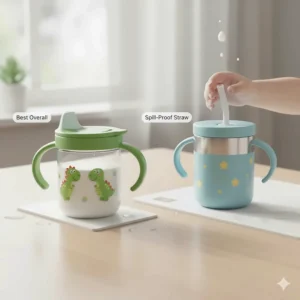
Here’s the thing about finding the right toddler sippy cup for milk – it’s not just about cute designs or trendy colors. You need something that truly works when your little one is ready to graduate from their bottle. The perfect milk cup for toddler should handle thick liquids without clogging, survive the inevitable drops and throws, and most crucially, keep that precious milk where it belongs (inside the cup, not on your couch).
According to the American Academy of Pediatrics, most toddlers are ready to start using cups around 6 months, with complete transition from bottles recommended by 12-18 months. Whether you’re looking for a milk sippy cup, a transition sippy cup for milk, or just exploring your options, you’ve come to the right place.
In this comprehensive guide, I’ll walk you through everything you need to know about selecting the best cup for your toddler’s milk-drinking adventures. From leak-proof designs to easy-clean features, we’ve tested and researched the top options available in 2025. Plus, you’ll get real product recommendations based on actual parent reviews and expert analysis. Let’s dive in and find that perfect cup!
Quick Comparison Table
| Product | Type | Capacity | Price Range | Best For | Rating |
|---|---|---|---|---|---|
| Munchkin Miracle 360 Cup | 360° Rim | 7-14 oz | $8-17 | Dental health | ⭐⭐⭐⭐⭐ |
| NUK Learner Cup | Soft Spout | 5-10 oz | $6-13 | First-time users | ⭐⭐⭐⭐½ |
| Pura Kiki Stainless Steel | Silicone Spout | 9-11 oz | $27-35 | Eco-conscious | ⭐⭐⭐⭐⭐ |
| Contigo Kids Autospout | Pop-up Straw | 14 oz | $15-20 | Active toddlers | ⭐⭐⭐⭐½ |
| Tommee Tippee Sportee | Sports Spout | 9-10 oz | $8-16 | On-the-go | ⭐⭐⭐⭐⭐ |
| Dr. Brown’s Milestones | Weighted Straw | 9 oz | $8-13 | Bottle transition | ⭐⭐⭐⭐½ |
| b.box Weighted Straw | Weighted Straw | 8 oz | $10-15 | Any angle drinking | ⭐⭐⭐⭐½ |
💬 Just one click – help others make better buying decisions too!😊
✨ Ready to Find Your Perfect Cup?
🛒 Each of these cups has been parent-tested and toddler-approved! Click on any product name to check current prices and read more reviews. Finding the right toddler sippy cup for milk doesn’t have to be overwhelming when you have the right information!
Top 7 Toddler Sippy Cup for Milk: Expert Analysis
1. Munchkin Miracle 360 Cup (Best Overall)
When it comes to the best toddler sippy cup for milk, the Munchkin Miracle 360 consistently tops the charts, and for good reason. This innovative cup ditched the traditional spout entirely, replacing it with a 360-degree drinking rim that mimics a regular cup – genius, right?
Key Specifications:
- Available in 7 oz (with handles) and 10-14 oz (without handles)
- Plastic version: $8-12 for 2-pack
- Stainless steel insulated version: $16-18
- BPA-free, dishwasher safe
What makes this cup stand out as a milk cup for toddler is its completely sealed edge design. The silicone valve automatically closes when your child stops drinking, creating a truly leak-proof seal. Parents rave about being able to toss this in diaper bags without worry. The stainless steel version keeps milk cooler longer – perfect for those hot summer days at the park.
Pros:
✅ Dentist-recommended design supports proper oral development
✅ Truly leak-proof even when dropped or shaken
✅ No valves or extra parts to clean (just two pieces!)
✅ Grows with child from 6 months to toddler years
Cons:
❌ Some toddlers need time to learn the suction technique
❌ Valve can be slightly tricky to clean thoroughly
Customer Feedback: With thousands of five-star reviews, parents consistently mention this as their go-to transition sippy cup for milk. One verified buyer shared: “Finally found a cup that doesn’t leak milk everywhere! My 18-month-old figured it out in two days, and we haven’t looked back.”
Price: $8-18 depending on size and material

2. NUK Learner Cup (Best for Beginners)
The NUK Learner Cup is specifically designed for babies and toddlers taking their first sips from something other than a bottle or breast. This milk sippy cup features a super-soft silicone spout that feels familiar to little ones making the transition.
Key Specifications:
- Available in 5 oz and 10 oz sizes
- Soft spout with air vent to reduce air intake
- Removable handles for versatility
- Price: $6-13 for 2-pack
The removable handles are brilliant – you can keep them on when your 6-month-old needs extra grip support, then remove them as they grow and develop better motor skills. The air vent technology helps reduce gas and discomfort, which is especially important when drinking milk.
Pros:
✅ Extra-soft spout gentle on teething gums
✅ Air vent reduces gas and fussiness
✅ Easy-grip, removable handles
✅ Available in multiple fun colors
Cons:
❌ Smaller capacity may require frequent refills
❌ Some parents report minor leaking with carbonated drinks (stick to milk!)
Customer Feedback: Parents love this as a first cup. “My daughter refused every sippy cup we tried until this one. The soft spout made all the difference!” shares one Amazon reviewer.
Price: $6-13
3. Pura Kiki Stainless Steel Sippy Cup (Best Eco-Friendly)
If you’re committed to avoiding plastic and want the absolute safest option for your toddler sippy cup for milk, the Pura Kiki is in a league of its own. This 100% plastic-free cup is the only sippy cup with MADESAFE certification, meaning it’s been independently tested and verified to be completely non-toxic.
Key Specifications:
- 9 oz insulated or 11 oz non-insulated
- Medical-grade silicone spout
- 18/8 stainless steel body
- Interchangeable lid system
- Price: $27-35
What’s particularly clever about Pura Kiki is their “One Life, One Bottle” philosophy. The cup grows with your child through interchangeable tops – start with the sippy spout for milk, then switch to a straw or sport top as they get older. The insulated version keeps milk cold for up to 12 hours, which is fantastic for daycare or long outings.
Pros:
✅ Zero plastic, zero toxins, MADESAFE certified
✅ Lifetime warranty on stainless steel components
✅ Interchangeable tops save money long-term
✅ Superior insulation keeps milk fresh
Cons:
❌ Higher upfront investment
❌ Heavier than plastic alternatives
❌ Volume markings inside make checking levels less convenient
Customer Feedback: Eco-conscious parents swear by this cup. “Worth every penny knowing my daughter isn’t ingesting microplastics. We’ve used the same bottle for two years with different tops!” according to BabyGearLab testers.
Price: $27-35
4. Contigo Kids Autospout Tumbler (Best for Active Toddlers)
The Contigo Kids Autospout is perfect for those busy toddlers who are always on the move. This milk cup for toddler features a convenient push-button pop-up straw that’s both fun for kids to use and practical for parents.
Key Specifications:
- 14 oz capacity
- One-handed button operation
- Spill-proof valve in straw
- Soft-grip bottom to prevent tipping
- Price: $15-20 for 2-pack
The clever button mechanism means your toddler can open it themselves (hello, independence!), while the protective cover keeps the straw clean when not in use. The spill-proof valve means even when held upside down, that milk stays put. Plus, it fits most car cup holders – a must for families on the go.
Pros:
✅ True one-handed operation
✅ Straw protected when closed
✅ Fits in car cup holders
✅ Larger capacity means fewer refills
Cons:
❌ Some parents report mold issues if not cleaned thoroughly
❌ Button mechanism can occasionally stick
❌ Straw valve difficult to clean completely
Customer Feedback: “These are the ONLY cups that don’t leak when my twins throw them! The valve is amazing,” notes one parent of active toddlers. However, several reviewers emphasize the importance of taking apart and washing all components after each milk use.
Price: $15-20
5. Tommee Tippee Sportee (Best Value)
When you need a reliable transition sippy cup for milk that won’t break the bank, the Tommee Tippee Sportee delivers exceptional value. This UK-based brand has perfected the balance between affordability and functionality.
Key Specifications:
- 9-10 oz capacity
- Bite-resistant sports spout
- Two-piece valve system
- Available in insulated version
- Price: $8-16 for 2-3 pack
The chunky, ergonomic design is perfect for little hands still developing their grip strength. The bite-resistant spout holds up remarkably well against teething toddlers, and the innovative 2-piece valve system creates a truly spill-proof seal. Parents particularly love the insulated version for keeping milk at the perfect temperature during daycare or travel.
Pros:
✅ Excellent price-to-quality ratio
✅ Truly leak-proof even when shaken vigorously
✅ Easy to assemble and disassemble
✅ Wide variety of colors and designs
Cons:
❌ Valve pieces require careful cleaning
❌ Non-insulated version doesn’t keep milk cold long
Customer Feedback: According to real user reviews on Amazon, parents consistently rate this as the best leak-proof option they’ve tried. “After going through dozens of sippy cups, these are the only ones that truly don’t leak. My toddler can throw them across the room and nothing spills,” shares one relieved parent.
Price: $8-16
6. Dr. Brown’s Milestones Baby’s First Straw Cup (Best for Bottle Transition)
If your toddler is having trouble transitioning from bottle to cup, Dr. Brown’s Milestones might be your solution. This weighted straw cup is specifically designed to make the switch as smooth as possible, especially for milk drinkers.
Key Specifications:
- 9 oz capacity
- Soft silicone weighted straw
- Removable handles
- Sliding lid for straw protection
- Price: $8-13 for 2-pack
The genius of this milk sippy cup lies in its weighted straw that moves with the liquid. Your toddler can hold it at any angle – even upside down – and still get milk through the straw. This flexibility helps kids who are used to tipping bottles back learn the new skill of drinking from a cup at different angles.
Pros:
✅ Weighted straw reaches liquid at any angle
✅ Removable handles grow with child
✅ Spill-proof sliding lid protects straw
✅ Volume markings to track intake
Cons:
❌ Some users report minor leaking if not assembled perfectly
❌ Straw requires thorough cleaning with special brush (included)
Customer Feedback: “This was the only cup my bottle-attached daughter would use! The weighted straw made all the difference,” according to a review on The Bump. The familiar straw action helps toddlers who struggle with other sippy cup styles.
Price: $8-13
7. b.box Sippy Cup with Weighted Straw (Best for Any-Angle Drinking)
The b.box Sippy Cup won multiple awards for its innovative weighted straw design, making it an excellent choice for a toddler sippy cup for milk. This Australian brand created something truly special for parents and toddlers alike.
Key Specifications:
- 8 oz capacity
- Silicone weighted straw with two-way valve
- Easy-grip handles
- Flip-top lid
- Price: $10-15
What sets b.box apart is their unique two-way valve in the straw. This allows for easier drinking (no hard sucking required) while remaining completely leak-proof. The weighted straw ball moves with the liquid, meaning your toddler can drink lying down, sitting up, or even upside down – perfect for active kids or those transitioning from bottles where they could drink in any position.
Pros:
✅ Drink at literally any angle
✅ Two-way valve for easier flow
✅ Minimal parts for simpler cleaning
✅ Unique designs and colors
Cons:
❌ Straw requires special thin cleaning brush
❌ Some reports of lid breaking with rough handling
❌ Replacement parts can be hard to find
Customer Feedback: Parents appreciate the versatility: “My son can drink his morning milk while still lying in bed – no other cup allows this!” One important note: several reviewers emphasize thoroughly cleaning after milk use to prevent any buildup in the straw valve.
Price: $10-15
✨ Found Your Perfect Match?
🎯 These seven cups represent the best options available in 2025 for serving milk to your toddler. Click on any highlighted product name to check current availability and read hundreds of additional parent reviews. Making an informed choice now saves you from the sippy cup shuffle later!
Understanding Toddler Sippy Cup for Milk: What Makes Them Special?
So what exactly is a toddler sippy cup for milk, and how does it differ from regular sippy cups? Let me break it down for you in a way that actually makes sense.
The Milk Cup Challenge
Not all sippy cups are created equal, and milk presents unique challenges that water simply doesn’t. First, milk is thicker than water, requiring a more generous flow rate. Cups designed primarily for water often have valves that are too restrictive, making it difficult for toddlers to get milk through the spout or straw. This leads to frustration, and before you know it, you’re back to using bottles.
Second – and this is crucial – milk requires exceptionally thorough cleaning. Any milk residue left in valves, straws, or crevices can quickly turn into a bacterial breeding ground or develop that distinctly awful sour smell. According to research from the CDC, proper cleaning of feeding equipment is essential for preventing illness in young children.
Key Features of the Best Milk Cups for Toddlers
A proper milk cup for toddler should have several non-negotiable features:
Easy-Clean Design: Look for cups with minimal parts and wide openings. Every piece should disassemble completely for thorough washing. Those “no parts” designs sound great, but make sure you can actually access all surfaces where milk might linger.
Appropriate Flow Rate: The valve shouldn’t be so restrictive that your toddler gets frustrated trying to drink milk. At the same time, it needs to prevent leaks and spills. The best transition sippy cup for milk strikes this balance perfectly.
Leak-Proof Technology: We’re talking about milk here, folks. When it leaks, it’s not just messy – it’s smelly, staining, and potentially hazardous to bacteria growth. Premium leak-proof valves are worth the investment.
Proper Capacity: Most toddlers drink 8-16 ounces of milk per day, split across 2-3 servings. A cup holding 8-10 ounces is ideal, allowing for one full serving without being too heavy for little hands.
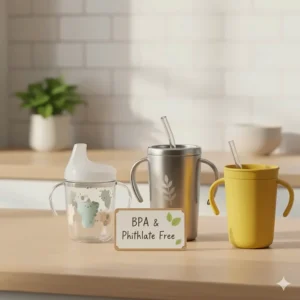
Material Safety: Whether you choose plastic (BPA-free, of course), stainless steel, or silicone, ensure materials are food-safe and won’t retain milk odors or stains over time. Some plastics can absorb milk smells that never fully wash out – stainless steel excels here.
The right milk sippy cup makes the transition from bottle to cup smoother for both you and your toddler. It’s not just about containing liquid; it’s about supporting developmental milestones while maintaining hygiene and making your life easier. That’s a tall order, but the cups we’ve reviewed above all deliver on these essential features!
How to Choose the Best Toddler Sippy Cup for Milk
Choosing the right toddler sippy cup for milk doesn’t have to feel like a gamble. Here’s my step-by-step guide to making the best choice for your family:
Step 1: Assess Your Toddler’s Development Stage
Start by considering where your child is in their development. A 6-month-old just starting solids needs something completely different from an active 2-year-old. Are they transitioning from bottles? Look for cups with weighted straws or soft spouts that feel familiar. Already comfortable with cups but messy? Focus on leak-proof designs with easy-clean features.
Step 2: Consider Your Lifestyle Needs
Think about how you’ll actually use this cup daily. Do you need something for daycare that’s virtually indestructible? Prioritize durability and simple reassembly (because daycare staff won’t have time to figure out complicated pieces). Always on the go? Look for cups that fit in car holders and have protective covers for spouts or straws.
Step 3: Evaluate Cleaning Requirements
This is huge with milk cups. Check reviews specifically mentioning milk use – how do those parents rate cleaning? Can every piece go in the dishwasher’s top rack? Are there hidden crevices where milk can hide? Some cups have stellar reviews for water but become nightmares with milk due to cleaning challenges.
Step 4: Check Material Preferences
Decide what matters most to you: plastic is lightweight and budget-friendly but may retain odors; stainless steel is durable, eco-friendly, and doesn’t absorb smells but costs more and is heavier; silicone is gentle and flexible but can stain. For milk specifically, many parents prefer stainless steel or high-quality plastic that resists odor absorption.
Step 5: Determine Your Budget Range
Be realistic about your budget, but remember this isn’t the place to go super cheap. A quality milk cup for toddler might cost $15-35 but will last through multiple children and save you money from not having to constantly replace failed cups. That said, starting with one or two cups in the $10-15 range makes sense before investing in more expensive options.
Step 6: Read Real Parent Reviews
Skip the advertising and dive into verified purchase reviews. Look specifically for comments about: leak-proof performance with milk, ease of cleaning after milk use, durability over months of use, whether toddlers actually drink from it independently, and how customer service handles any issues.
Step 7: Consider Starter Sets
Many brands offer multi-pack options or transition sets with different lids and spouts. For first-time sippy cup users, these can be cost-effective ways to test what works for your child without committing to a single style. Remember, the “best” cup is ultimately the one your toddler will actually use! Sometimes you need to try a couple before you find the winner.
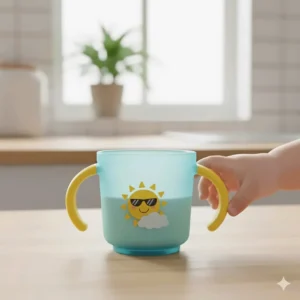
Essential Features in the Best Milk Sippy Cup
When shopping for a transition sippy cup for milk, certain features can make or break your experience. Let me walk you through what actually matters based on real-world use:
Spill-Proof vs. Leak-Proof: Understanding the Difference
Here’s something most manufacturers hope you won’t notice: “spill-proof” and “leak-proof” aren’t the same thing. Spill-proof means liquid won’t come out if the cup tips over or falls. Leak-proof means no liquid escapes even when vigorously shaken or squeezed. For milk, you absolutely want leak-proof. One leaked sippy cup of milk in your diaper bag will teach you this lesson the hard way!
Valve Technology That Actually Works
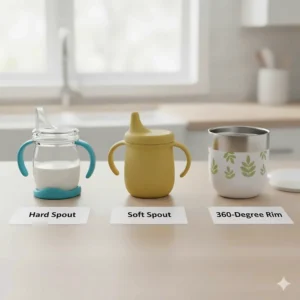
The valve is the heart of any good milk cup for toddler. Traditional valves use silicone membranes that close when pressure is released – these work well but can be restrictive with thicker liquids like milk. Newer two-way valves (like in the Tommee Tippee Sportee) allow liquid flow only when actively sipped, providing better flow while maintaining leak-proof status. Some cups, like the Munchkin Miracle 360, use 360-degree rim valves that automatically seal – genius for milk since there’s less surface area where residue can build up.
Handle Design and Ergonomics
Removable handles are brilliant for cups that will be used from infancy through toddlerhood. Younger babies need handles for stability; older toddlers prefer drinking from cups without handles like “big kids.” Easy-grip textures or indentations help tiny hands maintain their hold, especially important when cups get slippery from condensation or milk drips. For milk specifically, look for handles that allow for dishwasher placement without trapping water or milk inside hollow sections.
Materials That Don’t Retain Milk Odor
This is non-negotiable if you’re using cups for milk. Some plastics, even BPA-free ones, absorb milk proteins and develop that sour smell that never fully washes out. According to materials science research, polypropylene (PP) and PPSU plastics resist odor absorption better than other types. Stainless steel is virtually odor-proof, while silicone falls somewhere in the middle. Always check what type of plastic is used if going the plastic route – not all “BPA-free” materials are created equal!
Capacity Sweet Spot for Milk
Most toddlers need 16-20 ounces of whole milk daily (check with your pediatrician for your child’s specific needs). This typically gets split into 2-3 servings. An 8-10 ounce cup is ideal – enough for a full serving without being too heavy or overwhelming. Larger 14-16 ounce cups work well for older toddlers or for water, but for milk, I recommend sticking with the 8-10 ounce range to prevent waste if they don’t finish it all.
Easy-Disassemble Design
Every piece should come apart completely. Those “simple designs” with fewer parts sound appealing, but if you can’t access the interior of valves or straws, milk residue will accumulate. Look for cups where you can visually inspect every surface after washing. Replacement parts availability matters too – being able to replace just a worn-out valve or straw extends the life of the cup significantly.
Temperature Regulation Features
For milk specifically, insulation offers real benefits beyond just keeping drinks cold. Insulated cups slow bacterial growth by maintaining cooler temperatures longer, crucial for milk which can spoil at room temperature. They also prevent exterior condensation, keeping little hands (and surfaces) drier. The downside? Insulated cups are heavier and more expensive. For home use, non-insulated might be fine; for daycare or outings, insulation is worth the investment.
These features work together to create the best toddler sippy cup for milk. Don’t expect to find everything in one cup – prioritize the features that matter most for your specific situation. A cup that checks 6-7 of these boxes will serve you well!
Top Benefits of Using the Right Milk Cup for Toddler
Choosing the right toddler sippy cup for milk isn’t just about convenience (though that’s certainly a factor!). The right cup provides developmental, health, and practical benefits that make a real difference in your child’s growth and your daily routine.
Comparison: Sippy Cups vs. Bottles for Milk
| Aspect | Sippy Cup | Bottle |
|---|---|---|
| Oral Development | Promotes proper tongue and jaw development | Can lead to dental issues if used past 18 months |
| Independence | Encourages self-feeding skills | Creates dependency on bottle comfort |
| Portability | Spill-proof, travel-friendly | Prone to leaks, requires warming |
| Cleaning | Dishwasher safe, quick cleaning | May require bottle warmer, more steps |
| Social Development | Mimics adult drinking behavior | Can delay transition to mature eating habits |
Developmental Advantages
Oral Motor Skills: The right milk sippy cup strengthens the muscles used for speech development. Straw cups, in particular, help develop the lip rounding and tongue retraction used in forming certain sounds. Cups with 360-degree rims teach proper tongue positioning against the palate – the same positioning needed for mature swallowing patterns and later speech sounds.
Hand-Eye Coordination: Bringing a cup to the mouth repeatedly builds crucial coordination skills. Cups with handles allow toddlers to practice bilateral coordination (using both hands together), while cups without handles challenge them to adjust grip pressure to avoid spilling.
Independence Building: Using a transition sippy cup for milk gives toddlers control over when and how much they drink. This autonomy is essential for developing self-regulation skills around eating and drinking. The sense of accomplishment from successfully using a “big kid” cup also builds confidence!
Health and Hygiene Benefits
Reduced Tooth Decay Risk: The American Dental Association warns that prolonged bottle use, especially with milk, significantly increases cavity risk. When milk pools around teeth during bottle drinking (particularly during naps or bedtime), bacteria feast on the milk sugars, producing cavity-causing acid. Properly designed sippy cups minimize this pooling effect.
Better Portion Control: With clearly marked volume indicators on most toddler sippy cups for milk, you can easily track intake to ensure your child gets appropriate amounts without overfeeding. Overconsumption of milk can lead to iron deficiency and reduced appetite for solid foods.
Easier Cleaning = Better Hygiene: Modern milk cups for toddlers disassemble completely, allowing thorough cleaning that prevents bacterial growth. Many bottles have hard-to-reach corners and complex valve systems that trap milk residue. Dishwasher-safe cups also ensure proper sterilization temperatures.
Reduced Risk of Ear Infections: Bottles, especially when used lying down, can allow liquid to pool in the Eustachian tubes, potentially leading to ear infections. Sippy cups naturally encourage upright drinking, reducing this risk.
Practical Family Benefits
More Freedom: Leak-proof milk sippy cups mean your toddler can carry their own drink around the house without you constantly worrying about spills. This freedom benefits both of you – they explore independently, and you’re not following them with paper towels!
Better Sleep Transitions: Moving from bedtime bottles to sippy cups is an important step in phasing out nighttime milk, which helps with dental health and establishes better sleep associations. A transition cup with handles can provide the comfort of holding something while drinking without the bottle dependency.
Cost Savings: While quality sippy cups require an initial investment, they last significantly longer than bottles that need constant nipple replacements. Many cups (like the Pura Kiki) grow with your child through interchangeable tops, serving them from 6 months through preschool years.
Environmental Impact: Reducing or eliminating bottle use means fewer disposable bottle liners and less frequent replacement of bottles and nipples. Choosing durable, long-lasting cups like stainless steel options significantly reduces plastic waste.
The benefits of using the right toddler sippy cup for milk extend far beyond simply getting liquid into your child. You’re supporting proper development, protecting their health, and making your life genuinely easier. That’s a win-win-win situation worth investing in!
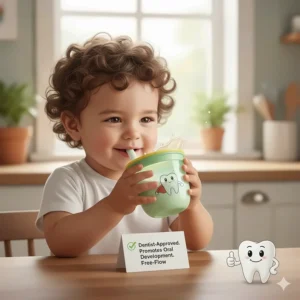
Common Mistakes to Avoid With Transition Sippy Cup for Milk
I’ve made plenty of sippy cup mistakes with my own kids, so let me save you some frustration by sharing what NOT to do when introducing a milk cup for toddler:
Mistake #1: Introducing Too Early or Too Late
Timing matters! Introducing sippy cups before your baby can sit independently (usually around 6 months) sets everyone up for frustration. They simply don’t have the core strength and coordination yet. On the flip side, waiting past 18 months can make the transition harder as bottle attachment deepens. Most experts recommend introducing practice sippy cups around 6-9 months for water, then transitioning to milk by 12-15 months. Watch for readiness signs: sitting up independently, showing interest in cups, ability to hold objects steadily, and decreasing interest in bottles.
Mistake #2: Not Cleaning Thoroughly After Milk Use
This is the big one! Milk is not like water – you can’t just give a quick rinse and call it good. Milk proteins and fats cling to surfaces, creating perfect breeding grounds for bacteria and causing that unmistakable sour smell. After each milk use, completely disassemble the cup, wash every piece with hot soapy water (or run through dishwasher top rack), and inspect all valve systems and straw interiors. Use those tiny straw brushes! Air dry completely before reassembling to prevent mold growth. Consider running pieces through the dishwasher regularly even if you hand wash between uses.
Mistake #3: Choosing Cups Based Only on Appearance
Yes, those adorable character cups are tempting, especially when your toddler squeals with delight. But cute designs mean nothing if the cup leaks milk all over your car seat or has impossible-to-clean valve systems. Start with function, then find functional cups in designs your child likes. Many great brands offer multiple patterns and colors, so you’re not sacrificing style for performance. Save the character cups for water if they don’t have milk-appropriate features!
Mistake #4: Filling Cups Too Full
Resist the urge to fill that toddler sippy cup for milk to the brim! Overfilling creates several problems: increased weight makes cups harder for toddlers to hold, more liquid means more potential mess if there’s any leakage, and air space is necessary for proper valve function in most cups. Most experts recommend filling to about 3/4 capacity, which for an 8 oz cup means 6 oz of milk – a perfect serving size for most toddlers anyway!
Mistake #5: Using the Wrong Type for Milk Specifically
Not all sippy cups handle milk well even if they work great for water. Straw cups with very narrow straws struggle with milk’s thickness, making toddlers work too hard to get liquid. Cups with complex multi-part valves trap milk particles in hard-to-clean areas. “Free-flow” spout cups designed for older kids can cause major milk spills with younger toddlers. Choose cups specifically rated for milk use or with features appropriate for thicker liquids – adequate flow rate, simple valve systems, and easy-clean designs.
Mistake #6: Inconsistent Transition Approach
Going back and forth between bottles and cups confuses toddlers and prolongs the transition unnecessarily. Once you introduce the milk sippy cup, maintain consistency. It’s okay to still offer bottles occasionally, but establish clear rules: bottles only at specific times or places, cups for all other milk drinking. Consistency helps toddlers adapt faster. That said, don’t stress about slip-ups during travel, illness, or other stressful times – consistency over the long term matters more than perfection every single day.
Mistake #7: Expecting Instant Success
Here’s the truth: most toddlers don’t master sippy cups on the first try, especially with milk which requires more sucking effort than water. Some kids take weeks to transition comfortably. Patience is essential. Offer the cup repeatedly without pressure, demonstrate how to use it, and celebrate small successes. If your child refuses a particular cup style after several attempts, try a different type – maybe they need a weighted straw instead of a spout, or vice versa. What works for one child might not work for another, and that’s completely normal!
Mistake #8: Ignoring Signs of Milk Spoilage
Milk spoils relatively quickly at room temperature (about 2 hours according to the USDA). Many parents forget about a partially drunk cup of milk in the diaper bag or car only to discover spoiled milk hours later. To avoid this: always refrigerate unfinished cups of milk within 2 hours, never serve milk that’s been sitting out for extended periods, and check for off smells or curdled texture before offering. When in doubt, throw it out – milk is cheaper than a doctor visit for food poisoning!
Mistake #9: Not Testing Before Buying Multiple
It’s tempting to buy a whole set of matching sippy cups, but resist until you know your child will actually use them! Start with one or two cups to test. Some kids immediately take to certain designs and refuse others for mysterious toddler reasons. Once you find a winner, then stock up. This approach saves money and drawer space from cups that end up never being used.
Avoiding these common mistakes makes the transition from bottles to a proper milk cup for toddler so much smoother for everyone involved. Learn from other parents’ experiences (including mine!) and skip straight to what actually works!
Cleaning and Maintaining Your Milk Sippy Cup
Let’s talk about the not-so-glamorous but absolutely crucial topic of keeping your toddler sippy cup for milk clean and hygienic. Trust me, a little extra effort here prevents a lot of problems down the road!
Daily Cleaning Routine for Milk Cups
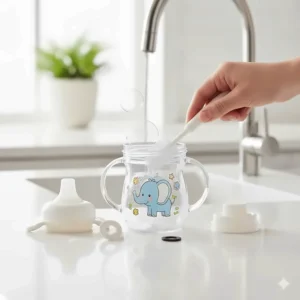
After every use with milk, rinse the cup immediately – don’t let milk sit! Disassemble completely, removing all valves, straws, gaskets, and lids. Hand wash each piece in hot, soapy water, paying special attention to valves and spout areas where milk easily clings. Use those tiny straw brushes (invest in a set – they’re game-changers!) to scrub inside straws and narrow openings. Rinse thoroughly under running water to remove all soap residue, which can affect taste and cause tummy issues. Air dry completely on a clean drying rack or mat before reassembling. Avoid closed containers or drawers for drying as moisture promotes mold growth.
Deep Cleaning Weekly
Even with daily washing, milk cups benefit from a weekly deep clean. Options include: running all pieces through the dishwasher on the top rack with heated dry cycle; soaking pieces in a mixture of warm water and baking soda (2 tablespoons per cup of water) for 30 minutes to neutralize odors; or using sterilizing solutions specifically designed for baby feeding equipment. Check manufacturer instructions – some silicone components can warp in high heat, and certain materials shouldn’t be sterilized.
Preventing and Addressing Mold
Mold in sippy cups is unfortunately common, especially in warm, humid climates. Prevention is key: ensure pieces are 100% dry before reassembling or storing; inspect valves, straws, and gaskets regularly for any dark spots or film; don’t store assembled cups with lids screwed tight – this traps moisture; replace straws and valves at the first sign of mold (it can penetrate materials where you can’t see). If you do spot mold, most experts recommend discarding affected components rather than trying to clean them, as mold can penetrate porous materials. Some parents successfully clean minor mold with white vinegar soaks, but safety concerns remain.
When to Replace Components and Cups
Even the best-maintained milk cup for toddler eventually needs replacement. Watch for these signs: valves that no longer seal properly causing leaks; straws or spouts showing cracks, tears, or permanent discoloration; cups with persistent sour smell despite thorough cleaning; plastic that becomes cloudy or develops scratches (bacteria thrive in scratches); or any components that show mold that can’t be completely removed. Most manufacturers recommend replacing silicone components every 3-6 months with regular use, while cups themselves can last 1-2+ years if well maintained. Stainless steel cups often last much longer, sometimes through multiple children!
Special Considerations for Stainless Steel
Stainless steel requires slightly different care than plastic. Don’t soak stainless cups overnight as this can damage the vacuum seal in insulated versions. Avoid abrasive scrubbers that might scratch the interior. Use baking soda paste for stubborn milk residue instead of harsh chemicals. Most stainless steel is dishwasher safe, but check manufacturer guidelines – some recommend hand washing to preserve insulation properties. Dry completely to prevent water spots, and periodically check rubber or silicone gaskets in lids for wear.
Storage Best Practices
Store clean, dry sippy cups with lids off or loosely placed to allow continued air circulation. Keep in a cabinet or drawer away from humidity sources like dishwashers or sinks. Consider dedicating one storage container or drawer section specifically for cups and components so they’re always easy to find. Rotate through your cup collection to ensure even wear. If storing for an extended period (between children), wash thoroughly, dry completely, and store in sealed bags to prevent dust accumulation.
Odor Removal Tips
That sour milk smell can be stubborn! Try these tricks: overnight soak in warm water with 2 tablespoons baking soda per cup; wash with diluted white vinegar (1 part vinegar to 3 parts water), then rinse thoroughly; sun-dry components outside – UV light naturally helps kill bacteria and neutralize odors; or soak in diluted bleach solution (1 tablespoon bleach per gallon of water) for 2 minutes, then rinse thoroughly. If smell persists after multiple cleaning attempts, it’s probably time to replace that cup.
Proper cleaning and maintenance of your transition sippy cup for milk isn’t just about hygiene – it’s about making your investment last and keeping your toddler safe from bacterial contamination. These routines become second nature quickly and ensure your little one always has clean, fresh-tasting cups for their milk!
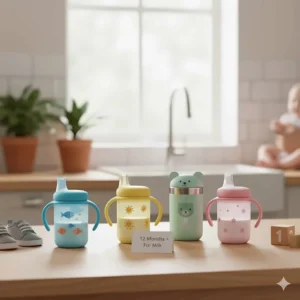
Price Range & Value Analysis
Understanding the cost landscape for a toddler sippy cup for milk helps you make informed decisions without overspending or sacrificing quality. Let me break down what you can expect at different price points:
Budget-Friendly Options ($5-12)
What You Get: Basic plastic cups from reliable brands like NUK, Tommee Tippee, and Munchkin typically fall into this range, especially in multi-packs. These cups usually feature: simple spout or straw designs, basic valve systems, BPA-free plastic construction, dishwasher-safe components, and minimal extra features. Don’t let the lower price fool you – many excellent options exist here, particularly for families on tight budgets or those testing different styles before committing. The Tommee Tippee Sportee 3-pack at around $15 is phenomenal value, working out to just $5 per cup.
Best For: Families wanting to try multiple cup styles, backup cups for daycare or grandparents’ houses, or those prioritizing function over features.
Value Verdict: ⭐⭐⭐⭐ Excellent value if choosing wisely. Research specific models as quality varies.
Mid-Range Selections ($12-25)
What You Get: This sweet spot includes premium plastic cups and entry-level stainless steel options. Features typically include: advanced leak-proof valve systems, ergonomic designs, replacement parts availability, better durability and materials, insulation options, and often 1-2 year warranties. The Contigo Kids Autospout and Dr. Brown’s Milestones fall into this range, offering significantly enhanced features for a moderate price increase. You’ll find sturdier construction that withstands drops better and materials that resist milk odor absorption more effectively.
Best For: Parents seeking balance between cost and features, those planning to use cups for multiple children, or anyone frustrated with cheaper options that haven’t worked well.
Value Verdict: ⭐⭐⭐⭐⭐ Best overall value proposition for most families. Worth the investment.
Premium Tier ($25-40)
What You Get: High-end options like the Pura Kiki stainless steel and other eco-conscious or specialty cups occupy this tier. You’re paying for: 100% plastic-free construction (stainless steel/silicone), superior insulation capabilities, lifetime warranties on certain components, certified non-toxic materials (MADESAFE, etc.), interchangeable system for long-term use, and exceptional durability. These cups often literally last through multiple children and various developmental stages through different lid configurations.
Best For: Eco-conscious families prioritizing sustainability, parents wanting to avoid all plastics, or those seeking one cup that grows with their child from infancy through preschool via interchangeable tops.
Value Verdict: ⭐⭐⭐⭐ Great value long-term despite higher upfront cost, especially for multiple children.
Price vs. Features Comparison
| Price Range | Material Options | Average Lifespan | Leak-Proof Rating | Ease of Clean | Best for Milk |
|---|---|---|---|---|---|
| $5-12 | Plastic | 6-12 months | 3/5 | 4/5 | Good |
| $12-25 | Premium plastic, basic steel | 12-24 months | 4.5/5 | 4/5 | Excellent |
| $25-40 | Stainless steel, medical silicone | 2-5+ years | 5/5 | 3.5/5 | Outstanding |
Cost-Per-Use Analysis
Here’s where things get interesting. That $7 basic cup might seem like a bargain until you replace it every 4-6 months due to valve failure or odor issues. Meanwhile, a $30 Pura Kiki used daily for 3 years with two children breaks down to just pennies per use. Let’s do the math on a real-world scenario:
Budget Approach: 4 different $8 cups over 18 months (testing/replacing) = $32 total
Mid-Range Approach: 1 quality $18 cup lasting 18 months = $18 total
Premium Approach: 1 $32 stainless steel cup lasting 3+ years across 2 children = $32 total, but cost-per-child is $16
Hidden Costs to Consider
Don’t forget these potential additional expenses: replacement valves ($3-8), replacement straws ($5-10), cleaning brushes and tools ($5-12), and time/frustration costs when cups leak or fail. Investing slightly more upfront in quality milk cups for toddlers often reduces these hidden costs significantly. Premium cups typically include replacement parts or make them readily available, while budget options may not offer replacements at all, forcing full cup replacement.
When to Splurge vs. Save
Splurge if: you’re using for multiple children, your toddler has sensitivities requiring specific materials, you want to avoid plastics entirely, or cleaning ease is paramount (stainless typically simpler).
Save if: you’re still testing what works for your child, you need backup cups for multiple locations, your child is close to regular cup age, or budget constraints are significant.
Money-Saving Tips
Buy sets instead of individual cups when possible – per-cup cost drops significantly. Check for sales around back-to-school season and holiday periods when baby products go on sale. Consider gently used premium cups from buy/sell/trade groups if budget is tight (though replace all silicone components). Invest in one really good cup for home and use budget options as backups. Register premium cups on baby registries – perfect for grandparents wanting to buy practical gifts!
The bottom line? For most families, the mid-range option ($12-25) provides the best balance of quality, features, and value for a toddler sippy cup for milk. If you can stretch to one premium cup supplemented by mid-range backups, that combination serves most families excellently throughout the toddler years!
Real Parent Reviews and Experiences
Let’s hear from real parents who’ve been in the sippy cup trenches! These authentic experiences from verified purchasers help you understand what to really expect from different milk cups for toddlers:
Success Stories
Sarah M., mom of twins (18 months): “After trying EIGHT different sippy cups, we finally found success with the Munchkin Miracle 360. My twins were bottle-attached and refused everything else. The 360-degree rim confused them at first, but within three days they figured it out. Six months later, we haven’t had a single leak incident despite countless drops. The stainless steel version keeps their milk perfectly cold through morning errands. Total game-changer!”
David K., dad of one (14 months): “The Pura Kiki was expensive enough to make me hesitate, but my wife insisted. So glad she did! My son has used the same bottle since he was 6 months old, just switching out lids as he grew. Started with their nipple, moved to the sippy spout at 9 months, and now at 14 months uses the straw lid. The lifetime warranty has already paid off – they replaced a damaged spout for free. Yes, it’s pricey, but we’ll use this through preschool, so the math works out.”
Jen R., mom of three: “I’m on my third kid using Tommee Tippee Sportee cups. Still have cups from my oldest (now 6!) in perfect working condition. They’re reasonably priced, truly leak-proof with milk, and the valve system is surprisingly easy to clean compared to others I’ve tried. The insulated version keeps daycare milk cold for their full 6-hour day. I’ve recommended these to everyone!”
Challenges and Solutions
Marcus T., dad of twins: “We bought the Contigo Kids Autospout based on amazing reviews, but within three weeks discovered black mold in the valve area. Completely our fault – we weren’t taking apart the tiny vent piece for cleaning. Once we learned to disassemble everything after each milk use and clean with the straw brush, problem solved. Just a heads up – these require thorough cleaning or they’ll develop issues.”
Amanda L., mom of two: “My son absolutely hated the b.box Weighted Straw cup. He’s pretty picky and the special two-way valve meant he had to suck harder than other cups. For water, fine. For milk? He’d get frustrated and give up. Worked perfectly for my daughter though! Shows how different kids can be with the same product. What I learned: always test before buying in bulk.”
Nicole B., single mom: “The NUK Learner Cup was our go-to for the transition from bottles. The soft spout felt familiar to my daughter, and she adapted quickly. My only complaint is the smaller capacity – we went through multiple refills daily. Once she mastered the technique, we graduated to larger cups. Perfect starter, just don’t expect it to be your long-term solution.”
Most Common Complaints Across Brands
Cleaning Difficulty: Multiple parents mention that cups marketed as “easy clean” often have hidden crevices where milk residue accumulates. Straw cups seem particularly problematic – several reviews warn about needing special thin brushes or discovering milk buildup months later. One mom shared: “I thought I was cleaning thoroughly until I finally pulled apart the valve and found curdled milk from weeks ago. Absolutely disgusting.”
Leak Issues: Interestingly, many “leak-proof” cups develop leaks over time as valve components wear out. What works perfectly for water may leak with milk’s thicker consistency. A dad noted: “Worked great for three months, then started leaking everywhere. Customer service sent replacement valves which solved the problem. Just be aware parts wear out.”
Flow Rate Problems: Several parents report frustration with flow rates – either too restricted (toddler can’t get milk out) or too free (milk everywhere). One mom explained: “My 15-month-old isn’t strong enough to drink milk through the Dr. Brown’s valve. Water, yes. Milk, no. We removed the valve which solved the flow problem but obviously now it leaks.”
Surprising Positive Discoveries
Gabriela S.: “Didn’t expect my son to care about appearance, but he’s obsessed with his space-themed Contigo cup and refuses all others now. Sometimes the ‘unimportant’ features matter most to toddlers!”
Tom H.: “The handles on the Munchkin cup pop off and on easily. I initially thought this was a design flaw, but it’s actually perfect – handles for home use, no handles for the diaper bag where they’d snag on everything.”
Priya M.: “The volume markings on the Dr. Brown’s cup helped me realize my daughter was drinking way less milk than I thought. Being able to actually see how much was left changed how we approached her milk intake. She’s now getting the recommended amount!”
Expert Parent Tips from Reviews
Avoid Microwave Warming: “Never microwave milk in sippy cups! I ruined two before learning that heat damages the valves and creates hot spots that can burn little mouths.”
The Sniff Test: “Always smell cups before using, even if they’ve been washed. That’s how I caught early mold growth that wasn’t visible yet.”
Rotation System: “I have 6 cups in rotation so each one gets thoroughly dried between uses. Cuts down on mold issues dramatically.”
Brand Loyalty with Caution: “Just because one product from a brand works doesn’t mean they all will. The regular Munchkin Miracle 360 is perfect for us, but we hated their weighted straw version. Test individual products!”
These real parent experiences paint an honest picture of life with various milk sippy cups. The truth? No cup is perfect for every child or family, but understanding real-world performance helps you make the most informed choice possible for your situation!
❓ Frequently Asked Questions
❓ When should I transition my baby from bottle to toddler sippy cup for milk?
❓ Which type of milk cup for toddler is best for preventing spills?
❓ How often should I replace my toddler sippy cup for milk?
❓ Can I use the same transition sippy cup for milk as I use for water?
❓ What's the best milk sippy cup for toddlers who refuse all cups?
Conclusion: Choosing Your Perfect Toddler Sippy Cup for Milk
Wow, we’ve covered a lot of ground together! Let’s wrap up everything you need to confidently choose the best toddler sippy cup for milk for your family.
Quick Recap of Top Recommendations
If you’re overwhelmed by options, here’s my shortcut guide: For overall best performance and value, you can’t beat the Munchkin Miracle 360 Cup – it’s dentist-recommended, truly leak-proof, and works brilliantly with milk. If eco-consciousness matters most to you, splurge on the Pura Kiki Stainless Steel – it’ll last through multiple children and eliminate plastic concerns entirely. For budget-conscious families, the Tommee Tippee Sportee delivers exceptional value without sacrificing quality. And if your toddler is struggling with the bottle-to-cup transition, the Dr. Brown’s Milestones weighted straw design works wonders!
Making Your Final Decision
Remember, the “perfect” cup is ultimately the one your toddler will actually use and you’ll actually maintain properly. Consider your three non-negotiables – maybe that’s leak-proof performance, easy cleaning, and a specific price point. Don’t stress about making the wrong choice on your first try. Most families test 2-3 different styles before finding their winner, and that’s completely normal. Once you find what works, buy duplicates so you always have clean cups ready!
Next Steps
Start with just one or two cups to test rather than buying in bulk immediately. Give your toddler at least a week to adjust to each new cup style before deciding it’s not working. Remember that transitioning from bottles to sipsy cups is a process, not an event – patience and consistency are key. Check manufacturer websites for video tutorials on proper assembly and cleaning – this saves so much frustration! Join parent groups online where you can ask questions and get real-time feedback from others using the same cups.
Final Thoughts
Choosing a milk cup for toddler might seem like a small parenting decision, but it affects your daily routine, your child’s development, and even your sanity! Whether you go with the innovative 360-degree rim, the reliable traditional spout, or the versatile weighted straw, you’re making a positive step toward your toddler’s independence and healthy development. Trust your instincts, read reviews carefully, and don’t be afraid to try something different if your first choice doesn’t pan out. You’ve got this!
The transition from bottles to sippy cups marks such a sweet milestone in your parenting journey. Before you know it, your little one will be drinking from regular cups like a pro, and these sippy cup days will be happy memories. Until then, may your chosen cup be leak-proof, your milk stays fresh, and your toddler drinks happily! 🥛
✨ Don’t Wait – Find Your Perfect Cup Today!
🎯 Ready to make the switch? Click on any of the highlighted product names throughout this article to check current prices, read additional reviews, and find the best deals. Your toddler’s perfect milk cup is just a click away! Remember, investing in the right sippy cup now saves you time, money, and frustration later. Happy shopping, and here’s to spill-free, stress-free milk time! 🎉
Recommended for You
- No Spill Sippy Cup with Straw: 7 Best Picks That Work (2025)
- 7 Best No Spill Sippy Cups That Actually Work (2025 Guide)
- Cup Holder for Walker: 7 Best Options Reviewed (2025)
Disclaimer: This article contains affiliate links. If you purchase products through these links, we may earn a small commission at no additional cost to you.
✨ Found this helpful? Share it with your friends! 💬🤗
