
In This Article
✨Was this helpful? Spread the word! 🚀
When your little one hits the six-month milestone, you’re not just celebrating their half-birthday—you’re entering an exciting new chapter of independence. Choosing a sippy cup for 6 month old babies isn’t just about finding something cute (though those adorable designs don’t hurt!). It’s about discovering the right tool that bridges the gap between bottle feeding and independent drinking.
Here’s the thing: I’ve been through this journey myself, and I know how overwhelming it can feel standing in that baby aisle, staring at dozens of options. Which spout is best? Should you go for handles or no handles? And why do some cups cost three times as much as others?
The truth is, introducing a good sippy cup for 6 month old infants at this age sets the foundation for healthy drinking habits. According to the American Academy of Pediatrics, starting cup training around six months helps babies develop oral motor skills and reduces dependence on bottles by their first birthday. But not all cups are created equal, and your baby’s first experience with a sippy can make all the difference.
In this guide, I’ll walk you through everything you need to know about choosing the best sippy cup for six month old babies, from understanding different spout types to finding that perfect match for your little one’s personality. Ready to make this transition smooth and spill-free? Let’s dive in.
Quick Comparison: Top 7 Sippy Cups at a Glance
| Product Name | Capacity | Type | Price Range | Best For |
|---|---|---|---|---|
| Munchkin Miracle 360 Trainer Cup | 7 oz | Spoutless 360° | $6-15 | Dental health & mess-free learning |
| NUK Learner Cup | 5 oz | Soft spout | $8-16 | Gentle transition from bottle |
| Dr. Brown’s Soft-Spout Transition Cup | 6 oz | Soft spout | $5-10 | Easy-to-grip handles |
| Tommee Tippee Superstar Training Cup | 7 oz | Soft spout | $6-12 | Leak-proof technology |
| Philips Avent Natural Trainer Cup | 5 oz | Dual (nipple + spout) | $10-15 | Gradual bottle-to-cup transition |
| Nuby No-Spill Weighted Straw Cup | 8 oz | Weighted straw | $8-15 | Any-angle drinking |
| b.box Sippy Cup with Weighted Straw | 8 oz | Weighted straw | $12-18 | Award-winning design |
💬 Just one click – help others make better buying decisions too!😊
Top 7 Sippy Cups for 6 Month Old: Expert Analysis
1. Munchkin Miracle 360 Trainer Cup – The Dentist’s Favorite
The Munchkin Miracle 360 Trainer Cup has earned its spot as a household name, and for good reason. This 7-ounce wonder features a revolutionary spoutless design that lets your baby drink from any edge—just like a regular cup.
Key Specifications:
✅ 360-degree drinking edge with auto-seal valve
✅ BPA-free plastic construction
✅ Easy-grip handles designed for tiny hands
✅ Dishwasher safe (top rack)
Price Range: $6-15 for single cup, $11-13 for 2-pack
Parents rave about how this cup encourages proper oral muscle development. One verified reviewer shared: “My daughter refused every sippy cup until we tried the Munchkin 360. She caught on within minutes!”
Pros:
✅ Supports healthy dental development
✅ Truly spill-proof when sealed
✅ Simple to clean with minimal parts
Cons:
❌ Requires sucking action that some babies need time to master
❌ Valve can be tricky to reassemble initially
2. NUK Learner Cup – Gentle First Steps
The NUK Learner Cup series offers excellent options for babies making their first foray into independent drinking. Available in both 5oz and 10oz sizes, this cup features a soft silicone spout that’s gentle on emerging teeth.
Key Specifications:
✅ Spill-proof soft spout with air vent
✅ Removable, easy-grip handles
✅ Made from crystal-clear Tritan material
✅ Available in fun, age-appropriate designs
Price Range: $8-16 (varies by size and pack quantity)
The air vent system helps reduce swallowed air, which can minimize gas and discomfort. Multiple parents noted their babies transitioned seamlessly from NUK bottles to these cups.
Pros:
✅ Extra-soft spout perfect for sensitive gums
✅ Handles are perfectly sized for small hands
✅ Compatible with NUK bottle systems
Cons:
❌ Valve can stain over time
❌ Some users report the nipple getting dirty in the grooves
3. Dr. Brown’s Soft-Spout Transition Cup – The Smooth Operator
If you’re already using Dr. Brown’s bottles, the Dr. Brown’s Soft-Spout Transition Cup makes the perfect next step. This 6-ounce cup features a one-piece silicone spout valve that makes sipping effortless for beginners.
Key Specifications:
✅ One-piece spill-proof silicone valve
✅ Sturdy, contoured handles
✅ Attached flip-lid keeps spout clean
✅ Multiple color options with cute patterns
Price Range: $5-10 per cup
Customer feedback highlights how quickly babies adapt to this cup. “My 7-month-old took to it like a pro on the first try,” reported one satisfied parent. The soft spout feels familiar to bottle-fed babies, reducing resistance to the change.
Pros:
✅ Extremely easy to assemble and clean
✅ Lid folds back completely to stay out of baby’s face
✅ Excellent value for the quality
Cons:
❌ Handles can wobble with rough use
❌ Smaller capacity may require frequent refills
4. Tommee Tippee Superstar Training Cup – The Leak-Proof Champion
With INTELLIVALVE anti-leak technology, the Tommee Tippee Superstar Training Cup is 100% guaranteed leak-proof. This 7-ounce trainer combines functionality with adorable designs that babies love.
Key Specifications:
✅ INTELLIVALVE anti-leak technology
✅ BACSHIELD antimicrobial technology (reduces bacteria by 99.9%)
✅ Bite-resistant soft spout
✅ Easy-grip handles with hygiene cover
Price Range: $6-12
Parents appreciate the hygiene cover that keeps the spout clean when tossed in diaper bags. The two-piece valve system allows smooth liquid flow while preventing leaks—even when shaken vigorously.
Pros:
✅ Truly leak-proof even when turned upside down
✅ Antimicrobial protection adds peace of mind
✅ Widely available and affordable
Cons:
❌ Valve requires careful disassembly for thorough cleaning
❌ Some babies need encouragement to create enough suction
5. Philips Avent Natural Trainer Cup – The Flexible Transitioner
The Philips Avent Natural Trainer Cup stands out by including both a Natural Response nipple AND a soft silicone spout. This 5-ounce gem lets you transition at your baby’s pace.
Key Specifications:
✅ Includes flow 5 Natural Response nipple and soft spout
✅ Rubberized, non-slip trainer handles
✅ Anti-colic valve design
✅ Compatible with Philips Avent Natural bottle range
Price Range: $10-15
The dual-component system is genius for cautious babies. Start with the familiar nipple, then switch to the spout when they’re ready. Parents love this gradual approach. “My daughter refused other sippy cups, but this one worked because we could ease her into it,” shared one reviewer.
Pros:
✅ Two-in-one design offers ultimate flexibility
✅ Easy-grip handles perfect for little hands
✅ Few parts make cleaning simple
Cons:
❌ Smaller capacity compared to some options
❌ Higher price point
6. Nuby No-Spill Weighted Straw Cup – The Any-Angle Wonder
The Nuby No-Spill Weighted Straw Cup features a clever 360-degree weighted straw that follows the liquid no matter how the cup is tilted. This 8-ounce option is perfect for babies who love to move.
Key Specifications:
✅ 360° weighted straw stays in liquid
✅ Touch-Flo valve prevents spills
✅ Soft silicone straw gentle on gums
✅ Easy-grip contoured base
Price Range: $8-15 (often sold in multi-packs)
The weighted straw encourages proper oral development better than traditional spout cups. Speech therapists often recommend straw cups for this reason. One parent enthused: “My son carries this everywhere—and it actually doesn’t leak!”
Pros:
✅ Encourages healthy oral motor development
✅ Baby can drink from any position
✅ Great value when bought in multi-packs
Cons:
❌ Straw requires regular inspection and replacement
❌ More parts to clean than simple spout cups
7. b.box Sippy Cup with Weighted Straw – The Award-Winning Premium Choice
The b.box Sippy Cup with Weighted Straw is an award-winning design loved by parents worldwide. This 8-ounce cup combines innovative features with durability that lasts through multiple children.
Key Specifications:
✅ Weighted straw moves with liquid at any angle
✅ Unique two-way valve ensures leak-proof performance
✅ Flip-top lid keeps straw clean
✅ Volume markings to track intake
Price Range: $12-18
Founded by two moms, b.box designed this cup to solve real parenting problems. The bite-release valve requires babies to press firmly on the straw, which helps develop proper drinking skills. Multiple reviewers mentioned using these cups from 6 months through toddlerhood.
Pros:
✅ Premium build quality that withstands drops
✅ Works with both cold and warm beverages
✅ Dishwasher and sterilizer safe
Cons:
❌ Higher price point
❌ Straw cleaning requires special brush (sold separately)
🎯 Shop Smart: Find Your Perfect Match Today!
Ready to make life easier? Click any product name above to check current prices and read thousands of real parent reviews. Your baby’s perfect first cup is waiting! 🍼✨
Understanding Different Types of Sippy Cups
Not all sippy cups are built the same, and understanding the differences helps you make smarter choices. Let’s break down what you’ll encounter in your search for a sippy cup for 6 month old babies.
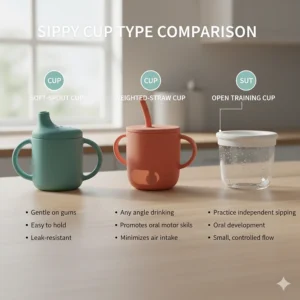
Spout Cups
Traditional spout cups feature a hard or soft spout that extends from the lid. Soft spout options (like the NUK Learner Cup or Dr. Brown’s transition cup) are gentler on gums and more similar to bottle nipples, making them excellent first sippy cups. Hard spouts are more durable but can be uncomfortable during teething.
Spoutless (360°) Cups
The Munchkin Miracle 360 popularized this category. These cups have no protruding spout—instead, babies drink from any point around the rim. Dentists love these because they promote natural sipping rather than sucking, supporting better oral development. However, they do require a learning curve.
Straw Cups
Weighted straw cups (like the b.box and Nuby options) feature flexible straws with weighted ends that stay submerged in liquid. Occupational therapists and speech pathologists often recommend straw cups because they encourage proper tongue positioning and oral motor skills. The CDC notes that straw drinking can support speech development.
Transition Cups
Some cups, like the Philips Avent Natural Trainer, bridge the gap by including both bottle nipples and sippy spouts. These work well for resistant babies who need a more gradual approach.
Why Introduce a Sippy Cup at 6 Months?
You might wonder if six months is really the right time. Here’s why pediatricians recommend starting now, even though your baby probably won’t master it immediately.
Motor Skill Development 🖐️
Around six months, babies develop the hand-eye coordination needed to grasp objects and bring them to their mouths. A sippy cup for six month old babies encourages these emerging skills.
Reducing Bottle Dependence
Early introduction means less attachment to bottles by age one. The American Academy of Pediatrics recommends weaning from bottles between 12-18 months to prevent dental issues.
Introducing Water with Solids 💧
When you start solid foods around six months, babies need small amounts of water. A sippy cup is the perfect vessel for this.
Practice Makes Perfect
The more time your baby has to practice, the smoother the transition will be. Starting at six months gives you six months of practice before bottles should be phased out.
Building Independence
There’s something magical about watching your baby hold their own cup. It’s a confidence booster and a practical life skill.
Key Features to Look for When Shopping
Walking through baby aisles can be overwhelming, but knowing what to prioritize makes shopping easier. Here’s what actually matters when choosing a good sippy cup for 6 month old babies.
Handle Design
✅ What to look for: Ergonomic handles that are easy for small hands to grasp. Some babies prefer horizontal handles (like Dr. Brown’s), while others do better with vertical ones (like NUK).
✅ Pro tip: Test if handles are removable. As babies grow, they’ll want to hold cups independently without handles.
Valve System
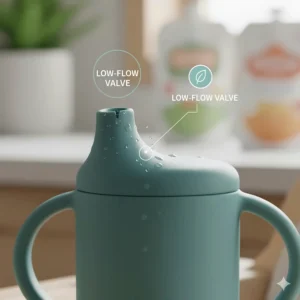
The valve is what prevents leaks, but it also affects how easily liquid flows. Look for cups with one-piece valves (easier to clean) or two-piece valves (often more effective at preventing leaks).
Material Safety
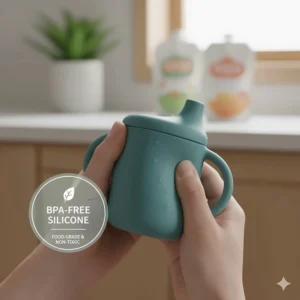
All cups on our list are BPA-free, but check for other certifications. Tritan plastic, food-grade silicone, and stainless steel are top choices. Avoid cups with excessive small parts that could pose choking hazards.
Capacity
For a sippy cup for 6 month old babies, 5-8 ounces is ideal. Larger cups (10+ ounces) are unnecessarily heavy for little hands and may encourage overdrinking.
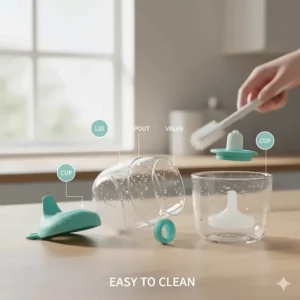
Ease of Cleaning
⚡ Reality check: If a cup has 15 parts, you won’t use it regularly. Look for designs with minimal components, and check if they’re dishwasher-safe.
How to Introduce Your Baby to a Sippy Cup
Having the perfect cup is only half the battle—introduction technique matters too. Here’s how to set your baby up for success.
Start During Regular Mealtimes 🍎
Offer the sippy cup when your baby is already seated in their high chair during solid food meals. They’ll associate it with eating rather than milk-feeding time.
Put Water, Not Milk, Initially
Fill the cup with water first. This prevents waste if your baby plays with it more than drinks from it. Plus, the American Dental Association recommends against prolonged exposure to milk or juice in cups due to cavity risks.
Demonstrate How It Works
Babies learn by watching. Take a sip yourself (or pretend to), making exaggerated drinking sounds. Your enthusiasm is contagious!
Don’t Force It
If your baby refuses, try again later. Some days they’ll be more interested than others. Pushing too hard can create negative associations.
Try Different Times of Day
Some babies are more receptive to new things in the morning when they’re alert and happy. Experiment with timing.
Make It Fun
Choose colorful cups with patterns your baby enjoys. The Tommee Tippee cups come in fun designs that capture attention.
Be Patient with Spills
Even “spill-proof” cups aren’t baby-proof. Expect messes as your little one learns. Keep cleanup supplies handy and maintain a positive attitude.
Common Mistakes to Avoid
Even experienced parents make these errors when introducing sippy cups. Learn from others’ experiences!
Waiting Too Long to Start
❌ The mistake: Thinking your baby needs to be “ready” before offering a cup.
✅ The fix: Start exploring options around 6 months even if mastery takes months.
Buying Too Many Different Cups at Once
❌ The mistake: Investing in six different cup styles before knowing what works.
✅ The fix: Start with one or two types, see what your baby prefers, then expand.
Ignoring Your Baby’s Drinking Style
❌ The mistake: Choosing cups based on popularity rather than your baby’s needs.
✅ The fix: Observe how your baby drinks. Do they tip bottles up high? Try spoutless cups. Do they chew nipples? Straw cups might work better.
Not Cleaning Valves Properly
❌ The mistake: Assuming a dishwasher cleans everything perfectly.
✅ The fix: Disassemble valves completely and use small brushes to prevent mold buildup.
Giving Up Too Soon
❌ The mistake: Abandoning a cup after one refused attempt.
✅ The fix: Babies need repeated exposure. Try again for several days before moving to a different style.
Health and Safety Considerations
Your baby’s safety comes first. Here are important health factors to consider when choosing and using a sippy cup for 6 month old infants.
Dental Health
According to the American Academy of Pediatric Dentistry, prolonged sippy cup use can lead to tooth decay if cups contain sugary liquids. Follow these guidelines:
🦷 Use cups for water primarily
🦷 Limit milk or juice to mealtimes
🦷 Never let babies fall asleep with sippy cups
🦷 Choose spoutless or straw designs when possible
Mold Prevention
Sippy cups with valves and straws can harbor hidden mold. Prevent this by:
🔍 Disassembling cups completely after each use
🔍 Using dedicated straw brushes
🔍 Allowing all parts to dry thoroughly
🔍 Replacing straws and spouts every 2-3 months
BPA and Chemical Safety
All cups reviewed here are BPA-free, but also check for:
- Phthalates
- PVC
- Lead (especially in painted decorations)
Reputable brands like Munchkin, Dr. Brown’s, and Philips Avent undergo rigorous safety testing.
Proper Supervision
Always supervise babies during drinking. Even with spill-proof cups, babies can choke if they tip cups too aggressively or drink too quickly.
Comparing Sippy Cups vs. Other Options
Should you even use a sippy cup, or are there better alternatives? Let’s compare.
| Option | Pros | Cons | Best For |
|---|---|---|---|
| Sippy Cups | Prevent spills, easy transition from bottles | Can affect dental health if misused | Daily use during toddler years |
| Open Cups | Promote natural drinking, no special parts | Messy, require supervision | Meal times at home |
| Straw Cups | Support oral development, easy to use | Straws need frequent replacement | On-the-go use |
| 360° Cups | Dentist-approved, spill-resistant | Learning curve | Gradual transition to regular cups |
The verdict? Use a combination approach. Offer a sippy cup for 6 month old babies during daily activities, practice with open cups during supervised meal times, and let them experiment with different styles.
Transitioning from Bottle to Sippy Cup
This transition can be smooth or challenging depending on your approach. Here’s a step-by-step game plan.
Phase 1: Introduction (Weeks 1-2)
Offer the cup at one meal daily with water only. No pressure—just exploration.
Phase 2: Building Familiarity (Weeks 3-4)
Increase to 2-3 meal times. Baby is still getting nutrition from bottles/breast, so this is purely practice.
Phase 3: Milk Introduction (Weeks 5-8)
Start putting breast milk or formula in the cup during one feeding session. Many parents choose the midday feeding for this.
Phase 4: Expanding Use (Months 3-6)
Gradually replace more bottle feedings with cup feedings. Most babies keep morning and bedtime bottles longest.
Phase 5: Full Transition (Around 12-15 Months)
By their first birthday, aim to have bottles completely replaced, though bedtime bottles often linger a bit longer.
Real Parent Success Stories
Nothing beats hearing from parents who’ve been in the trenches. Here are real experiences (compiled from verified reviews) with different cups.
Sarah, Mom of 8-Month-Old Twins:
“We tried the Munchkin 360 cups after failing with three other brands. My twins figured them out within days! The lack of a spout meant less mess and they could drink from any angle. Game-changer for busy mornings.”
Miguel, Dad of 7-Month-Old:
“My son is teething badly, so we needed something with a soft spout. The NUK Learner Cup was perfect. He could gnaw on it a bit without damaging it, and it didn’t hurt his sensitive gums. We’re three weeks in and he’s drinking like a pro.”
Jessica, Mom of 9-Month-Old:
“I was skeptical about the b.box cup because of the price, but it’s worth every penny. My daughter can drink lying down in her crib, which has been amazing for bedtime. The weighted straw is genius.”
Alex, Dad of 6-Month-Old:
“We started with the Philips Avent Natural Trainer because our son refused to give up his bottle. Having the familiar nipple to start with made all the difference. We switched to the spout after two weeks and he barely noticed!”
Budget-Friendly vs. Premium Options
Should you splurge on expensive cups or stick with budget-friendly choices? Let’s break it down.
Budget Options ($5-10)
Best Picks: Dr. Brown’s Soft-Spout Transition Cup, Tommee Tippee Training Cup
Advantages:
✅ Affordable enough to buy multiples
✅ Easy to replace if lost
✅ Great quality for the price
Considerations:
⚠️ May not last through multiple children
⚠️ Fewer premium features
Mid-Range Options ($10-15)
Best Picks: Munchkin Miracle 360, NUK Learner Cup, Nuby Weighted Straw Cup
Advantages:
✅ Perfect balance of quality and value
✅ Durable enough for extended use
✅ Wide variety of features
Considerations:
⚠️ Still may show wear after heavy use
Premium Options ($15+)
Best Picks: b.box Sippy Cup, High-end Philips Avent sets
Advantages:
✅ Superior build quality
✅ Innovative features
✅ Often last through multiple children
Considerations:
⚠️ Higher initial investment
⚠️ More expensive if lost
The Bottom Line: Start with one budget-friendly and one mid-range option to see what your baby prefers. Once you identify their favorite style, consider investing in a premium version for durability.
Cleaning and Maintenance Tips
Proper care extends the life of your cups and keeps your baby healthy. Follow these expert tips.
Daily Cleaning Routine
- Disassemble Completely – Remove all valves, straws, and handles
- Pre-Rinse – Flush with warm water immediately after use
- Wash with Soap – Use hot, soapy water and bottle brushes
- Clean Valves – Use small brushes to reach inside valves and straws
- Rinse Thoroughly – Remove all soap residue
- Air Dry – Allow parts to dry completely before reassembling
Weekly Deep Clean
🧽 Vinegar Soak: Once weekly, soak disassembled parts in a 1:1 vinegar-water solution for 10-15 minutes to remove buildup and odors.
🧽 Baking Soda Scrub: For stubborn stains, make a paste with baking soda and water. Scrub gently with a soft brush.
When to Replace Parts
- Straws: Every 2-3 months or when showing wear
- Valves: When they become stiff or torn
- Spouts: When teeth marks appear or they lose shape
- Complete Cups: When cracks appear or leaks can’t be fixed
Dishwasher Tips
⚡ Always place cups on the top rack
⚡ Separate all pieces for thorough cleaning
⚡ Use gentle cycles to prevent warping
⚡ Hand-wash valves for best results
Travel-Friendly Features and On-the-Go Tips
A sippy cup for 6 month old babies needs to perform well beyond your kitchen. Here’s what makes cups travel-worthy.
Essential Travel Features
✈️ Leak-Proof Lids – The Tommee Tippee and b.box cups excel here with their secure flip-tops
✈️ Protective Covers – Keep spouts clean in diaper bags
✈️ Durable Construction – Plastic cups that survive drops (looking at you, Munchkin 360)
✈️ Easy One-Handed Use – When you’re juggling a baby and bags
Packing Tips
🎒 Pack cups empty and fill at your destination
🎒 Bring pre-measured formula packets if needed
🎒 Carry an extra cup as backup
🎒 Use insulated bags for trips requiring temperature control
Restaurant Strategies
When dining out with your baby:
- Bring your baby’s familiar cup from home
- Ask for water in a regular cup to practice open-cup skills
- Have a backup bib ready for inevitable spills
- Don’t stress about making a mess—you’re teaching life skills!
Age-Appropriate Progression Guide
Your baby’s cup needs will evolve. Here’s what to expect as they grow.
6-9 Months
Cup Type: Soft spout or 360° trainer cups
Goal: Exploration and familiarization
Amount: 2-4 ounces of water with meals
Best Options: NUK Learner Cup, Munchkin 360
9-12 Months
Cup Type: Straw cups or continued spout use
Goal: Independent holding and drinking
Amount: 4-6 ounces per feeding
Best Options: b.box Weighted Straw, Dr. Brown’s cups
12-18 Months
Cup Type: Transition to straw and open cups
Goal: Phasing out bottles completely
Amount: 6-8 ounces as needed
Best Options: Any cups from our top 7, plus practice open cups
18-24 Months
Cup Type: Regular cups with occasional sippy backup
Goal: Master open cup drinking
Amount: Regular drinking amounts
Best Options: Small adult cups, with sippy cups for travel only
Environmental Impact and Sustainability
Concerned about your environmental footprint? Here’s how to make eco-conscious choices.
Reusable vs. Disposable
Sippy cups are naturally more sustainable than disposable options, but you can enhance their environmental benefits:
🌱 Choose Durable Materials – Stainless steel options last longest
🌱 Buy Quality – One great cup beats five cheap ones
🌱 Replace Only Parts – Most brands sell replacement straws and valves separately
Recycling and Disposal
When cups reach end-of-life:
- Check your local recycling guidelines for plastic types
- Some brands (like Philips Avent) use recyclable packaging
- Donate gently used cups to local charities
- Repurpose cups as storage containers for small toys
Sustainable Brands
While all our recommended cups are BPA-free, brands like NUK and Tommee Tippee are making strides in sustainable manufacturing practices. Look for:
- Recyclable packaging
- Reduced plastic usage
- Take-back programs
- Carbon-neutral shipping options
Frequently Asked Questions
❓ When should I start using a sippy cup for 6 month old babies?
❓ What's better for a 6 month old: straw cup or spout cup?
❓ How do I clean the valve in a sippy cup for six month old properly?
❓ Can a good sippy cup for 6 month old be used for warm milk?
❓ How many ounces should a best sippy cup for six month old hold?
Conclusion: Finding Your Perfect Match
Choosing the right sippy cup for 6 month old babies isn’t about finding the “best” option—it’s about finding the best option for YOUR baby. Maybe that’s the innovative Munchkin 360 that dentists love, or perhaps it’s the affordable and reliable Dr. Brown’s cup that eases the transition. It could even be the premium b.box with its award-winning weighted straw.
Here’s what I know after helping countless parents through this journey: every baby is different. What works magically for one might be completely ignored by another. That’s why I recommend starting with 2-3 different styles from our top seven list. Give each cup a fair trial of several days, and watch your baby’s preferences emerge.
Remember, this transition isn’t a race. Some babies take to sippy cups immediately, while others need weeks or months of practice. Be patient, stay positive, and celebrate small victories—like that first successful sip or the day they finally hold the cup themselves.
The most important thing? You’re setting your baby up for independence, healthy drinking habits, and important developmental milestones. That’s worth any temporary messes or learning curves.
Ready to start this exciting journey? Pick one or two cups from our expert recommendations, approach it with patience and humor, and trust that your baby will get there in their own time. You’ve got this! 🎉
🌟 Last Chance: Grab These Top-Rated Cups Before They’re Gone!
Don’t let your baby miss out on the perfect first cup experience. Click any product link above to see current deals, read real parent reviews, and find the ideal match for your little one. Remember—early introduction means smoother transitions! 💪🍼
Recommended for You
- 7 Best Toddler Cups for 15-18 Month Olds (2025)
- 7 Best Sippy Cups for 10-12 Month Old Babies (2025)
- 7 Best Sippy Cups for 6-9 Month Old Babies (2025 Guide)
Disclaimer: This article contains affiliate links. If you purchase products through these links, we may earn a small commission at no additional cost to you.
✨ Found this helpful? Share it with your friends! 💬🤗
