
In This Article
Choosing the right infant sippy cup can feel like navigating a maze of endless options. I’ve been there myself—standing in the baby aisle, overwhelmed by the sheer variety of cups promising leak-proof miracles and seamless transitions. But here’s the truth: not all cups are created equal, and finding one that works for your little one can make all the difference between peaceful mealtimes and frustrated tears.
✨Was this helpful? Spread the word! 🚀
An infant sippy cup serves as your baby’s first step toward independent drinking, typically introduced around 6 months of age when they start eating solid foods. According to the American Academy of Pediatrics, transitioning from bottles to cups between 12-15 months helps prevent tooth decay and promotes healthy oral development. However, you’ll want to start practice earlier so your little one gets comfortable with the new drinking method before completely weaning from the bottle.
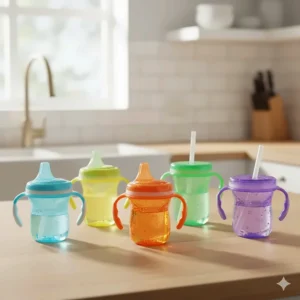
The market offers various types of cups—spoutless 360-degree designs, soft spout options, straw cups, and hard spout varieties. Each style has its advocates, but the best choice depends on your baby’s developmental stage, preferences, and your family’s lifestyle. Some babies take to cups immediately, while others need patience and multiple attempts before they master the skill.
Throughout this comprehensive guide, I’ll walk you through everything you need to know about infant sippy cups, from understanding different types to choosing the perfect option for your baby’s needs. We’ll explore seven top-rated products currently available, compare their features, and help you make an informed decision that’ll make both you and your baby happy. ✨
Quick Comparison Table
| Product | Capacity | Type | Age | Price Range | Key Feature |
|---|---|---|---|---|---|
| Munchkin Miracle 360 | 7oz | Spoutless | 6m+ | $6-$8 | 360° drinking edge |
| Dr. Brown’s First Straw Cup | 9oz | Weighted Straw | 6m+ | $7-$10 | Angle-adaptive straw |
| NUK Learner Cup | 5-10oz | Soft Spout | 6m+ | $8-$12 | Gentle silicone spout |
| Tommee Tippee Trainer | 8oz | Soft Spout | 7m+ | $10-$15 | Removable handles |
| OXO Tot Transitions | 6oz | Straw | 4m+ | $9-$12 | Almond-shaped spout |
| Pura Kiki Insulated | 9oz | Spout/Straw | 6m+ | $26-$32 | 100% plastic-free |
| Munchkin Any Angle | 7oz | Weighted Straw | 6m+ | $8-$10 | Click Lock technology |
💬 Just one click – help others make better buying decisions too!😊
Top 7 Infant Sippy Cup: Expert Analysis
1. Munchkin Miracle 360 Trainer Cup
The Munchkin Miracle 360 Trainer Cup has become something of a legend among parents, and for good reason. This innovative cup features a spoutless design that allows babies to drink from any point around the 360-degree rim, mimicking the experience of using a regular cup while maintaining spill-proof functionality.
Key Specifications:
✅ Capacity: 7 ounces
✅ Material: BPA-free plastic
✅ Age recommendation: 6+ months
✅ Dishwasher safe (top rack)
Price Range: $6-$8 for a 2-pack
The cup works through a clever valve system that automatically seals when your baby stops drinking. Simply tilt the cup and suck on the edge—liquid flows through, but when they stop, it seals completely. This design supports normal muscle development in your child’s mouth, which dentists appreciate since it doesn’t promote the tongue-thrusting action that traditional spouts can encourage.
Customer feedback consistently praises this cup’s leak-resistant performance. One parent shared that it survived being “held upside down for minutes and tossed across the room” without leaking. However, some parents note that very young babies may need time to understand how to use it, since there’s no obvious spout to bite or suck. The learning curve typically lasts a few days to a week.
Pros:
✅ Genuinely spill-proof when sealed properly
✅ Easy to clean with minimal parts
✅ Supports healthy oral development
Cons:
❌ Learning curve for bottle-fed babies
❌ Can leak if dropped from significant height
2. Dr. Brown’s Milestones Baby’s First Straw Cup
Dr. Brown’s Milestones Baby’s First Straw Cup simplifies the bottle-to-cup transition with its thoughtful design features. The weighted straw moves with the liquid, allowing babies to drink from any angle—a game-changer for little ones still learning to tip cups upright.
Key Specifications:
✅ Capacity: 9 ounces
✅ Material: BPA-free plastic with silicone straw
✅ Age recommendation: 6+ months
✅ Includes straw cleaning brush
Price Range: $7-$10
The soft silicone straw is gentle on emerging teeth and sensitive gums, while the removable handles lock in place for easy gripping. As your baby’s skills improve, you can remove the handles for a more grown-up feel. The travel-friendly sliding lid keeps the straw clean when not in use and maintains the spill-proof seal.
Parents appreciate the measurement marks that let you track exactly how much liquid your baby consumes throughout the day. The cup is contoured for easy holding, and all parts come apart completely for thorough cleaning. According to customer reviews, this cup works exceptionally well for babies transitioning from bottles since the straw feels familiar.
Pros:
✅ Weighted straw works at any angle
✅ Gentle silicone material
✅ Visual measurement marks
Cons:
❌ Multiple parts require careful cleaning
❌ Straw may need occasional replacement
3. NUK Learner Cup
The NUK Learner Cup has earned its reputation as an excellent first cup for infants. Its soft, 100% silicone spout closely mimics the feel of a bottle nipple, making it ideal for babies who are hesitant about new drinking methods.
Key Specifications:
✅ Capacity: 5oz or 10oz options
✅ Material: BPA-free plastic with silicone spout
✅ Age recommendation: 6+ months (5oz), 9+ months (10oz)
✅ Built-in air vent
Price Range: $8-$12 for 2-pack
The spout features a built-in air vent designed to reduce the amount of air your baby swallows while drinking—a thoughtful touch that can help minimize gas and discomfort. The easy-to-grip, removable handles are perfectly sized for little hands, and you can take them off as your child’s motor skills develop.
Customer testimonials consistently mention how well this cup works for transitioning from breast or bottle feeding. The soft spout is especially gentle during teething periods when gums are extra sensitive. One parent noted, “The nipple on the bottle is soft and made the perfect transition from breast and Tommee Tippee bottles to this more toddler appropriate bottle.”
Pros:
✅ Extremely gentle on sensitive gums
✅ Air vent reduces gas
✅ Affordable and widely available
Cons:
❌ Soft spout may wear out with heavy chewing
❌ Some babies outgrow the “babyish” look quickly
4. Tommee Tippee Infant Trainer Sippee Cup
Tommee Tippee Infant Trainer Sippee Cup comes from a brand with 50 years of feeding expertise, and their experience shows in this thoughtfully designed trainer cup. The super-soft spout is incredibly gentle on teething gums, while the two-piece valve system provides reliable spill-proof performance.
Key Specifications:
✅ Capacity: 8 ounces
✅ Material: BPA-free, BPS-free, phthalate-free plastic
✅ Age recommendation: 7+ months
✅ Dishwasher and sterilizer safe
Price Range: $10-$15 for 3-pack
The removable handles are designed specifically for developing hand coordination. As your toddler becomes more confident with their tipping and sipping skills, you can easily remove the handles so they can hold the cup directly. The easy-grip sides make it manageable even without handles attached.
Parents love that all parts are top-shelf dishwasher safe and suitable for steam sterilization, making cleanup genuinely effortless. The two-piece valve is straightforward to disassemble and clean—no tiny crevices where milk can hide and grow mold. Customer reviews frequently mention the durability of these cups, with many families using them through multiple children.
Pros:
✅ Ultra-soft spout for sensitive mouths
✅ Easy cleaning with minimal parts
✅ Excellent durability
Cons:
❌ Slightly higher price point
❌ Limited color variety compared to competitors
5. OXO Tot Transitions Straw Cup
The OXO Tot Transitions Straw Cup stands out as a genuinely leak-proof option that survived rigorous testing without spilling a single drop. This cup features a patented valve design that requires suction to release liquid, preventing spills even when dropped or thrown.
Key Specifications:
✅ Capacity: 6 ounces
✅ Material: BPA-free, phthalate-free, PVC-free plastic
✅ Age recommendation: 4+ months
✅ Removable handles with measurement marks
Price Range: $9-$12
The almond-shaped soft spout conforms naturally to your baby’s palate, making drinking comfortable and intuitive. Removable handles don’t slide around during use—they stay put where you position them. The cup features measurement marks on the exterior, allowing you to easily track your infant’s fluid intake throughout the day.
Build quality is exceptional; the plastic doesn’t bend or bow when squeezed, unlike some competitors. Parents report that while some babies initially struggle to understand that they need to suck to get liquid flowing, most figure it out within a day or two. Once they do, this becomes their go-to cup because it truly doesn’t leak.
Pros:
✅ Absolutely leak-proof performance
✅ Sturdy, durable construction
✅ Measurement marks for tracking intake
Cons:
❌ Initial learning curve with valve system
❌ Handles may be too small for older toddlers
6. Pura Kiki Stainless Steel Insulated Sippy Cup
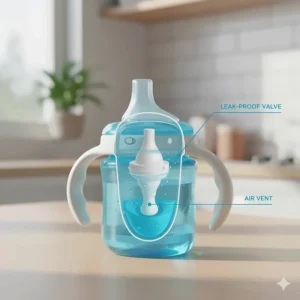
For parents seeking a plastic-free alternative, the Pura Kiki Stainless Steel Insulated Sippy Cup represents the premium end of the market. This 100% plastic-free option features medical-grade silicone components and MadeSafe certification—the only sippy cup on the market with this distinction.
Key Specifications:
✅ Capacity: 9 ounces
✅ Material: #304 stainless steel with silicone sleeve
✅ Age recommendation: 6+ months
✅ Vacuum-insulated design
Price Range: $26-$32
The insulated construction keeps drinks cold for hours, which is particularly valuable during summer outings or long car trips. The exterior silicone sleeve prevents condensation and protects against dents when dropped. What makes this cup truly special is its versatility—you can swap out components to transform it from an infant bottle to a sippy cup to a straw bottle as your child grows.
The medical-grade silicone spout is exceptionally soft and free from any concerning chemicals. Internal volume markings make measuring easy. While definitely more expensive than plastic alternatives, many parents view it as a worthwhile investment that’ll last through multiple developmental stages and potentially through multiple children.
Pros:
✅ Zero plastic, toxin-free materials
✅ Excellent insulation performance
✅ Multi-stage versatility
Cons:
❌ Significantly higher price point
❌ Silicone sleeve can be difficult to remove for cleaning
7. Munchkin Any Angle Weighted Straw Cup
The Munchkin Any Angle Weighted Straw Cup rounds out our list with its innovative Click Lock technology. This cup features a weighted straw base that allows toddlers to sip from any angle, while the patented Click Lock lid provides audible confirmation that the seal is secure.
Key Specifications:
✅ Capacity: 7 ounces
✅ Material: BPA-free plastic with silicone straw
✅ Age recommendation: 6+ months
✅ Flip-top lid design
Price Range: $8-$10 for 2-pack
The soft, flexible straw is gentle on gums while being durable enough to withstand chewing. The easy-grip trainer handles are perfectly sized for little ones to hold and can be removed as skills improve. The flip-top lid makes this cup particularly convenient for on-the-go use—just flip it open when your baby needs a drink.
Munchkin backs this cup with a 100% leak-proof guarantee, which gives parents confidence when tossing it into diaper bags or leaving it in the car seat. Customer reviews confirm that when the Click Lock is properly engaged (you’ll hear the click), spills are virtually eliminated. The weighted straw design means your baby can drink even when they tip the cup at odd angles.
Pros:
✅ Click Lock provides secure seal
✅ Weighted straw adapts to any angle
✅ Travel-friendly flip-top design
Cons:
❌ Lid mechanism requires proper alignment
❌ Straw may need occasional deep cleaning
🛒 Ready to Choose Your Perfect Cup?
Finding the right infant sippy cup transforms frustrating mealtimes into enjoyable moments of independence for your baby. Each of these seven cups has earned its spot through real-world testing and thousands of satisfied parents. Click on your favorite options above to check current prices and read more detailed reviews from other parents! 🍼✨
What Makes an Infant Sippy Cup Different from Toddler Cups?
Infant sippy cups are specifically designed with the developmental needs of babies aged 4-12 months in mind. These cups differ from toddler versions in several important ways that directly impact your baby’s success and safety during the transition period.
Softer Materials for Sensitive Gums
Infant cups typically feature softer spouts or straws made from silicone rather than hard plastic. Babies in this age range are often teething, with swollen, sensitive gums that can’t comfortably handle rigid drinking surfaces. The gentler material prevents discomfort while still providing an effective drinking experience.
Smaller Capacity
Most infant sippy cups hold between 5-9 ounces, compared to toddler cups that often accommodate 10-14 ounces or more. This smaller size serves multiple purposes: it’s lighter for developing muscles to hold, reduces waste if your baby doesn’t finish their drink, and feels less overwhelming for little ones just learning this new skill.
Easy-Grip Handles
Nearly all infant cups include removable handles specifically designed for tiny hands with limited fine motor control. The Centers for Disease Control and Prevention notes that babies develop grasp and release skills gradually throughout their first year. Handles provide the support they need while building strength and coordination.
Simplified Valve Systems
Infant cups tend to have simpler, easier-to-clean valve systems with fewer small parts. Babies are still building sucking strength, so valves that require excessive suction can frustrate them and discourage drinking. The best infant cups balance spill-proof functionality with easy liquid flow.
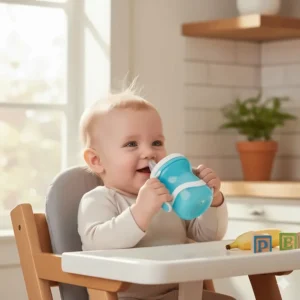
Understanding Different Types of Infant Sippy Cups
Spoutless 360-Degree Cups
These innovative cups feature a rimmed edge that allows drinking from any point around the circumference. When your baby stops drinking, a valve automatically seals. Dentists and pediatricians often recommend these because they promote natural drinking motions similar to regular cups, supporting proper oral development.
Best for: Babies who are ready to develop more advanced drinking skills and parents who want to skip traditional spouts entirely.
Soft Spout Cups
Featuring pliable silicone spouts that feel similar to bottle nipples, these cups offer the gentlest transition for babies attached to their bottles. The familiar texture and action make acceptance easier for hesitant drinkers.
Best for: First-time cup users, babies with strong bottle preferences, and during teething periods.
Weighted Straw Cups
These cups include a straw with a weighted base that follows the liquid regardless of cup angle. Babies can drink even when tilting the cup incorrectly, which reduces frustration during the learning process.
Best for: Active babies who don’t sit still, car rides, and building confidence in new drinkers.
Hard Spout Cups
Featuring rigid plastic spouts, these cups are extremely durable and often the most affordable option. However, they’re generally better suited for older babies (10+ months) who aren’t actively teething.
Best for: Budget-conscious families, rough users, and babies past the teething stage.
When Should You Introduce an Infant Sippy Cup?
Timing the introduction of an infant sippy cup can significantly impact how smoothly the transition goes. According to pediatric experts at the American Academy of Pediatrics, the ideal window for introducing a cup begins around 6 months of age, coinciding with the start of solid foods.
The 6-Month Sweet Spot
At six months, most babies have developed the necessary head and neck control to manage drinking from a cup. Their hand-eye coordination is improving, and they’re beginning to show interest in mimicking adult behaviors like drinking from glasses. Starting practice at this age gives your baby 6-9 months to become comfortable before completely weaning from bottles between 12-15 months.
Signs Your Baby is Ready
Look for these developmental milestones that indicate readiness:
- Can sit up independently without support
- Shows interest in what you’re drinking
- Reaches for cups or glasses
- Has started eating solid foods
- Can bring toys or objects to their mouth
- Demonstrates improved hand coordination
The Gradual Approach Works Best
Rather than replacing bottles immediately, start by offering the sippy cup once a day during meals. Let your baby play with it, explore how it works, and gradually learn the new drinking motion. Most babies need several weeks of practice before they can effectively drink substantial amounts from a cup.
I remember when my daughter first encountered her sippy cup—she spent more time banging it on her highchair tray than drinking from it! But within two weeks, she’d figured it out, and those experimental bangs turned into confident sips. Patience truly pays off during this learning phase.
Key Features to Look for When Buying
Leak-Proof Design That Actually Works
Let’s be honest—not all cups labeled “leak-proof” live up to the claim. Look for cups with secure locking mechanisms, robust valve systems, and positive reviews specifically mentioning leak resistance. Pay attention to whether leaking occurs only when dropped from heights or also during normal use.
Easy Cleaning and Maintenance
Cups with multiple small parts, tight crevices, or non-removable valves can harbor bacteria and mold. Choose options where every component can be fully disassembled, inspected, and thoroughly cleaned. Dishwasher-safe cups save significant time, but ensure all parts can withstand regular washing without warping.
Safe, Non-Toxic Materials
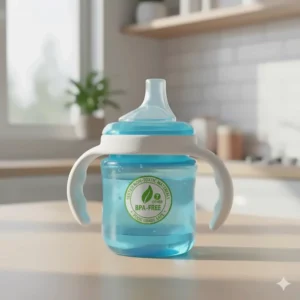
All infant sippy cups sold in the United States must be BPA-free, but that’s just the baseline. Consider cups that are also free from BPS, phthalates, PVC, and other potentially harmful chemicals. Certifications from organizations like MadeSafe provide additional assurance of material safety.
Age-Appropriate Design
Verify that the cup you’re considering is genuinely designed for infants rather than toddlers. Check the manufacturer’s age recommendations, capacity size, and whether features like handles are included. Some cups claim to be suitable from birth but actually work better for older babies.
Durability for the Long Haul
Babies drop things—constantly. Look for cups made from sturdy materials that can survive multiple falls onto tile floors without cracking. Silicone sleeves provide additional protection for steel cups. Read reviews mentioning longevity and whether cups held up through daily use.
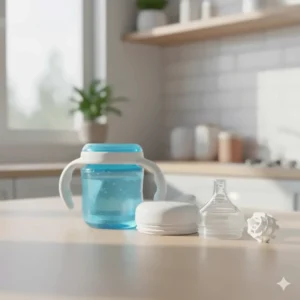
Material Matters: Plastic vs. Stainless Steel
Plastic Infant Sippy Cups
Advantages:
- Lightweight and easy for babies to hold
- Significantly more affordable
- Wide variety of colors and designs
- Won’t dent or damage floors when dropped
Considerations:
- Quality varies widely between brands
- May retain odors or stains over time
- Environmental impact of plastic waste
- Requires verification of chemical safety
Modern food-grade plastics used in quality infant cups are generally safe when properly manufactured. Look for certifications and stick with reputable brands that prioritize safety testing.
Stainless Steel Sippy Cups
Advantages:
- No plastic components touching beverages
- Excellent insulation keeps drinks cold
- Extremely durable and long-lasting
- Environmentally sustainable choice
Considerations:
- Higher upfront investment
- Heavier weight for small hands
- Limited design variety
- Can dent when dropped on hard surfaces
Stainless steel cups make sense for families prioritizing toxin-free products or planning to use the same cup through multiple children. The initial cost averages 2-3 times more than plastic, but the longevity often justifies the investment.
How to Clean and Maintain Your Infant Sippy Cup
Daily Cleaning Routine
After each use, disassemble the cup completely—and I mean completely. Remove valves, straws, handles, and any other components. Rinse immediately with warm water to prevent milk or juice from drying and becoming stuck in crevices.
Hand Washing Method:
- Use warm, soapy water with a baby bottle brush
- Clean inside straws with specialized straw brushes
- Pay special attention to valve areas and threading
- Rinse thoroughly under running water
- Air dry completely before reassembling
Dishwasher Method: Most sippy cups are top-rack dishwasher safe, but always verify the manufacturer’s instructions. Place small parts in a mesh bag to prevent them from falling through the rack. Use a heated dry cycle or allow items to air dry completely afterward.
Deep Cleaning Weekly
Once a week, perform a more thorough cleaning to eliminate any bacteria buildup:
🧼 Soak all components in a mixture of equal parts water and white vinegar for 15-20 minutes
🧼 Scrub with a bottle brush, paying extra attention to grooves and seals
🧼 For stubborn stains, create a paste with baking soda and water
🧼 Rinse extensively and allow to dry completely
Inspecting for Wear
Regularly check valves, straws, and spouts for signs of damage. Replace components when you notice:
- Cracks or tears in silicone
- Discoloration that doesn’t wash away
- Reduced seal effectiveness
- Rough or sharp edges
Most manufacturers sell replacement parts separately, extending the life of your cup without requiring complete replacement.
Common Mistakes Parents Make (And How to Avoid Them)
Switching Too Abruptly
The most common mistake? Trying to eliminate bottles overnight and wondering why your baby refuses the cup. Babies need time to adjust to new drinking methods. Introduce the cup alongside bottles, gradually increasing cup time while reducing bottle sessions over several weeks.
Not Starting Early Enough
Waiting until 12 months to introduce a sippy cup makes the transition significantly harder. By that age, bottle habits are deeply ingrained. Starting around 6 months gives your baby plenty of low-pressure practice time before bottles need to be eliminated.
Forgetting to Remove Valves During Cleaning
Those tiny valves that prevent spills also trap milk and juice, creating perfect conditions for bacterial growth. Many parents don’t realize valves are removable or skip this step due to inconvenience. Make valve removal part of your standard cleaning routine—it takes five extra seconds and prevents health issues.
Giving Up Too Quickly
Your baby rejected the cup three times, so it must be the wrong one, right? Not necessarily. Babies often need 10-15 exposures to a new cup before accepting it. Unless your baby shows signs of distress or pain when using a particular cup, give it a fair trial of at least two weeks before switching.
Using Only One Cup Style
Different situations call for different cups. A spoutless cup works great at the dinner table but might frustrate a tired baby during bedtime. A weighted straw cup excels in the car but may be overkill for controlled practice sessions. Consider having 2-3 cup types available for different scenarios.
Transitioning from Bottle to Infant Sippy Cup Successfully
Creating Positive Associations
Make sippy cup time enjoyable rather than stressful. Let your baby explore the cup without pressure to actually drink from it initially. Fill it with favorite beverages, offer it during happy, relaxed moments, and celebrate small victories with enthusiasm.
The Substitution Strategy
Start by replacing one bottle session with cup time—typically the midday feeding works best since babies are alert but not overly hungry or tired. Once they’re comfortable with that replacement, gradually substitute additional sessions. Save the bedtime bottle for last, as it’s often the most emotionally significant.
Temperature Tactics
Some babies are more accepting of sippy cups when the beverage inside is slightly warmed, mimicking the bottle experience. Others prefer cold drinks that provide a clear sensory distinction. Experiment to discover what motivates your baby to drink from the cup.
Modeling Behavior
Babies learn through imitation. Make a point of drinking from your own cup while your baby has theirs, demonstrating the tipping motion and showing how drinking works. Exaggerate your enjoyment—”Mmmm, this water is so good!” Sometimes a little theater helps.
Managing Resistance
If your baby consistently refuses a particular cup, try a different style rather than forcing the issue. Some babies strongly prefer straws over spouts or vice versa. Respect these preferences while still maintaining the goal of transitioning away from bottles by 15 months.
Age-Specific Recommendations
4-6 Months: Introduction Phase
Recommended Cup Types: Soft spout cups, trainer cups with handles
Goals: Familiarization with new drinking method, building confidence
What to Expect: More playing than drinking, lots of dribbling, short attention span
Focus on letting your baby explore rather than achieving perfect drinking. Offer water in the cup during bath time—it’s already wet anyway, so spills don’t matter! This low-pressure environment helps babies experiment freely.
6-9 Months: Building Skills
Recommended Cup Types: Weighted straw cups, 360-degree cups, soft spout cups
Goals: Developing actual drinking ability, reducing bottle dependence
What to Expect: Improved coordination, longer drinking sessions, reduced spillage
This stage is ideal for offering the cup at every meal. Babies have better motor control and can begin truly drinking meaningful amounts. Continue offering bottles but make cups increasingly available and appealing.
9-12 Months: Transition Phase
Recommended Cup Types: All types, start reducing handles
Goals: Independent cup use, preparing for complete bottle elimination
What to Expect: Preference development, potential resistance to bottles
Many babies naturally lose interest in bottles during this period, making the transition smoother. If your baby still resists, try offering the cup first when they’re hungry rather than defaulting straight to bottles.
12-15 Months: Mastery Phase
Recommended Cup Types: Cups without handles, open cups for practice
Goals: Complete bottle elimination, progressing toward regular cups
What to Expect: Confident cup use, willingness to try different styles
The American Academy of Pediatrics recommends complete bottle weaning by 15 months. Use this period to eliminate bottles entirely while simultaneously introducing brief practice sessions with regular open cups during supervised meals.
Top Brands Comparison
Munchkin: Innovation Leader
Munchkin consistently pushes boundaries with innovative designs like the Miracle 360. Their products often introduce features that other brands later copy. Quality is generally excellent, though some parents find their designs require a learning curve. Price point is mid-range, offering good value for innovative features.
Dr. Brown’s: Medical Backing
Known originally for their anti-colic bottles, Dr. Brown’s brings medical research to their sippy cup designs. Their products focus heavily on oral development and reducing air intake. Prices are moderate, and their Milestones line offers exceptional variety. Components across their line are often interchangeable.
NUK: Gentle Transitions
NUK specializes in products that closely mimic breastfeeding and bottle-feeding experiences. Their soft spouts are industry-leading in gentleness. Pricing is very competitive, and availability is excellent in most stores. Best choice for babies who struggle with transitions or have sensitive gums.
Tommee Tippee: European Heritage
With 50 years of experience, Tommee Tippee brings Old World quality to practical designs. Their cups prioritize durability and ease of cleaning. Slightly higher price point than some competitors, but quality justifies the cost. Excellent customer service and readily available replacement parts.
Pura: Premium Plastic-Free
Pura occupies the premium market segment with their plastic-free stainless steel bottles. They’re the only MadeSafe certified sippy cup manufacturer. Prices are significantly higher, but products are built to last through multiple children. Best for families prioritizing toxin elimination and sustainability.
Budget-Friendly Options Without Sacrificing Quality
You don’t need to spend $30 per cup to get safe, effective products. Several excellent options deliver outstanding performance at accessible price points:
Under $10 Picks:
- NUK Learner Cup 2-pack ($8-10)
- Munchkin Miracle 360 2-pack ($6-8)
- First Years Take & Toss cups (10-pack for $8-12)
These cups meet all safety standards, receive positive reviews, and perform comparably to premium options. The main differences are typically aesthetic rather than functional.
Money-Saving Strategies
💰 Buy multi-packs rather than individual cups
💰 Choose cups with interchangeable components that grow with your baby
💰 Look for store-brand versions of popular designs
💰 Wait for seasonal sales at major retailers
💰 Consider buying one premium cup for home and budget options for daycare
Remember that your baby will eventually move to regular cups, so these aren’t forever purchases. Buying affordable options that work well makes more financial sense than investing heavily in products with a relatively short usefulness window.
Troubleshooting Common Sippy Cup Problems
Baby Won’t Drink from the Cup
Solution: Start with just water rather than milk or juice. Babies are often more willing to experiment with “low-stakes” beverages. Try different cup types—some babies strongly prefer straws while others do better with spouts. Offer the cup when your baby is thirsty but not desperately hungry or overtired.
Excessive Spilling and Leaking
Solution: Verify that all components are properly assembled and sealed. Check that valves aren’t installed backward or damaged. Ensure the cup isn’t overfilled—most work best when filled only to 2/3 capacity. Some “spill-proof” cups actually only resist spills rather than preventing them entirely.
Difficulty Getting Liquid Out
Solution: Some valves are too restrictive for babies with developing sucking strength. Try removing the valve for practice sessions (under supervision). Look for cups specifically designed for younger infants with easier flow rates. Dr. Brown’s and NUK both offer “easy flow” options.
Mold Growing in Components
Solution: Disassemble cups immediately after use and allow components to air dry completely. Mold thrives in moisture, so cups stored while wet will develop problems. Perform weekly deep cleaning with vinegar. Replace components showing any mold that can’t be completely removed.
Baby Only Wants to Chew the Spout
Solution: This is normal developmental behavior! Provide dedicated teething toys to satisfy chewing needs separately. Choose cups with durable spouts designed to withstand chewing. Supervise cup use and gently redirect when your baby chews rather than drinks.
Health and Safety Considerations
Chemical Safety Beyond BPA
While all modern sippy cups are BPA-free, that doesn’t guarantee complete safety. Look for products that are also free from:
- BPS (bisphenol S) – often used as a BPA replacement but potentially harmful
- Phthalates – plasticizers linked to developmental concerns
- PVC (polyvinyl chloride) – contains harmful additives
- Lead – particularly important in metal cups and painted designs
Third-party certifications from organizations like MadeSafe or NSF International provide additional assurance that products have been independently tested.
Preventing Dental Issues
According to the American Dental Association, prolonged use of sippy cups, especially with sugary beverages, can contribute to tooth decay. Follow these guidelines:
🦷 Limit sippy cup use to meal and snack times
🦷 Never let your baby fall asleep with a sippy cup
🦷 Fill cups with water except during meals
🦷 Avoid prolonged “walking around with a sippy cup” habits
🦷 Transition to open cups as soon as feasible
Spoutless 360-degree cups are generally considered best for dental health since they don’t promote tongue thrusting against teeth.
Choking Hazards
Always supervise young infants during cup use. Small components like valves can become choking hazards if they come loose. Regularly inspect cups for damage that might cause pieces to break off. Keep cups with removable handles away from curious siblings who might disassemble them unsafely.
Environmental Impact and Sustainability
The infant sippy cup market generates significant plastic waste, with many families cycling through dozens of cups during their baby’s first years. Consider these environmental factors when choosing:
Plastic Footprint
Even BPA-free plastic cups eventually end up in landfills or oceans. A single baby might use 10-20 cups before transitioning to regular glasses, contributing to plastic pollution. If choosing plastic, select durable options that’ll last through multiple children or consider programs that recycle baby gear.
Stainless Steel Advantages
While more expensive initially, stainless steel cups can last decades. They’re infinitely recyclable at end-of-life and won’t leach microplastics into beverages. The environmental cost of production is quickly offset by longevity and reusability.
Disposal and Recycling
Most plastic sippy cups cannot be recycled through standard municipal programs due to small size and mixed materials. Check if your area has specialized recycling programs for children’s items. Consider donating gently used cups to shelters, daycares, or parent groups rather than throwing them away.
Eco-Conscious Choices
🌱 Choose brands with take-back or recycling programs
🌱 Buy secondhand cups from trusted sources
🌱 Select multipurpose cups that adapt as your baby grows
🌱 Avoid disposable cups for everyday use
🌱 Invest in quality over quantity
FAQ: Your Questions Answered
❓ How many infant sippy cups should I buy initially?
❓ Can I use an infant sippy cup for hot liquids?
❓ When should I stop using sippy cups entirely?
❓ Are there infant sippy cups specifically for breastfed babies?
❓ What's the difference between sippy cups and trainer cups?
Conclusion: Finding Your Perfect Match
Choosing the right infant sippy cup doesn’t have to be overwhelming, even though the options initially seem endless. By understanding your baby’s developmental stage, your family’s priorities, and the key features that actually matter, you can confidently select a cup that’ll make the transition from bottle to independent drinking as smooth as possible.
Remember that your baby’s first choice might not be yours—and that’s perfectly okay. The Munchkin Miracle 360 might be a parent favorite for its innovative design, but if your baby gravitates toward the gentler feel of the NUK Learner Cup or prefers the weighted straw of Dr. Brown’s cup, that’s what matters most. Success comes from matching the cup to your child rather than forcing your child to adapt to your cup preference.
Don’t expect perfection immediately. Spills will happen, cups will be thrown, and some days your baby will flat-out refuse what they happily drank from yesterday. This is all normal, frustrating, and temporary. Stay patient, maintain consistency, and celebrate small victories. Before you know it, sippy cups will be a distant memory and you’ll be navigating the next milestone together.
The seven cups we’ve explored today represent genuinely excellent options across different price points, design philosophies, and baby preferences. Whether you choose a budget-friendly multi-pack or invest in a premium stainless steel option, you’re making a decision based on research and your family’s unique needs—and that’s exactly what good parenting looks like. ✨
🎯 Take the Next Step in Your Baby’s Journey
Your baby deserves the best start in their drinking journey. Don’t let another day of frustrating spills and rejected bottles hold you back! Click on any of the highlighted cups in our expert review section to find current prices, read detailed customer experiences, and make your purchase today. Every day of practice brings your little one closer to independence! 💙👶
Recommended for You
- 7 Best Sippy Cup for Baby Who Refuses Bottle (2025)
- Sippy Cup vs Straw Cup for Baby: 7 Best Expert Picks 2025
- 7 Best Sippy Cup for Baby Options in 2025 | Expert Reviews & Tips
Disclaimer: This article contains affiliate links. If you purchase products through these links, we may earn a small commission at no additional cost to you.
✨ Found this helpful? Share it with your friends! 💬🤗
