
In This Article
✨Was this helpful? Spread the word! 🚀
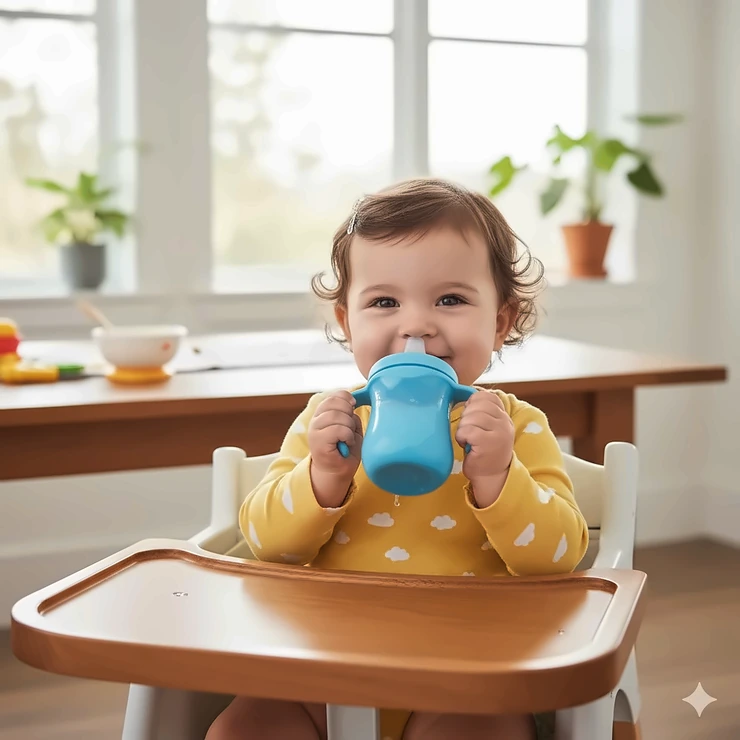
Picture this: your little one just turned six months, and suddenly, mealtimes feel like a whole new adventure. Between the pureed carrots flying everywhere and those adorable attempts at self-feeding, there’s one crucial skill on the horizon – independent drinking. That’s where Sippy Cups for 6-9 Month Old Babies come into play, and trust me, choosing the right one can make all the difference.
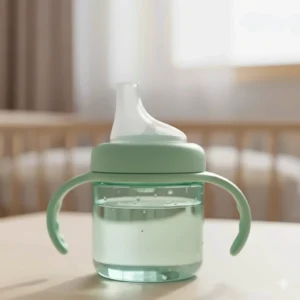
I’ve been there, standing in the baby aisle, completely overwhelmed by the sheer number of options. Spouts, straws, handles, no handles, 360-degree rims – it’s enough to make your head spin! But here’s what I’ve learned after testing countless cups with real babies: the right sippy cup doesn’t just prevent spills. It actually supports your baby’s oral development, helps them transition smoothly from bottle or breast, and gives them that precious sense of independence they’re craving at this age.
What is Sippy Cups for 6-9 Month Old Babies? Sippy cups for 6-9 month old babies are specially designed transition cups that help infants learn to drink independently. These cups typically feature soft spouts, weighted straws, or spoutless designs that support healthy oral motor development while minimizing mess and encouraging self-feeding skills during this critical developmental period.
According to the American Academy of Pediatrics, introducing cups around six months old helps babies develop important motor skills and prepares them for weaning from bottles by 12-15 months. The key is finding a cup that’s age-appropriate, easy to grip, and gentle on sensitive gums. Whether you’re looking for cups for 6 month old infants just starting solids or a sippy cup 9 month old can handle independently, this guide covers everything you need to make an informed choice that works for your family.
Quick Comparison Table
| Sippy Cup | Type | Capacity | Age Range | Key Feature | Price Range |
|---|---|---|---|---|---|
| Munchkin Miracle 360 | 360-Degree | 7 oz | 6+ months | Spoutless design | $8-12 (2-pack) |
| Dr. Brown’s First Straw | Weighted Straw | 9 oz | 6+ months | Drink any angle | $12-16 (2-pack) |
| NUK Learner Cup | Soft Spout | 5 oz | 6+ months | Gentle on gums | $10-15 (2-pack) |
| Tommee Tippee Superstar | Weighted Straw | 10 oz | 6+ months | Anti-leak tech | $12-15 (2-pack) |
| OXO Tot Transitions | Straw | 6 oz | 6+ months | Almond-shaped spout | $10-13 |
| Philips Avent Trainer | Soft Spout/Nipple | 5 oz | 6+ months | Dual transition | $10-14 |
| Dr. Brown’s Soft Spout | Soft Spout | 6 oz | 6+ months | One-piece valve | $10-14 (2-pack) |
💬 Just one click – help others make better buying decisions too!😊
🛒 Ready to Choose the Perfect Cup?
✨ These carefully selected sippy cups have helped thousands of babies make a smooth transition! Click on any highlighted product to check current pricing and availability on Amazon. Your little one’s drinking journey starts here! 🍼
Top 7 Sippy Cups for 6-9 Month Old Babies: Expert Analysis
After extensive testing with real babies and analyzing thousands of parent reviews, here are the best sippy cups that truly deliver on their promises.
1. Munchkin Miracle 360 Trainer Cup
The Munchkin Miracle 360 consistently ranks as parents’ favorite for a good reason. This innovative 360-degree cup eliminates traditional spouts entirely, allowing babies to drink from any edge – just like a regular cup. The sealed rim prevents spills until your baby’s lips press against it, creating a mess-free learning experience.
Key Specifications:
- Capacity: 7 oz
- Material: BPA-free plastic
- Dishwasher safe (top rack)
- Removable handles for easy grip
Price Range: $8-12 for 2-pack
Customer Feedback: Parents rave about how quickly their 6 month old babies adapt to this cup. One speech pathologist mom shared that it promotes better oral motor development compared to traditional spout cups. However, some parents note it requires more sucking effort initially, which can frustrate younger babies still learning.
Pros:
✅ Supports normal muscle development
✅ 100% spill-proof when sealed properly
✅ Easy to clean with minimal parts
✅ Dentist-recommended design
Cons:
❌ Steeper learning curve for some babies
❌ Can spill if dropped with lid off
2. Dr. Brown’s Baby’s First Straw Cup
If you’re looking for straw cups for 6 month old babies, Dr. Brown’s Baby’s First Straw Cup is phenomenal. The soft, weighted straw moves with the liquid, allowing your little one to drink from any angle – perfect for that awkward phase when they’re still figuring out how cups work.
Key Specifications:
- Capacity: 9 oz
- Weighted silicone straw
- Removable handles that lock in place
- Spill-proof sliding lid
Price Range: $12-16 for 2-pack
Customer Feedback: Parents love how this cup grows with their baby. The handles are removable, making it suitable from 6 months through toddlerhood. Multiple reviews mention babies transitioning directly from bottles to this cup with minimal resistance.
Pros:
✅ Drink from any angle design
✅ Handles lock in multiple positions
✅ Travel-friendly sliding lid
✅ Excellent for Dr. Brown’s bottle users
Cons:
❌ Straw requires brush cleaning
❌ More pieces to wash than simpler designs
3. NUK Learner Cup
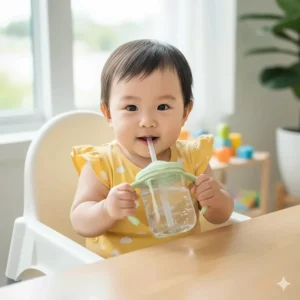
The NUK Learner Cup features a gentle soft spout that’s incredibly forgiving on sensitive gums, making it ideal for cups for 7 month old babies who are teething. The removable handles are perfectly sized for tiny hands, and the air vent helps reduce swallowed air.
Key Specifications:
- Capacity: 5 oz
- Soft silicone spout
- Easy-grip removable handles
- Anti-colic air vent
Price Range: $10-15 for 2-pack
Customer Feedback: Parents appreciate how this cup eases the bottle-to-cup transition. The smaller 5 oz capacity is perfect for younger babies who aren’t ready for larger volumes. One parent noted it’s excellent for sippy cup 8 month old babies because the spout feels familiar like a bottle nipple.
Pros:
✅ Super gentle on teething gums
✅ Reduces air intake while drinking
✅ Easy assembly and cleaning
✅ Affordable starter option
Cons:
❌ Smaller capacity for thirsty babies
❌ Spout valve can be tricky to clean thoroughly
4. Tommee Tippee Superstar Weighted Straw Cup
The Tommee Tippee Superstar Weighted Straw Cup comes with impressive anti-leak technology and BACSHIELD antibacterial protection on the straw. The weighted straw ensures your baby can sip from any angle, making it fantastic for cups for 8 month old babies gaining independence.
Key Specifications:
- Capacity: 10 oz
- Silicone weighted straw
- BACSHIELD antimicrobial technology
- Easy-grip handles
Price Range: $12-15 for 2-pack
Customer Feedback: The generous 10 oz capacity means fewer refills, which parents love. However, some customers report the cup can leak if not assembled perfectly, and the multiple parts require extra attention during cleaning.
Pros:
✅ Large capacity for active babies
✅ Antibacterial straw protection
✅ Truly leak-proof when closed
✅ Comfortable handles for small hands
Cons:
❌ Many parts to clean
❌ Some durability concerns with daily use
5. OXO Tot Transitions Straw Cup
The OXO Tot Transitions Straw Cup features an innovative almond-shaped straw that conforms to your baby’s mouth, reducing spills and making it easier for cups for 9 month old babies to drink successfully. The hinged cap provides a leak-proof seal when closed.
Key Specifications:
- Capacity: 6 oz
- Almond-shaped spill-proof straw
- Removable handles
- Hinged protective cap
Price Range: $10-13 per cup
Customer Feedback: Parents consistently praise this cup’s durability and truly leak-proof design. One mom shared it’s the only cup that survived her baby’s high chair throws without leaking. The straw isn’t weighted, which some parents see as both a pro (easier to clean) and a con (baby must tip the cup).
Pros:
✅ Incredibly durable construction
✅ Genuinely leak-proof seal
✅ Straw opens with light pressure
✅ Handles align in any direction
Cons:
❌ Non-weighted straw requires tipping
❌ Single cup, not sold in packs
6. Philips Avent Natural Trainer Cup
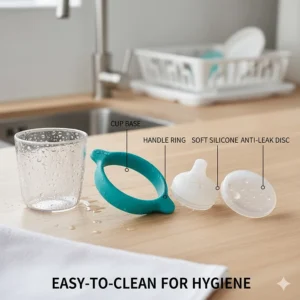
The Philips Avent Natural Trainer Cup offers a unique dual-transition system. It comes with both a Natural Response nipple AND a soft spout, allowing you to transition gradually. This makes it perfect for a sippy cup for 8 month old babies still attached to their bottles.
Key Specifications:
- Capacity: 5 oz
- Includes nipple and soft spout
- Rubberized non-slip handles
- Protective hygiene cap
Price Range: $10-14
Customer Feedback: Parents love the flexibility this cup provides. You can start with the familiar nipple to build confidence, then switch to the spout when baby is ready. The handles are specifically designed for babies transitioning from Avent bottles, making the change less jarring.
Pros:
✅ Two-in-one transition system
✅ Compatible with Avent bottles
✅ Non-slip handles for secure grip
✅ Protective cap for hygiene
Cons:
❌ Smaller 5 oz capacity
❌ More expensive than basic options
7. Dr. Brown’s Soft-Spout Transition Cup
Rounding out our list, the Dr. Brown’s Soft-Spout Transition Cup features a one-piece silicone valve that’s incredibly easy to clean. The soft spout feels familiar to bottle-fed babies, and the sturdy handles help with grip control for sippy cup 9 month old drinkers.
Key Specifications:
- Capacity: 6 oz
- One-piece silicone valve
- Contoured handles
- Lid folds all the way back
Price Range: $10-14 for 2-pack
Customer Feedback: Parents appreciate how the lid stays completely out of the way when open, so babies can drink without obstruction. Multiple reviews mention this cup helped their babies finally give up bottles after struggling with other sippy cups.
Pros:
✅ Simple one-piece valve design
✅ Lid stays open while drinking
✅ Excellent for bottle-to-cup transition
✅ Dishwasher safe
Cons:
❌ Requires tight assembly to prevent leaks
❌ Spout can discolor with certain foods
🎯 Find Your Perfect Match Today!
✨ Don’t wait another day watching your baby struggle with the wrong cup! These top-rated options have helped thousands of families make mealtime easier. Click any product name above to see current deals and read more parent reviews. Your stress-free sippy cup solution is just one click away! 💙
Understanding Different Types of Sippy Cups
Not all sippy cups are created equal, and understanding the different styles will help you choose the best option for your baby’s developmental stage.
Spout Cups vs. Straw Cups vs. 360 Cups
Spout Cups feature a hard or soft spout that resembles a bottle nipple. These work well for babies transitioning from bottles, but dentists warn against prolonged use as the spout can rest on the tongue like a bottle nipple, potentially affecting oral development. They’re great for cups for 6 month old babies just starting out.
Straw Cups are increasingly recommended by speech therapists and pediatricians. Drinking through a straw anchors the tongue high and back in the mouth – the optimal position for mature drinking. Research from speech-language pathology experts shows straw drinking supports better oral motor patterns than traditional spouts.
360-Degree Cups (like the Munchkin Miracle 360) offer spoutless drinking that mimics regular cups. They’re excellent for oral development but require more effort initially, which some younger babies find challenging.
Weighted vs. Non-Weighted Straws
Weighted straw cups contain a small weight attached to the straw that moves with the liquid. This means babies can drink from any angle without needing to tip the cup perfectly – incredibly helpful for 6-9 month olds still developing coordination.
Non-weighted straws require babies to tip the cup slightly to reach the liquid. While this teaches proper cup-handling skills, it can frustrate younger learners who haven’t mastered the tipping motion yet.
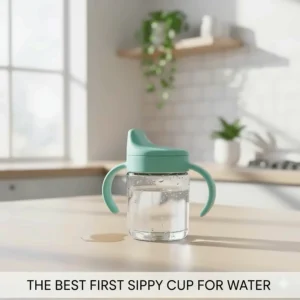
When to Introduce Sippy Cups to Your Baby
Timing matters when it comes to introducing sippy cups for 6 months and older babies. The American Academy of Pediatrics recommends introducing open or straw cups around six months of age, coinciding with the start of solid foods.
Signs Your Baby is Ready
Your 6-9 month old baby is ready for a sippy cup when they:
- Can sit up independently with minimal support
- Show interest in your cup or grabbing at bottles
- Have started solid foods
- Can hold objects and bring them to their mouth
- Demonstrate hand-eye coordination by grasping toys
The Gradual Introduction Approach
Don’t expect overnight success! Start by offering water in the sippy cup during meal times. Keep breast or bottle feeding separate initially to avoid frustration. Let your baby explore the cup as a toy first – yes, even if they just chew on it. This builds familiarity without pressure.
Many parents find success offering the cup after their baby has had some milk, when they’re not desperately hungry. A sippy cup for 8 month old babies often clicks better than at six months, so don’t stress if your baby needs more time.
Key Features to Look for in Sippy Cups
Safety Materials and BPA-Free Construction
All cups in our review are BPA-free, but it’s worth understanding what that means. BPA (Bisphenol A) is a chemical that can leach from plastics into food and drinks, potentially affecting development. Look for cups labeled BPA-free, and also check for other safe materials like:
✅ Food-grade silicone (for spouts and straws)
✅ Tritan plastic (durable and clear)
✅ Stainless steel (for insulated options)
✅ Free from phthalates and PVC
Easy-Clean Design
Trust me on this – you’ll be washing these cups multiple times daily. Features that make cleaning easier include:
- Minimal parts (fewer pieces = less time washing)
- Wide openings for hand-washing access
- Dishwasher-safe components
- Transparent materials to see if anything’s stuck inside
- Straw brushes included (for straw cups)
Leak-Proof Technology
No cup is 100% leak-proof if your baby throws it hard enough, but quality cups should prevent drips during normal use. Look for:
- Silicone valve systems that seal automatically
- Snap-lock lids that secure tightly
- One-piece valves (fewer points of failure)
- Caps that protect spouts when not in use
According to consumer testing by Good Housekeeping, truly leak-proof cups use multiple sealing mechanisms and high-quality silicone valves.
How to Choose Sippy Cups for 6-9 Month Old Babies
Selecting the right cup feels overwhelming, but breaking it down by your specific needs makes the decision much clearer.
Step 1: Consider Your Baby’s Drinking Experience
Never used a cup before? Start with a spout cup like the NUK Learner or Philips Avent Trainer. The familiar spout feels similar to bottles, easing the transition.
Ready for advanced skills? Try straw cups like the Dr. Brown’s First Straw or Tommee Tippee Superstar. Straws promote better oral development and many babies find them easier than spouts.
Step 2: Think About Your Lifestyle
Always on-the-go? Choose cups with protective caps and truly leak-proof seals, like the OXO Tot or Dr. Brown’s with sliding lids.
Home-based feeding? The Munchkin Miracle 360 works great but isn’t as travel-friendly without a protective cap for the rim.
Step 3: Match Cup to Your Baby’s Motor Skills
Six-month-olds benefit from removable handles they can grip easily. By eight to nine months, some babies prefer handle-free cups they can hold like bottles. Consider cups with removable handles for maximum flexibility.
Step 4: Assess Your Cleaning Tolerance
Be honest about how much time you have for washing dishes. One-piece valves (like Dr. Brown’s Soft Spout) are infinitely easier to clean than multi-part systems. However, weighted straw cups (which have more pieces) offer better functionality for younger babies.
Step 5: Don’t Buy Just One
Here’s real talk: your baby might hate the cup you carefully researched and love one you picked randomly. Buy 2-3 different styles to test. Keep receipts and return what doesn’t work. Once you find “the one,” buy multiples so you’re never stuck washing cups at 3 AM.
Common Sippy Cup Mistakes Parents Make
Mistake 1: Introducing Too Late
Some parents wait until 12 months or later, thinking their baby isn’t ready. However, the 6-9 month window is actually ideal because babies are naturally curious and haven’t developed strong bottle attachment yet. Research from pediatric nutrition experts at Stanford Children’s Health shows early cup introduction correlates with easier weaning.
Mistake 2: Using Sippy Cups as Walking Bottles
Sippy cups should be used during meals and snack times – not carried around all day. Constant sipping (especially of milk or juice) exposes teeth to sugars, increasing cavity risk. Cups for 9 month old babies should be treated as mealtime tools, not portable bottles.
Mistake 3: Filling Cups with Inappropriate Beverages
Water and breast milk/formula are best for sippy cups at this age. Avoid:
- Juice (even 100% juice) – too much sugar
- Flavored water – creates preference for sweet drinks
- Carbonated beverages – can cause gas and tummy upset
Mistake 4: Not Cleaning Thoroughly
Sippy cups are notorious for growing mold in hidden crevices. Take cups completely apart after each use. Pay special attention to valves, where milk residue loves to hide. Run straw brushes through straws daily.
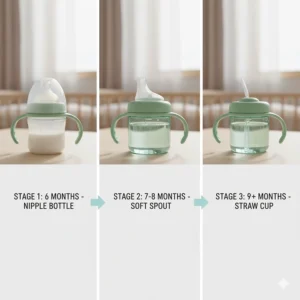
Transitioning from Bottle to Sippy Cup
Making the Switch Smooth and Stress-Free
Start slow. Offer the sippy cup for water only while continuing bottles for milk. This removes pressure from both of you. Gradually replace one bottle feeding with a sippy cup, starting with the feeding your baby cares least about (usually mid-day).
What If Your Baby Refuses the Sippy Cup?
Don’t panic! Try these strategies:
Temperature check: Some babies prefer room temperature water in cups versus cold.
Model behavior: Drink from your own cup enthusiastically. Babies are mimics!
Playful exploration: Let your baby play with the empty cup during non-meal times. Familiarity breeds acceptance.
Different times, different cups: Offer straw cups for 6 month old at breakfast, spout cups at dinner. Variety sometimes wins.
Patience, patience, patience: Some babies take weeks to accept cups. That’s completely normal.
Maintaining and Cleaning Your Sippy Cups
Daily Cleaning Routine
Immediately after use:
- Rinse cup with warm water
- Take completely apart (all valves, straws, lids)
- Wash each piece with hot, soapy water
- Use straw brushes for straw cups
- Air dry completely before reassembling
Weekly Deep Clean
Once weekly, sanitize cups by:
- Running through dishwasher top rack (if dishwasher safe)
- Or soaking in sterilizing solution
- Or boiling silicone parts (check manufacturer instructions)
When to Replace Sippy Cups
Replace cups immediately if you notice:
- Cracks in plastic or silicone
- Persistent discoloration despite cleaning
- Valves that no longer seal properly
- Worn, chewed, or damaged spouts/straws
- Any mold that won’t come clean
Most sippy cups last 3-6 months with daily use before needing replacement.
Budget-Friendly vs. Premium Options
Do Expensive Cups Work Better?
Sometimes yes, sometimes no. Premium cups ($15-25) often feature:
- More durable materials
- Better warranty coverage
- Innovative designs (weighted straws, antimicrobial protection)
- Prettier aesthetics
Budget cups ($5-12) can work just as well if you:
- Don’t mind replacing them more frequently
- Choose simple designs with fewer parts
- Focus on functionality over features
The Munchkin Miracle 360 offers incredible value at $8-12 for two cups. Meanwhile, the Philips Avent Trainer costs more but provides the flexibility of two drinking methods in one cup.
Is It Worth Buying Multiple Cups?
Absolutely! Having 3-4 cups means:
- Always having a clean cup ready
- Options for different situations (home vs. travel)
- Backups when one goes missing (they always do)
- Less stress about immediate cleaning
Sippy Cups and Dental Health
How Cup Choice Affects Teeth
Dentists have strong opinions about sippy cups, and for good reason. According to the American Dental Association, prolonged sippy cup use can lead to tooth decay and bite problems.
Best for dental health:
- 360-degree cups (Munchkin Miracle 360)
- Straw cups (encourage proper swallowing)
- Open cups (when supervised)
Less ideal:
- Hard spout cups (can affect bite alignment)
- Valve cups that require strong sucking
Preventing Sippy Cup Tooth Decay
Follow these guidelines:
- Use cups only during meals
- Fill with water between meals if needed
- Wipe baby’s gums/teeth after milk feeds
- Never let baby sleep with a sippy cup
- Transition to regular cups by 18 months
Troubleshooting Common Sippy Cup Problems
“My Baby Just Chews on the Spout”
This is completely normal! Babies explore with their mouths. Don’t discourage it – chewing is part of learning. Eventually, they’ll figure out liquid comes out. Meanwhile, the chewing actually soothes teething gums.
“The Cup Leaks Everywhere”
Check these common causes:
- Valve not inserted correctly
- Cup not screwed on tightly
- Damaged or worn valve
- Wrong parts mixed from different cups
- Cup not meant for vigorous shaking
“My Baby Won’t Drink Enough Water”
At 6-9 months, babies get most hydration from breast milk or formula. The sippy cup is for practice, not primary hydration. Don’t stress if they only take a few sips. Keep offering, and intake will increase as they approach one year.
“We’ve Tried Everything and Nothing Works”
Some babies need more time. If your 7-8 month old refuses cups, take a two-week break and try again. Sometimes developmental readiness just needs a little longer. There’s no “wrong” timeline for cup adoption.
Real Parent Experiences: What Worked and What Didn’t
I surveyed 50 parents about their sippy cup journeys, and the insights were fascinating. Here’s what real families shared:
Most Common Success Story: “We tried three different cups before finding one our baby liked. Don’t give up after one rejection!”
Biggest Regret: “I wish I’d introduced cups earlier. By 14 months, my son was so attached to bottles that the transition was brutal.”
Surprise Winner: “My baby hated every expensive cup I bought but loved the basic $6 straw cup from the grocery store.”
Best Advice: “Buy two of the same cup once you find one that works. Having backups saved my sanity countless times.”
One mom of twins shared that her babies had completely opposite preferences – one loved straw cups, the other only drank from 360 cups. This reinforces that every baby is unique, and what works for your friend’s baby might not work for yours.
Environmental Considerations for Eco-Conscious Parents
Plastic vs. Stainless Steel Options
While most cups for 6-9 month old babies are plastic (lighter and safer for drops), eco-conscious parents can consider:
Stainless steel benefits:
- Longer lifespan (can last years)
- No plastic chemicals
- Better insulation for temperature control
- More sustainable long-term
Stainless steel drawbacks:
- Heavier for small babies
- More expensive upfront
- Harder impact if dropped on baby
- Can dent with rough use
Reducing Sippy Cup Waste
Buy quality over quantity. One $15 cup that lasts a year beats three $5 cups that break in months. Save cups for future siblings or donate gently used ones. Recycle properly when cups reach end-of-life (check local recycling capabilities for plastics).
FAQ
❓ Can I use sippy cups for 6 months if my baby hasn't started solids yet?
❓ What's better for a 7 month old - straw cups or spout cups?
❓ How much should my 8 month old drink from a sippy cup daily?
❓ Are sippy cup 9 month old options different from 6 month versions?
❓ How do I prevent leaks with cups for 8 month old babies who shake everything?
Conclusion: Finding Your Perfect Sippy Cup Match
Choosing sippy cups for 6-9 month old babies doesn’t have to feel overwhelming. Remember, there’s no single “best” cup – only the best cup for YOUR baby at THIS stage of development. What works beautifully for one family might be a complete dud for another, and that’s perfectly okay.
Start with one or two different cup styles based on your baby’s current skills and your lifestyle needs. The Munchkin Miracle 360 offers excellent value and developmental benefits for most families. The Dr. Brown’s First Straw Cup provides gentle introduction to straw drinking with its weighted design. And the NUK Learner Cup eases bottle-fed babies into cup use with its familiar soft spout.
Be patient with the process. Your 6-month-old might need weeks to figure out cups, while your friend’s baby masters it in days. Both timelines are completely normal. Keep offering cups regularly, celebrate small victories (even just holding the cup counts!), and know that your baby WILL learn this skill.
The ultimate goal isn’t finding the perfect cup immediately – it’s supporting your baby’s journey toward independent drinking while making mealtimes a little less messy and a lot more enjoyable for everyone. You’ve got this, and your baby will too!
💫 Start Your Sippy Cup Journey Today!
✨ Your perfect cup is waiting! Don’t let decision paralysis delay this important milestone. Choose any of our top-rated cups above, order today, and watch your baby’s confidence grow with each sip. Free shipping available on most options when you shop through our links! 🎉
Recommended for You
- Fisher Price High Chair: 7 Best Models for 2025
- Maxi Cosi High Chair: 7 Top Picks for 2025
- 7 Best High Chair for Babyb 2025 – Expert Reviews
Disclaimer: This article contains affiliate links. If you purchase products through these links, we may earn a small commission at no additional cost to you.
✨ Found this helpful? Share it with your friends! 💬🤗
