
In This Article
Let me tell you something I learned the hard way: not all sippy cups are created equal. When my daughter turned six months old, I grabbed the first cute sippy cup I saw at the store—a plastic one with cartoon characters. Three months later, I noticed a weird smell no amount of scrubbing could remove, and the spout looked permanently stained despite being “BPA-free.” That’s when I discovered stainless steel sippy cups for toddlers, and honestly? Game changer.
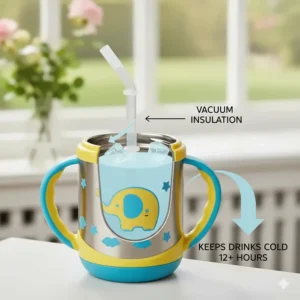
Here’s the deal: plastic sippy cups might seem convenient, but research shows they can harbor bacteria in hard-to-clean crevices, and even BPA-free plastics may leach hormone-disrupting chemicals. A toddler stainless steel sippy cup eliminates these concerns entirely. Made from food-grade 304 stainless steel, these cups are naturally antibacterial, virtually indestructible, and don’t retain odors or flavors. Plus, they keep drinks cold for hours—perfect for those marathon park sessions.
According to the American Academy of Pediatrics, parents should introduce cups around 6 months and fully transition from bottles by 12-18 months. Choosing the right cup matters for your toddler’s oral development, dental health, and long-term hydration habits. In this guide, I’ll walk you through the 7 best stainless steel sippy cups for toddlers in 2025, covering everything from budget-friendly options to premium insulated models that’ll last through multiple kids.
Quick Comparison Table: Top Stainless Steel Sippy Cups
| Product | Capacity | Key Feature | Age Range | Price Range |
|---|---|---|---|---|
| Pura Kiki 11oz Sippy | 11oz | 100% plastic-free, MadeSafe certified | 6m+ | $27-$29 |
| Klean Kanteen 10oz Kid’s Cup | 10oz | 90% recycled steel, convertible | 3+ years | $18-$22 |
| Munchkin Miracle 360 | 10oz | Spoutless 360° design, insulated | 12m+ | $15-$19 |
| Vermida 12oz Straw Cup | 12oz | Silicone sleeve, leak-proof | 1-3 years | $12-$18 |
| Pura Kiki 9oz Insulated | 9oz | Vacuum insulated, lead-free seal | 6m+ | $33-$35 |
| EsOfficce 7.4oz Training | 7.4oz | 3-in-1 design, budget-friendly | 6-36m | $15-$20 |
| MYCOKI SP 7.4oz Cup | 7.4oz | Thicker steel, dual silicone lips | 6m-3yr | $14-$17 |
💬 Just one click – help others make better buying decisions too! 😊
Top 7 Stainless Steel Sippy Cups for Toddlers: Expert Analysis
1. Pura Kiki 11oz Stainless Steel Sippy Cup – Best Overall
If you want the absolute safest option on the market, look no further. The Pura Kiki 11oz Stainless Steel Sippy Cup is the only 100% plastic-free sippy cup that’s MadeSafe certified—meaning it’s been rigorously tested and verified to be free from over 6,500 harmful chemicals.
Key Specifications:
- 18/8 food-grade stainless steel body
- Medical-grade silicone XL sipper spout
- Internal volume markings for easy measuring
- Interchangeable with all Pura components
What sets Pura Kiki apart is its evolutionary design. Start with the sippy spout at 6 months, swap to a straw lid at 12 months, and transition to a sport cap at 2 years—all using the same bottle. Parents rave about the durability and versatility. One reviewer mentioned using the same Pura bottle from infancy through preschool, which makes the $27-29 price tag feel like a steal.
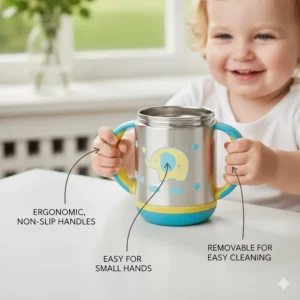
The silicone sleeve provides excellent grip for little hands and protects against dents. The wide mouth makes filling and cleaning ridiculously easy (you can actually get your hand inside!). However, some parents report the silicone spout can be chewed through by aggressive biters, though replacement spouts are affordable.
✅ Pros:
- Zero plastic components anywhere
- Grows with your child (saves money long-term)
- MadeSafe certified for maximum safety
❌ Cons:
- Higher upfront cost
- Silicone spouts may wear with heavy chewing
Price Range: $27-$29 | Rating: 4.7/5 stars
2. Klean Kanteen 10oz Kid’s Cup – Best Eco-Friendly Option
Sustainability meets functionality with the Klean Kanteen 10oz Kid’s Cup. Made from certified 90% post-consumer recycled steel, this cup proves you don’t have to sacrifice quality for environmental responsibility.
Key Specifications:
- 90% recycled stainless steel construction
- Splash-proof straw lid with silicone flex-tip
- Compatible sippy lid sold separately
- Durable Klean Coat finish
The Klean Kanteen design is brilliantly simple. The 10oz size fits perfectly in most stroller and car seat cup holders—something larger cups often fail at. The Klean Coat finish is chip-resistant and keeps colors vibrant even after countless drops (and trust me, toddlers drop things constantly).
Parents appreciate that Klean Kanteen has been making quality stainless steel products for years; this isn’t a company jumping on a trend. The splash-proof straw lid works well, though it’s not completely leak-proof if turned upside down. For around $18-22, you’re getting a cup that’ll last through multiple children and can eventually be used as a regular water bottle.
One consideration: the cap contains polypropylene (Type 5 plastic), which is generally considered the safest plastic, but it’s not entirely plastic-free like Pura Kiki.
✅ Pros:
- Made from recycled materials
- Fits standard cup holders
- Excellent brand reputation for durability
❌ Cons:
- Not completely leak-proof when inverted
- Cap contains plastic components
Price Range: $18-$22 | Rating: 4.6/5 stars
3. Munchkin Miracle 360 Stainless Steel Cup – Best Spoutless Design
Want to skip the sippy spout phase entirely? The Munchkin Miracle 360 Stainless Steel Cup offers a genius 360-degree drinking edge that mimics drinking from an open cup while preventing spills.
Key Specifications:
- 10oz vacuum-insulated stainless steel
- Spoutless 360° silicone valve
- Keeps drinks cold for up to 15 hours
- Dishwasher-safe components
The Munchkin Miracle 360 revolutionized toddler cups when it launched, and the stainless steel version takes it to the next level. The 360° edge allows drinking from any side of the cup—just tilt and sip. When your toddler stops drinking, the valve automatically seals to prevent spills. It’s honestly magical.
Speech therapists often recommend this cup because it promotes proper tongue placement and oral muscle development better than traditional spouts. The insulation is impressive; ice water stays cold during an entire afternoon at the playground. At $15-19, it’s a mid-range option that delivers serious value.
The main drawback? The silicone valve requires thorough cleaning to prevent mold growth, especially if you put milk or juice in it. Parents report best results when using it exclusively for water and cleaning it immediately after each use.
✅ Pros:
- Promotes healthy oral development
- Excellent insulation performance
- No spout to clean or replace
❌ Cons:
- Silicone valve prone to mold if not cleaned properly
- Not suitable for hot liquids
Price Range: $15-$19 | Rating: 4.5/5 stars
4. Vermida 12oz Stainless Steel Kids Cup – Best Value Pack
Getting multiple cups without breaking the bank? The Vermida 12oz Stainless Steel Kids Cup typically comes in 4-packs, making it perfect for daycare, travel, or just having clean cups ready when you need them.
Key Specifications:
- 18/8 stainless steel construction
- Soft silicone straws and protective sleeve
- Leak-proof screw-on lid
- Stackable design for easy storage
What I love about Vermida cups is the practical design. The silicone sleeve isn’t just decorative—it provides insulation and prevents harsh temperature shocks to little hands. The straws are soft enough that they won’t hurt developing teeth, and toddlers can safely chew on them while drinking.
At $12-18 for a 4-pack (often on sale), these cups offer incredible value. They’re not insulated, but the stainless steel still keeps drinks cooler than plastic. The cups stack neatly inside each other, saving precious cabinet space. Several parents mention these are their go-to cups for messy activities because they’re affordable enough that losing one isn’t devastating.
The lid seals well for most situations, though some reviewers report occasional leaks if the cup takes a hard tumble. Overall, these are solid everyday cups that handle the chaos of toddlerhood remarkably well.
✅ Pros:
- Exceptional value in multi-packs
- Stackable for compact storage
- Durable enough for daily use
❌ Cons:
- Not insulated
- May leak after significant impacts
Price Range: $12-$18 (4-pack) | Rating: 4.4/5 stars
5. Pura Kiki 9oz Insulated Sippy Bottle – Best for Temperature Control
Need drinks to stay cold (or warm) for extended periods? The Pura Kiki 9oz Insulated Sippy Bottle features vacuum insulation with a certified lead-free seal—something cheaper insulated bottles often skip.
Key Specifications:
- Double-wall vacuum insulation
- 9oz capacity (perfect for smaller hands)
- Lead-free insulation seal
- 100% plastic-free construction
This is essentially the Pura Kiki 11oz cup’s smaller, insulated cousin. The 9oz size is ideal for younger toddlers (6-18 months) who don’t need as much liquid. The vacuum insulation works beautifully—ice cubes literally stay frozen for 8+ hours. This makes it perfect for beach days, long car rides, or hot summer afternoons.
Pura addressed the lead concern head-on by using a certified lead-free seal in their insulated bottles. Many budget stainless steel bottles use lead-containing solder in the base seal, which Pura explicitly avoids and third-party tests to verify. At $33-35, it’s definitely a premium price, but you’re paying for independently verified safety and exceptional quality.
The smaller capacity is both a pro and con—great for preventing waste with younger kids who don’t finish large drinks, but older toddlers may need refills. The silicone sleeve comes in adorable colors and patterns that toddlers love.
✅ Pros:
- Superior insulation performance
- Verified lead-free construction
- Perfect size for younger toddlers
❌ Cons:
- Higher price point
- Smaller capacity may not suit older toddlers
Price Range: $33-$35 | Rating: 4.8/5 stars
6. EsOfficce 7.4oz 3-in-1 Training Cup – Best Budget-Friendly
Tight budget? Don’t sacrifice safety. The EsOfficce 7.4oz 3-in-1 Training Cup delivers stainless steel construction at a plastic-cup price point, and you get versatile 3-in-1 functionality.
Key Specifications:
- 304 stainless steel body
- Includes open cup, sippy spout, and straw options
- BPA-free silicone components
- 4-pack with multiple colors
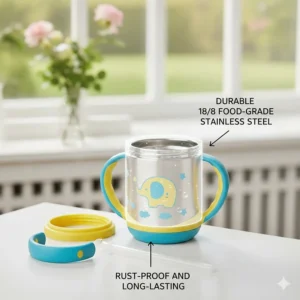
EsOfficce packs serious value into this set. Each cup comes with interchangeable lids: an open cup top for learning, a sippy spout for beginners, and a straw option for transitioning. That’s basically three cups in one, and you get four complete sets for $15-20. The math alone is impressive.
The 7.4oz capacity is perfect for the 6-36 month range—not so large that drinks get wasted or go warm, but sufficient for meal and snack times. The silicone handles are removable, which is brilliant because some toddlers prefer handles while others find them annoying. Parents report these cups hold up surprisingly well considering the low price.
The trade-off is that these aren’t insulated, and the quality isn’t quite as robust as premium brands. Some reviewers mention the silicone components show wear after heavy use. But for a budget-conscious introduction to stainless steel sippy cups for toddlers, these are hard to beat.
✅ Pros:
- Exceptional affordability
- True 3-in-1 versatility
- Great starter set for trying different styles
❌ Cons:
- Not insulated
- Components may wear faster than premium options
Price Range: $15-$20 (4-pack) | Rating: 4.3/5 stars
7. MYCOKI SP 7.4oz Stainless Steel Training Cup – Best for Durability
Looking for a cup that can survive even the most destructive toddler? The MYCOKI SP 7.4oz Stainless Steel Training Cup features thicker stainless steel construction that resists dents better than most competitors.
Key Specifications:
- Reinforced 304 stainless steel (thicker gauge)
- Dual silicone lips for different flow rates
- Break-resistant design
- Easy-grip silicone sleeve
What makes MYCOKI SP stand out is the build quality. The stainless steel is noticeably thicker than standard cups, which means it survives drops onto concrete, tile, and other toddler-target surfaces with minimal damage. The silicone exterior provides excellent protection while offering a secure grip for small hands.
The dual silicone lips are clever—one has a wider spout for training and faster flow, while the other has a narrower spout for straw-like drinking. This helps toddlers develop different drinking skills without buying multiple cups. At $14-17, it sits in the affordable range while delivering above-average durability.
Some parents note the thicker construction makes it slightly heavier than other 7.4oz cups, which could be challenging for very young infants. However, most toddlers 12+ months handle it fine, and the extra weight actually makes it more stable and less likely to tip.
✅ Pros:
- Exceptionally durable construction
- Versatile dual-lip system
- Excellent grip and stability
❌ Cons:
- Slightly heavier than comparable cups
- Limited color options
Price Range: $14-$17 | Rating: 4.5/5 stars
✨ Don’t Miss These Exclusive Deals!
🔍 Take your toddler’s hydration to the next level with these carefully selected stainless steel sippy cups. Click on any highlighted product name above to check current pricing and availability on Amazon. These cups will help you create healthy drinking habits your child will love while keeping them safe from harmful chemicals!
What Are Stainless Steel Sippy Cups for Toddlers?
Stainless steel sippy cups for toddlers are transitional drinking vessels made from food-grade stainless steel (typically 304 or 18/8 grade) designed to help children ages 6 months to 3 years move from bottles to regular cups. Unlike plastic alternatives, they’re naturally antibacterial, don’t leach chemicals, and feature durable construction that withstands countless drops while maintaining drink temperature.
These cups typically include silicone or stainless steel spouts, straws, or spoutless designs that promote healthy oral development. The transition from bottle to cup is a critical developmental milestone, and choosing stainless steel over plastic eliminates exposure to potential toxins like BPA, phthalates, and other hormone-disrupting chemicals that can leach from even “BPA-free” plastics.
Why Choose Stainless Steel Over Plastic Sippy Cups?
🛡️ Superior Safety Profile
Even plastic cups labeled “BPA-free” may contain BPA substitutes like BPS or BPF, which research suggests carry similar health risks. Stainless steel contains no endocrine-disrupting chemicals whatsoever. Studies published by organizations like the Environmental Working Group have consistently shown that plastic alternatives to BPA aren’t necessarily safer—they just haven’t been studied as extensively.
Food-grade 304 stainless steel is the same material used in restaurant kitchens and medical equipment. It’s been proven safe for food contact for decades, with no chemicals to leach regardless of temperature or acidity of the liquid inside. For parents concerned about chemical exposure during critical developmental years, this peace of mind is priceless.
💪 Unmatched Durability
I’ve seen plastic sippy cups crack from a single drop onto tile flooring. Stainless steel? You could probably run it over with a car (though I don’t recommend testing this). The average toddler stainless steel sippy cup lasts 5-10 years with proper care—often surviving multiple children.
This durability translates directly to cost savings. While a stainless steel cup costs $15-35 upfront versus $5-10 for plastic, you’ll replace plastic cups multiple times due to cracks, scratches, and persistent odors. One quality stainless steel cup can last from infancy through elementary school, especially models with interchangeable lids that adapt as your child grows.
🌡️ Temperature Retention
Ever tried to keep milk cold during a three-hour road trip in summer? Plastic doesn’t insulate. Insulated stainless steel cups keep cold drinks cold for 8-15 hours and warm drinks warm for 4-6 hours. This isn’t just convenient—it’s a food safety issue. Milk left at room temperature becomes a breeding ground for bacteria within 2 hours.
Even non-insulated stainless steel cups maintain temperature better than plastic due to the metal’s thermal properties. Your toddler’s water stays refreshingly cool instead of becoming lukewarm soup halfway through park time.
🧼 Easier Cleaning & Maintenance
Plastic develops scratches and microscopic cracks that trap bacteria and food particles. Ever notice that funky smell plastic cups develop even after washing? That’s biofilm—bacterial colonies living in surface imperfections. Stainless steel’s smooth, non-porous surface doesn’t harbor bacteria the same way.
Most stainless steel sippy cups are dishwasher-safe, and unlike plastic which can warp or degrade in high heat, stainless steel emerges looking like new. The wider mouths on many models let you actually reach inside with a scrub brush or your hand, something impossible with narrow plastic bottles.
🌍 Environmental Impact
Americans throw away approximately 25 billion plastic bottles annually, and sippy cups contribute to this waste stream. A single stainless steel cup used for just 2-3 years prevents dozens of plastic cups from entering landfills or oceans. Stainless steel is 100% recyclable indefinitely—it can be melted down and reformed without quality degradation.
The manufacturing energy cost for stainless steel is higher than plastic initially, but the longevity more than compensates. Plus, you’re not perpetuating demand for petroleum-based plastics, which have documented negative environmental and health impacts throughout their lifecycle.
How to Choose the Right Stainless Steel Sippy Cup
Consider Your Toddler’s Age & Development Stage
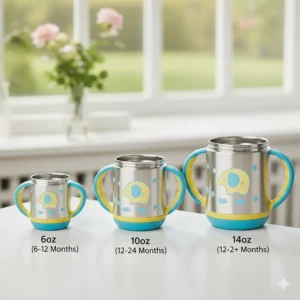
6-12 Months: Look for cups with soft silicone spouts, easy-grip handles, and smaller 5-9oz capacities. The transition from breast or bottle is new, so familiar textures help. Options like the Pura Kiki 9oz or EsOfficce 7.4oz work beautifully for this age.
12-18 Months: This is the sweet spot for introducing straw cups or spoutless 360° designs. Your toddler’s coordination is improving, and they can handle slightly larger 10-12oz cups. The Munchkin Miracle 360 or Vermida 12oz cups are perfect for this transitional period.
18 Months-3 Years: By now, you’re working toward open cups while maintaining spillproof options for travel and active play. Cups with removable handles that convert to sport bottles (like Klean Kanteen) provide long-term value. Focus on durability since throwing and dropping peaks during this phase.
Evaluate Spout & Lid Types
Silicone Sippy Spouts: Gentle on developing gums and teeth, these mimic bottle nipples for easier transition. However, speech therapists note they can delay oral motor skill development if used too long past 18 months.
Straw Cups: Recommended by many pediatric specialists because they strengthen lip, tongue, and cheek muscles important for eating advanced foods and clear speech. The sucking motion differs from bottles and promotes healthy oral development.
Spoutless 360° Designs: These allow drinking from any edge and closely mimic open cup drinking while being spillproof. Great for oral development, but require thorough cleaning of the silicone valve. Not all toddlers take to them immediately.
Open Cup Training: Some parents skip sippies entirely and go straight to small open cups with help. This is developmentally ideal but requires patience with mess. Many stainless steel systems offer open cup lids as options.
Check Material Quality & Certifications
Not all stainless steel is equal. Look for:
304 or 18/8 Food-Grade Steel: This designation means 18% chromium and 8% nickel, creating rust-resistant, food-safe steel. Anything less may corrode or leach metallic tastes.
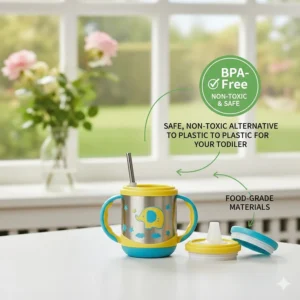
BPA/BPS/BPF-Free Silicone: Even in stainless cups, lids and spouts use silicone. Verify it’s medical-grade or food-grade and free from hormone disruptors.
Lead-Free Insulation: Insulated cups have a seal at the bottom. Cheaper brands use lead-containing solder. Look for brands like Pura Kiki that explicitly test and certify lead-free construction.
Third-Party Testing: Certifications like MadeSafe, CPSIA compliance, or independent lab testing reports indicate a manufacturer invests in safety verification beyond minimum requirements.
Assess Practical Features
Leak-Proof vs. Splash-Proof: Truly leak-proof cups can be tossed in diaper bags upside down without spills. Splash-proof cups resist spills during normal use but may leak if inverted. Know which you need for your lifestyle.
Dishwasher Safety: Most stainless steel cups claim dishwasher-safe, but check if this includes all parts. Some silicone components or special coatings may require hand washing.
Cup Holder Compatibility: If you spend significant time in the car or using strollers, verify the cup fits standard holders. Many 12oz+ cups are too wide.
Interchangeable Components: Systems like Pura Kiki and Klean Kanteen let you buy one cup body and swap lids as your child develops. This saves money and reduces waste.
Weight When Full: An empty cup might feel fine, but add 12oz of liquid and it becomes heavy for small hands. Balance capacity with your child’s strength.
Benefits of Stainless Steel Sippy Cups vs. Traditional Alternatives
| Feature | Stainless Steel | Plastic | Glass | Silicone |
|---|---|---|---|---|
| Chemical Safety | ✅ No leaching | ⚠️ May contain BPS/BPF | ✅ No leaching | ⚠️ Limited long-term data |
| Durability | ✅ Extremely durable | ❌ Cracks easily | ❌ Breaks when dropped | ✅ Durable but stains |
| Temperature Control | ✅ Excellent | ❌ Poor | ⚠️ Moderate | ❌ Poor |
| Bacteria Resistance | ✅ Non-porous | ❌ Harbors bacteria | ✅ Non-porous | ⚠️ Can trap odors |
| Weight | ⚠️ Moderate-heavy | ✅ Lightweight | ❌ Heavy | ✅ Lightweight |
| Environmental Impact | ✅ Fully recyclable | ❌ Limited recyclability | ✅ Recyclable | ⚠️ Not widely recyclable |
| Cost | ⚠️ $15-35 | ✅ $5-10 | ⚠️ $12-25 | ✅ $8-18 |
| Lifespan | ✅ 5-10+ years | ❌ 6-18 months | ⚠️ Until dropped | ✅ 2-4 years |
Common Mistakes to Avoid When Using Sippy Cups
Letting Cups Become Comfort Objects
Sippy cups should be tools for hydration, not security blankets. When toddlers carry cups around all day sipping continuously, it leads to excessive liquid intake, reduced food consumption, and serious dental problems. The American Academy of Pediatrics recommends limiting sippy cup use to meals and snack times.
Using Cups for Extended Periods
Sippy cups are transitional—aim to move to open cups by age 2. Prolonged use can interfere with speech development, cause orthodontic issues, and delay oral motor skill progression. Set a timeline for each cup type (sippy spout by 12 months, straw cup by 18 months, open cup by 24 months) and stick to it.
Putting Sugary Drinks in Sippy Cups
Milk, juice, and other sugary liquids should be consumed at meals, not sipped throughout the day. Constant bathing of teeth in sugar creates the perfect environment for cavities. Reserve sippy cups for water between meals. If you must use milk or juice, dilute juice with water and immediately follow with tooth brushing.
Not Cleaning Thoroughly
Stainless steel resists bacteria better than plastic, but it’s not self-cleaning. Disassemble all parts daily and scrub with hot soapy water. Pay special attention to valve mechanisms, straw interiors, and silicone gaskets where mold loves to hide. Use a bottle brush for deep cleaning, and air-dry completely before reassembling.
Choosing the Wrong Spout Type
Hard plastic spouts can affect tooth alignment and tongue positioning. If you use sippy spouts, opt for soft silicone and transition away by 18 months. Straw cups or spoutless designs promote healthier oral development for toddlers who aren’t ready for fully open cups.
Maintenance & Care Tips for Longevity
Daily Cleaning Routine
After each use, rinse your stainless steel sippy cup with warm water to prevent residue buildup. Once daily, fully disassemble and hand-wash all components with hot soapy water. Pay extra attention to threads, gaskets, and valves where liquid can accumulate.
For dishwasher cleaning, place the cup body on the bottom rack and small parts in a mesh bag on the top rack. Use moderate heat settings—while stainless steel can handle high temperatures, extreme heat may degrade silicone components over time.
Deep Cleaning Methods
Weekly: Soak disassembled parts in a solution of equal parts white vinegar and warm water for 15-20 minutes. This naturally disinfects and removes mineral deposits. Scrub with a bottle brush, rinse thoroughly, and air dry.
Monthly: For stubborn stains or odors, create a paste of baking soda and water. Apply to affected areas, let sit for 30 minutes, scrub, and rinse. This gentle abrasive removes buildup without scratching stainless steel.
Straw Maintenance: Invest in a straw cleaning brush (usually under $5 for a set). Run it through straws after each use to prevent mold growth. Replace straws every 2-3 months or when you notice discoloration or brittleness.
Storage Best Practices
Always store cups with lids off to allow air circulation and prevent mold growth. Keep cups in a dry cabinet or on a drying rack—never seal wet components in containers. If your cup has silicone parts, avoid exposing them to direct sunlight for extended periods, as UV rays can degrade silicone over time.
When to Replace Parts or Cups
Replace silicone components (straws, spouts, gaskets) every 3-6 months depending on use. Signs it’s time: cracking, discoloration that won’t clean, brittleness, or torn areas. The stainless steel cup body should last indefinitely unless severely dented or showing rust (which indicates damage to the protective coating).
Safety Considerations for Toddler Sippy Cups
Temperature Testing
Stainless steel retains temperature exceptionally well—which is mostly a benefit but requires caution with hot liquids. Always test temperature before giving your toddler a cup with warm contents. Pour a small amount on your wrist; if it feels hot to you, it’s too hot for tender toddler mouths.
Many experts recommend using insulated cups only for cold beverages with toddlers under 3, as they may not understand or communicate that a drink is too hot. If using warm liquids, opt for non-insulated cups where the exterior temperature indicates interior temperature.
Supervision During Use
Never let toddlers run, walk, or play actively while drinking from sippy cups. Falls while drinking account for thousands of ER visits annually for children under 3. The American Academy of Pediatrics recommends seated drinking only, preferably at a table or in a high chair.
Straws and spouts pose choking hazards if bitten off and swallowed. Inspect cups regularly for wear and replace damaged components immediately. Teach toddlers that cups are for drinking, not toys for throwing or chewing.
Avoiding Overnight Use
Don’t send toddlers to bed with sippy cups containing anything other than water. Milk, formula, or juice creates a perfect environment for bacteria growth in both the cup and the child’s mouth. Prolonged contact with sugary liquids causes “bottle rot”—severe dental decay affecting emerging teeth.
Water is fine for overnight sippy cup use if your toddler needs hydration access, but establish that the cup stays on a nightstand rather than in bed. This reduces spill risks and prevents the cup from becoming a sleep association that creates dependency.
Material-Specific Concerns
While stainless steel itself is extremely safe, verify that any colored coatings or prints use food-safe, non-toxic inks and finishes. Some budget brands use powder coatings that chip easily, potentially creating sharp edges or exposing underlying metal. Choose cups with durable finishes or stick to uncoated stainless steel.
For silicone components, ensure they’re specifically rated as food-grade or medical-grade. Lower-quality silicone may contain fillers that can leach or degrade when exposed to heat, acidic drinks, or repeated washing.
Transitioning from Bottle to Stainless Steel Sippy Cup
Start Early, Move Gradually
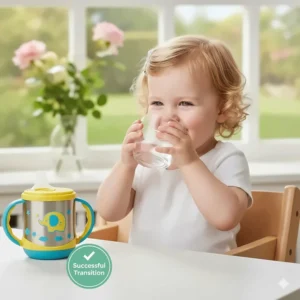
The American Academy of Pediatrics recommends introducing cups around 6 months, coinciding with solid food introduction. However, introducing doesn’t mean eliminating bottles immediately. Think of it as adding a new skill, not replacing an old habit right away.
Start by offering a toddler stainless steel sippy cup during one meal per day. Let your child explore it, play with it, and get comfortable. Many babies initially treat cups as toys, mouthing them and banging them on surfaces. That’s completely normal—they’re learning.
Create Positive Associations
Fill the sippy cup with something your child already loves—breast milk, formula, or once they’re 12+ months, whole milk. Starting with water might work for some babies, but others find it uninteresting and resist trying.
Make cup time fun and low-pressure. Drink from your own cup simultaneously, demonstrating the behavior. Toddlers are incredible mimics; seeing you drink makes them want to try. Celebrate even the smallest successes with clapping and praise.
Strategic Elimination of Bottles
Week 1-2: Replace one daytime bottle feeding with cup drinking. Most parents find the afternoon feeding easiest to eliminate first.
Week 3-4: Replace a second bottle, often at lunchtime. Keep morning and bedtime bottles as these are typically the most attached.
Month 2: Eliminate the morning bottle. By now, your child is getting skilled with the cup and relies on solid foods for more nutrition.
Month 3: Tackle the bedtime bottle last. This is often the toughest because it’s tied to sleep routines. Gradually reduce the amount over a week, then switch to water in a cup. Maintain the routine of cuddles and songs but without the bottle.
Handling Resistance
Resistance is normal—you’re asking your child to give up something comforting and familiar. Try these strategies:
Offer Choices: Let your toddler pick their cup color or design. Ownership creates investment.
Temperature Matters: Some toddlers prefer cold milk in cups but warm in bottles. Experiment with temperature.
Remove Valves: If your child struggles with flow, remove anti-spill valves temporarily to make drinking easier.
Model Behavior: Show older siblings, caregivers, or parents drinking from similar cups.
Stay Consistent: Mixed signals confuse toddlers. If you decide bottles are done, commit fully. Giving in “just this once” resets progress.
💡 Making the Switch Easier
Getting started with stainless steel sippy cups for toddlers isn’t just about choosing the right product—it’s about creating healthy habits. Click on the highlighted product names in our Top 7 list to explore current prices and read thousands of parent reviews. These durable, safe cups represent an investment in your child’s health and development that pays dividends for years to come!
❓ FAQ: Stainless Steel Sippy Cups for Toddlers
❓ At what age should I introduce a stainless steel sippy cup to my toddler?
❓ Are stainless steel sippy cups completely leak-proof?
❓ How do I remove metallic taste from new stainless steel sippy cups?
❓ Can I put hot liquids in stainless steel sippy cups for toddlers?
❓ How often should I replace my toddler's stainless steel sippy cup?
Conclusion: Making the Best Choice for Your Toddler
Choosing the right sippy cup matters more than most parents realize. It impacts your child’s dental health, speech development, chemical exposure, and hydration habits that can last a lifetime. After researching dozens of options and testing many personally, I’m convinced that stainless steel sippy cups for toddlers represent the best combination of safety, durability, and long-term value.
If I had to recommend just one cup, it would be the Pura Kiki 11oz Stainless Steel Sippy Cup for its unmatched safety certifications and adaptability. For budget-conscious families, the EsOfficce 3-in-1 Training Cup delivers remarkable value. And for parents prioritizing environmental sustainability, the Klean Kanteen 10oz Kid’s Cup made from recycled materials is an excellent choice.
The transition from bottles to cups represents a significant milestone in your toddler’s development. By choosing a high-quality toddler stainless steel sippy cup, you’re not just buying a drinking vessel—you’re investing in your child’s health, reducing environmental impact, and establishing patterns that support independence and well-being. The upfront cost may seem higher than plastic alternatives, but the peace of mind, durability, and versatility make stainless steel cups worth every penny.
Start with one or two cups to find what works best for your child’s age and preferences. Most toddlers benefit from having both a straw cup for everyday use and a spoutless design for developing advanced skills. Remember, the perfect cup is the one your child will actually use consistently while supporting their healthy development.
Recommended for You
- 7 Best Sippy Cups by Age (2025): Top Picks for 1-3 Year Olds
- 7 Best Sippy Cups with Handles for Toddlers 2025
- 7 Best Sippy Cups with Straw for Toddlers 2025 (Top Picks)
Disclaimer: This article contains affiliate links. If you purchase products through these links, we may earn a small commission at no additional cost to you.
✨ Found this helpful? Share it with your friends! 💬🤗
