

In This Article
Picture this: it’s 3 AM, and you’re checking on your sleeping newborn for the third time tonight. That loose blanket has crept dangerously close to their face again. Sound familiar? You’re not alone, and there’s a smarter solution that thousands of sleep-deprived parents are discovering.
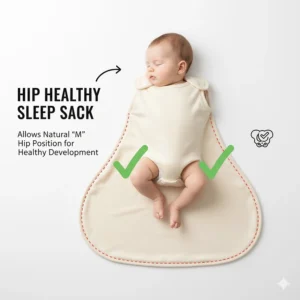
Newborn sleep sacks have revolutionized how babies sleep safely. These wearable blankets eliminate the suffocation risks associated with traditional bedding while keeping your little one cozy throughout the night. According to the American Academy of Pediatrics, sleep-related infant deaths cause approximately 3,500 fatalities annually in the United States, making safe sleep practices more critical than ever.
The magic of newborn sleep sacks lies in their ingenious design. They’re essentially sleeping bags that zip up, keeping your baby warm without any loose fabric near their face. Think of them as a cozy cocoon that moves with your baby, not against them. Unlike traditional swaddles that restrict movement once babies start rolling, quality sleep sacks allow healthy hip development while maintaining that secure, womb-like feeling newborns crave.
In this guide, we’ve researched and compared dozens of products to bring you the absolute best newborn sleep sacks available in 2025. Whether you’re dealing with a wiggler who escapes every blanket or a sensitive sleeper who needs just-right temperature regulation, we’ve got you covered.
Quick Comparison Table
| Sleep Sack | TOG Rating | Material | Price Range | Best For |
|---|---|---|---|---|
| HALO SleepSack Swaddle | 1.5 | 100% Cotton | $30-35 | 3-way adjustable design |
| Kyte Baby Sleep Bag | 0.5-2.5 | Bamboo Rayon | $45-65 | Premium softness |
| Yoofoss Organic Sleep Sack | 0.5 | 100% Organic Cotton | $25-30 | Budget-friendly 3-pack |
| Love to Dream Swaddle UP | 1.0 | Cotton blend | $30-40 | Arms-up sleeping |
| Burt’s Bees Baby Wearable Blanket | 0.5-1.5 | Organic Cotton | $20-28 | Eco-conscious families |
| KeaBabies Soothe Swaddle | 0.5 | Organic Cotton | $22-27 | Newborn transition |
| SWEET DOLPHIN Sleep Sack | 0.5 | 100% Cotton | $18-23 | Value 3-pack option |
💬 Just one click – help others make better buying decisions too! 😊
Top 7 Newborn Sleep Sacks: Expert Analysis
1. HALO SleepSack Swaddle – The Hospital Favorite
When hospitals across America choose one brand for their newborns, you know it’s legit. The HALO SleepSack Swaddle earned its reputation as the gold standard for a reason.
Key Specifications:
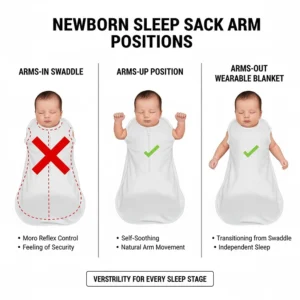
- 3-way adjustable design (arms in, one arm out, or both arms out)
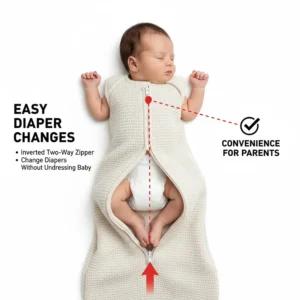
- Inverted zipper for easy diaper changes
- Available in newborn size (6-12 lbs)
This versatile newborn sleep swaddle transitions seamlessly as your baby grows. Start with arms tucked in to calm that startle reflex, then gradually allow one arm out for self-soothing, and finally both arms free when they’re ready. The HALO SleepSack typically retails between $30-35, placing it in the mid-range category.
Parents consistently praise the inverted zipper that opens from the bottom—midnight diaper changes become almost silent operations. One reviewer shared, “The convenience factor alone made this worth every penny. My baby stayed asleep during changes.”
✅ Pros:
- Hospital-trusted brand with proven safety record
- Three adjustment options grow with baby
- Sleeveless design prevents overheating
❌ Cons:
- Higher price point than budget options
- Some babies prefer different fabrics
2. Kyte Baby Sleep Bag – Luxury Your Baby Can Feel
If you’ve ever touched bamboo rayon fabric, you understand why the Kyte Baby Sleep Bag has developed an almost cult-like following among parents. This isn’t just soft—it’s the kind of buttery smoothness that makes you want to bury your face in it.
Key Specifications:
- Made from 97% bamboo rayon, 3% spandex
- J-shaped double zipper with zipper garage
- Available in 0.5, 1.0, and 2.5 TOG ratings
The Kyte Baby sleep sack ranges from $45-65 depending on size and TOG rating, making it a premium investment. However, parents dealing with eczema-prone babies swear by its hypoallergenic, moisture-wicking properties. The fabric actually helps regulate temperature naturally—no more worrying whether your baby is too hot or too cold.
Customer feedback reveals impressive durability: “We’re on month seven and it still looks brand new despite countless washes. It actually gets softer.” The variety of adorable prints means you can match your nursery aesthetic while keeping baby comfortable.
✅ Pros:
- Exceptionally soft and breathable bamboo fabric
- Superior temperature regulation
- Gets softer with each wash
❌ Cons:
- Premium pricing may not fit every budget
- Limited adjustability compared to swaddle versions
3. Yoofoss Organic Sleep Sack – Triple the Value
Budget-conscious parents, pay attention. The Yoofoss Organic Sleep Sack delivers exceptional quality without the premium price tag, and you get three sleep sacks for under $30.
Key Specifications:
- 100% GOTS-certified organic cotton
- Smooth 2-way zipper with guard
- 3-pack offering (sizes from 0-6 months to 18-24 months)
These newborn sleep sacks feature the practical 2-way zipper design that parents need for those 2 AM diaper explosions. The Yoofoss brand prioritizes safety with interior zipper guards protecting delicate baby skin from scratches. At $25-30 for a three-pack, you’re spending roughly $8-10 per sleep sack.
The roomy leg design promotes healthy hip development while preventing that dreaded kick-off that happens with regular blankets. One parent noted, “Having three means there’s always a clean one ready. Game changer for our laundry situation.”
✅ Pros:
- Unbeatable value with 3-pack option
- GOTS-certified organic cotton
- Always have a backup ready
❌ Cons:
- Fewer style options than premium brands
- Basic features without advanced temperature tech
4. Love to Dream Swaddle UP – The Arms-Up Revolution
Some babies just refuse to sleep with their arms pinned down. The Love to Dream Swaddle UP works with your baby’s natural preference instead of fighting it.
Key Specifications:
- Patented arms-up design for self-soothing
- Twin zipper for easy access
- 1.0 TOG rating for year-round use
This innovative newborn sleep swaddle allows babies to bring their hands to their face for comfort—mimicking their position in the womb. The Love to Dream design reduces the startle reflex while permitting natural movement. Priced around $30-40, it sits comfortably in the mid-range category.
Clinical studies referenced by the manufacturer suggest the arms-up position may improve sleep quality for certain babies. Parents report, “Our daughter slept through the night within days of switching to this. The difference was immediate and dramatic.”
✅ Pros:
- Accommodates natural arms-up sleeping position
- Snug fit calms startle reflex without restriction
- Twin zippers simplify diaper changes
❌ Cons:
- Less versatility for arm positioning preferences
- Must size up as baby grows
5. Burt’s Bees Baby Wearable Blanket – Nature’s Best
Eco-conscious families don’t have to compromise on quality with the Burt’s Bees Baby Wearable Blanket. This organic cotton option combines sustainability with functionality.
Key Specifications:
- 100% GOTS-certified organic cotton
- Available in 0.5 and 1.5 TOG
- Bottom-opening zipper design
The Burt’s Bees sleep sack costs between $20-28, making organic accessible to more families. The brand’s commitment to chemical-free fabrics means nothing harsh touches your newborn’s sensitive skin. These sleep sacks maintain their softness through dozens of wash cycles.
Reviews consistently mention the thoughtful details: interior zipper guard, snap tab zipper pull cover, and spacious bottom design. “Very comfortable and durable clothing which is necessary for a little one,” one parent shared. The upside-down zipper allows clothing changes without removing the entire sleep sack.
✅ Pros:
- Affordable organic cotton option
- Sustainable manufacturing practices
- Maintains quality through repeated washing
❌ Cons:
- Limited TOG variety compared to competitors
- Fewer fun prints available
6. KeaBabies Soothe Swaddle – The Gentle Transition
Swaddling made simple describes the KeaBabies Soothe Swaddle perfectly. This 3-pack newborn sleep swaddle system helps parents master the art of snug wrapping in just four steps.
Key Specifications:
- Ultra-soft GOTS-certified organic cotton
- 2-way non-horizontal stretch for secure fit
- 0.5 TOG rating ideal for all seasons
Priced at $22-27 for a three-pack, the KeaBabies swaddle delivers quality at budget-friendly prices. The FabTech stretch knit maintains shape through countless uses while providing just enough give for comfortable movement. The large hook-and-loop closures stay gentle on baby’s skin while holding securely.
Parents appreciate how these swaddles create that womb-like environment newborns crave. The lightweight, breathable fabric prevents overheating—a common concern with newborn sleep sacks. “Designed to create a snug and cozy environment for newborns,” the brand emphasizes safety alongside comfort.
✅ Pros:
- Simple 4-step swaddling process
- Excellent value for 3-pack
- Durable through many washes
❌ Cons:
- Limited to younger newborns (0-3 months)
- No arm-out transition option
7. SWEET DOLPHIN Sleep Sack – The Budget Champion
Sometimes you just need quality basics without the frills. The SWEET DOLPHIN Sleep Sack delivers exactly that at an impressively low price point.
Key Specifications:
- 100% cotton construction
- 2-way zipper with interior guard
- 0.5 TOG for warmer climates
This 3-pack option typically costs $18-23, making it one of the most affordable newborn sleep sacks available. The SWEET DOLPHIN focuses on essentials: soft cotton, practical zippers, and safe design. Available in sizes from 0-6 months through 18-24 months, it covers your baby’s entire sleep sack journey.
While not featuring premium bamboo or fancy prints, these sleep sacks accomplish their primary mission: keeping babies safe and comfortable during sleep. Customer reviews emphasize reliability and value. “Perfect for those nights when you need multiple changes,” one parent explained.
✅ Pros:
- Most budget-friendly option reviewed
- Simple, straightforward design
- Multiple backups for laundry days
❌ Cons:
- Basic cotton without temperature-regulating features
- Limited style choices
✨ Don’t Miss These Exclusive Deals!
🔍 Take your newborn’s sleep to the next level with these carefully selected products. Click on any highlighted item to check current pricing and availability. These tools will help you create authentic peaceful nights your family will love!
Understanding TOG Ratings: Your Temperature Guide
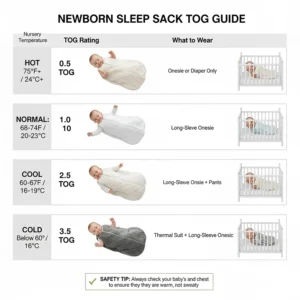
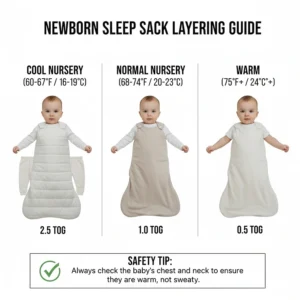
Ever wondered why sleep sacks come with mysterious numbers like “0.5 TOG” or “2.5 TOG”? TOG stands for Thermal Overall Grade—essentially a measurement of fabric warmth. Think of it as your sleep sack’s built-in thermostat.
The TOG system helps you match the right newborn sleep sack to your nursery temperature. Here’s your quick reference guide:
0.5 TOG (Lightweight): Perfect for warmer months or rooms between 74-78°F. These breathable options prevent overheating during summer nights. Ideal for air-conditioned spaces or naturally warm climates.
1.0 TOG (Medium weight): The Goldilocks option for most families. Use when room temperatures range from 69-73°F. This versatile rating works across transitional seasons and standard nursery temperatures.
1.5 TOG (Moderate warmth): Suitable for cooler rooms around 68-72°F. These newborn sleep sacks provide extra coziness without excessive bulk.
2.5 TOG (Winter weight): Reserve for the coldest conditions, roughly 61-68°F. These quilted or fleece-lined options keep babies toasty during winter months.
The American Academy of Pediatrics recommends avoiding over bundling and covering the baby’s face and head to prevent overheating, which is associated with increased SIDS risk. When selecting TOG ratings, always base your choice on room temperature, not outdoor weather.
A practical tip: purchase sleep sacks in at least two TOG ratings to handle seasonal changes. Many parents keep both a 0.5 TOG and 1.0 TOG on hand, layering baby’s clothing underneath as needed. Remember that a onesie under a sleep sack adds warmth—adjust accordingly to maintain comfortable body temperature.
How to Choose the Perfect Newborn Sleep Sack
Selecting the right newborn sleep sack shouldn’t feel overwhelming. Let’s break down the critical factors that actually matter for your baby’s sleep quality and safety.
Material Matters More Than You Think
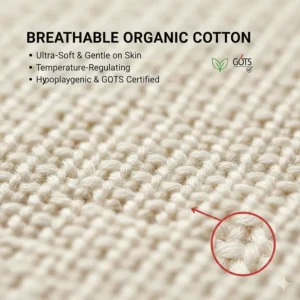
The fabric touching your newborn’s delicate skin deserves serious consideration. Organic cotton offers breathability and gentle comfort for sensitive skin. Bamboo rayon provides superior moisture-wicking and temperature regulation—particularly beneficial for babies prone to overheating or eczema. Standard cotton delivers reliable performance at budget-friendly prices.
Avoid synthetic materials that trap heat and don’t allow proper air circulation. Natural fibers win every time for newborn sleep sacks because they breathe better and reduce overheating risks.
Size Selection Strategy
Here’s what many new parents get wrong: sizing up. For safe sleep, proper fit matters tremendously. A newborn sleep sack should fit snugly around the armholes and neck to prevent your baby from slipping down inside. However, the bottom should be roomy enough for natural leg and hip movement.
Most brands offer size guidelines based on weight and length. Start with your baby’s current measurements, not their projected size. Newborns grow quickly, but safety trumps longevity. Plan to purchase multiple sizes throughout the first year.
Zipper Configuration Wisdom
Two-way zippers change everything during those middle-of-the-night diaper emergencies. Look for designs that unzip from the bottom, allowing you to change diapers without removing the entire sleep sack or fully waking your baby.
Interior zipper guards protect sensitive chin and neck skin from scratches. Zipper garages at the top prevent fabric catching—a small detail that makes a massive difference in daily use.
Safety Certifications You Can Trust
The American Academy of Pediatrics strongly warns against weighted sleep products, including weighted sleep sacks, due to safety concerns. Look for GOTS (Global Organic Textile Standard) certification for organic products. Check that cribs and sleep surfaces meet Consumer Product Safety Commission standards.
Avoid any sleep sack with loose parts, decorative elements that could detach, or materials that restrict movement once babies begin rolling. Simple designs typically prove safest.
Transition Features for Growing Babies
Some newborn sleep swaddles offer adjustable arm positions—critical for transitioning from full swaddle to arms-free sleep. The best options allow gradual changes: start with both arms in, progress to one arm out, finish with both arms free.
This flexibility extends the useful life of your purchase while respecting your baby’s developmental stages. Babies typically transition from swaddling around 3-4 months when rolling begins.
Swaddle vs Sleep Sack: What’s the Difference?
Parents often confuse these terms, but understanding the distinction helps you choose correctly for your baby’s age and stage.
Newborn Sleep Swaddles Explained
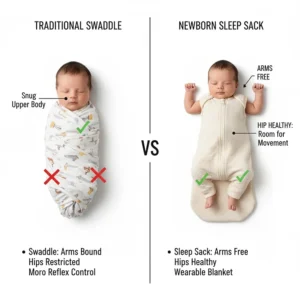
Swaddles wrap snugly around your newborn’s torso and arms, creating that secure womb-like sensation. Swaddles help curb the moro reflex (startle reflex) by constricting baby’s arms, which can promote better sleep by helping newborns feel secure. Traditional swaddling uses a large blanket folded and wrapped using specific techniques—an art form that takes practice to master.
Modern newborn sleep swaddles simplify this process with hook-and-loop fasteners or zippers. They’re designed specifically for younger infants who haven’t started rolling yet. The snug fit prevents arm movement that might wake baby, while allowing healthy hip and leg movement.
According to the updated AAP guidelines, swaddling should be discontinued once babies begin showing signs of rolling, which can be as subtle as increased squirming or attempting to roll during supervised awake time. Most babies outgrow swaddling between 2-4 months.
Standard Sleep Sacks for Active Babies
Sleep sacks resemble sleeping bags with armholes. Standard sleep sacks keep baby’s feet and body safely tucked inside but leave their arms free to move during the night, providing increased mobility thanks to the armholes. They’re suitable from infancy through toddlerhood—many parents use them until age two or beyond.
The beauty of sleep sacks lies in their versatility and extended usability. Babies can roll, move, and self-soothe freely while staying safely covered without loose blankets. Sleep sacks that do not swaddle and allow the baby to move freely can be used as long as you want, according to the AAP.
Making the Right Choice
Start with a newborn sleep swaddle for those early weeks when your baby craves that wrapped-up feeling. Keep a standard sleep sack ready for the transition when rolling begins. Many parents invest in both styles to accommodate their baby’s changing needs throughout the first year.
Safety First: Following AAP Guidelines
Safe sleep practices have dramatically reduced infant death rates over the past few decades. Since the AAP announced its Safe Sleep campaign in 1994, Sudden Infant Death Syndrome deaths have reduced by 70 percent. Understanding current guidelines protects your baby.
The Back to Sleep Rule
The AAP recommends placing babies on their backs for every sleep by every caregiver until the child reaches 1 year of age, as side sleeping is not safe. This single change made the biggest impact on reducing SIDS rates. Always place your baby on their back initially, even if they eventually roll to their stomach once they have that skill.
Creating a Safe Sleep Environment
Babies should sleep on a firm, flat sleep surface meeting Consumer Product Safety Commission standards, covered with a fitted sheet and nothing else. This means no loose blankets, pillows, stuffed animals, or bumper pads in the crib—just your baby in a properly fitted newborn sleep sack.
Room-sharing without bed-sharing represents the ideal setup. The AAP recommends room-sharing, where the baby sleeps in the same room as parents but on a separate sleep surface, ideally for at least six months. This arrangement allows quick responses to baby’s needs while maintaining safe sleep space.
Temperature and Clothing Guidelines
Dressing infants with layers of clothing is safer than using blankets, and wearable blankets can also be used. Monitor your nursery temperature and select appropriate TOG ratings. Touch your baby’s neck or back to check temperature—avoid relying on hands or feet, which naturally feel cooler.
Never use weighted products. The AAP warns against using weighted sleep products for babies, citing concerning reductions in oxygen saturation levels in infants. Stick with standard, unweighted newborn sleep sacks for safety.
When to Stop Swaddling
Discontinue swaddling once babies begin showing signs of rolling, as the swaddle becomes unsafe when babies can turn themselves over. Watch for early rolling indicators like increased leg strength, turning to the side, or pushing up during tummy time. Don’t wait for a full roll—transition at the first signs.
Safety guidelines continue evolving as research progresses. Stay informed through reputable sources like the American Academy of Pediatrics and your pediatrician.
Newborn Sleep Sack Benefits Beyond Safety
While safety justifies the investment alone, newborn sleep sacks deliver additional advantages that make them indispensable nursery items.
Consistent Sleep Associations
Babies thrive on routine and recognizable sleep cues. Using the same sleep sack for every sleep period creates powerful associations. Your baby learns that wearing their sleep sack means it’s time to rest—simplifying bedtime battles and naptime transitions.
This conditioning works remarkably well. Parents report faster sleep onset times when incorporating sleep sacks into their bedtime routine. The familiar texture and weight signal to your baby’s brain that sleep comes next.
Temperature Regulation Throughout the Night
Unlike blankets that bunch up or get kicked off, newborn sleep sacks maintain consistent coverage all night long. This stability helps babies sleep longer stretches without temperature fluctuations waking them.
Quality materials like bamboo rayon actively wick moisture away from skin, preventing that clammy feeling that disturbs sleep. The breathability of proper sleep sacks prevents overheating while providing adequate warmth—a balance nearly impossible to achieve with traditional bedding.
Simplified Nighttime Care
Those 2 AM diaper changes become almost automatic with well-designed sleep sacks. Two-way zippers allow quick changes without removing the entire garment or fully waking your baby. Maintain that drowsy state and everyone gets back to sleep faster.
Travel becomes easier too. Pack your baby’s familiar sleep sack and they’ll sleep better in unfamiliar environments. Hotels, grandparents’ houses, even camping trips—that consistent sleep sack helps maintain normal sleep patterns despite location changes.
Extended Usability and Value
Unlike swaddling blankets that babies outgrow within months, standard sleep sacks transition through developmental stages. Many designs accommodate babies from newborn through toddlerhood, making them surprisingly economical investments.
Parents report using favorite sleep sacks for 12-18 months or more. Quality construction withstands countless wash cycles, and some families pass sleep sacks down to younger siblings. Calculate the cost per use and even premium options prove worthwhile.
Real Parent Reviews and Success Stories
Sometimes the best product information comes from parents who’ve tested these sleep sacks through sleepless nights and growth spurts. Here’s what real families are saying.
The HALO Convert
“We started with regular receiving blankets because I thought sleep sacks were unnecessary. Wrong! After finding my daughter with a blanket over her face three times in one night, I immediately ordered the HALO SleepSack. The difference was immediate—she slept longer, I stressed less, and diaper changes took seconds instead of minutes. Wish I’d started with this from day one.”
Kyte Baby Believers
“My son has severe eczema and most fabrics irritate his skin. The Kyte Baby bamboo sleep sack changed everything. His skin improved within a week, and for the first time, he wasn’t scratching himself awake. Yes, it’s expensive, but we’d buy it again in a heartbeat. Worth every penny for the comfort it provides.”
Budget-Friendly Success
“As a single mom, every dollar matters. The Yoofoss 3-pack gave me quality sleep sacks without breaking the bank. Having three means there’s always a clean one ready, and the organic cotton gives me peace of mind about what’s touching my baby’s skin. They’ve held up beautifully through six months of constant use.”
The Arms-Up Revelation
“Our daughter fought every swaddle we tried until we discovered the Love to Dream. She’s an arms-up sleeper and finally having a product that worked with her preference instead of against it was game-changing. First night using it, she slept a four-hour stretch. We bought three more immediately.”
Eco-Friendly Choice
“Finding organic options that don’t cost a fortune isn’t easy. Burt’s Bees Baby delivered exactly what we wanted—certified organic cotton without the premium markup. The quality rivals much more expensive brands, and knowing we’re avoiding harsh chemicals on our newborn’s skin lets me sleep better too.”
Common Mistakes to Avoid
Even with the best intentions, new parents make predictable errors when using newborn sleep sacks. Learn from others’ experiences and skip these common pitfalls.
Sizing Up Too Soon
That adorable sleep sack in the next size up seems like smart planning, but it compromises safety. Oversized sleep sacks allow babies to slip down inside, creating suffocation risks. Snug fit around armholes and neck matters tremendously for newborn safety.
Purchase the correct size for your baby’s current measurements. Yes, they’ll outgrow it quickly, but safety cannot be compromised for cost savings. Most parents need 2-3 different sizes throughout the first year.
Ignoring TOG Ratings
Grabbing any sleep sack without considering TOG ratings leads to uncomfortable babies. An overheated baby sleeps poorly and faces increased SIDS risk. An under-dressed baby wakes frequently from being cold.
Invest in at least two TOG ratings appropriate for your climate. Monitor your baby’s neck temperature during sleep to ensure you’ve chosen correctly. Adjust clothing layers underneath as seasons change.
Continuing Swaddling Too Long
Many parents struggle to recognize when rolling signs appear. Signs of rolling can be subtle—increased squirming, attempting to turn during supervised time, or pushing up during tummy time all signal it’s time to transition from swaddling.
Don’t wait for a complete roll before transitioning. Those first attempts mean your baby has the motor skills to potentially roll while swaddled—a dangerous combination. Move to arms-free sleep sacks promptly when signs emerge.
Skipping the Bedtime Routine
Simply putting your baby in a sleep sack without consistent routine misses half the benefit. Create associations by making the sleep sack part of your bedtime sequence. Bath, pajamas, sleep sack, feeding, then bed—the predictable pattern helps babies understand what comes next.
Consistency matters more than any single product. Use the sleep sack for every sleep period, not just sometimes, to build those powerful sleep associations.
Forgetting the Learning Curve
Transitioning from swaddling to sleep sacks often involves a few rough nights. Babies accustomed to restricted arm movement need time adjusting to new freedom. Don’t give up after one difficult night.
Gradual transitions work better for some babies. Use adjustable swaddles that allow one arm out first, then progress to both arms free. Give your baby a few nights to adapt before deciding a product doesn’t work.
Care and Maintenance Tips
Proper care extends the life of your newborn sleep sacks while maintaining their safety and softness. These simple practices keep your investment in top condition.
Washing Guidelines
Most sleep sacks tolerate machine washing—check specific care labels for confirmation. Wash in cold or warm water using gentle, fragrance-free detergent. Babies’ sensitive skin reacts poorly to harsh chemicals and strong scents.
Zip up all zippers before washing to prevent snagging other laundry items. Turn items inside out to protect exterior fabric and prints. Avoid fabric softeners, which reduce fabric breathability and can irritate sensitive skin.
Drying Best Practices
Air drying extends fabric life significantly, though tumble drying on low heat typically remains safe for most sleep sacks. High heat damages elastic and can shrink natural fibers. Check care labels—some materials like bamboo rayon benefit specifically from low-heat drying.
Remove items promptly when dry to minimize wrinkles. Hanging immediately after the dryer reduces the need for ironing.
Stain Treatment Strategies
Baby life means inevitable stains—spit-up, diaper leaks, and mystery substances appear constantly. Address stains immediately when possible. Rinse fresh stains with cold water before they set.
For stubborn stains, create a paste from baking soda and water. Apply to the affected area, let sit 15-30 minutes, then wash normally. Avoid bleach, which weakens fabric fibers and can irritate baby skin.
Storage Between Uses
Clean sleep sacks completely before long-term storage between babies. Store in breathable cotton bags rather than plastic bins to prevent moisture buildup and musty odors. Add lavender sachets for freshness if desired—though avoid direct fabric contact.
Inspect stored items before reuse. Check zippers for functionality, examine seams for wear, and ensure elastic maintains its stretch. Replace items showing significant deterioration rather than risking safety.
When to Replace
Monitor your sleep sacks for signs requiring replacement. Worn elastic around armholes, damaged zippers, thinning fabric, or persistent odors despite washing all indicate it’s time for new sleep sacks.
Most quality newborn sleep sacks last 6-12 months of regular use before showing wear. Premium brands often exceed this timeframe. Don’t compromise baby’s safety by continuing to use obviously worn items.
❓ Frequently Asked Questions
❓ Can I use a newborn sleep sack from birth?
❓ How do I know if my baby is too hot in their sleep sack?
❓ When should I transition from swaddle to regular sleep sack?
❓ Are expensive bamboo sleep sacks worth the price?
❓ Can I use a sleep sack with a swaddle underneath?
Conclusion: Investing in Peaceful Nights
Choosing the right newborn sleep sacks transforms those terrifying early months into manageable routines. You’re not just purchasing a piece of baby equipment—you’re investing in your family’s sleep quality and your baby’s safety.
The products we’ve reviewed represent the best options available in 2025, from budget-friendly 3-packs to premium bamboo luxury. Whether you select the hospital-trusted HALO SleepSack Swaddle, the ultra-soft Kyte Baby Sleep Bag, or the budget champion SWEET DOLPHIN, you’re making a smart choice for your newborn.
Remember the fundamentals: proper sizing trumps everything, TOG ratings matter for temperature regulation, and transitioning from swaddles happens sooner than you expect. Follow AAP safe sleep guidelines consistently, monitor your baby’s comfort, and trust your parental instincts.
Those midnight checks on your sleeping baby will feel different with a proper sleep sack. No more loose blankets creeping toward their face. No more worrying whether they’re too hot or too cold. Just peaceful breathing and the knowledge that you’ve created the safest possible sleep environment.
Sweet dreams await—for both you and your baby. Start your journey to better sleep tonight with a quality newborn sleep sack that fits your family’s needs and budget.
Recommended for You
- 7 Best Stainless Steel Sippy Cups for Toddlers 2025 Guide
- 7 Best Sippy Cups by Age (2025): Top Picks for 1-3 Year Olds
- 7 Best Sippy Cups with Handles for Toddlers 2025
Disclaimer: This article contains affiliate links. If you purchase products through these links, we may earn a small commission at no additional cost to you.
✨ Found this helpful? Share it with your friends! 💬🤗
