
In This Article
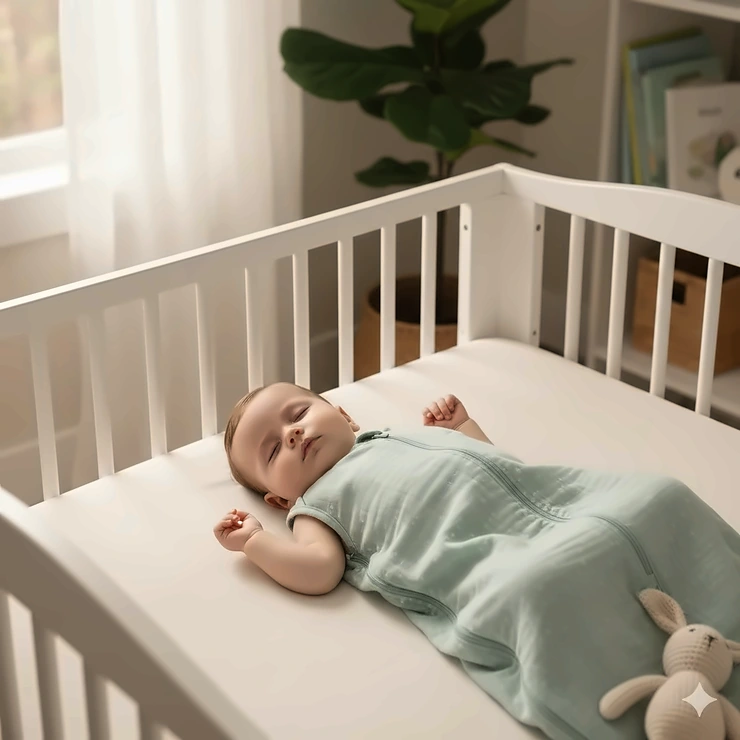
There’s nothing worse than watching your little one wake up drenched in sweat during a humid summer night. You’re not alone if you’ve wondered whether those cozy winter sleep sacks are doing more harm than good when temperatures soar. The truth is, babies can’t regulate their body temperature as efficiently as adults, making them particularly vulnerable to overheating during warm weather.
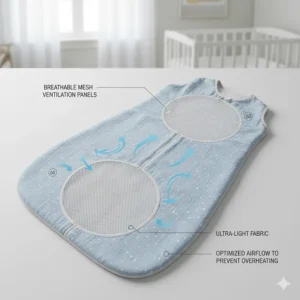
A summer sleep sack solves this challenge beautifully. Unlike traditional blankets that can bunch up and pose safety risks, these lightweight wearable blankets provide just enough coverage to keep your baby comfortable without the danger. Think of it as climate control for your nursery—but without the hefty electricity bill. The American Academy of Pediatrics has long recommended wearable blankets as a safer alternative to loose bedding, which can increase the risk of Sudden Infant Death Syndrome (SIDS).
What makes summer sleep sacks different from their heavier counterparts? It all comes down to the TOG rating—a measurement system that indicates thermal resistance. While winter versions typically range from 2.5 to 3.0 TOG, summer options hover around 0.5 TOG, making them breathable enough for temperatures between 72°F and 83°F. Whether you’re dealing with sticky nights in Houston or balmy evenings in California, choosing the right sleep sack can transform bedtime from a sweaty struggle into peaceful slumber for everyone in your household.
Quick Comparison Table: Top Summer Sleep Sacks at a Glance
| Product | TOG Rating | Material | Best For | Price Range |
|---|---|---|---|---|
| HALO SleepSack Cotton | 0.5 | 100% Cotton | All-around reliability | $20-$30 |
| Kyte Baby Bamboo Sleep Bag | 0.5 | 97% Bamboo Rayon | Eczema-prone skin | $40-$55 |
| TILLYOU 2-Pack | 0.5 | 100% Cotton | Budget-conscious parents | $25-$35 |
| BLOOMSTAR Muslin | 0.5 | Muslin Cotton | Maximum breathability | $18-$28 |
| BubblePanda Cooling | 0.5 | Cooling Fabric | Hot sleepers | $30-$40 |
| EasyFi Bamboo with Feet | 0.5 | Bamboo Rayon | Early walkers | $35-$45 |
| HOMEAL Legged Design | 0.5 | Cotton | Active toddlers | $22-$32 |
💬 Just one click – help others make better buying decisions too!😊
Top 7 Summer Sleep Sacks: Expert Analysis and Real Parent Reviews
1. HALO SleepSack 100% Cotton 0.5 TOG
The HALO SleepSack remains the gold standard for a reason—it’s the number one choice in hospitals nationwide. Made from soft, breathable 100% cotton interlock fabric, this sleep sack delivers reliability without breaking the bank. The inverted zipper opens from the bottom, making those midnight diaper changes refreshingly simple when you’re half-asleep.
Key Specifications:
- TOG: 0.5 (ideal for 72°F-75°F)
- Sizes: Small (0-6M) through X-Large (18-24M)
- Double-knit cotton construction
Parents consistently praise its durability—many report using the same sleep sack through multiple children. The International Hip Dysplasia Institute recognizes its roomy sack design as hip-healthy, giving you peace of mind about your baby’s development. One detail worth noting: HALO donates a portion of every purchase to SIDS prevention organizations.
Pros:
- Hospital-trusted brand with proven safety record
- Machine washable and dryer-safe
- “Back is Best” reminder embroidery
Cons:
- May run slightly small compared to other brands
- Cotton can show wear after extensive washing
Price Range: $20-$30 | Customer Verdict: Parents appreciate that this works exactly as advertised with no surprises.
2. Kyte Baby Sleep Bag 0.5 TOG
If your baby has sensitive skin or eczema, the Kyte Baby bamboo sleep bag might be your saving grace. The 97% bamboo rayon fabric feels impossibly soft—almost buttery to the touch. This isn’t just marketing fluff; bamboo naturally wicks moisture away from skin while remaining hypoallergenic and temperature-regulating.
Key Specifications:
- TOG: 0.5 (perfect for 74°F-78°F)
- Material: 97% Bamboo Rayon, 3% Spandex
- J-shaped double zipper with zipper garage
The zipper garage is a thoughtful detail that prevents accidental scratches when you’re zipping in dim light. Multiple parents mention that their babies with eczema showed noticeable improvement after switching to bamboo fabric. However, Kyte Baby recommends air-drying rather than machine drying to maintain fabric quality, which might not work for every household.
Pros:
- Exceptionally soft, reduces eczema symptoms
- Superior moisture-wicking properties
- Stretchy fabric allows extra movement
Cons:
- Higher price point than cotton alternatives
- Requires air-drying for longevity
Price Range: $40-$55 | Customer Verdict: Worth the investment if skin sensitivity is a concern.
3. TILLYOU 2-Pack Baby Sleep Sack 0.5 TOG
Budget-friendly doesn’t mean low-quality, and TILLYOU proves it with this two-pack offering. Since 1997, this brand has focused on creating safe, affordable baby bedding, and their summer sleep sacks deliver excellent value. Getting two sleep sacks means you’ll always have a backup when one is in the wash—a lifesaver during hot summer months when babies tend to sweat more.
Key Specifications:
- TOG: 0.5 (recommended for 75°F+)
- 100% natural premium cotton
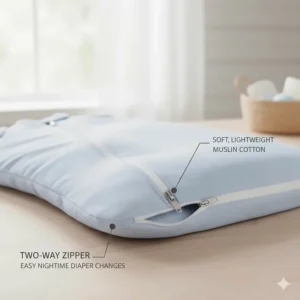
- Two-way zipper design
The fabric is surprisingly soft for the price point, though not quite as luxurious as bamboo alternatives. Many parents report these hold up well through dozens of wash cycles without significant pilling or shrinkage. The various size options ensure you can find the right fit whether you have a tiny newborn or a chunky 18-month-old.
Pros:
- Excellent value with two-pack option
- Simple, functional design
- Machine washable on gentle cycle
Cons:
- Limited color/pattern selection
- Zipper occasionally snags on first use
Price Range: $25-$35 for 2-pack | Customer Verdict: Best bang for your buck if you need multiple sleep sacks.
4. BLOOMSTAR Baby Sleeping Sack Muslin Cotton 0.5 TOG
Muslin cotton has been a baby care staple for generations, and the BLOOMSTAR sleep sack showcases exactly why. The double-layer muslin construction creates a breathable gauze weave that promotes exceptional airflow—perfect for those unbearably humid nights when even air conditioning struggles to keep up.
Key Specifications:
- TOG: 0.5 (for 72°F-83°F)
- Two layers of single cotton gauze
- Widening and radian leg design
The leg room design deserves special mention. Rather than restricting movement, this sleep sack allows babies to kick freely while maintaining the security of a wearable blanket. The two-way zipper makes diaper changes quick and easy, even during drowsy 3 AM moments. One unique feature: the lightweight fabric makes this ideal for year-round use when layered appropriately.
Pros:
- Ultra-breathable double gauze construction
- Plenty of kicking room promotes hip health
- Lightweight enough for layering
Cons:
- Hand washing recommended for best results
- May feel too thin for air-conditioned rooms
Price Range: $18-$28 | Customer Verdict: Ideal for hot, humid climates where breathability is paramount.
5. BubblePanda Cooling Summer Sleep Sack 0.5 TOG
Here’s where innovation meets practicality. The BubblePanda Cooling sleep sack uses advanced cooling fabric that dissipates heat 2.7 times faster than traditional cotton. If your baby is a naturally hot sleeper who wakes up sweaty even in moderate temperatures, this might be your solution.
Key Specifications:
- TOG: 0.5 with Q-Max 0.3 cooling technology
- Temperature-regulating fabric
- Two-way side zipper with protector
The cooling effect is noticeable but not dramatic—think of it as the difference between regular sheets and performance athletic wear. The deeper, narrower neckline prevents loose fabric that could pose suffocation risks, while the stretchy leg room allows for the frog-legged sleeping position many babies prefer. Several parents report this has become their go-to for particularly hot nights.
Pros:
- Advanced cooling technology for hot sleepers
- Safety-focused neckline design
- Machine washable and durable
Cons:
- Slightly higher price than basic cotton
- Cooling effect diminishes slightly over time
Price Range: $30-$40 | Customer Verdict: Game-changer for babies who consistently overheat.
6. EasyFi Rayon Made From Bamboo Sleep Sack with Feet 0.5 TOG
When your baby transitions from sleeping to cruising, the EasyFi sleep sack with feet becomes incredibly practical. This design allows toddlers to walk, crawl, and explore while maintaining the comfort and safety of a wearable blanket. The bamboo rayon blend offers similar benefits to Kyte Baby at a slightly lower price point.
Key Specifications:
- TOG: 0.5 (perfect for spring/summer/autumn)
- 95% bamboo rayon, 5% spandex
- Foot openings for mobility
The J-shaped zipper opens completely flat, making it easy to dress a squirmy toddler. The reinforced stitching around stress points ensures durability even when your little one is constantly on the move. Parents appreciate that this extends the usable life of a sleep sack beyond the traditional baby stage into toddlerhood.
Pros:
- Enables mobility while maintaining sleep comfort
- Ultra-soft bamboo fabric
- Two-way zipper for convenience
Cons:
- Not suitable for pre-walking infants
- Requires ensuring proper fit to prevent tripping
Price Range: $35-$45 | Customer Verdict: Perfect transition product for active toddlers.
7. HOMEAL Toddler Summer Sleep Sack with Legs 12-18 & 18-24 Months
The HOMEAL legged sleep sack brings thoughtful design elements that parents actually use. The adjustable leg length buttons are particularly clever—if the sleep sack is too long when your toddler stands, you can adjust the length without constantly rolling up fabric. The two large pockets might seem frivolous, but toddlers absolutely love having a place for their tiny treasures.
Key Specifications:
- TOG: 0.5 cotton material
- Sizes from 12-18M up to 5T-7T
- Leg length adjustment buttons
The double zippers work in both directions, and the zipper protection prevents scratches—essential when you’re dealing with a wiggling toddler at bedtime. The sleeveless design keeps little ones cool while the cotton fabric remains soft and breathable through countless washes. Multiple sizes mean this can grow with your child for years.
Pros:
- Innovative leg length adjustment feature
- Wide size range accommodates growth
- Fun pockets toddlers actually use
Cons:
- May be too warm for extremely hot climates
- Prints might not appeal to all parents
Price Range: $22-$32 | Customer Verdict: Best value for parents of early walkers and toddlers.
Understanding TOG Ratings: Your Complete Temperature Guide
TOG stands for Thermal Overall Grade, and it’s the international standard for measuring textile insulation. Think of it as the warmth meter for your baby’s sleepwear. Unlike thread count for sheets, higher TOG numbers indicate warmer fabrics, while lower numbers mean lighter, more breathable materials.
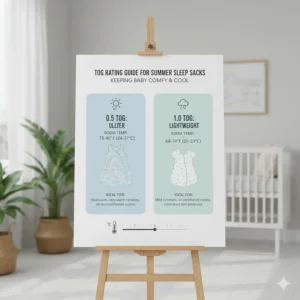
For summer sleep sacks, you’ll typically encounter 0.5 TOG ratings. This lightweight option works beautifully when room temperatures hover between 72°F and 83°F. If you’re running air conditioning that keeps your nursery cooler, around 68°F-73°F, you might consider a 1.0 TOG instead. The American Academy of Pediatrics emphasizes avoiding overheating as a key component of safe sleep practices.
Here’s a practical temperature guide: For rooms above 75°F, stick with 0.5 TOG and dress your baby in just a diaper or lightweight onesie underneath. Between 72°F-75°F, you can add long-sleeved pajamas under the 0.5 TOG sleep sack. If temperatures dip to 68°F-72°F, consider switching to a 1.0 TOG sleep sack with regular sleepwear underneath.
The beauty of understanding TOG ratings is that you can accurately gauge your baby’s comfort level. Press gently on their chest or back of neck—if the skin feels sweaty or very warm, they’re too hot. If it feels cool to the touch, add a layer. Their hands and feet naturally run cooler, so don’t use those as temperature indicators.
Material Matters: Cotton vs. Bamboo vs. Muslin Fabrics
Choosing the right fabric can make or break your summer sleep experience. Let’s break down the most popular options to help you decide what works best for your family’s needs.
Cotton remains the classic choice for good reason. It’s naturally breathable, soft against delicate skin, and stands up well to frequent washing. Regular cotton sleep sacks work wonderfully for most babies and typically cost less than specialty fabrics. The downside? Cotton can retain some heat compared to alternatives, and it may not wick moisture quite as effectively during particularly sweaty nights.
Bamboo rayon has gained popularity among parents dealing with eczema or sensitive skin. The silky-smooth texture feels almost luxurious, and bamboo naturally possesses antimicrobial properties. It excels at moisture-wicking, pulling sweat away from your baby’s skin to keep them dry and comfortable. The temperature-regulating qualities mean bamboo often feels cooler than cotton in warm weather while staying cozy in moderate temperatures. However, bamboo sleep sacks typically command a higher price and may require more careful washing to maintain quality.
Muslin offers unmatched breathability thanks to its loose weave construction. Air circulates freely through muslin fabric, making it ideal for extremely hot, humid climates. The lightweight nature means you can easily layer muslin sleep sacks over different clothing options depending on temperature fluctuations. Some parents find muslin too thin for their comfort, especially in air-conditioned rooms, but others swear by it for maximizing airflow.
Each fabric has its place. Consider your climate, your budget, and your baby’s specific needs. If you live in a consistently hot area, muslin or bamboo might be worth the investment. For moderate summer temperatures with air conditioning, cotton provides excellent value and versatility.
Safety First: Following AAP Guidelines for Infant Sleep
Safe sleep practices can literally save lives, and summer sleep sacks play an important role in creating a secure sleep environment. The American Academy of Pediatrics safe sleep guidelines emphasize several key points that every parent should know.
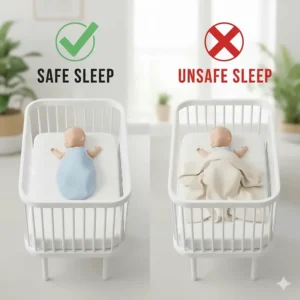
First and foremost: always place your baby on their back to sleep. This single practice has dramatically reduced SIDS rates since the “Back to Sleep” campaign launched in the 1990s. Sleep sacks support this recommendation by making it comfortable for babies to sleep on their backs while eliminating loose blankets that might encourage side or stomach sleeping.
The sleep surface matters tremendously. Use only firm, flat surfaces—cribs, bassinets, or play yards that meet Consumer Product Safety Commission standards. Inclined sleepers with angles greater than 10 degrees have been banned for good reason; they increase suffocation risks. Your summer sleep sack should be used on these approved flat surfaces only.
Keep the sleep space bare. No pillows, stuffed animals, bumper pads, or loose blankets should share the crib with your baby. This is where wearable blankets shine—they provide warmth and comfort without the suffocation hazards of traditional bedding. The AAP specifically recommends wearable blankets as a safer alternative.
Room sharing without bed sharing offers the best of both worlds. Keep your baby’s crib in your bedroom for at least the first six months, ideally the entire first year. This arrangement reduces SIDS risk by up to 50% while avoiding the dangers of bed sharing. Your baby sleeps within arm’s reach for easy feeding and comfort, but on their own safe surface.
Temperature regulation is crucial for safe sleep. Overheating increases SIDS risk, which is why choosing the appropriate TOG rating for your climate matters so much. Feel your baby’s chest or back of neck to check temperature—they should feel warm but not hot or sweaty. According to pediatric sleep safety research, maintaining comfortable room temperatures between 68°F-72°F provides optimal conditions for infant sleep.
Sizing Guide: Getting the Perfect Fit for Your Baby
A properly fitted sleep sack is essential for both safety and comfort. Unlike clothing where a little extra room for growth makes sense, sleep sacks require precise sizing to prevent hazards. Here’s how to ensure you’re choosing correctly.
Check the neck and arm openings first. These should fit snugly enough that fabric cannot ride up over your baby’s face or airway. If you can fit more than two fingers between the fabric and your baby’s neck, the sleep sack is too large. Arm openings should allow movement but not be so loose that your baby could slip an arm inside the sack.
Length matters differently than you might expect. Sleep sacks are intentionally made longer than your baby to provide kicking room—this supports healthy hip development. The extra length at the bottom is normal and beneficial. However, if the sack is so long that it bunches up significantly or your baby can’t move their legs freely, size down.
Most brands size by age and weight ranges:
- Small: 0-6 months, typically 10-18 pounds
- Medium: 6-12 months, typically 16-24 pounds
- Large: 12-18 months, typically 22-28 pounds
- X-Large: 18-24 months, typically 26-36 pounds
Weight provides a more reliable sizing indicator than age. Babies grow at different rates, so a chunky 4-month-old might need a medium while a petite 8-month-old still wears small. When in doubt, measure your baby’s weight and compare it to the manufacturer’s size chart rather than relying solely on age.
For sleep sacks with feet, like the EasyFi and HOMEAL options, verify that your baby can stand and walk comfortably without tripping. The foot openings should allow normal movement while the overall length shouldn’t drag on the floor when your toddler stands up.
Washing and Care: Maintaining Your Summer Sleep Sack
Proper care extends the life of your sleep sack and ensures it remains safe for your baby. Summer means more washing due to sweat and increased use, so establishing good habits early pays off.
For cotton sleep sacks like HALO and TILLYOU, machine washing on a gentle cycle with cold water works perfectly. Avoid harsh detergents or fabric softeners that might irritate sensitive skin. Tumble dry on low heat or air dry to prevent shrinkage. Many parents find that washing cotton sleep sacks before first use softens the fabric nicely.
Bamboo requires gentler handling to maintain its luxurious feel. Kyte Baby and EasyFi recommend air-drying their bamboo products rather than using a dryer. The high heat from dryers can break down bamboo fibers over time, causing them to lose softness. Zip the sleep sack completely before washing to protect inner quilting, but don’t turn it inside out. Use cold water and skip the fabric softener—bamboo’s natural properties provide plenty of softness.
Muslin sleep sacks actually get softer with each wash, which is one of their charming qualities. Machine wash on gentle with cool water, and tumble dry low or air dry. The loose weave can snag easily, so avoid washing with items that have hooks or rough textures like velcro.
Store sleep sacks in a clean, dry place. Fold rather than hanging to prevent stretching at the shoulders. If you’re rotating between multiple sleep sacks, this is perfectly normal during summer months—having two or three on hand ensures you always have a clean one ready.
Watch for signs of wear like fraying seams, broken zippers, or thinning fabric. Safety comes first, so replace sleep sacks that show significant deterioration. Most quality sleep sacks last through at least one child with proper care, and many parents successfully use them for multiple babies.
Transitioning from Swaddles: When and How to Make the Switch
The swaddle-to-sleep-sack transition marks a significant milestone in your baby’s sleep journey. Timing this change correctly ensures both safety and continued good sleep. According to safe sleep experts, you should stop swaddling as soon as your baby shows any signs of attempting to roll over—typically around 3-4 months, though some babies start earlier.
Why does rolling matter? A swaddled baby who rolls onto their stomach can’t use their arms to push up or reposition, creating a dangerous situation. Sleep sacks allow arm freedom while maintaining the cozy, contained feeling babies love about swaddling.
For a smooth transition, try these strategies: Start with naps. The daytime switch to a sleep sack feels less disruptive than nighttime changes. Your baby is often in a better mood during the day, making them more receptive to the newness. Plus, naps give you opportunities to practice without the pressure of needing everyone to sleep through the night.
Consider a gradual approach by trying transitional swaddles first. Some products, like the HALO transitional swaddle, feature adjustable wings that let you swaddle with one or both arms out. This intermediate step can help babies adjust to having their arms free while maintaining some of that secure swaddle feeling.
Maintain your usual bedtime routine despite the change. Consistency in other aspects of sleep helps offset the unfamiliarity of the new sleep sack. Sing the same songs, follow the same order of events, keep room conditions identical. The more that stays the same, the easier your baby adapts to what’s different.
Expect some resistance initially. Your baby has grown accustomed to one sleep environment, and changes can temporarily disrupt sleep. Give it at least 3-5 days before deciding the transition isn’t working. Many babies who resist the first night accept the sleep sack willingly by the third or fourth night.
The newborn summer sleep sack differs slightly from options for older babies. Newborn-specific designs feature smaller armholes and shorter lengths appropriate for tiny bodies. If your newborn has outgrown swaddling early due to strong rolling reflexes, look for sleep sacks specifically labeled for newborns rather than the standard 0-6 month size.
Temperature Regulation Tips for Hot Summer Nights
Managing your baby’s temperature during sweltering summer nights requires more than just choosing the right sleep sack. Here’s how to create optimal sleeping conditions when the thermometer climbs.
Start with your baby’s clothing underneath the sleep sack for summer use. When temperatures exceed 75°F, a diaper or very lightweight bodysuit is sufficient under a 0.5 TOG sleep sack. Between 72°F-75°F, add a short-sleeved onesie. If your air conditioning keeps the room at 68°F-72°F, long-sleeved pajamas work fine under the sleep sack. The key is layering appropriately rather than relying solely on the sleep sack for temperature control.
Position matters more than you might think. Keep the crib away from direct sunlight, heating vents, and radiators. Even in summer, afternoon sun streaming through a window can create hot spots in the nursery. Use blackout curtains not just for darkness but also to block heat-generating sunlight during nap times.
Air circulation helps tremendously. A ceiling fan running on low or a regular fan positioned away from the crib (never pointed directly at your baby) keeps air moving and prevents stagnant hot spots. Just ensure any cords or the fan itself remain completely out of reach.
Monitor room temperature with a reliable thermometer. Those cute elephant-shaped nursery thermometers aren’t just decorative—they provide accurate readings so you can adjust conditions as needed. Aim for that sweet spot of 68°F-72°F that sleep experts recommend.
Check your baby regularly without obsessing. During particularly hot nights, feel their chest or back of neck when you wake for feeding or simply can’t sleep yourself. Sweaty skin means they’re too warm—remove a layer. Cool skin suggests adding coverage. Remember: hands and feet naturally feel cooler and aren’t accurate temperature indicators.
Consider timing baths strategically. A lukewarm bath 30-60 minutes before bed can slightly lower body temperature, making it easier for your baby to fall asleep comfortably. Avoid very cold baths, which might actually be too stimulating.
If temperatures spike unexpectedly overnight and your baby seems uncomfortable, don’t hesitate to adjust mid-sleep. Remove the sleep sack temporarily if necessary, though remember that loose blankets aren’t safe alternatives. Better to let your baby sleep in just a diaper or onesie for one night than to risk overheating.
Budget-Friendly Options vs. Premium Picks: What’s Worth It?
The summer sleep sack market offers products ranging from $15 budget basics to $60 premium bamboo options. Understanding what you’re actually paying for helps you make smart choices that fit your budget without sacrificing quality.
Budget options like TILLYOU and BLOOMSTAR deliver solid performance for families watching their spending. You get functional sleep sacks that meet safety standards, use decent quality cotton or muslin, and survive regular washing. The trade-offs usually appear in details: slightly thinner fabric, simpler zipper mechanisms, limited color choices, or less precise sizing. For many families, especially those unsure how much their baby will use a sleep sack, starting with budget-friendly options makes perfect sense.
Mid-range products like HALO hit the sweet spot for most parents. You’re paying for brand reliability, better quality control, thoughtful design features, and fabrics that hold up through extended use. HALO’s hospital pedigree means rigorous safety testing, and their customer service typically handles issues promptly. The price premium over budget brands—usually $10-15—often proves worthwhile for the peace of mind and durability.
Premium bamboo sleep sacks like Kyte Baby command higher prices for specific benefits: exceptionally soft fabric that helps with eczema, superior temperature regulation, and moisture-wicking that outperforms cotton. If your baby has skin sensitivities or you live in an extremely hot climate, the investment pays off through better sleep and reduced skin irritation. For babies without special needs and moderate summer temperatures, the improvement over good-quality cotton might not justify the cost difference.
Multi-packs offer excellent value regardless of price tier. The TILLYOU 2-pack essentially gives you backup coverage for minimal additional cost. Having multiple sleep sacks available becomes invaluable during summer when more frequent washing is necessary due to sweat and heat.
Think about longevity when comparing prices. A $50 bamboo sleep sack that lasts through two children and maintains its quality throughout represents better value than a $20 cotton option that pills badly after 10 washes and needs replacing. However, if your baby only uses sleep sacks for a few months before transitioning to regular blankets, the budget option served its purpose perfectly.
Consider these questions: Does your baby have sensitive skin? Do you live somewhere extremely hot? Will you use this sleep sack daily for many months? Do you plan to have multiple children? Positive answers suggest premium options might be worth the investment. If you’re in a moderate climate with a baby who has no special needs, solid mid-range or budget products work beautifully.
FAQ: Your Summer Sleep Sack Questions Answered
❓ Can you use a sleep sack for summer in air conditioned rooms?
❓ What should baby wear under sleep sack for summer at night?
❓ How do I know if my newborn is too hot in summer sleep sack?
❓ Are sleep sacks for summer safe for newborns who roll over?
❓ Do sleep sacks for summer really prevent SIDS better than blankets?
Conclusion: Choosing Your Perfect Summer Sleep Solution
Finding the ideal summer sleep sack comes down to matching product features with your specific needs. If you’re navigating eczema or sensitive skin, investing in bamboo options like Kyte Baby delivers noticeable benefits that cheaper alternatives can’t match. For budget-conscious families or those unsure about sleep sack commitment, TILLYOU’s two-pack offers fantastic value without compromising safety.
Hot sleepers and families in humid climates should seriously consider BubblePanda’s cooling technology or BLOOMSTAR’s muslin breathability. Meanwhile, parents of early walkers and toddlers will appreciate the practical design of legged options like EasyFi and HOMEAL that grow with your child.
Remember that the best sleep sack is one that your baby actually wears comfortably through the night. Trust your instincts about fabric preferences, watch how your baby responds to different materials, and don’t hesitate to try multiple options to find your perfect match. Summer sleep should be peaceful for everyone—and the right sleep sack makes that goal entirely achievable.
Most importantly, pair your sleep sack choice with proper safe sleep practices. No matter which product you select, always place your baby on their back on a firm, flat surface in their own sleep space. Follow American Academy of Pediatrics recommendations for room sharing without bed sharing, and maintain comfortable room temperatures between 68°F-72°F.
Your investment in a quality summer sleep sack pays dividends in better sleep, improved safety, and peace of mind. Whether you choose budget-friendly cotton or premium bamboo, you’re making a decision that prioritizes your baby’s comfort and well-being during the warm months ahead.
Recommended for You
- 7 Best Long Sleeve Sleep Sacks for Cozy Baby Sleep 2026
- 7 Best Toddler Sleep Sack with Feet for 2025
- 7 Best Organic Sleep Sacks 2025: Safe, Soft & Certified
Disclaimer: This article contains affiliate links. If you purchase products through these links, we may earn a small commission at no additional cost to you.
✨ Found this helpful? Share it with your friends! 💬🤗
