
In This Article
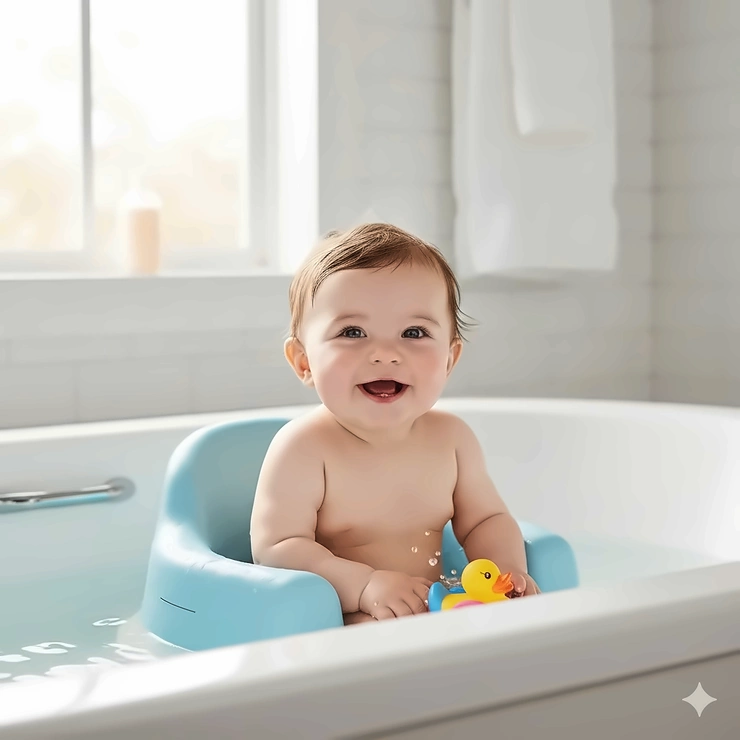
Bath time should be a joyful bonding experience, not a stressful wrestling match with a slippery baby. I remember when my daughter was six months old, trying to hold her with one hand while grabbing soap with the other – it felt like I needed three extra arms! That’s when I discovered the game-changing world of baby bath seats.
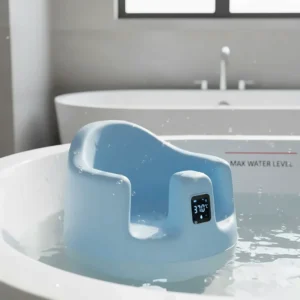
A baby bath seat is a supportive bathing aid designed to keep your little one secure while sitting upright in the tub, freeing up your hands to actually wash them properly. These ingenious devices typically feature suction cups that anchor to your bathtub floor, along with supportive backrests and side guards that cradle your baby safely. Think of it as a high chair for the bathtub – it doesn’t replace your supervision, but it certainly makes the whole process smoother.
The beauty of these seats lies in their ability to transform a chaotic splash-fest into a manageable routine. Whether you’re dealing with a wiggly six-month-old who just learned to sit or a curious toddler who thinks bath time is Olympic water sports, the right bath seat can be your secret weapon. With options ranging from basic suction cup models to rotating seats with temperature indicators, there’s a perfect match for every family’s needs and budget in 2026.
Quick Comparison Table
| Product | Best For | Price Range | Key Feature | Rating |
|---|---|---|---|---|
| Ingenuity My Bath Seat | Older infants 5+ months | $30-$35 | 3-arm suction system | ⭐⭐⭐⭐½ |
| BEBELEH Baby Bath Seat | First-time parents | $25-$32 | One-click opening | ⭐⭐⭐⭐ |
| Wddbb Baby Bath Seat | Tech-savvy parents | $28-$35 | Temperature card | ⭐⭐⭐⭐ |
| BabyBond 3-Mode Seat | Newborn to toddler | $35-$42 | 3 reclining positions | ⭐⭐⭐⭐½ |
| The First Years Folding Bather | Newborns 0-6 months | $18-$24 | Ultra-compact fold | ⭐⭐⭐⭐ |
| Blooming Bath Lotus | Sink bathing | $22-$28 | Flower petal design | ⭐⭐⭐⭐ |
| PandaEar Bath Seat | Budget-conscious families | $24-$30 | Adjustable backrest | ⭐⭐⭐⭐ |
💬 Just one click – help others make better buying decisions too! 😊
Top 7 Baby Bath Seats: Expert Analysis
1. Ingenuity My Bath Seat – Best for Older Infants
The Ingenuity My Bath Seat stands out as the top choice for babies who can already sit unassisted. This innovative seat features a unique three-arm suction cup system that creates 360-degree stability, giving you genuine hands-free bathing freedom.
Key Specifications:
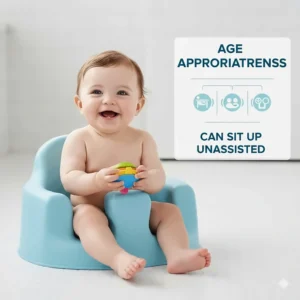
- Age range: 5-10 months (sitting independently required)
- Weight capacity: Up to 25 pounds
- Dimensions: 16.5″ x 15.5″ x 9.5″
Parents rave about the Sure & Secure Suction Cup technology that actually stays put during vigorous splashing sessions. The high backrest provides excellent lumbar support while the spacious seating area gives babies room to move without tipping.
✅ Pros:
- ASTM safety tested and approved
- Easy installation and removal
- Fits most standard bathtubs
- No fabric parts to mildew
❌ Cons:
- Requires baby to sit unassisted first
- Not suitable for textured tub surfaces
Customer Feedback: One mother shared that after trying three different seats, this was the only one where the suctions “actually worked like they’re supposed to.” The $31-$35 price point reflects the premium quality and engineering behind this bestseller.
2. BEBELEH Baby Bath Seat – Best One-Click Design
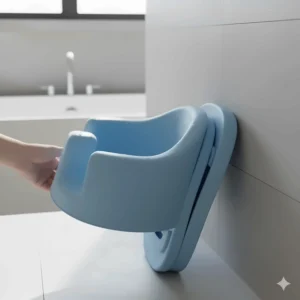
If convenience is your priority, the BEBELEH Baby Bath Seat delivers with its patented one-button detachable handle system. This thoughtfully designed seat opens and closes with a single click, making it incredibly easy to get your baby in and out.
Key Specifications:
- Age range: 6-24 months
- Material: BPA-free PP + TPR
- CPSC approved and certified
What sets BEBELEH apart is their rigorous testing standards – they’re one of the few brands specifically approved by the Consumer Product Safety Commission. The ergonomic backrest and 360-degree protective ring design prevent tipping while maintaining comfort.
✅ Pros:
- Includes fidget spinner attachment
- Comes with carry bag for travel
- Slip-resistant base with suction cups
- Quick-dry materials resist mildew
❌ Cons:
- Suction works only on smooth surfaces
- Slightly smaller seating area than competitors
Customer Feedback: Parents appreciate the included storage bag and temperature thermometer. At $25-$32, it offers excellent value with safety features that exceed industry standards.
3. Wddbb Baby Bath Seat – Best Temperature Monitoring
The Wddbb Baby Bath Seat brings technology to bath time with its integrated water temperature card and 360-degree wrap-around protection. This seat is perfect for parents who want extra assurance about water safety.
Key Specifications:
- Age range: 6+ months
- Features: Temperature monitoring card
- Design: Hollow back for water circulation
The one-touch removable handle system makes setup and storage incredibly simple. The hollow back design isn’t just for looks – it ensures water reaches all areas of your baby’s body for thorough cleansing.
✅ Pros:
- Real-time temperature monitoring
- 4 industrial-strength suction cups
- PP + TPR skin-friendly materials
- Compact storage when disassembled
❌ Cons:
- Temperature card requires battery replacement
- Hand guards may feel tight initially
Customer Feedback: Reviewers consistently praise the temperature feature, noting it provides peace of mind especially during winter months when water can cool quickly. Priced at $28-$35, it’s a smart investment for cautious parents.
4. BabyBond Baby Bath Seat – Most Versatile Option
For families wanting a seat that grows with their baby, the BabyBond Baby Bath Seat is unbeatable. Its exclusive dual-mode design with three-speed backrest adjustment serves newborns through toddlers in one product.
Key Specifications:
- Age range: 0-36 months (three stages)
- Gear 1: Sit-stand mode (5+ months)
- Gear 2: Half-lying mode (3-5 months)
- Gear 3: Lying mode (0-3 months)
This is the only seat on our list that truly adapts from newborn to toddler. The powerful suction cups provide stability while the included washable pillow adds comfort and prevents head bumps.
✅ Pros:
- Three adjustable positions
- Includes bath toys and towel hook
- ASTM compliant with CPC certificate
- Folds and hangs for drying
❌ Cons:
- Higher price point than single-position seats
- More parts to clean and maintain
Customer Feedback: One parent called it “the best bath seat I have ever used,” highlighting the reclining feature. At $35-$42, it’s pricier but eliminates the need to buy multiple products as baby grows.
5. The First Years Sure Comfort Folding Baby Bather – Best for Newborns
For those earliest bath experiences, The First Years Sure Comfort Folding Baby Bather provides gentle, secure support. This isn’t technically a “seat” but rather a reclining bather perfect for newborns who can’t sit yet.
Key Specifications:
- Age range: Birth to 15 pounds
- Design: Mesh sling with raised sides
- Storage: Folds completely flat
Made with 50% recycled plastic, this eco-friendly option cradles newborns in a comfortable incline. The non-slip seat with mesh material provides support while allowing water to drain naturally. It works beautifully in both sinks and full-size tubs.
✅ Pros:
- Perfect for first baths and sponge baths
- Ultra-compact folding design
- Fits in most sinks and tubs
- Budget-friendly at $18-$24
❌ Cons:
- Short usage window (birth to sitting up)
- Must transition to seat once baby sits independently
Customer Feedback: New parents love how this makes those nerve-wracking first baths manageable. One reviewer noted it was “perfect for putting in suitcases” for travel. The low price point makes it an excellent starter option.
6. Blooming Bath Lotus – Most Instagram-Worthy Design
The Blooming Bath Lotus transforms your sink into a soft, flower-shaped baby bath haven. This unique cushioned mat is ideal for parents who prefer sink bathing and want adorable photo opportunities.
Key Specifications:
- Age range: Newborn to 6 months
- Material: Plush polyester crystal minky fabric
- Base: 10″ anti-skid bottom
Unlike traditional hard plastic seats, this flower-shaped cushion features four soft petals that conform to most sink shapes. The ultra-soft fabric makes it comfortable for even the most sensitive newborn skin, while the sturdy base prevents slipping.
✅ Pros:
- Machine washable and dryer safe
- Creates adorable bath photos
- Comfortable alternative to hard plastic
- Fits various sink sizes
❌ Cons:
- Limited to sink use only
- Requires regular washing to prevent mildew
- Shorter lifespan than plastic seats
Customer Feedback: Parents describe their babies “loving” the soft texture and extended bath time willingly. At $22-$28, it’s an affordable luxury that makes memorable bath time moments. One mother mentioned, “It’s the most time she ever wanted to stay in the water.”
7. PandaEar Bath Seat – Best Budget Pick
Don’t let the lower price fool you – the PandaEar Bath Seat delivers solid performance with essential safety features. Founded by parents in 2016, PandaEar focuses on making quality baby products accessible to every family.
Key Specifications:
- Age range: 6-18 months
- Features: Adjustable backrest support
- Material: Non-slip with suction cups
This seat hits the sweet spot between affordability and functionality. While it may not have all the bells and whistles of pricier models, it provides secure, comfortable bathing support with reliable suction cup stability.
✅ Pros:
- Excellent value at $24-$30
- Adjustable backrest for growing babies
- Non-slip padding for comfort
- Company focused on affordability
❌ Cons:
- Fewer additional features than premium models
- Basic design without extras
Customer Feedback: Budget-conscious parents appreciate PandaEar’s “Making Caring Everywhere” mission. Reviews consistently mention the seat is “perfect for its intended purpose” without unnecessary complexity. For families wanting reliable basics without breaking the bank, this is your answer.
Understanding Baby Bath Seat Safety Standards
When it comes to your baby’s bathing equipment, safety isn’t just important – it’s everything. The Consumer Product Safety Commission (CPSC) implemented federal safety standards for infant bath tubs in 2017, requiring all manufacturers to meet strict guidelines.
What ASTM F2670 Certification Means
ASTM F2670 is the voluntary standard that became mandatory for all bath seats and tubs sold in the United States. This certification ensures products meet specific requirements for structural integrity, warning labels, and performance testing. When shopping, always look for explicit ASTM certification – it’s your guarantee the product has undergone rigorous safety evaluations.
According to the American Academy of Pediatrics, between 2004 and 2015, there were 31 infant deaths associated with bath products, with 30 involving drowning when caregivers weren’t present. This sobering statistic underscores why bath seats are designed as bathing aids, never substitutes for supervision.
Critical Safety Features to Verify
Every baby bath seat should have strong suction cups that create a secure grip on smooth surfaces. The seat should feature a supportive backrest that prevents babies from slumping forward into water. Look for non-slip seating surfaces and ensure there are no sharp edges, small parts, or pinch points. The materials should be BPA-free and phthalate-free.
Recent recalls have highlighted the importance of purchasing from reputable brands. In 2026, certain off-brand models were recalled due to inadequate suction strength and drowning hazards. Stick with established manufacturers who comply with CPSC regulations and have track records of safety.
How to Choose the Perfect Baby Bath Seat
Selecting the right baby bath seat isn’t rocket science, but it does require understanding your specific situation. Here’s a practical framework for making this decision confidently.
Age and Developmental Stage Assessment
Your baby’s age and abilities are the primary determining factors. Newborns to 3-month-olds need reclining bathers like The First Years model, as they can’t support their own heads yet. Once babies can sit with minimal support around 4-6 months, they’re ready for traditional bath seats with backrests. By 7-12 months when babies have strong sitting skills, they can use seats with less support.
Bathtub Compatibility Check
Not all bath seats work in all tubs. Measure your bathtub’s width and depth before purchasing – some compact apartments have smaller European-style tubs that won’t accommodate larger seats. Check if your tub has a textured, non-slip surface, as suction cups only work on smooth surfaces. For textured tubs, you’ll need seats with heavier bases or alternative attachment methods.
Feature Prioritization Guide
Must-have features: Strong suction cups, stable backrest, ASTM certification, BPA-free materials, easy-to-clean design.
Nice-to-have features: Temperature indicators, toy attachments, adjustable positions, compact storage capability, removable parts for machine washing.
Luxury features: Rotating seats, built-in drainage systems, multiple color options, matching bath accessories.
Space and Storage Considerations
If you have limited bathroom space, prioritize foldable or compact designs. The First Years folding bather, for instance, slips into narrow storage gaps. Larger homes might accommodate bulkier seats with more features. Consider where you’ll store the seat between uses – some models have hanging hooks, while others need shelf or floor space.
Different Types of Baby Bath Seats Explained
The baby bath seat category encompasses several distinct product types, each serving specific needs and age ranges. Understanding these differences helps you choose appropriately.
Suction Cup Bath Seats
These are the classic baby bath seats most parents picture – rigid plastic seats with four suction cups on the bottom. They’re designed for babies 6+ months who can sit independently. The suction cups anchor the seat to your bathtub floor, providing stability while your baby sits upright. Brands like Ingenuity, BEBELEH, and Wddbb excel in this category. They work wonderfully on smooth acrylic or porcelain tubs but struggle on textured surfaces.
Reclining Bath Slings
Perfect for newborns and young infants, these mesh or fabric slings cradle babies in a semi-reclined position. The First Years bather exemplifies this type. They typically work from birth until babies can sit unassisted, usually around 6 months. The mesh allows water to flow through while providing support, making them ideal for those first nervous baths.
Convertible Multi-Stage Seats
Premium options like BabyBond offer adjustable positions that grow with your baby. These seats transform from newborn recliners to upright toddler seats by adjusting the backrest angle. While pricier initially, they eliminate the need to purchase multiple products as your baby develops. The versatility makes them excellent value for parents planning multiple children.
Flower Bath Cushions
Soft, cushioned mats like Blooming Bath create a gentle bathing surface in sinks. These petal-shaped cushions are particularly popular for newborns whose skin is extra sensitive. They’re machine washable but require more maintenance than plastic seats to prevent mildew. They work beautifully for creating adorable newborn photos while serving a practical purpose.
Rotating Bath Seats
Some advanced models feature 360-degree rotation, allowing you to easily position your baby without lifting them. These are particularly helpful for parents with back problems or limited mobility. The rotating mechanism typically locks in place for safety during washing.
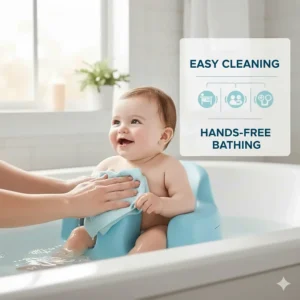
Installation and Proper Use Guidelines
Getting the most from your baby bath seat requires proper installation and usage. Here’s a step-by-step approach to ensure maximum safety and effectiveness.
Pre-Bath Preparation Checklist
Before filling your tub, gather all necessary supplies within arm’s reach – washcloth, soap, shampoo, towel, and fresh diaper. Place the bath seat in the empty tub and test its stability. Fill the tub with 2-3 inches of warm water (100-104°F is ideal). Test the water temperature with your elbow or a bath thermometer before placing your baby in the seat.
Suction Cup Installation Technique
Clean both the suction cups and the tub surface with mild soap to remove any soap scum or residue – this significantly improves grip. Press each suction cup firmly against the tub floor, starting from the center and working outward to remove air bubbles. For seats with locking mechanisms, ensure all locks click into place. Test the seat’s stability by applying firm downward pressure before placing your baby.
Positioning Your Baby Safely
Lower your baby gently into the seat while supporting their head and back. Ensure their bottom is seated properly against the backrest. The water level should never cover your baby’s stomach – keep it at waist level or lower. Adjust any safety straps or side guards if your model includes them. Your baby’s arms should rest comfortably on the seat’s edges.
Active Supervision Requirements
Here’s the non-negotiable rule: never, ever leave your baby unattended in a bath seat, even for “just a second.” According to the AAP drowning prevention guidelines, children can drown in just 1-2 inches of water. If the doorbell rings or you need to grab something, wrap your baby in a towel and take them with you. The few extra steps are worth your child’s safety.
✨ Don’t Miss These Exclusive Deals!
🔍 Take your baby bath routine to the next level with these carefully selected products. Click on any highlighted item to check current pricing and availability. These tools will help you create safe, enjoyable bath times your family will love!
Common Baby Bath Seat Mistakes to Avoid
Even experienced parents can make errors when using bath seats. Learning from others’ mistakes helps you avoid potential hazards and frustrations.
The Over-Reliance Trap
Bath seats are bathing aids, not babysitters. The biggest mistake parents make is treating these seats as hands-free devices that allow multitasking. While they do free your hands for washing, they don’t eliminate the need for constant supervision. Babies can slip, lean too far forward, or attempt to climb out. Your eyes and hands should never be more than arm’s length away.
Suction Cup Neglect
Dirty or worn suction cups are safety hazards waiting to happen. Many parents install their seat once and forget about maintenance. Clean the suction cups after every bath, check them weekly for cracks or deterioration, and replace them when they lose grip. Some manufacturers sell replacement suction cups – take advantage of this to extend your seat’s safe lifespan.
Wrong Age Usage
Using a bath seat before your baby can sit with support or after they can pull themselves to standing creates unnecessary risks. Newborns need reclining support, not upright seats. Conversely, mobile toddlers can climb out of seats designed for younger babies. Follow manufacturer age recommendations strictly – they’re based on developmental milestones, not arbitrary numbers.
Ignoring Surface Compatibility
Suction cups don’t work on textured, non-slip bathtub surfaces – period. Parents who try to force this compatibility endanger their babies. If you have a textured tub, choose seats with weighted bases or alternative attachment systems. Some parents install smooth vinyl mats in their tubs specifically to accommodate suction cup seats, which is a creative solution if you prefer this seat type.
Overfilling the Bathtub
More water doesn’t mean a better bath. Filling the tub too high defeats the seat’s purpose and creates drowning risk. Water should never reach your baby’s chest while seated – waist level or lower is the safety zone. Deeper water also makes the seat more buoyant, potentially compromising suction grip.
Maintenance and Cleaning Best Practices
A clean bath seat is a safe bath seat. Proper maintenance extends product life while preventing mold, mildew, and bacterial growth.
Daily Post-Bath Routine
After each bath, remove your baby and drain the tub completely. Lift the seat and spray it down with clean water to remove soap residue. Shake off excess water and wipe all surfaces with a clean towel. Stand the seat on its edge or hang it (if your model includes a hook) to air dry completely. Check suction cups for debris and wipe them clean.
Weekly Deep Cleaning Protocol
Once weekly, give your bath seat a thorough cleaning. Mix a solution of 1 part white vinegar to 3 parts warm water. Use a soft brush to scrub all crevices, paying special attention to areas where water tends to pool. For stubborn mildew, make a paste of baking soda and water and gently scrub affected areas. Rinse thoroughly with clean water and air dry completely before storage.
Mold Prevention Strategies
Mold thrives in damp, dark environments – don’t give it that opportunity. Store your bath seat in a well-ventilated area, never in closed cabinets immediately after use. If your bathroom lacks ventilation, consider storing the seat in a different room. For fabric components like Blooming Bath, machine wash regularly according to manufacturer instructions and ensure complete drying before reassembly.
Inspection and Replacement Schedule
Monthly, conduct a thorough safety inspection. Check for cracks in plastic, torn fabric, loose screws, or degraded suction cups. Test all moving parts if your seat has adjustable features. Replace any worn components immediately. Most bath seats should be replaced every 2-3 years or after use with multiple children, as materials naturally degrade over time.
Transitioning Away From Bath Seats
Eventually, your baby will outgrow their bath seat. Recognizing the right transition time and managing it smoothly is important for continued safe bathing.
Signs Your Baby Has Outgrown Their Seat
When your baby can pull themselves to standing position, it’s time to retire the bath seat – usually around 10-12 months. If they’re cramped or uncomfortable, with knees hitting the sides or difficulty fitting through the opening, they’ve physically outgrown it. Weight limits exist for safety reasons; once your baby approaches the maximum weight, start planning your transition.
Gradual Transition Techniques
Don’t rush the transition. Start by having your baby sit directly on a rubber bath mat while you maintain hands-on support. Keep bath times shorter initially as they adjust to the new arrangement. Use colorful bath toys to keep them entertained and sitting still. Some parents alternate between the seat and no seat for a week or two, building confidence gradually.
Alternative Bathing Solutions for Toddlers
Once past the bath seat stage, invest in quality non-slip bath mats that cover your entire tub floor. Consider a kneeling pad for yourself – you’ll be spending time bent over the tub. Bath kneelers with elbow rests make this position more comfortable. Some parents transition to standing baths with a handheld showerhead, which toddlers often find exciting.
Maintaining Safety Post-Seat
The end of bath seat use doesn’t mean the end of vigilant supervision. Toddlers in regular baths still require constant attention – they can slip, drink soapy water, or hit their heads on faucets. Keep implementing the same safety practices: shallow water, constant supervision, and having all supplies ready before starting the bath.
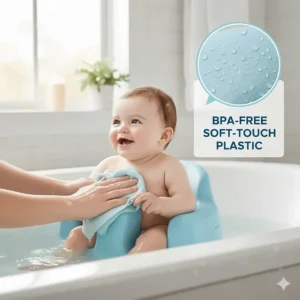
Frequently Asked Questions
❓ What age is best to start using a baby bath seat?
❓ Are bath seats with suction cups actually safe?
❓ Can I use a baby bath seat in a textured bathtub?
❓ How do I clean mold from my baby bath seat?
❓ What's the difference between a bath seat and a bath tub?
Conclusion: Choosing Your Perfect Baby Bath Seat
Selecting the right baby bath seat ultimately comes down to matching product features with your family’s specific needs. If you have a newborn under 6 months, The First Years Sure Comfort Folding Baby Bather offers the gentle support needed for those early baths. Once your baby can sit independently, the Ingenuity My Bath Seat provides exceptional stability and hands-free convenience that parents genuinely appreciate.
For families seeking long-term value, the BabyBond Baby Bath Seat grows with your child through multiple developmental stages, eliminating the need for future purchases. Budget-conscious parents will find the PandaEar Bath Seat delivers solid performance without unnecessary frills. And if you want that Instagram-worthy aesthetic while keeping baby comfortable, the Blooming Bath Lotus transforms ordinary sink baths into soft, flower-filled experiences.
Remember that no bath seat, regardless of price or features, replaces attentive supervision. According to CPSC safety guidelines, nearly all infant bathing deaths occurred when caregivers left babies unattended. Your presence is the most crucial safety feature of all.
Bath time doesn’t have to be stressful. With the right bath seat matched to your baby’s age and development, you’ll transform those chaotic splashing sessions into peaceful bonding moments. Choose wisely, supervise constantly, and enjoy watching your little one discover the joy of water play safely.
Recommended for You
- 7 Best Shampoo for Cradle Cap 2026 – Expert Baby Care Guide
- 7 Best Baby Shampoo for Curly Hair That Actually Work (2026)
- 7 Best Baby Wash for Eczema Products That Actually Work 2026
Disclaimer: This article contains affiliate links. If you purchase products through these links, we may earn a small commission at no additional cost to you.
✨ Found this helpful? Share it with your friends! 💬🤗
