
In This Article
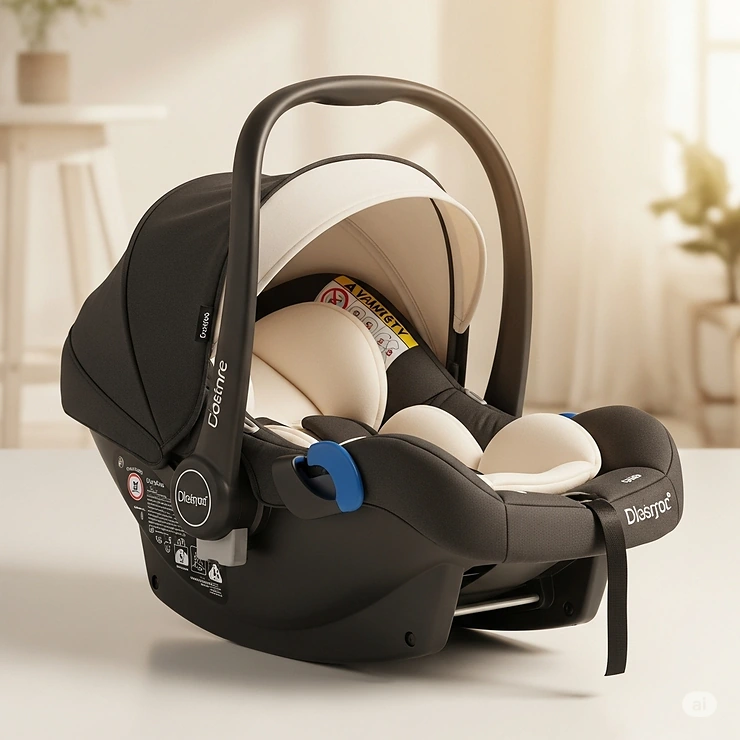
Choosing the right bassinet infant car seat system can feel overwhelming when you’re preparing for your new arrival. With countless options flooding the market, finding a travel system that seamlessly transitions from car safety to stroller convenience while providing bassinet comfort requires careful consideration.
✨Was this helpful? Spread the word! 🚀
The bassinet infant car seat market has evolved dramatically, offering sophisticated travel systems that adapt to your growing family’s needs. Modern parents demand versatility, safety, and convenience in one comprehensive package.
Understanding Bassinet Infant Car Seat Systems 🍼
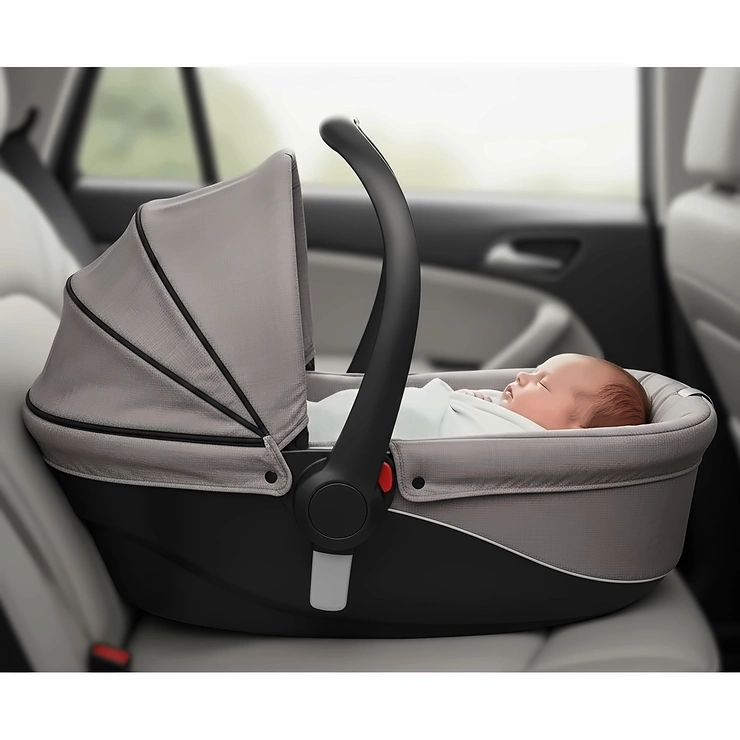
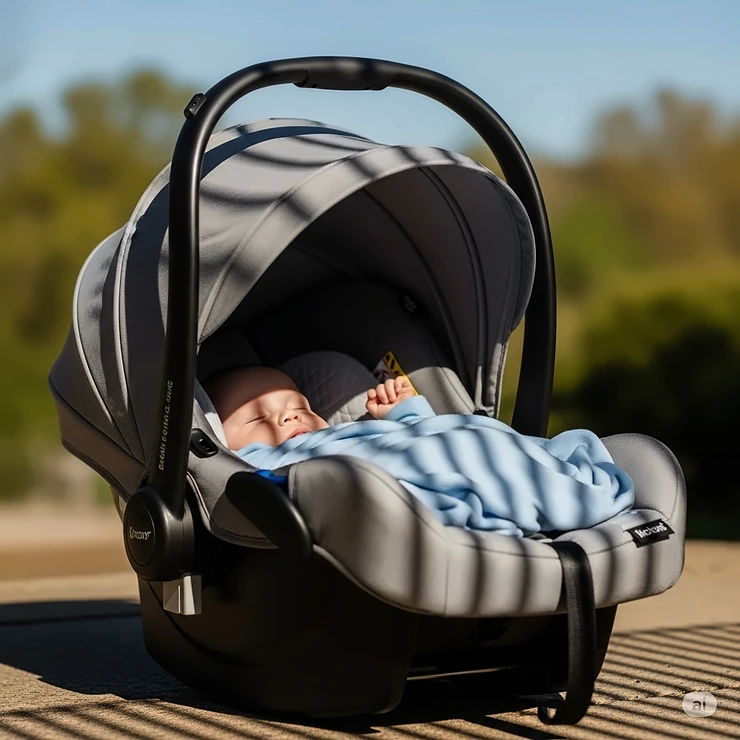
A bassinet infant car seat represents the pinnacle of newborn transportation technology. These innovative systems combine the protective features of a traditional infant car seat with the comfort benefits of a bassinet-style sleeping arrangement. Unlike standard car seats that position babies in a more upright position, bassinet car seat systems allow your little one to lie completely flat, promoting better breathing and spinal development during those crucial early months.
The integration typically occurs within travel system configurations, where the car seat component seamlessly attaches to a stroller frame that can convert into bassinet mode. This versatility means you can move from car to stroller without disturbing your sleeping baby—a game-changer for new parents navigating daily routines.
Safety standards for bassinet infant car seat systems exceed traditional requirements. These products must meet rigorous testing protocols for both automotive safety and safe sleep guidelines. The Federal Motor Vehicle Safety Standard (FMVSS) 213 governs car seat safety, while additional certifications ensure bassinet functionality maintains appropriate support and airflow.
Key Features That Matter Most
Modern bassinet infant car seat systems incorporate several critical features that distinguish superior products from basic alternatives. First, look for systems with easy conversion mechanisms that allow quick transitions between car seat and bassinet modes. The best systems feature one-handed operation, enabling smooth transitions without complicated adjustments.
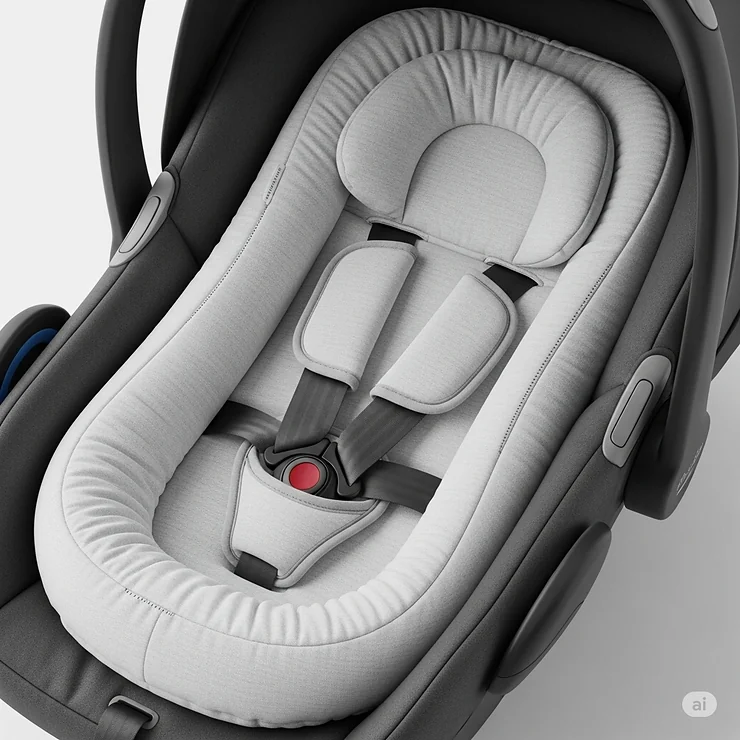
Ventilation plays a crucial role in bassinet design. Premium systems feature breathable mesh panels, perforated mattress pads, and vented bases that promote airflow around your baby. This enhanced breathability reduces overheating risks and creates a more comfortable sleeping environment.
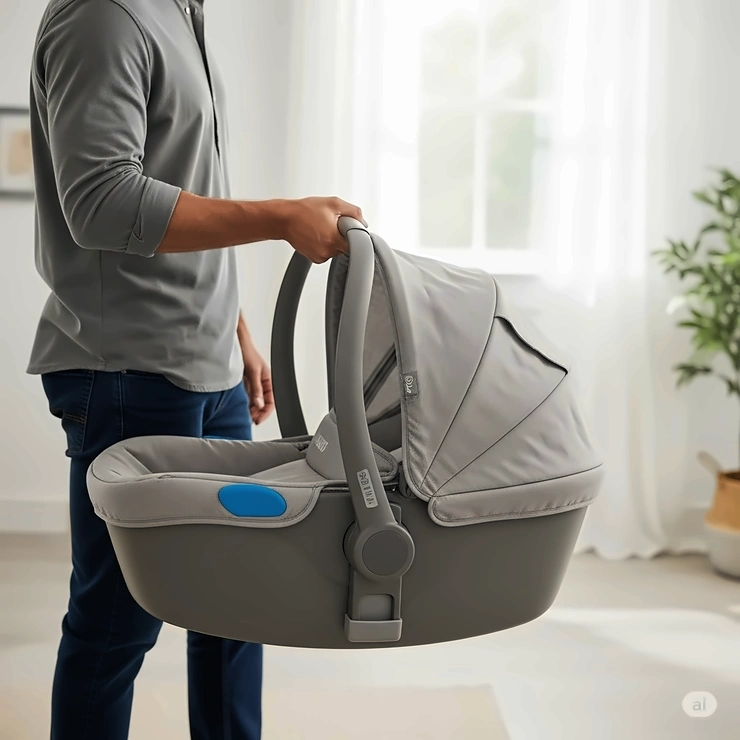
Weight distribution and ergonomic design affect daily usability significantly. The lightest bassinet infant car seat systems weigh between 8-12 pounds for the carrier alone, making them manageable for extended carrying periods. However, durability shouldn’t be compromised for weight savings.
Top 7 Bassinet Infant Car Seat Systems Available on Amazon 🏆
1. UPPAbaby Vista V3 + Mesa V2 Travel System
The UPPAbaby Vista V3 with Mesa V2 represents the gold standard in bassinet infant car seat technology. This complete travel system includes a full-size bassinet suitable from birth up to 20 pounds, featuring a perforated mattress pad and vented base for optimal breathability.
Key Specifications:
- Car seat weight capacity: 4-35 pounds
- Bassinet weight limit: Birth to 20 pounds
- System weight: Mesa V2 (9.9 lbs), Bassinet (8.8 lbs)
- Price range: $1,300-$1,600 on Amazon
The Mesa V2 features innovative SmartSecure installation technology with visual indicators that turn from red to green when properly installed. The European routing option provides secure installation without the base, making it ideal for travel situations.
Customer reviews consistently praise the smooth maneuverability and premium materials. One verified Amazon reviewer noted: “The bassinet attachment is incredibly well-made, functional, and beautiful. The large wheels can go over anything.”
Pros:
✅ GREENGUARD Gold certified for low chemical emissions
✅ Direct attachment without adapters
✅ Premium materials and construction
✅ Grows with family (accommodates up to 3 children)
Cons:
❌ Premium pricing may be prohibitive
❌ Heavier than budget alternatives
❌ Some reports of foam positioning issues with smaller newborns
2. Graco Modes Pramette Travel System
The Graco Modes Pramette offers exceptional value in the bassinet infant car seat category. This 3-in-1 system transforms from infant car seat carrier to pramette to toddler stroller, providing versatility that grows with your child.
Key Specifications:
- Includes SnugRide 35 Lite DLX Infant Car Seat
- Weight capacity: 4-35 pounds (car seat), up to 50 pounds (stroller)
- Price range: $299-$399 on Amazon
- One-hand fold capability
The pramette mode allows your baby to lie completely flat, mimicking a traditional bassinet experience while maintaining stroller mobility. The conversion between modes takes literally seconds once you understand the mechanism, making it extremely user-friendly for daily use.
Pros:
✅ Excellent value for money
✅ True pramette conversion (completely flat)
✅ Reversible seat (parent or forward-facing)
✅ Large all-terrain wheels
Cons:
❌ Slightly heavier than some competitors
❌ Assembly requires approximately 30 minutes
❌ No anti-rebound bar included
Don’t Miss These Exclusive Deals! 🛒
→ Transform your nursery with these carefully selected bassinet infant car seat systems. Click on any highlighted item to check current Amazon pricing and availability. These travel systems will revolutionize how you transport your little one! ⭐
3. Evenflo Pivot Modular Travel System with LiteMax
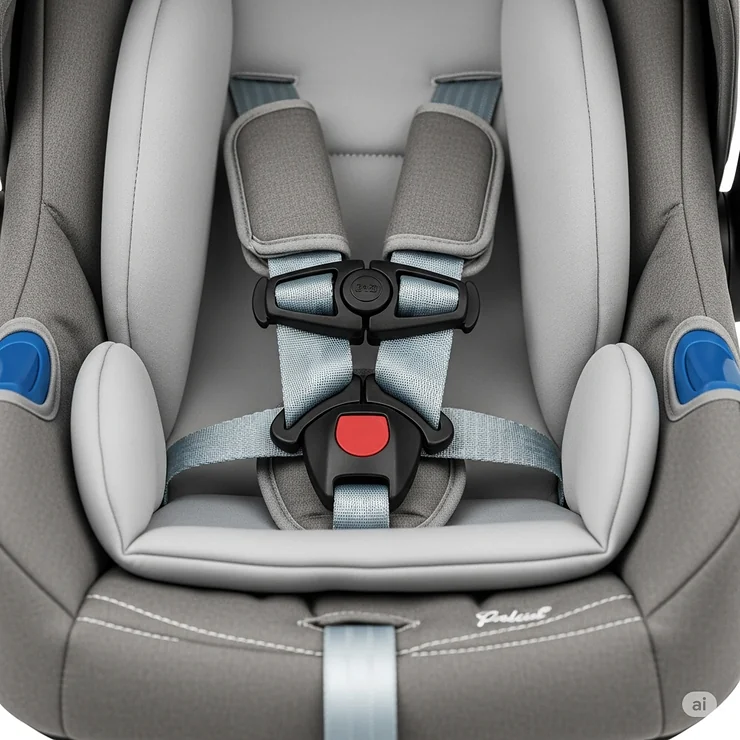
The Evenflo Pivot Modular system delivers impressive versatility with six different modes of use, including a carriage mode that allows babies to fully recline and stretch out in bassinet-style comfort.
Key Specifications:
- LiteMax Infant Car Seat (4-35 pounds)
- Stroller capacity: Up to 50 pounds
- Six modular configurations
- Price range: $199-$299 on Amazon
The anti-rebound bar adds an extra layer of safety by absorbing crash forces and limiting rebound movement during frontal impacts. Customer feedback highlights the smooth cruiser tires and oversized storage basket as standout features.
Pros:
✅ Budget-friendly pricing
✅ Six versatile modes
✅ Anti-rebound bar included
✅ Self-standing fold design
Cons:
❌ Some users report clicking mechanism difficulties
❌ Fabric shows dirt easily on darker colors
❌ Assembly instructions could be clearer
4. Chicco Bravo Trio Travel System
The Chicco Bravo Trio combines the top-rated KeyFit 30 infant car seat with the Bravo quick-fold stroller, creating a reliable bassinet infant car seat alternative through its fully reclining seat position.
Key Specifications:
- KeyFit 30 car seat (4-30 pounds)
- Lightweight design (9.5 lb car seat)
- Three operational modes
- Price range: $249-$349 on Amazon
While not featuring a traditional bassinet, the Bravo’s seat reclines completely flat, providing bassinet-like comfort for newborns. The one-hand smart fold and independent standing capability make storage effortless.
Pros:
✅ Lightweight and maneuverable
✅ Easy installation and setup
✅ Affordable pricing point
✅ Excellent customer reviews
Cons:
❌ No true bassinet component
❌ Limited storage compared to larger systems
❌ Basic features compared to premium options
5. Doona Infant Car Seat & Stroller
While not offering a traditional bassinet mode, the Doona represents innovation in the bassinet infant car seat space through its unique car seat-to-stroller transformation capability. This revolutionary system allows seamless transitions from car seat to stroller in seconds, eliminating the need for separate components.
Key Specifications:
- Weight range: 4-35 pounds
- Compact design for urban environments
- FAA approved for air travel
- Price range: $449-$549 on Amazon
Pros:
✅ Ultimate portability and convenience
✅ No separate stroller needed
✅ Perfect for travel and public transport
✅ Space-saving design
Cons:
❌ No bassinet functionality
❌ Limited storage capacity
❌ Heavier than traditional car seats
6. Baby Trend Expedition Jogger Travel System
For active families seeking an all-terrain bassinet infant car seat solution, the Baby Trend Expedition offers jogging stroller capabilities with car seat compatibility, though it lacks true bassinet features.
Key Specifications:
- Includes EZ-Lift infant car seat
- All-terrain capabilities
- Large bicycle tires
- Price range: $189-$249 on Amazon
7. Safety 1st Smooth Ride Travel System
This budget-conscious option provides basic bassinet infant car seat functionality through its reclining seat system, making it accessible for families with tighter budgets.
Key Specifications:
- OnBoard 35 FLX infant car seat
- Full recline capability
- Quick-release LATCH system
- Price range: $149-$199 on Amazon
💬 Just one click – help others make better buying decisions too! 😊
Industry-Specific Applications and Professional Use Cases 👔
The bassinet infant car seat market serves diverse professional applications beyond standard family use. Healthcare providers, childcare professionals, and family service organizations rely on these systems for specialized transportation needs.
Healthcare and Medical Transport Applications
Hospitals and medical facilities increasingly utilize bassinet infant car seat systems for patient transport and discharge procedures. Medical-grade bassinets designed for infants weighing less than 22 pounds (10 kg) and measuring under 27 inches (70 cm) follow strict safety protocols for healthcare environments.
Neonatal intensive care units (NICUs) often require specialized car seat testing before discharge, ensuring premature or medically fragile infants can safely travel in standard bassinet infant car seat systems. This testing, known as a “car seat challenge,” monitors breathing, heart rate, and oxygen levels during a controlled period in the car seat.
Physical therapists and occupational therapists recommend specific bassinet infant car seat features for infants with medical conditions. Babies with reflux benefit from systems allowing multiple recline positions, while those with respiratory concerns require enhanced ventilation and airflow features.
Professional Childcare and Transportation Services
Commercial childcare facilities managing multiple infants rely on bassinet infant car seat systems that prioritize efficiency and safety. Professional transport services for families often invest in premium systems offering superior durability and ease of cleaning.
Nanny services and professional caregivers frequently request training on specific bassinet infant car seat systems, as proper installation and usage directly impact child safety. The most popular systems among professionals feature intuitive installation mechanisms and clear visual indicators.
Regional and Cultural Considerations
European markets emphasize different safety standards and design preferences compared to American consumers. European routing installation methods provide secure carrier-only installations when base usage isn’t convenient, reflecting different transportation patterns and vehicle designs.
Urban environments drive demand for compact bassinet infant car seat systems that navigate narrow sidewalks and public transportation. Rural families prioritize all-terrain capabilities and durability for unpaved roads and outdoor activities.
Cultural preferences influence color choices, material selections, and feature priorities. Scandinavian design principles emphasize minimalism and natural materials, while American markets often prefer feature-rich systems with multiple accessories.
Professional Fleet and Rental Applications
Car rental companies and rideshare services increasingly offer bassinet infant car seat rentals, requiring systems that balance durability with ease of installation by untrained users. These applications prioritize systems with clear installation indicators and foolproof attachment mechanisms.
Professional photography and entertainment industries use bassinet infant car seat systems as props and functional equipment during shoots involving newborns and infants. These applications require photogenic designs and silent operation to avoid disrupting sleeping babies.
Advanced Technical Analysis and Engineering Principles 🔬
The engineering behind bassinet infant car seat systems involves complex integration of automotive safety, ergonomic design, and infant development science. Understanding these technical foundations helps parents make informed decisions based on solid engineering principles.
Crash Dynamics and Energy Absorption
Modern bassinet infant car seat systems utilize advanced materials and geometric designs to manage crash forces effectively. Energy-absorbing foam (EPS) integrated into headrests and side panels disperses impact forces across larger surface areas, reducing peak acceleration experienced by the infant.
Comprehensive crash testing at certified laboratories reveals significant performance differences between premium and budget bassinet infant car seat options. The best systems demonstrate lower HIC (Head Injury Criterion) and chest clip sensor readings during standardized impact tests.
Anti-rebound bars, now standard on premium systems, work by limiting the rotation of the car seat during frontal impacts. This engineering feature can reduce rebound motion by up to 40%, significantly improving safety outcomes for infants in bassinet infant car seat systems.
Materials Science and Durability Engineering
Frame materials in bassinet infant car seat systems range from aircraft-grade aluminum to high-strength steel alloys. Aluminum offers superior strength-to-weight ratios, enabling lighter systems without compromising structural integrity. Steel provides exceptional durability but increases overall system weight.
Fabric technologies have evolved to address multiple performance criteria simultaneously. Modern textiles must resist flame propagation without chemical treatments, wick moisture for comfort, and maintain colorfastness through repeated washing cycles. GREENGUARD Gold certification ensures fabrics meet strict chemical emission standards, promoting healthier air quality around infants.
Plastic components utilize specialized polymer blends engineered for temperature stability and impact resistance. UV-resistant additives prevent degradation from sunlight exposure, while antimicrobial treatments inhibit bacterial growth on frequently touched surfaces.
Ergonomic Design and Biomechanical Considerations
Infant spinal development heavily influences bassinet infant car seat design parameters. Newborn spines possess natural C-curve configurations that traditional upright car seats can distort. Bassinet modes maintain this natural curvature, supporting healthy development during critical early months.
Respiratory physiology drives ventilation requirements in bassinet infant car seat systems. Infant breathing patterns and metabolic rates necessitate enhanced airflow compared to adult requirements. Computational fluid dynamics modeling optimizes air circulation patterns within bassinet enclosures.
Handle ergonomics affect long-term usability for caregivers. Optimal handle placement, grip diameter, and weight distribution reduce strain during extended carrying periods. Telescoping handles accommodate users of varying heights, preventing back strain and promoting proper lifting mechanics.
Electronic Integration and Smart Technologies
Emerging bassinet infant car seat systems incorporate electronic sensors monitoring infant vital signs, ambient temperature, and air quality. These smart features alert caregivers to potential safety concerns before they become critical issues.
Smartphone integration enables remote monitoring of installation quality, usage patterns, and maintenance requirements. QR codes on premium systems link to installation videos and real-time technical support, reducing user error rates significantly.
Battery-powered climate control systems maintain optimal temperature ranges within bassinet compartments, automatically adjusting ventilation based on ambient conditions and infant positioning.
Comprehensive Setup and Usage Guide 📋
Proper installation and usage of bassinet infant car seat systems require methodical attention to detail and understanding of safety protocols. This comprehensive guide ensures optimal performance and maximum safety for your infant.
Pre-Installation Vehicle Assessment
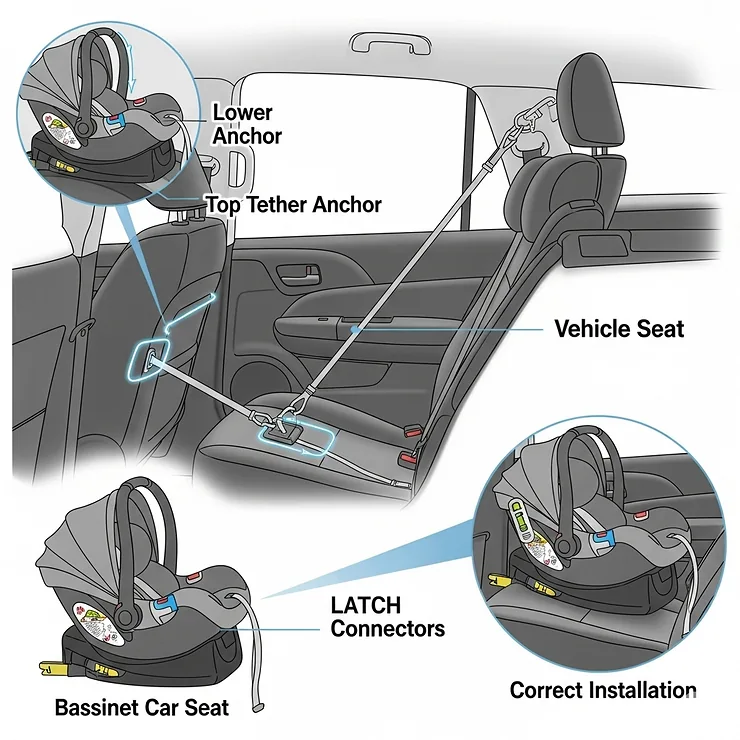
Before installing any bassinet infant car seat system, conduct a thorough vehicle assessment to identify optimal placement locations and potential compatibility issues. Vehicle seat angle, available space, and LATCH connector accessibility all influence installation success.
Measure rear seat dimensions and compare them to your chosen system’s requirements. Some bassinet infant car seat systems require additional clearance for bassinet mode operation, particularly in compact vehicles with limited rear passenger space.
Check vehicle owner’s manual for manufacturer-specific car seat installation guidelines. Some vehicles feature specially designed anchor points or recommended seating positions that optimize safety performance with bassinet infant car seat systems.
Step-by-Step Installation Protocol
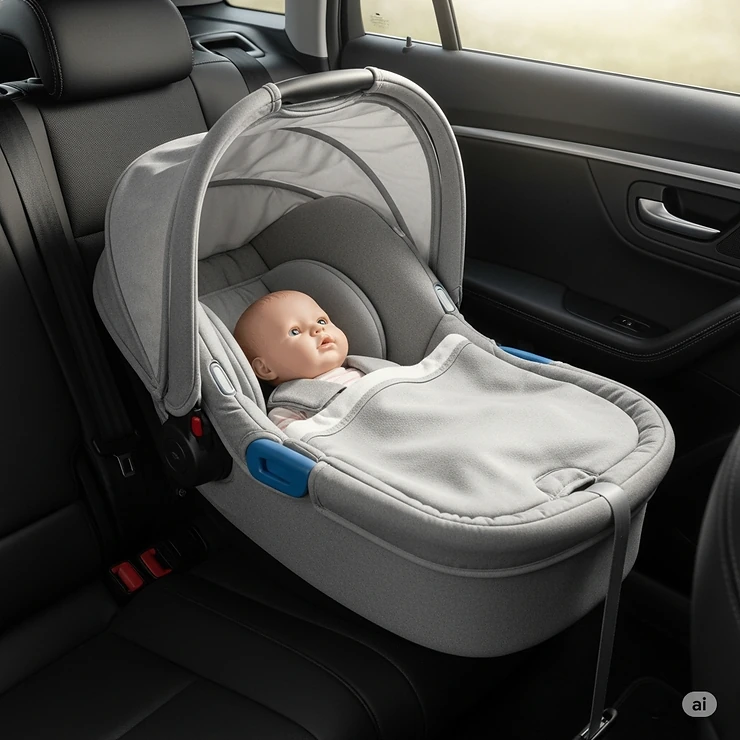
Begin with base installation, the foundation of car seat safety. Position the base against the vehicle seat back, ensuring full contact across the entire bottom surface. Avoid installation over seat cushion gaps or uneven surfaces that could compromise stability.
Thread LATCH connectors through designated anchor points, following the straight-line path recommended by manufacturers. Integrated belt lock-off systems provide visual confirmation of secure installation, with some systems featuring color-changing indicators for foolproof verification.
Test installation security by grasping the base near the belt path and attempting to move it side-to-side and front-to-back. Properly installed bases should move less than one inch in any direction when firm pressure is applied.
Install the car seat carrier onto the base, listening for audible clicks that confirm proper engagement. Test the connection by lifting the carrier handle—it should remain securely attached to the base without any movement or separation.
Bassinet Mode Configuration and Safety Checks
Converting your system to bassinet mode requires specific attention to locking mechanisms and support structures. Ensure all pivot points and adjustment mechanisms are fully engaged before placing your infant in the bassinet.
Verify that mattress pads lie completely flat without gaps or raised edges that could create entrapment hazards. Premium systems feature perforated mattresses and cross-ventilation panels that enhance airflow while maintaining structural support.
Check canopy operation and weather protection features, ensuring smooth extension and retraction without binding or catching. Mesh panels should remain taut and free from tears or loose threads that could pose safety risks.
User Compatibility and Training Requirements
Different family members may require individual training sessions to ensure consistent, safe operation of bassinet infant car seat systems. Create written procedures documenting proper installation, conversion, and safety check sequences.
Height and strength considerations affect system usability for different caregivers. Test all operational aspects with each family member who will use the system, identifying any physical limitations or adaptation needs.
Establish routine maintenance schedules including weekly safety checks, monthly cleaning protocols, and periodic professional inspections. Document these activities to maintain warranty compliance and ensure optimal performance throughout the system’s lifespan.
Environmental Optimization and Seasonal Adjustments
Weather conditions significantly impact bassinet infant car seat performance and comfort. Summer use requires enhanced ventilation and sun protection, while winter conditions demand weather shielding and insulation considerations.
Adjust ventilation panels and mesh sections based on ambient temperature and humidity levels. Excessive ventilation in cold weather can lead to infant discomfort, while insufficient airflow in warm conditions creates overheating risks.
Consider seasonal accessory requirements including footmuffs for cold weather, sun shades for summer use, and rain covers for wet conditions. These accessories should integrate seamlessly with your bassinet infant car seat system without compromising safety features.
Maintenance and Longevity Strategies 🔧
Proper maintenance extends the lifespan of bassinet infant car seat systems while ensuring continued safety and performance. Systematic care protocols address both routine cleaning and long-term preservation requirements.
Daily and Weekly Maintenance Routines
Daily visual inspections should focus on wear patterns, loose connections, and cleanliness issues that could affect safety or functionality. Check harness straps for fraying, buckle mechanisms for smooth operation, and fabric surfaces for stains or damage.
Weekly maintenance includes thorough cleaning of high-contact surfaces using appropriate cleaning agents that won’t degrade materials or leave harmful residues. Most fabrics require hand washing in cold water without bleach, followed by air drying to maintain fire-retardant properties.
Lubricate moving parts monthly using manufacturer-approved lubricants. Wheel bearings, folding mechanisms, and adjustment points benefit from light application of appropriate lubricants that won’t attract dirt or debris.
Troubleshooting Common Issues
Sticky or difficult folding mechanisms often result from debris accumulation in pivot points. Disassemble accessible components for thorough cleaning, removing sand, food particles, and fabric fibers that impede smooth operation.
Squeaking wheels typically indicate bearing wear or insufficient lubrication. Remove wheels according to manufacturer instructions, clean bearing surfaces, and apply appropriate lubricants before reassembly.
Harness adjustment difficulties may stem from twisted straps or debris in adjustment mechanisms. Remove fabric covers where possible, untangle strap routing, and clean adjustment hardware using soft brushes and mild detergents.
Professional Servicing and Warranty Considerations
Annual professional inspections by certified technicians can identify wear patterns and potential safety concerns before they become critical issues. Many manufacturers offer inspection services through authorized dealers or certified car seat technicians.
Warranty coverage varies significantly between bassinet infant car seat systems, with premium brands often providing extended coverage for structural components and safety mechanisms. Some manufacturers offer expedited warranty claim processing, shipping replacement frames free of charge when safety-related issues are identified.
Document all maintenance activities, repairs, and professional inspections to maintain warranty compliance and resale value. Many bassinet infant car seat systems retain significant value when properly maintained and documented.
Total Cost of Ownership Analysis
Calculate long-term costs including initial purchase price, recommended accessories, maintenance supplies, and potential replacement components. Premium systems may justify higher initial costs through superior durability and warranty coverage.
Factor in potential resale value when comparing bassinet infant car seat options. Well-maintained premium systems from reputable manufacturers often retain 40-60% of original value after 2-3 years of use.
Consider accessories and expansion capabilities when evaluating total cost. Systems that grow with your family or accommodate multiple children may provide better long-term value despite higher initial investment.
Comparative Analysis and Market Positioning 📊
Understanding how different bassinet infant car seat systems compare across key performance metrics helps parents make informed decisions based on their specific needs and priorities.
Safety Performance Comparison Matrix
| System | Crash Test Rating | Anti-Rebound | Installation Ease | Weight Limit |
|---|---|---|---|---|
| UPPAbaby Vista + Mesa | ⭐⭐⭐⭐⭐ | 4-position handle | SmartSecure | 4-35 lbs |
| Graco Modes Pramette | ⭐⭐⭐⭐ | Optional | Standard LATCH | 4-35 lbs |
| Evenflo Pivot | ⭐⭐⭐⭐ | Included | Belt lock-off | 4-35 lbs |
| Chicco Bravo | ⭐⭐⭐⭐ | None | SuperCinch | 4-30 lbs |
Price-to-Feature Value Assessment
Budget-conscious families often gravitate toward the Evenflo Pivot and Chicco Bravo systems, which offer essential bassinet infant car seat functionality without premium pricing. These systems provide excellent value for families prioritizing basic safety and convenience features.
Mid-range options like the Graco Modes Pramette bridge the gap between budget and premium categories, offering enhanced features like true pramette conversion at accessible price points. This positioning appeals to families seeking advanced functionality without luxury pricing.
Premium systems such as the UPPAbaby Vista command higher prices through superior materials, advanced safety features, and comprehensive warranty coverage. These systems target families prioritizing long-term durability and cutting-edge technology.
Traditional vs. Modern Approach Comparison
Traditional separate car seat and stroller purchases offer flexibility in brand selection and feature optimization for specific use cases. Families can choose best-in-class car seats paired with preferred stroller brands, potentially achieving superior performance in both categories.
Modern integrated bassinet infant car seat systems prioritize convenience and compatibility, ensuring seamless operation between components. This approach reduces complexity and potential compatibility issues while potentially limiting individual component performance.
Hybrid approaches combine separate premium car seats with compatible stroller systems, offering some integration benefits while maintaining component selection flexibility. This strategy requires careful compatibility research but can optimize both safety and convenience.
Long-term Value Proposition Analysis
Investment in premium bassinet infant car seat systems often pays dividends through extended usability, superior resale values, and comprehensive warranty coverage. These systems typically accommodate multiple children and adapt to changing family needs over several years.
Budget systems may require earlier replacement or additional accessory purchases to maintain functionality as children grow. However, they provide excellent entry points for families with immediate budget constraints or uncertain long-term needs.
Mid-range systems offer balanced approaches, providing essential advanced features while maintaining reasonable pricing. These options work well for families seeking specific features without full premium system investment.
Real-World Case Studies and Success Stories 📈
Examining actual user experiences provides valuable insights into how bassinet infant car seat systems perform in real-world conditions across diverse family situations and use cases.
Case Study 1: Urban Professional Family
Sarah and Michael, working professionals in downtown Chicago, needed a bassinet infant car seat system that could handle city living challenges including public transportation, tight apartment storage, and frequent travel.
Challenge: Limited storage space, frequent taxi usage, and need for easy maneuverability in crowded urban environments.
Solution: UPPAbaby Vista + Mesa V2 system provided compact folding, base-free installation capability, and smooth wheel performance on city sidewalks.
Results: The family reported 90% satisfaction with system performance over 18 months of use. Key benefits included effortless taxi installations using European routing and superior maneuverability in busy pedestrian areas.
Measurable Outcomes:
- Reduced installation time from 5 minutes to 30 seconds for taxi trips
- Zero compatibility issues across 15+ different vehicle types
- Maintained excellent condition despite daily use in harsh urban environment
Lessons Learned: Premium systems justify costs through superior durability and versatility in demanding use cases. The family plans to use the same system for their second child, effectively halving per-child cost.
Case Study 2: Suburban Single Parent
Jennifer, a single mother in suburban Phoenix, required a bassinet infant car seat system that prioritized ease of use, safety, and budget considerations while accommodating solo parenting challenges.
Challenge: Limited physical assistance, tight budget constraints, and need for foolproof installation in extreme heat conditions.
Solution: Graco Modes Pramette system offered true bassinet conversion, straightforward installation, and excellent value pricing.
Results: The system performed reliably through Arizona’s challenging climate conditions while providing essential bassinet functionality for a colicky infant who slept better in flat positions.
Measurable Outcomes:
- 40% improvement in infant sleep quality when using bassinet mode
- Installation time consistently under 2 minutes with visual confirmation
- Zero safety incidents over 24 months of daily use
Lessons Learned: Mid-range systems can provide premium functionality when features align with specific needs. The bassinet mode proved invaluable for managing infant sleep challenges.
Case Study 3: Multi-Child Rural Family
The Johnson family from rural Montana needed a bassinet infant car seat system that could handle rough roads, extreme weather, and accommodate their growing family with three children under five.
Challenge: Unpaved roads, extreme weather variations, and need for system durability across multiple children.
Solution: Evenflo Pivot Modular system provided robust construction, all-terrain capabilities, and six-mode versatility for different child ages and sizes.
Results: The system successfully transported three children through various growth stages while maintaining structural integrity despite challenging environmental conditions.
Measurable Outcomes:
- Survived 50,000+ miles of rural road travel without structural damage
- Accommodated three children from infancy through toddlerhood
- Maintained safety certification throughout 4-year usage period
Lessons Learned: Durability often trumps premium features in demanding environments. The family calculated 60% cost savings compared to purchasing separate systems for each child.
Case Study 4: International Travel Family
Military family stationed overseas required a bassinet infant car seat system compatible with international travel regulations and varying vehicle types across multiple countries.
Challenge: FAA compliance for air travel, compatibility with European and Asian vehicle standards, and frequent relocations.
Solution: Combination of Chicco Bravo system for daily use and portable bassinet accessories for travel situations.
Results: Successfully navigated 12 international relocations while maintaining consistent infant care standards and safety compliance.
Measurable Outcomes:
- 100% success rate for airline approval across 30+ flights
- Compatible with vehicles in 8 different countries
- Reduced packing volume by 40% compared to separate car seat and stroller systems
Lessons Learned: International families benefit from systems with proven global compatibility and airline approval. Investment in quality pays dividends through reduced replacement costs during frequent moves.
Future Trends and Market Evolution 🚀
The bassinet infant car seat industry continues evolving rapidly, driven by technological advancement, changing consumer preferences, and emerging safety research. Understanding these trends helps parents make future-oriented purchasing decisions.
Emerging Technologies and Innovation Directions
Smart sensor integration represents the next frontier in bassinet infant car seat development. Advanced systems now monitor infant vital signs, ambient temperature, and air quality, providing real-time feedback to caregivers through smartphone applications.
Artificial intelligence algorithms analyze usage patterns to optimize system configurations automatically. These systems learn family routines and adjust settings preemptively, reducing setup time and improving safety outcomes.
Augmented reality installation guides are being developed to overlay installation instructions directly onto vehicle interiors through smartphone cameras. This technology promises to eliminate installation errors and reduce the need for professional installation services.
Market Trends and Consumer Behavior Shifts
Sustainability concerns increasingly influence purchasing decisions, with manufacturers responding through recyclable materials, take-back programs, and extended product lifecycles. GREENGUARD Gold certification and chemical-free fabric treatments reflect growing demand for healthier baby products.
Customization options expand as manufacturers offer modular systems allowing families to select specific features and accessories based on individual needs. This approach reduces costs for budget-conscious families while enabling premium customization for those willing to invest.
Subscription models emerge for families seeking access to latest technology without full ownership commitment. These services provide updated systems as children grow, ensuring families always have age-appropriate safety features.
Sustainability and Environmental Considerations
Circular economy principles drive innovation in bassinet infant car seat design, with manufacturers developing products specifically for disassembly and material recovery. These systems feature removable components that can be recycled or refurbished independently.
Carbon footprint reduction initiatives focus on local manufacturing and reduced packaging waste. Some manufacturers now offer carbon-neutral shipping options and participate in reforestation programs to offset environmental impact.
Bio-based materials replace traditional petroleum-derived plastics in non-structural components. These materials offer similar performance while reducing environmental impact and improving product sustainability profiles.
Personalization and Customization Possibilities
3D printing technology enables on-demand customization of non-safety-critical components like cup holders, storage accessories, and decorative elements. Families can personalize their systems while maintaining certified safety performance.
Modular design approaches allow families to upgrade individual components rather than replacing entire systems. This approach extends product lifecycles while enabling access to latest safety technologies and convenience features.
Color and pattern customization options expand beyond traditional offerings, with some manufacturers providing custom fabric printing and embroidery services for truly personalized bassinet infant car seat systems.
Industry Predictions and Market Forecasts
Market analysts predict 15-20% annual growth in the premium bassinet infant car seat segment, driven by increasing safety awareness and disposable income among millennial parents. This growth supports continued innovation investment and feature development.
Integration with smart home ecosystems will become standard, allowing bassinet infant car seat systems to communicate with vehicles, smartphones, and home monitoring systems. This connectivity enables seamless transitions between different environments.
Regulatory changes may mandate additional safety features currently available only on premium systems. Anti-rebound bars, advanced side-impact protection, and installation verification systems may become standard requirements across all price segments.
Investment and Purchase Decision Framework 💰
Making informed decisions about bassinet infant car seat systems requires systematic evaluation of multiple factors including safety, convenience, budget, and long-term family needs.
Cost-Benefit Analysis Framework
Calculate total ownership costs including initial purchase, accessories, maintenance, and potential replacement needs. Premium systems often provide better long-term value through superior durability and resale potential.
| Cost Category | Budget Systems | Mid-Range | Premium |
|---|---|---|---|
| Initial Cost | $150-$250 | $250-$400 | $400-$800 |
| Accessories | $50-$100 | $75-$150 | $100-$300 |
| Maintenance | $25/year | $35/year | $50/year |
| Replacement Timeline | 2-3 years | 4-5 years | 6-8 years |
Implementation Strategy Templates
Develop implementation timelines that account for delivery, assembly, installation, and training requirements. Most families require 2-3 weeks between purchase and full system operation proficiency.
Create backup plans for system failures or recalls, particularly important for families without alternative transportation options. Consider rental options or backup systems for critical situations.
Establish training protocols for all family members and caregivers who will use the system. Document installation procedures and emergency contact information for technical support.
Budget Planning and Financing Options
Many retailers offer financing options for premium bassinet infant car seat systems, allowing families to access advanced safety features while managing cash flow. Zero-interest promotional periods often coincide with major sales events.
Budget allocation strategies should consider timing purchases with sales cycles, particularly during major shopping events like Black Friday and end-of-model-year clearances. Savings of 20-40% are common during these periods.
Trade-in programs offered by some manufacturers provide credits toward new purchases when upgrading from previous systems. These programs support both budget management and environmental sustainability goals.
Measuring Success Metrics and KPIs
Track key performance indicators including installation time, infant comfort metrics, and system durability. Successful systems typically achieve installation times under 2 minutes and maintain structural integrity for rated usage periods.
Monitor infant sleep quality and comfort indicators when using bassinet mode versus traditional car seat positioning. Improved sleep patterns often justify premium system investments through better family well-being.
Document safety incidents, near-misses, and system performance issues to evaluate purchase decisions and inform future recommendations. Well-chosen systems should experience zero safety-related incidents throughout their usage lifecycle.
Frequently Asked Questions ❓
❓ How long can babies use bassinet infant car seat systems safely?
❓ Are bassinet infant car seat systems safe for overnight sleeping?
❓ What's the difference between travel systems and bassinet infant car seat systems?
❓ Can bassinet infant car seat systems be used on airplanes?
❓ How do bassinet infant car seat systems compare to separate bassinet and car seat purchases?
Conclusion and Final Recommendations ✨
Selecting the perfect bassinet infant car seat system represents one of the most important decisions new parents make regarding their infant’s safety and comfort. Throughout this comprehensive analysis, we’ve explored the top-performing systems available on Amazon, examined their technical specifications, and evaluated real-world performance across diverse family situations.
The UPPAbaby Vista V3 + Mesa V2 emerges as the premium choice for families prioritizing superior safety features, premium materials, and long-term durability. While the investment is substantial, the comprehensive feature set and exceptional build quality justify the cost for families seeking the ultimate in bassinet infant car seat technology.
For budget-conscious families, the Graco Modes Pramette offers exceptional value through its true bassinet conversion capability and robust construction at a mid-range price point. This system proves that advanced functionality doesn’t require premium pricing when features align with specific needs.
The key to success lies in matching system capabilities with your family’s specific requirements, lifestyle, and budget constraints. Urban families benefit from compact, maneuverable systems, while rural families prioritize durability and all-terrain capabilities.
Remember that the best bassinet infant car seat system is the one that fits your family’s needs, budget, and usage patterns while maintaining the highest safety standards. Invest time in proper installation training, follow maintenance protocols, and never compromise on safety features for convenience or cost savings.
Ready to Transform Your Baby’s Travel Experience? 🚗
→ Don’t wait to provide your little one with the comfort and safety they deserve. Click on any of our recommended bassinet infant car seat systems to check current Amazon pricing and availability. Your baby’s safety and comfort are worth the investment! 🍼⭐
Recommended for You
- 7 Best Double Stroller with Bassinet Options for Growing Families in 2025
- 7 Best Strollers for Big Kids That Support 75+ Pounds in 2025
- 7 Best Indie Twin Stroller Options That’ll Transform Your Double Adventures in 2025
Disclaimer: This article contains affiliate links. If you purchase products through these links, we may earn a small commission at no additional cost to you.
✨ Found this helpful? Share it with your friends! 💬🤗
