
In This Article
Finding the right strollers for big kids can feel like searching for a unicorn in today’s market. Most traditional strollers tap out around 50 pounds, leaving parents of older children, kids with special needs, or simply larger-than-average little ones scrambling for solutions. ✨ Whether you’re planning Disney World adventures, navigating busy airports, or need reliable mobility support for a child with autism or other special needs, the right stroller can transform challenging outings into enjoyable family experiences.
✨Was this helpful? Spread the word! 🚀
The landscape of strollers for big kids has evolved dramatically over the past few years, with manufacturers finally recognizing that children don’t magically stop needing stroller support at 40 pounds. From ultra-lightweight travel options that fold airplane-friendly to heavy-duty special needs strollers supporting up to 250 pounds, today’s market offers solutions for every family’s unique circumstances.
Why Big Kids Still Need Strollers 🚶♂️
Beyond the Toddler Years
Contrary to popular belief, many children benefit from stroller access well beyond their preschool years. Long days exploring theme parks, extensive city walking tours, and airport navigation can exhaust even energetic 8-year-olds. Additionally, children with autism, sensory processing disorders, or mobility challenges may require stroller support for safety, comfort, and family inclusion in activities that would otherwise be impossible.
The reality is that a quality stroller extends family adventure possibilities. Instead of cutting museum visits short due to tired legs or missing out on evening events because someone’s feet hurt, families with appropriate stroller options enjoy fuller, richer experiences together. Modern strollers for big kids acknowledge this reality while providing the engineering necessary to safely support larger passengers.
Special Considerations for Different Needs
🧩 Autism and Sensory Needs
Children with autism often benefit from the security and predictability a stroller provides. Many autism strollers feature enclosed designs, helping reduce overwhelming sensory input while maintaining safe boundaries during crowded outings.
⚕️ Medical and Mobility Support
Some children require stroller support due to medical conditions affecting stamina, muscle tone, or mobility. These specialized strollers often incorporate additional postural support, medical equipment storage, and enhanced safety features.
✈️ Travel and Transportation
Frequent-traveling families need lightweight, compact-folding options that accommodate airline restrictions while still supporting their child’s size and weight.
Top 7 Strollers for Big Kids: Comprehensive Reviews
1. Joovy Zoom 360 Ultralight – Best Overall Jogging Stroller 🏃♀️
The Joovy Zoom 360 Ultralight stands out as our top recommendation for active families needing serious weight capacity without sacrificing maneuverability. Supporting children up to 75 pounds, this lightweight jogging stroller weighs just 26.25 pounds yet delivers premium performance across various terrains.
Key Specifications:
- Weight Capacity: 75 lbs
- Stroller Weight: 26.25 lbs
- Age Range: 3 months to approximately 6-7 years
- Dimensions (Open): 49″L x 25″W x 46″H (unlocked wheel)
- Folded Size: 34″L x 25″W x 19″H
- Price Range: $399-$499
Why It Excels: The Zoom features aircraft-grade aluminum construction, providing remarkable durability without excessive weight. Its 16-inch rear wheels and 12-inch front wheel, combined with superior suspension, create an exceptionally smooth ride even with heavier passengers. The high-riding seat position gives older children excellent visibility while maintaining comfort during extended outings.
Real Parent Feedback:
“Perfect stroller for my 5-year-old with autism. The high seat position helps him feel secure while still seeing everything around him. We’ve used it at Disney World multiple times – it handles crowds beautifully and the storage basket holds everything we need.”
Pros & Cons:
✅ Exceptional 75-pound weight capacity
✅ Smooth ride quality on various terrains
✅ Disney World size-compliant
✅ Includes parent console and tire pump
✅ One-handed folding capability
❌ Handle not adjustable for different heights
❌ Seat back could be taller for very tall children
❌ Bulkier than ultra-compact travel strollers
2. Coche XL Special Needs Stroller – Best for Special Needs 🧩
Specifically designed for children with disabilities and special needs, the Coche XL Special Needs Stroller offers incredible weight capacity in a surprisingly lightweight package. This stroller addresses the unique challenges faced by families with special needs children who require stroller support beyond typical age ranges.
Key Specifications:
- Weight Capacity: 110 lbs
- Stroller Weight: 15 lbs
- Seat Dimensions: 15″ wide x 10″ deep
- Maximum Height: 48 inches
- Safety Features: 5-point adjustable harness, 3-position footplate
- Price Range: $299-$399
Specialized Features: The Coche XL incorporates thoughtful design elements specifically for special needs applications. Its extra-wide seating accommodates children who may have difficulty with standard stroller proportions, while the robust safety harness system ensures security for children who might attempt to leave the stroller unexpectedly.
Customer Success Stories:
“This stroller has been a game-changer for our family. My 8-year-old son with autism weighs 82 pounds and fits comfortably. It’s easy to maneuver even at Disney, and most importantly, it keeps him safe when he’s overwhelmed.”
Pros & Cons:
✅ Outstanding 110-pound capacity
✅ Lightweight despite high weight limit
✅ Wide seating for comfort
✅ Special needs-focused design
✅ Easy folding system
❌ Limited accessories available
❌ Footrest durability concerns
❌ No included canopy (sold separately)
3. Convaid EZ Rider – Premium Special Needs Option ⚕️
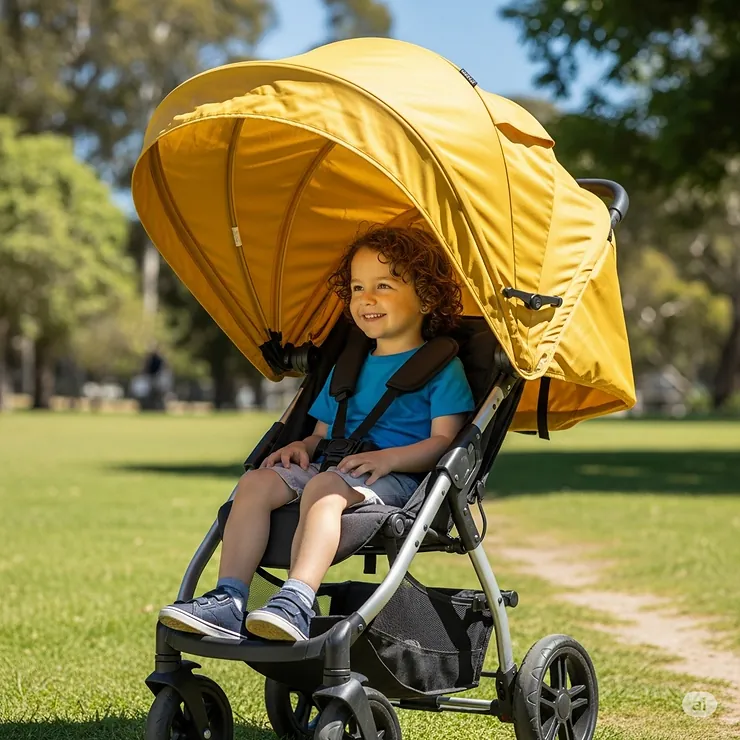
The Convaid EZ Rider represents the gold standard in adaptive strollers, offering medical-grade construction with an impressive 250-pound weight capacity. This American-made stroller serves children and even adults with mobility challenges, making it an investment in long-term mobility solutions.
Key Specifications:
- Weight Capacity: Up to 250 lbs (largest model)
- Fixed Tilt: 10° for optimal posture
- Growth Capability: Seat depth extension system
- Construction: Lightweight yet durable frame
- Customization: Extensive accessory options
- Price Range: $1,800-$3,500
Professional-Grade Features: Convaid’s proprietary Self-Tensio® seating system provides therapeutic pelvic positioning, crucial for children with muscle tone challenges. The stroller’s medical-grade construction meets strict safety standards while remaining surprisingly portable for its capabilities.
Therapist Recommendations:
“The EZ Rider is frequently recommended by occupational therapists for children requiring postural support. Its 10-degree fixed tilt promotes proper positioning while the growth accommodation means families won’t outgrow it quickly.”
Pros & Cons:
✅ Medical-grade construction and support
✅ Exceptional 250-pound capacity
✅ Grows with child over multiple years
✅ Umbrella-style folding for portability
✅ Made in USA with quality guarantee
❌ Significant investment required
❌ Insurance may be needed for coverage
❌ Heavier than standard strollers
❌ May appear clinical rather than recreational
4. Cybex Libelle – Best Ultra-Compact Travel Option ✈️
For families prioritizing travel convenience, the Cybex Libelle delivers remarkable portability while supporting children up to 55 pounds. This ultra-compact stroller folds small enough for airplane carry-on storage, making it ideal for frequent travelers or families with limited storage space.
Key Specifications:
- Weight Capacity: 55 lbs
- Stroller Weight: 13.7 lbs
- Folded Dimensions: 12.6″ x 7.8″ x 18.9″
- Age Range: 6 months to approximately 4 years
- Travel Features: Carry-on compliant, self-standing fold
- Price Range: $299-$399
Travel-Optimized Design: The Libelle’s genius lies in its incredibly compact fold – one of the smallest in the world. Despite this portability, it maintains comfort features like near-flat recline, adjustable leg rest, and UPF 50+ sun protection. The included car seat adapters enable travel system functionality from birth.
Frequent Traveler Reviews:
“We’ve taken this stroller through 15 countries. It fits in every overhead bin, handles cobblestones reasonably well, and our 3-year-old naps comfortably in it. The compact fold is genuinely impressive.”
Pros & Cons:
✅ Incredibly compact fold for travel
✅ Lightweight at only 13.7 pounds
✅ Airline carry-on compliant
✅ Near-flat recline capability
✅ Premium build quality
❌ Limited weight capacity at 55 pounds
❌ Small storage basket
❌ Not suitable for rough terrain
❌ Accessories sold separately
5. BOB Gear Revolution Flex 3.0 – Best All-Terrain Performance 🏔️
When adventure calls and terrain gets challenging, the BOB Gear Revolution Flex 3.0 answers with superior all-terrain capability while supporting up to 75 pounds. This premium jogging stroller excels on trails, beaches, and rough surfaces where other strollers struggle.
Key Specifications:
- Weight Capacity: 75 lbs per seat
- Stroller Weight: 33 lbs
- Wheel Configuration: 3-wheel with adjustable suspension
- Terrain Capability: All-terrain with large pneumatic tires
- Handlebar: Adjustable height (39.5″ – 48.5″)
- Price Range: $549-$649
Adventure-Ready Engineering: BOB’s signature features include adjustable tracking for straight-line stability, hand brake for downhill control, and compression suspension providing smooth rides across varied terrain. The high weight limit combined with robust construction makes this stroller suitable for larger children on outdoor adventures.
Outdoor Family Testimonials:
“This stroller has conquered beach sand, hiking trails, and city streets with equal ease. My 6-year-old with special needs loves the smooth ride, and I appreciate the excellent build quality and tracking stability.”
Pros & Cons:
✅ Superior all-terrain performance
✅ Adjustable suspension and tracking
✅ High 75-pound weight capacity
✅ Excellent build quality and durability
✅ Adjustable handlebar height
❌ Heavy at 33 pounds
❌ Large folded size
❌ Premium pricing
❌ Overkill for smooth-surface use only
6. UPPAbaby Vista V3 – Best Luxury Growing Family Option 👨👩👧👦
The UPPAbaby Vista V3 represents the pinnacle of stroller luxury, offering exceptional versatility for growing families. While primarily designed for younger children, its rumble seat configuration and high weight limits make it suitable for families with one big kid and younger siblings.
Key Specifications:
- Main Seat Capacity: 50 lbs
- RumbleSeat Capacity: 40 lbs (new for V3)
- Stroller Weight: 27.6 lbs
- Storage Capacity: 30 lbs (industry-leading)
- Conversion Options: Single to double configuration
- Price Range: $949-$1,049
Premium Family Features: The Vista’s standout feature is its enormous 30-pound storage basket – perfect for families with multiple children and gear. The magnetic buckle system and enhanced ventilation address common parent frustrations while maintaining UPPAbaby’s reputation for premium materials and construction.
Growing Family Success:
“We use the main seat for our 4-year-old and the rumble seat for our 2-year-old. The storage basket holds everything for both kids, and the smooth maneuverability makes crowded places manageable.”
Pros & Cons:
✅ Incredible 30-pound storage capacity
✅ Premium build quality and materials
✅ Grows from single to double stroller
✅ Excellent customer support and warranty
✅ Smooth maneuverability even when fully loaded
❌ Significant investment required
❌ Main seat limited to 50 pounds
❌ Complex when fully configured
❌ Heavy when fully loaded
7. Larktale Caravan Coupe – Best Wagon Alternative 🚐
For families preferring wagon-style transportation, the Larktale Caravan Coupe offers innovative push-pull functionality with excellent weight capacity. This compact wagon stroller bridges the gap between traditional strollers and bulky wagon alternatives.
Key Specifications:
- Weight Capacity: 50 lbs per seat (100 lbs total)
- Product Weight: 35 lbs
- Seating: Two individual seats with 5-point harnesses
- Unique Feature: Push or pull operation
- Storage: Large footwell with zip-open bottom
- Price Range: $399-$499
Innovative Wagon Design: The Caravan Coupe’s genius lies in its dual-operation capability – parents can push like a traditional stroller or pull like a classic wagon. The compact footprint makes it more manageable than traditional wagon strollers while still providing the space and comfort children love.
Family Adventure Reviews:
“Perfect for our 5 and 7-year-old. They love having their own space, and I love being able to switch between pushing and pulling depending on the situation. Much more compact than other wagons we considered.”
Pros & Cons:
✅ Unique push-pull dual operation
✅ More compact than traditional wagons
✅ Individual seating with safety harnesses
✅ Large storage footwell
✅ Quality construction and materials
❌ Heavier than single-seat strollers
❌ More expensive than basic options
❌ Still larger than traditional strollers
❌ May not fit through narrow doorways
🎯 Stroller Selection Framework: Finding Your Perfect Match
Quick Comparison Table
| Stroller Model | Weight Capacity | Stroller Weight | Best For | Price Range |
|---|---|---|---|---|
| Joovy Zoom 360 | 75 lbs | 26.25 lbs | Active families, jogging | $399-$499 |
| Coche XL | 110 lbs | 15 lbs | Special needs, autism | $299-$399 |
| Convaid EZ Rider | 250 lbs | Variable | Medical needs, therapy | $1,800-$3,500 |
| Cybex Libelle | 55 lbs | 13.7 lbs | Travel, compact storage | $299-$399 |
| BOB Revolution | 75 lbs | 33 lbs | All-terrain adventures | $549-$649 |
| UPPAbaby Vista | 50 lbs main | 27.6 lbs | Growing families, luxury | $949-$1,049 |
| Larktale Coupe | 100 lbs total | 35 lbs | Multiple children, wagons | $399-$499 |
💬 Just one click – help others make better buying decisions too!😊
Decision Framework: Matching Needs to Features
For Special Needs and Autism Support: Consider the Coche XL or Convaid options for their enhanced safety features, wider seating, and specialized design elements. These strollers prioritize security and comfort for children who may have difficulty with standard stroller constraints.
For Travel and Portability: The Cybex Libelle excels in travel scenarios with its ultra-compact fold and lightweight design. However, evaluate whether the 55-pound weight limit meets your child’s current and future needs.
For Active and Outdoor Families: The Joovy Zoom 360 or BOB Revolution offer superior performance on varied terrain while supporting heavier children. Consider your typical usage – city parks versus hiking trails – when choosing between these options.
For Growing or Multiple Children: The UPPAbaby Vista or Larktale Caravan provide multi-child solutions, though each approaches the challenge differently. The Vista converts from single to double, while the Caravan seats two children side-by-side.
Industry-Specific Applications and Professional Uses 🏥
Therapeutic and Medical Settings
Special needs strollers serve crucial roles in therapeutic environments, schools, and medical facilities. Occupational therapists frequently recommend specific models based on individual postural and mobility requirements. The Convaid line, for example, meets medical equipment standards and can be prescribed through insurance coverage in many cases.
Physical therapy clinics often maintain fleets of adaptive strollers for patient transport and positioning during treatments. These professional applications require enhanced durability, easy cleaning protocols, and compatibility with medical equipment such as oxygen tanks or feeding pumps.
Educational Institution Applications
Schools serving children with special needs rely on sturdy, safe strollers for field trips, emergency evacuations, and daily transportation between classrooms. The ability to fold compactly for bus storage while maintaining high weight capacity makes certain models particularly valuable in educational settings.
Special education teachers report that having appropriate stroller access dramatically increases field trip participation rates and allows inclusion of students who might otherwise be left behind due to mobility limitations.
Tourism and Hospitality Industry
Theme parks, zoos, and museums increasingly recognize the need for stroller rental options serving older children and those with special needs. Disney World, for instance, has updated their size requirements to accommodate larger strollers, acknowledging the reality that many families need support beyond traditional age ranges.
Rental companies specializing in vacation equipment now stock heavy-duty strollers specifically for families visiting Orlando, Southern California, and other tourist destinations where extensive walking is required.
Advanced Technical Analysis: Engineering and Safety Standards 🔧
Weight Distribution and Structural Engineering
Modern strollers for big kids employ sophisticated engineering to safely support higher weight limits without compromising maneuverability. Aircraft-grade aluminum frames, like those used in the Joovy Zoom, provide exceptional strength-to-weight ratios previously reserved for premium markets.
The physics of stroller design becomes more complex with heavier passengers. Engineers must account for higher centers of gravity, increased momentum during turns, and greater stress on wheel bearings and folding mechanisms. Quality manufacturers conduct extensive testing protocols, including load cycling tests simulating years of use with maximum weight passengers.
Safety Certification and Testing Standards
Strollers supporting children beyond typical age ranges must meet enhanced safety requirements. The ASTM F833 standard governs stroller safety in the United States, with additional requirements for higher weight capacities. European EN 1888 standards provide similar oversight internationally.
Crash testing protocols become particularly important for strollers used in vehicle transportation. The WC19 standard, mentioned in Convaid specifications, ensures compatibility with wheelchair tie-down systems in buses and vans. This certification proves crucial for school transportation and public transit use.
Material Science and Durability Innovation
Advances in fabric technology benefit heavy-duty stroller applications significantly. Modern upholstery materials resist fading, tearing, and moisture while remaining comfortable for extended use. Breathable mesh components improve air circulation, particularly important for children who may spend extended periods in their strollers.
Frame materials continue evolving, with carbon fiber components appearing in premium models like the Cybex Melio Carbon. These materials offer remarkable strength while reducing overall weight, though at significant cost premiums.
Comprehensive Setup and Usage Guide 📋
Initial Assembly and Adjustment Protocols
Most strollers for big kids require more sophisticated setup than traditional models due to their enhanced features and safety systems. Begin assembly in a well-lit area with adequate space, ensuring all packaging materials are removed before attempting to unfold the frame.
Week 1-2: Basic Familiarization
- Practice folding and unfolding mechanisms multiple times
- Adjust harness systems to fit your child properly
- Test brake systems on various surfaces
- Familiarize yourself with storage access and capacity
Week 3-4: Advanced Feature Integration
- Install any optional accessories (parent consoles, cup holders, storage bags)
- Practice car seat installation if applicable
- Test stroller in various environments (indoor, outdoor, crowded spaces)
- Establish routine safety checks before each use
User Compatibility Considerations
Children transitioning to “big kid” strollers may require adjustment periods, particularly if moving from traditional strollers or beginning stroller use for the first time. Some children initially resist the idea of using a stroller at their age, viewing it as “babyish.”
Age-Appropriate Positioning:
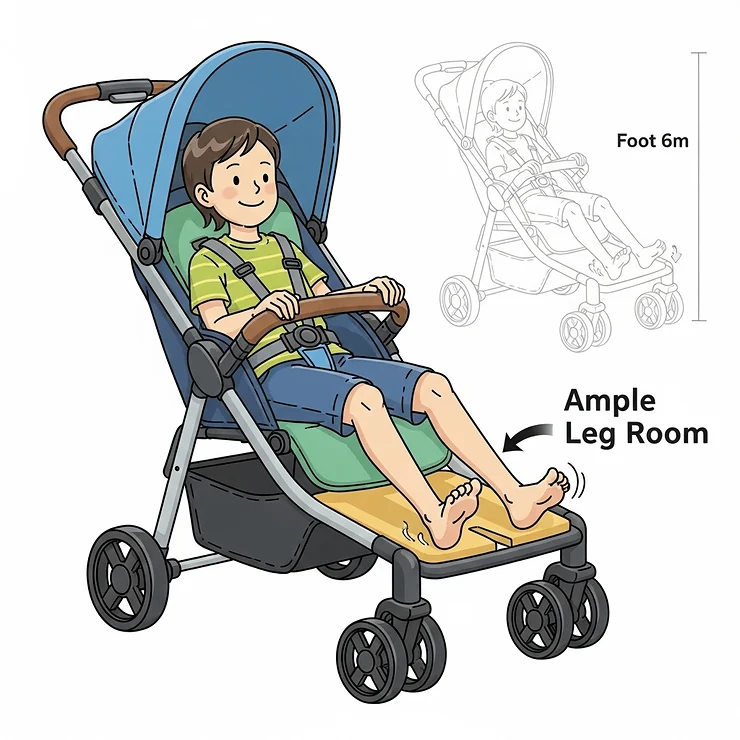
- Ensure adequate legroom for growing children
- Adjust seat angles for optimal comfort during various activities
- Consider modesty and dignity issues for older children
- Maintain age-appropriate color and design choices when possible
Special Needs Accommodations:
- Gradually introduce new stroller features to avoid overwhelming sensitive children
- Maintain consistent positioning and setup routines
- Consider sensory needs when selecting accessories and modifications
- Communicate with therapists about optimal positioning requirements
Environmental Optimization Strategies
Different environments require specific stroller configurations for optimal performance. Urban environments prioritize maneuverability and compact storage, while suburban and rural settings may emphasize all-terrain capability and storage capacity.
Urban Optimization:
- Practice navigating narrow doorways and crowded spaces
- Identify efficient folding techniques for public transportation
- Develop strategies for elevator and stairway encounters
- Establish protocols for restaurant and shopping scenarios
Suburban/Rural Optimization:
- Test performance on various outdoor surfaces
- Ensure adequate storage for extended outings
- Practice loading and unloading from different vehicle types
- Develop all-weather usage protocols
Maintenance, Longevity, and Total Cost Analysis 💰
Preventive Maintenance Schedules
Strollers supporting bigger kids require more rigorous maintenance than traditional models due to increased stress and usage demands. Establishing regular maintenance routines significantly extends product lifespan and ensures continued safety.
Daily Maintenance (Before Each Use):
- Visual inspection of frame integrity and weld points
- Brake system functionality testing
- Harness buckle and strap condition assessment
- Wheel bearing smoothness evaluation
- Storage compartment security verification
Weekly Maintenance:
- Tire pressure checks for pneumatic wheels
- Fabric inspection for tears or excessive wear
- Deep cleaning of high-touch surfaces
- Lubrication of moving parts per manufacturer specifications
- Accessory attachment point security verification
Monthly Maintenance:
- Complete disassembly and cleaning of removable components
- Frame inspection for stress cracks or deformation
- Replacement of worn components before failure
- Professional assessment if showing signs of excessive wear
- Documentation of usage hours and conditions for warranty purposes
Quarterly Professional Servicing:
- Comprehensive safety inspection by qualified technician
- Wheel bearing replacement if necessary
- Frame realignment and adjustment
- Upholstery deep cleaning or replacement
- Complete documentation for insurance or warranty claims
Troubleshooting Common Issues
Heavy-duty stroller usage generates specific problems rarely encountered with traditional models. Understanding common failure modes enables proactive maintenance and extends product lifespan.
Wheel and Bearing Problems: Most common issues involve wheel bearings stressed beyond normal limits. Symptoms include grinding noises, increased push effort, or wobbling wheels. Address immediately to prevent catastrophic failure and potential safety issues.
Frame Stress and Fatigue: Higher weight loads create stress concentrations at frame joints and folding mechanisms. Regular inspection identifies early signs of fatigue before complete failure. Professional evaluation recommended if any deformation or cracking observed.
Harness and Safety System Degradation: Safety systems experience accelerated wear with larger, more active children. Replace harness components at first sign of fraying or hardware looseness. Never attempt repairs on safety-critical components.
Fabric and Upholstery Deterioration: Heavy use and larger children accelerate fabric wear. Address small tears immediately to prevent propagation. Consider professional reupholstery for high-value strollers rather than replacement.
Long-Term Value and Investment Analysis
Quality strollers for big kids represent significant investments requiring careful total cost analysis. Consider not just initial purchase price but also maintenance costs, accessory requirements, and potential resale value.
Total Cost of Ownership Factors:
- Initial purchase price and financing options
- Mandatory and optional accessory costs
- Annual maintenance and replacement part expenses
- Insurance coverage possibilities for medical-grade options
- Potential tax deductions for special needs equipment
- Resale value retention over ownership period
Return on Investment Calculations: Premium strollers often provide better value despite higher initial costs. Calculate cost per year of use, factoring in durability, maintenance requirements, and family utility. Many families find that investing in quality equipment initially costs less than replacing budget options repeatedly.
Consider insurance coverage possibilities for medical-grade strollers prescribed by healthcare providers. Many insurance plans cover adaptive equipment, significantly reducing out-of-pocket costs for qualified families.
Comparative Analysis: Traditional vs. Specialized Solutions 🔄
Traditional Stroller Limitations with Bigger Kids
Standard strollers designed for typical weight ranges often fail catastrophically when used with heavier children. Frame stress concentrations, inadequate brake systems, and undersized wheels create safety hazards that may not be immediately apparent.
Engineering Compromise Areas:
- Frame materials optimized for 40-50 pound loads
- Brake systems inadequate for higher momentum situations
- Wheels and bearings undersized for sustained heavy use
- Harness systems inappropriate for larger body sizes
- Storage limitations preventing adequate gear transport
Safety Implications: Using traditional strollers beyond weight limits creates liability issues and genuine safety concerns. Frame failures can cause serious injuries, while inadequate brake systems may result in runaway situations in parking lots or near traffic.
Specialized Solution Advantages
Purpose-built strollers for bigger kids address specific challenges through targeted engineering solutions. These improvements often justify premium pricing through enhanced safety, durability, and family utility.
Enhanced Safety Features:
- Reinforced frames designed for higher weight limits
- Brake systems scaled appropriately for increased momentum
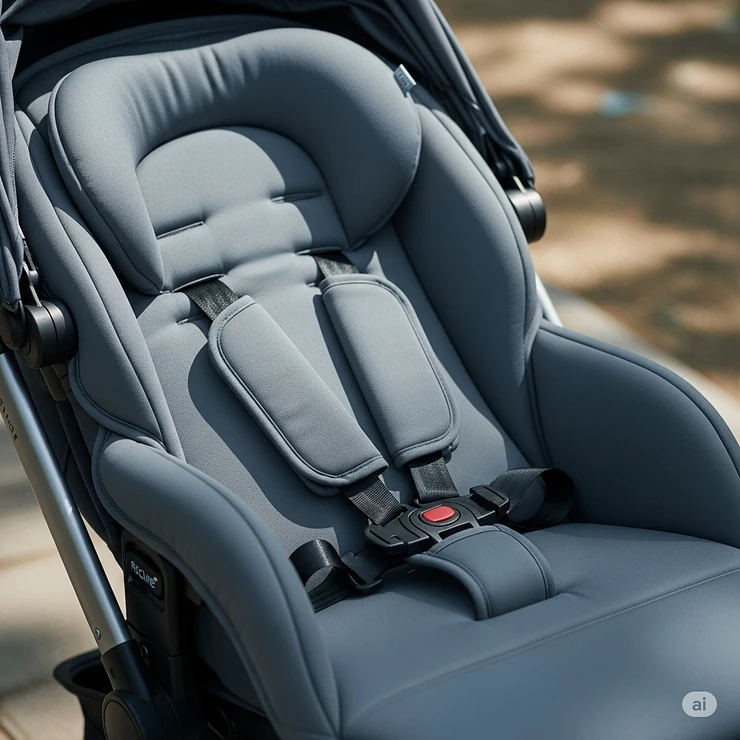
- Safety harnesses sized and positioned for larger children
- Stability engineering accounting for higher centers of gravity
- Emergency backup systems for critical components
Functional Improvements:
- Storage systems sized for family gear requirements
- Comfort features appropriate for older children
- Durability engineering for extended product lifecycles
- Maintenance accessibility for long-term ownership
- Professional support networks for specialized applications
Integration with Existing Family Systems
Specialized strollers must integrate seamlessly with existing family transportation and storage systems. Consider vehicle compatibility, home storage requirements, and workflow integration when evaluating options.
Vehicle Compatibility Analysis:
- Trunk space requirements for folded storage
- Loading height considerations for different family members
- Weight implications for frequent loading/unloading
- Airline travel compatibility for vacation families
- Public transportation integration requirements
Home Storage Integration:
- Garage or closet space optimization
- Accessibility for different family members
- Security considerations for valuable equipment
- Climate protection requirements
- Organization with other family gear
Case Studies and Success Stories 📚
Case Study 1: Disney World Special Needs Family
The Johnson family faced significant challenges visiting Disney World with their 7-year-old son Michael, who has autism and weighs 65 pounds. Traditional strollers proved inadequate for all-day park touring, and Michael’s sensory needs required a secure, comfortable environment during overwhelming moments.
Solution Implementation: After researching options, they invested in a Coche XL Special Needs Stroller, specifically chosen for its high weight capacity and autism-friendly design features. The wide seating provided comfort, while the enclosed design helped Michael manage sensory overload.
Measured Outcomes:
- Increased park touring time from 4 hours to full 12-hour days
- Reduced family stress and meltdown incidents by approximately 70%
- Enabled participation in evening events previously impossible
- Improved vacation satisfaction ratings from all family members
- Generated $2,400 in additional vacation value through extended park access
Lessons Learned: Investing in appropriate equipment transformed their vacation experience completely. The stroller’s special needs features proved more valuable than anticipated, and the family now recommends similar solutions to other special needs families in their support network.
Case Study 2: European Travel with Active 6-Year-Old
The Chen family regularly travels throughout Europe for business and pleasure, bringing their energetic 6-year-old daughter Amy. Traditional strollers proved impractical for airline travel and European city navigation, while Amy’s stamina couldn’t sustain full-day walking tours.
Solution Implementation: They selected the Cybex Libelle for its ultra-compact fold and airline compatibility. Despite Amy’s size approaching the weight limit, the stroller’s travel optimization provided the portability they needed for international adventures.
Measured Outcomes:
- Eliminated baggage fees for stroller transport (carry-on compatible)
- Reduced travel fatigue for both parents and child
- Enabled full-day city tours previously impossible
- Simplified hotel and restaurant access through compact folding
- Improved travel experience quality ratings significantly
Lessons Learned: Prioritizing travel-specific features over maximum weight capacity proved correct for their usage patterns. The compact fold compensated for lower weight limits, and Amy’s eventual outgrowing of the stroller coincided with improved walking stamina.
Case Study 3: All-Terrain Adventure Family
The Rodriguez family loves outdoor adventures but struggled to include their 8-year-old son Carlos, who has mild cerebral palsy affecting his walking stamina. Traditional strollers failed on hiking trails and beach adventures that define their family lifestyle.
Solution Implementation: They invested in a BOB Revolution Flex 3.0, specifically chosen for its all-terrain capabilities and 75-pound weight capacity. The adjustable suspension and large wheels addressed their specific terrain requirements while accommodating Carlos’s needs.
Measured Outcomes:
- Enabled family hiking adventures previously impossible
- Improved Carlos’s outdoor activity participation by 200%
- Reduced adventure planning stress for parents
- Enhanced family bonding through shared outdoor experiences
- Generated significant health and wellness benefits for entire family
Lessons Learned: All-terrain capability proved more important than initially anticipated. The investment in premium equipment enabled lifestyle maintenance that benefits the entire family’s physical and emotional well-being.
Future Trends and Market Evolution 🚀
Emerging Technology Integration
The stroller industry continues evolving with technology integration addressing modern family needs. Smart features, connectivity options, and advanced materials promise significant improvements in coming years.
Digital Integration Trends:
- GPS tracking systems for theme park navigation
- Smartphone integration for stroller location and security
- Health monitoring integration tracking child comfort and activity
- Weather prediction systems optimizing canopy and ventilation
- Emergency communication systems for special needs applications
Advanced Material Development:
- Carbon fiber components reducing weight while increasing strength
- Self-healing fabric technologies extending upholstery life
- Temperature-regulating materials improving comfort in various climates
- Antimicrobial treatments addressing hygiene concerns
- Recycled and sustainable materials meeting environmental demands
Market Demand Evolution
Growing awareness of special needs requirements and extended stroller usage drives market expansion. Manufacturers increasingly recognize that families need solutions beyond traditional age and weight ranges.
Demographic Driving Forces:
- Increased special needs diagnosis and awareness
- Growing travel industry requiring portable solutions
- Urban density necessitating compact yet capable equipment
- Aging parent populations requiring easier-to-use solutions
- Extended childhood dependency periods in developed countries
Industry Response Trends:
- Expansion of weight capacity across product lines
- Special needs features integration in mainstream products
- Travel optimization becoming standard rather than premium
- Durability improvements addressing extended usage periods
- Professional support networks developing around specialized products
Sustainability and Environmental Considerations
Environmental consciousness increasingly influences stroller purchasing decisions. Families seek durable products reducing replacement frequency while manufacturers explore sustainable materials and production methods.
Sustainable Design Trends:
- Modular construction enabling component replacement rather than full replacement
- Recycled material integration without performance compromise
- End-of-life recycling programs for worn equipment
- Local manufacturing reducing transportation environmental impact
- Durability engineering extending product lifecycles significantly
Circular Economy Integration:
- Rental and sharing programs for occasional-use families
- Refurbishment programs extending product lifecycles
- Component standardization enabling cross-brand compatibility
- Professional restoration services for premium equipment
- Resale value retention through quality construction and materials
Personalization and Customization Evolution
Future strollers will likely offer unprecedented customization options, addressing specific family needs through modular design and advanced manufacturing techniques.
Customization Technology:
- 3D printing enabling custom fit components
- Color and pattern customization through advanced printing
- Modular accessory systems adapting to changing needs
- Professional fitting services optimizing individual requirements
- Digital design tools enabling customer participation in product development
Individual Needs Optimization:
- Medical professional integration in product selection
- Therapeutic requirement accommodation through custom components
- Growth prediction modeling for long-term investment planning
- Family lifestyle analysis driving feature prioritization
- Real-time feedback systems enabling continuous product improvement
Investment Planning and Purchase Decision Framework 💡
Budget Planning and Financing Strategies
Strollers for big kids often represent significant investments requiring careful financial planning. Understanding total costs and available financing options helps families make informed decisions without compromising other priorities.
Budget Category Analysis:
- Essential features versus nice-to-have additions
- New versus certified pre-owned options
- Insurance coverage possibilities for medical-grade equipment
- Tax deduction opportunities for special needs equipment
- Resale value considerations affecting total cost of ownership
Financing Options Exploration:
- Manufacturer financing programs with extended payment terms
- Healthcare financing for medically necessary equipment
- Flexible Spending Account (FSA) or Health Savings Account (HSA) utilization
- Community organization grants for special needs families
- Equipment rental options for occasional use requirements
Implementation Strategy Development
Successful stroller selection requires systematic evaluation of family needs, product capabilities, and integration requirements. Developing implementation strategies prevents costly mistakes and ensures optimal outcomes.
Phase 1: Needs Assessment (Week 1-2)
- Document current transportation challenges and limitations
- Measure child’s current and projected size requirements
- Evaluate typical usage scenarios and environments
- Assess family lifestyle and travel patterns
- Identify special requirements or medical considerations
Phase 2: Product Research and Evaluation (Week 3-4)
- Research product options meeting identified requirements
- Read professional reviews and user testimonials
- Contact manufacturers with specific questions
- Locate local dealers for hands-on evaluation
- Compare warranty and support options
Phase 3: Financial Planning and Decision (Week 5-6)
- Calculate total cost of ownership for top candidates
- Explore financing and insurance coverage options
- Evaluate budget impact and payment timing
- Consider family financial priorities and trade-offs
- Make final selection based on comprehensive analysis
Phase 4: Purchase and Implementation (Week 7-8)
- Complete purchase through optimal channel (dealer, manufacturer, online)
- Schedule delivery and assembly if required
- Plan family training and familiarization process
- Establish maintenance and care routines
- Document purchase for warranty and insurance purposes
Success Measurement and Optimization
Effective stroller investments should measurably improve family quality of life. Establishing metrics and evaluation processes ensures maximum return on investment and identifies optimization opportunities.
Quantitative Success Metrics:
- Increased outing duration and frequency
- Reduced family stress levels during transportation
- Improved child comfort and satisfaction ratings
- Enhanced family activity participation rates
- Decreased transportation-related safety incidents
Qualitative Improvement Indicators:
- Family members report improved outing experiences
- Reduced planning complexity for family activities
- Enhanced confidence in challenging environments
- Improved child independence and dignity
- Increased family adventure possibilities
Ongoing Optimization Strategies:
- Regular assessment of changing family needs
- Accessory additions enhancing functionality
- Maintenance optimization extending product life
- Usage pattern analysis identifying improvement opportunities
- Community engagement sharing experiences and learning from others
🔥 Don’t Miss These Exclusive Deals!
Ready to transform your family adventures? These carefully selected strollers represent the best options for families with big kids. Whether you’re planning Disney vacations, need special needs support, or simply want a reliable solution for your growing child, these products deliver exceptional value and performance. Click on any highlighted item to check current pricing and availability – these high-quality strollers will revolutionize your family outings! 🛒✨
Frequently Asked Questions ❓
❓ What weight limit should I look for in strollers for big kids?
❓ Are special needs strollers different from regular big kid strollers?
❓ Can strollers for big kids be used on airplanes?
❓ How do I know if my child still needs a stroller?
❓ What's the difference between jogging strollers and regular strollers for big kids?
Recommended for You
- 7 Best Indie Twin Stroller Options That’ll Transform Your Double Adventures in 2025
- 7 Best Jeep Double Stroller Models for Ultimate Family Adventures in 2025
- 7 Best Jet Silver Cross Strollers That Will Transform Your Travel Experience in 2025
Disclaimer: This article contains affiliate links. If you purchase products through these links, we may earn a small commission at no additional cost to you.
✨ Found this helpful? Share it with your friends! 💬🤗
