
In This Article
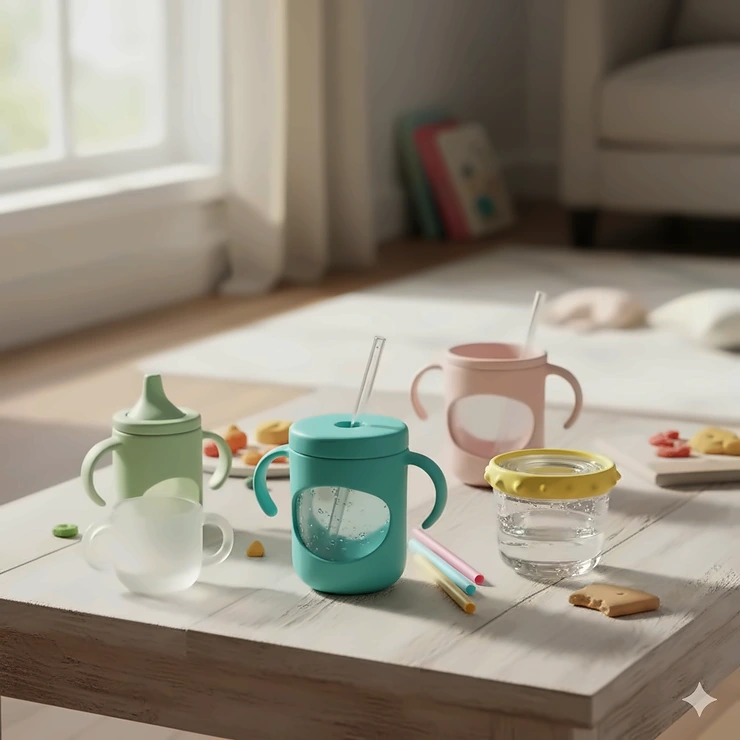
Finding the right Toddler Cups for 15-18 Month Olds can feel like navigating a maze blindfolded, can’t it? Between 15 and 18 months, your little one is hitting major developmental milestones – walking more confidently, exploring independence, and (hopefully!) transitioning away from bottles. The cups for 18 month old kids you choose during this phase play a surprisingly significant role in their oral motor development, hydration habits, and yes, your sanity when it comes to dealing with spills.
Here’s what makes this age particularly tricky: your toddler is coordinated enough to hold a cup independently but still developing the fine motor skills to prevent every drink from becoming a splash zone. They’re also teething (hello, gnawed spout casualties!), testing boundaries, and forming preferences about everything from color to handle shape. I’ve watched countless parents juggle multiple cups, trying to find “the one” that their toddler won’t immediately throw across the room or that doesn’t leak when tipped upside down in the diaper bag.
✨Was this helpful? Spread the word! 🚀
According to the American Academy of Pediatrics, most pediatricians recommend transitioning from bottles to cups between 12-18 months to support proper oral development and prevent dental issues. Speech therapists and feeding specialists particularly advocate for straw cups over traditional sippy cups during this phase because straw drinking strengthens oral muscles essential for speech development and proper swallowing patterns. The cups for 15 month old toddlers you select should ideally promote these developmental benefits while being practical enough for everyday chaos.
In this comprehensive guide, I’ll walk you through seven thoroughly researched toddler cups that excel in different areas – from budget-friendly options perfect for daycare to premium stainless steel designs that keep milk cold for hours. We’ll dig into real specifications, actual prices, genuine customer feedback, and practical comparisons so you can make an informed decision without drowning in marketing fluff. Whether you’re seeking a sippy cup for 18 month old babies who are rough on their gear or a gentle introduction cup for younger toddlers, you’ll find detailed insights ahead.
Quick Comparison Table 📊
| Cup Model | Capacity | Material | Price Range | Best For | Key Feature |
|---|---|---|---|---|---|
| Munchkin Miracle 360 | 7-10 oz | BPA-Free Plastic | $10-15 | Spill-proof needs | 360° drinking edge |
| NUK Learner Straw | 10 oz | BPA-Free Plastic | $8-12 | Straw learning | Weighted silicone straw |
| Dr. Brown’s First Straw | 9 oz | BPA-Free Plastic | $9-14 | Bottle transition | Weighted straw system |
| Olababy Training Cup | 5-9 oz | 100% Silicone | $16-20 | Gentle training | Squeezable design |
| The First Years Take & Toss | 7-10 oz | BPA-Free Plastic | $3-8 | Budget/travel | Disposable-friendly |
| Pura Kiki Sippy | 9-11 oz | Stainless Steel | $27-34 | Eco-conscious | 100% plastic-free |
| Munchkin Miracle 360 Steel | 10 oz | Stainless Steel | $15-20 | Insulated drinks | Keeps liquids cold |
💬 Just one click – help others make better buying decisions too!😊
Top 7 Toddler Cups for 15-18 Month Olds: Expert Analysis 🏆
1. Munchkin Miracle 360 Trainer Cup – Best Overall
The Munchkin Miracle 360 Trainer Cup has earned its spot as the crowd favorite for good reason. This innovative design eliminates the traditional spout entirely, featuring a 360-degree drinking edge that automatically seals when your toddler stops sipping. Available in 7 oz (with handles) and 10 oz (without handles) versions, it’s designed to mimic drinking from a regular cup while preventing the dreaded carpet puddles.
Key Specifications:
- 360-degree edge allows drinking from any side
- Auto-sealing valve prevents spills completely
- BPA-free plastic construction
- Dishwasher safe (top rack)
- Dentist-recommended design for proper oral development
- Available with or without easy-grip handles
Price Range: $10-15 for a 2-pack on Amazon
Customer Feedback: Parents consistently praise the Munchkin Miracle 360 for being genuinely leak-proof when closed and easy to clean with no hidden valve parts. One verified buyer noted, “My 15-month-old daughter took to this immediately, and I love that it supports normal muscle development in her mouth.” However, some report it requires more suction than traditional spouts, which can frustrate younger toddlers initially.
✅ Pros:
- Truly spill-proof when valve is properly closed
- Promotes healthy oral motor development
- Simple design with minimal parts to wash
- Fits most car seat and stroller cup holders
❌ Cons:
- May require strong suction initially (learning curve)
- Valve can be tricky to reassemble correctly
2. NUK Learner Straw Cup – Best for Straw Training
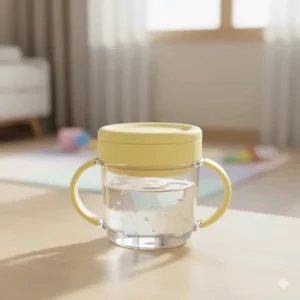
The NUK Learner Straw Cup offers an excellent introduction to straw drinking with its 100% soft silicone weighted straw that follows the liquid regardless of cup angle. This 10 oz cup features removable handles that grow with your child and an easy-grip design perfect for small hands.
Key Specifications:
- Weighted silicone straw drinks from any angle
- Easy-grip, removable handles
- 10 oz capacity ideal for milk or water
- Wide, soft sipping zone gentle on gums
- Air vent design minimizes gas ingestion
- Dishwasher safe
Price Range: $8-12 on Amazon
Customer Feedback: The NUK Learner Straw Cup receives high marks from speech therapists and parents alike. Customers appreciate how quickly babies learn straw drinking with this design. “My son immediately took to this cup at 13 months. The handles are perfect for his grip, and it’s mostly leak-resistant,” shared one reviewer. A few note that warm liquids can cause minor leaking if shaken vigorously.
✅ Pros:
- Excellent for teaching straw drinking skills
- Weighted straw works at all angles
- Easy to clean with wide opening
- Handles removable as skills improve
❌ Cons:
- May leak slightly with warm liquids when shaken
- Straw can show wear with heavy chewing
3. Dr. Brown’s Baby’s First Straw Cup – Best Bottle Transition
Dr. Brown’s Baby’s First Straw Cup simplifies the bottle-to-cup journey with its familiar contoured shape and soft weighted straw. This 9 oz cup features locking handles and a travel-friendly sliding lid that keeps the straw clean when not in use.
Key Specifications:
- Soft silicone weighted straw moves with liquid
- Handles lock in place for easy grip
- Travel-friendly sliding lid stays spill-proof
- Contoured design, handles removable
- Measuring marks for tracking intake
- Includes straw cleaning brush
Price Range: $9-14 for a 2-pack on Amazon
Customer Feedback: Parents love the Dr. Brown’s Baby’s First Straw Cup for its durability and ease of use. “This cup was a game changer! My 16-month-old learned to drink from the straw within a day. It doesn’t leak, survives dishwasher cycles, and he’s thrown it countless times without breaking,” one satisfied parent reported. Some mention the multiple parts make cleaning slightly more time-consuming than simpler designs.
✅ Pros:
- Durable construction withstands drops well
- Weighted straw enables drinking at any angle
- Measuring marks help track fluid intake
- Dishwasher and sterilizer safe
❌ Cons:
- More parts to clean than basic cups
- May leak when extremely hot liquids create pressure
4. Olababy Silicone Training Cup with Straw – Best for Gentle Learning
The Olababy Silicone Training Cup with Straw stands out as the softest, most forgiving option for toddlers transitioning from bottles. Made from 100% medical-grade silicone, this 5 oz cup is squeezable, allowing parents to assist liquid flow while babies learn straw mechanics. The weighted base prevents tipping, and the entire cup is microwave, dishwasher, and freezer safe.
Key Specifications:
- 100% food-grade silicone construction
- Squeezable body teaches straw drinking
- Weighted, non-slip base for stability
- Straw stopper prevents removal
- Measuring dots for portion tracking
- Heat safe up to 428°F / 220°C
Price Range: $16-20 on Amazon (also available in 9 oz)
Customer Feedback: The Olababy Silicone Training Cup earns rave reviews from parents practicing baby-led weaning. “Being able to squeeze the cup so liquid goes up the straw helped my 8-month-old learn immediately. By 15 months, she was an expert,” one reviewer shared. The translucent design lets toddlers see their beverage, reducing anxiety. Some note it’s not fully spill-proof when tipped or lid is removed.
✅ Pros:
- Gentlest material for sensitive gums and teeth
- Squeezable feature aids learning process
- Unbreakable and safe for microwave/freezer
- Straw stays securely in place
❌ Cons:
- Not leak-proof when inverted
- Higher price point than plastic alternatives
5. The First Years Take & Toss Sippy Cups – Best Budget Pick
The First Years Take & Toss Sippy Cups solve the eternal problem of lost or forgotten cups at daycare, grandma’s house, or the park. These affordable 7-10 oz cups with snap-on lids are designed to be reusable yet cheap enough not to stress if one disappears. The valve-free design makes cleaning incredibly simple.
Key Specifications:
- 7 oz or 10 oz capacity options
- Snap-on spill-proof lids (valve-free)
- Dishwasher and microwave safe
- BPA-free plastic construction
- Interchangeable lids across Take & Toss products
- Writeable surface for name labels
Price Range: $3-8 for multi-packs on Amazon
Customer Feedback: Customers appreciate the First Years Take & Toss cups for their practicality and affordability. “Perfect for daycare! I can write my daughter’s name on them, and if she loses one, it’s not a big deal. They’re surprisingly durable for the price,” noted one parent. The trade-off is they’re not as leak-proof as premium options – tipping or shaking can cause drips.
✅ Pros:
- Incredibly affordable for multi-pack value
- No valves mean super easy cleaning
- Great for travel, daycare, parties
- Durable enough to reuse repeatedly
❌ Cons:
- Not completely spill-proof (some drips possible)
- Plastic may wear after many dishwasher cycles
6. Pura Kiki Stainless Steel Sippy Cup – Best Eco-Friendly
The Pura Kiki Stainless Steel Sippy Cup represents the pinnacle of safe, sustainable toddler drinkware. As the only MadeSafe Certified plastic-free bottle line, Pura’s 9-11 oz sippy features food-grade 18/8 stainless steel and medical-grade silicone components. The innovative design allows the bottle to evolve through childhood with interchangeable lids (nipples, straws, sport tops).
Key Specifications:
- 100% plastic-free (stainless steel + silicone)
- 9 oz (insulated) or 11 oz (non-insulated)
- MadeSafe Certified, BPA/BPS/phthalate-free
- Interchangeable lids fit all Pura bottles
- Internal volume markings
- Insulated version keeps liquids cold 12+ hours
Price Range: $27-34 on Amazon
Customer Feedback: Eco-conscious parents praise the Pura Kiki for its longevity and safety. “We introduced this at 6 months, and at 16 months our son still loves it. The fact it’s completely plastic-free gives me peace of mind,” one reviewer shared. The insulated option is particularly popular for keeping milk cold during outings. The main drawback is the premium price and the tight-fitting silicone sleeve that’s challenging to remove for cleaning.
✅ Pros:
- Safest material option (zero plastic)
- Grows with child via interchangeable lids
- Insulated version maintains temperature excellently
- Extremely durable and long-lasting
❌ Cons:
- Highest price point on this list
- Silicone sleeve difficult to remove/replace
7. Munchkin Miracle 360 Stainless Steel – Best Insulated Option
The Munchkin Miracle 360 Stainless Steel combines the popular spill-proof design of the original Miracle 360 with the durability and temperature control of stainless steel. This 10 oz insulated cup keeps drinks cold throughout the day while maintaining the developmental benefits of the 360-degree drinking edge.
Key Specifications:
- Double-wall vacuum insulated stainless steel
- 10 oz capacity with travel lid included
- 360-degree dentist-recommended rim
- Keeps liquids cold for hours
- Lightweight despite metal construction
- BPA-free, top-rack dishwasher safe
Price Range: $15-20 on Amazon
Customer Feedback: Parents love combining the Miracle 360 Stainless Steel spill-proof benefits with insulation. “Perfect for daycare and travel! Fits in cup holders, keeps water super cold, and my 17-month-old can use it independently,” one verified buyer noted. The only consistent complaint is that, like the plastic version, it requires good suction initially, which can frustrate some toddlers.
✅ Pros:
- Excellent temperature retention
- Extremely durable stainless construction
- Dishwasher safe despite being metal
- Travel lid prevents spills in bags
❌ Cons:
- Requires strong suction (learning curve)
- Heavier than plastic alternatives
🛒 Ready to Find Your Perfect Cup?
✨ Browse these top-rated toddler cups on Amazon and choose the best option for your little one’s needs. Whether you prioritize affordability, eco-friendliness, or spill-proof performance, there’s a perfect match waiting! 🍼
Understanding Developmental Needs at 15-18 Months 👶
Motor Skills Development
Between 15 and 18 months, your toddler’s fine and gross motor skills are evolving rapidly. They’re mastering the pincer grasp, improving hand-eye coordination, and developing bilateral coordination (using both hands together). These developing skills directly impact which cups for 18 month old children work best. Cups with easy-grip handles or textured surfaces help support their improving but still-developing grasp strength.
Research from pediatric occupational therapists indicates that children this age benefit from cups they can hold independently, which builds confidence and self-feeding skills. Weighted cups or those with anti-slip bases accommodate the inevitable wobbles as they practice drinking while standing or walking – yes, despite our requests to sit down!
Oral Motor Development
The transition from nipples to cups represents a significant shift in oral motor patterns. According to speech-language pathologists, straw cups are particularly beneficial during this phase because they require more complex oral motor coordination than traditional sippy spouts. Straw drinking strengthens the orbicularis oris (the muscle surrounding the mouth), promotes tongue retraction, and encourages proper swallowing patterns.
Traditional hard-spout sippy cups can potentially encourage improper tongue thrust patterns and affect dental alignment if used excessively beyond 24 months. That’s why many experts recommend either straw cups or open cups for this age group rather than prolonged sippy spout use.
Independence and Self-Feeding
Toddlers at this age are fiercely independent – “me do it!” becomes a frequent battle cry. The sippy cup for 18 month old toddlers you choose should empower this growing independence. Features like lightweight construction, manageable sizes, and easy-to-manipulate lids support their desire to do things themselves. Frustration-free designs that don’t require excessive force to drink from prevent meltdowns and encourage consistent hydration throughout the day.
Material Comparison: Which Is Safest? 🔬
Plastic Cups (BPA-Free)
Advantages: Lightweight, affordable, break-resistant, dishwasher safe, widely available in various designs. Modern BPA-free plastics used by reputable brands have passed rigorous safety testing.
Considerations: While BPA-free plastics are significantly safer than older formulations, some parents prefer to minimize plastic exposure entirely. Plastic can retain odors, scratch over time (creating bacteria harboring grooves), and degrade faster than other materials.
Best For: Budget-conscious families, daycare use, toddlers who frequently drop cups, having multiple backup cups available.
Silicone Cups
Advantages: Extremely gentle on gums and emerging teeth, flexible and squeezable (teaching aid), microwave/freezer/dishwasher safe, no harmful chemicals, long-lasting with proper care. Silicone doesn’t harbor bacteria in the same way scratched plastic can.
Considerations: Higher initial cost, typically holds odors less than plastic but can retain strong smells (think berry smoothies), usually not spill-proof without proper lids, heavier than plastic.
Best For: Parents prioritizing gentle materials, teaching straw drinking, babies sensitive to hard materials, eco-conscious families seeking plastic alternatives.
Stainless Steel Cups
Advantages: Most durable option, excellent temperature retention (insulated versions), doesn’t leach chemicals, doesn’t retain odors or stains, longest lifespan, often recyclable at end of life. Food-grade stainless steel (18/8 or 304) is considered the safest drinking vessel material.
Considerations: Highest upfront investment, heavier than plastic (though modern designs minimize this), can’t see liquid level without removing lid, metal can get cold with iced drinks.
Best For: Eco-conscious families committed to reducing plastic, those wanting longest-lasting investment, parents concerned about chemical exposure, keeping drinks cold for extended periods.
Spill-Proof vs. Leak-Proof: What’s the Difference? 💧
Understanding the Terminology
Here’s where marketing language can get confusing. Spill-proof typically means minimal liquid escapes when tipped or knocked over, but vigorous shaking or holding upside-down may cause drips. Leak-proof suggests zero liquid escapes under any circumstances. In reality, few cups are truly 100% leak-proof under all conditions (temperature changes, worn valves, improper assembly).
Valve Mechanisms Explained
Most spill-resistant cups for 15 month old toddlers employ valve systems:
- Silicone Valves: Flexible silicone creates a seal that opens with suction. Gentler flow, easier on learning toddlers, but may require replacement as they wear from chewing.
- Hard Valve Systems: Plastic valves in traditional spout cups create tighter seals but require more force to drink, potentially encouraging poor sucking patterns.
- Auto-Seal Technology: Brands like Munchkin’s Miracle 360 use pressure-sensitive valves that automatically seal when pressure releases, eliminating manual closing.
Real-World Performance
Even the best-rated cups have limitations. Temperature affects performance – hot liquids create expansion that can compromise seals. Worn or chewed spouts develop leaks over time. Improper assembly (a common culprit!) causes even premium cups to leak.
For true leak-proof performance in your diaper bag, always check:
✅ All parts properly aligned and tightened
✅ Valve/spout in good condition (no tears or bite marks)
✅ Appropriate liquid temperature (very hot can cause pressure issues)
✅ Cup upright when possible during transport
Handle vs. No-Handle: Which Is Better? 🤲
The Case for Handles
Benefits:
- Easier grip for toddlers still developing hand strength
- Prevents dropping (saves carpets and patience!)
- Allows two-handed grip for stability
- Builds bilateral coordination skills
- Often removable as child’s skills improve
Drawbacks:
- Bulkier for storage and diaper bags
- More pieces to clean
- Can break off with rough handling
- May not fit all cup holders
Best For: Younger toddlers (12-18 months), those still developing fine motor skills, children who frequently drop cups, initial cup training.
The Case Against Handles
Benefits:
- More compact and travel-friendly
- Simpler design with fewer parts
- Fits standard cup holders better
- Mimics “big kid” cups more closely
- Easier to store and pack
Drawbacks:
- Requires more developed fine motor skills
- Higher likelihood of dropping initially
- May be harder for smaller hands to grip
- Less stability for toddlers still perfecting coordination
Best For: Older toddlers (17+ months), children with good grip strength, space-saving for diaper bags, transitioning toward regular cups.
My Practical Recommendation
Choose cups with removable handles for ultimate flexibility. Start with handles attached around 12-15 months, then remove them around 18-24 months as confidence grows. This approach accommodates developmental progression without buying entirely new cups. Several options in our top 7 list offer this feature, including the NUK Learner Straw Cup and Dr. Brown’s Baby’s First Straw Cup.
Cleaning and Maintenance Tips 🧽
Daily Cleaning Best Practices
Proper cleaning of cups for 15 month old toddlers prevents mold, bacteria growth, and those mystery smells that develop in forgotten parts. According to the Centers for Disease Control, bottles and cups should be thoroughly cleaned after each use.
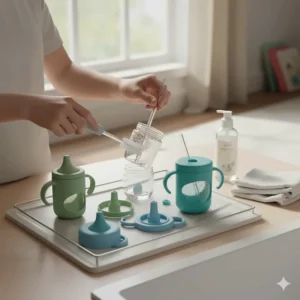
Step-by-Step Daily Cleaning:
- Disassemble ALL parts immediately after use
- Rinse each component with warm water to remove milk residue
- Wash with hot, soapy water using a bottle brush for hard-to-reach areas
- Pay special attention to valves, straws, and threads where milk can hide
- Rinse thoroughly with clean water
- Air dry completely on a drying rack (don’t reassemble wet parts!)
Dishwasher Tips:
- Always place small parts (valves, straws) in a closed basket to prevent loss
- Use top rack only for most plastic and silicone items
- Check manufacturer guidelines for stainless steel components
- Don’t rely solely on dishwasher for valve cleaning – hand-wash these weekly
Deep Cleaning Weekly
Even with daily washing, hidden milk residue can accumulate in valve crevices and straw interiors. Weekly deep cleaning maintains hygiene:
- Soak disassembled parts in warm water with white vinegar (1:1 ratio) for 15-20 minutes
- Use specialized straw brushes for thorough interior cleaning
- Inspect valves for tears, discoloration, or wear indicating replacement needs
- Sanitize in boiling water for 5 minutes or use dishwasher sanitize cycle
Transitioning from Bottles: Expert Strategies 🍼➡️🥛
When to Start the Transition
The American Academy of Pediatrics recommends weaning from bottles between 12-18 months to prevent tooth decay and encourage proper nutrition from solid foods. Most toddlers are developmentally ready to begin cup introduction around 6-9 months, making the 15-18 month window perfect for completing the transition.
Gradual vs. Cold Turkey
Gradual Approach:
- Replace one bottle feeding with a cup at a time
- Start with least important feeding (often afternoon)
- Gradually replace morning and evening bottles last
- Takes 2-4 weeks typically
Benefits: Less stressful for child and parents, allows adjustment period, reduces resistance.
Cold Turkey Approach:
- Remove all bottles simultaneously
- Offer only cups for all liquids
- Complete transition in 2-3 days typically
Benefits: Faster transition, avoids prolonged confusion, works well for highly adaptable toddlers.
Making It Successful
✅ Strategies that work:
- Let toddler choose their cup (provide 2-3 pre-approved options)
- Make cup drinking “special” and bottle use “babyish”
- Ensure cup choice truly meets their sucking strength/abilities
- Offer favorite beverage in new cup first
- Praise cup drinking enthusiastically
- Stay consistent once you’ve started
❌ Common mistakes to avoid:
- Offering bottles “just this once” when toddler resists (confuses the message)
- Choosing a cup that’s too difficult to drink from (creates frustration)
- Starting during stressful times (moving, new sibling, illness)
- Giving up after one difficult day
Hydration Guidelines for 15-18 Month Olds 💦
How Much Should They Drink?
According to pediatric guidelines, toddlers aged 12-24 months need approximately 32 ounces (4 cups) of total fluids daily, including:
- 16-24 oz whole milk (no more than 24 oz to prevent iron deficiency)
- 8-16 oz water throughout the day
- Additional fluids from foods (fruits, soups, etc.)
Preventing Overhydration and Underhydration
Signs of proper hydration:
✅ 6-8 wet diapers per day
✅ Light yellow or clear urine
✅ Moist lips and tongue
✅ Good skin elasticity
✅ Regular energy levels
Signs of dehydration (seek medical advice):
❌ Fewer than 6 wet diapers daily
❌ Dark yellow urine
❌ Dry lips and mouth
❌ No tears when crying
❌ Unusual lethargy
Best Hydration Practices
- Offer water regularly throughout the day, especially during active play
- Limit juice to 4 oz daily maximum (or avoid entirely – water is best!)
- Serve milk with meals rather than grazing throughout the day
- Model drinking water yourself
- Keep accessible cups available in multiple locations
- Don’t force drinking, but offer regularly
Safety Considerations and Red Flags 🚨
Choking Hazards
While rare with properly designed cups, safety vigilance remains important:
✅ Safe practices:
- Supervise cup drinking, especially while learning
- Ensure child sits while drinking (no walking/running with cups)
- Regularly inspect cups for broken parts, tears in silicone, or cracks
- Replace worn valves, straws, or spouts immediately
- Keep small parts (extra valves, caps) away from younger siblings
⚠️ Warning signs to replace cups immediately:
- Cracks or chips in plastic/stainless steel
- Torn or degraded silicone/rubber components
- Loose parts that could detach
- Discoloration indicating mold growth that won’t clean
- Valve damage from chewing
Chemical Safety
What to look for:
- BPA-free certification on all plastic components
- BPS-free and phthalate-free designations (BPS often replaces BPA but may carry similar concerns)
- Food-grade materials – 18/8 stainless steel, medical-grade silicone
- Third-party safety certifications like MadeSafe, CPSC compliance
Materials to avoid:
- Unknown plastic types without safety certifications
- Cups with strong chemical smells (indicator of low-quality materials)
- Painted or coated surfaces that could chip into beverages
- Antique or hand-me-down cups that may predate current safety standards
Cost Analysis: Budget to Premium 💰
Budget-Friendly Options ($3-10)
Examples: The First Years Take & Toss, basic Munchkin cups, store-brand options
Pros: Affordable for having multiple backups, great for daycare/travel where loss is possible, low-stress if damaged or lost, allows trying different styles without major investment.
Cons: May need more frequent replacement, potentially less durable, simpler designs might lack advanced features, materials may not be as premium.
Best For: Families on tight budgets, having numerous spares, testing what your toddler prefers, daycare or grandparents’ house backups.
Mid-Range Options ($10-20)
Examples: NUK Learner Straw Cup, Dr. Brown’s Baby’s First Straw Cup, Munchkin Miracle 360 Stainless
Pros: Balance of quality and affordability, good durability for regular use, advanced features like weighted straws or spill-proof technology, suitable as primary cups.
Cons: Still an investment if your toddler rejects the style, may show wear over time, not always the most eco-friendly option.
Best For: Most families seeking reliable daily-use cups, good quality without breaking the bank, developmental features that support learning.
Premium Options ($20-35)
Examples: Pura Kiki Stainless Steel, high-end silicone options, specialized insulated designs
Pros: Superior materials and construction, longest lifespan (often years), best safety profiles, adaptable through multiple developmental stages, often most eco-friendly.
Cons: Significant upfront investment, heartbreaking if lost, may be unnecessary if toddler accepts simpler options, requires commitment to one style.
Best For: Eco-conscious families, those prioritizing zero plastic exposure, wanting one cup to last years, parents willing to invest in premium quality.
The Value Equation
Calculate true cost over time: a $5 cup replaced monthly costs $60 annually, while a $30 Pura Kiki lasting 3+ years costs $10 annually. Factor in your specific situation – if your toddler frequently loses cups at daycare, budget options make more financial sense. If you’re committed to reducing plastic and want maximum longevity, premium pays off.
Common Problems and Solutions 🔧
Problem: Toddler Refuses New Cup
Solutions:
- Introduce cup with favorite beverage inside
- Let toddler watch siblings/parents use similar cups
- Try multiple cup styles – preferences vary widely
- Make it a game or “big kid” milestone
- Don’t force – offer regularly without pressure
- Consider if sucking difficulty is the real issue
Problem: Constant Leaking
Solutions:
- Verify all parts assembled correctly (most common culprit!)
- Check valve/spout for tears or damage
- Ensure cup isn’t overfilled (leave air space)
- Avoid extreme temperatures in beverages
- Replace worn components (valves wear out over time)
- Try different cup style if issue persists
Problem: Milk Residue and Odors
Solutions:
- Disassemble and rinse immediately after each use
- Use bottle brushes for thorough valve/straw cleaning
- Soak in vinegar solution weekly
- Don’t let milk sit in cup between uses
- Replace silicone components if odors persist
- Consider stainless steel which resists odor retention
Problem: Toddler Chews/Destroys Spouts
Solutions:
- Choose hard plastic spouts over soft silicone initially
- Redirect to approved teethers
- Accept this phase requires frequent replacements
- Consider cups with more durable valves
- Supervise cup use to catch chewing behavior
- Transition to open or 360° rim styles without chewable parts
Environmental Impact and Sustainability 🌍
The Plastic Problem
Americans discard approximately 25 billion plastic bottles annually, with baby and toddler products contributing significantly. While most toddler cups are technically recyclable, complex designs with multiple material types rarely get properly recycled. Disposable cups create even more waste, though products like Take & Toss at least offer reusability if chosen.
Sustainable Choices
Highest Environmental Impact:
✅ Stainless steel options (Pura Kiki): Last 5+ years, fully recyclable, no plastic components, though initial manufacturing has higher carbon footprint
✅ 100% silicone cups (Olababy): Durable, recyclable, plastic-free, medical-grade materials last years with proper care
✅ High-quality plastic with longevity: BPA-free plastics that last 2-3 years are better than cheap versions replaced monthly
Moderate Impact:
- Standard BPA-free plastic cups from reputable brands with good durability
- Interchangeable systems that grow with child (reducing total cups needed)
Higher Impact:
- Cheap plastic cups requiring frequent replacement
- Disposable or single-use cups (though better than bottled drinks)
- Complex multi-material designs difficult to recycle
Making Sustainable Choices
- Invest in durable cups you’ll use long-term rather than accumulating many cheap versions
- Choose companies with environmental commitments and responsible manufacturing
- Repair or replace individual worn parts rather than entire cups when possible
- Recycle properly at end of life (check local recycling guidelines)
- Buy second-hand when appropriate for budget-friendly sustainability
- Consider cup longevity and adaptability in purchasing decisions
Age-Appropriate Cup Progression 📈
12-15 Months: Initial Transition
Ideal Characteristics:
- Soft spouts or weighted straws for gentle introduction
- Handles for easier grip
- 4-7 oz capacity (manageable size)
- Spill-resistant but doesn’t need to be perfectly leak-proof for supervised use
Recommended Options: Olababy Training Cup, NUK Learner with handles, Dr. Brown’s First Straw
15-18 Months: Building Independence
Ideal Characteristics:
- Straw cups or 360° designs for oral development
- 7-10 oz capacity for longer intervals between refills
- Truly spill-proof for increasing independence
- Removable handles for skill progression
Recommended Options: Munchkin Miracle 360, NUK Learner Straw, Dr. Brown’s First Straw
18-24 Months: Mastering Skills
Ideal Characteristics:
- Straw cups or open cup practice
- No handles (building grip strength)
- 8-12 oz capacity
- Easy to carry independently
Recommended Options: Munchkin Stainless Steel Miracle 360, Pura Kiki with straw top, simple open cups for supervised mealtimes
24+ Months: Transitioning to Regular Cups
Ideal Characteristics:
- Open cups becoming primary option
- Straw water bottles for on-the-go
- Larger capacities (10-16 oz)
- Kid-friendly water bottle designs
Recommended Options: Regular plastic or stainless cups, sport bottles with straws, transitional tumblers
❓ Frequently Asked Questions
❓ Can I use the same cup for both milk and water throughout the day?
❓ How do I know if my toddler is drinking enough from their new cup?
❓ When should I stop using sippy cups entirely?
❓ Why does milk always smell sour in my toddler's cups?
❓ Are weighted straw cups better than regular straws?
Conclusion: Making Your Decision 🎯
Choosing the right Toddler Cups for 15-18 Month Olds ultimately depends on your family’s unique priorities and your toddler’s individual preferences. There’s no universally perfect cup – the “best” option is whichever one your specific child will actually use consistently while meeting your standards for safety, durability, and practicality.
If budget is your primary concern, the First Years Take & Toss cups offer incredible value, though you’ll trade some durability and eco-friendliness. For families prioritizing spill-proof performance, the Munchkin Miracle 360 consistently delivers leak-free reliability. If you’re committed to the most sustainable, safest materials, the Pura Kiki stainless steel option justifies its premium price with years of use. For teaching proper oral motor development through straw drinking, both the NUK Learner and Dr. Brown’s First Straw excel with their weighted straw systems.
Remember that this phase is temporary – your toddler will progress through cup styles as their skills develop. Don’t stress if the first cup you try isn’t instantly embraced. Many parents find success having 2-3 different styles available, using different cups for different situations (insulated for daycare, simple for home, ultra-spill-proof for car trips). Whatever you choose, prioritize safety certifications, age-appropriate designs, and thorough cleaning practices.
Your 15-18 month old is developing crucial independence and self-feeding skills right now. The sippy cup for 18 month old babies you select supports not just hydration but also motor development, oral health, and confidence. Trust your instincts, watch your toddler’s cues, and don’t hesitate to try a different option if something isn’t working. You’ve got this!
🎁 Ready to Make Your Choice?
✨ Click on any of the highlighted products above to check current pricing and availability on Amazon. Your toddler’s perfect cup is waiting – and with the information in this guide, you’re equipped to make a confident, informed decision! 🌟
Recommended for You
- 7 Best Sippy Cups for 10-12 Month Old Babies (2025)
- 7 Best Sippy Cups for 6-9 Month Old Babies (2025 Guide)
- Fisher Price High Chair: 7 Best Models for 2025
Disclaimer: This article contains affiliate links. If you purchase products through these links, we may earn a small commission at no additional cost to you.
✨ Found this helpful? Share it with your friends! 💬🤗
