
In This Article
✨Was this helpful? Spread the word! 🚀
Watching your baby take those first independent sips is one of those beautiful moments that makes you realize they’re growing up way too fast. I remember when my daughter turned 10 months old and I stood in the baby aisle, completely overwhelmed by the sheer number of cups staring back at me. Which one wouldn’t leak all over her clothes? Which design would she actually use? And honestly, would I spend the next year cleaning moldy straws?
If you’re navigating the transition from bottle to sippy cup for 10-12 month old babies, you’re in the right spot. This isn’t just another list that rehashes manufacturer descriptions. I’ve researched actual products currently available on Amazon, compared prices, read through hundreds of customer reviews, and I’m breaking down everything you need to know about Sippy Cups for 10-12 Month Old Babies.
What are Sippy Cups for 10-12 Month Old Babies? Sippy Cups for 10-12 Month Old Babies are specialized drinking vessels designed to help infants transition from bottles to regular cups during the critical 10-12 month developmental window. These cups feature spill-proof mechanisms, easy-grip handles, and age-appropriate spouts or straws that support independent drinking skills.
The American Academy of Pediatrics recommends introducing cups around 6 months and transitioning away from bottles by 12-18 months to support healthy oral development and reduce tooth decay risks. However, finding the right sippy cup for 10 month old or cups for 12 month old isn’t always straightforward.
Quick Comparison Table
| Product | Capacity | Age Range | Price Range | Leak-Proof | Key Feature |
|---|---|---|---|---|---|
| Munchkin Miracle 360 Trainer Cup | 7 oz | 6+ months | $7-15 | ✅ Excellent | 360° spoutless edge |
| NUK Learner Cup | 5-10 oz | 6-8+ months | $9-18 | ✅ Very Good | Soft spout, removable handles |
| Dr. Brown’s Baby’s First Straw Cup | 9 oz | 6+ months | $12-16 | ✅ Excellent | Weighted straw, measuring marks |
| Tommee Tippee Insulated Sportee | 9 oz | 12+ months | $12-16 | ✅ Very Good | Insulated, keeps drinks cold |
| Philips Avent Natural Trainer | 5 oz | 6+ months | $7-14 | ⚠️ Good | Dual nipple + spout system |
| Pura Kiki Stainless Steel | 9 oz | 6+ months | $24-28 | ✅ Excellent | 100% plastic-free, insulated |
| OXO Tot Transitions Straw Cup | 6 oz | 6+ months | $9-12 | ✅ Excellent | Almond-shaped straw, hinged cap |
💬 Just one click – help others make better buying decisions too!😊
Top 7 Sippy Cups for 10-12 Month Old Babies: Expert Analysis
After extensive research and analyzing thousands of customer reviews, here are the best cups for 10 month old and cups for 12 month old available right now.
1. Munchkin Miracle 360 Trainer Cup
The Munchkin Miracle 360 remains the gold standard for transitional sippy cup for 10 month old babies, and for good reason. This innovative cup ditches the traditional spout entirely, allowing your little one to drink from any edge—just like a regular cup.
Key Specifications:
- Capacity: 7 oz (perfect for starting out)
- Material: BPA-free plastic
- 360-degree drinking edge with auto-seal valve
The magic here is the spoutless design that dentists actually recommend. Your baby sips from the rim, which supports normal muscle development in their mouth. The silicone valve automatically seals when they stop drinking, creating a truly spill-proof experience.
Customer Feedback: Parents consistently praise this as their go-to daily cup. One mom shared that after her son got used to it, “he won’t take any other sippy cups, only the Munchkin.” However, there’s a slight learning curve—expect a few practice sessions before your baby masters the technique.
✅ Pros:
- Truly spill-proof design
- Promotes healthy oral development
- Easy to clean (4 simple pieces)
❌ Cons:
- Takes time for babies to learn
- Valve can be tricky to clean thoroughly
Price: $7-15 for a 2-pack on Amazon
2. NUK Learner Cup
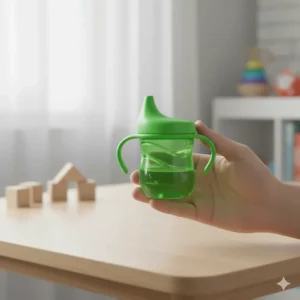
The NUK Learner Cup is often the first sippy cup for 12 month old babies making the switch from bottles. Its soft spout mimics the familiar feel of a bottle nipple, making transitions smoother for reluctant sippers.
Key Specifications:
- Available in 5 oz or 10 oz sizes
- Soft silicone spout that’s gentle on gums
- Removable handles designed for tiny hands
This cup features an air vent that reduces the amount of air your baby swallows—a thoughtful touch that can help prevent gas and discomfort. The handles are perfectly proportioned for 10-12 month old hands and can be removed as your child grows.
Customer Feedback: One grandparent noted, “These cups are perfect for my grandson transitioning from a baby bottle. He loves it and the handles are easy for him to hold.” The durability stands out too—the spout seals are less likely to break compared to other brands.
✅ Pros:
- Gentle soft spout for sensitive gums
- Excellent value for money
- Replacement parts available separately
❌ Cons:
- More parts to clean than spoutless designs
- May leak if spout seal breaks
Price: $9-18 for a 2-pack
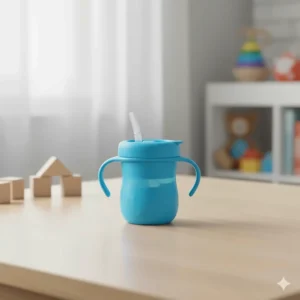
3. Dr. Brown’s Milestones Baby’s First Straw Cup
If you’re looking for a sippy cup for 10 month old that teaches straw drinking early, Dr. Brown’s Baby’s First Straw Cup is your winner. The weighted straw design is genuinely clever—it moves with the liquid so your baby can sip from any angle.
Key Specifications:
- 9 oz capacity with measuring marks
- Weighted silicone straw
- Sliding lid that stores straw when closed
The removable handles lock into place, making it easy for little hands to grip confidently. Plus, the measuring marks let you track exactly how much your baby is drinking—helpful for those pediatrician visits where they ask about fluid intake.
Customer Feedback: Parents love the spill-proof sliding lid that keeps the straw clean during travel. The consensus? It simplifies the bottle-to-cup transition beautifully, though you’ll need the included wire brush to clean inside the straw properly.
✅ Pros:
- Weighted straw works at any angle
- Durable and drop-resistant
- Measuring marks for tracking intake
❌ Cons:
- Straw requires special brush for cleaning
- Learning curve for straw technique
Price: $12-16 for 2-pack
4. Tommee Tippee Insulated Sportee Bottle
The Tommee Tippee Insulated Sportee is perfect for active 12-month-olds who are constantly on the move. The insulated double-wall keeps drinks cold for hours, making it ideal for outdoor adventures.
Key Specifications:
- 9 oz insulated capacity
- Flip-top lid with push-button mechanism
- Bite-resistant spout
The INTELLIVALVE anti-leak technology actually works—this cup survives drops, throws, and tumbles without spilling a drop. The flip-top lid means your toddler can open it independently (though you might regret this feature during car rides!).
Customer Feedback: Parents consistently mention the durability and true leak-proof performance. One reviewer noted it’s “completely leak-proof, even when turned upside down or shaken.” The insulation is a game-changer during summer months.
✅ Pros:
- Keeps drinks cold for hours
- Truly drop-proof and throw-proof
- Easy single-handed operation
❌ Cons:
- Slightly heavier than non-insulated cups
- Two-piece valve needs thorough cleaning
Price: $12-16 for 2-pack
5. Philips Avent Natural Trainer Cup
The Philips Avent Natural Trainer Cup takes a unique dual-approach strategy. It comes with both a Natural Response nipple AND a soft spout, letting you control the transition pace for your sippy cup for 12 month old.
Key Specifications:
- 5 oz capacity
- Includes fast-flow nipple and soft spout
- Non-slip rubberized handles
Start with the familiar nipple, then swap to the soft spout when your baby is ready. The anti-colic valve continues working in sippy mode, helping prevent gas and discomfort. The protective hygiene cap keeps everything clean in your diaper bag.
Customer Feedback: Parents appreciate the flexibility and compatibility with other Avent products. However, some note that the spout allows a fast flow, which can catch babies off-guard initially.
✅ Pros:
- Dual system for gradual transitions
- Compatible with Avent bottle range
- Dishwasher-safe with minimal parts
❌ Cons:
- Smaller 5 oz capacity
- Not completely leak-proof
- Fast flow takes adjustment
Price: $7-14
6. Pura Kiki Stainless Steel Vacuum Insulated Sippy Cup
For parents committed to plastic-free options, the Pura Kiki is worth the premium price. This 100% plastic-free cup features vacuum-insulated stainless steel that keeps drinks cold for hours.
Key Specifications:
- 9 oz insulated stainless steel
- Medical-grade silicone spout and sleeve
- Interchangeable tops for growing needs
The silicone sleeve protects against dents and provides a non-slip grip. Multiple spout options (nipple, soft spout, straw, sport) mean this cup literally grows with your child from infancy through preschool.
Customer Feedback: While expensive, parents who invest in Pura Kiki report using it for years. One mom shared, “My oldest still likes to drink from his at the age of 5.” The main complaint? The silicone sleeve can be difficult to remove for cleaning.
✅ Pros:
- 100% plastic-free construction
- Exceptional insulation
- Long-term value with interchangeable tops
❌ Cons:
- Premium price point ($26+)
- Heavier than plastic alternatives
- Silicone sleeve hard to remove
Price: $24-28
7. OXO Tot Transitions Straw Cup
The OXO Tot Transitions Straw Cup consistently wins parent testing for being genuinely leak-proof. The almond-shaped straw conforms to your baby’s mouth, making the learning process more intuitive.
Key Specifications:
- 6 oz capacity with measuring marks
- Almond-shaped spill-proof straw
- Hinged cap creates leak-proof seal
The straw valve opens immediately when your baby’s lips touch it—no vigorous sucking required. Removable handles help younger babies while allowing older toddlers to use it handle-free.
Customer Feedback: One parent tester raved, “This is the only straw cup that didn’t leak during our drop tests.” It survived tosses from high chairs without spilling. The measuring marks are helpful for tracking fluid intake.
✅ Pros:
- Exceptional leak-proof performance
- Easy-drinking straw valve
- Removable handles for growth
❌ Cons:
- Smaller 6 oz capacity
- Straw requires brush cleaning
- Handle removal can be stiff
Price: $9-12
🛒 Ready to Make Your Choice?
✨ These carefully researched sippy cups represent the best options available for your 10-12 month old. Click any highlighted product name to check current pricing and availability on Amazon. Your little one’s independence journey starts with the right cup! 🍼
Understanding Your Baby’s Developmental Readiness
Not every 10-month-old is ready for the same sippy cup for 10 month old baby that works for a 12-month-old. Developmental readiness varies significantly during this crucial two-month window.
Physical Development Milestones
Around 10 months, most babies can sit independently and have developed the pincer grasp—crucial for holding handles. By 12 months, many toddlers are standing or even taking first steps, which changes their drinking needs entirely. An active 12-month-old needs a more durable, truly spill-proof option than a stationary 10-month-old.
The Mayo Clinic notes that oral motor skills develop rapidly between 10-12 months. Your baby’s ability to coordinate tongue movements, swallowing, and breathing simultaneously improves dramatically. This is why straw cups often work better for 12-month-olds than younger babies.
Cognitive Readiness Signs
Watch for these signs your baby is ready for cups for 10 month old:
- Shows interest in your drinking cup
- Can tilt their head back slightly
- Understands cause and effect (tilting = liquid comes out)
- Brings objects to mouth purposefully
- Shows frustration with bottles
Some babies master sippy cups quickly, while others need months of practice. There’s no “right” timeline—only what works for your individual child.
Different Types of Sippy Cup Designs
Spoutless vs. Spouted Cups
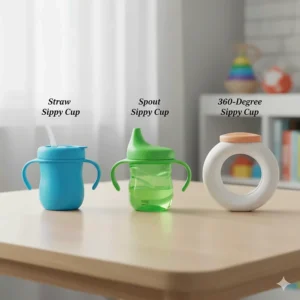
The great sippy cup debate often centers on spouts. Spoutless cups like the Munchkin Miracle 360 require your baby to suck on the edge, mimicking adult drinking patterns. Dentists and speech therapists generally prefer these because they promote proper tongue placement and reduce tooth decay risks.
Spouted cups offer an easier transition from bottles because the spout feels familiar. The NUK Learner Cup’s soft spout makes it less intimidating for babies who resist change. However, prolonged spout use (beyond 18-24 months) can potentially impact speech development and create dental issues.
Straw Cups: The Middle Ground
Straw cups for 12 month old babies offer the best of both worlds. According to speech-language pathologists, drinking from straws strengthens oral muscles needed for speech development. The weighted straw design in cups like Dr. Brown’s means your baby doesn’t need to hold the cup upright—huge for clumsy beginners.
However, straw cups require diligent cleaning. Those narrow tubes can harbor mold if not properly maintained with specialized brushes.
Insulated vs. Standard Cups
Insulated options like the Tommee Tippee Sportee and Pura Kiki keep milk cold for hours—essential if you’re dealing with a slow sipper or warm weather. Standard plastic cups like the Munchkin are lighter and cheaper but won’t keep liquids at temperature.
For cups for 10 month old babies still primarily drinking formula or breast milk, insulation matters more than for 12-month-olds drinking mostly water.
Material Safety: What Really Matters
BPA-Free Isn’t Enough
Every sippy cup for 10 month old on today’s market advertises “BPA-free,” but that’s baseline now, not a premium feature. The FDA banned BPA in baby products years ago. What you should actually look for:
- Phthalate-free: These chemicals can disrupt hormones
- Lead-free: Critical for metal cups (check for dots on bottom indicating lead)
- Nitrosamine-free: Found in some silicone products
Plastic vs. Stainless Steel
Plastic cups are lightweight and affordable, but quality varies wildly. Look for food-grade PP (polypropylene) or Tritan plastic. Stainless steel cups like the Pura Kiki eliminate plastic concerns entirely but cost significantly more and are heavier.
Silicone Components
Nearly all modern sippy cups use silicone for spouts, straws, and valves. Medical-grade silicone is non-toxic and durable, but it can stain and retain odors over time. White vinegar soaks help maintain freshness.
How to Choose the Perfect Cup for Your Baby
Step 1: Assess Your Baby’s Current Skills
Can your 10-month-old hold objects steadily? Then cups with removable handles like the NUK or OXO Tot work well. Still wobbly? Keep handles on for now.
Step 2: Consider Your Lifestyle
Travel frequently? Prioritize leak-proof designs with caps like Dr. Brown’s. Mostly using cups at home during meals? The Philips Avent’s faster flow won’t be problematic.
Step 3: Decide on Cleaning Tolerance
Be honest about your cleaning commitment. Straw cups require extra effort with specialized brushes. If you want minimal maintenance, the Munchkin Miracle 360 has just four pieces.
Step 4: Set a Realistic Budget
Quality sippy cups for 12 month old range from $7-28. You’ll need 2-3 cups minimum for rotation. Budget brands can work if leak-proof performance isn’t critical, but investing in one premium cup plus budget backups often makes sense.
Step 5: Plan for Growth
Will this cup work in six months? The adjustable designs (removable handles, interchangeable spouts) provide better long-term value.
Step 6: Read Recent Reviews
Amazon reviews from the past 6-12 months reveal real-world performance. Look for patterns in complaints—if ten people mention leaking, that’s a real issue.
Step 7: Buy Two Different Styles
Babies can be weirdly particular. Having a spout option AND a straw option lets you pivot if your first choice flops.
Common Sippy Cup Mistakes to Avoid
Mistake #1: Introducing Cups Too Late
The American Academy of Pediatrics recommends starting cups around 6 months. Waiting until 12 months makes transitions harder because bottle habits are deeply ingrained.
Mistake #2: Only Offering Cups at Meals
Your baby needs practice between meals too. Offer water in a sippy cup during playtime—it reduces pressure and makes learning fun.
Mistake #3: Filling Cups Completely
Start with an ounce or two. Full cups are heavy, and spills (inevitable initially) are less catastrophic with minimal liquid.
Mistake #4: Giving Up Too Quickly
It can take weeks for babies to master new cup types. Offer it consistently without pressure. Model drinking from your own cup—babies learn through imitation.
Mistake #5: Ignoring Valve Cleaning
Those little silicone valves are mold magnets. Disassemble completely after every use and dry thoroughly. Consider having multiple valves to rotate while some air-dry completely.
Mistake #6: Using Sippy Cups for Extended Periods
Sippy cups are transitional tools, not permanent solutions. The goal is moving to open cups by 18-24 months. Prolonged sippy cup use can impact dental health and speech development.

Cleaning and Maintenance Tips
Daily Cleaning Routine
Rinse cups immediately after use—dried milk is nightmarish to clean. Disassemble all parts and wash with hot soapy water. Use bottle brushes for hard-to-reach areas.
Deep Cleaning Weekly
Soak all parts in a vinegar solution (equal parts white vinegar and water) for 15 minutes to remove stains and odors. For stubborn residue, try a baking soda paste.
Dishwasher Guidelines
Most modern sippy cups are top-rack dishwasher safe, but high heat can warp plastic and degrade silicone over time. Hand washing extends cup lifespan.
Drying is Critical
Mold grows in moisture. After washing, shake out excess water and air-dry all components completely before reassembling. Use a drying rack specifically designed for bottle parts.
When to Replace
Replace sippy cups if you notice:
- Cracks or warping in plastic
- Torn or damaged spouts/straws
- Persistent mold that won’t clean
- Leaking that wasn’t present initially
Most quality cups last 6-12 months with proper care.
Price vs. Value: What’s Worth Spending?
The cups for 10 month old market spans from $3 budget options to $30 premium picks. Here’s how to think about value:
Budget Range ($3-8)
Basic cups like generic store brands or simple NUK styles work fine for backup cups or daycare where loss/damage is likely. Don’t expect leak-proof perfection or long-term durability.
Mid-Range ($9-15)
This sweet spot includes the Munchkin Miracle 360 and Dr. Brown’s options. You get reliable performance, decent durability, and features that matter. This is where most parents should focus.
Premium ($16-30)
Stainless steel options like Pura Kiki justify their cost through longevity and health benefits. If you plan to use the same cup for years with interchangeable tops, premium makes sense. Otherwise, you’re paying for peace of mind more than performance.
Cost per Use Analysis
A $15 Munchkin used 3 times daily for 8 months = 720 uses = $0.02 per use. A $3 budget cup that leaks constantly and lasts 2 months = 180 uses = $0.02 per use. The premium cup wins on performance even at equal cost-per-use.
Dealing with Sippy Cup Refusal
Why Babies Reject Cups
Your 10-month-old might refuse cups for 10 month old because:
- The flow is too different from bottles
- The texture feels strange in their mouth
- They associate bottles with comfort and security
- The cup is too heavy or awkward to hold
Strategies That Work
1. Let Them Play: Before expecting drinking, let your baby explore the cup during playtime. Banging and chewing are part of learning.
2. Model Enthusiastically: Pretend to drink from their cup with exaggerated enjoyment. Babies love mimicking.
3. Try Different Liquids: If they resist water, try breast milk or formula in the sippy cup initially. Once they accept the cup, gradually transition to water.
4. Timing Matters: Offer cups when your baby is content but slightly thirsty—not hangry or exhausted.
5. Multiple Options: If one style fails, try a completely different design. Some babies hate spouts but love straws, or vice versa.
6. Cold Turkey Can Work: Some parents successfully eliminate bottles overnight around 12 months. This works better than gradual transitions for determined bottle-lovers.
When to Worry
Most babies adapt within 2-4 weeks. If your 12-month-old absolutely refuses all cups after a month of consistent trying, discuss with your pediatrician. Feeding therapists can help with oral aversions or motor challenges.
Transitioning from Bottle to Cup: A Realistic Timeline
10 Months: Introduction Phase
Start offering a sippy cup for 10 month old at one meal daily. Don’t eliminate bottles yet—just introduce cups as a fun new option. Water is perfect for practice since spills are no big deal.
11 Months: Building Confidence
Increase to 2-3 cup opportunities daily. Let your baby hold the cup during bottle feedings, even if they’re not actively drinking. This builds comfort and association.
12 Months: The Switch
Many pediatricians recommend eliminating bottles at 12 months, especially the bedtime bottle which poses the highest tooth decay risk. Replace one bottle at a time with cups for 12 month old, starting with the least important feeding.
13-15 Months: Mastery
By now, most toddlers are fully on cups, though some resist bedtime transitions longer. That’s developmentally normal—just avoid milk or juice at bedtime to protect teeth.
Troubleshooting Common Problems
Problem: Constant Leaking
Solutions:
- Check that all parts are assembled correctly
- Inspect valve for damage or improper seating
- Don’t overfill—leave airspace at top
- Tighten lids fully but not over-tight
- Replace valves every 3-4 months
Problem: Baby Chews Spout/Straw
Solutions:
- Normal exploration—redirect gently
- Choose bite-resistant materials
- Only allow cup during drinking, not as a toy
- Check for teething discomfort needing relief elsewhere
Problem: Drinking Too Fast/Slow
Solutions:
- Fast: Try restricted-flow designs or straws
- Slow: Ensure valve isn’t too tight or spout isn’t restricted
- Demonstrate tilting angle
Problem: Refusing Certain Liquids
Solutions:
- Start with preferred liquids to build positive associations
- Gradually introduce water by mixing with milk
- Serve slightly cold water—many babies prefer it
Health and Safety Considerations
Preventing Tooth Decay
The American Dental Association warns against constant sipping from sippy cups throughout the day, especially with milk or juice. This bathes teeth in sugar, causing decay. Use sippy cups only during meal/snack times.
Choking Prevention
Always supervise your baby during cup use. Don’t allow walking, running, or lying down while drinking. Removable parts like handles can become choking hazards if broken—inspect regularly.
Avoiding Speech Delays
Extended sippy cup use (beyond 24 months) with hard spouts can affect tongue thrust patterns. Transition to straw cups and open cups as soon as possible.
Chemical Safety
Microwave safety: Most sippy cups aren’t microwave-safe, and heating can cause hot spots that burn. Warm liquids separately before pouring.
Traveling with Sippy Cups
Airplane Tips
Pressure changes during takeoff/landing can cause leaks even in “leak-proof” cups. Partially loosen caps until altitude stabilizes. Offer cups during ascent/descent to help equalize ear pressure—the sucking/swallowing helps.
Car Strategies
Keep cups in insulated holders to maintain temperature. Have backups in the car—they’ll inevitably end up on the floor and you’ll need a clean one.
Daycare Requirements
Many daycares have specific cup requirements (certain sizes, labels, etc.). Having 2-3 identical cups simplifies daycare life since they all work the same way.
Environmental Impact and Sustainability
Disposable vs. Reusable
While disposable cups exist, they’re environmentally irresponsible and more expensive long-term. A quality reusable sippy cup eliminates waste and saves money.
Recycling Considerations
Most plastic sippy cups can be recycled if clean and disassembled. Check local recycling programs—many accept #5 PP plastic. Stainless steel cups are infinitely recyclable.
Buying Used
Sippy cups can be purchased secondhand, but inspect carefully for cracks, warping, or damage. Replace all silicone components (spouts, valves, straws) with new ones for hygiene.
❓ FAQ: Everything Parents Ask About Sippy Cups for 10-12 Month Old Babies
❓ How many sippy cups for 10 month old should I buy?
❓ Can I put sippy cups for 12 month old in the dishwasher?
❓ What's better for cups for 10 month old - straw or spout?
❓ How do I prevent mold in sippy cups for 12 month old?
❓ When should my baby stop using cups for 12 month old?
Conclusion: Finding Your Perfect Match
Choosing the ideal Sippy Cups for 10-12 Month Old Babies doesn’t have to feel overwhelming. Whether you opt for the dentist-recommended Munchkin Miracle 360, the transition-friendly NUK Learner Cup, or the premium plastic-free Pura Kiki, you’re giving your baby the tools to develop independent drinking skills.
Remember, the “best” sippy cup for 10 month old is simply the one your baby will actually use. Don’t stress if your first choice doesn’t work—many babies need to try 2-3 different styles before finding their favorite. Focus on leak-proof performance, easy cleaning, and age-appropriate design, and you’ll find the perfect match.
The transition from bottle to cup marks a significant milestone in your baby’s development. With the right cup and a patient approach, your little one will be confidently sipping independently before you know it. Trust the process, celebrate small victories, and know that every baby masters this skill on their own timeline.
🎯 Make the Smart Choice Today!
✨ Don’t let decision paralysis delay your baby’s independence. Choose from our expertly researched top 7 sippy cups and watch your little one thrive! Click any product name to check today’s deals on Amazon. Your perfect cup is waiting! 🌟💙
Recommended for You
- 7 Best Sippy Cups for 6-9 Month Old Babies (2025 Guide)
- Fisher Price High Chair: 7 Best Models for 2025
- Maxi Cosi High Chair: 7 Top Picks for 2025
Disclaimer: This article contains affiliate links. If you purchase products through these links, we may earn a small commission at no additional cost to you.
✨ Found this helpful? Share it with your friends! 💬🤗
