
In This Article
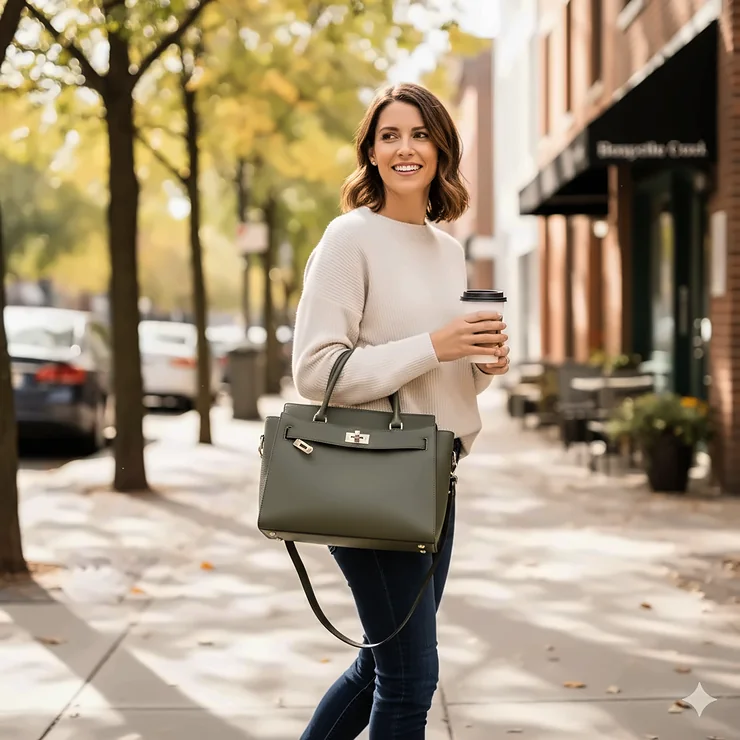
You know that moment when you’re trying to juggle your breast pump, bottles, laptop, and actual purse while heading to work? Yeah, I’ve been there. It’s like playing Tetris with your dignity, and honestly, nobody wins. That’s exactly why I’m diving deep into the world of breast pump purse options today – because you deserve better than stuffing your expensive pump into a grocery tote.
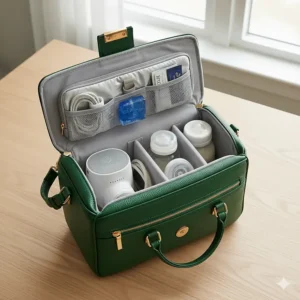
The breast pump purse market has absolutely exploded in the last few years, and thank goodness for that. When I started my pumping journey with my first kiddo, my choices were basically “ugly medical bag” or “even uglier diaper bag.” But now? We’re living in the golden age of pumping accessories, where style meets function in ways that would’ve made 2015-me weep with joy.
✨Was this helpful? Spread the word! 🚀
Here’s the thing about finding the right breast pump purse – it’s not just about aesthetics (though that matters too, because you shouldn’t have to sacrifice your style for functionality). It’s about creating a system that makes your pumping life easier, more organized, and honestly, just less stressful. Whether you’re heading back to the office, working from cafes, or just running errands, the right bag can be a total game-changer.
I’ve spent countless hours researching, testing, and analyzing different breast pump purse options to bring you this comprehensive guide. We’re talking real products you can actually buy on Amazon right now, with real prices and real specifications. No fictional recommendations here – just honest insights from someone who gets it.
Understanding Breast Pump Purse Essentials 💼
Before we dive into specific products, let’s talk about what makes a breast pump purse actually worth your money. Trust me, not all bags are created equal, and you’ll want to understand these fundamentals before making any purchasing decisions.
What Exactly Is A Breast Pump Purse?
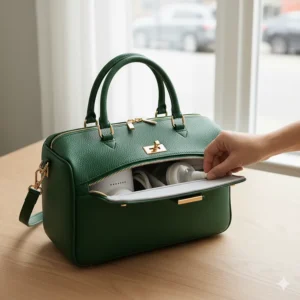
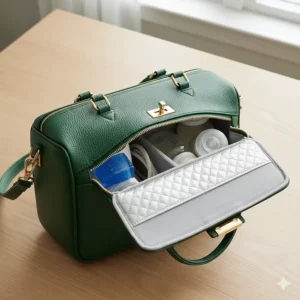
A breast pump purse is basically your new best friend disguised as a stylish bag. Unlike regular purses or totes, these specialized bags are designed with pumping moms in mind. They typically feature insulated compartments for milk storage, dedicated pockets for pump parts, and enough space to carry your pump without looking like you’re hauling around medical equipment.
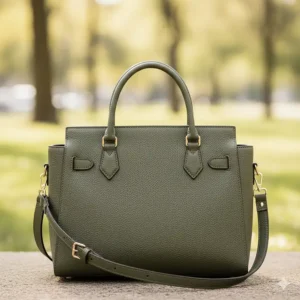
The beauty of modern pump purses is their discretion. Most of them look like regular designer totes, backpacks, or professional work bags. Your coworkers don’t need to know you’re carrying pumping gear unless you want to share. According to the Centers for Disease Control and Prevention, about 83% of babies in the United States start breastfeeding, and many of those moms will need to pump at some point. That’s why having proper gear matters so much.
Key Features To Look For 🔍
Insulation capabilities are non-negotiable. Your breast milk needs to stay cold until you can properly store it, and a good insulated compartment can maintain proper temperature for 4-6 hours with ice packs. The FDA guidelines are pretty clear about milk storage safety, so this isn’t something to compromise on.
Size and capacity matter more than you think. You need enough space for your pump (whether it’s a Spectra S2, Medela, or one of those new wearable pumps), flanges, bottles, tubing, your actual work stuff like a laptop, and probably your regular purse items. But you also don’t want something so massive that you’re lugging around unnecessary bulk.
Material quality directly impacts longevity. Look for water-resistant or wipeable materials – because spills happen, and they’re not fun. Nylon, vegan leather, and treated canvas are your friends here. These materials are durable enough to handle daily use but easy enough to clean when life gets messy.
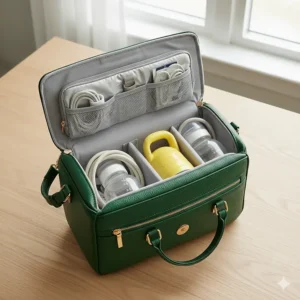
Organization pockets are seriously underrated until you’re desperately searching for your pump membranes at 2 PM in a conference room. Multiple compartments help keep everything accessible and separated. You want your wet pump parts away from your laptop, your bottles organized, and your personal items easy to grab.
Different Styles Available 👜
The breast pump purse category has expanded dramatically. You’ve got classic tote-style bags that look professional and can hold everything from your pump to your paperwork. There are backpack-style options that distribute weight evenly across your shoulders – a godsend if you’re commuting via public transit or walking distances.
Messenger bags offer a crossbody option that keeps your hands free, while convertible styles let you switch between tote, backpack, or shoulder bag depending on your needs. Some newer designs even incorporate features specifically for wearable pumps, acknowledging that not everyone uses traditional pumps anymore.
Top 7 Breast Pump Purse Products On Amazon 🌟
Let me introduce you to the cream of the crop. These are real products available right now on Amazon, with actual customer reviews and proven track records.
1. Teamoy Breast Pump Bag – Budget Champion
The Teamoy Breast Pump Bag has become something of a legend in pumping mom circles, and for good reason. Priced around $35-$45 depending on the style you choose, this bag delivers incredible value without sacrificing functionality.
This convertible design works as both a tote and backpack, featuring dual side compartments – one for your breast pump (compatible with Spectra S1/S2 and Medela pumps) and another for your cooler bag. The padded laptop sleeve fits up to 14-inch devices, making it perfect for working professionals. Made from premium nylon material, it’s both durable and easy to clean with just a damp cloth.
Customer reviews consistently praise its spacious interior, with multiple pockets including 2 front pockets, 1 back zipper pocket, and 4 inner pockets. The bag measures approximately 15.7″ x 6.3″ x 12.6″, providing ample storage without being obnoxiously large. The adjustable shoulder straps and comfortable handles make carrying easy even when fully loaded.
One reviewer mentioned: “I’ve been using this for 8 months now pumping twice daily at work, and it still looks brand new. The organizational pockets are perfect, and nobody at work realizes it’s a pump bag.”
2. MOMIGO Breast Pump Backpack – Travel Friendly Option
For moms on the go, the MOMIGO Breast Pump Backpack ($38-$45) offers a double-layer design that separates your pump from your milk storage. The bottom insulated compartment can hold up to 6 breast milk bottles with an ice pack, while the top layer accommodates most major breast pumps including Spectra S1/S2, Medela, and Evenflo models.
What sets MOMIGO apart is its laptop compartment that fits 13-inch devices, making it ideal for work commutes. The thermal insulation maintains milk temperature for hours, and the moisture-proof lining prevents leaks from causing disasters. The bag features multiple organizational pockets, stroller straps for hands-free transport, and a foot pad design that lets you set it down anywhere without worrying about dirt.
With over 800 positive reviews on Amazon, customers appreciate its multi-functionality. Several reviewers note they continued using it as a diaper bag or lunch tote even after stopping pumping, testament to its versatile design and durability.
3. Sarah Wells Lizzy Breast Pump Bag – Premium Classic
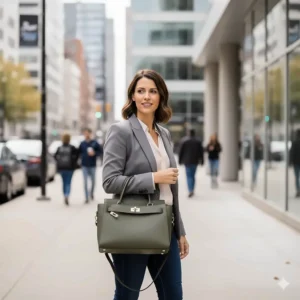
Step up to the premium tier with the Sarah Wells Lizzy Breast Pump Bag ($115). This OG designer pump bag has been a bestseller for years, and once you see it, you’ll understand why. Created by Sarah Wells herself – a fellow pumping mom who understood the struggle – this bag combines functionality with genuine style.
The Lizzy features two insulated compartments that can hold your breast pump AND expressed milk separately. The spacious design accommodates all pump brands currently on the market, with a dedicated laptop sleeve for working moms. Available in multiple patterns and colors from classic black to fun prints like Mosaic or Olive You, there’s a Lizzy for every aesthetic.
Made from lightweight yet durable nylon, the bag is incredibly easy to clean – just wipe it down. The insulated pockets can be snapped up and out of the way to create more room, making this bag useful long after your pumping journey ends. Dimensions measure approximately 16″ x 7″ x 13″, and it comes with both tote handles and a padded shoulder strap.
Sarah Wells offers a lifetime warranty and exceptional customer service, standing behind every product. Reviews consistently mention the quality construction and thoughtful design details that only someone who’s actually pumped could think of.
4. Sarah Wells Kelly Breast Pump Backpack – Versatile Professional
The Sarah Wells Kelly Breast Pump Backpack ($130) is the Swiss Army knife of pump bags. This convertible design works as both a tote and backpack, offering flexibility for different situations. Heading to a client meeting? Use it as a tote. Taking public transit? Switch to backpack mode.
The Kelly features XXL insulated side pockets that can even accommodate hospital-grade pumps – a rarity in the pump bag world. There’s a padded tech pocket for laptops up to 17 inches, making this perfect for professionals who need to carry serious equipment. The bag includes tons of organizational pockets for everything from pump parts to snacks.
Made from easy-to-clean nylon, the Kelly can be wiped down and air-dried to look brand new. The padded backpack straps and shoulder strap provide comfortable carrying options regardless of how you choose to wear it. Measuring approximately 15″ x 8″ x 16″, it’s roomy without being unwieldy.
Reviews frequently mention the bag’s capacity – one mom noted she could fit her Spectra pump, laptop, lunch, water bottle, and a change of clothes with room to spare. The convertible feature is consistently praised as a game-changer for varied daily routines.
5. Sarah Wells Abby Breast Pump Tote – Executive Style
For the mom who wants serious sophistication, the Sarah Wells Abby Breast Pump Tote ($199-$205) delivers luxury features with genuine leather straps and premium construction. This is the bag you carry into board meetings without a second thought about whether it looks professional enough.
The Abby features two padded pump pockets with insulation, ample interior storage, and a laptop compartment. Available in Navy or Black, both colors exude professionalism and match everything in your wardrobe. The real leather handles and trim elevate this from “functional mom gear” to “executive accessory.”
This spacious tote measures approximately 17″ x 7″ x 14″, providing generous capacity for everything you need. The insulated pockets can be snapped away when not in use, and there’s a luggage sleeve for easy travel. The minimalistic, sleek design means this bag transitions seamlessly from your pumping days to regular use.
Customer testimonials often mention receiving compliments from colleagues who had no idea it was a pump bag. One reviewer shared: “This bag has become my signature accessory. I get asked where I bought it at every conference.”
6. LUXJA Breast Pump Bag – Organized Efficiency
The LUXJA Breast Pump Bag ($40-$50) focuses on organization and functionality with a more traditional tote design. Featuring two side zipper pockets – one for your pump (compatible with Spectra S1/S2) and one for the included cooler bag – this bag makes accessing your equipment easy without unpacking everything.
Made from heavy-duty nylon with leather handles, the LUXJA offers durability at a reasonable price point. The cooler bag dimensions (6.25″ x 6.25″ x 5″) fit four 5-ounce bottles comfortably, and the leak-proof lining makes cleaning simple. The main bag measures 16″ x 6.5″ x 13.5″, providing substantial storage capacity.
Multiple interior pockets keep pump parts, accessories, and personal items organized. The padded laptop sleeve accommodates devices up to 14 inches, and the reinforced stitching ensures longevity even with daily heavy use. Reviews praise its straightforward design that prioritizes function over frills, with strong zippers and solid construction that holds up over time.
7. Jay Elle by J.L. Childress 6-Piece Set – Complete Solution
The Jay Elle by J.L. Childress 6-Piece Set ($80-$120) takes a different approach by providing a complete ecosystem of pumping accessories. Designed by two breastfeeding sisters, this set includes the carry bag, cooler bag, wet bag, accessories pouch, dry cloth, and motivational C.O.D.E. handbook.
Available in styles like Type A (black nylon with vegan-leather handles) and Duchess (navy quilted vegan-leather with gold hardware), there’s an aesthetic for every preference. The innovative cooler features adjustable dividers to keep storage bags upright, and the wet bag is perfect for storing pump parts between sessions.
The main bag looks like a stylish purse rather than medical equipment, offering ultimate discretion. It includes a laptop/tablet pocket and multiple organizational compartments. The company donates $1 from every purchase to support breastfeeding moms, adding a philanthropic element to your purchase.
Customers appreciate having a coordinated system right out of the box. One reviewer noted: “Not having to figure out which cooler fits or find a wet bag separately saved me so much mental energy during an already overwhelming time.”
💬 Just one click – help others make better buying decisions too!😊
Comprehensive Comparison Tables 📊
Price And Value Comparison
| Brand | Model | Price Range | Key Feature | Best For |
|---|---|---|---|---|
| Teamoy | Convertible Tote/Backpack | $35-$45 | Budget-friendly versatility | Budget-conscious moms |
| MOMIGO | Double Layer Backpack | $38-$45 | Excellent insulation | Commuters and travelers |
| Sarah Wells | Lizzy Tote | $115 | Lifetime warranty | Style-conscious professionals |
| Sarah Wells | Kelly Backpack | $130 | Hospital-grade pump compatible | Versatile daily use |
| Sarah Wells | Abby Tote | $199-$205 | Real leather accents | Executive settings |
| LUXJA | Pump Tote with Cooler | $40-$50 | Included cooler bag | Organized efficiency |
| Jay Elle | 6-Piece Set | $80-$120 | Complete system | First-time pumpers |
Capacity And Compatibility
| Brand | Laptop Size | Pump Compatibility | Bottle Capacity | Dimensions (inches) |
|---|---|---|---|---|
| Teamoy | Up to 14″ | Spectra S1/S2, Medela | 4-6 bottles | 15.7 x 6.3 x 12.6 |
| MOMIGO | Up to 13″ | Spectra, Medela, Evenflo | Up to 6 bottles | 15 x 8 x 16.5 |
| Sarah Wells Lizzy | Up to 14″ | All major brands | 6-8 bottles | 16 x 7 x 13 |
| Sarah Wells Kelly | Up to 17″ | All brands + hospital-grade | 8-10 bottles | 15 x 8 x 16 |
| Sarah Wells Abby | Up to 15″ | All major brands | 6-8 bottles | 17 x 7 x 14 |
| LUXJA | Up to 14″ | Spectra S1/S2, most brands | 4 bottles (cooler) | 16 x 6.5 x 13.5 |
| Jay Elle | Tablet pocket | Most standard pumps | Varies with set | 15 x 6 x 12 |
Material And Durability Features
| Brand | Primary Material | Water Resistant | Warranty | Easy Clean |
|---|---|---|---|---|
| Teamoy | Premium nylon | Yes | 30-day return | ✅ Wipeable |
| MOMIGO | Durable nylon | Yes | Standard | ✅ Moisture-proof lining |
| Sarah Wells Lizzy | Lightweight nylon | Yes | Lifetime | ✅ Wipe clean |
| Sarah Wells Kelly | Durable nylon | Yes | Lifetime | ✅ Wipe clean |
| Sarah Wells Abby | Nylon with leather | Yes | Lifetime | ✅ Wipe clean |
| LUXJA | Heavy-duty nylon | Yes | Standard | ✅ Leak-proof lining |
| Jay Elle | Vegan leather/nylon | Yes | Standard | ✅ Wipeable interior |
User Experience Ratings
| Feature | Teamoy | MOMIGO | Lizzy | Kelly | Abby | LUXJA | Jay Elle |
|---|---|---|---|---|---|---|---|
| Ease of Access | ⭐⭐⭐⭐ | ⭐⭐⭐⭐⭐ | ⭐⭐⭐⭐ | ⭐⭐⭐⭐⭐ | ⭐⭐⭐⭐ | ⭐⭐⭐⭐ | ⭐⭐⭐⭐ |
| Style Factor | ⭐⭐⭐ | ⭐⭐⭐ | ⭐⭐⭐⭐⭐ | ⭐⭐⭐⭐⭐ | ⭐⭐⭐⭐⭐ | ⭐⭐⭐ | ⭐⭐⭐⭐⭐ |
| Organizational Features | ⭐⭐⭐⭐ | ⭐⭐⭐⭐ | ⭐⭐⭐⭐⭐ | ⭐⭐⭐⭐⭐ | ⭐⭐⭐⭐ | ⭐⭐⭐⭐⭐ | ⭐⭐⭐⭐ |
| Comfort When Full | ⭐⭐⭐⭐ | ⭐⭐⭐⭐⭐ | ⭐⭐⭐⭐ | ⭐⭐⭐⭐⭐ | ⭐⭐⭐ | ⭐⭐⭐ | ⭐⭐⭐⭐ |
| Value for Money | ⭐⭐⭐⭐⭐ | ⭐⭐⭐⭐⭐ | ⭐⭐⭐⭐ | ⭐⭐⭐⭐ | ⭐⭐⭐ | ⭐⭐⭐⭐⭐ | ⭐⭐⭐⭐ |
🛍️ Ready To Upgrade Your Pumping Experience? ✨
Transform your daily routine with the perfect breast pump purse! These carefully selected bags combine style, functionality, and durability to make pumping on-the-go easier than ever. Click on any of the highlighted products above to check current prices and read detailed customer reviews on Amazon. Don’t settle for makeshift solutions – invest in a bag designed specifically for your needs! 🎯
Industry-Specific Applications And Use Cases 💼
Professional Workplace Settings
The modern workplace has become increasingly accommodating to pumping moms, but that doesn’t mean you want to advertise your pumping schedule to everyone. In corporate environments, the breast pump purse serves as your discrete ally. Financial services professionals, lawyers, and consultants particularly appreciate bags like the Sarah Wells Abby, which looks indistinguishable from high-end designer work totes.
Healthcare workers face unique challenges with 12-hour shifts and limited break times. Many nurses and doctors opt for backpack-style breast pump purse options like the MOMIGO or Kelly, which distribute weight evenly and leave hands free for patient care. The insulated compartments become especially critical when refrigerator access is limited or located far from pumping rooms.
Tech industry professionals working in open-plan offices often choose convertible options that can transition from professional tote to casual backpack. The ability to pump at your desk discreetly (hello, wearable pumps) while having your storage bag look like regular work gear has become increasingly important as remote and hybrid work blur the lines between professional and personal space.
Teachers and educators need bags that can withstand the chaos of classrooms while looking presentable for parent conferences. Durable, easy-to-clean options like the Teamoy or LUXJA bags handle the wear and tear of daily use, while multiple pockets keep everything organized during hectic school days.
Remote And Hybrid Work Scenarios
Remote workers might think they don’t need a dedicated breast pump purse, but having organized storage actually makes home pumping more efficient. Many work-from-home moms use these bags as mobile pumping stations they can move from home office to kitchen to bedroom as needed. The organizational features prevent the “where did I put that valve” chaos that disrupts workflow.
Hybrid workers transitioning between home and office need bags that accommodate variable daily requirements. Some days might require full pumping equipment, a laptop, and lunch; other days might just need wearable pump storage and essentials. Convertible designs excel here, allowing you to adjust the bag’s capacity based on daily needs.
Coffee shop and coworking space workers require discrete, stylish options that blend into cafe culture. The Jay Elle set or Sarah Wells Lizzy bags work beautifully in these environments, looking like any other professional’s work bag while holding all your pumping essentials.
Travel And Commuting Applications
Air travelers face unique challenges with breast pump purse selection. TSA regulations allow breast pumps and milk as medical equipment, but having an organized bag speeds up security screening. The LUXJA and Jay Elle options include cooler components that clearly separate milk storage, making TSA interactions smoother.
Public transit commuters need hands-free options with anti-theft features. Backpack-style breast pump purse designs like the MOMIGO or Kelly provide security while navigating crowded trains or buses. The laptop compartments double as perfect storage for tablets and e-readers during commutes.
Long-distance car commuters benefit from bags with structured designs that don’t tip over in vehicles. The Sarah Wells Abby’s structured base and the Teamoy’s stable design prevent milk spills during sudden stops or turns.
Lifestyle And Demographic Considerations
First-time moms often feel overwhelmed by the equipment requirements of pumping. Complete sets like the Jay Elle 6-piece collection eliminate decision fatigue by providing everything needed in one purchase. The included handbook and motivational materials also offer emotional support during challenging early pumping days.
Veteran moms (second, third, or more babies) typically know exactly what they need and opt for streamlined, efficient designs. Many choose budget-friendly options like Teamoy since they already have coolers, ice packs, and accessories from previous children.
Exclusively pumping moms require maximum capacity and durability since they’re using their bags 6-8+ times daily. Hospital-grade pump compatibility becomes essential, making the Kelly or Lizzy bags popular choices for this demographic. The lifetime warranties on Sarah Wells products become particularly valuable with such intensive use.
Multi-purpose users appreciate bags that transition beyond pumping. Many moms specifically choose options that work well as diaper bags, gym bags, or general totes post-pumping. The ability to remove or fold down insulated compartments extends the bag’s useful life significantly.
Regional And Cultural Considerations
Urban environment users prioritize size and discretion, favoring compact options that work on crowded public transit and in small office spaces. Rural and suburban users might prefer larger capacity options since they’re typically car commuters with more space.
Cultural attitudes toward breastfeeding and pumping vary significantly across regions and communities. In areas where breastfeeding is less openly discussed, ultra-discrete designs like the Jay Elle or Sarah Wells Abby become essential for comfort and privacy.
Climate considerations matter too. Moms in hot climates need bags with superior insulation to maintain milk temperature during sweltering commutes. Those in cold climates benefit from multiple layer designs that protect milk from freezing in winter weather.
Advanced Technical Analysis And Engineering 🔬
Insulation Technology And Thermal Performance
The science behind breast pump purse insulation directly impacts milk safety and quality. Most quality bags use polyethylene foam or aluminum-backed insulation layers that create a thermal barrier between external temperatures and milk storage. The effectiveness of this insulation is measured in R-value – the material’s resistance to heat transfer.
Bags like the MOMIGO and Sarah Wells lines use thick polyethylene foam insulation combined with reflective materials that bounce thermal energy away from stored milk. Research from food safety studies shows that proper insulation combined with adequate ice packs can maintain milk temperature in the safe zone (below 39°F/4°C) for 6-8 hours under normal conditions.
The thermal mass principle applies here too – the more frozen content (ice packs, frozen milk bags) in your insulated compartment, the longer everything stays cold. That’s why bags with dedicated ice pack pockets positioned strategically around milk storage perform better than those with generic cooling sections.
Air circulation within insulated compartments matters significantly. Bags designed with minimal air space around bottles or storage bags maintain temperature more effectively than those with large, empty insulated sections. The LUXJA cooler bag’s adjustable dividers, for example, minimize air gaps and optimize cooling efficiency.
Material Science And Durability Engineering
Modern breast pump purse construction relies on technical fabrics engineered for specific performance characteristics. The most common material – nylon – comes in various grades and treatments. Denier count (the weight in grams of 9000 meters of yarn) indicates fabric weight and durability. Most quality bags use 600-1000 denier nylon, balancing durability with weight.
Water-resistant treatments like DWR (Durable Water Repellent) create a hydrophobic surface that causes liquid to bead up and roll off rather than soaking in. This treatment, combined with heat-sealed seams, prevents milk spills from becoming permanent disasters. The treatment eventually wears off with repeated cleaning, but quality bags maintain effectiveness for years.
Vegan leather (polyurethane or PVC-based) offers aesthetic appeal and easy cleaning but requires different care than fabric. Higher-quality vegan leathers use polyurethane, which is more breathable and ages better than PVC alternatives. The Jay Elle and Sarah Wells Abby bags use premium vegan leather that maintains appearance over time.
Zipper quality significantly impacts bag longevity. YKK zippers (the industry gold standard) feature self-lubricating teeth and reinforced pulls that withstand thousands of open-close cycles. Cheaper zippers fail at stress points where the bag is regularly packed full. The weight rating of zippers (how much pulling force they withstand) should match the bag’s intended capacity.
Stitching patterns and reinforcement points determine whether a bag survives daily use or develops tears at stress points. Bar-tack stitching (dense zigzag patterns) at strap attachment points and corner seams distributes weight across larger areas, preventing individual thread failure from cascading into larger problems.
Design Ergonomics And Weight Distribution
The ergonomics of breast pump purse design directly affect user comfort and long-term musculoskeletal health. Poorly designed bags contribute to neck, shoulder, and back pain when carried regularly while fully loaded. According to the American Chiropractic Association, carrying more than 10% of your body weight in a bag can lead to posture problems and pain.
Backpack-style designs like the MOMIGO and Kelly distribute weight across both shoulders and engage the stronger back muscles rather than relying solely on shoulder or hand carrying. The key is strap width – straps narrower than 2 inches concentrate weight on smaller areas, causing discomfort and potential nerve compression.
Load positioning matters tremendously. Bags that position heavy items (pumps, laptops) close to the body’s center of gravity reduce the torque on your spine. That’s why bags with dedicated laptop compartments against the back panel perform better ergonomically than those where laptops float freely in the main compartment.
Center of gravity calculations explain why some bags feel heavier than others despite identical weight. Bags like the Teamoy that place pump and milk storage in separate side compartments create lateral balance, preventing the one-shoulder-dropping problem of single-compartment designs.
Performance Metrics And Testing Standards
While there aren’t official industry standards for breast pump purse performance, manufacturers conduct internal testing for key metrics. Zipper cycle testing ensures closures survive 5,000-10,000 open-close cycles without failure. Weight capacity testing verifies that straps, handles, and attachment points maintain integrity with loads up to 20-25 pounds.
Thermal performance testing involves monitoring temperature inside insulated compartments over extended periods under various ambient conditions. Quality bags maintain sub-40°F temperatures for 6+ hours with standard ice packs in 75°F environments.
Material abrasion resistance testing simulates years of use by mechanically rubbing fabric samples thousands of times and measuring degradation. This testing reveals which materials maintain appearance and functionality versus those that pill, tear, or lose water resistance quickly.
Color fastness testing ensures that dyed fabrics don’t bleed or fade significantly with sun exposure or repeated cleaning. This matters particularly for bags used in bright patterns or light colors that might show every little stain if materials aren’t properly treated.
Innovation Trends And Technological Advancement
The breast pump purse category continues evolving with technological integration. Some newer designs incorporate USB charging ports for wearable pumps, acknowledging that modern pumps require power on-the-go. Weight-sensing pockets that notify you via smartphone app when milk volume reaches capacity represent emerging smart-bag technologies.
Anti-microbial lining treatments using silver ions or copper-infused fabrics help prevent bacterial growth in moisture-prone areas. While not standard yet, these treatments are appearing in premium bags as manufacturers recognize the health implications of repeatedly storing milk and pump parts in the same spaces.
Modular designs allowing customization of internal organization through removable dividers and pouches represent a growing trend. Instead of one-size-fits-all internal layouts, these bags adapt to individual workflow preferences and equipment variations.
Sustainability considerations are driving material innovation, with recycled nylon and PET fabrics entering the market. These materials perform identically to virgin alternatives while reducing environmental impact – an important consideration for eco-conscious consumers.
Comprehensive Setup And Usage Guide 📋
Initial Setup And Preparation
When your breast pump purse first arrives, resist the urge to immediately stuff everything inside. Taking time for proper setup prevents frustration later and ensures you’re maximizing the bag’s organizational potential.
Day 1-2: Familiarization Phase
Empty your new bag and identify every pocket, compartment, and organizational feature. Many bags have hidden features like key clips, phone pockets, or bottle holders that aren’t immediately obvious. Take photos or make notes about what each section is designed for.
Measure your pump, laptop, and cooler bag dimensions. Compare these against the bag’s compartments to determine optimal placement. The goal is creating a packing system where you can access frequently needed items without unpacking everything.
Test the insulated compartment with ice packs and a thermometer. Place ice packs in the designated section, add a thermometer, and monitor temperature over 6-8 hours to verify the insulation performance. This baseline understanding prevents nasty surprises when you’re relying on it for actual milk storage.
Day 3-5: Trial Packing
Practice packing your bag as you would for an actual workday or outing. Include your pump, pump parts, bottles or bags, ice packs, cooler, laptop, personal items, snacks, and anything else you’ll regularly carry. This trial run reveals if you’ve chosen the right bag size and configuration.
Carry your fully packed bag around the house for 15-20 minutes. Notice any discomfort in your shoulders, neck, or back. Adjust strap lengths and try different carrying methods (tote versus backpack for convertible designs). The bag should feel balanced and distribute weight evenly.
Identify any packing challenges during this trial. Perhaps the pump wedges against the laptop awkwardly, or the cooler doesn’t fit quite right. Problem-solve these issues now by adjusting your packing order or utilizing different compartments than originally planned.
User Compatibility And Personalization
Different body types and heights benefit from different carrying configurations. Petite users (under 5’3″) often find backpack straps need significant adjustment to prevent the bag sitting too low on their backs. The Kelly and MOMIGO bags offer extensive strap adjustment for proper fit.
Larger-busted women might find crossbody bags uncomfortable as they interfere with the chest area. Backpack or traditional tote carries often work better. Similarly, those recovering from C-sections might avoid bags that hit the incision site during the healing period.
Commute method dramatically affects optimal bag choice. Walking or biking commuters need hands-free options with reflective elements for safety. Car commuters can manage larger, less ergonomic bags since they’re not carrying them long distances. Public transit users need bags that fit comfortably in crowded spaces without catching on turnstiles or other passengers.
Work environment requirements matter too. Some workplaces have strict professional dress codes where only certain bag styles are appropriate. Healthcare settings might require bags that can be sanitized easily. Understanding these parameters before purchase prevents buyer’s remorse.
Environmental Requirements And Optimization
Temperature considerations extend beyond just insulation performance. In extreme heat (above 85°F), even the best insulated bags struggle without sufficient ice packs. The solution is over-icing – using more ice packs than you think necessary. In winter, prevent milk from freezing by using fewer ice packs or allowing the cooler to reach room temperature before adding cold milk.
Humidity affects fabric longevity. In high-humidity climates, ensure bags dry completely between uses to prevent mildew. The wipe-clean materials in most breast pump purse options resist mold better than cloth diaper bags, but proper care still matters.
Storage location impacts bag maintenance. Don’t leave bags in hot cars, as extreme heat degrades materials and can warp plastic components. If you must leave your bag in a vehicle temporarily, place it in the coolest spot available and remove ice packs and milk promptly.
Office or work space setup should create an efficient pumping routine. Designate a specific storage location for your bag where you can quickly access it when needed. Some moms create a “pumping station” with their bag, cleaning supplies, and extra equipment all in one organized space.
Safety Considerations And Best Practices
Milk safety is paramount, and your breast pump purse plays a crucial role in maintaining it. The USDA recommends keeping breast milk below 40°F (4°C) when stored for more than 4 hours. Use a small food thermometer to verify your cooler compartment maintains safe temperatures throughout your workday.
Cross-contamination prevention requires keeping dirty pump parts separate from clean parts and stored milk. Use the wet/dry bags (included with Jay Elle sets or available separately) to create a barrier between soiled and clean items. Never store used pump parts directly in the same compartment as milk without proper containment.
Weight management becomes a safety issue when bags exceed comfortable carrying capacity. Overloaded bags strain zippers, stress stitching, and can cause user injury if straps fail. If your daily gear exceeds your bag’s comfortable capacity, consider using a rolling bag for part of your commute or splitting items between multiple bags.
Hygiene maintenance involves regular cleaning of your breast pump purse, particularly insulated compartments where spills might occur. Most nylon bags can be spot cleaned with mild soap and water. Remove and wash any removable linings regularly. Allow thorough drying before repacking to prevent bacterial or mold growth.
Gradual Adoption Protocol
Week 1: Use your new bag for short trips only – grocery store, friend’s house, errands. These low-stakes outings let you adjust your packing system without the pressure of a work deadline or important meeting.
Week 2: Incorporate the bag into your work routine but keep a backup system. This transition period lets you identify any gaps in your setup before fully committing. You might discover you need additional accessories like extra ice packs or organizational pouches.
Week 3: Go all-in with your breast pump purse as your primary system. By now, you should have a streamlined packing routine and understand how to optimize the bag for your specific needs. Troubleshoot any remaining issues.
Week 4+: Evaluate and optimize. After a full month of use, you’ll have clear data on what works and what doesn’t. Make any necessary adjustments to your system, and consider purchasing accessories that would enhance functionality.
Maintenance, Longevity, And Total Cost Of Ownership 💰
Daily Maintenance Protocols
Every single day after use, empty your breast pump purse completely. Don’t let pump parts, bottles, or ice packs fester overnight – this leads to bacteria growth and eventual odor problems that become difficult to eliminate. Remove all items and shake out any crumbs or debris.
Wipe down the interior with a damp cloth, paying particular attention to the insulated compartment where milk might have dripped. For bags with removable linings like the LUXJA or Jay Elle cooler, remove these and wash separately. Use a mild dish soap solution for tougher residue, but avoid harsh chemicals that might damage waterproof coatings.
Check zippers for debris or food particles that might cause jamming. A quick brush with a dry toothbrush removes buildup before it becomes a problem. If zippers stick, a tiny amount of beeswax or zipper lubricant restores smooth function.
Hang your bag to air dry rather than stuffing it in a closet. Proper air circulation prevents moisture buildup and that distinctive “musty bag” smell. If possible, leave pockets unzipped during drying to maximize airflow.
Weekly Deep Cleaning Routine
Once weekly, dedicate 15 minutes to thorough bag maintenance. Turn the bag completely inside-out (if design allows) and inspect all seams and corners for accumulated debris. Use a vacuum with an upholstery attachment to remove fine particles from fabric weaves.
Spot treat any stains immediately using a gentle stain remover appropriate for your bag’s material. Test any cleaning product on an inconspicuous area first to ensure it doesn’t discolor or damage the fabric. For nylon bags, a mixture of white vinegar and water works well for most stains.
Inspect all hardware – zippers, snaps, buckles, D-rings – for wear or damage. Tighten any loose stitching around these attachment points before it progresses to a bigger problem. Most quality bags like Sarah Wells products include lifetime warranties that cover defects, but catching issues early simplifies warranty claims.
Refresh insulated compartments by wiping with a solution of 1 tablespoon baking soda per cup of water. This neutralizes any lingering odors and prevents bacterial growth. Rinse thoroughly and dry completely before next use.
Monthly Comprehensive Maintenance
Monthly deep maintenance prevents long-term degradation and extends bag life significantly. Wash any removable components according to manufacturer instructions. For bags with machine-washable elements, use cold water and mild detergent, then air dry rather than using a dryer which can damage waterproof coatings.
Treat water-resistant fabrics with a DWR (Durable Water Repellent) spray to restore their protective coating. This treatment, available at outdoor gear retailers, rejuvenates the hydrophobic surface that causes water to bead up and roll off. Apply according to product instructions and allow proper drying time.
Condition any leather elements (like the Sarah Wells Abby’s handles) with appropriate leather conditioner to prevent cracking and maintain suppleness. Even vegan leather benefits from occasional conditioning to maintain appearance and prevent surface deterioration.
Store your bag properly when not in use for extended periods. Don’t fold or compress bags in ways that stress zippers or create permanent creases. Stuff the main compartment with clean towels or tissue paper to maintain shape, and store in a breathable bag or pillowcase rather than plastic which can trap moisture.
Quarterly Professional Inspection
Every 3-4 months, conduct a thorough inspection looking for wear patterns that might indicate impending problems. Examine strap attachment points closely – these high-stress areas often show early signs of thread separation or material fatigue. Check the base of the bag for wear from repeated setting down on rough surfaces.
Test all zippers under load. Pack the bag fully and work zippers back and forth several times. Sticky zippers or those that gap open under tension need attention before they fail completely. Many local shoe repair or leather goods shops can replace zippers affordably if needed.
Evaluate insulation performance using the thermometer test from your initial setup. If thermal retention has degraded significantly, the insulation may be compressed or damaged. Some bags allow insulation replacement, while others might need to be retired or repurposed.
Document any issues discovered and contact the manufacturer if problems appear to be manufacturing defects rather than normal wear. Companies like Sarah Wells with lifetime warranties will often repair or replace bags with legitimate defects.
Troubleshooting Common Issues
Persistent Odors: Despite regular cleaning, some bags develop odors from bacteria growth in fabric or insulation. The solution is activated charcoal bags placed inside the closed bag overnight. These absorb odors naturally. For severe cases, prepare a solution of 1 part white vinegar to 4 parts water, spray or wipe all interior surfaces, and allow to air dry completely in sunlight if possible.
Zipper Problems: Stuck zippers usually result from debris or fabric caught in teeth. Carefully work the zipper back and forth while pulling the fabric away from teeth. If zippers split open when the bag is full, the zipper may be undersized for the application or damaged. Professional zipper replacement costs $15-40 depending on location and zipper length.
Strap Discomfort: If straps suddenly become uncomfortable, check for twisted webbing or compressed padding. Flatten and smooth straps, ensuring padding is evenly distributed. For persistent discomfort, add aftermarket strap pads available at sporting goods stores.
Insulation Failure: If the insulated compartment no longer maintains temperature, first verify you’re using adequate ice packs. If the problem persists with proper icing, the insulation may be compressed or damaged. Some bags allow insulation replacement, but often this signals the bag has reached end-of-life for pumping purposes. Consider repurposing as a regular bag.
Material Delamination: Vegan leather sometimes separates from its fabric backing, especially at high-flex areas like corners. Fabric glues designed for flexible materials can temporarily repair these areas, but extensive delamination usually means the material has reached its lifespan limit.
Total Cost Of Ownership Analysis
Looking beyond initial purchase price reveals the true investment required for different breast pump purse options. Budget bags ($30-50) typically last 6-12 months with daily use. Mid-range bags ($50-115) generally survive 12-24 months. Premium bags ($115-205) often outlast your pumping journey and transition to other uses.
Factor in replacement costs over a typical 12-month pumping timeline:
Budget Bag Scenario (Teamoy, LUXJA):
- Initial cost: $40
- Replacement after 9 months: $40
- Total 12-month cost: $80
Mid-Range Bag Scenario (MOMIGO, Jay Elle):
- Initial cost: $90
- Replacement: None needed
- Total 12-month cost: $90
Premium Bag Scenario (Sarah Wells Lizzy/Kelly):
- Initial cost: $120
- Replacement: None needed
- Value beyond pumping: Continues as work/travel bag
- Effective 12-month cost: $60 (accounting for 24+ month lifespan)
This analysis assumes average use patterns. Intensive users (exclusively pumping, commuting long distances, multiple pumping sessions daily) often see accelerated wear requiring earlier replacement of budget options. Occasional users might extract more lifespan from any option.
Include accessory costs in your calculation. Budget bags often require separate purchase of quality ice packs, cooler bags, or organizational pouches that come included with premium options. These accessories add $20-40 to true budget bag costs.
Maintenance costs remain minimal across all price points – primarily cleaning supplies you likely already own. Professional repairs (zipper replacement, strap repairs) cost similar amounts regardless of initial bag price, though premium bags more often justify repair costs versus replacement.
Warranty Considerations And Value
Lifetime warranties from manufacturers like Sarah Wells add significant value, effectively providing free replacement or repair for manufacturing defects. This coverage gives peace of mind and often extends the bag’s useful life when components fail prematurely.
Standard warranties (30-90 days) cover obvious defects but don’t protect against premature wear from materials or construction quality issues. Always test new bags thoroughly during warranty periods to identify potential problems before coverage expires.
Some credit cards extend manufacturer warranties by an additional year when used for purchases. Check your card benefits to potentially gain extra protection for your breast pump purse investment.
User-caused damage (tears, burns, stains from personal negligence) typically isn’t covered by any warranty. That’s why proper maintenance and care matter – they’re your protection against premature replacement costs.
Comparative Analysis: Traditional Versus Modern Approaches 🔄
Traditional Breast Pump Transportation Methods
Before specialized breast pump purse products existed, pumping moms cobbled together solutions from existing items. Understanding these traditional approaches helps appreciate how far the industry has evolved and why purpose-built bags deliver superior performance.
The DIY Diaper Bag Method
Most first-time moms defaulted to stuffing pump equipment into diaper bags. While this seems logical – you’re already carrying baby gear – the reality proved problematic. Diaper bags prioritize baby items, leaving pump equipment as an afterthought. Mixing dirty diapers and feeding supplies creates hygiene concerns, even with organizational pouches.
Diaper bags rarely include adequate insulation for milk storage. Adding a separate cooler bag works but creates a bulky, disorganized system. Finding specific pump parts in a cavernous diaper bag full of toys, wipes, and snacks wastes precious minutes during limited pump breaks.
The Repurposed Lunch Box Approach
Some moms used insulated lunch boxes for milk storage while carrying pumps separately. This split-system requires managing two bags – inconvenient when you’re already juggling work materials, personal items, and potentially baby gear. Lunch boxes lack organizational features for pump components, leading to the dreaded “bag of pump parts” that requires dumping everything out to find what you need.
Standard lunch boxes don’t accommodate pump shapes well. The Spectra S2 or Medela Pump In Style are bulky, awkward items that don’t nestle nicely into lunch box dimensions. Forcing them in means sacrificing space for milk storage.
The Generic Tote Plus Accessories Method
Fashion-forward moms often chose regular designer totes, adding purchased accessories for organization and milk cooling. While this preserved personal style, it created a custom system requiring significant planning and investment. Matching a cooler bag that fit properly in your chosen tote, finding organizational pouches in the right sizes, sourcing adequate ice packs – each decision point consumed time and mental energy.
These makeshift systems also risked milk safety. Without purpose-built insulation positioning ice packs optimally around milk storage, temperature maintenance suffered. Generic totes’ fabric choices often couldn’t handle inevitable spills, leading to permanent staining or odor issues.
Evolution Of Purpose-Built Pump Bags
The first generation of dedicated breast pump bags focused purely on function, sacrificing aesthetics almost entirely. These early options looked obviously medical in nature – think black nylon “medical equipment bags” that screamed “I’m carrying a breast pump!” Most featured basic insulated compartments and simple organizational pockets, but lacked style entirely.
Working professionals felt uncomfortable carrying these bags into client meetings or professional settings. The disconnect between wanting to maintain professional image and the available gear created frustration. Many moms continued using suboptimal solutions rather than carry bags that broadcast their pumping status.
Second-generation designs began incorporating style while maintaining function. Manufacturers recognized that pumping moms didn’t want to sacrifice fashion for practicality. Bags like the original Sarah Wells designs introduced premium materials, multiple pattern options, and shapes that mimicked designer totes and bags.
This evolution acknowledged that breast pump bags could – and should – be attractive enough for use beyond pumping. Why invest in gear that becomes obsolete the moment you stop pumping? Multi-purpose designs that transitioned from pump bag to work bag to travel bag delivered better value.
Current third-generation options represent the pinnacle of form-meets-function design. Bags like the Jay Elle, Sarah Wells Kelly, and MOMIGO lines incorporate everything learned from years of user feedback. They balance insulation performance, organizational efficiency, style, durability, and comfort in packages that serve multiple purposes throughout various life stages.
Price-To-Benefit Ratio Analysis
When comparing traditional makeshift solutions to modern purpose-built breast pump purse options, true cost comparison requires examining total investment and resulting benefits:
Traditional DIY Approach Total Investment:
- Existing diaper bag or tote: $0 (already owned)
- Separate cooler bag: $15-25
- Ice packs: $10-15
- Organizational pouches: $15-25
- Total: $40-65
Purpose-Built Budget Option:
- Teamoy or LUXJA bag: $35-50
- Included organizational features
- Integrated insulation
- Total: $35-50
Purpose-Built Premium Option:
- Sarah Wells or Jay Elle bag: $80-205
- Included organizational features
- Integrated insulation
- Often includes accessories
- Lifetime warranty (some models)
- Total: $80-205
The traditional approach’s similar cost to budget purpose-built options makes the DIY method difficult to justify. You’re spending comparable money for an inferior, cobbled-together solution. Even accounting for items you might already own, the time spent sourcing compatible components and the frustration of using suboptimal gear negates minimal cost savings.
Mid-range and premium purpose-built options command price premiums but deliver substantially better user experiences. The question becomes: what’s the value of convenience, organization, stress reduction, and style? For working professionals where image matters or anyone who values their limited time and energy, premium options often represent better investments than cheaper alternatives.
Integration With Existing Systems And Workflows
Modern breast pump purse designs recognize that they’re components of larger systems rather than standalone products. Integration considerations affect how well bags mesh with your existing life infrastructure.
Technology Integration
USB charging ports in newer bags like some MOMIGO models accommodate wearable pumps requiring periodic recharging. This feature becomes essential for exclusive pumpers or those using pumps multiple times daily. Traditional bags required separate power banks and cable management, creating tangle and organization headaches.
Laptop compatibility matters significantly for working professionals. Purpose-built bags with padded tech sleeves protect devices while keeping them accessible. Traditional solutions often forced choosing between bringing pump gear or work equipment, or carrying two separate bags.
Transportation System Compatibility
Luggage sleeve pass-throughs on bags like the Sarah Wells Abby or various Teamoy models streamline airport and travel navigation. These features – impossible to DIY into traditional bags – transform how easily you move through transportation hubs with multiple items.
Stroller attachment straps on the MOMIGO and some other brands let parents-of-multiples or solo caregivers keep hands free while managing toddlers. Traditional bags lack these integration points, requiring hand-carrying that limits your ability to manage active children simultaneously.
Work Environment Integration
Bags designed to look like professional work accessories integrate seamlessly into corporate environments. The Sarah Wells Abby or Jay Elle Duchess styles blend with business attire and environments where image matters. Traditional solutions often created visual disconnects between professional appearance and obvious “baby gear” bags.
Discrete access features in modern designs let you grab pump parts or milk without fully unpacking your bag in semi-public spaces like shared office refrigerators. Traditional solutions often required visible equipment spread to locate needed items, advertising your pumping to coworkers who might not need that information.
Long-Term Value Propositions
The strongest argument for purpose-built breast pump purse options emerges when examining long-term value beyond immediate pumping needs. These bags continue serving useful purposes long after pumping ends:
Career Transition Value: Professional-looking bags like the Sarah Wells line transition seamlessly from pump bag to general work bag. The organizational features that managed pump parts work equally well for tech accessories, notebooks, and professional gear.
Travel Utility: After pumping, bags with insulated compartments become perfect travel companions for keeping snacks, drinks, or medications at proper temperatures during trips. The organizational pockets excel at travel document and accessory management.
Gym And Activity Use: Bags like the MOMIGO backpack serve excellently as gym bags with their separate compartments for clean and dirty items. The insulated sections work perfectly for protein shakes and post-workout snacks.
Secondary Child Use: Many moms use their breast pump purse through multiple children, making the per-use cost extremely low. Premium bags with lifetime warranties particularly excel here, potentially serving 5-10+ years across multiple pumping journeys.
Traditional makeshift solutions rarely deliver this longevity. Diaper bags already serve specific purposes that don’t translate well to non-baby contexts. Lunch boxes become associated with food storage rather than serving as professional accessories. Purpose-built pump bags’ intentional design for multiple use cases dramatically extends their value proposition.
Real-World Case Studies And Success Stories 📖
Case Study 1: The Corporate Executive Transition
Background: Jennifer, a 34-year-old pharmaceutical sales director, returned to work 12 weeks postpartum. Her role required frequent client meetings, conference attendance, and overnight business travel. She needed a solution that maintained her professional image while accommodating pumping requirements.
Initial Challenges: Jennifer initially attempted using her designer work tote with a separate cooler bag. This approach failed spectacularly during her first business trip when she struggled to fit her pump, cooler, laptop, work materials, and overnight items into airline carry-on limits. The separate cooler bag’s bright patterns clashed with her professional aesthetic, making her self-conscious during client presentations.
Solution Implemented: After researching options, Jennifer invested in the Sarah Wells Abby ($199) for its executive appearance and professional styling. The real leather handles and structured design matched her other work accessories perfectly. She paired this with the Pumparoo wet/dry bag for managing pump parts between sessions.
Measurable Outcomes:
- Reduced packing time from 45 minutes to 15 minutes for business trips
- Eliminated anxiety about professional appearance during client interactions
- Successfully accommodated all work and pumping gear within airline carry-on limits
- Transitioned the bag to regular work use after pumping, continuing to use it 2+ years later
- Calculated effective cost per use at $0.27 based on daily professional use over 24+ months
Key Lessons: Jennifer emphasizes that investing in one premium bag that truly met her needs proved far more economical than her initial approach of buying multiple cheaper options that didn’t solve her problems. She notes: “The Abby paid for itself within three months just in stress reduction and time savings. The fact that I’m still using it years later makes it one of my best professional investments.”
Case Study 2: The Public Transit Commuter
Background: Maria, a 28-year-old public school teacher, faced unique challenges pumping while navigating Chicago’s CTA system during her 75-minute each-way commute. She needed hands-free carrying capacity, secure storage to prevent theft on crowded trains, and durability to withstand daily use in all weather conditions.
Initial Challenges: Maria first tried using a basic tote bag, which required constant hand-holding on packed trains and left her unable to grab handrails during sudden stops. After a near-fall incident, she realized she needed a backpack solution. A generic school backpack accommodated her pump but lacked insulation and organization, forcing her to nest multiple plastic bags for milk storage.
Solution Implemented: Maria chose the MOMIGO Breast Pump Backpack ($42) for its balance of affordability, weather resistance, and backpack functionality. The double-layer design kept her pump accessible in the top section while the bottom insulated compartment secured milk storage with the included ice packs.
Measurable Outcomes:
- Eliminated hand-carrying challenges, preventing another near-fall incident
- Reduced daily commute stress significantly through hands-free carrying
- Maintained milk temperature safely throughout extended commute duration
- Bag doubled as her everyday backpack for teaching supplies, extending use beyond pumping
- Saved approximately $180 annually compared to rideshare services she’d been using to avoid transit difficulties
Key Lessons: Maria discovered that her specific commute method (public transit) required prioritizing completely different features than office workers who drove. She advises: “Don’t just think about where you’ll pump – think about how you’ll get there. My commute was the hardest part of my day, and having the right bag specifically for transit made it manageable.”
Case Study 3: The Exclusive Pumper’s Journey
Background: Alicia, a 31-year-old software developer, exclusively pumped for her twins, requiring 8-10 pumping sessions per 24 hours including overnight. Her needs differed dramatically from occasional pumpers – she needed maximum capacity, durability for intensive use, and hospital-grade pump compatibility.
Initial Challenges: Alicia burned through three different bags in her first four months. Budget options couldn’t withstand the intensive use (multiple times daily, heavy loads). Zippers failed, straps separated from bags, and insulation compressed. She also struggled with organization – with twins, she was constantly managing double the bottles, parts, and supplies.
Solution Implemented: Alicia invested in both the Sarah Wells Kelly ($130) for daytime use and the Sarah Wells Lizzy ($115) for overnight and weekend needs. The Kelly’s hospital-grade pump compatibility and extreme capacity handled her intensive requirements, while the Lizzy served as backup and travel option.
Measurable Outcomes:
- Both bags survived her entire 14-month exclusive pumping journey without issues
- Lifetime warranty provided peace of mind about replacement if needed (wasn’t required)
- Organized system reduced time spent locating supplies by approximately 15-20 minutes daily
- After pumping, both bags transitioned to other uses (Kelly became her primary work bag, Lizzy became a travel bag)
- Total investment of $245 divided by 14 months = $17.50/month for equipment that supported her entire pumping journey
Key Lessons: Alicia emphasizes buying quality once rather than replacing budget options repeatedly: “I spent probably $150 on bags that failed before I invested in Sarah Wells bags. If I’d bought the Kelly and Lizzy from day one, I’d have saved money AND stress. For exclusive pumpers, good gear isn’t optional – it’s essential equipment that affects your entire success.”
Case Study 4: The Rural Healthcare Worker
Background: Rebecca, a 29-year-old nurse practitioner in a rural clinic, faced challenges unique to healthcare settings and remote locations. Her 12-hour shifts included limited break times, no dedicated pumping room (she used an empty exam room), and a 45-minute drive each direction without reliable refrigeration access at work.
Initial Challenges: Rebecca’s remote clinic lacked a staff refrigerator, forcing her to store milk in her car during summer heat – clearly unsafe. She also needed to pump while wearing scrubs, which lacked the pockets for managing supplies typical workwear provided. Her first attempt used a basic insulated lunch box that couldn’t maintain temperature during her extended shifts.
Solution Implemented: Rebecca chose the Teamoy Convertible Bag ($38) for its superior insulation and included cooler bag with multiple ice pack pockets. She developed a system using four large ice packs rotated from her home freezer, which maintained safe temperatures throughout her 13+ hour day (commute plus shift).
Measurable Outcomes:
- Successfully maintained milk temperature below 40°F throughout 13+ hour periods in hot weather
- Organizational pockets provided scrub-pocket alternative for quick access to pump parts
- Backpack carry option prevented back/shoulder pain during long shifts on her feet
- Budget price point fit her rural healthcare salary while delivering needed performance
- System eliminated anxiety about milk safety during extended shifts without refrigeration
Key Lessons: Rebecca learned that her specific environment (rural, limited resources, extreme temperature exposure) required prioritizing insulation performance above aesthetics: “The prettiest bag doesn’t matter if it can’t keep my milk safe. I needed something that worked in my challenging conditions, and the Teamoy delivered exactly that at a price I could afford on my salary.”
Case Study 5: The Frequent Flyer Scenario
Background: Danielle, a 36-year-old management consultant, traveled 3-4 days weekly for client projects, pumping in airports, hotels, and client offices across the country. She needed TSA-friendly organization, compact packing for frequent airline travel, and versatility for varying trip types (day trips, multi-day projects, international travel).
Initial Challenges: TSA screening became a nightmare with her initial setup – a jumbled collection of pump parts, bottles, and ice packs that required complete unpacking for inspection. This process was embarrassing, time-consuming, and sometimes resulted in missed flights. She also struggled to fit everything within carry-on size limits while including enough supplies for multi-day trips.
Solution Implemented: Danielle invested in the Jay Elle 6-Piece Set ($110) for its complete organization system specifically designed for portability. The included cooler, wet bag, accessories pouch, and main bag created clearly separated categories that streamlined TSA screening. Everything had a designated place, making packing and unpacking efficient.
Measurable Outcomes:
- Reduced TSA screening time from 8-10 minutes to 2-3 minutes through organized presentation
- Eliminated embarrassing public display of pump parts through discrete wet bag usage
- Fit entire pumping setup plus 3-day wardrobe within carry-on regulations
- Maintained professional appearance with Duchess style bag during client interactions
- Donated $1 per purchase to breastfeeding support per Jay Elle’s policy, aligning with her values
Key Lessons: Danielle credits the complete system approach with transforming her travel experience: “Having every component designed to work together eliminated the mental load of figuring out what went where. When you’re traveling constantly, that cognitive burden reduction is worth every penny. I could pack my entire setup in 5 minutes before a 6 AM flight because everything had its place.”
Future Trends And Market Evolution 🚀
Emerging Technologies And Smart Features
The breast pump purse category stands at the intersection of traditional bag manufacturing and modern technology integration. Emerging trends suggest the next generation of bags will incorporate significantly more smart features.
IoT Integration And Connectivity
We’re beginning to see prototypes of bags with embedded temperature sensors that connect to smartphone apps, alerting users if milk storage drops below safe temperatures or rises dangerously high. This real-time monitoring eliminates the anxiety many pumping moms experience about milk safety during extended storage periods.
Weight sensors integrated into cooler compartments could track milk volume throughout the day, helping moms monitor their supply and identify potential production issues earlier. This data collection would integrate with existing breastfeeding tracking apps, creating comprehensive pumping journals automatically.
RFID tags embedded in specialized pockets could track pump parts, alerting you via app if you’ve forgotten essential components before leaving home. No more arriving at work only to discover you left flanges or valves sitting on the kitchen counter.
Advanced Materials And Thermal Technology
Phase-change materials – substances that absorb and release thermal energy during state changes – represent the future of insulation technology. Already used in some high-performance outdoor gear and NASA applications, these materials could maintain precise temperature ranges without bulky ice packs.
Graphene-enhanced fabrics offer antimicrobial properties, water resistance, and extreme durability in remarkably lightweight constructions. As graphene manufacturing scales and costs decrease, expect to see these advanced materials appearing in premium breast pump purse options.
Self-healing materials that automatically repair minor cuts, tears, or punctures extend bag longevity dramatically. Initially developed for military and outdoor applications, these materials will likely trickle down to consumer products as production volumes increase.
Modular And Customizable Designs
The trend toward personalization will drive increasingly modular breast pump purse designs. Imagine bags with interchangeable internal organization systems – snap-in dividers, magnetic pocket attachments, and customizable compartment configurations that adapt as your needs change.
3D-printed components could allow custom sizing of laptop sleeves, pump compartments, or cooler sections to precisely fit your specific equipment. Order a bag base, specify your equipment dimensions, and receive perfectly fitted components for your exact gear.
Color and pattern customization through digital printing technologies will let you create truly unique designs rather than choosing from standard options. Upload your own patterns, select color combinations, or even have family photos printed on bag linings.
Market Trends And Consumer Behavior Shifts
Sustainability And Eco-Consciousness
Environmental concerns increasingly drive purchasing decisions among millennial and Gen Z parents. Expect substantial growth in breast pump purse options made from recycled materials, plant-based alternatives to traditional synthetics, and brands emphasizing circular economy principles like take-back programs and repair services.
Carbon-neutral shipping, minimal packaging, and transparent supply chain disclosure will become competitive differentiators rather than premium features. Brands that can credibly claim environmental responsibility while maintaining functionality and style will capture growing market share.
Rental and subscription models may emerge for premium bags, allowing moms to access high-quality options without full purchase costs while supporting circular economy principles. Return bags after pumping for refurbishment and redistribution to other users.
Inclusive Design And Accessibility
The market currently serves a relatively narrow demographic despite pumping crossing all socioeconomic and cultural boundaries. Future expansion will include:
- Budget-focused options under $25 for low-income families where even current “budget” bags represent significant investments
- Culturally specific designs acknowledging that aesthetic preferences vary across different cultural communities
- Adaptive features for pumping moms with disabilities – think easy-grip handles for limited dexterity, one-handed operation capabilities, or enhanced organizational systems for visual impairments
Work Environment Evolution
As remote and hybrid work continues normalizing, breast pump purse needs shift accordingly. Expect to see more designs optimized for work-from-home scenarios – compact desktop organization stations, bags that convert to hanging organizers in home offices, or modular systems that separate components for different spaces.
The rise of coworking spaces and coffee-shop working creates demand for ultra-discrete, sophisticated designs that blend seamlessly into laptop-bag aesthetics rather than obviously being baby gear.
Personalization And Customization Possibilities
Made-To-Order Manufacturing
Advances in manufacturing technology and e-commerce integration enable economically viable made-to-order production. Rather than choosing from existing SKUs, future purchasers might specify:
- Exact dimensions to fit your specific pump, laptop, and gear
- Strap length and width for your body type and comfort preferences
- Interior organization layout tailored to your workflow
- Material selections balancing your priorities (budget, durability, aesthetics, environmental impact)
Artificial Intelligence Design Assistance
AI-powered shopping experiences could analyze your specific needs – commute method, work environment, pump model, body type, style preferences – and recommend optimal configurations from available options or even generate custom designs meeting your requirements.
Machine learning algorithms analyzing thousands of user reviews and return data could identify which features matter most for different user profiles, ensuring you get recommendation actually relevant to your situation rather than generic “best sellers.”
Industry Predictions And Emerging Players
Direct-To-Consumer Brand Growth
The Sarah Wells success story – a pumping mom creating products based on her own experience – has inspired numerous other founders. Expect continued growth in D2C brands created by and for pumping moms, each targeting specific niches or underserved demographics.
These smaller brands often innovate faster than established baby gear manufacturers, testing new features and responding to customer feedback more nimbly. Watch for brands specifically targeting:
- Plus-size moms with ergonomic needs not addressed by standard designs
- Moms of color with culturally relevant aesthetics and community connections
- LGBTQ+ families with inclusive marketing and features
- Low-income families with affordability as the primary driver
Subscription Box Services
Monthly subscription services delivering pump parts, storage bags, and accessories might bundle breast pump purse options as part of comprehensive pumping supply packages. This model would introduce premium bags to budget-conscious consumers who couldn’t afford upfront investment but can manage monthly payments.
Collaboration Collections
Fashion designers collaborating with pump bag manufacturers could elevate the category similarly to how designer collaborations transformed diaper bags. Imagine limited-edition breast pump purse collections from recognizable fashion brands, bringing runway aesthetics to functional baby gear.
International Market Expansion
Current breast pump purse markets concentrate heavily in the United States, but international expansion opportunities are substantial. Countries with strong breastfeeding cultures but less developed pump bag markets (Scandinavian countries, Japan, Australia, parts of Europe) represent growth opportunities.
These markets will likely demand regionally appropriate designs – compact options for space-constrained Japanese consumers, design aesthetics aligned with Scandinavian minimalism, or features suited to European public transit systems.
Investment And Purchase Decision Framework 💡
Cost-Benefit Analysis Frameworks
Making smart purchasing decisions about breast pump purse options requires structured evaluation beyond impulse buying or choosing the cheapest option. Here’s a framework for analyzing your investment:
Calculate Your Usage Profile:
- How many months will you pump? (Average: 6-12 months, exclusive pumpers: 12+ months)
- How many pumping sessions daily? (Occasional: 1-2, Working mom: 2-4, Exclusive: 6-8+)
- Daily carrying duration? (Home-based: minimal, Commuter: 1-4 hours, Frequent traveler: 4-8+ hours)
Determine Priority Rankings (1-5 scale):
- Durability importance: _____
- Style/aesthetics importance: _____
- Organization features importance: _____
- Capacity requirements: _____
- Budget constraints: _____
- Brand reputation importance: _____
Calculate Maximum Justifiable Investment:
Formula: (Months pumping × Average sessions per day × Value per convenient session) = Maximum spend
Example: (10 months × 3 sessions daily × $0.50 per convenient session) = $450 maximum justifiable spend
This formula helps quantify the value of convenience and stress reduction. What’s it worth to have organized, reliable gear during each pumping session? Most moms value this between $0.25-$1.00 per session.
Consider Total Cost Of Ownership:
Don’t just compare sticker prices. Calculate:
- Initial bag cost: $_____
- Likely accessories needed: $_____
- Replacement frequency: Every _____ months
- Post-pumping value: $_____
- Total 12-month cost: $_____
Implementation And Adoption Strategy Templates
Successfully integrating a new breast pump purse requires planning beyond just the purchase. Use these templates to smooth your transition:
Phase 1: Research And Selection (2-3 weeks before needing)
- Week 1: Research options, read reviews, watch comparison videos
- Week 2: Measure your equipment, determine capacity needs, shortlist 2-3 options
- Week 3: Make purchase decision, order bag with enough arrival buffer time
Phase 2: Setup And Testing (1-2 weeks before full-time use)
- Day 1-2: Unpack, familiarize with features, measure compartments
- Day 3-4: Practice packing with all your gear, identify any issues
- Day 5-7: Short trial runs (errands, short work days if possible)
Phase 3: Full Implementation (First 2 weeks of regular use)
- Week 1: Use for work/regular routine, keep backup plan available
- Week 2: Optimize packing order, adjust systems based on experience
- End of Week 2: Evaluate if bag meets needs or if adjustments needed
Phase 4: Long-Term Optimization (Ongoing)
- Monthly: Assess what’s working and what needs improvement
- Quarterly: Deep clean and maintenance
- 6-months: Evaluate if needs have changed and whether current bag still serves
Decision Criteria And Evaluation Matrices
Use this matrix to score your top 3 candidates across key criteria:
Evaluation Scorecard (Score each 1-5, with 5 being best):
| Criteria | Weight | Bag Option 1 | Bag Option 2 | Bag Option 3 |
|---|---|---|---|---|
| Fits my pump | 5x | _____ | _____ | _____ |
| Adequate capacity | 4x | _____ | _____ | _____ |
| Proper insulation | 5x | _____ | _____ | _____ |
| Comfortable carry | 4x | _____ | _____ | _____ |
| Professional appearance | 3x | _____ | _____ | _____ |
| Within budget | 4x | _____ | _____ | _____ |
| Durability rating | 3x | _____ | _____ | _____ |
| Customer reviews | 2x | _____ | _____ | _____ |
| Easy to clean | 3x | _____ | _____ | _____ |
| Weighted Total | _____ | _____ | _____ |
Multiply each score by its weight, then sum for total. The highest-scoring option represents your best match.
Budget Planning And Financing Options
Budget Tier Strategy (Under $50):
Focus on brands like Teamoy, LUXJA, or MOMIGO that deliver solid functionality at accessible price points. These bags handle daily use adequately for standard pumping journeys (6-12 months). Prioritize functionality over aesthetics if choosing this tier – ensure proper insulation, capacity, and durability rather than premium materials or lifetime warranties.
Mid-Tier Strategy ($50-$120):
This range includes bags like the Sarah Wells Lizzy, Kelly, or Jay Elle sets that balance quality, features, and price. You’re paying for better materials, thoughtful design details, and typically longer lifespan. This tier makes sense if you’re pumping 9+ months or want a bag usable beyond pumping.
Premium Tier Strategy ($120-$205):
Bags like the Sarah Wells Abby justify premium pricing through superior materials, lifetime warranties, and executive styling. Choose this tier if professional appearance matters significantly in your work environment, if you’ll use the bag for multiple children, or if you value having one perfect solution rather than compromising.
HSA/FSA Eligibility:
Breast pump bags may qualify as eligible expenses under Health Savings Accounts or Flexible Spending Accounts as breastfeeding-related equipment. Check with your plan administrator – many moms successfully submit breast pump purse costs for reimbursement, effectively reducing their out-of-pocket investment by 20-30% depending on tax brackets.
Payment Plan Options:
Many retailers offer payment plans through services like Afterpay, Klarna, or PayPal Credit. Typical terms involve 4 interest-free payments over 6-8 weeks. This option works well for premium bags where the upfront cost creates budget pressure but monthly installments fit comfortably.
Measuring Success Metrics And KPIs
How do you know if you made the right breast pump purse choice? Track these metrics over your first month of use:
Efficiency Metrics:
- Packing time: Should decrease from initial attempts as you optimize your system (Target: Under 5 minutes for full pack)
- Access time: How long to retrieve needed items without unpacking everything (Target: Under 30 seconds)
- Setup/teardown time for pumping: Include getting all parts out and repacking after (Target: Under 3 minutes total)
Comfort Metrics:
- Shoulder/back pain: Should be none or minimal when bag is fully loaded (Target: 0-2 on a 10-point pain scale)
- Carry duration tolerance: How long you can comfortably carry the loaded bag (Target: Your full commute duration + 30 minutes buffer)
Functionality Metrics:
- Milk safety: Temperature maintenance throughout your longest storage period (Target: Below 40°F for entire duration)
- Organization efficiency: Ability to find specific items without searching (Target: 95%+ success rate)
- Durability observations: Any concerning wear, broken zippers, separating stitches (Target: Zero issues within first 6 months)
Lifestyle Integration Metrics:
- Professional acceptance: Your comfort level carrying this bag in work settings (Target: No self-consciousness)
- Multi-purpose use: Frequency you can use bag for non-pumping purposes (Target: 50%+ of carrying occasions could use this bag)
If your scores consistently miss targets across multiple metrics, your bag choice may not be optimal for your specific needs. Don’t hesitate to switch to a better option – the goal is supporting your pumping journey, not forcing yourself to use inadequate gear.
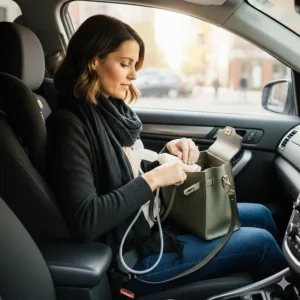
Frequently Asked Questions ❓
❓ How do I choose the right size breast pump purse for my specific pump model?
❓ Can a breast pump purse maintain safe milk temperatures during an 8-hour workday?
❓ What's the best breast pump purse style for public transportation commuting?
❓ Do premium breast pump purse brands justify their higher prices compared to budget options?
❓ How should I clean and maintain my breast pump purse to maximize its lifespan?
Recommended For You 📚
- 7 Best Spectra S1 Breast Pump Kit Options – Ultimate Guide 2025
- Spectra Breast Pump S1 vs S2: 7 Key Differences That Matter in 2025
- 7 Best Breast Pump Comparison Options That Actually Work in 2025
Conclusion: Making Your Perfect Breast Pump Purse Choice
Listen, I get it. You’re exhausted. You’re overwhelmed. And the last thing you need is one more decision to make about baby gear when your brain is already operating on approximately 3 hours of sleep and questionable amounts of coffee.
But here’s the thing – your breast pump purse isn’t just another baby purchase. It’s a daily tool that either makes your life easier or adds to your stress load. And after months of pumping, that difference compounds dramatically.
If there’s one takeaway from everything we’ve covered, it’s this: prioritize your actual needs over aesthetics or price. I know the $40 bag looks “good enough,” and honestly, maybe it is for your situation. But if you’re pumping multiple times daily, commuting long distances, or using this bag in professional settings where appearance matters, that extra investment in quality makes a tangible difference in your daily life.
Think about the features that actually matter for YOUR situation:
✅ Heavy commuters need backpack-style options with serious insulation – look at the MOMIGO or Sarah Wells Kelly
✅ Corporate professionals benefit from executive styling that commands respect – the Sarah Wells Abby delivers here
✅ Budget-conscious moms can absolutely find quality options under $50 – the Teamoy bags punch way above their weight class
✅ Frequent travelers need TSA-friendly organization and compact design – Jay Elle’s complete set solves this beautifully
✅ Exclusive pumpers require maximum durability and capacity – invest in Sarah Wells bags with lifetime warranties
Remember that this purchase isn’t just about transporting a pump. It’s about supporting you during a challenging, exhausting, and honestly undervalued phase of motherhood. You’re literally producing food for your baby while maintaining work, relationships, and trying to keep yourself together. Having gear that works seamlessly matters more than you might think.
Your breast pump purse becomes a companion through countless early mornings, late nights, stressful work presentations, and those desperate pumping sessions in airport bathrooms (we’ve all been there). Choose something that’ll have your back through all of it.
And here’s some real talk: if your first choice doesn’t work out, don’t force yourself to use inadequate gear out of guilt about the money spent. Sell it, return it if possible, or donate it to another mom. Your mental health and pumping success matter more than sunk costs.
🛍️ Your Journey Starts Here! 💝
Ready to transform your pumping experience? These expertly selected breast pump purse options represent the best available solutions for modern moms. Whether you’re seeking budget-friendly functionality, professional styling, or premium quality, there’s a perfect match waiting for you. Click on any highlighted product name above to check current Amazon prices, read thousands of customer reviews, and get your new pumping companion delivered directly to your door. Your future self will thank you for investing in quality gear that makes this journey easier! ✨🎯
Disclaimer: This article contains affiliate links. If you purchase products through these links, we may earn a small commission at no additional cost to you.
✨ Found this helpful? Share it with your friends! 💬🤗
