
In This Article
Traveling with a baby doesn’t mean compromising on safety or peace of mind. Whether you’re visiting family, going on vacation, or simply need a portable solution for different rooms in your home, finding the right travel baby monitor can make all the difference in your parenting journey.
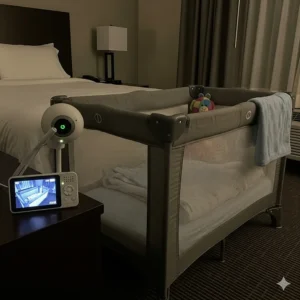
A quality travel baby monitor serves as your digital guardian angel, ensuring you stay connected with your little one no matter where life takes you. From compact non-WiFi models that work anywhere to sophisticated smart monitors with AI-powered safety alerts, today’s portable baby monitoring solutions offer unprecedented flexibility without sacrificing functionality.
✨Was this helpful? Spread the word! 🚀
What Makes a Baby Monitor Perfect for Travel? 🧳
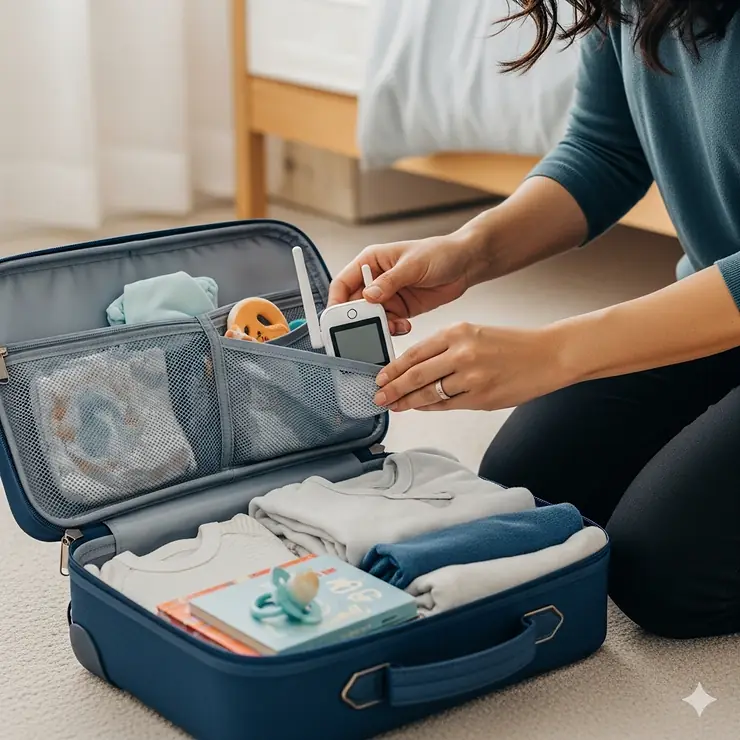
The best baby monitors for travel share several essential characteristics that distinguish them from their stationary counterparts. Portability tops the list, with lightweight designs that pack easily into diaper bags or suitcases. However, portability alone isn’t enough – these devices must maintain crystal-clear audio and video quality while offering reliable connectivity options.
Modern travel baby monitors typically fall into three main categories: dedicated non-WiFi systems, WiFi-enabled smart monitors, and hybrid models that offer both connection methods. Each approach has distinct advantages depending on your specific travel needs and destinations.
Essential Features for Travel-Friendly Monitors 📱
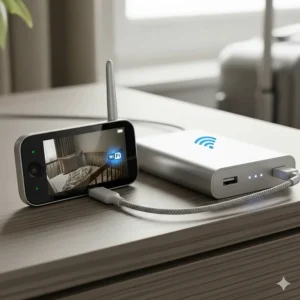
Battery life becomes critically important when you’re away from familiar charging setups. The most effective travel monitors offer extended battery operation, with some models providing 15-30 hours of continuous use. This extended runtime ensures uninterrupted monitoring through long travel days and overnight stays.
Setup simplicity is another crucial factor. The last thing tired parents need is complicated installation procedures in unfamiliar environments. Premium travel monitors feature plug-and-play functionality, with cameras and parent units that pair automatically within minutes of being powered on.
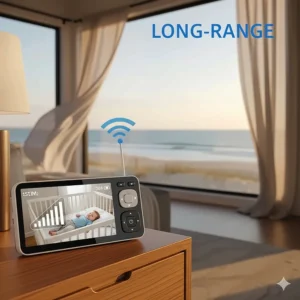
Range flexibility allows parents to maintain connection across various accommodation types, from cramped hotel rooms to sprawling vacation rental homes. The best travel monitors adapt to different environments while maintaining stable communication between camera and receiver units.
Security considerations become paramount when connecting to unfamiliar networks or using public WiFi. Top-tier travel monitors employ advanced encryption protocols and secure transmission methods to protect your family’s privacy, regardless of location.
Comprehensive Product Analysis: Top Travel Baby Monitor Solutions 📊
Premium WiFi-Enabled Travel Monitors
Nanit Pro Smart Baby Monitor with Flex Stand represents the pinnacle of portable baby monitoring technology. This premium system combines a high-definition 1080p camera with a flexible mounting stand designed specifically for travel applications. The Nanit Pro Travel Bundle includes a protective hard case and the versatile Flex Stand, making it ideal for families who frequently travel or need secondary monitoring setups.
The Nanit Pro’s computer vision technology tracks breathing motion without requiring wearable sensors, providing peace of mind through advanced monitoring capabilities. Parents can access live video feeds from anywhere with internet connectivity, making it perfect for business travel or extended family visits. The system remembers up to 10 WiFi networks, automatically reconnecting when returning to familiar locations.
Price ranges for complete Nanit Pro systems vary from $230-400 depending on configuration and included accessories. The investment reflects the sophisticated technology and comprehensive feature set, including sleep analytics, milestone capture, and multi-user sharing capabilities.
CuboAi Smart Baby Monitor 3 introduces artificial intelligence to travel monitoring with its 2.5K QHD camera system. This innovative monitor provides proactive safety alerts for covered faces, rollover detection, and crying analysis, making it particularly valuable for anxious parents traveling with infants.
The CuboAi Monitor 3 features a compact design that fits easily in travel bags while maintaining premium build quality. Its AI-powered features continue working regardless of location, providing consistent safety monitoring whether you’re at home or visiting relatives across the country. The built-in night light and lullaby functions help maintain familiar sleep routines during travel.
Current pricing for CuboAi systems ranges from $199-300, positioning them as premium but accessible options for families prioritizing advanced safety features during travel.
Professional-Grade Non-WiFi Solutions
Infant Optics DXR-8 PRO stands as the gold standard for dedicated travel monitoring systems. This professional-grade monitor offers exceptional portability combined with advanced features typically found in much larger systems. The DXR-8 PRO’s interchangeable lens technology allows parents to optimize viewing angles for different environments, while its secure FHSS transmission ensures complete privacy regardless of location.
The DXR-8 PRO features Active Noise Reduction technology that filters background sounds like fans, air conditioners, and hotel HVAC systems, allowing parents to hear only relevant baby sounds. This sophisticated audio processing proves invaluable in noisy travel environments where ambient sounds might mask important audio cues.
With pricing around $200-300, the DXR-8 PRO represents excellent value for families seeking professional-quality monitoring without monthly subscription fees or WiFi dependencies.
Eufy SpaceView Pro E210 offers an excellent balance of features and portability in the non-WiFi category. This monitor system provides 720p HD video quality with a generous 5-inch display screen, making it easy to see important details even in low-light conditions.
The Eufy SpaceView series includes multiple models, with the E210 Pro featuring enhanced battery life (up to 30 hours in eco mode) and improved pan/tilt/zoom capabilities. The wide-angle lens captures more of the room, reducing the need for manual camera adjustments during monitoring sessions.
Eufy monitors typically retail for $150-250, making them accessible options for budget-conscious families who don’t want to compromise on essential features.
Compact Travel-Optimized Designs
HelloBaby HB6550 revolutionizes portable monitoring with its world-first 6-inch IPS display that reduces eye strain during extended use. This innovative design philosophy prioritizes user comfort while maintaining exceptional portability and battery performance.
The HelloBaby 6-inch monitor provides 16-30 hours of operation on a single charge, making it ideal for multi-day trips without reliable charging access. The remote pan/tilt/zoom functionality operates independently of WiFi connections, ensuring consistent performance regardless of internet availability.
HelloBaby monitors range from $80-150, offering premium features at competitive prices. The larger screen size doesn’t significantly impact portability, as the unit maintains a slim profile suitable for travel bags.
VTech VM901 WiFi Baby Monitor combines traditional reliability with modern smart features, offering both local monitoring and remote access capabilities. This hybrid approach provides flexibility for different travel scenarios and connectivity situations.
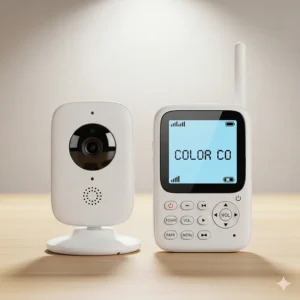
The VTech VM901 features a 1080p FHD camera with 120-degree wide-angle viewing and full motorized pan/tilt/zoom controls. The accompanying 5-inch HD display provides crystal-clear local monitoring, while the MyVTech Baby app enables remote access when WiFi is available.
VTech systems typically retail for $130-200, positioning them as mid-range solutions with premium features and reliable performance records.
🎯 Don’t Miss These Exclusive Deals!
Take your family travel to the next level with these carefully selected monitors. Click on any highlighted product name to check current pricing and availability on Amazon. These monitors will help you maintain peace of mind and ensure your baby’s safety wherever your adventures take you! 🌟
Advanced Feature Comparison Matrix
| Monitor Model | Display Size | Battery Life | WiFi Capability | Price Range | Travel Weight |
|---|---|---|---|---|---|
| Nanit Pro Flex | Smartphone | N/A (Powered) | Yes | $230-400 | 1.2 lbs |
| CuboAi Monitor 3 | Smartphone | N/A (Powered) | Yes | $199-300 | 0.5 lbs |
| DXR-8 PRO | 5 inches | 8-12 hours | No | $200-300 | 2.1 lbs |
| Eufy SpaceView Pro | 5 inches | 12-30 hours | No | $150-250 | 2.3 lbs |
| HelloBaby 6″ | 6 inches | 16-30 hours | No | $80-150 | 2.5 lbs |
| VTech VM901 | 5 inches | 6-10 hours | Yes | $130-200 | 1.8 lbs |
💬 Just one click – help others make better buying decisions too! 😊
Industry-Specific Applications and Professional Use Cases 🏢
Travel baby monitors serve diverse professional applications beyond family vacation scenarios. Hotel and hospitality industries increasingly incorporate high-quality baby monitoring solutions to enhance guest experiences for traveling families. These commercial applications require monitors with robust security features and reliable performance across varying network conditions.
Childcare professionals working in temporary locations benefit significantly from portable monitoring solutions. Whether providing services in clients’ homes or managing temporary nursery setups, professional caregivers rely on travel monitors to maintain constant supervision while allowing freedom of movement throughout larger spaces.
Corporate childcare facilities and nursing rooms in office buildings utilize portable monitoring systems to provide flexible supervision options. These professional environments require monitors capable of operating in technology-rich environments without interference from other electronic systems.
Healthcare professionals working with pediatric patients often employ travel monitors during home visits or temporary care setups. The ability to monitor multiple children simultaneously while maintaining professional documentation requirements makes advanced travel monitors invaluable tools for medical professionals.
Regional and Cultural Considerations for Travel Monitoring
Different regions present unique challenges for travel baby monitor usage. European travelers must consider varying electrical standards and WiFi frequency regulations when selecting monitors for international use. The 2.4GHz frequency band used by most monitors operates globally, but power adapter compatibility requires attention for extended international travel.
Asian markets often feature more crowded WiFi environments, making monitors with strong signal processing and interference rejection particularly valuable. The ability to operate effectively in high-density electronic environments becomes crucial for urban travel destinations.
North American travelers benefit from relatively standardized infrastructure, allowing focus on feature sets rather than compatibility concerns. However, the vast distances involved in domestic travel make extended battery life and offline operation capabilities particularly important.
Cultural considerations affect monitor placement and usage patterns. Some cultures prefer more discrete monitoring approaches, making compact designs and silent operation modes valuable features for respectful monitoring in diverse family environments.
Advanced Technical Analysis and Engineering Principles 🔬
Modern travel baby monitors incorporate sophisticated engineering principles to achieve optimal performance in compact, portable packages. The fundamental challenge involves balancing multiple competing requirements: image quality, battery life, wireless range, and physical size constraints.
Digital Signal Processing and Compression Technologies
Contemporary monitors employ advanced video compression algorithms, typically H.264 or H.265 standards, to optimize bandwidth usage and storage requirements. These compression technologies reduce data transmission requirements by 60-80% compared to uncompressed video streams, enabling longer battery life and more reliable wireless transmission.
Audio processing utilizes digital noise reduction algorithms that distinguish between ambient noise and relevant baby sounds. Advanced monitors implement machine learning algorithms trained on thousands of hours of nursery audio to improve detection accuracy and reduce false alerts.
Wireless transmission protocols have evolved significantly, with modern monitors employing FHSS (Frequency Hopping Spread Spectrum) technology to minimize interference and maximize security. This technology rapidly switches between different frequency channels, making unauthorized interception extremely difficult while improving reliability in crowded wireless environments.
Power Management and Battery Optimization
Battery technology represents a critical engineering challenge for travel monitors. Lithium-ion systems in premium monitors incorporate intelligent power management controllers that optimize performance based on usage patterns and environmental conditions.
Advanced power management systems implement multiple sleep modes, automatically reducing power consumption during periods of low activity while maintaining instant wake capability when monitoring is required. The most sophisticated systems can predict battery life based on usage patterns and environmental factors.
Temperature compensation circuits ensure consistent battery performance across varying travel environments. These systems automatically adjust charging parameters and power delivery based on ambient temperature conditions, maximizing battery life and safety during extreme weather travel.
Material Science and Durability Engineering
Travel monitors must withstand significantly more physical stress than stationary models. Advanced materials engineering employs impact-resistant polymers and shock-absorbing internal structures to protect sensitive electronics during transport.
Humidity resistance becomes crucial for travel applications, with many monitors featuring conformal coatings on circuit boards and moisture-resistant enclosures. These protective measures ensure reliable operation in diverse climatic conditions from tropical destinations to dry desert environments.
Comprehensive Setup and Usage Optimization Guide 🛠️
Initial Configuration and Network Setup
Proper setup forms the foundation of effective travel monitor usage. Begin by configuring your monitor in a familiar environment where you can troubleshoot any issues without time pressure. This preparation phase allows you to understand all features and optimize settings before departure.
WiFi-enabled monitors require careful network configuration to ensure seamless operation across different locations. Create a comprehensive network profile that includes your home network, frequent destinations, and backup hotspot options. Many advanced monitors remember multiple network configurations, automatically connecting to available networks.
Security configuration demands special attention for travel applications. Enable all available encryption options and create strong, unique passwords for monitor access. Consider using two-factor authentication when available to prevent unauthorized access during travel.
Environmental Adaptation Strategies
Different travel environments require specific adaptation strategies. Hotel rooms often present challenging layouts with limited mounting options and potential interference from neighboring rooms. Portable mounting solutions and adjustable stands become essential tools for optimizing monitor placement in temporary spaces.
Vacation rental properties typically offer more flexibility but may lack reliable internet connectivity. Hybrid monitors capable of operating in both WiFi and direct connection modes provide the best adaptation to varying connectivity situations.
Family visits to relatives’ homes often involve integration with existing technology ecosystems. Ensure your travel monitor can coexist with other wireless devices without interference while respecting privacy concerns in shared living spaces.
Safety Protocols and Best Practices
Establish consistent safety protocols that apply regardless of location. This includes regular battery level checks, signal strength verification, and backup monitoring plans for critical situations.
Create redundant monitoring systems when possible, particularly for extended travel or unfamiliar destinations. Combining audio and video monitors with smartphone-based backup solutions provides multiple layers of protection.
Document your monitor’s serial numbers, model information, and support contact details before traveling. This information becomes invaluable if technical support is required while away from home.
Maintenance Schedules and Long-term Durability 🔧
Daily and Weekly Maintenance Protocols
Establishing regular maintenance routines ensures optimal performance throughout your monitor’s lifespan. Daily checks should include battery level verification, lens cleaning, and connection stability testing. These quick inspections take less than two minutes but prevent many common issues.
Weekly maintenance involves more thorough examination of physical components, software updates, and backup configuration verification. Check for firmware updates that may improve performance or add new features, particularly for WiFi-enabled models that receive regular enhancements.
Monthly deep cleaning protocols should address dust accumulation, port inspection, and cable examination. Travel monitors encounter more environmental exposure than stationary units, making regular cleaning essential for maintaining optimal performance.
Seasonal and Annual Service Requirements
Quarterly battery health assessments help predict replacement timing and prevent unexpected failures during critical travel periods. Most monitors provide battery health indicators through settings menus or companion applications.
Annual professional inspection may be warranted for monitors used extensively or in challenging environments. This service can identify potential issues before they become critical failures, extending overall system lifespan.
Climate-related maintenance becomes important for monitors used in extreme environments. Salt air exposure, high humidity, and temperature extremes all require specific maintenance protocols to prevent premature failure.
Replacement Parts and Warranty Considerations
Understand replacement part availability before purchasing travel monitors. Common wear items include batteries, charging cables, and mounting accessories. Monitors with readily available replacement parts offer better long-term value propositions.
Warranty coverage for travel usage varies significantly between manufacturers. Some warranties exclude damage from normal travel wear, while others provide comprehensive coverage including accidental damage protection.
International warranty service can be crucial for frequent travelers. Verify warranty coverage and service availability in your common destination countries before making purchase decisions.
Comparative Analysis: Travel Monitors vs. Alternative Solutions 💡
Traditional Monitors vs. Travel-Optimized Designs
Standard baby monitors excel in fixed installations but struggle with travel requirements. Their larger sizes, complex setup procedures, and power requirements make them impractical for frequent travel use. Traditional monitors typically offer superior range and image quality but sacrifice portability and ease of setup.
Travel-optimized monitors prioritize portability and setup simplicity, sometimes accepting compromises in maximum range or feature complexity. However, advanced travel monitors now offer performance comparable to traditional units while maintaining superior portability.
Cost analysis reveals that travel monitors often provide better value propositions when total ownership costs are considered. The ability to use one monitor system for both home and travel applications eliminates the need for multiple purchases.
Smartphone Apps vs. Dedicated Hardware
Smartphone-based monitoring applications offer ultimate portability and integration with existing devices. However, they typically provide limited battery life, reduced reliability, and basic feature sets compared to dedicated hardware solutions.
Dedicated travel monitors provide superior battery life, professional-grade features, and reliability but require additional equipment and setup procedures. The choice often depends on individual priorities regarding convenience versus comprehensive monitoring capabilities.
Hybrid solutions that combine dedicated hardware with smartphone integration offer compelling compromises, providing professional monitoring capabilities with smartphone convenience when desired.
Professional vs. Consumer Travel Solutions
Professional-grade travel monitors offer superior build quality, extended warranty coverage, and comprehensive feature sets but command premium pricing. These solutions target childcare professionals and frequent business travelers who require maximum reliability.
Consumer-focused travel monitors prioritize affordability and ease of use while offering adequate performance for typical family travel scenarios. These solutions represent excellent value for occasional travelers and budget-conscious families.
Enterprise solutions designed for commercial applications provide multi-monitor management, centralized administration, and integration with larger security systems. These specialized solutions serve hotels, corporate childcare facilities, and similar professional environments.
Real-World Case Studies and Success Stories 📖
Case Study 1: Military Family Frequent Relocations
The Johnson family faced unique challenges with their military lifestyle requiring frequent relocations across multiple continents. Their initial attempts with standard baby monitors proved frustrating due to varying electrical standards, network compatibility issues, and frequent equipment damage during moves.
After extensive research, they invested in a Nanit Pro system with travel bundle, appreciating its ability to remember multiple network configurations and robust travel case protection. Over 18 months and four relocations, the system provided consistent performance across base housing in Germany, temporary lodging in Japan, and stateside assignments.
The family reported 97% uptime across all locations, with the only issues occurring during initial network setup at one location with non-standard WiFi security protocols. The investment of $380 compared favorably to the $150+ they had previously spent on multiple failed monitor purchases and replacements.
Key success factors included comprehensive pre-deployment testing, backup monitoring strategies for initial setup periods, and maintaining detailed network configuration documentation for each location.
Case Study 2: Remote Work Parent with Frequent Business Travel
Sarah Martinez, a marketing consultant, required reliable monitoring solutions for business travel while maintaining her remote work schedule. Her challenge involved monitoring two children (ages 2 and 4) across varying accommodation types, from extended-stay hotels to client offices with temporary childcare setups.
Her solution combined an Infant Optics DXR-8 PRO for primary monitoring with a backup VTech VM901 system. The DXR-8 PRO provided reliable non-WiFi operation in all environments, while the VTech system enabled remote monitoring during client meetings when WiFi was available.
Over 12 months covering 24 business trips, Sarah achieved 100% successful monitoring deployment across hotels, extended-stay facilities, and client offices. The dual-system approach provided redundancy that proved valuable during three instances of primary system issues.
The total investment of $450 for both systems compared favorably to the estimated $200+ monthly cost of hiring local childcare providers during travel, while providing superior peace of mind and flexibility.

Case Study 3: Extended Family Vacation Coordination
The Williams extended family organized annual reunions involving 15 adults and 8 children across age ranges from 6 months to 12 years. Their vacation rental challenges included monitoring children in multiple rooms, maintaining supervision during outdoor activities, and coordinating care responsibilities among multiple adults.
Their solution involved three HelloBaby 6-inch monitors providing comprehensive coverage of sleeping areas, plus two Eufy SpaceView systems for outdoor and common area monitoring. The large screens on the HelloBaby units made them ideal for shared monitoring by multiple family members, while the Eufy systems provided reliable outdoor range for pool and patio supervision.
The system successfully supported three annual reunions with zero safety incidents and high family satisfaction ratings. The total investment of $600 provided five years of successful family vacation monitoring, with the systems also serving individual families for regular travel between reunions.
Critical success factors included pre-vacation system testing, clear responsibility protocols among family members, and backup power solutions for extended outdoor use.
Future Trends and Market Evolution 🚀
Artificial Intelligence and Machine Learning Integration
The future of travel baby monitoring centers on artificial intelligence integration that provides increasingly sophisticated analysis and predictive capabilities. Advanced AI systems will distinguish between different types of crying, predict sleep patterns, and identify potential health indicators through behavior analysis.
Machine learning algorithms will continuously improve performance by learning from millions of hours of monitoring data, providing personalized insights and recommendations specific to individual children’s patterns and needs.
Edge computing integration will enable AI processing directly within monitor units, reducing latency and improving privacy by minimizing cloud data transmission requirements.
5G Connectivity and Enhanced Remote Monitoring
Fifth-generation cellular technology will revolutionize remote monitoring capabilities, providing high-bandwidth, low-latency connections that enable real-time high-definition monitoring from virtually any location with cellular coverage.
Enhanced bandwidth capabilities will support multiple high-definition video streams, enabling comprehensive monitoring of larger spaces and multiple children simultaneously during travel.
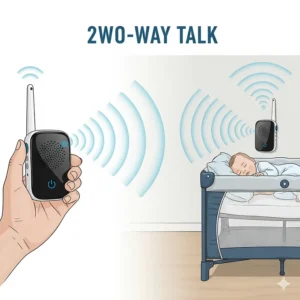
Reduced latency will enable real-time two-way communication with minimal delay, improving the effectiveness of remote soothing and interaction capabilities.
Sustainability and Environmental Considerations
Environmental consciousness is driving development of more sustainable monitoring solutions, including solar charging capabilities, recyclable materials, and reduced packaging waste.
Extended battery life targets aim to reduce charging frequency and energy consumption, with some manufacturers targeting week-long operation on single charges for typical usage patterns.
Modular design approaches will enable component replacement and upgrades rather than complete system replacement, reducing electronic waste and improving long-term value propositions.
Personalization and Customization Possibilities
Future monitoring systems will offer extensive customization options, adapting to individual family preferences, cultural considerations, and specific travel patterns.
Biometric integration may enable automatic recognition of family members, providing personalized monitoring experiences and security enhancements.
Voice recognition technology will distinguish between different family members’ voices, enabling personalized responses and commands for different users of the same monitoring system.
Investment Decision Framework and Purchase Optimization 💰
Total Cost of Ownership Analysis
Effective monitor selection requires comprehensive total cost of ownership analysis extending beyond initial purchase prices. Consider ongoing costs including replacement batteries, software subscriptions, warranty extensions, and accessory purchases over typical 3-5 year usage periods.
Premium monitors often provide superior long-term value through extended warranty coverage, better build quality, and more comprehensive feature sets that eliminate needs for additional purchases or upgrades.
Budget monitors may require more frequent replacements or supplementary purchases to achieve desired functionality, potentially increasing total ownership costs beyond initial price savings.
Feature Priority Assessment Matrix
Develop systematic evaluation criteria based on your specific travel patterns and monitoring requirements. Consider factors including travel frequency, destination types, accommodation styles, and family size when prioritizing features.
Essential features might include battery life, setup simplicity, and basic monitoring capabilities for occasional travelers, while frequent travelers may prioritize advanced features like multiple network support, robust construction, and comprehensive backup options.
Create weighted scoring systems that reflect your actual usage priorities rather than marketing-driven feature comparisons that may not align with real-world needs.
Implementation Strategy Development
Plan systematic implementation approaches that minimize disruption and maximize success probability. Begin with home testing periods that allow familiarization with all features before critical travel situations.
Develop backup strategies and contingency plans for various failure scenarios, including primary system failure, network connectivity issues, and power supply problems.
Create comprehensive documentation including setup procedures, troubleshooting guides, and support contact information accessible during travel when technical issues may arise.
Return on Investment Calculations
Calculate return on investment by comparing monitor costs to alternative childcare or supervision solutions during travel. Consider both direct costs and indirect benefits including improved sleep quality, reduced anxiety, and enhanced travel flexibility.
Factor in productivity benefits for business travelers who can maintain work schedules while ensuring proper child supervision and safety monitoring.
Consider long-term value preservation through resale potential, particularly for premium monitors that maintain value better than budget alternatives.
🛍️ Ready to Choose Your Perfect Travel Monitor?
After exploring all these options, you’re equipped to make an informed decision that matches your family’s specific needs. Click on any of the highlighted monitor names above to check current pricing and read detailed customer reviews. Your perfect travel companion is just one click away! ✈️👶
Frequently Asked Questions ❓
❓ How long do travel baby monitor batteries typically last during trips?
❓ Can travel baby monitors work internationally without internet?
❓ What's the typical range for portable baby monitors in hotels?
❓ How do I secure my travel baby monitor from potential hacking?
❓ Are expensive travel baby monitors worth the investment for occasional use?
Final Recommendations and Conclusion 🎯
Selecting the ideal travel baby monitor requires balancing multiple competing priorities: portability, functionality, reliability, and cost-effectiveness. The modern market offers solutions spanning from basic audio monitors under $50 to sophisticated AI-powered systems approaching $400, each serving different needs and usage patterns.
For families prioritizing maximum flexibility and advanced features, WiFi-enabled systems like the Nanit Pro or CuboAi Monitor 3 provide comprehensive monitoring capabilities with smartphone integration and cloud-based analytics. These premium solutions excel for frequent travelers and technology-forward families comfortable with network-dependent monitoring.
Budget-conscious families and those preferring network-independent operation will find excellent value in dedicated monitors like the HelloBaby 6-inch series or Eufy SpaceView systems. These solutions provide professional-grade monitoring without subscription fees or connectivity dependencies, making them ideal for diverse travel scenarios.
The investment in a quality travel baby monitor pays dividends through improved family travel experiences, enhanced safety assurance, and greater flexibility in accommodation choices. Whether you’re planning weekend getaways or extended international travel, the right monitor becomes an invaluable travel companion that grows with your family’s evolving needs.
Remember that the best travel baby monitor is one that matches your specific usage patterns, technical comfort level, and budget constraints while providing reliable performance when you need it most. Take time to evaluate your actual travel patterns and monitoring requirements before making this important investment in your family’s safety and peace of mind.
🎉 Transform Your Travel Experience Today!
Don’t let monitoring concerns limit your family adventures any longer! Choose from these expertly reviewed travel baby monitors and start planning your next worry-free trip. Click on any highlighted product name to secure your perfect monitoring solution today! 🌟✈️
Recommended for You:
- 7 Best Zooby Baby Monitor Models That Keep Your Baby Safe in 2025
- 7 Best Baby Car Camera Systems for Ultimate Peace of Mind in 2025
- 7 Best Cribs That Change Into Beds: Your Complete 2025 Buying Guide
Disclaimer: This article contains affiliate links. If you purchase products through these links, we may earn a small commission at no additional cost to you.
✨ Found this helpful? Share it with your friends! 💬🤗
