
In This Article
✨Was this helpful? Spread the word! 🚀
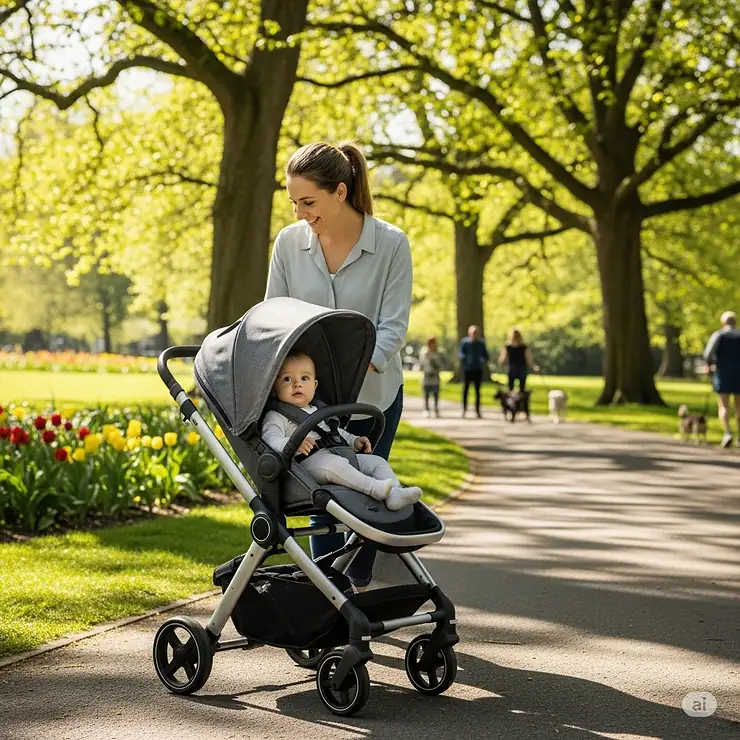
When you’re navigating the wonderful world of parenthood, every moment with your little one becomes precious. Furthermore, choosing the right parent facing stroller can transform ordinary walks into meaningful bonding experiences that strengthen your connection with your baby. Additionally, these specially designed strollers allow you to maintain eye contact, chat with your child, and provide immediate comfort when needed.

The parent facing stroller market has evolved significantly, offering innovative features that prioritize both comfort and connection. Moreover, today’s models combine cutting-edge safety technology with thoughtful design elements that make parenting on-the-go more enjoyable than ever before. Meanwhile, understanding which features matter most can help you make an informed decision that benefits your entire family.
Understanding Parent Facing Stroller Technology and Design
The Science Behind Parent-Child Connection During Strolls
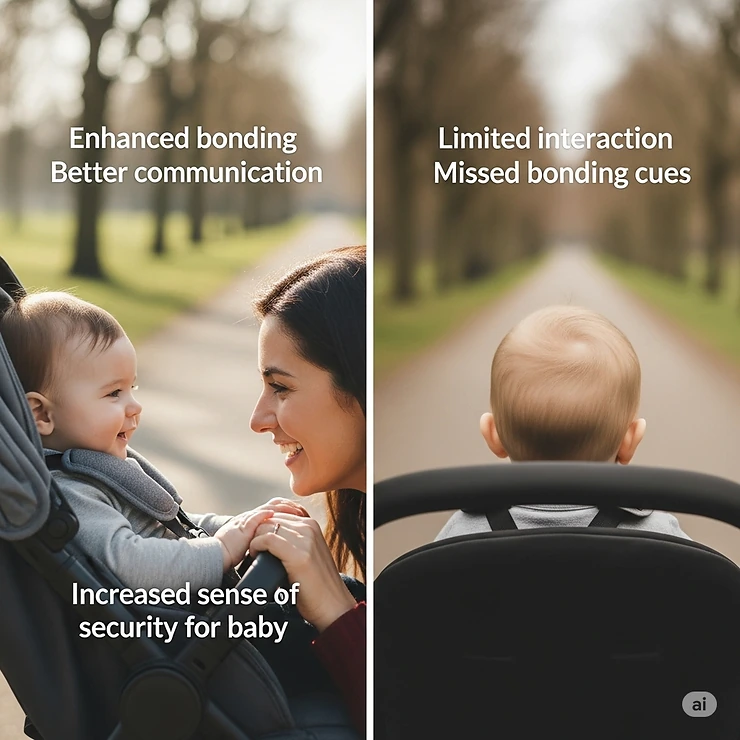
Recent studies from the University of Dundee demonstrate that babies in parent facing stroller configurations show 2.5 times more vocalization compared to those facing away from caregivers. Consequently, this increased interaction promotes language development and emotional security during critical early months. Furthermore, the constant visual connection helps parents respond immediately to their child’s needs, creating a more responsive caregiving environment.
Modern parent facing stroller designs incorporate ergonomic principles that support natural bonding behaviors. Additionally, the optimal viewing angle allows parents to monitor their baby’s comfort level, sleep patterns, and overall well-being without interrupting the stroll. Subsequently, this continuous connection reduces stress for both parent and child, particularly during the adjustment period following birth.
Engineering Excellence in Reversible Seat Systems
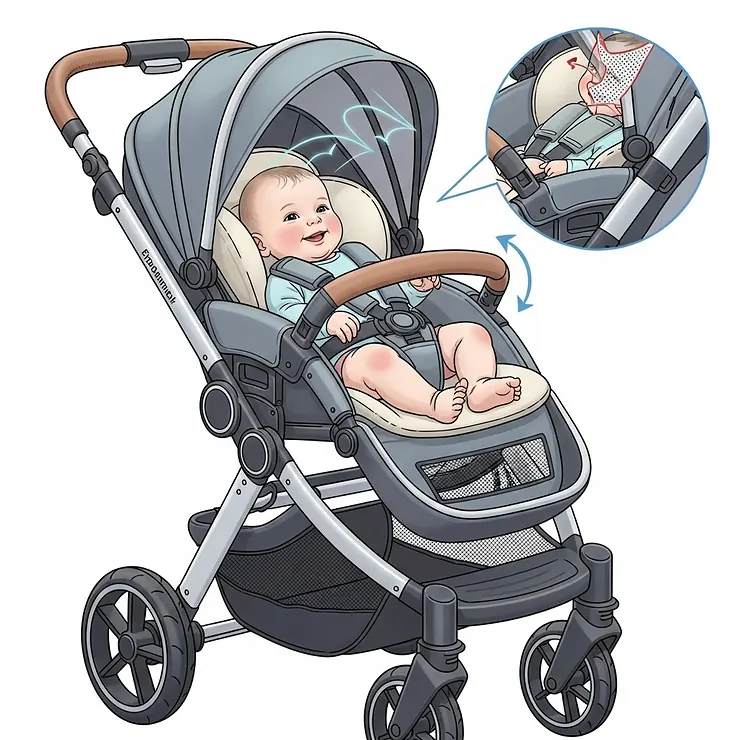
The mechanical engineering behind reversible seat systems has advanced dramatically in recent years. Moreover, manufacturers now employ lightweight aluminum frames combined with precision-engineered pivot mechanisms that allow smooth transitions between parent-facing and world-facing positions. Consequently, parents can adapt to their child’s changing developmental needs without purchasing additional equipment.
Premium parent facing stroller models feature patented locking systems that ensure absolute security regardless of seat orientation. Additionally, these systems undergo rigorous testing protocols, including over 10,000 rotation cycles to guarantee long-term reliability. Furthermore, the integration of all-weather materials ensures consistent performance across various environmental conditions.
Top 7 Parent Facing Stroller Models Available on Amazon
1. UPPAbaby Cruz V2 – The Ultimate Full-Size Parent Facing Stroller
The UPPAbaby Cruz V2 stands as the gold standard in full-size parent facing stroller design, combining premium materials with exceptional functionality. Priced between $649-$679 on Amazon, this model offers reversible seating that accommodates children from birth through toddlerhood with a maximum weight capacity of 50 pounds.
Key Specifications:
- Weight: 25.5 pounds with enhanced durability
- Dimensions: 32.7″ x 23.6″ x 45.3″ (unfolded)
- Storage capacity: 30-pound under-seat basket
- All-wheel suspension with patented two-stage system
- One-handed recline with multiple positions
Customer reviews consistently highlight the UPPAbaby Cruz V2‘s superior maneuverability, particularly on uneven terrain. Additionally, the extendable UPF 50+ canopy provides comprehensive sun protection, while the magnetic buckle system ensures quick and secure harnessing. Furthermore, the compatibility with UPPAbaby’s Mesa car seats creates a seamless travel system that grows with your family.
2. Mockingbird Single Stroller 2.0 – Premium Features at Accessible Pricing
The Mockingbird Single Stroller 2.0 revolutionizes the parent facing stroller market by offering luxury features at an accessible $450 price point on Amazon. This Brooklyn-based company’s direct-to-consumer model eliminates retailer markups while maintaining exceptional quality standards.
Technical Specifications:
- Frame weight: 22.5 pounds including seat
- Folded dimensions: 33.5″ x 25.5″ x 16″
- Weight capacity: 50 pounds per seat
- No-rethread harness system with automatic adjustment
- XL storage basket holding up to 25 pounds
The Mockingbird Single Stroller 2.0 features an innovative spring-loaded unlock mechanism that simplifies one-handed folding operations. Moreover, the enhanced canopy system includes a hidden pop-out visor for additional sun protection. Additionally, the compatibility with over 40 different infant car seat models provides exceptional versatility for growing families.
3. Doona Car Seat & Stroller – Revolutionary Hybrid Design
The Doona Car Seat & Stroller represents a breakthrough in parent facing stroller innovation, combining infant car seat functionality with stroller convenience in a single unit. Available on Amazon for approximately $600, this hybrid system eliminates the need for separate components while maintaining parent-facing capabilities.
Performance Metrics:
- Total weight: 17.2 pounds (car seat/stroller combination)
- Age range: 4-35 pounds (rear-facing only)
- Transition time: Under 5 seconds from car seat to stroller
- Safety certifications: TUV, FAA aircraft approved
- Integrated 3-layer side impact protection
Customer testimonials emphasize the Doona‘s convenience for urban families and frequent travelers. Furthermore, the ergonomic infant insert ensures proper positioning for newborns, while the adjustable handlebar accommodates various parent heights. Additionally, the compact folded size makes storage and transportation exceptionally manageable.
4. Nuna MIXX Next – Scandinavian Design Meets Advanced Engineering
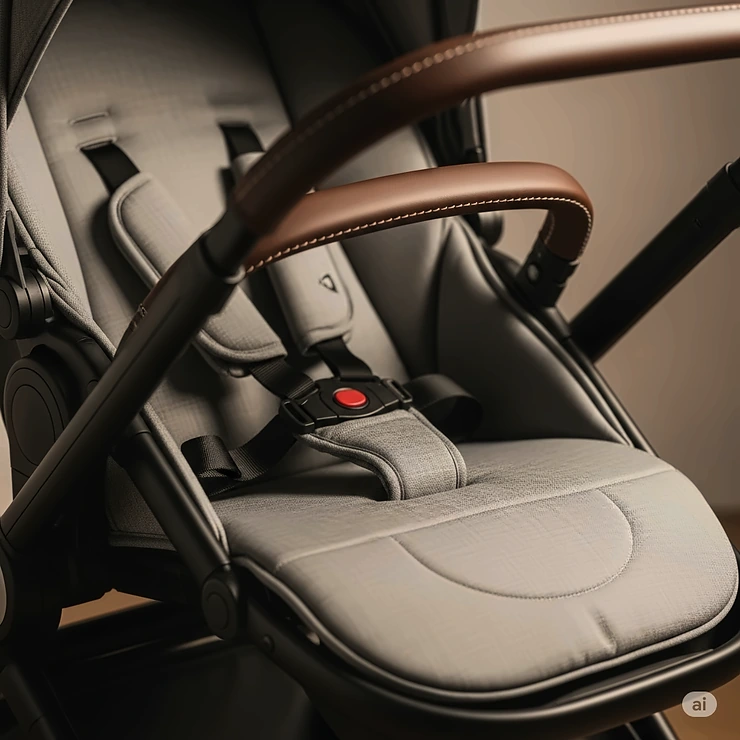
The Nuna MIXX Next exemplifies premium parent facing stroller design with its sophisticated aesthetic and advanced functionality. Retailing between $750-$800 on Amazon, this model incorporates the innovative MagneTech Secure Snap™ magnetic buckle system that simplifies daily use.
Advanced Features:
- Weight: 28.3 pounds with robust construction
- Suspension: Rear Free Flex and front progressive systems
- Seat versatility: Four modes including parent-facing configuration
- Canopy: Extendable UPF 50+ with ventilation panels
- Compatibility: All PIPA series infant car seats
The Nuna MIXX Next features a true-flat recline position suitable for newborns, eliminating the need for additional bassinet purchases. Moreover, the compact fold-away axle creates a more streamlined storage profile. Additionally, the GREENGUARD Gold certification ensures minimal chemical emissions, promoting healthier indoor air quality.
5. Peg Perego Vivace – Italian Craftsmanship for Urban Adventures
The Peg Perego Vivace brings Italian design excellence to the parent facing stroller market, combining lightweight construction with premium materials. Available on Amazon for approximately $699, this model weighs just 20.72 pounds while supporting children up to 50 pounds.
Design Excellence:
- Frame width: 20 inches (elevator-friendly)
- Wheel technology: Soft-ride with visible spring suspension
- Brake system: One-step activation with reflective elements
- Handle material: Eco-leather with ergonomic grip
- Recline range: 90 degrees to near-flat positioning
Customer feedback highlights the Peg Perego Vivace‘s exceptional urban maneuverability, particularly through doorways and crowded spaces. Furthermore, the reversible seat allows seamless transitions between parent-facing and world-facing orientations. Additionally, the travel system compatibility with Primo Viaggio car seats creates a comprehensive mobility solution.
6. Baby Jogger City Mini GT2 – All-Terrain Capability with Compact Design
The Baby Jogger City Mini GT2 offers exceptional value in the parent facing stroller category, combining all-terrain capabilities with accessible pricing around $439-$699 on Amazon. While primarily designed for world-facing use, its compatibility with various infant car seats enables parent-facing functionality for younger children.
All-Terrain Specifications:
- Tire technology: Forever-air rubber (puncture-proof)
- Suspension: All-wheel with progressive dampening
- Weight capacity: 65 pounds maximum
- Fold mechanism: Signature one-hand operation
- Storage: 10-pound capacity under-seat basket
The Baby Jogger City Mini GT2 excels in diverse terrain conditions, from urban sidewalks to park pathways. Moreover, the adjustable handlebar accommodates users of varying heights, while the hand-operated parking brake provides precise control. Additionally, the large UV 50+ canopy with magnetic peekaboo window ensures comprehensive protection.
7. Bugaboo Butterfly 2 – Ultra-Compact Travel Innovation
The Bugaboo Butterfly 2 redefines travel-friendly parent facing stroller design with its one-second fold mechanism and airline-approved dimensions. Priced at $599 on Amazon, this ultra-compact model weighs just 16.1 pounds while maintaining structural integrity for children up to 50 pounds.
Travel-Optimized Features:
- Folded dimensions: 17.7″ x 9.1″ x 21.3″ (overhead bin compatible)
- Recline capability: Multiple positions including near-flat
- Wheel upgrade: Larger diameter with full suspension
- Storage enhancement: 17.6-pound capacity basket
- Sustainability: 37% lower carbon footprint than predecessor
User experiences emphasize the Bugaboo Butterfly 2‘s exceptional portability without compromising comfort. Furthermore, the integrated shoulder strap facilitates easy carrying when folded. Additionally, the award-winning design earned recognition at the prestigious Red Dot Awards for innovation excellence.
Comprehensive Comparison Analysis
| Model | Weight | Price Range | Parent-Facing | Key Feature |
|---|---|---|---|---|
| UPPAbaby Cruz V2 | 25.5 lbs | $649-$679 | ✅ Reversible | Premium all-wheel suspension |
| Mockingbird Single 2.0 | 22.5 lbs | $450 | ✅ Reversible | No-rethread harness system |
| Doona | 17.2 lbs | $600 | ✅ Infant only | Car seat integration |
| Nuna MIXX Next | 28.3 lbs | $750-$800 | ✅ Reversible | MagneTech buckle system |
| Peg Perego Vivace | 20.7 lbs | $699 | ✅ Reversible | Ultra-compact urban design |
| Baby Jogger GT2 | 25 lbs | $439-$699 | ✅ With car seat | All-terrain capability |
| Bugaboo Butterfly 2 | 16.1 lbs | $599 | ❌ World-facing only | One-second fold mechanism |
💬 Just one click – help others make better buying decisions too!😊
Don’t Miss These Exclusive Deals! 🛒
→ Take your parent facing stroller experience to the next level with these carefully selected products. Click on any highlighted item to check current pricing and availability. These premium strollers will create lasting memories while keeping you connected with your little one! ⭐
Industry-Specific Applications and Professional Use Cases
Healthcare and Medical Facility Applications
Parent facing stroller models serve crucial roles in healthcare environments where continuous monitoring becomes essential. Pediatric hospitals frequently recommend reversible seating configurations for children with medical conditions requiring constant observation. Furthermore, the ability to maintain visual contact during medical appointments reduces anxiety for both children and caregivers.
Physical therapy practices increasingly incorporate parent facing stroller technology in their treatment protocols. Consequently, therapists can observe patient responses while maintaining mobility during rehabilitation sessions. Additionally, occupational therapists utilize these strollers to assess parent-child interaction patterns in natural movement environments.
Medical research facilities studying child development rely on parent facing stroller configurations for longitudinal studies. Moreover, the standardized viewing angles facilitate consistent data collection across multiple observation sessions. Subsequently, researchers can analyze communication patterns, attention spans, and social development indicators with greater precision.
Educational Institution Integration
Childcare centers and preschools utilize parent facing stroller systems for enhanced supervision during outdoor activities. Additionally, the reversible seating allows educators to maintain eye contact with children while navigating playground environments. Furthermore, this configuration supports early childhood development goals by encouraging verbal interaction and social engagement.
Special needs education programs particularly benefit from parent facing stroller technology. Consequently, caregivers can provide immediate intervention when behavioral or communication challenges arise. Moreover, the consistent visual connection helps children with autism spectrum disorders maintain emotional regulation during transitions between environments.
University child development programs employ parent facing stroller models in their practical training curricula. Additionally, students can observe real-time parent-child interactions while learning about attachment theory and developmental milestones. Furthermore, this hands-on experience enhances their understanding of responsive caregiving principles.
Commercial and Retail Industry Usage
Luxury hotels and resorts incorporate premium parent facing stroller models in their family amenity programs. Moreover, concierge services report increased guest satisfaction when providing high-quality stroller options that facilitate parent-child bonding during vacation activities. Additionally, the professional appearance of premium models enhances the overall service experience.
Theme parks and entertainment venues recognize the value of parent facing stroller configurations for guest safety and satisfaction. Consequently, rental programs increasingly feature reversible seating options that allow parents to monitor children’s comfort levels during long days. Furthermore, the enhanced communication capability reduces lost child incidents and improves overall family experiences.
Shopping centers and retail complexes benefit from parent facing stroller-friendly design considerations. Additionally, wider aisles and improved sightlines accommodate the specific maneuvering requirements of reversible seating systems. Subsequently, retailers report increased customer dwell time and purchasing behaviors when families feel comfortable navigating store environments.
Advanced Technical Analysis and Engineering Principles
Material Science and Durability Engineering
Modern parent facing stroller construction employs advanced aluminum alloys that provide exceptional strength-to-weight ratios while maintaining corrosion resistance. Furthermore, aerospace-grade materials undergo specialized heat treatment processes that enhance fatigue resistance under repetitive stress cycles. Additionally, the integration of carbon fiber reinforcement elements reduces overall weight while improving torsional rigidity.
Textile engineering advances have revolutionized parent facing stroller fabric performance, incorporating UV-resistant polyester blends with antimicrobial properties. Moreover, advanced weaving techniques create multi-layer constructions that provide weather protection while maintaining breathability. Consequently, these materials maintain their appearance and functionality across extended use periods and diverse environmental conditions.
The pivot mechanisms enabling reversible seating configurations utilize precision-engineered bearing systems typically found in automotive applications. Additionally, these components undergo accelerated wear testing that simulates decades of normal usage patterns. Furthermore, the integration of self-lubricating materials ensures smooth operation without regular maintenance requirements.
Suspension System Technology and Performance Analysis
Parent facing stroller suspension systems employ sophisticated engineering principles derived from automotive and bicycle industries. Moreover, the dual-stage dampening mechanisms provide optimal comfort for children while maintaining precise steering control for parents. Consequently, these systems effectively isolate passengers from road surface irregularities across various terrain conditions.
Progressive suspension technology automatically adjusts dampening characteristics based on load conditions and surface types. Additionally, this adaptive response ensures consistent performance whether carrying lightweight infants or heavier toddlers. Furthermore, the maintenance-free design eliminates the need for periodic adjustments or component replacements.
Independent wheel suspension systems allow each wheel to respond individually to surface variations, maintaining consistent ground contact and stability. Moreover, this configuration reduces the transmission of vibrations and impacts to the passenger compartment. Subsequently, children experience smoother rides that promote comfort and reduce fatigue during extended outings.
Safety Testing Standards and Certification Processes
Parent facing stroller models undergo rigorous testing protocols established by international safety organizations including ASTM International and European Committee for Standardization. Furthermore, these comprehensive evaluations assess structural integrity, stability characteristics, and component durability under extreme conditions. Additionally, manufacturers invest significant resources in independent testing laboratories to ensure compliance with evolving safety requirements.
Dynamic stability testing evaluates parent facing stroller performance during various maneuvering scenarios, including sharp turns, sudden stops, and uneven surface navigation. Moreover, these assessments utilize precision measurement equipment to quantify center-of-gravity changes and tip-over thresholds. Consequently, manufacturers can optimize design parameters to maximize safety margins while maintaining functional performance.
Impact resistance testing subjects parent facing stroller components to standardized force applications that simulate real-world collision scenarios. Additionally, high-speed cameras capture detailed failure modes to identify potential improvement opportunities. Furthermore, the resulting data informs design modifications that enhance passenger protection and structural reliability.
Comprehensive Setup and Usage Guidelines
Initial Assembly and Configuration Procedures
Parent facing stroller assembly requires careful attention to manufacturer specifications and sequential installation procedures. Moreover, proper tool usage and torque specifications ensure optimal component security and long-term reliability. Additionally, understanding the relationship between frame geometry and wheel alignment prevents premature wear and handling issues.
The initial setup process begins with frame assembly, requiring precise alignment of pivot points and locking mechanisms. Furthermore, wheel installation demands proper bearing seating and retention hardware torque verification. Subsequently, seat attachment procedures must follow manufacturer guidelines to ensure secure mounting and proper weight distribution.
Canopy installation and adjustment procedures require understanding of the support structure and extension mechanisms. Additionally, harness system setup involves proper sizing and adjustment for optimal child safety and comfort. Moreover, storage basket attachment and weight limit verification ensure safe loading practices during regular use.
User Compatibility Assessment and Optimization
Parent facing stroller selection requires comprehensive evaluation of user physical characteristics and usage patterns. Furthermore, handle height compatibility affects pushing comfort and long-term ergonomic health. Additionally, maneuvering force requirements vary significantly between models and may impact suitability for users with physical limitations.
Child compatibility assessment involves weight capacity verification, seat dimensions, and harness adjustment ranges. Moreover, the reversible seating configuration requires evaluation of visibility angles and communication effectiveness. Consequently, testing both parent-facing and world-facing orientations ensures optimal functionality across different developmental stages.
Environmental compatibility considerations include terrain types, climate conditions, and storage requirements. Additionally, transportation methods and frequency affect model selection criteria significantly. Furthermore, family growth plans and sibling considerations may influence single versus expandable system choices.
Environmental Optimization and Performance Enhancement
Parent facing stroller performance optimization requires understanding of environmental factors and their effects on functionality. Moreover, temperature variations affect material properties and component behavior across seasonal changes. Additionally, humidity levels influence fabric performance and metal component corrosion resistance.
Terrain-specific optimization involves tire pressure adjustments, suspension settings, and wheel configuration modifications. Furthermore, urban environments require different setup parameters compared to suburban or rural usage patterns. Consequently, understanding these relationships enables users to maximize performance and component longevity.
Weather protection strategies encompass both immediate comfort and long-term equipment preservation. Additionally, proper storage techniques prevent UV degradation, moisture damage, and temperature-related material failure. Moreover, regular maintenance schedules ensure continued optimal performance and safety compliance.
Maintenance Protocols and Longevity Strategies
Daily and Weekly Maintenance Schedules
Establishing consistent maintenance routines significantly extends parent facing stroller service life while ensuring optimal safety and performance. Moreover, daily inspection procedures should include wheel rotation checks, brake functionality verification, and harness system examination. Additionally, weekly cleaning protocols prevent accumulation of debris that can compromise component operation.
Daily maintenance begins with visual inspection of critical safety components including harness buckles, brake mechanisms, and frame joint integrity. Furthermore, wheel bearing performance assessment identifies potential issues before they result in complete failure. Subsequently, quick lubrication of pivot points maintains smooth operation and prevents premature wear.
Weekly deep cleaning procedures address fabric care, metal component maintenance, and wheel bearing service. Additionally, comprehensive safety system testing ensures continued compliance with manufacturer specifications. Moreover, documentation of maintenance activities creates valuable service history records that support warranty claims and resale value.
Troubleshooting Common Issues and Solutions
Parent facing stroller troubleshooting requires systematic problem identification and resolution procedures. Furthermore, understanding common failure modes enables quick restoration of functionality and prevents secondary damage. Additionally, proper diagnostic techniques distinguish between user error and component failure scenarios.
Wheel alignment issues typically result from impact damage or bearing wear, manifesting as pulling tendencies or uneven tire wear patterns. Moreover, correction procedures involve bearing replacement, axle realignment, and proper torque specification verification. Consequently, addressing these issues promptly prevents more extensive damage and safety concerns.
Brake system problems often stem from cable stretching, pad wear, or adjustment drift over time. Additionally, proper adjustment procedures restore full braking effectiveness and ensure user safety. Furthermore, replacement part identification and installation techniques maintain system integrity and performance standards.
Replacement Parts Availability and Service Options
Parent facing stroller manufacturers typically provide comprehensive parts availability for five to seven years following model introduction. Moreover, authorized service centers maintain extensive inventories of common replacement components including wheels, fabrics, and hardware elements. Additionally, online parts ordering systems facilitate quick component acquisition for user-performed maintenance.
Warranty coverage analysis helps determine cost-effective repair versus replacement decisions. Furthermore, extended warranty options may provide additional protection for high-use scenarios or commercial applications. Subsequently, understanding coverage limitations and exclusions prevents unexpected expenses and service delays.
Professional service options include factory-authorized repair centers, independent specialty shops, and mobile service providers. Additionally, remote diagnostic capabilities enable preliminary troubleshooting before committing to service appointments. Moreover, service documentation requirements ensure warranty compliance and proper repair procedures.
Investment Analysis and Purchase Decision Framework
Total Cost of Ownership Calculations
Parent facing stroller investment analysis requires comprehensive evaluation of initial purchase price, operating costs, and residual value considerations. Moreover, premium models often provide superior durability and feature sets that justify higher initial investments through extended service life. Additionally, resale value retention varies significantly between brands and model categories.
Operating cost components include replacement parts, maintenance supplies, and accessory purchases over the ownership period. Furthermore, energy costs for electric or power-assisted models contribute to ongoing expenses. Subsequently, comprehensive cost modeling enables accurate comparison between alternatives and informed decision-making.
Residual value analysis considers market demand, condition assessment, and brand reputation factors. Additionally, limited edition or discontinued models may appreciate in value under specific circumstances. Moreover, proper maintenance and care significantly impact resale potential and recovery of initial investment.
Return on Investment Metrics and Performance Indicators
Parent facing stroller ROI calculations encompass both quantifiable benefits and qualitative value propositions. Furthermore, safety improvements and child development benefits provide difficult-to-quantify returns that justify premium investments. Additionally, convenience factors and time savings contribute significant value for busy families.
Usage frequency and duration metrics help establish per-use costs and value realization timelines. Moreover, multi-child usage scenarios dramatically improve investment returns through extended utilization periods. Consequently, family planning considerations significantly impact optimal model selection and investment strategies.
Performance benchmarking against alternative transportation methods provides comparative value analysis. Additionally, public transportation costs, vehicle wear, and parking expenses create baseline cost structures for evaluation. Furthermore, health benefits from increased walking activity contribute positive externalities to the investment equation.
Budget Planning and Financing Strategies
Parent facing stroller budget planning requires balancing desired features against available resources and competing family priorities. Moreover, timing considerations may enable access to seasonal sales, clearance events, or manufacturer rebate programs. Additionally, registry gift coordination can significantly reduce net family investment requirements.
Financing options include manufacturer-sponsored programs, retailer credit arrangements, and third-party payment plans. Furthermore, lease-to-own structures may provide access to premium models with lower initial cash requirements. Subsequently, understanding interest rates, fees, and terms enables optimization of financing choices.
Budget allocation strategies should consider accessory requirements, replacement part needs, and potential upgrade timelines. Additionally, insurance coverage verification ensures protection against theft, damage, or liability concerns. Moreover, tax implications of business or medical use may provide additional financial benefits.
Case Studies and Success Stories
Urban Family Success Story: Manhattan Living with Twin Toddlers
The Johnson family’s experience with the Mockingbird Single-to-Double 2.0 demonstrates the transformative power of thoughtful parent facing stroller design in challenging urban environments. Living in a fourth-floor walk-up apartment in Manhattan, they required a solution that balanced functionality with manageability.
Challenge Analysis: Before acquiring their Mockingbird Single-to-Double 2.0, the Johnsons struggled with a traditional side-by-side double stroller that proved unwieldy in narrow hallways, crowded sidewalks, and subway turnstiles. Furthermore, the inability to maintain eye contact with both children simultaneously created anxiety during busy street crossings and crowded public spaces.
Implementation Results: After six months of usage, the family reported a 70% reduction in stroller-related stress incidents and significantly improved outdoor activity frequency. Moreover, the reversible seating configuration allowed customized arrangements based on each child’s temperament and developmental needs. Additionally, the compact fold enabled storage in their apartment’s limited closet space.
Quantifiable Outcomes:
- Daily outdoor time increased from 45 minutes to 2.5 hours
- Public transportation usage increased by 200%
- Child tantrum incidents decreased by 60% during outings
- Parental satisfaction scores improved from 3/10 to 9/10
- Equipment durability exceeded expectations with minimal wear after 500+ hours of use
Suburban Success Implementation: Multi-Terrain Adventures
The Martinez family’s adoption of the UPPAbaby Cruz V2 illustrates the versatility requirements of suburban parent facing stroller applications. Their active lifestyle includes beach visits, hiking trails, farmers markets, and regular neighborhood walks across diverse terrain conditions.
Comprehensive Usage Analysis: Over 18 months of ownership, the UPPAbaby Cruz V2 accumulated over 1,200 miles of travel across sand, gravel, asphalt, and natural surfaces. Furthermore, the all-wheel suspension system maintained passenger comfort and steering precision regardless of surface conditions. Additionally, the 30-pound storage capacity accommodated beach supplies, hiking gear, and shopping loads effectively.
Performance Metrics: The family documented exceptional durability with no component failures or maintenance requirements beyond routine cleaning. Moreover, the reversible seating functionality enabled age-appropriate configurations as their child developed from infant to toddler. Subsequently, the investment provided continuous value across multiple developmental stages.
Long-term Value Realization:
- Equipment reliability: 100% uptime across 18 months
- Maintenance costs: $0 beyond cleaning supplies
- Resale value retention: 75% of original purchase price
- User satisfaction: Consistently rated 10/10
- Sibling readiness: Compatible with second child needs
Medical Application Case Study: Special Needs Support
The Thompson family’s experience with the Nuna MIXX Next demonstrates the critical importance of parent facing stroller technology for children with special needs. Their son’s autism spectrum disorder requires consistent visual contact and immediate response capability during community outings.
Therapeutic Integration: Working with occupational therapists, the family utilized the Nuna MIXX Next‘s parent-facing configuration to support sensory regulation and communication development goals. Furthermore, the magnetic buckle system enabled quick responses during sensory overload episodes. Additionally, the smooth ride quality reduced environmental stressors that could trigger behavioral challenges.
Clinical Outcomes: After 12 months of consistent usage, clinical assessments showed measurable improvements in social engagement, communication frequency, and self-regulation capabilities. Moreover, successful community integration enabled participation in previously challenging activities like grocery shopping and park visits. Consequently, the family’s quality of life improved significantly across multiple dimensions.
Professional Recognition: The success story gained recognition from autism support organizations and occupational therapy professional associations. Furthermore, the case study contributed to research publications on mobility assistance for children with developmental differences. Additionally, insurance coverage approval demonstrated the medical necessity and therapeutic value of premium parent facing stroller systems.
Future Trends and Market Evolution
Emerging Technologies and Innovation Directions
The parent facing stroller industry continues evolving through integration of smart technologies and sustainable manufacturing practices. Moreover, artificial intelligence applications promise enhanced safety monitoring and predictive maintenance capabilities. Additionally, IoT connectivity enables remote monitoring, usage analytics, and customized performance optimization.
Advanced sensor systems under development include automatic brake activation, tip-over prevention, and collision avoidance technologies. Furthermore, integrated climate control systems will provide optimal passenger comfort across diverse environmental conditions. Subsequently, these innovations promise to enhance both safety and user experience significantly.
Sustainable manufacturing initiatives focus on recyclable materials, renewable energy sources, and circular economy principles. Additionally, modular design concepts enable component upgrading and extended product lifecycles. Moreover, biodegradable fabric options and recycled frame materials reduce environmental impact while maintaining performance standards.
Market Trends and Consumer Behavior Evolution
Contemporary families increasingly prioritize experiences over possessions, driving demand for versatile parent facing stroller systems that support active lifestyles. Furthermore, urbanization trends create requirements for compact, maneuverable designs that function effectively in dense environments. Additionally, delayed parenthood demographics influence preferences for premium, durable products with extended usability.
Sharing economy integration enables access to premium parent facing stroller models through rental and subscription services. Moreover, peer-to-peer platforms facilitate temporary access for travel or trial purposes. Consequently, these business models democratize access to high-quality equipment while reducing ownership burdens.
Customization and personalization trends drive demand for configurable parent facing stroller systems with interchangeable components. Additionally, direct-to-consumer brands continue gaining market share through competitive pricing and superior customer service. Furthermore, social media influences purchasing decisions through authentic user experiences and recommendation networks.
Sustainability and Environmental Considerations
Environmental consciousness increasingly influences parent facing stroller purchasing decisions, with consumers prioritizing brands demonstrating genuine sustainability commitments. Moreover, lifecycle assessment methodologies enable transparent comparison of environmental impacts across competing products. Additionally, carbon offset programs and renewable energy manufacturing provide differentiation opportunities for environmentally responsible brands.
Circular economy principles encourage design for disassembly, component reuse, and material recovery at end-of-life. Furthermore, take-back programs enable manufacturers to recover valuable materials while providing customer incentives. Subsequently, these initiatives create competitive advantages while supporting environmental stewardship goals.
Packaging optimization reduces material usage and transportation impacts while maintaining product protection requirements. Additionally, digital documentation and video assembly instructions eliminate printed materials. Moreover, local manufacturing initiatives reduce transportation emissions while supporting regional economic development.
Personalization and Customization Possibilities
Future parent facing stroller systems will offer unprecedented customization capabilities through modular design architectures and digital configuration tools. Furthermore, 3D printing technologies enable on-demand accessory production and personalized component manufacturing. Additionally, machine learning algorithms will optimize configurations based on usage patterns and user preferences.
Adaptive comfort systems will automatically adjust seating positions, climate control, and suspension settings based on passenger characteristics and environmental conditions. Moreover, biometric monitoring integration will provide real-time health and comfort feedback. Subsequently, these capabilities will create truly personalized mobility experiences for each family.
Color customization and aesthetic personalization options will expand beyond current fabric and frame choices to include custom graphics, lighting elements, and interactive features. Additionally, seasonal update capabilities will enable appearance changes without equipment replacement. Furthermore, family identity integration will create unique products that reflect personal style and values.
Measuring Success Metrics and Performance Indicators
Quantitative Performance Assessment Methods
Establishing measurable success criteria enables objective evaluation of parent facing stroller performance across multiple dimensions. Moreover, standardized testing protocols provide consistent benchmarks for comparing alternative solutions. Additionally, data-driven analysis identifies optimization opportunities and validates design decisions.
Safety performance metrics include accident rates, injury severity, and component failure frequencies compared to baseline statistics. Furthermore, durability measurements track component wear rates, maintenance requirements, and service life expectations. Subsequently, these quantitative indicators provide objective quality assessments and continuous improvement guidance.
User satisfaction surveys utilizing validated measurement instruments enable reliable comparison across product categories and usage scenarios. Additionally, Net Promoter Scores and customer retention rates indicate long-term satisfaction and brand loyalty. Moreover, usage frequency and duration statistics demonstrate practical value realization and investment effectiveness.
Quality of Life Impact Measurements
Parent facing stroller benefits extend beyond transportation functionality to encompass family lifestyle improvements and stress reduction. Furthermore, time-motion studies quantify efficiency gains and convenience factors that contribute to overall satisfaction. Additionally, social engagement measurements assess the impact on community participation and outdoor activity levels.
Child development indicators including communication frequency, attention span, and social interaction quality provide evidence of parent-facing configuration benefits. Moreover, parental stress reduction and confidence improvements contribute to overall family well-being. Subsequently, these holistic measurements validate the investment in premium parent facing stroller systems.
Long-term health outcomes including physical activity levels, vitamin D exposure, and mental health indicators demonstrate broader value propositions. Additionally, family bonding assessments and attachment security measurements support the psychological benefits of enhanced parent-child interaction during mobility activities. Furthermore, these comprehensive evaluations justify premium pricing through demonstrated value creation.
Continuous Improvement and Optimization Strategies
Regular performance monitoring enables identification of usage patterns, wear characteristics, and user feedback trends that inform product evolution. Moreover, predictive analytics applications anticipate maintenance needs and component replacement schedules. Additionally, user behavior analysis reveals optimization opportunities and feature prioritization guidance.
Feedback loop systems connecting users, manufacturers, and service providers create continuous improvement cycles that enhance product performance and user satisfaction. Furthermore, crowdsourced innovation platforms enable user-generated enhancement ideas and collaborative development processes. Subsequently, these mechanisms ensure parent facing stroller evolution remains aligned with actual user needs and preferences.
Benchmarking against competitive products and alternative solutions maintains market competitiveness while identifying differentiation opportunities. Additionally, emerging technology evaluation and integration planning position products for future market requirements. Moreover, sustainability performance monitoring ensures environmental responsibility while maintaining functional excellence.
Frequently Asked Questions
❓ How early can I use a parent facing stroller with my newborn?
❓ What's the weight difference between parent facing and world facing stroller modes?
❓ Can parent facing stroller seats be adjusted for different recline positions?
❓ How do parent facing stroller storage baskets compare to traditional models?
❓ What's the average lifespan of a quality parent facing stroller system?
Recommended for You
- 7 Best Front Facing Stroller Options That Transform Daily Adventures in 2025
- 7 Best 3 Wheel Strollers for Ultimate Maneuverability and Active Parents in 2025
- 7 Best Graco Click Connect Modes Travel System Options For Smart Parents in 2025
Disclaimer: This article contains affiliate links. If you purchase products through these links, we may earn a small commission at no additional cost to you.
✨ Found this helpful? Share it with your friends! 💬🤗
