
In This Article
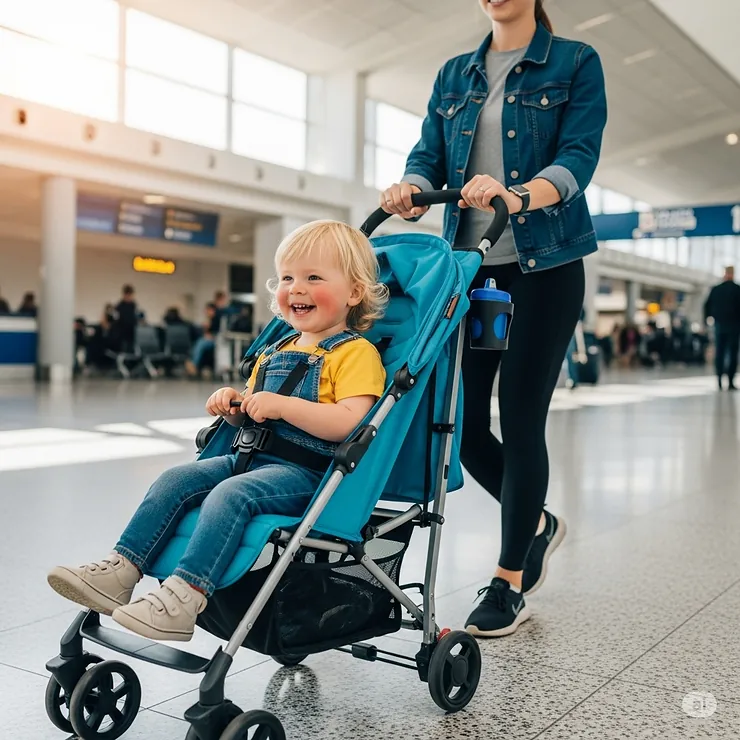
Here’s a scene every parent of a two-year-old knows. You’re in the middle of an airport, one hand wrestling a diaper bag, the other negotiating with a small human who has just discovered the word “no” and the joy of sprinting toward the nearest escalator. This is the exact moment the best travel stroller for toddler life earns its keep. Not the giant, cup-holder-laden chariot you use at home. Something light. Something that folds like a magic trick. Something you can sling over a shoulder while your toddler stages a protest.
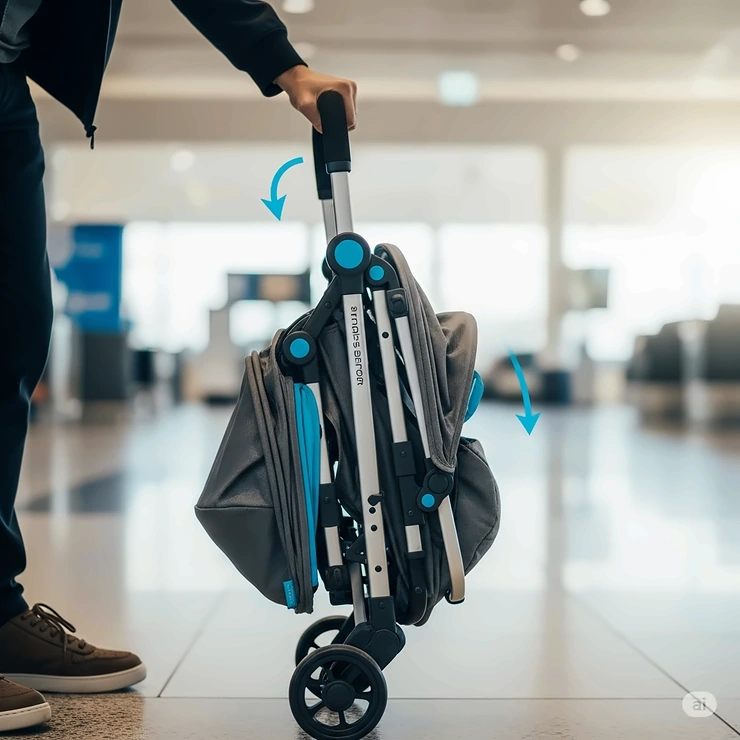
Choosing the best travel stroller for toddler use is trickier than it looks, because toddlers aren’t babies. They’re heavier, taller, squirmier, and far more opinionated about where they sit. A stroller that works beautifully for a six-month-old can feel like a clown car to a three-year-old. So the spec that matters most isn’t only fold size. It’s the combination of low weight, a high child weight limit, a seat that doesn’t cramp long legs, and a canopy that actually shades.
I dug into real spec sheets, expert roundups, and aggregated parent feedback to narrow the field to seven strollers across budget, mid-range, and premium tiers. Nothing here is a rewritten product listing. Every pick comes with analysis of what the numbers mean on a real travel day. Prices below are given as ranges only, because they shift constantly. Always check the current price before you buy.
What Is the Best Travel Stroller for Toddler?
The best travel stroller for toddler families is a lightweight stroller, usually 12 to 17 pounds, that folds compactly, carries a child of roughly 40 to 55 pounds, and stays comfortable for naps and long days. Look for a sturdy frame, a five-point harness, a shading canopy, and compliance with the ASTM F833 stroller safety standard that CPSC tracks.
Quick Comparison: Best Travel Stroller for Toddler at a Glance
Before the deep dives, here’s the bird’s-eye view. Weights and limits come from manufacturer and retailer spec listings, so confirm details on the product page before purchase.
| Stroller | Weight | Max Child Weight | Price Range | Best For |
|---|---|---|---|---|
| Babyzen YOYO2 | 13.6 lbs | 48.5 lbs | $450-$600 | Premium everyday + travel |
| gb Pockit+ All-City | 13.2 lbs | 48.5 lbs (22 kg) | Mid-$200s to ~$300 | Tiny fold, city trips |
| Cybex Libelle 2 | 13.7 lbs | 55 lbs | $250-$300 | Taller, heavier toddlers |
| Contours Bitsy Elite | ~15 lbs | 40 lbs | $150-$200 | Value, smooth surfaces |
| UPPAbaby Minu V2 | 16.9 lbs | 50 lbs | Around $400 | Grow-with-you versatility |
| Baby Jogger City Tour 2 | 14.3 lbs | 45 lbs | Around $300 | Included carry bag, Disney-size |
| Zoe Traveler | ~12 lbs | Check label | $100-$150 | Lightest, tightest budget |
Looking at the table, the Cybex Libelle 2 stands out for older toddlers thanks to its 55-pound limit, while the Zoe Traveler wins on pure lightness and price. If you want a stroller that doubles as your daily driver, the Babyzen YOYO2 and UPPAbaby Minu V2 justify their higher price tags with sturdier builds. Budget shoppers should note the Contours Bitsy Elite‘s lower 40-pound ceiling, which matters if your toddler is tall for their age.
💬 Just one click — help others make better buying decisions too!😊
Top 7 Travel Strollers for Toddlers: Expert Analysis
Each pick below follows the same logic: what the spec means in practice, who it suits, what reviewers consistently say, and where it falls short. Review sentiment here is aggregated from published expert and parent reviews, not personal testing.
1. Babyzen YOYO2 — the gold standard for everyday-plus-travel
The Babyzen YOYO2 earns its reputation by feeling like a “real” stroller that happens to fold into a carry-on. At 13.6 pounds, it handles up to 48.5 pounds, which covers most children well past their third birthday. The four-wheel suspension and the backrest that reclines to 145 degrees matter more than they sound. A toddler asleep at a sharper angle wakes up cranky; a flatter recline buys you an extra forty minutes of coffee.
On paper, the folded size of about 20 by 17 by 7 inches is what sells it. In practice, that fold slides into most overhead bins and sits easily on a shoulder. For toddlers, buy the 6+ configuration, because the 0+ pack is meant for newborns up to around six months. Reviewers consistently praise the light weight and small size, and Mumsnet’s testing team said they preferred its stability over a comparable ultra-compact rival.
Who is it for? Families who want one stroller that works at the airport and on the school run. Budget-conscious parents might balk at the cost, but spread across years of use, the price-per-trip drops fast. The value verdict is strong if you travel often and weak if you fly once a year.
Pros:
- ✅ Best-in-class stability among ultra-compact strollers
- ✅ Reclines far enough for proper naps
- ✅ High 48.5-pound limit suits older toddlers
Cons:
- ❌ Premium price tag, roughly $450-$600 depending on bundle
- ❌ Must choose the 6+ seat pack for toddlers
Price range: roughly $450-$600 depending on the bundle, so check current price.
2. gb Pockit+ All-City — smallest fold that still fits a big kid
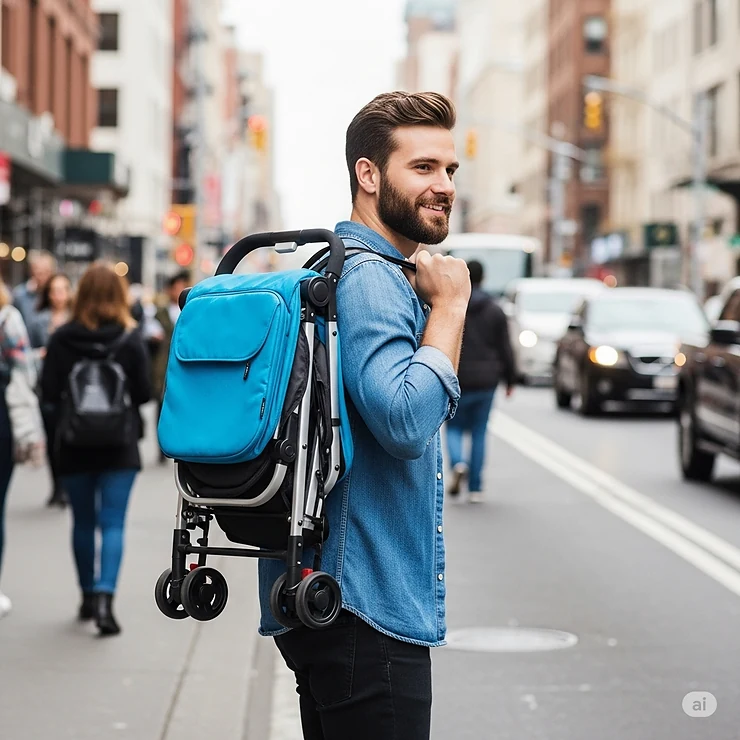
The gb Pockit+ All-City folds to roughly 12.6 by 7.8 by 18.9 inches, about the size of a large handbag, and stands upright on its own when folded. At around 13.2 pounds, it sits in the middle of the pack for weight, but nothing in this lineup tucks away as small. Think restaurant tables, taxi trunks, and tiny hotel closets, where a bulkier stroller becomes a daily negotiation.
Its toddler-friendly features include a large UPF 50+ canopy, stepless partial recline for naps, and front-wheel suspension. The basket holds about 11 pounds, which means a light jacket and snacks, not a week’s groceries. The folded stroller can also be pulled behind like luggage, a small perk that feels huge during a long terminal walk.
Aggregated review sentiment leans positive, with ratings around the mid-4-star range on large retailer listings. A recurring limitation reviewers note is that it can’t be collapsed with one hand. The small 5.5-inch wheels also glide best on smooth city surfaces, so cobblestones and gravel are its natural enemies.
Pros:
- ✅ Ultra-compact, self-standing fold
- ✅ UPF 50+ canopy shades tall toddlers well
- ✅ Folded frame pulls along like luggage
Cons:
- ❌ Fold requires two hands
- ❌ Small wheels struggle on rough ground
Price range: mid-$200s to around $300; prices may vary.
3. Cybex Libelle 2 — built for the taller, heavier toddler
If your toddler is already in the 90th percentile for height, the Cybex Libelle 2 deserves a hard look. Its 55-pound weight limit is the highest in this lineup, and at 13.7 pounds it stays comfortably carryable. That combination is rare. Most featherweight strollers cap out around 40 to 50 pounds, which limits their lifespan with a growing child.
The fold is genuinely compact and carry-on compliant on most airlines, though airline rules always differ. Car seat adapters are included, so the same frame works from the infant stage if you already own a compatible Cybex or Maxi-Cosi seat. Front-wheel suspension keeps rides steady. One honest caveat from product listings: the seat doesn’t recline fully flat, which makes it better for older toddlers than for newborns.
Mumsnet’s three-month test noted there’s no assembly, so it’s ready out of the box. Their tester also said it isn’t the sturdiest stroller they tried and preferred the Babyzen YOYO2 for stability, but called it capable for day-to-day family life. Expect solid value rather than premium polish.
Pros:
- ✅ Highest 55-pound weight limit in this guide
- ✅ Car seat adapters included
- ✅ No assembly needed out of the box
Cons:
- ❌ Doesn’t recline fully flat
- ❌ Less sturdy feel than premium rivals
Price range: $250-$300; check current price.
4. Contours Bitsy Elite — best value for smooth-surface travel
The Contours Bitsy Elite proves you don’t need to spend premium money to get a one-hand fold and a comfortable seat. Published specs put it at about 15 pounds with a 40-pound limit. That limit is the key trade-off. For a typical two- or three-year-old it’s plenty, but a very tall toddler may outgrow it sooner than they would a Libelle.
What stands out is the seat height. One expert review noted the stroller is surprisingly tall once opened, given how compact it folds. It’s also compatible with 35-plus infant car seats, which is unusually broad. The Elite adds a Velcro extension that expands the basket by roughly five inches over the standard Bitsy, though it drops the adjustable leg rest the regular model offers.
The wheels are small, hard-rubber 5-inch units that glide on smooth floors but dislike bumpy terrain. Reviewers consistently describe the fold as a highlight and the price as a pleasant surprise. For airports, malls, and museum trips, it’s a smart pick.
Pros:
- ✅ One-hand fold with a compact standing position
- ✅ Works with 35+ infant car seats
- ✅ Basket extension adds usable storage
Cons:
- ❌ No adjustable leg rest on the Elite
- ❌ 40-pound limit and small hard wheels
Price range: around $150-$200; prices may vary.
5. UPPAbaby Minu V2 — the stroller that grows with your travel habits
The UPPAbaby Minu V2 weighs 16.9 pounds, the heaviest here, but that extra heft buys you real features. The seat holds up to 50 pounds, the canopy zips out and extends with UPF 50+ protection, and an included leather bumper bar gives toddlers something to grip. Adjustable calf support is a small detail that makes a big difference on three-hour flights.
The basket holds up to 20 pounds, roughly double some competitors, so it handles a real diaper bag. The one-hand fold stands on its own, and a built-in carry handle plus shoulder strap make it practical for transit. A newborn bassinet and a Piggyback ride-along board for an older sibling are available separately, which stretches its useful life.
Reviewers describe it as well-constructed with nothing loose or misaligned, and one retailer review calls it a popular choice for lightweight, travel-focused families. The value question is simple: if you want one stroller to handle years of use, the roughly $400 price is defensible. If it’s purely a vacation stroller, lighter options cost less.
Pros:
- ✅ Generous 20-pound basket
- ✅ Zip-out UPF 50+ canopy with peekaboo window
- ✅ Adjustable calf support and bumper bar included
Cons:
- ❌ Heaviest stroller in this lineup
- ❌ Travel bag sold separately
Price range: around $400; check current price.
6. Baby Jogger City Tour 2 — travel-ready with the bag included
The Baby Jogger City Tour 2 weighs about 14.3 pounds and supports children up to 45 pounds. What separates it from many rivals is the included carry bag, a small thing that saves roughly the cost of a bag and a shopping trip. The one-step fold shrinks the stroller by about 85 percent, and it meets Disney’s stroller size requirements, which is a surprisingly useful detail for theme-park families.
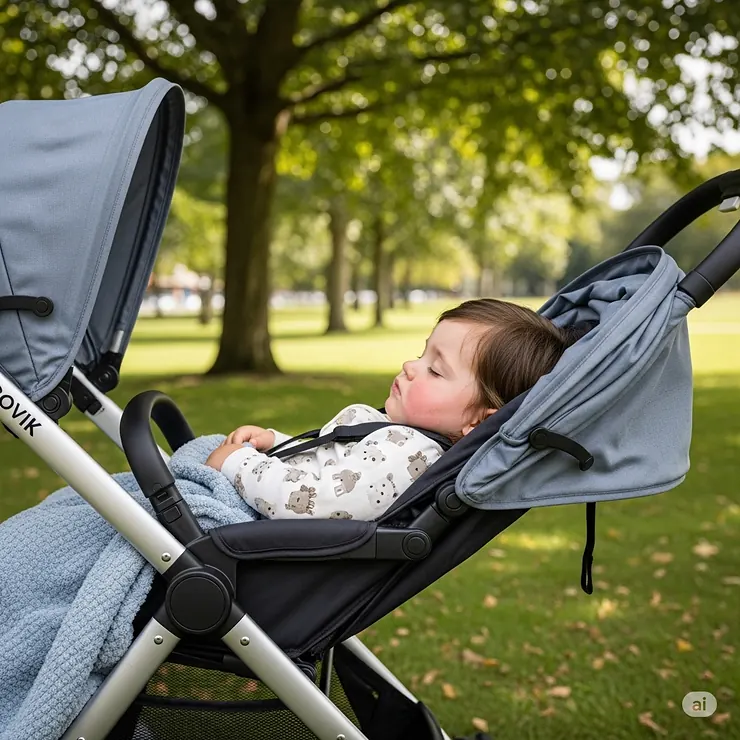
The comfort list is better than the price suggests. You get multiple recline positions, adjustable calf support, a UPF 50+ canopy, and a deep padded seat. Reviewers appreciate that it handles grass, gravel, and carpet more gracefully than typical umbrella strollers. Pair it with a Baby Jogger infant seat through adapters, which are sold separately, and it works from infancy.
The compromises are modest. The basket holds roughly 15 pounds, and the 45-pound limit falls short of the Libelle. Still, for parents wanting a recognized brand, a bag in the box, and a balanced feature set around $300, it hits a sweet spot.
Pros:
- ✅ Carry bag included in the box
- ✅ Adjustable calf support for growing legs
- ✅ Handles varied surfaces better than basic umbrellas
Cons:
- ❌ Modest 15-pound basket
- ❌ 45-pound limit trails the Libelle
Price range: around $300; prices may vary.
7. Zoe Traveler — lightest pick for the tightest budget
The Zoe Traveler is the budget hero. At roughly 12 pounds, it’s the lightest stroller in this guide, and BabyGearLab, after testing more than 50 lightweight strollers, named it one of their favorites and a strong choice as a secondary stroller. Its folded size is about 5,233 cubic inches, which is compact without being extreme.
The comfort features are better than you’d expect at this price. There’s an adjustable leg rest, a five-point harness with rethread shoulder heights, and a frame that reviewers describe as sturdy for a lightweight product. It’s also a classic umbrella-style stroller, meaning it’s easy to open and fold and requires no learning curve.
The trade-offs are real, though. Storage scored near the bottom of the tested group, the stroller is harder than average to push and turn, and it isn’t compatible with infant car seats. It’s a pure toddler stroller. Check the manufacturer’s listed weight limit for your child before buying.
Pros:
- ✅ Lightest option, around 12 pounds
- ✅ Adjustable leg rest and rethreadable harness
- ✅ Strong expert reviews for the price
Cons:
- ❌ Weak storage and harder steering
- ❌ No infant car seat compatibility
Price range: roughly $100-$150; check current price.
Side-by-Side Specs and Value Analysis
Numbers on a page don’t tell you what a stroller feels like at hour four of a travel day. Here’s how the features that matter most compare across the seven picks.
| Stroller | Fold Style | Car Seat Compatible | Standout Trade-off | Best For |
|---|---|---|---|---|
| Babyzen YOYO2 | Compact, shoulder-carry | Yes, with adapter | Premium price | Babyzen YOYO2 suits frequent flyers |
| gb Pockit+ All-City | Handbag-size, two-hand | Yes (Cybex/gb) | Small wheels | gb Pockit+ All-City suits city dwellers |
| Cybex Libelle 2 | Compact, self-standing | Yes, adapters included | Limited recline | Cybex Libelle 2 suits tall toddlers |
| Contours Bitsy Elite | One-hand, standing | Yes, 35+ seats | 40-lb limit | Contours Bitsy Elite suits budget families |
| UPPAbaby Minu V2 | One-hand, standing | Yes, with adapters | Heaviest here | UPPAbaby Minu V2 suits one-stroller homes |
| Baby Jogger City Tour 2 | One-step, bag included | Yes, with adapter | Smaller basket | Baby Jogger City Tour 2 suits theme-park trips |
| Zoe Traveler | Umbrella-style | No | Weak storage | Zoe Traveler suits tight budgets |
The pattern is clear: car-seat compatibility, which doesn’t matter for a toddler on its own, signals longevity. Strollers that accept infant seats, like the Minu V2 and City Tour 2, usually have stronger frames. If you only need a toddler travel stroller, the Zoe Traveler gives up nothing that matters to you. If you’ll use it from infancy through age four, spending more on the YOYO2 or Minu V2 spreads the cost over more years.
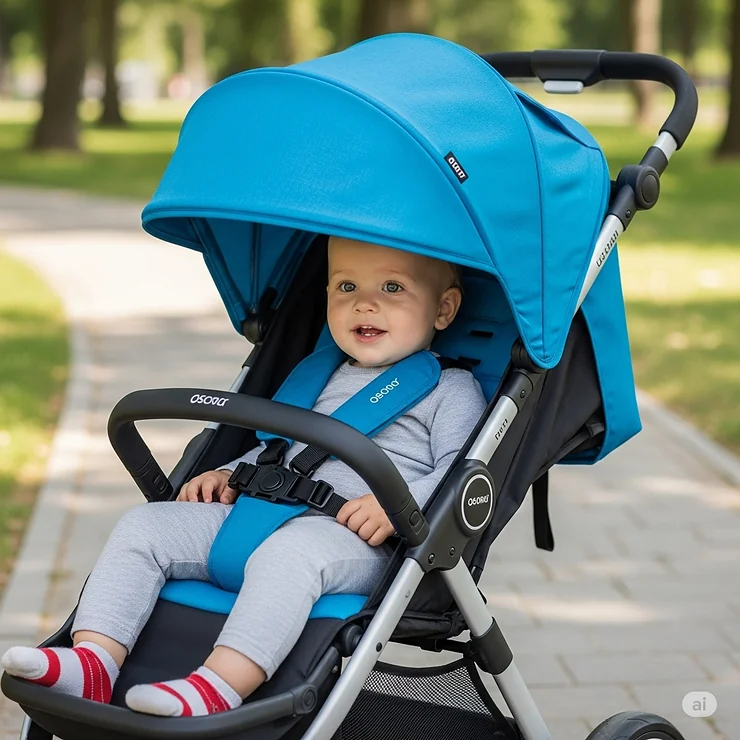
How to Choose the Best Travel Stroller for Toddler
Selecting the best toddler travel stroller comes down to a handful of decisions made in the right order. Here’s a quick framework.
- Check the child weight limit first. A stroller capped at 40 pounds has a shorter life with a big three-year-old than one rated for 55.
- Weigh the weight. Anything under about 14 pounds is easy to carry up stairs one-handed; above 16, you’ll notice it.
- Measure the fold. Compare the folded dimensions against your airline’s carry-on limits and your car trunk.
- Test the recline. Toddlers nap constantly while traveling. A seat that reclines only slightly means a cranky afternoon.
- Inspect the canopy. A UPF 50+ rating and an extendable visor make outdoor travel much easier.
- Look at the wheels. Small hard wheels are fine on airport floors but frustrating on cobblestones.
- Confirm the harness. A five-point harness is non-negotiable, and Consumer Reports’ stroller safety tips emphasize never overloading beyond the manufacturer’s weight limit.
Features That Actually Matter (And Those That Don’t)
Marketing copy loves to shout about features that sound impressive but rarely change a trip. Let’s separate signal from noise for any lightweight travel stroller for toddlers.
Features that genuinely matter include a high weight limit, a one-hand fold (you’ll rarely have two free hands), adjustable calf support, and a canopy with real coverage. A built-in carry strap is another quiet hero. Babylist’s editors specifically flag it as a must-have for travel strollers, and it becomes obvious the first time you board a plane with a toddler and a gate-checked stroller.
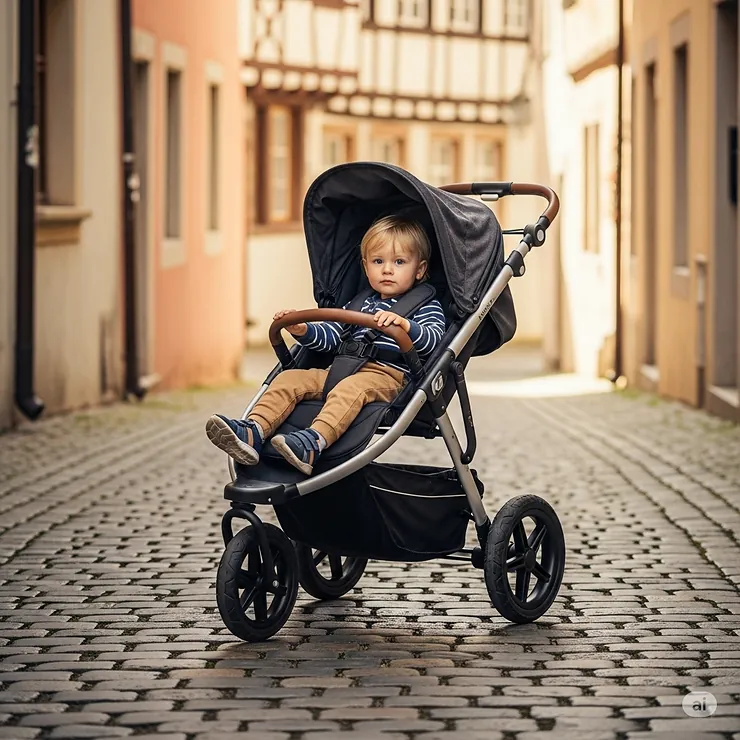
Features that matter less are cup holders (you’ll buy a clip-on one anyway), fancy fabrics, and an oversized basket that adds weight. Even suspension, valuable as it is, matters less on flat airport floors than on uneven sidewalks. Think about where you’ll actually push the stroller, then weigh features accordingly. A traveler who walks old European streets needs bigger wheels than someone shuttling between airport gates and hotel lobbies.
Travel Stroller vs Full-Size Stroller for Toddlers
Many parents wonder whether a dedicated travel stroller is worth buying when they already own a full-size one. The short answer: usually yes, especially for anyone who flies or uses public transit.
| Factor | Travel Stroller | Full-Size Stroller |
|---|---|---|
| Weight | 12-17 lbs | 25-30+ lbs |
| Folded size | Carry-on or backpack size | Trunk-filling |
| Storage basket | Small to medium | Large |
| Suspension/ride | Good, varies | Often superior |
| Best For | Flights, transit, city days | Long walks, daily use |
A full-size stroller wins on basket space and rough-terrain performance, but loses on every metric that makes travel less miserable. Travel strollers trade a little comfort for a lot of convenience. Plenty of families, in fact, find that a quality pick like the Babyzen YOYO2 or UPPAbaby Minu V2 replaces the big stroller entirely, since a toddler’s needs are simpler than a baby’s. If you rarely travel, though, a full-size model may be all you need.
Common Mistakes When Buying a Travel Stroller for Toddler
Even savvy shoppers trip over the same few pitfalls. Here’s what to avoid.
Buying purely on price. BabyGearLab’s testers found that the budget Summer Infant 3Dlite did not perform well for transporting or storing and earned among the lowest maneuverability scores in their group. They pointed budget shoppers toward the Kolcraft Cloud Plus or Zoe Traveler instead. The cheapest option isn’t always the best value.
Ignoring the weight limit. Toddlers grow faster than you’d expect, and a stroller that fits at 18 months might feel snug by 30.
Forgetting about storage. Ultra-compact often means a tiny basket. If you travel with a diaper bag, check the basket’s weight capacity before falling in love with a fold.
Skipping safety checks. Always search for recalls on SaferProducts.gov before using a secondhand stroller, and make sure any model you buy carries a current standard certification. Never hang heavy bags on the handlebar, which can tip lighter frames.
Assuming carry-on equals overhead bin. Airlines differ, and even a “carry-on compliant” fold may end up gate-checked.
Safety and Airline Rules Guide
Strollers and flights have their own set of rules, and knowing them in advance saves stress at the gate. Policies vary by carrier, so always confirm with your airline before you travel.
On the stroller side, the U.S. Consumer Product Safety Commission advises that you always use the harness every time a child is in a stroller. Smaller infants can slip through openings, but the harness habit protects toddlers who like to stand up. Check the child’s weight against the manufacturer’s limit regularly.
On the airline side, most major U.S. carriers let you check or gate-check a stroller and a car seat at no charge, though details differ. One roundup of major airline policies noted that Allegiant won’t gate-check a stroller over 20 pounds and limits gate-checking to one item when you have both a stroller and a car seat, while Southwest allows both to be checked free. The FAA strongly recommends that children fly in an approved child restraint system in their own seat, though that’s separate from your stroller choice. Plan to gate-check your stroller and bring the car seat aboard if you’ve bought your child a seat.
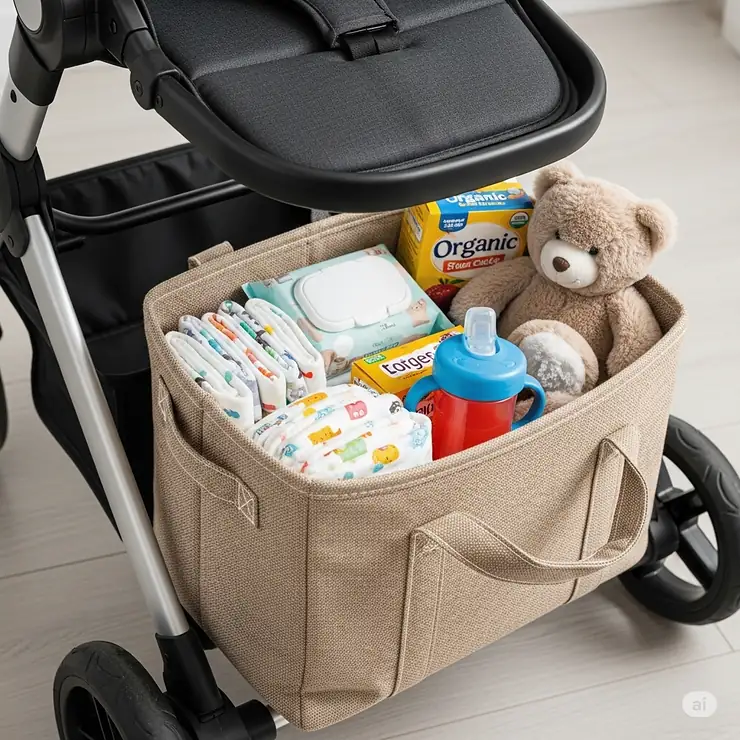
Practical Usage Guide: Setting Up and Using Your Toddler Travel Stroller
Buying the right stroller is half the battle; using it well is the other half. Here’s a practical routine that Amazon listings rarely spell out.
Before your trip: Open and fold the stroller ten times at home. Seriously. The first fold at a crowded gate is a bad time to learn the latch. Wash the seat fabric if it’s removable, and check the wheels spin freely.
At the airport: Use the stroller all the way to the gate, then ask for a gate-check tag. Fold it, stash loose items in your bag, and remove cup holders and trays that could snap off. A padded travel bag, like the one included with the Baby Jogger City Tour 2, protects against baggage-handler roughness.
On arrival: Inspect the frame and wheels immediately at the jet bridge. Photograph any damage before leaving the gate area.
First 30 days of use: Common mistakes include overloading the basket, which can destabilize light frames, and leaving the stroller reclined while rolling over curbs. Wipe wheels and hinges weekly, and re-check that the harness buckles click cleanly. For safety essentials, the CPSC’s stroller harness guidance is worth a read, especially if relatives or sitters will use the stroller.
Real-World Scenarios: Which Pick Fits Which Family
Spec sheets are abstract; families are specific. Here are three profiles matched to the best travel stroller for toddler use in each situation, with reasoning.
The frequent-flyer family. Two parents fly six or more times a year with a 2.5-year-old, check one bag, and want a stroller that doubles as the daily driver. The Babyzen YOYO2 is the logical match: it handles up to 48.5 pounds, folds small, and holds up to repeated gate-checks. Budget runs in the $450-$600 range, but amortized across years it’s reasonable.
The city-dwelling commuter. A parent navigates subways and narrow apartment hallways daily with a three-year-old. The gb Pockit+ All-City fits tiny storage spaces and pulls like luggage, while the smooth-surface wheels suit pavement. Expect to spend around $300.
The budget-conscious road-tripper. A family drives to grandparents twice a year and wants an inexpensive, light stroller for the trunk. The Zoe Traveler at roughly $100-$150 delivers expert-praised quality, though they’ll want to check the weight limit for a bigger child. For slightly more comfort at $150-$200, the Contours Bitsy Elite is worth the stretch.
If your child is tall for their age, the Cybex Libelle 2 with its 55-pound limit becomes the safer long-term bet, regardless of your use case.
Problem → Solution Guide: Fixing Common Travel Stroller Headaches
Even the best stroller hits snags. These are the problems parents hit most, with fixes.
Problem: Your toddler refuses to stay in the seat. Solution: Always use the five-point harness, and keep a “stroller-only” snack or small toy that only appears during rides. A stroller with adjustable calf support, such as the UPPAbaby Minu V2 or Baby Jogger City Tour 2, reduces fidgeting because legs rest comfortably.
Problem: The basket is too small. Solution: Use a lightweight backpack for essentials instead of piling bags on the handlebar, which can tip lighter strollers. The UPPAbaby Minu V2‘s 20-pound basket is the roomiest option here.
Problem: Small wheels struggle outdoors. Solution: Choose a model with front-wheel suspension, and tilt the stroller back slightly over curbs. If your itinerary includes cobblestones, steer away from 5-inch hard wheels like the Contours Bitsy Elite‘s.
Problem: Nap time ruins the schedule. Solution: Pick a stroller with a deep recline, like the Babyzen YOYO2 at 145 degrees, and use the extendable canopy to block light.
Problem: Gate-check damage worries. Solution: Use a padded travel bag, remove accessories, and photograph the stroller before handing it over.
Long-Term Cost and Maintenance
A stroller’s real cost isn’t the sticker price; it’s the price divided by years of use. A roughly $120 Zoe Traveler used for two years of travel costs less per trip than almost anything else, but it may not last through a second child. A roughly $400 UPPAbaby Minu V2 used daily for four years, then passed to a sibling, wins on cost-per-use.
Maintenance is simple but worth doing. Wipe the frame after beach or rainy trips, lubricate hinges sparingly if they stiffen, and check wheel bearings periodically. Wash removable seat covers according to the care label, and store the stroller folded in a dry place. Replace worn harness parts promptly; most manufacturers sell spares.
Resale value also matters. Premium brands like Babyzen and UPPAbaby tend to hold value well on secondhand markets, offsetting the upfront cost. Whichever you choose, keep the manual and register your product so you’re notified of any recalls.
FAQ
❓ What is the best lightweight travel stroller for a 3 year old?
❓ Can you take a travel stroller on a plane?
❓ How much should I spend on a toddler travel stroller?
❓ Is a travel stroller safe for everyday use?
❓ What weight limit should a travel stroller for toddler have?
Conclusion
Finding the best travel stroller for toddler life isn’t about chasing the single “perfect” model. It’s about matching the stroller to your family’s real routine. If you fly constantly and want a do-it-all frame, the Babyzen YOYO2 or UPPAbaby Minu V2 earn their premium. If you need the smallest possible fold, the gb Pockit+ All-City is hard to beat. Taller children point to the Cybex Libelle 2, travelers wanting a bag in the box like the Baby Jogger City Tour 2, and budget shoppers will find real value in the Contours Bitsy Elite and Zoe Traveler.
Whichever you choose, weigh the child weight limit, the carry weight, and the recline before anything else. Test the fold at home, use the harness every time, and confirm airline rules before you fly. Do those things and your next trip becomes a lot less about wrangling gear and a lot more about enjoying the destination.
Recommended for You
- Best Lightweight Stroller: 7 Ultimate Picks for 2026
- uppababy bassinet stand: 7 Best Picks & Honest Guide 2026
- Pushchairs Joie: 7 Best Picks for 2026
Disclaimer: This article contains affiliate links. As an Amazon Associate, I earn from qualifying purchases. If you purchase products through these links, we may earn a small commission at no additional cost to you.
✨ Found this helpful? Share it with your friends! 💬🤗
