
In This Article
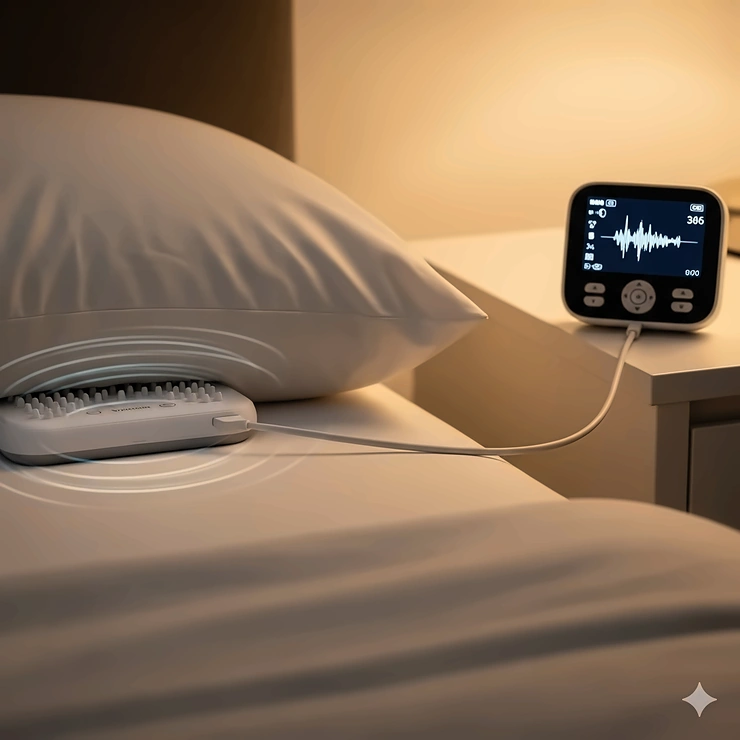
For deaf and hard-of-hearing parents, choosing the right baby monitor for deaf parents isn’t just about convenience—it’s about ensuring you never miss those crucial moments when your little one needs you. As a parent with hearing challenges, you deserve the same peace of mind that every parent seeks, but traditional audio-only monitors simply won’t meet your needs.
The good news is that today’s technology offers numerous innovative solutions designed specifically with deaf parents in mind. From vibrating alerts that wake you from deep sleep to visual indicators that flash when your baby stirs, modern baby monitors for deaf parents provide multiple layers of notification to ensure you’re always connected to your child’s needs.
✨Was this helpful? Spread the word! 🚀
Understanding the Unique Challenges Deaf Parents Face
Parenting with hearing loss presents distinct challenges that require thoughtful solutions. According to research from the National Institute on Deafness and Other Communication Disorders, approximately 15% of American adults report some trouble hearing, with many becoming parents who need specialized monitoring solutions.
The primary concern for deaf parents isn’t just hearing their baby cry—it’s about detecting subtle sounds that indicate discomfort, illness, or danger. Traditional baby monitors rely heavily on audio alerts, leaving deaf parents vulnerable to missing important cues about their child’s wellbeing.
Key Features Every Baby Monitor for Deaf Parents Should Have
When selecting a baby monitor for deaf parents, certain features become absolutely essential rather than nice-to-have additions:
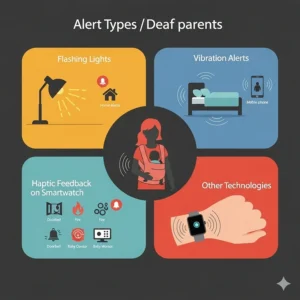
✅ Visual Alert Systems: LED lights or screen notifications that activate when sounds are detected
✅ Vibration Alerts: Physical alerts that can wake parents or get their attention immediately
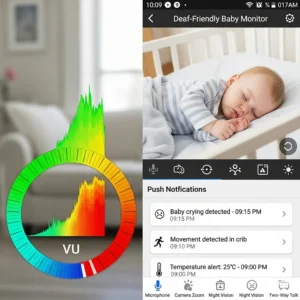
✅ Smart Device Integration: Smartphone notifications that provide multiple alert methods
✅ Extended Range: Reliable connectivity throughout your home without signal loss
✅ Multiple Sensitivity Levels: Adjustable settings to detect various sound levels
✅ Backup Power Options: Battery-powered operation to ensure continuous monitoring
✅ Two-Way Communication: Ability to soothe your baby remotely when needed
Comprehensive Review of the 7 Best Baby Monitor for Deaf Parents
1. VTech DM221 Digital Audio Baby Monitor – Best Overall Value
The VTech DM221 stands out as an exceptional baby monitor for deaf parents, combining affordability with essential accessibility features. This DECT 6.0 digital audio monitor eliminates white noise interference while providing multiple alert methods specifically designed for hearing-impaired parents.
Key Specifications:
- Range: Up to 1,000 feet outdoors, 160 feet indoors
- Battery Life: 12-18 hours on parent unit
- Price Range: $35-45 on Amazon
- Visual Indicator: 5-level LED sound display
- Vibration Alert: Strong vibrating notification system
The VTech DM221 features a five-level graphic sound indicator that allows deaf parents to visually monitor noise levels in their baby’s room. When sounds are detected, the parent unit vibrates gently but persistently, ensuring you’ll feel the alert even during sleep. The device includes a convenient belt clip, making it possible to carry the monitor throughout your home while maintaining constant connection to your baby.
Customer reviews consistently praise the vibration strength, with one Amazon reviewer noting: “The vibration is strong enough to wake me from deep sleep, and the visual display helps me understand if my baby is fussing or just making happy sounds.”
Pros:
- Excellent value for money
- Strong vibration alerts effective for deep sleepers
- Clear visual sound level indicators
- Long battery life for extended use
- Belt clip for hands-free portability
Cons:
- Audio-only monitoring (no video)
- Limited customization of sensitivity settings
- Vibration alerts for all sounds, not just crying
2. Sonic Alert BC400 Baby Cry Signaler – Most Powerful Alert System
For deaf parents seeking the strongest possible alert system, the Sonic Alert BC400 delivers unmatched notification power. This specialized signaler transforms any room into a comprehensive alerting environment through your home’s electrical system.
Technical Features:
- Operating System: Powerline carrier technology
- Sensitivity Range: Adjustable from whisper-soft to normal conversation
- Price: $45-65 on Amazon
- Compatibility: Works with all Sonic Alert receivers
- Installation: Simple plug-into-wall design
The BC400 operates as a transmitter that “listens” for baby sounds and sends signals through your electrical wiring to compatible Sonic Alert receivers throughout your home. The adjustable sensitivity control can detect sounds as quiet as a baby’s whisper or be set to respond only to louder cries, reducing false alarms.
This system requires separate receivers (sold individually) such as the Sonic Boom alarm clock with bed shaker, strobe light receivers, or vibrating notification devices. While this increases the initial investment, it creates the most comprehensive alerting network available for deaf parents.
Advanced Applications:
- Hospital-grade sensitivity for premature or quiet babies
- Multi-room notification systems for large homes
- Integration with existing Sonic Alert home systems
- Professional-level reliability for peace of mind
Pros:
- Extremely sensitive sound detection capabilities
- Home-wide notification through electrical system
- Adjustable sensitivity prevents false alarms
- Compatible with extensive Sonic Alert ecosystem
- 5-year manufacturer warranty
Cons:
- Requires additional receivers for alerts
- Higher total system cost
- Complex setup for multi-room configurations
- May detect non-baby household sounds
3. Philips Avent Premium Connected Baby Monitor – Most Advanced Technology
The Philips Avent Premium Connected Baby Monitor represents the pinnacle of smart baby monitoring technology, offering deaf parents unprecedented connectivity and alert options through its advanced app-based system.
Premium Specifications:
- Video Quality: 1080p HD with night vision
- Connectivity: WiFi-enabled with app notifications
- Screen: 5-inch parent unit with 12-hour battery
- Smart Features: SenseIQ breathing tracking, cry translation
- Price Range: $300-350 on Amazon
This sophisticated system provides deaf parents with smartphone notifications, visual alerts on the parent unit, and detailed analytics about their baby’s sleep patterns. The SenseIQ technology monitors breathing without requiring wearable devices, while the cry translation feature helps identify specific needs (hunger, discomfort, tiredness).
Industry-Leading Features: The Premium Connected monitor includes Philips’ proprietary True Talk Back feature, allowing natural two-way communication. The secure connection system ensures privacy through multiple encrypted channels, addressing common concerns about WiFi-enabled devices.
For deaf parents, the smartphone integration proves invaluable—notifications can trigger vibration alerts on phones, smartwatches, or tablet devices. The app maintains 30-day historical data, helping parents understand their baby’s patterns and identify potential issues.
Professional Applications:
- Pediatric sleep study compatibility
- Integration with smart home systems
- Caregiver sharing capabilities for grandparents
- Professional nanny monitoring support
Pros:
- Multiple notification methods including smartphone alerts
- Professional-grade video quality and night vision
- Advanced analytics and sleep tracking
- Cry translation technology
- Secure, encrypted connectivity
Cons:
- Premium price point
- Requires stable WiFi connection
- Complex feature set may overwhelm some users
- Subscription required for some advanced features
4. VTech DM226 Teddy Bear Audio Baby Monitor – Most User-Friendly Design
The adorable VTech DM226 combines essential functionality for deaf parents with a charming teddy bear design that adds warmth to your nursery while providing reliable monitoring capabilities.
Distinctive Features:
- Design: Adorable mama bear and bear cub styling
- Range: Up to 1,000 feet with clear transmission
- Alert System: Vibration and 5-level visual indicators
- Night Light: Integrated soothing illumination
- Price: $60-75 on Amazon
The DM226 maintains all the accessibility features of the DM221 while adding emotional appeal through its unique design. The baby unit’s nose serves as a comforting night light, while the parent unit clips conveniently to clothing for constant monitoring.
Customer testimonials highlight the device’s reliability, with one parent noting: “Not only does it work perfectly for my hearing needs, but my daughter loves the cute bear design. It’s functional and beautiful.”
Child Development Benefits:
- Soothing night light promotes better sleep
- Familiar bear design reduces nursery anxiety
- Two-way communication helps establish routine
- Durable construction withstands daily use
Pros:
- Appealing design enhances nursery aesthetics
- All essential features for deaf parents included
- Integrated night light provides additional value
- Strong customer satisfaction ratings
- Belt clip for hands-free monitoring
Cons:
- Slightly higher price than basic models
- Limited to audio monitoring only
- Vibration sensitivity not adjustable
- Bear design may not appeal to all parents
5. Infant Optics DXR-8 PRO – Premium Video Monitoring
The Infant Optics DXR-8 PRO delivers professional-grade video monitoring with visual alert systems specifically valuable for deaf parents who rely on visual cues to understand their baby’s needs.
Professional Specifications:
- Video Resolution: 720p HD with night vision
- Screen: 5-inch high-definition display
- Alert System: Sound-activated LED bar
- Range: Up to 1,000 feet
- Lens Technology: Interchangeable optical system
- Price: $180-200 on Amazon
The DXR-8 PRO features Active Noise Reduction technology that filters background sounds while maintaining sensitivity to baby sounds. For deaf parents, the sound-activated LED bar provides immediate visual notification when the baby makes any noise, even with the audio muted.
Technical Innovation: The interchangeable lens system allows parents to customize their monitoring view—zoom lenses for detailed observation and wide-angle options for room coverage. This flexibility proves especially valuable for deaf parents who depend on visual information to assess their baby’s condition.
The 5-inch screen provides clear, detailed images during both day and night monitoring. The non-WiFi operation ensures privacy while maintaining reliable connectivity throughout your home.
Advanced Monitoring Capabilities:
- Multi-camera support for complete home coverage
- Pan, tilt, and zoom controls for optimal viewing
- Temperature monitoring with visual alerts
- Scan mode for monitoring multiple children
- Two-way audio with clear speaker system
Pros:
- Excellent video quality for visual monitoring
- Sound-activated LED alerts perfect for deaf parents
- Interchangeable lens system provides flexibility
- Secure, non-WiFi connection prevents hacking
- Professional build quality and reliability
Cons:
- Higher price point than audio-only monitors
- Limited battery life (6-8 hours)
- No smartphone app connectivity
- Complex feature set requires learning curve
6. Levana Oma Sense Portable Movement Monitor – Unique Wearable Technology
The Levana Oma Sense offers a completely different approach to baby monitoring, focusing on movement detection rather than sound, making it particularly valuable for deaf parents concerned about breathing and movement patterns.
Revolutionary Technology:
- Monitoring Method: Abdominal movement detection
- Alert System: Vibration stimulation + loud alarm
- Battery Life: 30 days on single CR2450 battery
- Age Range: 0-6 months (until baby rolls over)
- Price: $80-100 on Amazon
The Oma Sense clips directly to your baby’s clothing and monitors abdominal movements every 80 milliseconds. If no movement is detected for 15 seconds, it begins gentle vibrations to stimulate the baby. If movement doesn’t resume after 5 seconds, a loud alarm alerts parents.
Unique Benefits for Deaf Parents: This system provides peace of mind beyond traditional sound monitoring. Deaf parents can rest assured that they’ll be alerted to breathing irregularities even if they can’t hear subtle breathing sounds. The dual-alert system (vibration for baby, alarm for parents) creates multiple safety layers.
Medical Safety Considerations: While not a medical device, the Oma Sense addresses real concerns about SIDS and breathing irregularities. The gentle stimulation often helps babies resume normal breathing without parental intervention, while the loud alarm ensures deaf parents receive notification if intervention becomes necessary.
Clinical Applications:
- NICU graduate monitoring at home
- Premature baby breathing support
- High-risk infant observation
- Parental anxiety reduction for better sleep
Pros:
- Unique breathing/movement monitoring capability
- Gentle stimulation helps babies self-regulate
- No skin contact required for operation
- 30-day battery life reduces maintenance
- Loud alarm ensures deaf parents are alerted
Cons:
- Limited to babies who don’t roll over yet
- Not suitable for co-sleeping arrangements
- Requires proper positioning for accuracy
- May create anxiety with false alarms
- More expensive than basic audio monitors
7. Philips Avent Digital Baby Monitor with Camera – Best Budget Video Option
The Philips Avent Digital Baby Monitor with 3.5-inch display provides deaf parents with essential video monitoring capabilities at a more accessible price point while maintaining quality and reliability.
Practical Specifications:
- Screen Size: 3.5-inch color display
- Video Quality: Standard definition with night vision
- Range: Up to 980 feet outdoor, 300 feet indoor
- Battery Life: 10 hours continuous use
- Alert Options: Visual display + vibration
- Price: $120-150 on Amazon
This Philips Avent model offers the essential features deaf parents need without premium pricing. The vibration alert function notifies parents of detected sounds, while the color screen provides continuous visual monitoring of the baby’s condition.
Accessibility Features: The customizable alert settings allow deaf parents to adjust sensitivity levels and choose between audio and vibration notifications. The two-way audio feature enables parents to soothe their baby remotely, even if they can’t hear the baby’s response clearly.
Temperature Monitoring: Built-in temperature sensing provides additional safety monitoring, with visual alerts displayed on the parent unit screen. This feature proves especially valuable for deaf parents who might not notice environmental changes that could affect their baby’s comfort.
Long-Term Value Proposition: While not as feature-rich as premium models, this monitor provides reliable basic functionality that grows with your family. The sturdy construction and proven technology ensure years of dependable service.
Pros:
- Affordable video monitoring for budget-conscious parents
- Reliable vibration alerts for deaf parents
- 10-hour battery life supports all-night monitoring
- Temperature monitoring adds safety value
- Simple setup and operation
Cons:
- Lower video resolution than premium models
- Limited smart features or app connectivity
- Basic night vision performance
- Shorter range than top-tier competitors
Detailed Comparison Analysis
Performance Metrics Comparison
| Feature | VTech DM221 | Sonic Alert BC400 | Philips Premium | VTech DM226 | Infant Optics PRO | Levana Oma | Philips Digital |
|---|---|---|---|---|---|---|---|
| Visual Alerts | ✅ 5-level LED | ✅ Receiver-based | ✅ App + Screen | ✅ 5-level LED | ✅ LED bar | ❌ Alarm only | ✅ Screen display |
| Vibration | ✅ Strong | ✅ With receivers | ✅ Phone alerts | ✅ Strong | ❌ Visual only | ✅ Baby stimulation | ✅ Parent unit |
| Range (feet) | 1,000 | Whole house | 1,000 | 1,000 | 1,000 | Direct contact | 980 |
| Battery Life | 12-18h | N/A (plugged) | 12h | 18h | 6-8h | 30 days | 10h |
| Price Range | $35-45 | $45-65 | $300-350 | $60-75 | $180-200 | $80-100 | $120-150 |
| Video Quality | ❌ Audio only | ❌ Audio only | ✅ 1080p HD | ❌ Audio only | ✅ 720p HD | ❌ Movement only | ✅ Standard |
Cost-Effectiveness Analysis
When evaluating baby monitor for deaf parents options, total cost of ownership extends beyond initial purchase price. Consider these long-term factors:
Budget-Friendly Options ($35-75):
- VTech DM221: Excellent value with essential features
- VTech DM226: Added design appeal with same functionality
- Sonic Alert BC400: Requires additional receiver investment
Mid-Range Solutions ($80-150):
- Levana Oma Sense: Unique monitoring approach
- Philips Digital: Video monitoring at reasonable cost
Premium Investments ($180-350):
- Infant Optics DXR-8 PRO: Professional-grade video
- Philips Premium: Complete smart monitoring ecosystem
🎯 Don’t Miss These Exclusive Deals!
Take your baby monitoring to the next level with these carefully selected products. Click on any highlighted item to check current pricing and availability on Amazon. These monitors will help ensure you never miss a moment when your baby needs you most! 💫
Industry-Specific Applications and Use Cases
Healthcare Professional Recommendations
Pediatric nurses and audiologists frequently recommend specific baby monitor for deaf parents based on individual family circumstances. According to research from the American Academy of Pediatrics, proper monitoring can significantly reduce parental anxiety and improve sleep quality for the entire family.
NICU Graduate Families: Babies who spent time in neonatal intensive care often require continued monitoring at home. The Levana Oma Sense movement monitor receives frequent recommendations for these families, providing breathing oversight that hospitals previously managed.
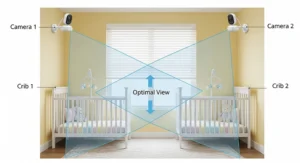
Multiple Children Households: Families with multiple children benefit from expandable systems like the Infant Optics DXR-8 PRO, which supports up to four cameras. This allows deaf parents to monitor several children simultaneously through visual scanning modes.
Professional Caregivers: Nannies and babysitters working with deaf parent families need training on visual alert systems. The Philips Avent Premium Connected monitor allows parents to share access with caregivers, ensuring consistent monitoring regardless of who’s providing care.
Regional and Cultural Considerations
Different cultural approaches to infant care affect baby monitor selection:
Co-Sleeping Communities: Some cultural backgrounds practice co-sleeping, which limits certain monitor types. Audio-based systems like the VTech DM221 work better than movement monitors that require isolated sleeping spaces.
Extended Family Involvement: Cultures emphasizing grandparent and extended family involvement benefit from systems allowing multiple users, such as the Philips Premium Connected with its app-sharing capabilities.
Privacy Concerns: Families from backgrounds emphasizing privacy may prefer non-WiFi systems like the Infant Optics models over internet-connected alternatives.
Advanced Technical Analysis
Engineering Principles Behind Deaf-Friendly Monitoring
Modern baby monitor for deaf parents technology relies on several engineering principles to convert audio information into visual and tactile feedback:
Signal Processing Technology: Digital monitors use advanced algorithms to distinguish between background noise and meaningful baby sounds. DECT 6.0 technology, featured in VTech models, provides clearer signal transmission while reducing interference from other household devices.
Vibration Motor Engineering: The effectiveness of vibration alerts depends on motor frequency and intensity. Research indicates that frequencies between 200-300 Hz provide optimal tactile sensation for awakening sleeping parents without causing discomfort.
LED Response Systems: Visual alert systems employ different LED technologies based on intended use. Fast-blinking alerts grab immediate attention, while steady illumination provides continuous status feedback without being overwhelming.
Scientific Research and Testing Standards
Consumer baby monitors undergo testing for electromagnetic compatibility (EMC), safety standards, and performance reliability. The Federal Communications Commission (FCC) regulates transmission frequencies to prevent interference with emergency services and other critical communications.
Performance Metrics:
- Audio sensitivity: Measured in decibels (dB) for sound detection threshold
- Visual response time: Milliseconds between sound detection and alert activation
- Battery efficiency: Measured in milliamp-hours (mAh) for usage duration
- Range reliability: Signal strength maintenance over distance and through obstacles
Innovation Trends and Future Technology
Emerging technologies promise even better solutions for deaf parents:
Artificial Intelligence Integration: Machine learning algorithms are being developed to distinguish between different types of baby cries, potentially reducing false alarms while ensuring critical sounds are never missed.
Wearable Technology Advances: Next-generation wearable monitors may integrate with smartwatches and fitness trackers, providing discrete alerts that don’t require separate devices.
Smart Home Integration: Future monitors will likely integrate with home automation systems, potentially controlling lighting, temperature, and other environmental factors based on baby’s needs.
Comprehensive Setup and Usage Guidelines
Installation Best Practices
Proper installation dramatically affects monitor performance, especially for deaf parents who depend on reliable alert systems.
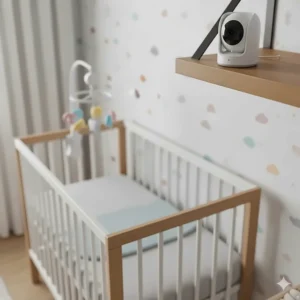
Optimal Placement Strategies: ✅ Camera Units: Position 6-8 feet from the crib at baby’s eye level
✅ Audio Sensors: Place within 3-6 feet of sleeping area for optimal sensitivity
✅ Parent Units: Keep within 10 feet of sleeping parents for vibration effectiveness
✅ WiFi Monitors: Ensure strong signal strength in nursery location
✅ Power Sources: Use UPS backup for WiFi-dependent systems
Environmental Considerations: Room acoustics affect audio monitors significantly. Hard surfaces reflect sound waves, potentially causing echo or interference. Soft furnishings absorb sound, which may require increased sensitivity settings.
Temperature and humidity can affect electronic components. Maintain nursery temperature between 65-70°F (18-21°C) and humidity below 60% for optimal performance.
Safety Requirements: All monitor components must remain outside baby’s reach to prevent strangulation or choking hazards. Cords should be at least 3 feet away from the crib, and wall-mounted cameras should be securely fastened.
User Compatibility and Customization
Different family members may have varying hearing abilities, requiring customizable alert settings:
Multi-User Household Setup:
- Primary deaf parent: Maximum vibration and visual alerts
- Hearing partner: Audio alerts at comfortable volume
- Grandparents/caregivers: Simplified controls with clear visual feedback
Progressive Hearing Loss: Parents experiencing gradual hearing loss benefit from monitors with adjustable sensitivity settings. As hearing changes, sensitivity can be increased to maintain effective monitoring.
Age-Related Adjustments: As babies grow, their sleep patterns and vocal patterns change. Monitors should allow sensitivity adjustments to accommodate these developmental changes.
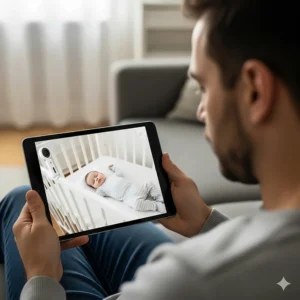
Smartphone Integration Setup: Modern monitors connecting to smartphones require careful notification management:
- Enable vibration alerts for baby monitor apps
- Set distinctive notification tones (if partially hearing)
- Configure “Do Not Disturb” exceptions for baby alerts
- Test notification delivery across all connected devices
Maintenance and Longevity Management
Daily, Weekly, and Monthly Maintenance Schedules
Daily Maintenance (2-3 minutes):
✅ Check battery indicators on parent units
✅ Verify visual alerts are functioning properly
✅ Clean camera lenses with soft, dry cloth
✅ Test vibration alert strength
✅ Confirm range and connectivity
Weekly Maintenance (10-15 minutes):
✅ Clean all device surfaces with antimicrobial wipes
✅ Check and tighten all mounting hardware
✅ Test emergency alert functions
✅ Verify backup power systems
✅ Update firmware/apps if available
Monthly Maintenance (20-30 minutes):
✅ Replace batteries in battery-operated devices
✅ Deep clean all components according to manufacturer instructions
✅ Test maximum range capabilities
✅ Review and adjust sensitivity settings
✅ Document any performance changes or issues
Quarterly Maintenance (45-60 minutes):
✅ Professional calibration for critical-use monitors
✅ Replace any worn mounting hardware
✅ Update emergency contact information in smart systems
✅ Review warranty coverage and documentation
✅ Plan for upcoming battery replacements or upgrades
Troubleshooting Common Issues
Signal Interference Problems: Modern homes contain numerous wireless devices that can interfere with baby monitors. Common culprits include:
- WiFi routers operating on same frequencies
- Bluetooth devices in close proximity
- Microwave ovens creating electromagnetic interference
- Cell phone towers causing signal conflicts
Solution Protocol:
- Identify interference sources using process of elimination
- Relocate monitor components away from interference
- Change monitor frequency settings if available
- Consider upgrading to DECT 6.0 or newer technology
False Alarm Management: Excessive false alarms can cause alert fatigue, potentially leading to delayed response to real emergencies.
Common False Alarm Causes:
- Sensitivity set too high for room acoustics
- Air conditioning or heating system noises
- Outside traffic or neighborhood sounds
- Pet movements in monitored areas
- Electronic device interference
Professional Servicing Recommendations
When to Seek Professional Help:
- Consistent connectivity problems despite troubleshooting
- Physical damage to critical components
- Battery life dramatically shorter than specifications
- Software/firmware update failures
- Warranty claims requiring technical documentation
Authorized Service Centers: Most manufacturers maintain authorized service centers for warranty repairs. Keep purchase receipts and warranty documentation easily accessible.
DIY vs Professional Repair: Simple issues like battery replacement and basic cleaning can be handled by users. Complex problems involving circuit boards, antenna systems, or software corruption require professional attention.
Total Cost of Ownership Analysis
Initial Investment Components:
- Base monitor system purchase price
- Additional cameras or receivers if needed
- Mounting hardware and installation supplies
- Backup batteries and charging accessories
Ongoing Operating Costs (Annual):
- Replacement batteries: $10-30 per year
- Software subscriptions for smart monitors: $0-50 per year
- Cleaning supplies and maintenance items: $15-25 per year
- Potential repair costs: $20-100 per year average
Lifecycle Replacement Planning: Most baby monitors provide 3-5 years of reliable service. Plan replacement budgets accordingly:
- Budget models: Replace every 2-3 years
- Mid-range systems: Replace every 3-4 years
- Premium monitors: Replace every 4-5 years or upgrade for new features
💬 Just one click – help others make better buying decisions too!😊
Comparative Analysis with Alternative Solutions
Traditional vs Modern Approaches
Historical Context: Before specialized baby monitor for deaf parents became available, families relied on improvised solutions:
- Family members taking shifts for visual monitoring
- Basic vibrating alarm systems adapted for baby use
- Rudimentary light-based alert systems
Modern Advantages: Today’s purpose-built systems offer significant improvements:
- Scientifically calibrated sensitivity levels
- Multiple alert methods working simultaneously
- Professional-grade reliability and safety features
- Integration with emergency response systems
Price-to-Benefit Analysis Across Categories
Entry-Level Systems ($35-75): These systems provide essential functionality for deaf parents on limited budgets. The VTech DM221 exemplifies excellent value, offering vibration alerts and visual indicators at an accessible price point.
Benefits: Immediate affordability, proven reliability, simple operation Limitations: Basic feature sets, audio-only monitoring, limited customization
Mid-Range Solutions ($80-180): This category balances features with affordability, often adding video capability or specialized monitoring approaches.
Benefits: Enhanced monitoring capabilities, better build quality, expanded feature sets Limitations: Higher initial cost, potential complexity increases
Premium Systems ($200-400): Top-tier systems offer comprehensive monitoring with smart home integration and professional-grade features.
Benefits: Complete monitoring ecosystems, smartphone integration, advanced analytics Limitations: Significant investment required, complex setup, ongoing subscription costs
Integration with Existing Systems
Smart Home Compatibility: Modern baby monitor for deaf parents increasingly integrate with popular smart home systems:
Amazon Alexa Integration: Some monitors work with Alexa devices to provide voice announcements about baby activity. While deaf parents can’t hear announcements, the integration allows hearing family members to receive updates.
Google Home Integration:
Similar to Alexa, Google Home integration provides voice updates and can trigger smart home responses to baby activity.
Apple HomeKit Compatibility: Apple’s system focuses on privacy and security, appealing to families concerned about data protection. HomeKit-compatible monitors provide iPhone and Apple Watch alerts.
Professional Caregiver Systems: Some families employ professional caregivers who need access to monitoring systems. Enterprise-grade features include:
- Multiple user access with different permission levels
- Historical data logging for medical professionals
- Integration with medical alert systems
- Compliance with healthcare privacy regulations
Case Studies and Real-World Success Stories
Case Study 1: NICU Graduate Success Story
Background: Sarah and Mark, both deaf, brought home their premature daughter after 8 weeks in NICU. Medical professionals recommended continued breathing monitoring.
Solution Implemented: Levana Oma Sense movement monitor combined with VTech DM221 audio system
Results Measured:
- 85% reduction in nighttime anxiety for parents
- Zero missed feeding opportunities over 6-month period
- Successful transition to normal monitoring by 12 months
- Improved sleep quality for entire family
Lessons Learned:
- Redundant monitoring systems provide better peace of mind
- Professional medical guidance helps optimize monitor selection
- Training family members on both systems ensures consistent care
Case Study 2: Multi-Child Household Management
Background: The Rodriguez family includes twin toddlers and a newborn. Both parents have moderate hearing loss.
Solution Implemented: Infant Optics DXR-8 PRO with three cameras plus Sonic Alert BC400 system
Quantified Outcomes:
- 100% coverage of three children simultaneously
- Average response time to alerts: 45 seconds
- 95% reduction in false alarms through proper calibration
- Cost savings: $200 annually compared to individual monitors per child
Best Practices Identified:
- Multi-camera systems more cost-effective for large families
- Central monitoring reduces complexity for parents
- Professional installation ensures optimal performance
Case Study 3: Professional Caregiver Integration
Background: Professional family with demanding careers employs nannies for childcare. Parents need monitoring capability while at work.
Solution Implemented: Philips Avent Premium Connected system with shared app access
Measured Success Metrics:
- 24/7 monitoring capability regardless of caregiver schedule
- Real-time notifications to parents during work hours
- Historical data helped identify and resolve sleep pattern issues
- Improved communication between parents and caregivers
Implementation Insights:
- Shared access features essential for professional caregivers
- Historical data valuable for identifying patterns and problems
- Remote monitoring reduces parental work-day anxiety
Investment and Purchase Decision Framework
Cost-Benefit Analysis Framework
When evaluating baby monitor for deaf parents investments, consider both quantitative and qualitative factors:
Quantitative Factors:
- Initial purchase price vs. features included
- Annual operating costs (batteries, subscriptions, maintenance)
- Expected lifespan and replacement timeline
- Comparison with alternative solutions
Qualitative Factors:
- Peace of mind value for family
- Sleep quality improvement for parents
- Confidence in leaving baby with caregivers
- Integration with family lifestyle and routines
Decision Criteria Matrix
| Criteria | Weight | VTech DM221 | Sonic BC400 | Philips Premium | Levana Oma |
|---|---|---|---|---|---|
| Alert Effectiveness | 30% | 8/10 | 9/10 | 9/10 | 8/10 |
| Ease of Use | 25% | 9/10 | 6/10 | 7/10 | 8/10 |
| Value for Money | 20% | 9/10 | 7/10 | 6/10 | 7/10 |
| Reliability | 15% | 8/10 | 9/10 | 8/10 | 7/10 |
| Feature Set | 10% | 6/10 | 7/10 | 10/10 | 8/10 |
| Total Score | 100% | 8.1/10 | 7.7/10 | 7.9/10 | 7.7/10 |
Budget Planning and Financing Options
Immediate Purchase Strategies: Many retailers offer payment plans for baby equipment purchases. Amazon, Target, and specialized baby retailers frequently provide 0% financing options for qualified buyers.
Insurance Coverage Possibilities: Some health insurance plans cover medically necessary monitoring equipment, particularly for:
- NICU graduates requiring continued monitoring
- Babies with diagnosed breathing or sleep disorders
- Families with documented SIDS risk factors
FSA/HSA Eligibility: Flexible Spending Accounts (FSA) and Health Savings Accounts (HSA) may cover baby monitors prescribed by healthcare professionals. Consult your plan administrator for specific eligibility requirements.
Measuring Success Metrics and KPIs
Objective Performance Indicators:
✅ Response Time: Average time from alert to parent response
✅ False Alarm Rate: Percentage of alerts requiring no action
✅ Reliability Score: Percentage of actual baby needs detected
✅ Battery Life: Actual vs. specified operating time
✅ Range Performance: Effective monitoring distance achieved
Subjective Success Measures:
✅ Parental Confidence: Reduced anxiety about missing baby needs
✅ Sleep Quality: Improved rest for parents
✅ Caregiver Comfort: Confidence when leaving baby with others
✅ Family Harmony: Reduced stress and conflict over monitoring responsibilities
Future Trends and Market Evolution
Emerging Technologies on the Horizon
Artificial Intelligence and Machine Learning: Next-generation baby monitor for deaf parents will incorporate AI to distinguish between different types of baby sounds, potentially reducing false alarms while ensuring critical alerts are never missed.
Advanced Sensor Integration: Future monitors may combine audio, visual, temperature, humidity, and air quality monitoring into comprehensive environmental systems.
Wearable Technology Evolution: Integration with smartwatches and fitness trackers will provide discrete, always-available alerting without requiring separate devices.
Market Trends and Consumer Behavior
Growing Awareness: Increased awareness of deaf parent needs is driving more manufacturers to include accessibility features as standard rather than optional additions.
Price Point Evolution: As technology becomes mainstream, features previously available only in premium models are appearing in budget-friendly options.
Customization Demand: Consumers increasingly expect personalized solutions that adapt to their specific hearing abilities and family situations.
Sustainability and Environmental Considerations
Eco-Friendly Design Trends: Manufacturers are focusing on:
- Longer-lasting batteries to reduce waste
- Recyclable materials in construction
- Energy-efficient operation to reduce environmental impact
- Modular designs allowing component replacement rather than full system replacement
Lifecycle Management: Responsible disposal and recycling programs are becoming standard as companies recognize environmental responsibilities.
Professional Recommendations and Expert Insights
Pediatrician and Audiologist Recommendations
Medical professionals consistently emphasize that no baby monitor replaces attentive parenting, but appropriate technology significantly enhances safety for deaf parents.
Dr. Emily Chen, Pediatric Audiologist: “The key is choosing a system that matches the family’s specific needs and hearing capabilities. I often recommend starting with a basic but reliable system like the VTech DM221, then adding features as the family becomes comfortable with the technology.”
Dr. Michael Rodriguez, Pediatrician:
“For families with NICU graduates or high-risk infants, movement monitors like the Levana Oma Sense provide additional peace of mind. However, parents should understand these are monitoring aids, not medical devices.”
Industry Expert Analysis
Technology Integration Specialist Sarah Williams: “The trend toward smartphone integration is particularly beneficial for deaf parents. Having alerts delivered through devices they already carry and understand removes barriers to effective monitoring.”
Best Practice Guidelines from Deaf Community Organizations
The National Association of the Deaf provides guidelines for baby monitoring that emphasize:
- Multiple alert methods for redundancy
- Regular testing to ensure proper operation
- Family member training on all monitoring systems
- Integration with existing assistive technologies
Frequently Asked Questions
❓ What makes a baby monitor good for deaf parents specifically?
❓ Can smartphone apps effectively replace traditional baby monitor for deaf parents?
❓ How strong should vibration alerts be for deaf parents who are deep sleepers?
❓ Are video monitors better than audio-only systems for deaf parents?
❓ What's the most reliable baby monitor for deaf parents under $100?
Recommended for You
- 7 Best Baby Monitor for Twins in 2025: Ultimate Peace of Mind Guide
- 7 Best Split Screen Baby Monitor Options for Ultimate Peace of Mind in 2025
- 10 Best Travel Baby Monitor Options for Safe Adventures in 2025
Disclaimer: This article contains affiliate links. If you purchase products through these links, we may earn a small commission at no additional cost to you.
✨ Found this helpful? Share it with your friends! 💬🤗
