In This Article
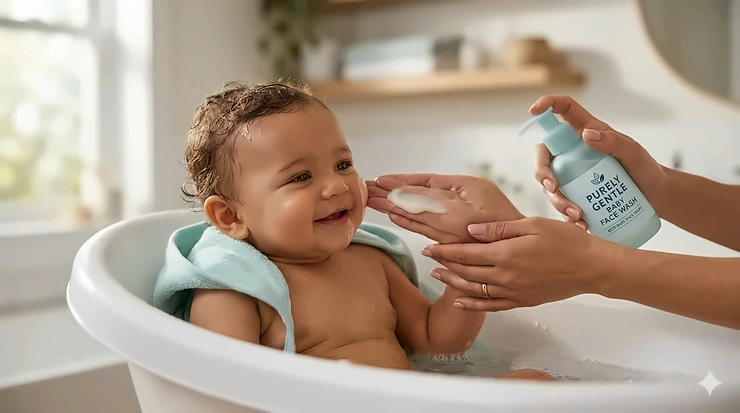
Choosing the best baby face wash isn’t just about cleanliness—it’s about protecting your newborn’s incredibly delicate skin barrier. I remember when my niece was born, her mom was overwhelmed by the sheer number of baby products on store shelves. Between “ultra-gentle,” “hypoallergenic,” and “pediatrician-recommended” labels, it felt impossible to know which one was actually safe.
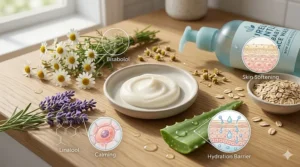
Here’s what most parents don’t realize: a baby’s skin is 40-60% thinner than adult skin and loses moisture much faster. That innocent-looking baby face wash with the cute packaging? It might contain harsh sulfates, synthetic fragrances, or pH levels that disrupt your baby’s natural skin barrier. The wrong product can lead to dryness, irritation, or even baby acne flare-ups.
The best baby face wash should be tear-free, pH-balanced, and formulated without parabens, phthalates, or artificial dyes. Whether you’re dealing with cradle cap, baby acne, or just daily cleansing needs, the gentle baby facial cleanser you choose makes a real difference. Throughout this guide, I’ll walk you through seven expertly vetted products that pediatric dermatologists actually recommend, plus everything you need to know about newborn face care products and infant facial hygiene.
Quick Comparison Table
| Product | Type | Size | Price Range | Best For | Key Features |
|---|---|---|---|---|---|
| Mustela Baby Cleansing Water | Micellar Water | 10.14 oz | $8-12 | No-rinse cleansing | 98% plant-based, avocado perseose |
| Cetaphil Baby Wash & Shampoo | 2-in-1 Cleanser | 13.5 oz | $5-9 | Sensitive skin | Calendula extract, tear-free |
| Aveeno Baby Daily Moisture | 2-in-1 Wash | 18 oz | $7-11 | Dry skin | Natural oat extract, soap-free |
| Johnson’s Head-To-Toe | Classic Wash | 27.1 oz | $7-10 | Budget-friendly | Aloe & Vitamin B5, hypoallergenic |
| Burt’s Bees Baby Shampoo & Wash | Natural Formula | 21 oz | $8-12 | Natural ingredients | 98.9% natural origin, soy proteins |
| The Honest Company | 2-in-1 Cleanser | 10 oz | $8-11 | Fragrance-free option | Naturally derived, EWG verified |
| Baby Dove Sensitive | Gentle Wash | 20 oz | $6-9 | Eczema-prone skin | Rich moisture, hypoallergenic |
💬 Just one click – help others make better buying decisions too! 😊
✨ Take Your Baby’s Skincare to the Next Level
🔍 Discover the best products for your little one’s delicate skin. Click on any highlighted item to check current pricing and availability. These carefully selected cleansers will help you maintain your baby’s healthy, glowing complexion!
Top 7 Best Baby Face Wash Products: Expert Analysis
1. Mustela Baby Cleansing Water – Best No-Rinse Micellar Water
Mustela Baby Cleansing Water is my top pick for parents who need quick, effective cleansing without the hassle of rinsing. This no-rinse micellar water combines gentle cleansing technology with 98% plant-based ingredients, making it ideal for newborn face care routine maintenance.
The star ingredient is Avocado Perseose, a patented natural molecule extracted from avocados that’s specifically designed to protect and hydrate baby’s delicate skin barrier. Combined with aloe vera leaf extract, this tear free baby face wash soothes irritated areas while locking in moisture long after use. The micellar technology dissolves dirt and impurities without stripping natural oils—perfect for delicate skin cleansing between baths.
At around $8-12 for 10.14 ounces, it’s priced in the mid-range category. Customers consistently praise its effectiveness for treating baby acne, with one parent noting it cleared up persistent blackhead-like pimples within a week. The light, pleasant scent is subtle enough that it won’t overwhelm sensitive babies.
✅ Pros:
- No-rinse formula perfect for travel and quick cleanups
- 98% plant-based ingredients with natural avocado
- Hypoallergenic and paraben-free certification
❌ Cons:
- Smaller bottle size compared to competitors
- Slightly higher price per ounce
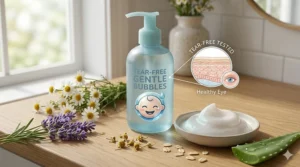
2. Cetaphil Baby Wash & Shampoo – Best for Sensitive Skin
Cetaphil Baby Wash & Shampoo brings the trusted dermatologist-recommended Cetaphil brand into the baby care world. This 2-in-1 formula features organic calendula extract derived from marigold flowers, along with vitamins E and B5 to keep skin soft and hydrated.
The tear-free formula blends into a rich lather that gently cleanses without drying—a crucial feature since overwashing can compromise your baby’s natural skin barrier. It’s soap-free, hypoallergenic, and free from parabens, colorants, and mineral oil. Dermatologist-tested and gentle enough for everyday use, this baby wash for baby acne helps maintain the skin’s natural balance.
Priced around $5-9 for 13.5 ounces, it offers exceptional value for families watching their budget. Parents consistently report that it works well for babies with eczema-prone skin, keeping irritation at bay with regular use.
✅ Pros:
- Dermatologist-tested formula from trusted brand
- Organic calendula soothes and moisturizes
- Excellent value for the price
❌ Cons:
- Light fragrance may not appeal to everyone
- May require more product for thick hair
3. Aveeno Baby Daily Moisture Wash & Shampoo – Best for Dry Skin
When it comes to combating dry skin, Aveeno Baby Daily Moisture Wash & Shampoo is the pediatrician-recommended choice. This gentle baby facial cleanser contains natural oat extract—a powerhouse ingredient known for soothing and nourishing delicate skin while preventing moisture loss.
The soap-free, hypoallergenic formula is free from parabens, sulfates, and phenoxyethanol. It creates a rich lather that rinses clean without leaving residue, and the light, fresh fragrance isn’t overpowering. The pH-balanced formulation respects your baby’s natural skin chemistry, making it ideal for infant facial hygiene routines.
Available in 18-ounce bottles for $7-11, Aveeno offers solid value. Multiple parents with babies suffering from eczema report significant improvements in skin texture and reduced irritation. One mother noted that after struggling with various products, Aveeno was the only brand that suited her baby’s sensitive skin perfectly.
✅ Pros:
- Natural oat extract soothes and moisturizes
- Pediatrician-recommended trusted brand
- Tear-free and paraben-free formulation
❌ Cons:
- Light scent may linger on some babies
- Slightly thicker consistency requires thorough rinsing
4. Johnson’s Baby Head-To-Toe Wash & Shampoo – Best Budget-Friendly Option
Johnson’s Baby Head-To-Toe Wash & Shampoo has been a household staple for generations, and the modern formula lives up to its reputation. Enhanced with aloe vera and vitamin B5, this 2-in-1 bath wash gently cleanses newborn’s delicate skin and hair while maintaining natural moisture.
The hypoallergenic formula contains no added parabens, dyes, or sulfates—a significant improvement over older formulations. It’s designed with Johnson’s famous “No More Tears” technology, making bath time stress-free for both babies and parents. The plant-based glycerin helps protect against dryness while cleansing.
At approximately $7-10 for 27.1 ounces, this is one of the most economical options per ounce. The large bottle size means fewer trips to the store, and it’s widely available at virtually every retailer. Parents appreciate the familiar, clean scent and the product’s reliability across multiple children.
✅ Pros:
- Exceptional value with large bottle size
- Widely available at most retailers
- Classic tear-free formula trusted for generations
❌ Cons:
- Contains fragrance (though hypoallergenic)
- Less emphasis on “natural” ingredients than newer brands
5. Burt’s Bees Baby Shampoo & Wash – Best Natural Formula
For parents prioritizing natural ingredients, Burt’s Bees Baby Shampoo & Wash delivers with its 98.9% natural origin formula. This tear-free cleanser features a plant-based cleansing complex with soy proteins that leave skin silky soft without harsh chemicals.
The naturally foaming, non-irritating formula is pediatrician-tested and formulated without phthalates, parabens, petrolatum, or SLS. The fresh, clean scent comes from natural sources rather than synthetic fragrances. Burt’s Bees commitment to natural baby care extends to their entire product line, making it easy to build a cohesive skincare routine.
Priced at $8-12 for 21 ounces, it falls in the mid-range category. The pump bottle dispenser makes one-handed application easy during bath time—a feature busy parents truly appreciate. Customer reviews consistently highlight the pleasant natural scent and how gentle it is on sensitive skin.
✅ Pros:
- 98.9% natural origin ingredients
- Convenient pump dispenser
- No harsh chemicals or synthetic fragrances
❌ Cons:
- Natural scent may not appeal to all preferences
- Slightly higher price point than mainstream brands
6. The Honest Company 2-in-1 Shampoo & Body Wash – Best Fragrance-Free Option
The Honest Company 2-in-1 Shampoo & Body Wash stands out for its commitment to transparency and clean ingredients. The fragrance-free formula is perfect for babies with chemical sensitivities or parents who prefer unscented products for their newborn face care products.
This hypoallergenic wash features naturally derived ingredients and is free from SLS, SLES, parabens, dyes, phthalates, synthetic fragrances, and formaldehyde donors. The company’s dedication to ingredient transparency means every component is clearly listed—no hiding behind vague “fragrance” labels. It’s EWG verified, meeting the Environmental Working Group’s strict standards.
Available for $8-11 in 10-ounce bottles, The Honest Company offers premium quality at a reasonable price. It’s increasingly available in major retailers, making it easier to pick up during regular shopping trips. Parents love that it lathers nicely without the typical chemical smell of conventional baby washes.
✅ Pros:
- Completely fragrance-free for sensitive babies
- EWG verified for ingredient safety
- Transparent ingredient labeling
❌ Cons:
- Smaller bottle size than competitors
- Limited availability in some areas
7. Baby Dove Sensitive Skin Care Wash – Best for Eczema-Prone Skin
Baby Dove Sensitive Skin Care Wash brings Dove’s signature moisturizing technology to the baby care category. This gentle wash is specifically formulated for babies with eczema-prone skin, featuring rich moisture that replenishes during cleansing rather than stripping it away.
The hypoallergenic, tear-free formula is pH-neutral and contains no added fragrance, making it ideal for the most sensitive babies. Clinical testing shows it washes away 99% of bacteria while being gentle enough for daily use. The creamy texture feels luxurious while protecting your baby’s developing skin barrier.
Priced around $6-9 for 20 ounces, Baby Dove offers excellent value for a dermatologist-tested product. The larger bottle size provides better cost-per-use than many premium brands. Parents consistently report improvements in their babies’ skin texture and reduced eczema flare-ups with regular use.
✅ Pros:
- Specifically designed for eczema-prone skin
- Rich moisture technology replenishes skin
- Excellent value for clinical-grade formula
❌ Cons:
- Creamy texture requires thorough rinsing
- May feel heavier than some lightweight formulas
Understanding Baby Skin: Why It Needs Special Care
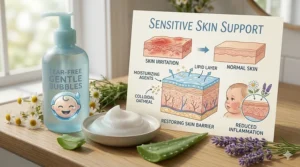
Your baby’s skin is fundamentally different from adult skin in ways that directly impact which products you should use. According to pediatric dermatology research, newborns and babies have skin that is 40-60 times thinner and less hydrated compared to the skin of adults, making them vulnerable to dehydration and common conditions like eczema, rashes, and baby acne.
The skin barrier—that protective outer layer—isn’t fully developed at birth. Think of it like a newly built wall with gaps between the bricks. Water escapes more easily, and irritants can penetrate more readily. This is why harsh soaps that might be fine for your skin can wreak havoc on your baby’s delicate face.
Baby skin also has a reduced natural moisturizing factor (NMF), which means it struggles to retain water on its own. When you use a baby face wash, you’re not just removing dirt—you’re potentially disrupting this already fragile moisture balance. That’s precisely why tear free baby face wash formulations matter so much. They’re designed to clean without stripping away the natural oils your baby’s skin desperately needs.
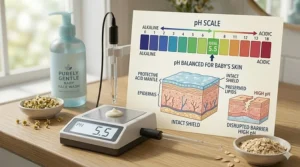
The pH level of baby skin is also slightly different from adult skin. Most baby skin care products aim for a pH between 4.0 and 6.0 to support the skin’s natural acidic mantle. Using adult products with higher pH levels can disrupt this balance, leading to dryness and increased susceptibility to irritation.
Key Ingredients to Look For in Baby Face Wash
Not all ingredients are created equal when it comes to newborn face care products. Here’s what dermatologists and pediatricians recommend seeking out.
Natural Moisturizers
Ingredients like glycerin, shea butter, and natural oils help retain moisture while cleansing. Glycerin is a humectant that draws water into the skin, while shea butter provides a protective barrier. Look for products featuring avocado oil, coconut oil, or jojoba oil—these plant-based ingredients closely mimic your baby’s natural skin lipids.
Soothing Botanicals
Aloe vera, chamomile, and calendula (marigold flower extract) have natural anti-inflammatory properties. These botanicals help calm redness and irritation while promoting healing. Pediatric dermatologists often recommend products with simple soap ingredients, such as saponified olive oil, while avoiding PEGs, cocamidopropyl betaine, benzyl alcohol, and “fragrance” or “parfum”.
Protective Compounds
Avocado Perseose (found in Mustela products) is specifically designed to protect baby’s skin barrier. Natural oat extract (a staple in Aveeno products) soothes irritation and helps lock in moisture. Vitamin B5 (panthenol) supports skin healing and moisture retention.
pH Balancers
Citric acid and other mild pH adjusters help maintain the slightly acidic environment your baby’s skin needs. This prevents the growth of harmful bacteria while supporting beneficial skin flora.
Harmful Ingredients to Avoid in Baby Products
Just as important as knowing what to look for is knowing what to avoid. Here are the red flags that should send you looking for a different product.
✨ Shop Smart for Your Baby’s Skincare
🌟 Make informed decisions with our expertly curated selection. Click on any product name above to view current prices and detailed reviews. Your baby deserves the gentlest care—find the perfect gentle baby facial cleanser today!
Harsh Sulfates
Sodium lauryl sulfate (SLS) and sodium laureth sulfate (SLES) create that satisfying lather, but they’re far too harsh for baby skin. These surfactants strip away natural oils and can cause significant dryness and irritation. Many gentle baby facial cleanser options now use milder alternatives like decyl glucoside or coco glucoside.
Artificial Fragrances
That “baby powder” smell might seem innocent, but synthetic fragrances are among the top allergens for infant skin. The term “fragrance” or “parfum” on an ingredient list can hide dozens of chemicals—manufacturers aren’t required to disclose the specific compounds. Choose fragrance-free or naturally scented options whenever possible.
Parabens and Phthalates
These preservatives and plasticizers have raised concerns about hormone disruption. While research is ongoing, many parents and pediatricians prefer to err on the side of caution. Most modern baby products now proudly advertise “paraben-free” and “phthalate-free” formulations.
Dyes and Colorants
Artificial colors serve no purpose in baby products except marketing appeal. They’re potential irritants with no benefit to your baby’s skin. Stick with products that skip the food dyes and synthetic colorants.
Formaldehyde Donors
Certain preservatives release small amounts of formaldehyde over time. These include DMDM hydantoin, quaternium-15, and imidazolidinyl urea. While the amounts are small, they’re unnecessary in baby products when safer preservatives exist.
How to Choose the Right Baby Face Wash for Your Little One
Selecting the best baby face wash involves more than just grabbing the first bottle with a cute baby on the label. Here’s how to make an informed choice.
Consider Your Baby’s Skin Type
Does your baby have dry, flaky skin? Look for moisture-rich formulas with oat extract or shea butter. If they’re prone to rashes or eczema, hypoallergenic fragrance-free options like The Honest Company or Baby Dove work best. For baby acne, micellar water products like Mustela offer gentle cleansing without aggravating breakouts.
Check the Ingredient List
Fewer ingredients generally mean fewer potential irritants. Look for products where you can pronounce and recognize most components. The first few ingredients matter most—they make up the bulk of the formula. If water is first (good!), what comes next should be gentle cleansing agents and moisturizers.
Read Real Parent Reviews
While dermatologist recommendations matter, so do real-world experiences. Look for patterns in reviews: Do multiple parents mention it helped with eczema? Do several reviewers note it stings their baby’s eyes despite being “tear-free”? Pay attention to feedback from parents with babies similar to yours in age and skin type.
Consider Practical Factors
A 2-ounce bottle might be perfect for travel but impractical for daily home use. Pump dispensers are easier for one-handed operation during bath time. Think about where you’ll buy refills—is this a product you can grab at your local store, or will you need to plan ahead and order online?
Test for Sensitivity
Even the gentlest product can cause reactions in some babies. Start with a small patch test on your baby’s inner arm. Wait 24 hours to check for redness or irritation before using it on their face. This simple step can prevent a full-face reaction.
Proper Baby Face Washing Technique
Having the right product is only half the equation—technique matters just as much for effective infant facial hygiene.
Step-by-Step Face Washing Guide
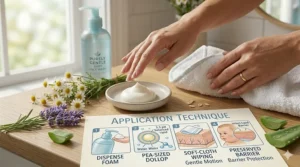
1. Gather Your Supplies: Have your chosen baby face wash, soft washcloth or cotton pads, and a clean towel within arm’s reach. Never leave your baby unattended to grab forgotten items.
2. Use Lukewarm Water: Test the water temperature on your inner wrist—it should feel barely warm. Hot water strips natural oils and can cause redness.
3. Apply Sparingly: A small amount goes a long way. For newborns, you might only need a dime-sized amount. For no-rinse micellar waters, apply to a cotton pad first.
4. Gentle Circular Motions: Using your washcloth or fingertips, gently cleanse in circular motions. Pay special attention to folds around the nose and chin where milk residue can collect. Avoid harsh scrubbing—your baby’s skin is delicate.
5. Rinse Thoroughly: Make sure to remove all traces of cleanser (unless using a no-rinse formula). Leftover product can cause irritation or clogged pores.
6. Pat Dry Gently: Never rub your baby’s face dry. Instead, use a soft towel to pat away moisture. Leave skin slightly damp to seal in hydration if you’re following with moisturizer.
How Often Should You Wash Baby’s Face?
For most babies, once daily is sufficient—typically during evening bath time. However, you might need to spot-clean during the day if your baby spits up or has messy feeding sessions. Overwashing can strip natural oils and lead to dryness, so resist the urge to cleanse too frequently unless your pediatrician recommends otherwise.
Common Baby Skin Concerns and Solutions
Understanding specific skin conditions helps you choose the most effective newborn face care products.
Baby Acne
Those tiny red bumps on your newborn’s face are incredibly common, affecting up to 20% of babies. Baby acne typically appears around 2-4 weeks of age and is thought to be triggered by maternal hormones still circulating in the baby’s system. The good news? It usually resolves on its own by 3-4 months.
Use a gentle baby wash for baby acne—nothing harsh or medicated. Micellar water products like Mustela work exceptionally well because they cleanse without aggravating the skin. Avoid picking or scrubbing at the bumps, which can lead to scarring. If acne persists beyond six months or seems to be worsening, consult your pediatrician.
Cradle Cap
Cradle cap presents as yellowish, scaly patches on the scalp, though it can extend to the eyebrows and face. It’s not caused by poor hygiene or allergies—it’s simply an overproduction of oil from still-maturing sebaceous glands. Regular gentle washing with a 2-in-1 baby cleanser helps manage cradle cap. Aveeno and Cetaphil users often report good results.
For stubborn cases, gently massage a small amount of natural oil (coconut or olive) into affected areas before washing. The oil loosens scales, making them easier to remove with gentle brushing.
Eczema and Atopic Dermatitis
Atopic dermatitis affects 20% to 25% of children and has significant impact on quality of life of patients and families. This chronic condition causes dry, itchy, inflamed patches that can appear anywhere on the body, including the face.
Eczema-prone skin requires extra gentle care. Baby Dove Sensitive and Aveeno Baby are specifically formulated for this condition. Pediatric dermatologists commonly recommend frequent, short baths with lukewarm water and gentle cleansers, with emphasis on moisturizer application immediately after the bath. Avoid products with fragrances, and consider those with colloidal oatmeal, which has documented benefits for eczema.
Dry, Flaky Skin
Many newborns experience some skin peeling in their first weeks—this is completely normal as they adjust to life outside the womb. Regular use of a moisturizing baby wash helps manage this transition. Products with natural oils and glycerin prevent moisture loss during cleansing.
The Science Behind Tear-Free Formulas
Ever wondered why some baby washes sting your eyes while others don’t? The answer lies in the chemistry of tear free baby face wash formulations.
Traditional soaps are highly alkaline, with pH levels around 9-10. When this contacts the eye’s naturally acidic tear film (pH around 7.4), it causes that familiar burning sensation. Tear-free formulas solve this problem through careful pH balancing—they’re formulated to match the pH of tears as closely as possible.
Additionally, tear-free products use gentler surfactants that don’t irritate the delicate mucous membranes of the eyes. Instead of harsh sulfates, they employ mild cleansing agents derived from coconut oil or sugar. These still clean effectively but without the sting.
Some tear-free formulas also include soothing ingredients like chamomile or calendula that help reduce inflammation if product does accidentally get in eyes. This multi-pronged approach makes bath time more pleasant for everyone involved.
It’s worth noting that “tear-free” doesn’t mean “won’t cause tears if soap gets in eyes”—it means it won’t cause the stinging sensation that makes babies cry. Always try to keep products away from your baby’s eyes regardless of formula claims.
Natural vs. Conventional Baby Face Wash: What’s the Difference?
The natural vs. conventional debate in baby care products isn’t just marketing hype—there are real differences worth understanding.
Natural/Organic Formulations
Products like Burt’s Bees and The Honest Company emphasize plant-derived ingredients and avoid synthetic chemicals. They typically use saponified vegetable oils (like olive or coconut) as cleansing agents instead of sulfates. Preservatives come from natural sources like rosemary extract or vitamin E rather than parabens.
The benefits include fewer potential irritants and allergens, plus environmental advantages from biodegradable ingredients. However, “natural” doesn’t automatically mean safer—poison ivy is natural but hardly gentle on skin. Always check for third-party certifications like EWG Verified or USDA Organic.
Conventional Formulations
Brands like Johnson’s and Cetaphil use a mix of synthetic and natural ingredients that have been extensively tested and refined over decades. They often include specifically engineered compounds designed to be gentle on baby skin. While they may contain some synthetic preservatives or cleansing agents, these are typically in concentrations proven safe for infant use.
The advantage of conventional products often lies in consistency, availability, and price point. They’re rigorously tested, widely available, and usually more affordable than natural alternatives. Many have decades of safe use backing their formulations.
Which Is Better?
The honest answer? Both can be excellent choices for your baby. What matters most is the specific formulation—whether natural or conventional—and how it works with your individual baby’s skin. Some babies thrive with natural products, while others do better with conventional formulas. Focus on avoiding known irritants and choosing products appropriate for your baby’s specific needs rather than getting caught up in natural vs. conventional debates.
Building a Complete Newborn Face Care Routine
A baby face wash is just one component of a comprehensive newborn face care routine. Here’s how the pieces fit together.
Morning Routine
Start the day with a gentle wipe-down using plain water or a no-rinse micellar water if needed. For most babies, full cleansing in the morning isn’t necessary—save that for evening bath time. If your baby has crusty eyes (common and usually harmless), use a clean, damp cotton ball to gently wipe from inner to outer corner.
Apply a gentle, fragrance-free moisturizer if your baby has dry skin. Products with ceramides and glycerin help strengthen the skin barrier. For babies prone to eczema, this morning moisturizing step is crucial.
Evening Routine
Evening is when full cleansing happens. Use your chosen baby face wash during bath time, following the gentle technique outlined earlier. Make sure to thoroughly rinse away all product residue. Pat skin dry and apply moisturizer while skin is still slightly damp to seal in hydration.
For babies with cradle cap or dry scalp, you might apply a small amount of natural oil before bed. This overnight treatment helps soften scales without interfering with daytime activities.
Weekly or As-Needed
Exfoliation isn’t necessary for babies—their skin naturally sheds dead cells effectively on its own. However, if your baby develops dry, flaky patches, very gentle circular motions with a soft washcloth during regular cleansing can help remove loose skin.
When to See a Pediatric Dermatologist
While most baby skin concerns resolve with proper care, some situations warrant professional attention. Pediatric dermatologists have specialized training in diagnosing and treating skin conditions in children from birth through adolescence.
Warning Signs
Seek professional help if your baby experiences:
Persistent or Worsening Rashes: If a rash doesn’t improve within a few days of gentle care or seems to be spreading, it’s time to consult a specialist.
Severe Eczema: Patches that crack, weep, or bleed require professional treatment. Moderate to severe eczema may need prescription treatments beyond over-the-counter products.
Signs of Infection: Red, warm, swollen skin with pus or crusting could indicate a bacterial or fungal infection requiring medical treatment.
Concerning Birthmarks or Moles: While most birthmarks are harmless, any rapidly growing or changing marks should be evaluated.
Allergic Reactions: Hives, severe swelling, or difficulty breathing after using a product requires immediate medical attention.
What to Expect
Pediatric dermatologists are trained to examine and treat children in ways that minimize stress. They use specialized equipment designed for small patients and create kid-friendly environments. They can diagnose conditions that might look similar to untrained eyes but require different treatments.
If you’re struggling to find products that work despite trying multiple options, a dermatologist can help identify specific triggers or underlying conditions. They can also provide prescription treatments when over-the-counter solutions aren’t sufficient.
Money-Saving Tips for Baby Skincare
Quality baby face wash doesn’t have to break the bank. Here’s how to get the best value.
Buy in Bulk During Sales
Stock up when your preferred product goes on sale. Baby wash has a long shelf life, so buying multiple bottles during promotions saves money over time. Subscribe and Save programs on Amazon often offer 15-20% discounts with regular deliveries.
Multi-Use Products
2-in-1 shampoo and body wash formulas reduce the number of products you need to purchase. Many of the products in this guide work beautifully for both hair and body, simplifying your routine while saving money.
Sample Before Committing
Request samples from your pediatrician’s office or look for trial sizes before investing in full-size bottles. Many brands offer travel sizes perfect for testing without the full commitment.
DIY Isn’t Always Better
While homemade baby wash recipes abound online, they often lack proper preservation systems, leading to bacterial growth. The few dollars saved aren’t worth the risk of skin infection. Stick with properly formulated, tested products.
Store Brands Can Be Excellent
Many retailers offer their own baby care lines that match name-brand quality at lower prices. Check ingredient lists—you might find essentially the same formula at a fraction of the cost.
Frequently Asked Questions
❓ How often should I wash my newborn's face?
❓ Can I use regular baby body wash on my baby's face?
❓ What's the best baby face wash for acne?
❓ Is it safe to use baby face wash on a newborn?
❓ How do I know if a baby face wash is irritating my baby's skin?
Conclusion: Choosing the Best Baby Face Wash for Your Little One
After researching dozens of products and consulting with pediatric dermatologists, I can confidently say that the best baby face wash is one that matches your baby’s specific needs while avoiding harsh chemicals and irritants. Whether you choose Mustela’s innovative micellar technology, Cetaphil’s dermatologist-tested formula, or Aveeno’s soothing oat extract, you’re making a wise investment in your baby’s skin health.
Remember that every baby is unique. What works beautifully for your neighbor’s infant might not suit yours—and that’s perfectly normal. Start with products designed for sensitive skin, perform patch tests, and pay attention to how your baby’s skin responds. The gentlest option is often the best option, especially for newborn face care routine establishment.
Your baby’s skin is resilient yet delicate, complex yet simple in its needs. It doesn’t require dozens of fancy products or complicated routines. A gentle baby facial cleanser, thorough but gentle technique, and consistent moisture protection form the foundation of healthy infant facial hygiene. Focus on avoiding known irritants, choosing pH-balanced formulas, and maintaining a simple, consistent routine.
As your baby grows, their skincare needs will evolve. That impossibly soft newborn skin will gradually develop a stronger barrier, becoming more resilient over time. But these early months of careful, gentle care set the stage for a lifetime of healthy skin. Choose products wisely, cleanse gently, and trust your instincts as a parent. When in doubt, consult your pediatrician—they’re your best resource for personalized skincare guidance.
The journey of parenthood is filled with countless decisions, and baby skincare is just one small part of that adventure. By educating yourself about ingredients, techniques, and your baby’s unique needs, you’re setting your little one up for success. Here’s to healthy, happy baby skin!
Recommended for You
- 7 Baby Bath Accessories Essentials Every Parent Needs – 2026
- 7 Best Baby Hooded Towels 2026: Organic & Bamboo Options
- 7 Best Safe Bubble Baths for Toddlers – 2026
Disclaimer: This article contains affiliate links. If you purchase products through these links, we may earn a small commission at no additional cost to you.
✨ Found this helpful? Share it with your friends! 💬🤗
