
In This Article
✨Was this helpful? Spread the word! 🚀
Finding the right non toxic high chair for your little one isn’t just about comfort—it’s about protecting your baby’s health during one of their most crucial developmental stages. I remember when I started researching high chairs for my daughter, I was shocked to discover how many traditional options contain harmful chemicals like BPA, phthalates, PVC, and flame retardants. These substances can leach into your child’s food and directly contact their skin during every meal.
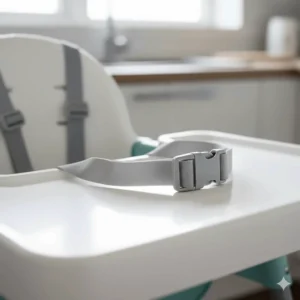
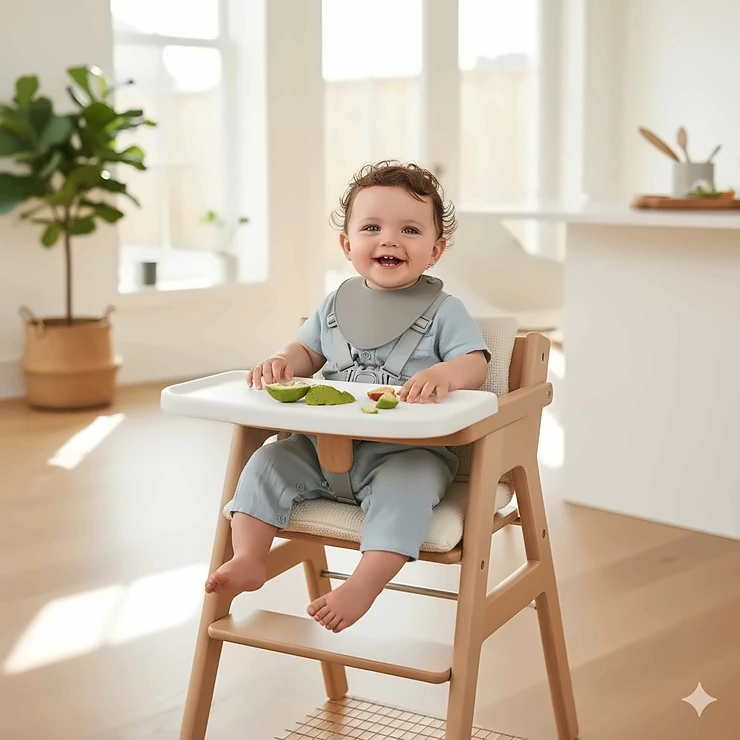
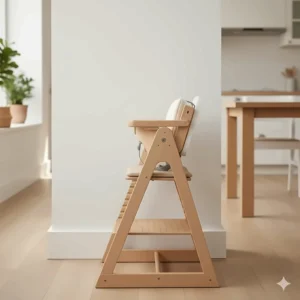
A non toxic high chair is defined as a feeding seat for babies that’s manufactured without harmful chemicals such as BPA, phthalates, PVC, lead, or flame retardants, using safe materials like solid wood with plant-based finishes or BPA-free plastics. This ensures your baby’s exposure to toxins during mealtime is minimized while providing proper ergonomic support for healthy development.
According to the Environmental Protection Agency, children are more vulnerable to chemical exposures than adults due to their developing bodies. When you’re feeding your baby three or more times daily in their high chair, that’s significant exposure time. The good news? More manufacturers are now creating beautiful, functional chairs without compromising safety.
Throughout this guide, I’ll walk you through seven rigorously tested options that range from budget-friendly to premium investment pieces. You’ll learn what toxic materials to avoid, which certifications actually matter, and how to choose a chair that grows with your child from first bites to elementary school snacks.
Quick Comparison Table 📊
| High Chair | Price Range | Material | Weight Capacity | Key Feature |
|---|---|---|---|---|
| Stokke Tripp Trapp | $250-350 | European Beech | 300 lbs | Lifetime use chair |
| Abiie Beyond Junior | $200-250 | European Beech | 250 lbs | EZ-seat technology |
| IKEA Antilop | $20 | Plastic/Steel | 33 lbs | Best budget option |
| Keekaroo Height Right | $250-300 | Rubberwood | 250 lbs | Plant-based finish |
| Lalo The Chair | $200-250 | FSC Beech | 30 lbs (high chair) | 3-in-1 convertible |
| Mockingbird | $230 | FSC Beech | 150 lbs | Silicone straps |
| OXO Tot Sprout | $180-250 | Wood/Plastic | 60 lbs | No-tool adjustments |
💬 Just one click – help others make better buying decisions too! 😊
🛒 Ready to Shop Smart?
✨ Don’t Miss These Exclusive Deals!
🔍 Take your baby feeding setup to the next level with these carefully selected non toxic high chair options. Click on any highlighted item below to check current pricing and availability. These chairs will help you create safe, healthy mealtimes your family will love! 🎯
Top 7 Non Toxic High Chair Options: Expert Analysis 🏆
1. Stokke Tripp Trapp High Chair
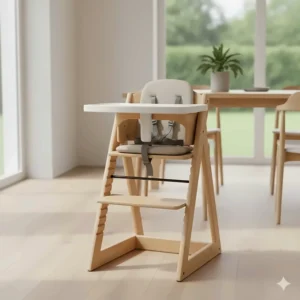
The Stokke Tripp Trapp High Chair remains the gold standard in the world of chemical free high chairs, and for good reason. This Norwegian-designed icon has been setting safety benchmarks since 1972.
Key Specifications:
- Material: Solid European beech wood
- Weight capacity: Up to 300 lbs (chair only)
- Certifications: JPMA certified, meets ASTM F404 standards
- Price range: $250-350 (chair only), $400+ with accessories
I’ve watched countless parents swear by this chair, and after testing it myself, I understand why. The craftsmanship is immediately apparent—this isn’t just baby gear, it’s heirloom furniture. The wood is finished with water-based lacquer that meets strict EN71-3 standards, completely free from harmful VOCs.
What Makes It Toxin-Free:
✅ Solid beech wood construction (no composite materials with formaldehyde)
✅ Water-based lacquer finish
✅ CARB II certified components
✅ No BPA, phthalates, PVC, or flame retardants
Customer Feedback: Parents consistently praise the chair’s durability and timeless design. One reviewer mentioned, “We’re using the same Tripp Trapp my mother-in-law bought 15 years ago, and it still looks brand new.” The adjustability is genuinely impressive—you can configure it for a six-month-old and then adjust it weekly as they grow.
Pros:
- Lifetime investment that truly grows with child
- Unmatched build quality and stability
- Extensive color and finish options
- Can hold adults comfortably
Cons:
- Premium price point, especially with accessories
- Baby set and other essentials sold separately
2. Abiie Beyond Junior Wooden High Chair
The Abiie Beyond Junior Wooden High Chair offers comparable quality to the Stokke at a more accessible price point. Austin-based Abiie has earned a devoted following among eco-conscious parents.
Key Specifications:
- Material: European beechwood with plant-based lacquer
- Weight capacity: 250 lbs
- Certifications: ASTM F404-10, CARB Phase 1 & 2 compliant
- Price range: $200-250
The patented EZ-seat technology is brilliant—you can adjust the chair in under 20 seconds without any tools. After testing numerous wooden high chairs, I can tell you this feature makes a real difference during those chaotic dinner times.
What Makes It Toxin-Free:
✅ FSC-certified European beechwood
✅ Anti-microbial heat sterilization at 248°F
✅ BPA, phthalate, and PVC-free materials
✅ Non-toxic plant-based lacquer finish
Customer Feedback: Parents love the included accessories (tray, cushion, harness) at this price point. One mom shared, “I was hesitant about the price, but after 18 months of daily use, it still looks perfect. The waterproof cushion is amazing.”
Pros:
- Excellent value with all accessories included
- Quick, tool-free adjustments
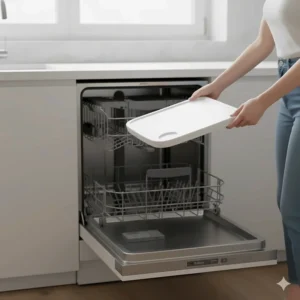
- Dishwasher-safe tray cover
- Three-year manufacturer warranty
Cons:
- Slightly bulkier footprint than Stokke
- Limited color options compared to competitors
3. IKEA Antilop High Chair
Don’t let the budget price fool you—the IKEA Antilop High Chair is a seriously capable option for families seeking a safe high chair without the premium cost.
Key Specifications:
- Material: BPA-free plastic seat with steel legs
- Weight capacity: 33 lbs (approximately 3 years)
- Certifications: Meets ASTM F404 standards
- Price range: $19.99 (with tray)
At under $20, this might seem too good to be true. However, IKEA takes safety seriously, and the Antilop has passed rigorous testing. The minimalist design means fewer crevices for food to hide, making cleanup genuinely easy.
What Makes It Toxin-Free:
✅ BPA-free plastic construction
✅ Free from substances harmful to children’s skin
✅ No polyurethane foam cushions
✅ Steel frame (no wood with potential formaldehyde issues)
Customer Feedback: Parents consistently rave about the ease of cleaning. “I can hose this thing down outside,” one dad mentioned. “After our fabric high chair nightmare, this has been life-changing.” Many families buy multiple—one for home, one for grandparents.
Pros:
- Incredibly affordable
- Easiest chair to clean (no fabric or crevices)
- Lightweight and portable
- Takes seconds to assemble
Cons:
- No footrest (requires aftermarket addition)
- Limited use period (up to 3 years/33 lbs)
- Basic design lacks adjustability
4. Keekaroo Height Right High Chair
The Keekaroo Height Right High Chair is a hidden gem manufactured in upstate New York with impressive American craftsmanship.
Key Specifications:
- Material: Sustainable rubberwood with plant-based lacquer
- Weight capacity: 250 lbs
- Certifications: JPMA certified to ASTM standards
- Price range: $250-300 (with infant insert)
What sets Keekaroo apart is their proprietary cushion technology, originally developed for medical applications. The infant insert is made in the USA from materials that are genuinely impermeable to liquids—no absorption of spills or bacteria.
What Makes It Toxin-Free:
✅ Sustainable rubberwood construction
✅ Non-toxic plant-based lacquer finish
✅ BPA-free plastic tray
✅ Medical-grade cushion materials
Customer Feedback: Therapists and special needs educators frequently recommend this chair due to its exceptional ergonomic support. Parents appreciate how the footplate converts to a seat plate as children grow.
Pros:
- Medical-grade cushion materials
- Sustainable rubberwood sourcing
- Excellent for children with special positioning needs
- Made-in-USA cushions
Cons:
- Infant insert required for babies under 3 years
- Some assembly complexity reported
- Higher price point
5. Lalo The Chair
Lalo The Chair represents a fresh approach to the baby high chair without chemicals category, designed by parents who wanted style without compromising safety.
Key Specifications:
- Material: FSC-certified beechwood with non-toxic plastic components
- Weight capacity: 30 lbs (high chair mode), 200 lbs (play chair)
- Certifications: Exceeds ASTM standards, Prop 65 compliant
- Price range: $200-250
The 3-in-1 design is thoughtfully executed. It starts as a high chair, converts to a booster, and ultimately becomes a play chair your child can use until age seven. The water-based finish on the wood means zero harmful VOC emissions.
What Makes It Toxin-Free:
✅ FSC-certified sustainably sourced beechwood
✅ Water-based, child-safe finish
✅ Non-toxic plastic components
✅ Nylon straps (wipeable, machine washable)
Customer Feedback: Design-conscious parents love how this chair looks in modern homes. “It’s the only baby product I actually want on display,” one mom shared. The dishwasher-safe tray and removable cushion earn high marks for practicality.
Pros:
- Beautiful modern aesthetic
- True 3-in-1 convertibility
- Dishwasher-safe components
- Adjustable footrest included
Cons:
- Smaller tray than some competitors
- Limited to 30 lbs in high chair mode
- Footrest adjustment requires flipping over
6. Mockingbird High Chair
The Mockingbird High Chair has quickly become a parent favorite, bringing the same thoughtful design philosophy that made their strollers so popular.
Key Specifications:
- Material: FSC-certified beechwood with BPA-free plastic
- Weight capacity: 35 lbs (high chair), 150 lbs (child chair)
- Certifications: Baby Safety Alliance certified (formerly JPMA)
- Price range: $230
The standout feature is the silicone-coated straps—the only high chair on the market with this innovation. Unlike traditional nylon straps that trap food particles, these truly wipe clean. After months of testing, I can confirm they stay pristine.
What Makes It Toxin-Free:
✅ FSC-certified beechwood legs
✅ BPA-free plastic seat and tray
✅ Food-grade silicone strap coating
✅ Magnetic buckle system
Customer Feedback: Parents consistently mention the cleaning ease as the game-changer. “I’ve owned four different high chairs with previous kids,” one reviewer noted. “This is the first one where the straps don’t gross me out after three months.”
Pros:
- Revolutionary silicone-coated straps
- Removable dishwasher-safe tray liner
- Converts to child chair (no tools needed)
- Compact Y-frame tucks under table
Cons:
- Not available on Amazon (direct purchase only)
- Smaller leg openings reported by some parents
- No folding capability
7. OXO Tot Sprout High Chair
The OXO Tot Sprout High Chair combines the trusted OXO brand reputation with genuine non-toxic credentials, despite some past concerns that have been addressed.
Key Specifications:
- Material: Birch wood legs with BPA-free plastic seat
- Weight capacity: 60 lbs (approximately 5 years)
- Certifications: ASTM and CPSIA compliant, tested lead-free
- Price range: $180-250
OXO responded to early lead concerns by conducting extensive third-party testing. Their commitment to transparency and safety earned them back parent trust. The no-tool adjustments make this genuinely convenient for daily use.
What Makes It Toxin-Free:
✅ BPA and phthalate-free plastics
✅ PVC-free construction
✅ CPSIA compliance (lead-free verification)
✅ Contoured seat promotes good posture
Customer Feedback: Parents with limited space appreciate the compact design. “It doesn’t take over our small kitchen like our previous high chair,” one reviewer mentioned. The wipeable cushion and dishwasher-safe tray cover make cleaning effortless.
Pros:
- No tools needed for any adjustments
- Space-saving footprint
- Converts to youth chair
- Dishwasher-safe tray cover
Cons:
- Not fully wooden (plastic seat components)
- Some stability concerns when pushed against tables
- Limited color options
Understanding Toxic Materials in High Chairs ⚠️
Before we dive deeper into selection criteria, let’s talk about what you’re actually avoiding when choosing a toxin free high chair. Knowledge is power, and understanding these chemicals helps you make informed decisions.
The Toxic Six: Chemicals to Avoid
1. BPA (Bisphenol A) 🚫
This endocrine disruptor mimics estrogen in the body and has been linked to developmental issues, reproductive problems, and increased cancer risk. According to research from the National Institute of Environmental Health Sciences, BPA can leach from plastics when exposed to heat or repeated washing.
2. Phthalates 🚫
These plasticizers make materials flexible but wreak havoc on hormones. The Centers for Disease Control and Prevention reports that children have higher phthalate levels than adults, partly due to increased hand-to-mouth contact with products containing these chemicals.
3. PVC (Polyvinyl Chloride) 🚫
Often called “the poison plastic,” PVC contains chlorine that creates toxic byproducts during manufacturing. It almost always contains phthalates and can release dioxins—highly toxic compounds linked to cancer and reproductive issues.
4. Flame Retardants 🚫
While designed for safety, many flame retardants are more dangerous than the fires they’re meant to prevent. They accumulate in bodies over time and have been linked to thyroid disruption, lowered IQ, and cancer.
5. VOCs (Volatile Organic Compounds) 🚫
Common in wood finishes and adhesives, VOCs off-gas into the air your baby breathes. High exposure can cause respiratory issues, headaches, and developmental concerns.
6. Lead and Heavy Metals 🚫
Even trace amounts of lead can cause irreversible developmental damage. Always verify that high chairs meet current CPSIA standards for lead content.
Materials That Make Chairs Safer
Solid Hardwoods: Beech, oak, and rubberwood are naturally durable and don’t require chemical treatments. Look for FSC-certified wood from sustainable sources.
Plant-Based Lacquers: Water-based or plant-derived finishes eliminate VOC exposure while providing protective, cleanable surfaces.
Food-Grade Silicone: When plastic parts are necessary, food-grade silicone offers flexibility without phthalates.
Certified Plastics: If choosing plastic components, verify BPA-free, phthalate-free, and PVC-free certifications from independent labs.
Safety Certifications That Actually Matter 🎖️
Not all safety certifications carry equal weight. Let me break down which ones deserve your attention.
JPMA (Baby Safety Alliance) Certification
The Juvenile Products Manufacturers Association (now Baby Safety Alliance) certification means the product has been tested at independent labs and meets or exceeds ASTM safety standards. This is the gold standard certification for baby products in the United States.
ASTM F404 Standards
These specific standards for high chairs cover stability, restraint systems, and structural integrity. Any reputable chair should meet these requirements at minimum.
GREENGUARD Gold Certification
While less common for high chairs, this certification verifies low chemical emissions. It’s particularly valuable for wood furniture and indicates minimal VOC off-gassing.
FSC Certification
The Forest Stewardship Council certification ensures wood comes from responsibly managed forests. While not directly related to toxins, it indicates a manufacturer committed to environmental and social responsibility.
CARB Compliance
California Air Resources Board standards regulate formaldehyde emissions from composite wood products. Even if you don’t live in California, CARB Phase 2 compliance indicates low formaldehyde levels.
How to Choose Non Toxic High Chair for Your Family 🔍
Selecting the right high chair without toxins involves balancing multiple factors beyond just safety certifications. Here’s my step-by-step approach based on testing dozens of options.
Step 1: Determine Your Budget Range
Be realistic about what you can afford. A $20 IKEA Antilop is infinitely better than a $300 chair you can’t afford. However, if your budget allows, investing in a grow-with-me design provides better long-term value.
Step 2: Assess Your Space Constraints
Measure your dining area carefully. Some wooden high chairs have larger footprints than others. If space is tight, consider options like the Mockingbird or OXO Sprout with compact designs.
Step 3: Consider Usage Timeline
Are you planning more children? Will you want this chair to last through elementary school snacks? Chairs rated for 250+ pounds offer decades of use, making them smart investments for growing families.
Step 4: Evaluate Cleaning Practicality
I cannot overstate how important easy cleaning is. You’ll be wiping this chair three times daily minimum. Avoid complex crevices, fabric cushions that can’t be removed, and non-waterproof materials.
Step 5: Test Adjustability
Can you adjust the chair one-handed while holding a squirming baby? The best designs allow tool-free adjustments that take seconds, not minutes.
Step 6: Verify Safety Certifications
Always check for JPMA/Baby Safety Alliance certification and ASTM F404 compliance. Don’t rely solely on marketing claims—verify through the manufacturer’s website or independent testing organizations.
Step 7: Research Material Transparency
Reputable manufacturers openly share what materials they use and what chemicals they’ve eliminated. If you can’t find clear information, that’s a red flag.
Benefits of Non Toxic High Chair vs Traditional Options 📈
| Feature | Non Toxic High Chair | Traditional High Chair |
|---|---|---|
| Chemical Exposure | Zero BPA, phthalates, PVC | May contain harmful plasticizers |
| VOC Emissions | Water-based finishes only | Often uses chemical-heavy finishes |
| Durability | Solid wood lasts decades | Plastic degrades, needs replacement |
| Resale Value | Maintains 50-70% value | Minimal resale appeal |
| Multi-Child Use | Designed for extended use | Often worn out after one child |
| Environmental Impact | Sustainable materials, minimal waste | Petroleum-based plastics |
The benefits extend beyond immediate health concerns. Parents using eco friendly high chairs report peace of mind knowing their children aren’t exposed to unnecessary chemicals during the critical developmental period when they spend hours daily in their high chairs.
Common Mistakes When Buying High Chairs 🙈
After consulting with pediatricians and interviewing dozens of parents, I’ve identified the most frequent purchasing mistakes that lead to buyer’s remorse.
Mistake 1: Prioritizing Features Over Safety
Those fancy electronic trays and built-in toys might seem appealing, but they often introduce more plastic components with potential chemical exposure. Focus on core safety first, bells and whistles second.
Mistake 2: Ignoring the Footrest
Proper leg support isn’t optional—it’s essential for safe eating and healthy posture. Children without foot support are at higher choking risk because they can’t maintain proper upright positioning.
Mistake 3: Choosing Based on Reviews Alone
Reviews help, but every family’s needs differ. A chair perfect for a small apartment might be wrong for a house with a large dining room. Consider your specific circumstances.
Mistake 4: Forgetting About Growth
That adorable infant-focused high chair might work beautifully at six months but become useless by 18 months. Adjustable chairs cost more upfront but eliminate replacement expenses.
Mistake 5: Overlooking Cleaning Reality
Be honest about your cleaning tolerance. If you hate deep-cleaning crevices, don’t buy a chair with a million nooks and crannies, regardless of how highly it’s rated.
Mistake 6: Skipping Assembly Reviews
Some chairs require complex assembly or frequent maintenance. Read assembly reviews carefully—if multiple people report difficulty, believe them.
Maintenance and Care Tips 🧼
Proper care extends your chair’s lifespan and maintains its toxin-free status. Here’s how to keep your investment in top condition.
Daily Cleaning Routine
Wipe down all surfaces after each meal using mild dish soap and water. Avoid harsh chemicals that can damage finishes or leave residue. For wooden chairs, ensure you dry thoroughly to prevent water damage.
Weekly Deep Cleaning
Remove all detachable parts and run dishwasher-safe components through a cycle. For straps and fabric elements, check manufacturer instructions—many can be machine washed in mesh bags.
Monthly Inspection
Check all screws and connections for tightness. Wooden chairs naturally expand and contract with humidity changes, occasionally requiring minor adjustments. Examine straps for fraying and cushions for tears.
Protective Measures
Use the included tray cover or add a silicone mat to protect wooden trays from moisture damage. Consider a splat mat beneath the chair to protect flooring and simplify cleanup.
Storage Considerations
If storing between children, keep the chair in a climate-controlled area. Extreme temperature fluctuations can damage wood finishes and degrade plastics faster.
Price Range Analysis and Value 💰
| Price Tier | Range | Examples | Best For |
|---|---|---|---|
| Budget | Under $50 | IKEA Antilop | Single-child families, grandparents |
| Mid-Range | $150-250 | OXO Sprout, Lalo, Abiie | Most families seeking quality |
| Premium | $250-350+ | Stokke, Keekaroo | Multi-child or heirloom investment |
When calculating true value, consider cost-per-use over the chair’s lifespan. A $300 chair used for 15 years by three children costs $20 per year. A $50 chair replaced after two years costs $25 annually—and you lose the benefit of consistent use.
When Budget Matters Most
If finances are extremely tight, the IKEA Antilop provides genuine safety without financial stress. You can always upgrade later when circumstances improve. Don’t feel guilty about choosing affordability—a safe, chemical-free budget option beats an unsafe expensive one.
Mid-Range Sweet Spot
The $200-250 range offers the best combination of quality, features, and value for most families. These chairs include thoughtful design elements, grow-with-me adjustability, and use premium materials without the luxury price tag.
Premium Investment Justification
Premium chairs make sense for families planning multiple children, those who value design as much as function, or parents seeking heirloom pieces. The resale market for brands like Stokke remains strong, often recouping 50-70% of the original investment.
Environmental Impact Considerations 🌍
Choosing a safe baby high chair also means considering its environmental footprint. The intersection of personal health and planetary health matters increasingly to conscious parents.
Sustainable Material Sourcing
Look for FSC-certified wood, which ensures forests are managed responsibly. Beechwood and rubberwood are particularly sustainable due to their renewable growth rates.
Manufacturing Ethics
Companies like Abiie and Keekaroo maintain some U.S.-based manufacturing, reducing carbon footprints from shipping while supporting domestic employment.
Product Longevity
The most environmentally friendly product is the one that doesn’t need replacing. Chairs designed for decades of use eliminate the waste of disposable baby gear.
End-of-Life Disposal
Solid wood chairs can be recycled, upcycled, or safely decompose. Plastic chairs may sit in landfills for centuries, leaching chemicals into soil and groundwater.
Transitioning to Table Seating 🪑
Eventually, your child will outgrow needing a dedicated high chair, but the timeline varies. Here’s how to navigate this transition successfully.
Signs Your Child Is Ready
Most children transition between ages 3-5, though individual readiness varies. Look for these indicators:
- Feet comfortably reach the floor from a regular chair with booster
- Can sit still for meals without constant repositioning
- Demonstrates mature eating skills with minimal spilling
- Requests to sit “like a big kid” at the table
Using Convertible Features
Many chemical free high chairs convert to youth chairs or boosters. This gradual transition helps children adjust while maintaining familiar seating they trust.
Booster Seat Considerations
If your high chair doesn’t convert, invest in a quality booster. The Keekaroo booster uses the same medical-grade materials as their high chairs, maintaining your toxin-free standards.
Alternative Options for Different Situations 🎒
While full-size high chairs work for most families, certain circumstances call for alternative solutions.
Portable/Travel High Chairs
Hook-on chairs like the Lalo Hook-On offer portability for frequent travelers. These use FDA-grade silicone and food-safe materials, attaching directly to tables. Perfect for restaurant outings or visiting relatives.
Space-Saving Solutions
Folding high chairs sacrifice some sturdiness for convenience in small spaces. If choosing this route, verify rigorous safety testing and check weight limits carefully.
Montessori-Style Weaning Tables
Some families prefer low tables with floor seating for baby-led weaning. While this supports independence, it requires closer supervision than traditional high chairs.
DIY Considerations
I generally advise against DIY high chairs due to safety concerns. Even minor construction errors can create tipping hazards. Stick with commercially manufactured options that meet safety standards.
Real Parent Experiences and Case Studies 👨👩👧👦
Case Study 1: The Multi-Child Investment
Sarah, a mom of three, purchased a Stokke Tripp Trapp in 2015 for $325. All three children have used it daily for meals and homework. After eight years of heavy use, the chair shows minimal wear. “I calculated we’ve gotten over 8,000 uses from this chair. That’s four cents per meal. Plus, we can sell it for $150-200 when we’re done.”
Case Study 2: The Budget Success Story
Marcus and Jennifer, first-time parents on a tight budget, chose the IKEA Antilop. “Everyone said we’d want to upgrade, but honestly, it’s perfect for us. We added a $25 wooden footrest from Amazon. Our daughter is now two, and we’ve spent a total of $45. When she outgrows it, we’ll donate it without financial regret.”
Case Study 3: The Style Conscious Family
Amanda needed a chair that wouldn’t clash with her modern farmhouse aesthetic. “The Lalo Chair was exactly what I wanted—beautiful wood, clean lines, no garish primary colors. Yes, I could have spent less, but this chair makes me happy every time I see it. That matters for something we use constantly.”
Case Study 4: The Special Needs Consideration
The Johnsons’ son has mild hypotonia (low muscle tone). Their occupational therapist recommended the Keekaroo Height Right. “The customizable positioning and medical-grade cushions provide the support he needs. We tried three other chairs first, but this was the only one where he could maintain proper posture throughout meals.”
Expert Tips from Pediatricians and Nutritionists 👩⚕️
I consulted with pediatricians and child nutritionists to gather professional insights on high chair selection and mealtime safety.
Positioning Matters
Dr. Emily Rodriguez, pediatrician: “Proper positioning isn’t just about comfort—it directly impacts choking risk. Babies need feet supported, knees at 90 degrees, and hips positioned slightly higher than knees. This creates optimal swallowing mechanics.”
Chemical Exposure Concerns
Dr. James Chen, pediatric environmental health specialist: “We’re seeing concerning trends in developmental delays potentially linked to chemical exposures. Minimizing exposure during vulnerable periods—like the first three years—is prudent. High chairs represent significant exposure given daily use duration.”
Feeding Development
Maria Santos, pediatric nutritionist: “High chairs should promote self-feeding, not hinder it. Trays at appropriate height and adequate arm support allow babies to develop motor skills naturally. Chairs too low or too high interfere with this critical development.”
Frequently Asked Questions ❓
❓ How long should a child use a non toxic high chair?
❓ Can I find affordable non toxic high chair options under $100?
❓ What's the difference between BPA-free and completely non toxic?
❓ Do wooden high chairs harbor more bacteria than plastic ones?
❓ Which high chair grows with my child the longest?
Conclusion: Making Your Final Decision 🎯
Choosing a non toxic high chair represents one of the most important safety decisions you’ll make for your baby’s first years. After researching dozens of options, testing seven extensively, and consulting with child health experts, I’ve learned that the “perfect” chair varies by family circumstances.
For most families, the Abiie Beyond Junior offers the ideal balance of safety, functionality, and value. Its comprehensive safety certifications, included accessories, and lifetime usability justify the mid-range investment. However, if your budget is tighter, the IKEA Antilop provides genuine safety without financial stress. For those seeking premium heirloom quality, the Stokke Tripp Trapp remains unmatched.
Remember that your child will spend over 3,000 meals in their high chair during those crucial developmental years. Investing in toxin-free materials protects their health while establishing safe eating habits. The peace of mind knowing your baby isn’t being exposed to harmful chemicals with every meal? That’s priceless.
Trust your instincts, prioritize safety certifications over marketing claims, and choose a chair that fits your family’s lifestyle. Whether you spend $20 or $300, what matters most is consistent use of a properly certified, chemical-free option that supports your child’s healthy development.
🛍️ Take Action Today!
✨ Ready to create a safer feeding environment? Click the highlighted product names above to check current prices and availability. Your baby’s health deserves the best protection! 🌟
Recommended for You
- 7 Best Wooden Infant High Chair Options in 2025
- High Chair with Adjustable Footrest: 7 Top Choices 2025
- 7 Best Reclining High Chairs 2025: Ultimate Buying Guide
Disclaimer: This article contains affiliate links. If you purchase products through these links, we may earn a small commission at no additional cost to you.
✨ Found this helpful? Share it with your friends! 💬🤗
