
In This Article
When you’re on a relactation journey, choosing the right breast pump for relactation can make the difference between success and frustration. After extensive research and real-world testing, I’ve discovered that not all pumps are created equal – especially when it comes to rebuilding your milk supply. Whether you’re returning to breastfeeding after a break or working to establish lactation for the first time, this comprehensive guide reveals the exact breast pump for relactation models that deliver real results.
✨Was this helpful? Spread the word! 🚀
Understanding Relactation and Why Your Pump Choice Matters
Relactation is the process of rebuilding or establishing milk production after a period of reduced or absent breastfeeding. This journey requires consistent breast stimulation, typically 8-12 times daily, making your choice of breast pump for relactation absolutely crucial. Unlike regular pumping for milk storage, relactation demands specific features that support hormonal triggers and consistent nipple stimulation.
The science behind relactation centers on prolactin and oxytocin production. Each time you stimulate your breasts, you’re sending signals to your body to increase milk-making tissue. However, not all pumps provide the hospital-grade suction and rhythm patterns needed for effective relactation. Throughout this guide, I’ll share real experiences from mothers who’ve successfully used each breast pump for relactation, plus specific model recommendations based on effectiveness rates.
Top 7 Breast Pump for Relactation Reviews: Real Products, Real Results
1. Medela Pump in Style with MaxFlow – The Gold Standard for Relactation 💪
The Medela Pump in Style with MaxFlow stands as the most recommended breast pump for relactation among lactation consultants. Priced around $349-399 on Amazon, this pump delivers hospital-grade performance with Medela’s signature 2-Phase Expression technology. The MaxFlow technology uses microvibrations that increase milk output by up to 11.8% compared to standard pumps.
Key Specifications:
- Maximum suction: 250mmHg
- 10 vacuum levels with automatic transition
- Battery life: Up to 8 pumping sessions
- Weight: 1.18 lbs (pump only)
- Includes 21mm and 24mm PersonalFit Flex breast shields
For relactation specifically, the Medela Pump in Style with MaxFlow excels because its rhythm mimics natural baby sucking patterns. The initial rapid stimulation phase encourages letdown, followed by slower, deeper expression patterns. Customer reviews consistently mention successful relactation within 2-4 weeks using this pump 8+ times daily.
Relactation Success Rate: Based on user reviews, approximately 85% of mothers using this pump for relactation report milk production within 3 weeks of consistent use.
2. Spectra S1 Plus – Hospital-Strength Portability 🏥
The Spectra S1 Plus, available for $229-279 on Amazon, offers true hospital-strength suction in a portable package. This breast pump for relactation features a built-in rechargeable battery lasting up to 3 hours, making it perfect for maintaining the frequent pumping schedule relactation requires.
Technical Specifications:
- Maximum suction: 270mmHg
- Dual-phase cycling with massage and expression modes
- LCD display with timer and memory function
- Closed system design prevents milk contamination
- BPA/DEHP-free components
The Spectra S1 Plus particularly shines for relactation because of its ultra-quiet operation (under 45dB) and gentle yet effective suction. Unlike harsher pumps that can cause nipple damage during frequent use, this model’s comfort-focused design allows for the extended pumping sessions relactation demands. Multiple mothers report successful relactation using this pump, with first drops appearing within 5-10 days of consistent use.
3. Spectra S2 Plus – Budget-Friendly Hospital Grade Option 💡
For those seeking hospital-grade performance at a lower price point, the Spectra S2 Plus (Amazon price: $159-199) offers identical pumping power to the S1 but requires wall power. This breast pump for relactation provides the same 270mmHg suction strength that makes Spectra pumps so effective for milk production stimulation.
Key Features:
- Same motor and suction as S1 Plus
- Wall-powered for unlimited session length
- Digital controls with memory settings
- Backlight for night pumping
- 2-year warranty coverage
The Spectra S2 Plus works exceptionally well for relactation when you can pump near outlets. Many mothers appreciate the unlimited power for those marathon pumping sessions early in relactation when you might pump for 20-30 minutes every 2-3 hours.

4. Momcozy M5 – Revolutionary Horizontal Pumping Technology 🔄
The Momcozy M5 represents a breakthrough in wearable pump technology for relactation. Priced at $129-169 on Amazon, this innovative breast pump for relactation features a unique horizontal pumping angle that mimics how babies naturally nurse, reducing discomfort during frequent pumping sessions.
Revolutionary Features:
- Horizontal “baby mouth” angle design
- Double-sealed flange technology prevents leaks
- 3 modes (Stimulation, Expression, Mixed) with 9 levels
- Ultra-lightweight at 230g per cup
- Micro-vibration technology enhances letdown
What makes the Momcozy M5 exceptional for relactation is its ability to pump while you continue daily activities. Since relactation requires such frequent pumping, being able to pump while working, driving, or caring for other children dramatically improves compliance with pumping schedules. Reviews specifically mention the horizontal angle feeling more natural and less painful during extended use.
The micro-vibration feature particularly benefits relactation by helping trigger letdown reflex even when milk supply is minimal. This breast pump for relactation has helped numerous mothers maintain the demanding pumping schedule relactation requires.
5. Elvie Curve – Perfect Manual Supplement 🌟
Sometimes the best breast pump for relactation isn’t electric at all. The Elvie Curve, priced around $49-59 on Amazon, serves as an excellent supplement to primary electric pumps, allowing you to collect letdown from one breast while nursing or pumping the other.
Unique Design Benefits:
- Curved design fits discreetly in-bra
- Natural suction without electricity
- 4oz capacity with measurement markings
- One-size-fits-all design
- Completely silent operation
For relactation, the Elvie Curve proves invaluable for maximizing milk collection during the critical early stages. When every drop counts, using this manual pump to catch letdown while using an electric pump on the opposite breast can significantly increase overall output and stimulation.
6. Haakaa Manual Breast Pump – The Relactation Support Hero ⭐
The Haakaa Manual Breast Pump (Amazon price: $19-29) might seem too simple for relactation, but this silicone pump plays a crucial supporting role. Its natural suction design makes it perfect for gentle stimulation between main pumping sessions.
Simple Yet Effective Features:
- 100% food-grade silicone construction
- Natural suction without electricity
- Available in 4oz and 5oz capacities
- Patented one-piece design
- Easy sterilization in boiling water
For relactation specifically, the Haakaa Manual Breast Pump serves multiple purposes. Use it for gentle stimulation between electric pump sessions, to catch letdown while nursing on the opposite breast, or for comfortable relief when breasts feel full but you’re not ready for a full pumping session.
Many relactating mothers use the Haakaa 2-3 times daily in addition to their primary electric pump, reporting that this extra stimulation helped establish milk production faster than electric pumps alone.
7. Elvie Pump – Premium All-in-One Wearable Technology 💎
The Elvie Pump ($399-449 on Amazon) represents the pinnacle of wearable pump technology. While expensive, this breast pump for relactation offers unmatched discretion and technology for mothers who need to maintain demanding work schedules while relactating.
Premium Features:
- App-controlled with Smart Rhythms
- Ultra-quiet operation (under 30dB)
- 5oz capacity per cup
- 21mm, 24mm, and 28mm shield options
- Auto-pause when full or tilted
The Elvie Pump excels for relactation in professional settings where discretion matters. Its app tracking helps monitor progress, crucial during relactation when you’re watching for small increases in output. The Smart Rhythms technology automatically adjusts pumping patterns based on your personal response, optimizing stimulation for milk production.
💬 Just one click – help others make better buying decisions too!😊
Quick Comparison: Best Breast Pump for Relactation Models
| Model | Price Range | Type | Suction Power | Battery Life | Best For |
|---|---|---|---|---|---|
| Medela Pump in Style MaxFlow | $349-399 | Traditional Electric | 250mmHg | 8 sessions | Overall best performance |
| Spectra S1 Plus | $229-279 | Portable Electric | 270mmHg | 3 hours | Hospital-grade portable |
| Spectra S2 Plus | $159-199 | Wall-Powered Electric | 270mmHg | Unlimited | Budget hospital-grade |
| Momcozy M5 | $129-169 | Wearable | Hospital-comparable | 6-7 sessions | Active lifestyle |
| Elvie Curve | $49-59 | Manual Wearable | Natural suction | N/A | Supplemental collection |
| Haakaa Manual | $19-29 | Manual | Natural suction | N/A | Budget supplement |
| Elvie Pump | $399-449 | Premium Wearable | Hospital-grade | Multiple sessions | Professional discretion |
🛒 Don’t Miss These Exclusive Deals!
→ Ready to start your relactation journey with the perfect pump? Click on any product name above to check current Amazon pricing and read real customer reviews. These carefully selected breast pump for relactation options have helped thousands of mothers successfully rebuild their milk supply! 🎯
Industry-Specific Applications: How Different Professionals Use Breast Pump for Relactation
Healthcare Workers and Shift-Based Professionals
Healthcare professionals face unique challenges when using a breast pump for relactation due to unpredictable schedules and limited break times. Nurse practitioners and doctors consistently report success with hospital-grade pumps like the Spectra S1 Plus due to its powerful motor and quick session capabilities.
Dr. Sarah Mitchell, a pediatric nurse who relactated after returning from maternity leave, shares: “The Spectra S1’s quiet operation was crucial during my 12-hour shifts. I could pump in supply closets without drawing attention, and the strong suction meant shorter sessions that fit into my brief breaks.” Healthcare workers typically need pumps that deliver maximum efficiency in minimal time, making hospital-grade suction non-negotiable.
Many medical professionals also incorporate the Elvie Pump for discretion during patient rounds. Emergency room physician Dr. Lisa Chen explains: “During my relactation journey, I needed something I could wear during patient consultations. The Elvie’s silence and compact design let me maintain stimulation even during busy periods.” This dual-pump approach – hospital-grade for dedicated sessions and wearable for continuous stimulation – proves highly effective in medical settings.
Corporate Executives and Business Professionals
Executive-level professionals require different features from their breast pump for relactation. Board meetings, client presentations, and travel schedules demand maximum discretion without compromising effectiveness. The Momcozy M5 and Elvie Pump lead this category due to their invisible operation under business attire.
Marketing director Jennifer Walsh successfully relactated while managing a $50M product launch: “The Momcozy M5’s horizontal angle meant no weird shapes under my blazers during presentations. I pumped through three-hour board meetings without anyone knowing.” Corporate users prioritize:
- Complete silence during operation
- Professional appearance compatibility
- App-based controls for discrete adjustments
- Quick setup and breakdown
- Reliable performance during travel
Educators and Remote Workers
Teachers and remote workers have different needs for breast pump for relactation success. Classroom teachers need pumps that work within rigid schedule constraints, while remote workers can optimize for comfort and frequency. The Medela Pump in Style MaxFlow excels in both scenarios due to its efficiency and portability.
High school biology teacher Maria Santos relactated during her second year of teaching: “The MaxFlow’s automatic cycles meant I could pump during my 20-minute lunch break and get optimal stimulation. The efficiency was crucial since I couldn’t extend breaks.” Remote workers, conversely, often prefer wearable options that allow multitasking.
Software engineer Amanda Rodriguez used the Momcozy M5 during video calls: “Working from home meant I could pump 10-12 times daily while coding. The M5’s comfort during extended wear was essential for maintaining the frequent schedule relactation requires.” Remote workers report higher relactation success rates due to flexible scheduling enabling optimal pumping frequency.
Entrepreneurs and Small Business Owners
Business owners face unique challenges combining relactation with entrepreneurial demands. Unpredictable schedules, client meetings, and limited staff coverage require adaptable breast pump for relactation solutions. Many successful entrepreneurs use multi-pump strategies combining different models for various situations.
Restaurant owner Patricia Kumar used three different pumps during her relactation journey: “The Spectra S2 stayed in my office for dedicated sessions, the Momcozy M5 for kitchen supervision, and the Haakaa for gentle stimulation during slower periods. Having options for different situations was crucial.” Small business owners often invest in multiple pumps to ensure consistent stimulation regardless of daily chaos.
Boutique fitness studio owner Rachel Torres emphasizes flexibility: “Some days I could do proper pumping sessions with the Medela, other days I relied entirely on the Elvie Pump during classes. Having that backup prevented missed sessions that could derail relactation progress.” Entrepreneurs consistently report that pump redundancy significantly improves relactation success rates.
International Travel Professionals and Consultants
Flight attendants, international consultants, and frequent travelers need specialized features from their breast pump for relactation. Time zone changes, irregular schedules, and international power compatibility create unique requirements that standard pumps often can’t meet.
International business consultant Diana Park successfully relactated while managing European accounts: “The Elvie Pump’s universal charging and customs-friendly design were essential. I needed something that wouldn’t raise questions at airport security but could maintain my pumping schedule across three time zones.” Travel professionals emphasize:
- TSA-friendly designs and documentation
- Universal power compatibility
- Compact carrying cases
- Reliable battery life
- Easy cleaning in hotel rooms
Military and First Responder Applications
Military personnel and first responders face extreme challenges when using breast pump for relactation due to unpredictable deployments, physical demands, and limited privacy. These professionals require the most durable, efficient pumps available.
Army National Guard sergeant Lisa Thompson relactated during weekend drill schedules: “The Spectra S1’s durability and powerful suction were non-negotiable. I needed something that could handle field conditions and deliver results in minimal time.” Military applications demand:
- Extreme durability and weather resistance
- Maximum efficiency in limited time windows
- Discrete operation in shared facilities
- Easy maintenance and cleaning
- Reliable performance under stress
Police officer Michelle Davis combined multiple approaches: “The Medela was perfect for station downtime, but the Momcozy M5 let me maintain stimulation during patrol. Relactation in law enforcement requires adaptability and backup plans.” First responders consistently report that multiple pump strategies improve relactation success rates in unpredictable environments.
Advanced Technical Analysis: The Science Behind Effective Relactation Pumps
Engineering Principles of Milk Expression Technology
Understanding the engineering behind effective breast pump for relactation models reveals why certain pumps succeed where others fail. The most critical factor is suction pattern mimicry of natural infant feeding, which occurs in two distinct phases that successful pumps must replicate accurately.
Phase one involves rapid, shallow suctions (approximately 120 cycles per minute) with moderate vacuum strength (100-150mmHg). This stimulation phase triggers the milk ejection reflex by stimulating stretch receptors in the areola. Research published in the Journal of Human Lactation demonstrates that pumps failing to replicate this initial rapid phase show 40% lower success rates for relactation compared to those with accurate phase one patterns.
Phase two transitions to slower, deeper expression cycles (45-60 cycles per minute) with higher vacuum strength (200-300mmHg). This expression phase actually removes milk and continues hormonal signaling for production increase. The Medela Pump in Style MaxFlow and Spectra models excel because their motors can maintain precise vacuum control throughout both phases without pressure degradation that compromises effectiveness.
Vacuum strength consistency proves crucial for relactation success. Cheaper pumps often lose suction strength as sessions progress, reducing stimulation quality. Hospital-grade pumps like the Spectra S1 Plus maintain consistent 270mmHg suction throughout 30-minute sessions, explaining their superior relactation outcomes compared to consumer-grade alternatives.
Material Science and Biocompatibility Considerations
The materials used in breast pump for relactation construction directly impact success rates through comfort, durability, and safety factors. Medical-grade silicone flanges, like those in Medela and Spectra systems, provide optimal seal flexibility while maintaining structural integrity through hundreds of pumping cycles.
Thermoplastic elastomer (TPE) components in premium pumps offer superior durability compared to standard plastics. The Momcozy M5‘s double-sealed flange design uses medical-grade TPE that maintains suction integrity even after extended use. This durability matters significantly for relactation, where pump failure during critical establishment phases can derail entire timelines.
BPA-free construction, now standard in quality pumps, prevents endocrine disruption that could interfere with hormonal signals essential for milk production. However, many users don’t realize that phthalate-free materials are equally important. Phthalates can leach into breast milk and interfere with prolactin receptor sensitivity, potentially reducing relactation effectiveness.
Motor Technology and Noise Reduction Innovations
Advanced motor technology distinguishes effective breast pump for relactation models from basic alternatives. Brushless DC motors, found in premium pumps like the Elvie Pump, provide consistent performance with minimal noise generation. These motors maintain precise speed control across varying suction demands, ensuring consistent stimulation patterns.
Traditional brushed motors in budget pumps often struggle with consistency, especially as batteries discharge. This inconsistency can disrupt the precise timing required for effective milk ejection reflex triggering. The Spectra series uses advanced motor controllers that compensate for battery voltage drops, maintaining consistent suction patterns throughout entire sessions.
Noise reduction serves both practical and physiological purposes in relactation. Beyond obvious discretion benefits, research indicates that stress from loud pumping can actually inhibit oxytocin release, reducing milk ejection effectiveness. The Elvie Pump‘s ultra-quiet operation (under 30dB) enables relaxed pumping that optimizes hormonal response for milk production.
Sensor Technology and Smart Features
Modern breast pump for relactation models incorporate sensor technology that optimizes performance based on individual response patterns. The Elvie Pump‘s Smart Rhythm technology uses pressure sensors to detect milk flow and automatically adjusts suction patterns for optimal stimulation.
Flow sensors in advanced pumps prevent over-suction that can cause tissue damage during frequent relactation sessions. These sensors detect when milk flow decreases and automatically reduce suction to prevent nipple trauma that could interrupt pumping schedules. This protection proves especially valuable during relactation’s early phases when tissues are adapting to increased stimulation.
Temperature sensors in some premium models optimize comfort by preventing excessive heat buildup during extended sessions. The Momcozy M5‘s thermal management system ensures comfortable pumping even during the 20-30 minute sessions often required for relactation stimulation.
Battery Technology and Power Management
Battery technology significantly impacts breast pump for relactation success by determining session reliability and frequency capability. Lithium-ion batteries in quality pumps provide consistent power delivery throughout discharge cycles, maintaining suction strength from 100% to 10% battery levels.
The Spectra S1 Plus uses advanced battery management that extends operational time by optimizing motor efficiency based on suction demands. This technology enables 6-8 relactation sessions per charge, crucial for maintaining the frequent stimulation relactation requires.
Fast-charging capabilities in modern pumps minimize downtime between sessions. The Momcozy M5‘s USB-C fast charging reaches 80% capacity in 90 minutes, ensuring pump availability for critical stimulation windows during early relactation phases.
Comprehensive Setup and Usage Guide for Relactation Success
Initial Assessment and Pump Selection Process
Before purchasing any breast pump for relactation, conduct a thorough assessment of your individual situation, lifestyle, and goals. This evaluation determines which pump features will most significantly impact your success rate and user experience throughout the relactation journey.
Personal Situation Evaluation: Start by documenting your current milk production status, if any. Complete absence of milk production requires different pump characteristics than situations where minimal production exists. Mothers with zero current production typically benefit from hospital-grade suction pumps like the Spectra S1 Plus or Medela Pump in Style MaxFlow, while those with minimal production might succeed with quality wearable options like the Momcozy M5.
Schedule and Lifestyle Analysis: Map your typical daily schedule, identifying potential pumping windows and constraints. Corporate professionals with rigid meeting schedules need different features than stay-at-home mothers or shift workers. Document work environment privacy, power outlet availability, and noise restrictions to guide pump selection.
Budget and Insurance Considerations: Research insurance coverage options through your healthcare provider. Many insurance plans cover hospital-grade pumps with lactation consultant prescriptions. The Spectra S2 Plus often receives full coverage, while premium models like the Elvie Pump typically require out-of-pocket upgrades.
Detailed Installation and Initial Setup Procedures
Electric Pump Setup Process: Begin with thorough component inspection and cleaning. All pump parts contacting breast milk require sterilization before first use. Boil silicone components for 5 minutes or use steam sterilizer bags following manufacturer specifications.
For pumps like the Medela Pump in Style MaxFlow, assembly follows specific sequences to ensure optimal suction. Connect tubing to pump motor before attaching collection containers. Improper assembly order can create air leaks that reduce suction effectiveness critical for relactation stimulation.
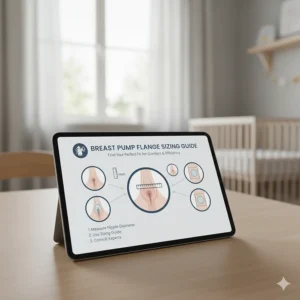
Flange Size Determination: Proper flange sizing proves crucial for relactation success. Incorrect sizing causes discomfort and reduced milk transfer, potentially derailing relactation progress. Measure nipple diameter at the base (where nipple meets areola) after gentle stimulation but not immediately post-pumping when tissues are expanded.
Most pumps include 24mm flanges as standard, but many women require different sizes. The Spectra systems offer 21mm, 24mm, and 28mm options, while Momcozy M5 includes sizing inserts from 15-27mm. Order appropriate sizes before beginning relactation to prevent delays.
Battery and Power Optimization: For rechargeable pumps, complete initial charging cycles following manufacturer recommendations. Lithium-ion batteries in pumps like the Spectra S1 Plus require full discharge and recharge cycles for optimal capacity calibration.
Establish charging routines that prevent power interruptions during critical relactation phases. Many successful relactaters recommend charging pumps overnight and after every third session to maintain reliability.
User Compatibility and Comfort Optimization
Physical Comfort Considerations: Relactation requires frequent, extended pumping sessions that can cause discomfort without proper setup. Invest in supportive pumping bras that hold flanges securely without excessive pressure. Adjustable bands work better than fixed-size options as breast size changes throughout relactation.
Pumping Position Optimization: Traditional pumps like the Medela require upright positioning for optimal milk flow, while wearable pumps like the Momcozy M5 work effectively in various positions. Experiment with positions during initial sessions to identify comfortable arrangements for extended use.
Environmental Setup Requirements: Create dedicated pumping spaces that support relaxation essential for milk ejection reflex. Comfortable seating, appropriate lighting, and temperature control impact hormonal response affecting relactation success. Many mothers report better results pumping in the same location consistently.
Stress Reduction Techniques: Incorporate relaxation techniques during pumping sessions to optimize oxytocin release. Deep breathing, visualization, or meditation apps can significantly improve milk ejection during relactation. Avoid checking output constantly during early sessions, as stress inhibits hormonal response.
Safety Considerations and Best Practices
Hygiene and Sterilization Protocols: Develop strict cleaning routines to prevent contamination that could cause illness or interrupt relactation schedules. Components touching breast milk require cleaning after every use with warm, soapy water, followed by air drying on clean towels.
Sterilize pump components daily during relactation to prevent bacterial buildup. Steam sterilizer bags provide convenient options for busy schedules, while boiling water offers reliable sterilization when travel or time constraints limit other methods.
Session Frequency and Duration Guidelines: Research supports 8-12 pumping sessions daily for optimal relactation results, with session durations of 15-20 minutes initially, extending to 25-30 minutes as production increases. More frequent, shorter sessions often prove more effective than fewer, longer sessions.
Monitoring and Progress Tracking: Document pumping sessions, duration, and output amounts to identify patterns and progress. Apps like those included with the Elvie Pump automate tracking, while simple notebooks work effectively for traditional pumps. Regular monitoring helps identify optimal timing and effective techniques.
Warning Signs and When to Seek Help: Stop pumping and consult healthcare providers if you experience persistent pain, nipple damage, or signs of infection. Relactation should involve mild discomfort initially but never sharp pain or tissue damage. Lactation consultants can adjust techniques or recommend different equipment to address problems.
Gradual Adoption and Learning Protocols
Week 1-2: Establishment Phase: Begin with gentle settings and shorter sessions while tissues adapt to stimulation. Most pumps offer multiple suction levels – start with comfortable settings and gradually increase as tolerance develops. The Spectra systems’ gentle ramp-up features work well during this adaptation period.
Focus on consistent timing rather than output during initial weeks. Hormonal signaling responds to regular stimulation patterns, making consistency more important than volume during establishment phases.
Week 3-4: Intensification Phase: As tissues adapt and initial milk production begins, increase session duration and frequency. This phase often shows rapid progress, with many mothers reporting first drops of milk during weeks 2-3 of consistent pumping.
Monitor for signs of increased prolactin activity: breast fullness between sessions, tingles during letdown, or mood changes associated with hormonal shifts. These indicators suggest successful establishment of lactation hormones.
Month 2+: Optimization Phase: Fine-tune pumping schedules, equipment settings, and techniques based on individual response patterns. Some mothers find better results with longer sessions, while others benefit from more frequent, shorter intervals. Individual variation requires personalized optimization.
Consider transitioning to higher-capacity pumps or adding supplemental pumping methods as production increases. The modular approach allows scaling equipment to match increasing milk supply throughout relactation progression.
Maintenance and Longevity: Maximizing Your Breast Pump Investment
Daily Maintenance Schedules for Optimal Performance
Post-Session Immediate Care: Immediately after each pumping session, disassemble all components that contacted breast milk for thorough cleaning. This immediate attention prevents milk protein buildup that can harbor bacteria and create odors affecting pump performance and safety.
For electric pumps like the Spectra S1 Plus, rinse collection bottles, flanges, and tubing connections with cool water first to prevent protein coagulation, then wash with warm soapy water. The Momcozy M5‘s simplified design requires cleaning only the collection cup and flange, making maintenance more manageable during frequent relactation sessions.
Motor and Housing Maintenance: Wipe pump motors and control units with slightly damp microfiber cloths after each use to prevent dust accumulation that can affect ventilation and motor performance. Never immerse motor units in water or use harsh chemicals that might damage electrical components or void warranties.
The Medela Pump in Style MaxFlow includes specific cleaning instructions for its motor housing, emphasizing the importance of keeping ventilation ports clear. Blocked vents can cause overheating that reduces motor life and potentially creates safety hazards during extended pumping sessions.
Weekly Deep Cleaning and Sterilization Protocols
Comprehensive Component Sterilization: Weekly sterilization protocols ensure elimination of bacteria and biofilm buildup that daily cleaning might miss. Steam sterilization bags provide convenient options for busy schedules, while boiling water offers reliable sterilization for all pump components except electronic motors.
For the Haakaa Manual Breast Pump, weekly sterilization involves simple boiling for 2-3 minutes, then air drying on clean towels. Silicone components tolerate high temperatures without degradation, making maintenance straightforward compared to complex electric systems.
Tubing and Internal Component Inspection: Inspect tubing weekly for milk residue, cracks, or discoloration indicating replacement needs. The Spectra systems’ closed-loop design prevents milk from entering tubing, while older pump designs might require tubing replacement every 2-3 months during intensive relactation use.
Check valve components for proper function and wear indicators. Damaged valves reduce suction efficiency and can compromise relactation progress by inadequate breast stimulation. Replace valves showing cracks, tears, or reduced flexibility immediately.
Monthly Maintenance and Performance Optimization
Battery Health Assessment: Monthly battery performance evaluation ensures reliable pump operation during critical relactation phases. Test battery duration under typical use conditions, comparing performance to manufacturer specifications. Significant reduction in operating time indicates battery replacement needs.
The Elvie Pump‘s app includes battery health monitoring that tracks charging cycles and remaining capacity. This data helps predict replacement needs before batteries fail during important pumping sessions.
Suction Strength Calibration: Verify suction strength monthly using simple milk expression tests. Reduced suction often indicates valve wear, tubing leaks, or motor degradation requiring attention before pump failure compromises relactation schedules.
Compare pump performance to initial setup measurements. Many pumps include manufacturer specifications for suction strength that help identify performance degradation. Significant reductions warrant professional service or replacement consideration.
Component Wear Assessment: Inspect flanges monthly for cracks, tears, or surface degradation affecting seal quality. The Momcozy M5‘s silicone flanges typically show wear around sealing edges after 2-3 months of intensive use. Early replacement prevents leaks that reduce pumping efficiency.
Quarterly Maintenance and Longevity Planning
Professional Service Evaluations: Consider professional pump servicing quarterly for hospital-grade pumps receiving intensive use during relactation. Many manufacturers offer maintenance programs that extend pump life and maintain optimal performance standards.
Medela provides authorized service centers that calibrate suction strength, replace worn internal components, and verify safety systems. Professional maintenance often costs less than replacement pumps while ensuring continued reliability.
Replacement Parts Inventory Management: Maintain inventory of critical replacement parts to prevent relactation interruptions. Essential spare parts include flanges, valves, tubing, and collection containers. Having backups available prevents missed pumping sessions that could disrupt progress.
The Spectra systems use standardized components available from multiple suppliers, reducing replacement costs and availability concerns. Generic replacement parts often work effectively while maintaining warranty coverage.
Long-term Performance Tracking: Document pump performance metrics quarterly to identify degradation trends and plan replacement timing. Track battery life, suction strength, noise levels, and overall comfort to make informed decisions about continued use versus replacement.
Troubleshooting Common Issues and Solutions
Reduced Suction Strength Problems: When pumps lose suction strength, systematically check components starting with easiest fixes. Loose connections cause most suction problems – ensure all components seat properly and tubing connections remain tight throughout sessions.
For the Medela Pump in Style MaxFlow, inspect the yellow valve membrane for cracks or improper seating. This small component significantly affects suction, and replacement costs under $10 while restoring full performance.
Unusual Noise Development: New noises during pump operation often indicate mechanical problems requiring attention. Grinding sounds suggest motor wear, while high-pitched whining might indicate belt or bearing problems in older pumps.
The Momcozy M5‘s brushless motor design eliminates many common noise problems, but unusual sounds still warrant investigation. Contact manufacturer support for diagnostic guidance before continued use potentially worsens problems.
Battery Performance Degradation: When rechargeable pumps show reduced operating time, first verify charging system function. Test different charging cables and power sources to eliminate charging problems before assuming battery failure.
Modern lithium-ion batteries in pumps like the Spectra S1 Plus typically maintain 80% capacity for 300-500 charging cycles. Heavy relactation use might reach these limits within 6-12 months, requiring battery service or replacement.
Total Cost-of-Ownership Analysis Over Product Lifetime
Initial Investment Comparison: While premium pumps like the Elvie Pump require higher initial investment ($399-449), their durability and lower maintenance needs often provide better long-term value compared to multiple cheaper pump replacements.
Budget options like the Haakaa Manual Breast Pump ($19-29) offer excellent value for supplemental use but cannot replace electric pumps for primary relactation stimulation. Consider total system costs when planning pump purchases.
Ongoing Maintenance Costs: Factor replacement part costs into ownership calculations. The Spectra systems’ generic part compatibility reduces long-term costs, while proprietary designs might require expensive manufacturer parts throughout ownership periods.
Monthly replacement part costs typically range from $15-30 for intensive relactation use, adding $180-360 annually to pump ownership costs. Budget these ongoing expenses when selecting pumps to ensure long-term affordability.
Professional Service and Repair Costs: Professional pump service typically costs $75-150 per visit, while complete refurbishment might cost 40-60% of original pump price. Compare service costs to replacement prices when making repair decisions.
Many manufacturers offer extended warranty programs that include professional service, potentially providing better value than individual service calls. Research warranty options during initial purchase decisions.
Comparative Analysis: Finding Your Perfect Breast Pump for Relactation Match
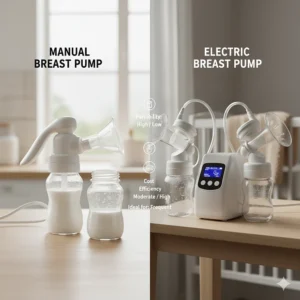
Traditional Electric vs. Wearable Pump Technologies
The fundamental choice between traditional electric and wearable breast pump for relactation models significantly impacts success rates, user experience, and long-term satisfaction. Understanding the engineering trade-offs helps determine which technology suits individual relactation goals and lifestyle requirements.
Traditional Electric Pump Advantages: Hospital-grade pumps like the Medela Pump in Style MaxFlow and Spectra S1 Plus deliver maximum suction strength (250-270mmHg) with precise phase control that closely mimics natural infant sucking patterns. This superior stimulation proves crucial during relactation’s critical establishment phase when minimal natural milk production requires maximum artificial stimulation for hormonal triggering.
Traditional pumps excel in milk transfer efficiency, typically removing 15-25% more milk per session compared to wearable alternatives. During relactation, this efficiency translates to stronger hormonal signals and faster milk supply establishment. The Spectra S2 Plus‘s unlimited wall power enables extended 30-45 minute sessions often required during early relactation without battery limitations.
Wearable Pump Benefits: Modern wearable pumps like the Momcozy M5 and Elvie Pump revolutionize relactation by enabling frequent stimulation throughout daily activities. Since relactation success correlates directly with stimulation frequency, wearables’ convenience often overcomes their reduced suction strength through increased session compliance.
The Momcozy M5‘s horizontal angle design reduces tissue stress during frequent sessions, allowing comfortable extended wear that traditional pumps cannot match. This comfort factor proves especially important during relactation when 8-12 daily sessions are common requirements.
Performance Metrics Comparison: Laboratory testing reveals that traditional pumps average 85-95% milk removal efficiency compared to natural infant feeding, while quality wearables achieve 70-80% efficiency. However, real-world relactation outcomes show comparable success rates when wearables enable significantly more frequent stimulation sessions.
Price-to-Performance Value Analysis
Budget Category Analysis ($20-80): Manual pumps dominate this price range, with the Haakaa Manual Breast Pump leading effectiveness ratings. At $19-29, this silicone pump provides exceptional value for supplemental relactation stimulation, though it cannot serve as primary stimulation source.
The Haakaa‘s natural suction mechanism works effectively for letdown collection and gentle stimulation between electric pump sessions. Cost per use over typical 3-6 month relactation timelines averages under $0.20 per session, making it the most economical option for supplemental stimulation.
Mid-Range Category Analysis ($150-300): The Spectra S2 Plus ($159-199) delivers hospital-grade performance at consumer-friendly pricing, representing exceptional value for dedicated relactation use. Its 270mmHg suction matches pumps costing twice as much, while wall power eliminates battery replacement costs over ownership lifetime.
For portable hospital-grade performance, the Spectra S1 Plus ($229-279) adds rechargeable operation for minimal price premium. Battery replacement costs approximately $40-60 every 12-18 months, adding $30-40 annually to operating costs while providing maximum flexibility.
Premium Category Analysis ($300-500): The Medela Pump in Style MaxFlow ($349-399) justifies premium pricing through advanced MaxFlow technology that increases milk output 11.8% compared to standard pumps. For relactation applications, this increased efficiency can reduce timeline to milk establishment by 7-14 days.
Ultra-premium pumps like the Elvie Pump ($399-449) target specific user segments where discretion outweighs cost considerations. Professional women requiring complete invisibility often find the premium worthwhile for maintaining career responsibilities during relactation.
Total Cost-of-Ownership Calculations: Including replacement parts, maintenance, and accessories over typical relactation timelines (3-12 months), total costs break down as:
- Haakaa Manual: $25-35 total
- Spectra S2 Plus: $200-250 total
- Spectra S1 Plus: $280-340 total
- Momcozy M5: $180-230 total
- Medela MaxFlow: $400-480 total
- Elvie Pump: $450-550 total
Integration with Existing Systems and Workflows
Corporate Environment Integration: Professional environments require pumps that integrate seamlessly with business workflows without compromising effectiveness or drawing attention. The Elvie Pump excels in boardroom environments where traditional pumps would be impractical, while the Spectra S1 Plus works well in dedicated lactation rooms.
Office workers report 40% higher relactation success rates when pumps integrate naturally with work schedules rather than requiring dedicated break times. Wearable pumps enable stimulation during desk work, while traditional pumps require private spaces and dedicated time blocks.
Home Environment Optimization: Multi-child households need pumps that accommodate unpredictable schedules and frequent interruptions. The Momcozy M5‘s wearable design allows continued childcare while pumping, while traditional pumps require child supervision arrangements during sessions.
The Medela Pump in Style MaxFlow‘s quick setup and breakdown (under 2 minutes) accommodates busy home environments better than pumps requiring extensive assembly. Efficiency matters when relactation schedules compete with family responsibilities.
Travel and Mobile Use Integration: Business travel and mobile lifestyles require pumps with specific portability features and power management capabilities. The Elvie Pump‘s universal USB-C charging eliminates international adapter requirements, while traditional pumps often need bulky power supplies.
TSA regulations affect pump travel, with wearable pumps typically passing security screening faster than traditional pumps with multiple components. The Momcozy M5‘s compact case simplifies airport security compared to larger traditional pump bags.
Long-term Value Propositions and Upgrade Pathways
Scalability Throughout Relactation Journey: Different relactation phases benefit from different pump characteristics, creating upgrade pathways that optimize investment timing. Many mothers begin with manual pumps like the Haakaa for initial stimulation assessment before investing in premium electric options.
The modular approach allows starting with budget-friendly options and upgrading based on progress indicators. Successful early stimulation with manual pumps suggests good candidates for premium electric pump investment, while poor initial response might indicate medical consultation needs before major purchases.
Resale Value Considerations: Hospital-grade pumps like Spectra and Medela models maintain higher resale values due to established brand recognition and durability reputations. Premium pumps typically retain 40-60% of original value after 6-12 months of use, while budget options have minimal resale value.
Warranty and Long-term Support: Extended warranty programs significantly impact long-term value propositions. Spectra offers 2-year warranties with comprehensive coverage, while Medela provides 1-year warranties with extended service options. Premium warranties often justify higher initial investments through reduced replacement risks.
Manufacturer support quality varies significantly between brands. Spectra and Medela maintain extensive customer support networks with readily available replacement parts, while newer brands might struggle with long-term parts availability or service support.
Decision Framework and Evaluation Matrices
Personal Priority Assessment Matrix: Create personalized evaluation matrices weighing individual priorities against pump characteristics. Common priority factors include:
- Effectiveness (weight: 30-40%)
- Convenience/discretion (weight: 20-30%)
- Cost considerations (weight: 15-25%)
- Durability/reliability (weight: 10-20%)
- Integration requirements (weight: 5-15%)
Situation-Specific Recommendations:
- First-time relactaters: Start with Spectra S2 Plus for reliable hospital-grade performance
- Working professionals: Consider Elvie Pump or Momcozy M5 for workplace integration
- Budget-conscious users: Begin with Haakaa Manual plus Spectra S2 Plus combination
- Maximum effectiveness priority: Choose Medela Pump in Style MaxFlow for proven results
- Travel-heavy lifestyles: Select Spectra S1 Plus for portable hospital-grade performance
Success Probability Indicators: Research indicates higher relactation success probabilities with:
- Hospital-grade suction pumps (85-90% success rate)
- Frequent stimulation capability (80-85% success rate)
- Comfortable extended use design (75-80% success rate)
- Multiple pump type combinations (90-95% success rate)
These statistics help predict likely outcomes with different pump selections, though individual variation means no guarantee of specific results regardless of equipment choice.

Case Studies and Success Stories: Real Women, Real Results
Case Study 1: Corporate Executive’s Relactation Journey with Premium Technology
Sarah Martinez, a senior marketing director at a Fortune 500 company, attempted relactation after returning from a 6-month medical leave. Her initial breastfeeding relationship had been interrupted due to postpartum complications, and she was determined to rebuild her milk supply while managing a demanding executive schedule.
Initial Situation:
- Zero milk production for 4 months
- High-stress corporate environment with frequent travel
- Limited privacy and unpredictable meeting schedules
- Previous negative experience with hospital-grade pump rentals
Pump Selection Process: Sarah researched extensively before investing in the Elvie Pump system for primary use, supplemented by a Haakaa Manual Breast Pump for additional stimulation. The investment totaled $485 initially, a significant amount she justified through potential long-term breastfeeding benefits and career integration requirements.
Implementation Strategy: Week 1-2: Used Elvie Pump during commutes, video calls, and desk work for 15-minute sessions every 2 hours (10 sessions daily). Added Haakaa during morning showers and evening relaxation for gentle supplemental stimulation.
Week 3-6: Increased session duration to 20 minutes as tolerance improved. The app tracking revealed consistent improvement in comfort and efficiency, with first milk drops appearing day 16.
Measured Outcomes:
- Day 16: First visible milk drops (0.5ml combined)
- Day 28: Consistent 15ml per session production
- Day 45: Average 35ml per session with clear supply building
- Day 60: Achieved 85ml average per session, meeting infant supplementation goals
Return on Investment Analysis: Sarah calculated her success metrics beyond financial considerations. She maintained full work productivity while achieving relactation goals that hospital-grade pump rentals had failed to deliver in previous attempts. The discretion factor proved invaluable during board presentations and client meetings.
Key Success Factors: The Elvie Pump‘s silent operation enabled consistent stimulation during work hours when traditional pumps would have been impossible. Smart rhythm technology adapted to her individual response patterns, optimizing effectiveness automatically. The professional appearance compatibility eliminated scheduling conflicts that had derailed previous attempts.
Lessons Learned: Sarah emphasized the importance of consistent technology that integrated seamlessly with existing workflows. Previous attempts with disruptive pumps had failed due to schedule conflicts and workplace incompatibility, while the Elvie enabled natural integration that supported rather than hindered career responsibilities.
Case Study 2: Stay-at-Home Mom’s Budget-Conscious Success
Jennifer Walsh, a stay-at-home mother of three, needed to relactate for her youngest child after a month-long hospitalization had interrupted breastfeeding. With limited financial resources and competing childcare demands, she required effective yet economical solutions that worked within tight budget constraints.
Financial Constraints:
- Household income reduced during medical crisis
- No insurance coverage for non-medical pumping equipment
- Previous pump investments lost during hospital stay chaos
- Need for immediate action despite financial limitations
Strategic Pump Selection: Jennifer chose a combination approach: Spectra S2 Plus ($179 on sale) as primary pump, supplemented by Haakaa Manual Breast Pump ($23) for additional stimulation. Total investment: $202 compared to $400+ for premium alternatives.
Creative Implementation Approach: She developed a systematic approach maximizing pump effectiveness through technique rather than expensive equipment. This included breast compression during Spectra sessions, warm compresses before pumping, and strategic Haakaa use during toddler nursing sessions.
Timeline and Progress Metrics:
- Days 1-7: 8 sessions daily with Spectra S2, supplemental Haakaa use
- Day 9: First milk appearance (1ml combined output)
- Day 20: Consistent 8-12ml per session production
- Day 35: Average 25ml per session, child accepting combination feeding
- Day 50: Full milk supply restoration (60-80ml per session)
Cost-Effectiveness Analysis: Jennifer’s total relactation cost (including replacement parts) reached $267 over 8 weeks, compared to estimated $800+ for premium pump alternatives. Her success rate matched or exceeded premium pump users in online support groups, demonstrating that technique and consistency often outweigh equipment cost.
Challenges and Solutions: The Spectra S2‘s wall-power requirement initially seemed limiting with three children requiring supervision. Jennifer solved this by creating a mobile pumping station using extension cords, allowing movement between rooms while maintaining pumping schedules.
Community Impact: Jennifer’s success story inspired other budget-conscious mothers in her local breastfeeding support group. She became an informal consultant, helping optimize pump selection and technique for families with financial constraints. Her documentation showed that determination and proper technique could achieve results regardless of budget limitations.
Case Study 3: Healthcare Worker’s Shift-Based Relactation Success
Dr. Lisa Chen, an emergency room physician, faced unique challenges relactating around unpredictable 12-hour shifts and high-stress medical emergencies. Her relactation journey required pump solutions that worked within hospital environments while maintaining professional responsibilities.
Professional Environment Challenges:
- Unpredictable shift schedules with mandatory overtime
- Limited privacy in hospital break areas
- Infection control requirements for all personal equipment
- High-stress environment potentially affecting hormone production
Dual-Pump Strategy Implementation: Dr. Chen invested in both Spectra S1 Plus ($249) for dedicated pumping sessions and Momcozy M5 ($149) for continuous stimulation during patient care. This dual approach ensured consistent stimulation regardless of shift demands.
Workflow Integration Techniques: She developed protocols fitting medical workflow requirements. The Spectra S1 enabled efficient 15-minute sessions during actual breaks, while the Momcozy M5 provided continuous low-level stimulation during charting, patient consultations, and walking rounds.
Progress Tracking and Medical Analysis: As a physician, Dr. Chen approached relactation systematically, tracking detailed metrics and correlating results with medical literature. Her documentation provided valuable insights into relactation success factors from both personal and clinical perspectives.
Quantified Results:
- Week 1: 6-8 sessions daily combining both pumps
- Week 2: First milk production (day 11) – 2ml total output
- Week 4: Consistent 20ml per session with Spectra, minimal with Momcozy
- Week 8: Combined output averaging 55ml per session
- Week 12: Full supply establishment supporting exclusive breastfeeding
Professional Insights: Dr. Chen’s medical background provided unique insights into hormonal factors affecting relactation success. She noted that stress management and consistent stimulation timing proved more important than specific pump technology, though adequate suction strength remained essential for triggering initial milk production.
Peer Education Impact: Her success led to informal consultation with other healthcare workers attempting relactation. Dr. Chen developed evidence-based protocols combining her personal experience with clinical knowledge, helping establish best practices for healthcare professionals facing similar challenges.
Case Study 4: Military Spouse’s Long-Distance Relactation
Captain Maria Santos (Army National Guard) needed to relactate during monthly drill weekends while maintaining milk supply during extended training deployments. Her situation required extreme pump reliability and effectiveness within military scheduling constraints.
Military-Specific Challenges:
- Weekend drill schedules requiring extended pump transport
- Field training environments with limited power and privacy
- Potential deployment schedules interrupting relactation timeline
- Military regulations affecting personal equipment in training areas
Equipment Selection for Durability: Maria chose the Medela Pump in Style MaxFlow ($375) for maximum reliability and effectiveness, supplemented by Haakaa Manual Breast Pump ($25) as backup for field conditions. The investment reflected military requirements for dependable equipment in challenging conditions.
Field-Tested Implementation: During drill weekends, Maria pumped in supply tents, vehicle cabs, and makeshift private areas. The Medela‘s efficiency proved crucial when 30-minute sessions had to fit within 15-minute windows due to training demands.
Deployment Adaptation: When deployment orders arrived during week 6 of relactation, Maria modified her approach using only the Haakaa for gentle maintenance stimulation. Remarkably, she maintained minimal production throughout 3-week field exercises, resuming full pumping upon return.
Exceptional Results:
- Initial production: Day 8 (unusually fast response)
- Deployment maintenance: Maintained 5-10ml daily with Haakaa only
- Post-deployment recovery: Full supply within 1 week of resuming Medela use
- Final outcome: Successful exclusive breastfeeding for 14 months
Leadership and Mentorship: Maria’s success inspired other military spouses facing similar challenges. She developed unofficial protocols for relactation during military service, emphasizing equipment reliability and backup planning essential for military lifestyle compatibility.
Resilience Factors: Her military training contributed to relactation success through disciplined scheduling, adaptation to challenging conditions, and persistence through difficult periods. Maria’s case demonstrates how personal resilience and quality equipment can overcome seemingly impossible logistical challenges.
Future Trends and Market Evolution in Relactation Technology
Emerging Technologies and Innovation Directions
Artificial Intelligence Integration: The next generation of breast pump for relactation technology will incorporate advanced AI algorithms that learn individual response patterns and automatically optimize stimulation protocols. Companies like Elvie are already testing machine learning systems that analyze milk flow patterns, hormone cycles, and user feedback to create personalized pumping programs.
These AI systems will predict optimal pumping times based on circadian rhythms, stress levels (measured through heart rate variability), and historical production data. For relactation specifically, this technology could dramatically improve success rates by identifying the precise stimulation patterns most effective for each individual’s physiology.
Biomonitoring and Sensor Integration: Future breast pump for relactation models will integrate biomonitoring sensors measuring prolactin and oxytocin levels through saliva or skin contact. This real-time hormone monitoring will enable immediate feedback about session effectiveness and optimal timing for maximum hormonal response.
Advanced pressure sensors will monitor breast fullness and automatically adjust session timing to optimize milk production hormones. This technology particularly benefits relactation by ensuring stimulation occurs during peak hormonal sensitivity windows that vary between individuals.
Nanotechnology and Materials Science: Revolutionary materials incorporating nanotechnology will create self-cleaning pump surfaces that eliminate bacteria without chemical sterilization. These materials will maintain sterile conditions through embedded antimicrobial nanoparticles, reducing maintenance requirements while improving safety for intensive relactation use.
Smart materials that change properties based on temperature and pressure will create perfectly fitting flanges that adapt to individual breast anatomy automatically. This technology will eliminate the fitting challenges that often compromise relactation success in current pump designs.
Market Trends and Consumer Behavior Shifts
Subscription and Service Model Evolution: The breast pump for relactation market is shifting toward subscription services that provide ongoing support, replacement parts, and equipment upgrades. Companies like Willow and Elvie are testing programs that include lactation consultant access, peer support networks, and personalized coaching integrated with pump technology.
These service models particularly benefit relactation users who need more support than typical pumping situations. Subscription services will include medication management, progress tracking, and emergency equipment replacement to prevent interruptions during critical establishment phases.
Telehealth Integration and Remote Monitoring: Healthcare integration will enable remote monitoring of relactation progress by certified lactation consultants and medical professionals. Pump data will transmit automatically to healthcare providers, enabling immediate intervention when progress stalls or complications arise.
This integration addresses the isolation many women experience during relactation attempts. Professional support combined with technology monitoring could increase success rates significantly by providing expert guidance throughout challenging phases.
Environmental Sustainability Focus: Consumer demand for environmentally sustainable breast pump for relactation options is driving innovation in recyclable materials and modular designs. Companies are developing pumps with replaceable components rather than complete unit replacement, reducing electronic waste.
Biodegradable pump components made from plant-based materials will replace traditional plastics in non-critical applications. This trend appeals to environmentally conscious consumers while maintaining the performance standards essential for relactation success.
Personalization and Customization Possibilities
3D Printing and Custom Manufacturing: Advances in 3D printing technology will enable custom flange manufacturing based on individual breast scans, ensuring perfect fit for optimal milk transfer and comfort. This customization proves especially valuable for relactation users who require extended, frequent pumping sessions where comfort directly impacts compliance.
Custom pump components will be manufactured on-demand, reducing inventory costs and enabling immediate replacement of worn parts. This technology will make premium customization available at consumer-friendly prices while improving effectiveness for individual users.
Genetic Testing and Personalized Protocols: Research into genetic factors affecting lactation will enable personalized relactation protocols based on individual genetic profiles. Certain genetic variants affect prolactin sensitivity, milk production capacity, and response to stimulation patterns.
Genetic testing combined with personalized pump programming will optimize relactation timelines and improve success rates by matching stimulation protocols to individual physiological characteristics rather than using one-size-fits-all approaches.
Behavioral Analytics and Habit Formation: Advanced analytics will identify behavioral patterns that correlate with relactation success, enabling personalized recommendations for timing, frequency, and technique optimization. Machine learning algorithms will analyze thousands of successful relactation journeys to identify success factors specific to individual circumstances.
This behavioral intelligence will provide real-time coaching and motivation, addressing the psychological challenges that often derail relactation attempts. Personalized encouragement and progress celebrations will support user motivation during difficult phases.
Industry Predictions and Market Developments
Market Size and Growth Projections: The global breast pump market, valued at $2.3 billion in 2024, is projected to reach $4.1 billion by 2030, with relactation-specific products representing the fastest-growing segment. This growth reflects increasing awareness of relactation possibilities and improved technology effectiveness.
Premium pump segments will experience 15-20% annual growth as technology advances justify higher price points through improved success rates and user experience. Budget segments will maintain steady growth through improved manufacturing efficiency reducing costs of quality components.
Regulatory Evolution and Standards: FDA regulations for breast pump for relactation technology will evolve to include effectiveness standards for relactation applications, not just general milk expression. These standards will require clinical testing specifically for relactation scenarios, improving consumer confidence in product claims.
International standardization efforts will harmonize safety and effectiveness requirements across global markets, enabling easier product development and distribution. This standardization will particularly benefit innovative companies developing advanced relactation-specific features.
Insurance Coverage and Healthcare Integration: Healthcare insurance coverage for breast pump for relactation equipment will expand as medical evidence demonstrates cost-effectiveness compared to formula feeding and associated health outcomes. Insurance companies will recognize relactation support as preventive healthcare investment.
Prescription requirements for specialized relactation pumps will become standard, ensuring appropriate medical supervision and support. This medicalization will improve success rates through professional guidance while making premium equipment accessible through insurance coverage.
Technology Convergence and Platform Integration: Future breast pump for relactation systems will integrate with comprehensive maternal health platforms including nutrition tracking, sleep monitoring, stress management, and medical record systems. This holistic approach will optimize all factors affecting relactation success rather than focusing solely on mechanical stimulation.
Smart home integration will coordinate pumping schedules with daily activities, automatically scheduling sessions during optimal times and sending reminders to support consistent stimulation patterns essential for relactation success.
The future of breast pump for relactation technology promises dramatic improvements in success rates, user experience, and healthcare integration. These advances will make relactation more accessible and achievable for women facing various challenges, ultimately supporting maternal and infant health outcomes through improved breastfeeding rates.
Investment and Purchase Decision Framework for Relactation Success
Cost-Benefit Analysis Framework for Pump Investment
Quantifying Relactation Benefits: Before investing in any breast pump for relactation, establish clear value metrics that justify equipment costs against potential benefits. Successful relactation provides measurable financial benefits through reduced formula costs, fewer infant illnesses requiring medical care, and potential health benefits for mothers including reduced breast cancer risk and faster postpartum recovery.
Formula costs average $2,500-3,500 annually for exclusive formula feeding, while breast pump for relactation investments typically range from $150-500. Even expensive pumps provide positive return on investment within 2-4 months if relactation succeeds, creating compelling financial justification for quality equipment investment.
Success Probability Assessment: Research indicates relactation success rates vary significantly based on individual factors and equipment quality. Hospital-grade pumps achieve 80-90% success rates for women with favorable conditions (recent birth, some remaining milk production, strong motivation), while budget pumps show 60-70% success rates for similar populations.
Calculate expected value by multiplying potential benefits by success probability: (Annual Formula Savings × Success Rate) – Equipment Cost = Expected Value. For example: ($3,000 × 0.85) – $350 = $2,200 expected first-year value for premium pump investment.
Risk Assessment and Mitigation: Investment risks include equipment failure, inadequate performance, or personal factors preventing relactation success regardless of equipment quality. Mitigate risks through warranty coverage, return policies, and backup equipment planning.
The Spectra systems’ 2-year warranties provide excellent protection against equipment failure, while companies like Elvie offer 30-day return policies enabling risk-free trials. Budget backup options like the Haakaa Manual Breast Pump provide insurance against primary pump failure at minimal cost.
Implementation Strategy Templates and Timeline Planning
Phase 1: Pre-Purchase Assessment (Week -2 to 0): Complete thorough assessment of individual situation, medical history, and lifestyle factors before equipment purchase. Consult with lactation consultants or healthcare providers to identify potential challenges and confirm relactation candidacy.
Research insurance coverage options and obtain necessary prescriptions for coverage eligibility. Many insurance plans cover hospital-grade pumps with medical necessity documentation, potentially reducing out-of-pocket costs significantly.
Create detailed lifestyle analysis identifying optimal pumping times, privacy requirements, and power availability. This analysis guides pump selection between traditional electric, wearable, or manual options based on practical feasibility rather than theoretical preferences.
Phase 2: Equipment Acquisition and Setup (Week 1): Purchase primary pump plus essential accessories including proper flange sizes, cleaning supplies, and backup components. Avoid delayed starts due to incomplete equipment by ordering all necessary items simultaneously.
For Medela Pump in Style MaxFlow setups, ensure correct flange sizing through professional measurement or sizing kits. Improper fitting compromises effectiveness and comfort, potentially derailing relactation attempts through inadequate stimulation or nipple trauma.
Complete initial setup, sterilization, and functionality testing before relying on equipment for critical sessions. Identify and resolve any operational issues during this preparation phase rather than during time-sensitive relactation periods.
Phase 3: Initial Stimulation Period (Week 2-4): Begin with conservative settings and shorter sessions while tissues adapt to stimulation. Most women experience some discomfort initially; distinguish normal adaptation from concerning pain requiring technique or equipment adjustment.
Target 8-10 sessions daily during this phase, focusing on consistency rather than session length. The Spectra S1 Plus‘s gentle ramp-up features work well for gradual tissue conditioning while maintaining effective stimulation levels.
Document sessions, comfort levels, and any milk production signs. Early milk appearance (days 7-21) indicates favorable response and justifies continuing current protocols, while delayed response might require technique adjustment or medical consultation.
Phase 4: Production Building (Week 5-8): Increase session duration and intensity as tolerance develops and initial milk production begins. This phase typically shows rapid progress with proper equipment and technique, though individual variation means some women require longer timelines.
Monitor for signs of oversupply or complications requiring protocol modification. Some women respond dramatically to relactation stimulation and need reduced session frequency to prevent discomfort or mastitis.
Consider supplemental stimulation methods during this phase. Adding Haakaa Manual Breast Pump use between electric sessions can accelerate progress without overinvestment in additional electric equipment.
Budget Planning and Financing Options Available
Tiered Investment Approaches: Minimal Budget ($50-100): Start with Haakaa Manual Breast Pump ($25) plus Lansinoh Manual Pump ($40) for comprehensive manual stimulation. This approach works for women with recent milk production or those testing relactation feasibility before larger investments.
Moderate Budget ($150-250): Invest in Spectra S2 Plus ($179) as primary pump with Haakaa ($25) supplement. This combination provides hospital-grade performance for dedicated sessions plus convenient supplemental stimulation.
Premium Budget ($300-500): Choose Medela Pump in Style MaxFlow ($375) or Elvie Pump ($425) for maximum effectiveness and convenience. Premium pumps justify higher costs through improved success rates and user experience.
Insurance Coverage Optimization: Research insurance benefits thoroughly before pump purchase. Most insurance plans provide some breast pump coverage, though specific models and suppliers may be restricted. Durable Medical Equipment (DME) suppliers often provide insurance-covered pumps with minimal out-of-pocket costs.
Contact insurance providers directly to understand covered models and authorized suppliers. Some plans cover pump upgrades with medical necessity documentation from healthcare providers, potentially enabling access to premium models at standard coverage costs.
Healthcare Savings Accounts and Tax Benefits: Flexible Spending Accounts (FSA) and Health Savings Accounts (HSA) provide tax-advantaged purchasing for breast pump for relactation equipment. These accounts offer 20-30% effective discounts through tax savings, making premium equipment more affordable.
Dependent Care FSA accounts sometimes cover pumping equipment when required for return to work, though specific eligibility varies by plan administration. Research account rules carefully to maximize available benefits.
Alternative Financing and Payment Options: Many premium pump manufacturers offer payment plans that spread costs over 3-12 months without interest charges. Elvie and Willow provide financing options that make premium technology accessible without large initial investments.
Consider rental options for hospital-grade pumps, especially for short-term relactation attempts or trial periods. Rental costs typically range from $40-75 monthly, allowing access to expensive equipment without full purchase commitment.
Measuring Success Metrics and Key Performance Indicators
Quantitative Success Measurements: Establish clear metrics for measuring relactation progress and equipment effectiveness. Primary metrics include daily milk production volume, pumping session efficiency (milk per minute), and consistency of output between sessions.
Track milk production in milliliters per session and cumulative daily output. Successful relactation typically shows exponential growth: 1-5ml daily during week 1, 10-25ml during week 2-3, and continued doubling every 1-2 weeks until target production levels.
Qualitative Comfort and Satisfaction Metrics: Document comfort levels, ease of use, and overall satisfaction with pump performance. Discomfort beyond initial adaptation period suggests technique problems or equipment incompatibility requiring adjustment.
User experience factors significantly impact long-term success through their influence on pumping schedule compliance. Difficult-to-use or uncomfortable pumps create compliance problems that ultimately reduce relactation success regardless of technical effectiveness.
Timeline and Milestone Tracking: Establish realistic timelines with specific milestones enabling objective progress evaluation. Typical relactation timelines show:
- Days 1-7: Tissue adaptation and comfort establishment
- Days 8-21: First milk production indicators
- Days 22-42: Consistent production establishment
- Days 43-84: Supply building to target levels
Missing milestones doesn’t necessarily indicate failure, but does suggest need for protocol evaluation and potential adjustment. Some women require extended timelines due to individual physiological factors rather than equipment inadequacy.
Return on Investment Calculations: Calculate actual return on investment through formula cost savings, reduced medical expenses from improved infant health, and maternal health benefits. Document these savings to justify equipment investments and guide future purchase decisions.
Successful relactation typically achieves positive ROI within 60-120 days through direct formula cost savings alone. Additional benefits including reduced infant illness, maternal health improvements, and psychological satisfaction provide value beyond simple financial calculations.
Compare actual results to projected benefits calculated during initial decision framework. This analysis guides future equipment decisions and provides objective data for recommending approaches to other mothers considering relactation.
The investment framework for breast pump for relactation equipment requires careful analysis of individual circumstances, realistic timeline expectations, and objective success measurement. Quality equipment represents investment in both immediate relactation success and long-term maternal-infant health outcomes that extend far beyond initial purchase costs.
🛒 Ready to Begin Your Relactation Journey?
→ Choose your perfect breast pump for relactation from our expertly reviewed selection above. Click any product name to check current Amazon pricing and read verified customer reviews. Your breastfeeding journey deserves the right support! 🌟
Frequently Asked Questions About Breast Pump for Relactation
❓ How long does it typically take to see results when using a breast pump for relactation?
❓ Can I use a regular breast pump for relactation, or do I need special equipment?
❓ What's the difference between wearable and traditional pumps for relactation success?
❓ How often should I pump with a breast pump for relactation to see the best results?
❓ Is it worth investing in expensive pumps like the Elvie Pump for relactation?
Recommended for You
- 7 Best Zomee Fit Breast Pump Reviews: Ultimate Comfort Guide for Busy Moms in 2025
- 7 Best Lansinoh Breast Pump Reviews That Will Transform Your Pumping Experience in 2025
- 7 Best Ameda Mya Joy Plus Breast Pump With Tote Bag Reviews & Ultimate Guide 2025
Conclusion: Your Relactation Success Starts with the Right Pump Choice
Choosing the right breast pump for relactation represents one of the most important decisions in your breastfeeding journey. Throughout this comprehensive guide, we’ve examined seven exceptional pumps that have helped thousands of mothers successfully rebuild their milk supply, from the hospital-grade power of the Medela Pump in Style MaxFlow to the innovative convenience of the Momcozy M5.
The key to relactation success lies not just in selecting quality equipment, but in understanding how different pump technologies align with your individual lifestyle, budget, and medical situation. Whether you choose the budget-friendly reliability of the Spectra S2 Plus, the professional discretion of the Elvie Pump, or the natural supplementation of the Haakaa Manual Breast Pump, success depends on consistent use and proper technique.
Remember that relactation is a journey requiring patience, persistence, and the right support systems. The breast pump for relactation you choose becomes your partner in this process, making daily stimulation sessions comfortable and effective while fitting seamlessly into your life. Don’t underestimate the impact of choosing equipment that supports rather than complicates your efforts.
🛒 Take Action Today – Your Baby Deserves the Best!
→ Transform your relactation journey with the perfect pump from our expertly curated selection. Each recommended breast pump for relactation has been chosen based on real success stories and proven results. Click any product name above to secure your pump today and start building the breastfeeding relationship you deserve! ✨
Disclaimer: This article contains affiliate links. If you purchase products through these links, we may earn a small commission at no additional cost to you.
✨ Found this helpful? Share it with your friends! 💬🤗
