
In This Article
✨Was this helpful? Spread the word! 🚀
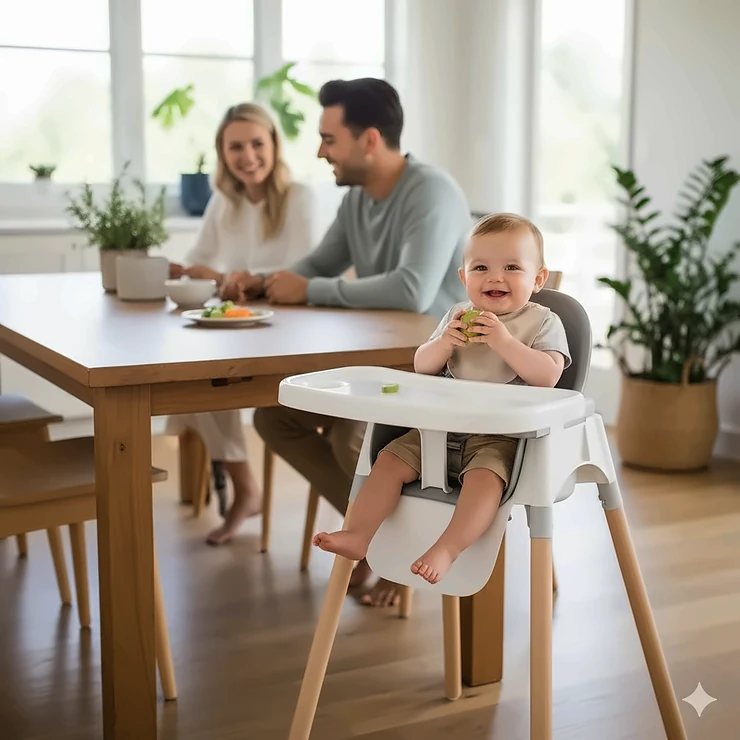
Listen, I’ve been there. Standing in the baby aisle, completely overwhelmed by the wall of high chairs staring back at me. Do I need one that converts? Will my baby even like sitting in it? And why does that one cost as much as my monthly grocery budget?
Here’s what I learned: a skip hop convertible high chair isn’t just another baby product gathering dust after six months. It’s actually a smart investment that grows with your child from those messy first bites of avocado all the way through preschool snack time. Think about it—instead of buying multiple chairs as your kid grows, you get one clever piece that transforms to meet their changing needs. Pretty genius, right? 🍼
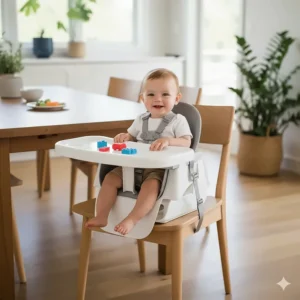
The beauty of convertible high chairs, especially from trusted brands like Skip Hop, lies in their adaptability. We’re talking about chairs that shift from infant high seats to toddler boosters to big kid chairs. Some even turn into play tables! And in 2025, these designs have gotten seriously sophisticated while maintaining that essential easy-to-clean factor every parent desperately needs. After all, nobody has time to scrub pureed sweet potato out of fabric crevices at 7 PM on a Tuesday.
Throughout this guide, I’ll walk you through everything you need to know about choosing the perfect convertible high chair. We’ll compare real products available on Amazon right now, break down the features that actually matter (spoiler: cup holders aren’t as crucial as you think), and help you figure out which option makes sense for your family, space, and budget. Whether you’re preparing for your first baby or upgrading from that basic chair that’s seen better days, you’re in the right place.
Quick Comparison Table
| Model | Configurations | Weight Limit | Price Range | Best For |
|---|---|---|---|---|
| Skip Hop EON 4-in-1 | 4 modes | 80 lbs | $130-$160 | Modern aesthetics & longevity |
| Skip Hop Sit-to-Step 2-in-1 | 2 modes | 200 lbs (helper mode) | $110-$140 | Small spaces & kitchen helpers |
| Graco Blossom 6-in-1 | 6 modes | 40-60 lbs | $160-$200 | Families with 2 children |
| Evenflo Eat & Grow 4-in-1 | 4 modes | 50 lbs | $60-$90 | Budget-conscious parents |
| Inglesina Fast Table Chair | Hook-on | 37 lbs | $60-$80 | Travel & dining out |
| Graco Table2Table 7-in-1 | 7 modes | 40-60 lbs | $180-$220 | Ultimate versatility |
| IKEA Antilop | Standard | 33 lbs | $20 | Minimalists & grandparents |
💬 Just one click – help others make better buying decisions too!😊
✨ Ready to Find Your Perfect Chair? 🎯
The comparison table above gives you a quick snapshot, but each of these chairs has unique features worth exploring. Keep reading to discover detailed reviews, real customer feedback, and expert insights that’ll help you make the smartest choice for your family. Your ideal mealtime solution is waiting below! 🍽️
Top 7 Skip Hop Convertible High Chair Options: Expert Analysis
1. Skip Hop EON 4-in-1 Convertible High Chair
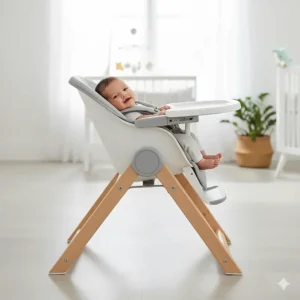
If you’re looking for a chair that combines Scandinavian-inspired design with serious functionality, the Skip Hop EON 4-in-1 Convertible High Chair deserves your attention. This beauty transforms through four distinct stages: traditional high chair, dining booster, tableside booster, and eventually a big kid chair. Available in Grey/White, Slate Blue, and Oat colorways, it brings style to your dining space without sacrificing practicality.
Key Specifications:
- Four configuration modes for ages 6 months to 6+ years
- Dimensions: 26.4″L x 27.4″D x 36″H (high chair mode)
- Smooth wipe-clean surfaces with beechwood accents
- Dishwasher-safe tray insert
Price Range: $130-$160 on Amazon
What Parents Are Saying: Customers consistently praise the EON’s incredibly easy cleaning process. One verified buyer mentioned, “We previously had a high chair with vinyl fabric and I’m so glad I made the switch.” The rounded seat design eliminates those annoying corners where food loves to hide. Parents also appreciate the one-hand tray removal feature, though some note the plastic tray attachment can be finicky initially (Skip Hop typically sends replacements if needed).
Pros:
✅ Exceptionally easy to clean with no fabric components
✅ Grows from infant through elementary school years
✅ Modern aesthetic with real wood leg accents
✅ Lightweight at only 11.9 lbs for easy repositioning
Cons:
❌ Wide footprint (legs bow outward) may cause toe-stubbing
❌ Larger overall size doesn’t suit tiny apartments

2. Skip Hop Sit-to-Step 2-in-1 Convertible High Chair
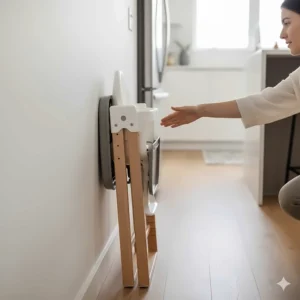
The Skip Hop Sit-to-Step takes a different approach by focusing on two specific uses: feeding time and kitchen helper mode. This space-saving design folds flat for storage, making it perfect for smaller homes or apartments where every square foot counts. The transition from high chair to step stool happens in seconds, encouraging toddler independence when they’re ready to “help” with meal prep.
Key Specifications:
- Two modes: high chair and toddler kitchen helper
- Weight capacity: 33 lbs (high chair), 200 lbs (helper mode)
- Three-position reclining seat for infants
- Foldable design for compact storage
Price Range: $110-$140
Customer Feedback: Buyers love the versatility, especially the kitchen helper transformation. The angled seat recline works brilliantly for younger infants still mastering sitting skills. The removable, machine-washable seat cover scores high marks for convenience. Several reviews mention the hook on the back for storing bibs within easy reach—one of those small details that makes daily life smoother.
Pros:
✅ Folds for storage when not in use
✅ Transforms into useful toddler step stool
✅ Machine-washable seat cover
✅ Adjustable height pulls right up to table
Cons:
❌ Only two configurations (less versatile than 4-in-1 models)
❌ Lower overall weight limit than some competitors
3. Graco Blossom 6-in-1 Convertible High Chair
Now we’re entering multi-tasking territory. The Graco Blossom 6-in-1 isn’t just a convertible chair—it’s practically a seating system for your entire nursery years. This powerhouse can actually seat two children simultaneously in certain configurations, making it phenomenal for families with kids close in age or for those planning baby number two.
Key Specifications:
- Six configuration modes including infant high chair, traditional high chair, infant booster, toddler booster, and youth chair
- Weight capacity varies by mode (40-60 lbs depending on configuration)
- Premium leatherette seat pad (wipeable and machine washable)
- Six height positions and three recline levels
Price Range: $160-$200
Real User Experiences: The Blossom has earned enthusiastic reviews from parents managing multiple children. Users report it’s “incredibly versatile” and “the only high chair we’ll ever need.” The leatherette covering cleans effortlessly, and the dishwasher-safe tray insert simplifies after-meal cleanup. Some mention assembly takes a bit longer than simpler models, but the trade-off in functionality makes it worthwhile.
Pros:
✅ Can accommodate two children at once
✅ Premium materials with machine-washable padding
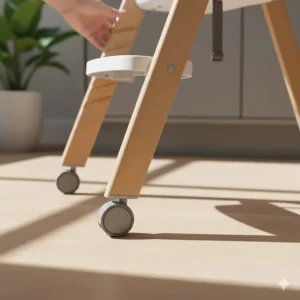
✅ Front wheels with locking casters for portability
✅ Grows from newborn through elementary years
Cons:
❌ Bulkier footprint than simpler designs
❌ Higher price point than basic models
4. Evenflo Eat & Grow 4-in-1 Convertible High Chair
Budget-friendly doesn’t have to mean cheap quality, and the Evenflo Eat & Grow proves it. This affordable four-stage chair covers all the basics without the premium price tag. It progresses from full-size high chair to floor-level dining chair, toddler standalone chair, and finally a play table and chair combo—all for under $100.
Key Specifications:
- Four stages of use from 6 months to 5 years
- Weight capacity: 40 lbs (high chair), 50 lbs (other modes)
- Removable, dishwasher-safe tray
- Machine-washable colorful seat pad
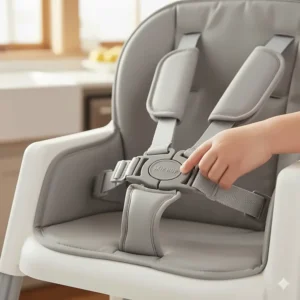
- 5-point safety harness (removable in later stages)
Price Range: $60-$90
Customer Reviews: Parents on tight budgets rave about this chair’s value proposition. One buyer shared, “I love that it’s convertible to a booster and table—it gives longevity for your money!” The assembly process consistently gets praise for simplicity (about 10 minutes total). The compact size works well in apartments, though the seat pad fabric can show stains if not cleaned immediately.
Pros:
✅ Exceptional value for money
✅ Takes up less space than premium models
✅ Simple 10-minute assembly
✅ All four modes genuinely useful
Cons:
❌ Fabric seat requires more cleaning maintenance
❌ Lower weight limits than premium options
5. Inglesina Fast Table Chair
Sometimes the best solution isn’t a traditional high chair at all. The Inglesina Fast Table Chair represents a completely different approach—a portable, clip-on seat that attaches directly to most tables. This Italian-designed chair has won numerous awards and creates a cult following among parents who prioritize flexibility and travel-friendliness.
Key Specifications:
- Hook-on design fits tables 0.8″ to 3.5″ thick
- Weight capacity: 37 lbs (ages 6-36 months)
- Dimensions when folded: 4″L x 14″W x 17″H
- Three-point safety harness included
- BPA, lead, and phthalate-free materials
Price Range: $60-$80 (chair only), $80-$100 (with dining tray)
What Makes It Special: This chair eliminates the floor footprint entirely, making it perfect for tiny apartments, frequent restaurant visits, or grandparents’ houses. The removable, washable cover and included carry bag (hidden under the seat) mean you can pack it anywhere. Parents describe it as “built like a truck” despite being lightweight. The twist-tight arm coupling ensures stability while protecting table surfaces from scratches.
Pros:
✅ Zero floor footprint—clamps to table edge
✅ Incredibly portable with included carry bag
✅ Works at restaurants and while traveling
✅ Multiple award winner (Babylist, Baby Gear Lab, 2025)
Cons:
❌ Doesn’t work with all table types (needs proper clearance)
❌ No traditional tray option (dining tray sold separately)
6. Graco Table2Table Premier Fold 7-in-1 High Chair
For families wanting every possible configuration, the Graco Table2Table 7-in-1 delivers maximum versatility. This chair transforms through seven distinct setups, including modes most competitors don’t offer. It eventually converts into a toddler-sized table and chair set, extending its usefulness well beyond typical high chair years.
Key Specifications:
- Seven configurations from infant to 6 years old
- Weight capacity: 40-60 lbs (varies by mode)
- Seven adjustable height positions
- Three recline settings for infant comfort
- Foldable design despite multiple modes
Price Range: $180-$220
Parent Testimonials: Reviewers consistently mention this chair “literally has it all” and “transforms with ease.” One tester noted, “Both my 10-month-old and almost 4-year-old were able to use the seat comfortably.” The quality construction impresses parents who appreciate that tool-free conversions take under a minute. The neutral color options help it blend with most decor styles rather than screaming “baby gear.”
Pros:
✅ Most configuration options available
✅ Tool-free mode changes
✅ Folds for storage despite size
✅ Quality construction built to last
Cons:
❌ Higher price reflects added features
❌ Runs larger than compact models
7. IKEA Antilop High Chair
Let’s talk about the cult classic that never goes out of style. The IKEA Antilop isn’t convertible in the traditional sense, but its legendary status among parents worldwide earns it a spot on this list. At under $20, it’s the most affordable quality high chair available, period. The simple plastic and steel construction means zero fabric to clean and complete disassembly for transport.
Key Specifications:
- Simple fixed-height design
- Weight limit: 33 lbs (up to 3 years)
- Dimensions: 24″W x 26″D x 35.4″H
- Includes removable tray and safety belt
- Easy to disassemble and transport
Price Range: $20 (yes, really)
Why It’s Legendary: The Antilop has been feeding babies for over 25 years (one reviewer used the same chair for all three kids!). Its simplicity is its superpower—there are no crevices for food to hide, no complicated mechanisms to break, and cleaning takes 30 seconds with a damp cloth. Parents often buy multiple: one for home, one for grandparents, one for the vacation house. The aftermarket accessory ecosystem on Etsy offers custom cushions, footrests, and leg wraps for personalization.
Pros:
✅ Unbeatable $20 price point
✅ Absolutely effortless to clean
✅ Takes seconds to assemble or disassemble
✅ Lightweight and portable
Cons:
❌ No height adjustment or conversion features
❌ Basic design lacks premium feel
❌ Footrest not included (available separately)
Understanding Convertible High Chair Benefits
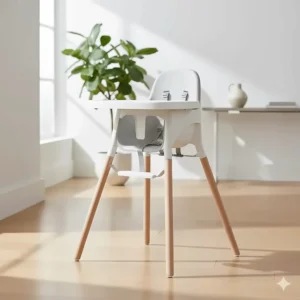
So why should you even consider a convertible model instead of a standard high chair? The answer goes beyond just saving money, though that’s certainly part of it. Convertible chairs address several pain points that traditional single-use chairs create. Let me break down the real-world advantages I’ve observed and experienced.
Growing With Your Child’s Developmental Stages
Babies change fast—like, ridiculously fast. One month they’re doing that adorable wobbly-head thing while you spoon-feed them mushed peas, and seemingly overnight they’re grabbing the spoon themselves and demanding independence. A quality convertible high chair accommodates these rapid transitions without requiring new equipment purchases every few months.
The progression typically looks like this: newborns need reclined positions with extra support, six-month-olds require upright seating with safety harnesses, toddlers want to sit at table height like grown-ups, and preschoolers need booster-style seating. Skip hop convertible high chair models and their competitors address all these stages in one product. That’s four to seven years of use from a single purchase—pretty remarkable when you think about it.
Space-Saving Solutions for Modern Homes
Let’s be honest: most of us aren’t living in sprawling houses with dedicated rooms for baby gear. Modern families need furniture that works hard without eating up precious square footage. Convertible chairs offer two space-saving advantages.
First, you’re not storing multiple chairs as your child grows. No garage full of outgrown baby equipment. Second, many convertible models (like the Skip Hop Sit-to-Step) actually fold for storage between meals. Try doing that with your grandmother’s wooden antique high chair! For apartment dwellers or anyone with limited dining space, this feature alone justifies the convertible chair investment.
Environmental and Economic Sustainability
Here’s something I don’t see discussed enough: the environmental impact of our baby product choices. Americans generate massive amounts of waste from single-use baby items that serve brief purposes before hitting landfills. A convertible chair that lasts six years instead of two separate chairs each lasting three years means less manufacturing, less shipping, and ultimately less waste.
Economically, the math is straightforward. A quality skip hop convertible high chair might cost $130-$160 upfront, while buying separate chairs for different stages could easily exceed $250-$300 total. You’re saving money while reducing environmental impact. That’s what I call a win-win situation that actually feels good.
Enhanced Versatility for Different Family Situations
Every family has unique needs, and convertible chairs adapt to various scenarios better than fixed designs. Got twins or kids close in age? Certain models (like the Graco Blossom) actually accommodate two children simultaneously. Frequently visiting relatives? Portable convertible options travel easily. Love dining out? Hook-on chairs eliminate restaurant seating hassles.
This adaptability extends to your home layout too. Need to pull the chair right up to your dining table? Adjust the height. Prefer keeping baby at counter level while you cook? Many models handle that. Want to transition your toddler to regular chair seating? The booster configurations make that switch seamless. Versatility isn’t just a buzzword—it’s daily life flexibility that genuinely matters.
Key Features to Consider When Shopping
Walking into baby stores (or scrolling through Amazon at 2 AM—no judgment) can overwhelm you with options. Not all features matter equally, and some “impressive” specifications are basically marketing fluff. Let me cut through the noise and tell you what actually makes a difference in daily use.
Safety Standards and Certifications
This should go without saying, but safety comes first, always. Look for chairs that meet or exceed ASTM F404 standards (the main US safety certification for high chairs). This testing covers stability, restraint system effectiveness, and material safety. Any reputable brand will prominently display their safety certifications—if you can’t find them, that’s a red flag. 🚩
Pay special attention to the harness system. Three-point harnesses are adequate, but five-point systems provide better security for wiggly babies who haven’t mastered the art of sitting still. The harness should adjust easily as your baby grows but shouldn’t be so simple that a clever toddler can escape. Also check for crotch posts—these prevent your little Houdini from sliding out under the tray.
Cleaning and Maintenance Requirements
I cannot stress this enough: if a high chair is difficult to clean, you will hate your life. Babies are basically tiny food explosion machines, and mealtimes create catastrophic messes involving pureed vegetables, smooshed bananas, and liquids you can’t even identify. Your high chair will face this carnage three times daily.
The easiest chairs feature smooth, wipeable surfaces without fabric components (like the Skip Hop EON). Plastic and wood beat fabric every single time for maintenance. If the chair does include padding, ensure it’s either wipeable leatherette or removable and machine-washable. Dishwasher-safe tray inserts are non-negotiable in my book—hand-washing sticky trays gets old fast.
Also consider the chair’s design complexity. Fewer crevices mean less scrubbing. Rounded edges prevent food accumulation better than sharp corners. If you’re looking at a chair thinking “wow, that has a lot of decorative details,” imagine cleaning smashed peas out of every single one of those details. Still excited? Great! If not, keep shopping.
Tray Design and Adjustability
Tray functionality dramatically impacts your daily experience. The best trays feature multiple adjustment positions, allowing you to pull the tray further from or closer to your baby as they grow. This seemingly small detail makes a huge difference—you can position the tray perfectly for spoon feeding, finger foods, or eventually self-feeding practice.
Look for trays that remove with one hand (seriously—try managing a squirmy baby with one hand while removing a tray with two hands, it’s impossible). The tray should also have some kind of dishwasher-safe insert or cover that you can pop off for quick cleaning while the main tray stays attached. Raised edges prevent spills from immediately cascading to the floor, though let’s be real, plenty still ends up there anyway.
Some parents swear by trays with built-in cup holders or divided sections. I’m more neutral on these features—they’re nice but not essential. What is essential? A tray that locks securely so your baby can’t push it off but releases easily for adults. Finding this balance separates excellent designs from mediocre ones.
Footrest and Proper Positioning
This might surprise you, but footrests matter more than most parents realize. When babies and toddlers eat with their feet dangling unsupported, they’re less stable and more likely to slump or squirm. Proper ergonomic positioning means feet resting flat on a footrest, which promotes better posture, easier swallowing, and reduced choking risk.
Many convertible high chairs include adjustable footrests that move up as your child grows. This feature extends the chair’s useful life and ensures proper positioning throughout different stages. If you’re considering a chair without a footrest (like the IKEA Antilop), know that aftermarket options exist—many parents purchase wooden footrests from Etsy sellers for $15-$25.
The American Academy of Pediatrics recommends 90-degree angles at hips, knees, and ankles for optimal feeding position. A good footrest helps achieve this positioning, making mealtimes safer and more comfortable for your little one.
Height Adjustment and Positioning Options
Unless you enjoy back pain from hunching over to feed your baby, height adjustment is crucial. The chair should position your child at a comfortable level for you during feeding while also accommodating your dining table height for family meals. Most quality convertible chairs offer five to seven height positions—this range handles everything from counter-height feeding to standard dining table use.
Consider your home’s specific layout. Got a kitchen island where you prepare baby food? You’ll want a chair that adjusts high enough for safe counter-level supervision. Prefer pulling the chair directly to your dining table? Mid-level settings work best for this scenario. Some families use different heights throughout the day depending on the situation, so more adjustment options provide greater flexibility.
Height adjustment mechanisms vary by model. Some use easy push-button systems, others employ squeeze-trigger releases. Test these mechanisms if possible—you’ll use them frequently, so they should feel intuitive and require minimal effort.
Convertible vs. Traditional High Chairs: Making the Choice
You’ve probably noticed I’m pretty sold on convertible chairs, but let’s be objective for a moment. Traditional high chairs still have their place, and for some families, they’re actually the smarter choice. Understanding the trade-offs helps you decide what works for your specific situation.
Upfront Investment vs. Long-Term Value
Traditional high chairs typically cost $50-$150 and serve one purpose: feeding babies from about 6 months to 2-3 years. After that, you’ll need a booster seat or toddler chair, adding another $30-$80 to your total investment. So you’re looking at roughly $80-$230 spent across your child’s early years.
Quality convertible chairs range from $60 (Evenflo) to $220 (Graco Table2Table), but they last from infancy through 5-6 years with no additional purchases needed. The math favors convertible models, especially premium ones that genuinely last the full six years. However, if you’re tight on cash right now, a basic traditional chair gets you started cheaper, and you can upgrade later when finances improve.
One factor people don’t always consider: resale value. Well-maintained convertible chairs from reputable brands hold their value better than basic traditional chairs. You might recoup 40-60% of your investment selling a barely-used Skip Hop EON, whereas basic traditional chairs often sell for $15-$25 regardless of condition. If you plan to sell baby gear after you’re done having kids, factor this into your calculations.
Lifestyle and Space Considerations
Your living situation significantly impacts which chair type makes sense. Tiny apartment with no storage? The IKEA Antilop might beat fancier convertible models because it disassembles completely and stores flat. Spacious suburban home? Go ahead and spring for that seven-mode Graco monstrosity—you’ve got the room.
Families who travel frequently or split time between two homes benefit enormously from portable options like the Inglesina Fast Table Chair. It packs in a carry bag and works anywhere there’s a table. Conversely, if your baby’s chair stays in one spot 99% of the time, portability doesn’t matter much.
Think about your daily routine too. Do you cook while supervising your baby? Kitchen helper modes (like the Skip Hop Sit-to-Step offers) become incredibly valuable. Mainly eating out at restaurants? Maybe you don’t need an elaborate home setup at all. Match the chair’s strengths to your actual lifestyle, not some idealized version of parenthood you saw on Instagram.
Aesthetic and Design Preferences
Let’s talk about something shallow for a second: how the chair looks. You’re going to see this thing in your dining space every single day for years. If you hate how it looks, that’s going to wear on you. Traditional high chairs often have that unmistakably “baby gear” appearance—bright plastic, cartoon characters, primary colors.
Convertible chairs, especially from brands like Skip Hop, lean more contemporary. Beechwood accents, neutral color palettes, clean lines—they’re designed to blend with adult furniture rather than scream “there’s a baby here!” If your home aesthetic matters to you (and there’s zero shame in caring about this), convertible models generally win the style competition.
That said, some parents specifically want that classic high chair look. If you’re going for a vintage nursery vibe or just don’t care about design coherence, traditional chairs work fine. Your Instagram might not look as curated, but your baby won’t care one bit about your home’s aesthetic consistency. They just want Cheerios and your undivided attention.
Installation and Assembly Tips
Even the best high chair becomes frustrating if assembly feels like deciphering ancient hieroglyphics. I’ve assembled more baby products than I care to count, and I’ve learned some tricks that make the process much smoother. Let me share what actually works.
Understanding Assembly Complexity
Most convertible high chairs arrive requiring some assembly—manufacturers don’t ship them fully constructed because packaging and shipping costs would skyrocket. The good news? Modern designs have simplified assembly considerably compared to models from even five years ago. Most skip hop convertible high chair models assemble in 10-15 minutes with clear instructions.
Before you dive in, check online reviews specifically mentioning assembly. Phrases like “tool-free assembly” or “goes together in minutes” indicate user-friendly designs. Watch out for reviews complaining about missing hardware, confusing instructions, or stripped screws—these red flags suggest problematic products.
Here’s my assembly process that works every time: First, unbox everything and lay out all parts. Second, identify each component using the instruction manual. Third, loosely assemble everything following the steps. Fourth, only after everything’s together do you fully tighten hardware. This approach prevents getting stuck with one bolt super tight while another won’t align. Trust me on this.
Tools You’ll Actually Need
Most high chairs include the necessary tools—usually an Allen wrench or two. However, having your own Phillips and flathead screwdrivers on hand often makes things easier. A socket wrench set can speed up bolt tightening if you’re assembling multiple chairs (twins, grandparents’ house, etc.).
I also recommend having a clean towel or mat to lay parts on during assembly. This protects your floors and keeps small hardware from rolling into oblivion under the refrigerator. Keep a small bowl or magnetic tray for screws and bolts—losing even one piece mid-assembly is incredibly annoying.
If you’re assembling in a carpeted room, great! That cushioning prevents scratching chair parts if you accidentally drop something. On hard floors, consider assembling on top of a folded blanket or foam mat. These small precautions prevent the frustration of discovering scratches or dents on your brand-new chair before your baby even sits in it.
Common Mistakes to Avoid
The number one mistake? Not reading instructions before starting. I know, I know—instructions are boring and you’re confident you can figure it out. But high chairs have safety-critical components, and incorrect assembly risks your baby’s wellbeing. Spend the five minutes reading through everything first. Your future self will thank you.
Another common error: over-tightening hardware. You want everything secure, obviously, but gorilla-strength tightening can strip threads or crack plastic components. Tighten firmly but not aggressively. If something feels like it’s fighting you, stop and check that you’ve assembled that section correctly.
Don’t forget to register your product after assembly. Most manufacturers offer extended warranties or safety update notifications for registered products. This takes three minutes online and could alert you to recalls or safety improvements. The Consumer Product Safety Commission maintains a database of recalled products—definitely check that your specific model isn’t on it before use.
Maintenance and Long-Term Care
Buying the perfect high chair is only half the battle—keeping it functional and hygienic over years of daily use requires some strategy. Proper maintenance extends your chair’s lifespan and ensures it remains safe throughout its service life.
Daily Cleaning Routines
After every meal, wipe down all food-contact surfaces immediately. I mean immediately, as in before that smashed banana oxidizes into a cement-like substance requiring a chisel to remove. A damp microfiber cloth handles most messes, though you’ll want a baby-safe spray cleaner for sticky situations.
Remove the tray and rinse it in the sink or load it in the dishwasher if it’s dishwasher-safe (check your manual). Pay special attention to crevices where food loves to hide—old toothbrushes work brilliantly for these tight spots. For chairs with fabric components, spot-clean spills right away before they set.
The floor underneath and around the high chair becomes a disaster zone—that’s just physics when tiny humans eat. I learned to keep a small handheld vacuum nearby for quick post-meal cleanup. Alternatively, a splat mat under the chair contains the chaos and wipes clean easily. Some parents swear by keeping pets around during baby mealtimes for additional “cleanup assistance,” though vets probably don’t endorse this strategy.
Weekly Deep Cleaning
Once weekly, give your high chair a thorough inspection and deep clean. Remove all detachable parts (tray, harness straps, cushions) and clean according to manufacturer specifications. Most harness straps can go in the washing machine on a gentle cycle—just air dry them rather than using a dryer’s heat.
Check all hardware for tightness. Screws and bolts can loosen over time from daily use, especially with convertible chairs that you adjust frequently. Tighten anything that’s gotten loose, but again, don’t go overboard. Examine plastic components for cracks or signs of wear, particularly at stress points. These visual inspections catch small issues before they become safety problems.
For wooden components (like the beechwood accents on Skip Hop models), use appropriate wood cleaner occasionally to maintain their appearance. Avoid harsh chemicals that could damage finishes or pose toxicity risks. A simple solution of mild soap and water works for most cleaning needs—fancy products are usually unnecessary marketing.
When to Replace vs. Repair
Even quality chairs eventually show their age. Knowing when to repair versus when to replace protects your child’s safety. Obvious safety issues—cracks in structural components, broken harness buckles, unstable legs—require immediate attention. Contact the manufacturer first; many offer replacement parts for safety-related issues even outside warranty periods.
For cosmetic damage like scratches or stains, repair usually isn’t necessary. Your child couldn’t care less if the chair has battle scars from three years of service. However, if aesthetic damage bothers you, touch-up paint or furniture markers can restore appearances. Check online parent groups—creative solutions for specific wear patterns often emerge from these communities.
The Consumer Federation of America recommends replacing high chairs older than 10 years or that have been in multiple crashes or accidents, even if damage isn’t visible. Modern safety standards evolve, and older designs may not meet current recommendations. When you’re done with your chair, pass it along if it’s in good condition or recycle materials appropriately rather than sending to landfills.
Budget Considerations and Value Analysis
Money matters, especially when you’re stocking an entire nursery. Let’s break down the real costs and value propositions across different price points so you can make financially smart decisions without compromising safety or functionality.
Entry-Level Options ($20-$80)
The budget-friendly segment offers surprising quality for families watching expenses. The IKEA Antilop at $20 delivers unbeatable value—it’s literally cheaper than many restaurant high chairs you’ll use once. The Evenflo Eat & Grow ($60-$90) proves that convertible functionality doesn’t require breaking the bank. At this price point, you’re sacrificing premium materials and designer aesthetics but not necessarily safety or basic functionality.
Budget chairs work brilliantly as starter options or secondary chairs. Many families buy an IKEA Antilop for grandparents’ houses or weekend homes rather than transporting their primary chair. The Inglesina Fast Table Chair ($60-$80) falls into this category and offers portability premium chairs can’t match despite its lower price.
Expect some compromises: fewer adjustment options, more basic materials, potentially shorter lifespans. However, for many families—especially those unsure how long they’ll use a high chair—these trade-offs make perfect sense. A chair that serves three years at $30 per year beats one that costs $200 but your kid refuses to sit in (yes, that happens with stubborn toddlers).
Mid-Range Investment ($100-$150)
This sweet spot balances features, quality, and affordability. The Skip Hop EON 4-in-1 ($130-$160) and Skip Hop Sit-to-Step ($110-$140) both land here, offering convertible designs with solid construction and attractive styling. You’re getting name-brand reliability with multi-year versatility.
Mid-range chairs typically include better materials than budget options—think wipeable surfaces, higher weight capacities, more adjustment positions. They often last the full 5-6 years manufacturers claim, whereas budget chairs sometimes need replacing sooner. The improved quality-of-life features (easier tray removal, better harness systems, simpler cleaning) genuinely make daily use more pleasant.
This tier makes sense for parents planning one or two children. You’ll use the chair long enough to justify the investment but probably won’t need extreme durability for three or four kids. The resale value in this range remains decent—expect to recoup 30-50% if you sell in good condition.
Premium Category ($160-$220)
Top-tier convertible chairs like the Graco Blossom 6-in-1 ($160-$200) and Graco Table2Table 7-in-1 ($180-$220) offer maximum configurations and premium materials. These chairs target families planning multiple children or those who simply want the absolute best option available.
Premium chairs justify higher prices through longevity, versatility, and build quality. They handle multiple children without breaking down, convert through more stages, and include thoughtful details like leatherette padding and extensive height adjustments. For families with twins or children close in age, the Graco Blossom’s ability to seat two kids simultaneously makes the higher price tag actually economical.
Consider premium chairs if you plan three or more children—they’ll genuinely last through multiple kids. They also maintain better resale value, sometimes fetching 50-60% of original prices if well-maintained. The improved daily experience (smoother adjustments, easier cleaning, better ergonomics) compounds over thousands of uses across several years.
Hidden Costs to Consider
Don’t forget accessories and related expenses when budgeting. Splat mats run $15-$30 but save flooring from damage. Replacement covers, cushions, or trays add $20-$40. Some chairs need separately purchased footrests ($15-$25). These small additions accumulate.
Factor in cleaning supplies too—you’ll go through more paper towels, wipes, and spray cleaner than you’d expect. Some parents invest in small handheld vacuums ($30-$60) specifically for post-meal cleanups. While not essential, these tools make life easier and prevent wear on your main vacuum cleaner.
Safety Features Parents Must Check
Safety transcends everything else—no amount of convenience or style matters if your baby isn’t secure. Let me walk you through the non-negotiable safety features and what actually makes a difference versus what’s just marketing.
Stability and Base Design
A stable base prevents tip-overs, which represent one of the most serious high chair hazards. Wide, sturdy bases with non-slip feet provide optimal stability. When examining any chair, check the stance—does it sit firmly without wobbling? Can you easily tip it by pushing on the seat? Quality chairs remain stable even when toddlers lean or push against trays.
Some convertible chairs (like several Skip Hop models) feature angled legs that increase the footprint. While this takes more floor space and risks toe-stubbing, it significantly improves stability—a worthwhile trade-off for safety. Lighter chairs might seem convenient for portability but can tip more easily. Weight and stability generally correlate positively.
Wheels or casters appear on some models for mobility. If present, they must lock securely. Test the locking mechanism multiple times—it should engage firmly and not release accidentally from vibration or pressure. Some parents actually prefer wheeless designs to eliminate tip-over risk from rolling, so consider your priorities here.
Harness and Restraint Systems
Your baby’s harness might be the single most important safety feature. Five-point harnesses—with straps over both shoulders, around both sides of the waist, and through the legs—provide superior security compared to three-point systems. They prevent standing, climbing out, or slipping under the tray.
The harness should adjust easily to accommodate your growing child but shouldn’t be so simple that a clever toddler can unbuckle themselves. Look for harnesses that adjust quickly without requiring tools—you’ll be repositioning them frequently as your baby grows. The shoulder straps should reposition to different heights for proper fit throughout various stages.
Crotch posts (the piece between your baby’s legs) prevent sliding out under the tray. This component is mandatory on all safe high chairs. The post should attach firmly to the seat and resist removal by baby fingers. Some budget chairs have removable crotch posts that disappear into the abyss of missing baby gear—avoid these designs.
Material Safety and Chemical Testing
Modern parents rightfully worry about chemicals in baby products. Look for chairs explicitly labeled as BPA-free, phthalate-free, and free from regulated flame retardants. Reputable brands test extensively and display certifications prominently. The Inglesina Fast Table Chair, for example, advertises its freedom from these chemicals on every product listing.
Check that all materials meet or exceed applicable safety standards. In the US, that’s primarily ASTM F404. The Environmental Protection Agency provides resources about chemical safety in children’s products if you want to dive deeper into specific concerns.
For wooden components, verify finishes are food-safe and non-toxic. Babies will absolutely chew on any part of the chair they can reach—that’s just what babies do. The materials must withstand this oral exploration safely. Water-based finishes and natural oils beat chemical-heavy alternatives for wood treatment.
Age and Weight Recommendations
Every high chair specifies age and weight limits—actually follow them. These aren’t suggestions; they’re safety maximums based on testing. Exceeding weight limits risks structural failure, while using chairs before recommended ages puts younger babies at risk for positional asphyxiation or inadequate support.
Most convertible high chairs start at 6 months or when babies can sit unassisted. This milestone matters—younger babies lack the core strength to maintain safe positioning even with support systems. If you need earlier seating, look specifically for models with infant recline features and adequate head/body support.
Upper weight limits vary significantly between brands and configurations. Basic modes often max out around 33-40 lbs, while booster and chair configurations might handle 60-80 lbs or more. Check limits for each specific mode you plan to use, not just the highest advertised number.
Real Parent Experiences and Reviews
Theory and specifications matter, but nothing beats hearing from parents who’ve actually used these chairs through thousands of meals, thrown foods, and toddler tantrums. Let me share some real-world feedback that illuminates what daily life looks like with various options.
First-Time Parent Perspectives
New parents often prioritize different factors than experienced parents. First-timers typically focus heavily on safety features, sometimes overlooking practical daily-use considerations. Many first-time parents I’ve talked to wish they’d prioritized cleaning ease over aesthetic appeal. That gorgeous fabric padding looks amazing in photos but becomes a nightmare after three months of spit-up and smooshed avocado.
One common pattern? First-time parents frequently over-invest in bells and whistles they never use. Do you really need that tablet holder attachment? Probably not, despite what marketing materials suggest. Many first-timers would choose simpler, easier-to-clean options if they could do it over. The skip hop convertible high chair models strike a good balance here—modern design without unnecessary complexity.
First-time parents also tend to underestimate how quickly babies outgrow early stages. Those special infant inserts and recline positions? You’ll use them for maybe 3-4 months before your baby sits independently and they become obsolete. This realization makes convertible chairs’ long-term value more appealing—at least the later configurations get substantial use.
Experienced Parents’ Insights
Parents on their second or third kid approach high chair selection completely differently. They’ve learned what truly matters and what’s marketing nonsense. The universal themes? Easy cleaning trumps everything else, simplicity beats complexity, and durability matters more than you initially think.
Experienced parents often keep multiple chairs for different purposes rather than one “perfect” option. They might own an IKEA Antilop for messy meals (cost-effective to eventually replace if staining gets bad), a convertible option for daily use, and a portable clip-on for restaurants. This multi-chair strategy addresses different needs more effectively than expecting one chair to excel everywhere.
Many experienced parents specifically cite the Skip Hop EON and Graco Blossom as chairs they’d buy again without hesitation. Both survived multiple children, cleaned easily throughout years of use, and retained enough value to sell or pass along afterward. These models represent proven performers rather than trendy options that sound good but fail in practice.
Common Complaints and Solutions
Certain complaints appear repeatedly across high chair reviews. The most frequent? Food getting stuck in crevices despite manufacturers claiming easy cleaning. Solution: preventive measures work better than reactive cleaning. Wipe down immediately after meals before food hardens. Use splat mats. Accept that mealtimes are inherently messy and plan accordingly.
Another common complaint centers on footprint size. Convertible chairs with wide bases (necessary for stability) take up more space than parents anticipate. This particularly frustrates apartment dwellers or anyone with compact dining areas. Solution: measure your space before buying and check product dimensions carefully. Consider foldable options if storage matters, or embrace portable clip-on chairs that eliminate floor space entirely.
Tray removal difficulty generates significant frustration too. Some chairs advertise “one-hand removal” but require Hulk-level strength to actually accomplish this. Parents dealing with a squirming baby in one arm genuinely need that one-hand functionality—it’s not a frivolous feature. Solution: test this specific feature in-store if possible, or rely on reviews that specifically mention tray removal ease.
Frequently Asked Questions About Convertible High Chairs
What Is a Skip Hop Convertible High Chair?
A skip hop convertible high chair is a multi-functional seating solution that adapts through multiple configurations as your child grows, typically transforming from an infant high chair into dining boosters, tableside seats, and eventually big kid chairs. This design extends usability from approximately 6 months through 5-6 years, eliminating the need to purchase separate seating for different developmental stages while maintaining modern aesthetics and easy-to-clean materials…
How to Choose the Right Convertible High Chair for Your Family
Selecting the right convertible high chair involves evaluating several key factors specific to your household. Start by measuring your dining space to ensure the chair’s footprint fits comfortably without creating traffic hazards. Consider your budget range and how many children will use the chair—families planning multiple kids benefit most from premium convertible options that withstand years of use.
Next, assess your lifestyle patterns. Families who frequently dine at restaurants or travel should prioritize portable options like the Inglesina Fast Table Chair over larger stationary models. Small apartment dwellers need foldable designs or space-efficient clip-on styles. Conversely, families with ample space might prefer feature-rich options like the Graco Table2Table 7-in-1 that offer maximum configuration versatility.
Evaluate your cleaning tolerance honestly. If you loathe spending time scrubbing furniture, prioritize models with smooth, wipeable surfaces and minimal crevices. Fabric components require more maintenance but offer additional comfort—decide what matters more for your situation. Don’t overlook safety certifications and age-appropriate features for your baby’s current stage. Finally, consider aesthetic preferences if visual coherence with your home décor matters to you—convertible chairs range from purely functional to designer-quality pieces.
How Long Will a Convertible High Chair Last?
Most quality convertible high chairs serve children from approximately 6 months through 5-6 years, though durability varies significantly by model and usage intensity. Budget options like the Evenflo Eat & Grow typically function well for one child through the specified age range but may show wear if used for multiple children. Mid-range chairs such as Skip Hop models generally last through two children with proper care.
Premium convertible chairs from brands like Graco often withstand three or more children while maintaining structural integrity and safety features. These chairs justify higher prices through extended lifespans—a $200 chair serving three children costs roughly $67 per child, comparing favorably to buying multiple cheaper chairs for each kid. Actual longevity depends heavily on maintenance, cleaning frequency, weight limits adherence, and storage conditions. Chairs stored in climate-controlled environments outlast those exposed to humidity or temperature extremes…
What’s the Difference Between a 4-in-1 and 6-in-1 Convertible Chair?
The numeric designation indicates how many distinct configurations the chair offers. A 4-in-1 convertible high chair like the Skip Hop EON typically includes infant high chair, dining booster, tableside booster, and big kid chair modes. A 6-in-1 model such as the Graco Blossom adds configurations like infant booster and toddler booster, plus the capability to seat two children simultaneously in certain setups.
More configurations don’t necessarily mean better value—it depends on whether you’ll actually use those additional modes. Families with one child might never utilize the dual-seating capability that adds complexity to 6-in-1 designs. Conversely, parents with twins or kids close in age find this feature incredibly valuable. Additional modes often correlate with higher prices and potentially more complex adjustments. Evaluate which specific configurations matter for your family rather than assuming more options automatically equal better purchases…
Can Convertible High Chairs Be Used for Newborns?
Most convertible high chairs aren’t suitable for newborns under 4-6 months old who cannot sit unassisted. Babies need adequate trunk control and head stability before using high chairs safely. However, some convertible models feature special infant recline positions with additional body support, allowing earlier use around 4 months for supervised feeding while the baby transitions to solid foods.
The Skip Hop Sit-to-Step, for example, includes a three-position recline specifically designed for younger infants still developing sitting skills. These recline features support bottle feeding or introducing first purees before babies master unassisted sitting. Always verify your specific model’s minimum age recommendation and never place babies who cannot sit independently in upright high chair positions—this creates dangerous positioning that can affect breathing. When in doubt, consult your pediatrician about when your individual baby demonstrates readiness for high chair use…
Conclusion: Finding Your Perfect Match
We’ve covered a ton of information here—probably more than you ever wanted to know about high chairs, honestly. But choosing the right seating for your baby genuinely impacts daily life for years, so it’s worth getting right. Let me distill everything into actionable guidance that helps you make a confident decision.
A skip hop convertible high chair represents a smart investment for most families. The combination of modern design, thoughtful features, and genuine long-term versatility makes these chairs stand out in a crowded market. Whether you choose the EON 4-in-1 for its contemporary aesthetic and exceptional cleaning ease, or the Sit-to-Step for its space-saving foldability and kitchen helper mode, you’re getting quality products backed by a reputable brand.
That said, the “perfect” chair varies by family. Budget-conscious parents might find the Evenflo Eat & Grow delivers everything necessary at a fraction of premium prices. Families with multiple young children could discover the Graco Blossom 6-in-1 solves seating challenges that simpler models can’t address. Parents prioritizing portability might fall in love with the Inglesina Fast Table Chair’s clip-on convenience. There’s no single right answer—there’s only the right answer for your specific situation.
Here’s my final advice: prioritize safety and cleaning ease above all else. These factors affect every single use over thousands of meals. Everything else—configurations, aesthetics, price—matters less than a stable, secure chair that wipes clean in seconds. Start there, then layer on features that address your unique needs.
Don’t get paralyzed by options. Any of the seven chairs I’ve detailed will serve you well if it matches your priorities. Trust your research (including everything you’ve learned here), make a decision, and commit to it. Second-guessing yourself while scrolling reviews at 2 AM helps nobody. Your baby will thrive regardless of whether you chose option A or B—what matters is consistent, safe feeding practices and family mealtimes together.
🎯 Ready to Make Your Purchase? Here’s What to Do Next! 🛒
You’ve got all the information you need. Now it’s time to take action! Head to Amazon and check current prices on your top choices. Remember that availability and pricing fluctuate, so the model you want might be on sale today. Read a few recent reviews to ensure quality remains consistent, then add that chair to your cart with confidence. Your baby deserves safe, comfortable mealtimes, and you deserve furniture that doesn’t drive you crazy. Make it happen! ✨
Recommended for You
- Best Convertible High Chair: 7 Top Picks for 2025
- Table Attachable High Chair: 7 Best Picks (2025 Guide)
- Travel High Chair: 7 Best Picks for Parents in 2025
Disclaimer: This article contains affiliate links. If you purchase products through these links, we may earn a small commission at no additional cost to you.
✨ Found this helpful? Share it with your friends! 💬🤗
