In This Article
Let’s be honest—those first few months with a newborn feel like you’re hemorrhaging money faster than a leaky bathtub drains. Between diapers, formula, and midnight Amazon panic-purchases, your bank account probably looks sadder than your sleep schedule. But here’s the thing I learned after bathing two kids on a teacher’s salary: budget baby bath products can work just as well as their luxury counterparts without requiring you to sell a kidney.
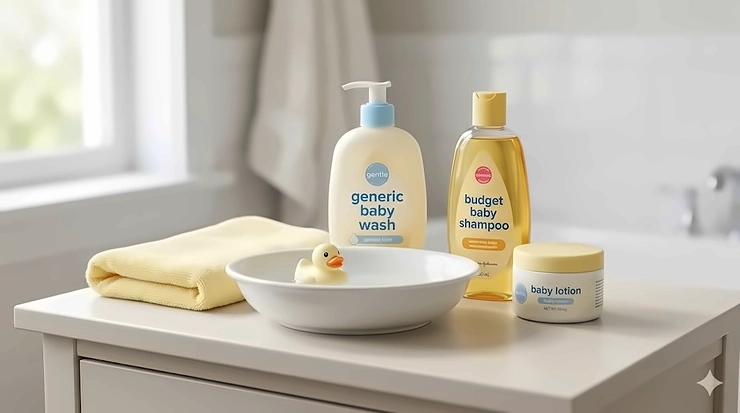
I remember standing in the baby aisle at 3 AM, bleary-eyed and comparing a $4 bottle of baby wash to a $28 “artisanal lavender-infused organic miracle cleanser.” Spoiler alert: they both cleaned spit-up just fine. The expensive stuff didn’t make my daughter smell like a French spa—she still smelled like, well, a baby who’d just discovered sweet potatoes.
What you need are affordable baby bathtub options that don’t tip over, cheap baby wash that won’t irritate delicate skin, and budget baby shampoo that actually rinses clean. This guide cuts through the marketing fluff to show you exactly which inexpensive baby towels and value baby bath essentials deliver real results. We’re talking about cost-effective infant products that passed the ultimate test: cranky babies, exhausted parents, and tight budgets.
The market for economical baby care has exploded in recent years, and affordable nursery items now match premium quality without the premium price tag. You don’t need to choose between your wallet and your baby’s comfort anymore.
Quick Comparison Table
| Product | Type | Price Range | Best For | Rating |
|---|---|---|---|---|
| Frida Baby 4-in-1 Grow-with-Me | Bathtub | $40-50 | Newborn to toddler | 4.6/5 |
| Johnson’s Head-To-Toe Wash | Body Wash | $5-8 | Daily gentle cleansing | 4.7/5 |
| Aveeno Baby Daily Moisture | Shampoo/Wash | $7-10 | Sensitive skin | 4.8/5 |
| Gerber 10-Pack Terry Washcloths | Washcloths | $8-10 | Multi-purpose cleaning | 4.5/5 |
| Hudson Baby Hooded Towel | Towel | $8-12 | Post-bath warmth | 4.6/5 |
| Cetaphil Baby Wash & Shampoo | 2-in-1 Cleanser | $8-12 | Eczema-prone skin | 4.7/5 |
| Burt’s Bees Baby Organic Towel | Premium Towel | $15-20 | Organic cotton lovers | 4.8/5 |
💬 Just one click – help others make better buying decisions too!😊
Top 7 Budget Baby Bath Products: Expert Analysis
1. Frida Baby 4-in-1 Grow-with-Me Baby Bathtub
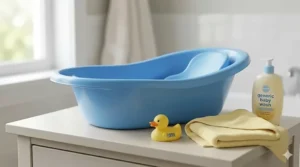
If I could time-travel and tell my past self to buy just one baby bathtub, it would be this adaptable workhorse. The Frida Baby 4-in-1 grows with your little one from those terrifying newborn days when they feel like a wet noodle, all the way through toddlerhood when they’re splashing like tiny hurricanes.
Key Specifications:
- Dimensions: 28 x 18.3 x 8.6 inches
- Weight capacity: Newborn to 2 years
- Includes removable smart sling with two positions
- Built-in drain plug and drying hook
Price: $40-50
The color-coded sling system is genius—flip it one way for cradling newborns (0-3 months), adjust for more legroom (3-6 months), convert to a supportive seat for sitting babies (9-12 months), or remove entirely for toddler splash sessions. Parents consistently praise how the sling stays put with secure hooks and washes machine-clean without getting moldy.
Real Customer Feedback: Multiple parents mention this tub eliminated the need to buy three separate bathtubs. One mom noted her daughter used it for 18 months straight, calling it “the best $45 I spent on baby gear.”
✅ Pros:
- Four growth stages in one tub
- Machine-washable, quick-dry sling
- Non-slip feet for stability
❌ Cons:
- Takes up more space than collapsible options
- Higher initial cost than basic tubs
2. Johnson’s Baby Head-To-Toe Wash & Shampoo
This is the workhorse that’s been cleaning babies since your grandma was changing diapers. Johnson’s Head-To-Toe Wash proves you don’t need fancy ingredients or Instagram-worthy packaging to get clean, happy babies.
Key Specifications:
- Size: 27.1 fl oz
- Formula: Hypoallergenic, pH-balanced
- Contains aloe vera and vitamin B5
- No added parabens, sulfates, or dyes
Price: $5-8
The tear-free formula lives up to its promise—I’ve accidentally gotten this in my son’s eyes more times than I care to admit, and he barely blinked. It lathers nicely without that weird slippery residue some budget washes leave behind. The light, clean scent is pleasant without being overpowering, and it rinses completely clean in hard water.
Real Customer Feedback: Parents love the value-to-volume ratio. One reviewer calculated it costs about 18 cents per bath versus $1.20 for premium brands, with identical results for their baby’s sensitive skin.
✅ Pros:
- Clinically proven safe for newborns
- Large bottle lasts 2-3 months
- Works equally well on hair and body
❌ Cons:
- Not completely fragrance-free (though mild)
- Bottle design can be hard to squeeze when nearly empty
3. Aveeno Baby Daily Moisture Gentle Body Wash & Shampoo
When my daughter developed baby eczema at four months, our pediatrician recommended switching to Aveeno Baby Daily Moisture. Within two weeks, her dry patches cleared up. The natural oat extract is like a tiny spa treatment for irritated baby skin.
Key Specifications:
- Size: 18 fl oz
- Main ingredient: Natural oat extract
- Tear-free and paraben-free
- Soap-free, sulfate-free formula
Price: $7-10
This 2-in-1 cleanser from a pediatrician-recommended brand delivers exactly what it promises: gentle cleansing without stripping natural oils. The oat extract soothes while it cleans, making it perfect for babies prone to dry skin or eczema. The lightly scented formula doesn’t compete with that delicious natural baby smell.
Real Customer Feedback: Dermatologists frequently recommend this for babies with sensitive skin conditions. Parents report significant improvement in cradle cap and eczema patches within the first month of use.
✅ Pros:
- Specifically formulated for sensitive skin
- Natural oat extract soothes irritation
- Maintains skin’s moisture barrier
❌ Cons:
- Slightly higher price than basic options
- Less sudsy than traditional baby washes
4. Gerber Baby 10-Pack Terry Washcloths
These unassuming little squares are the unsung heroes of baby bath time. Gerber Terry Washcloths handle everything from gentle face wiping to scrubbing blowout remnants, and they just keep going.
Key Specifications:
- Pack size: 10 washcloths
- Dimensions: 9 x 9 inches
- Material: 80% cotton, 20% polyester blend
- Stitched edges prevent fraying
Price: $8-10
The terry cloth fabric is absorbent enough to actually dry things (revolutionary concept, I know) while staying soft through countless washes. At roughly 80 cents per cloth, you can afford to dedicate some to diaper changes, some to bath time, and some to the mysterious void where baby items disappear.
Real Customer Feedback: Parents appreciate that these washcloths maintain their softness even after 50+ washes. Several mentioned using the same pack through two different children without significant wear.
✅ Pros:
- Exceptional durability for the price
- Generous 9×9 inch size
- Multi-purpose versatility
❌ Cons:
- Basic white design (stains show easily)
- Not as plush as premium bamboo options
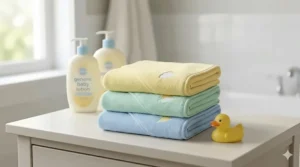
5. Hudson Baby Hooded Towel
There’s something impossibly adorable about wrapping a freshly bathed baby in a hooded towel. Hudson Baby Hooded Towel delivers that Instagram-worthy moment without the Instagram-worthy price tag.
Key Specifications:
- Size: 30 x 30 inches
- Material: 75% cotton, 25% polyester
- Animal-themed hood designs
- Machine washable
Price: $8-12
The generous size means this towel actually covers your baby instead of leaving half their body exposed to drafts. The hood keeps their head warm while you wrestle with diaper tabs, and the fabric stays soft through multiple wash cycles. Available in dozens of cute animal designs, from elephants to sharks.
Real Customer Feedback: Parents consistently mention how absorbent these towels are compared to cheaper alternatives. One mom noted her toddler still uses the same towel at age three for pool visits.
✅ Pros:
- Large coverage area prevents chills
- Adorable hood designs babies love
- Stays absorbent after repeated washing
❌ Cons:
- Takes longer to dry than thinner towels
- Hood can shrink slightly if machine dried on high heat
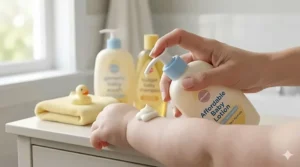
6. Cetaphil Baby Wash & Shampoo
Dermatologists love Cetaphil Baby Wash & Shampoo, and for good reason. This gentle formula was designed specifically for babies with finicky skin that protests at the slightest irritant.
Key Specifications:
- Size: 13.5 fl oz
- Features: Organic calendula extract
- Hypoallergenic and tear-free
- Free from parabens, colorants, mineral oil
Price: $8-12
The calendula extract (from marigold flowers) provides natural soothing properties that help calm redness and irritation. It creates a rich lather that makes washing feel luxurious despite the budget-friendly price. The subtle, fresh scent comes from the calendula rather than artificial fragrance.
Real Customer Feedback: Multiple pediatric dermatologists recommend this brand specifically. Parents of babies with eczema and sensitive skin report minimal flare-ups compared to other affordable options.
✅ Pros:
- Dermatologist-tested and recommended
- Calendula soothes sensitive skin naturally
- Gentle enough for daily use
❌ Cons:
- Smaller bottle size than competitors
- Slightly thicker consistency takes longer to rinse
7. Burt’s Bees Baby Organic Cotton Hooded Towel Set
If you want to splurge just a tiny bit, the Burt’s Bees Baby Organic Cotton Hooded Towel 2-pack bridges the gap between budget and premium. These certified organic towels feel noticeably softer than standard options.
Key Specifications:
- Pack size: 2 hooded towels
- Size: 29 x 29 inches each
- Material: 100% organic cotton
- GOTS certified
Price: $15-20
The organic cotton feels luxuriously soft against delicate skin, and the knit terry construction is exceptionally absorbent. Cute designs like little ducks add charm without feeling overly cutesy. These towels maintain their quality through years of use—several parents report passing them down to younger siblings.
Real Customer Feedback: Parents with babies who have severe eczema or chemical sensitivities specifically choose these organic towels. The sustainability features also appeal to eco-conscious families.
✅ Pros:
- Certified organic cotton is gentler on skin
- Superior absorbency and softness
- 2-pack offers excellent value
❌ Cons:
- Higher price point than basic options
- Limited color variety
Understanding Budget Baby Bath Products
The baby care industry has perfected the art of making parents feel guilty about not buying the most expensive everything. But here’s what manufacturers don’t advertise: most budget baby bath products contain the same basic ingredients as premium versions, just without the fancy packaging and marketing budgets.
What Makes Affordable Baby Bathtub Options Safe
Safety standards for baby bathtubs in the United States are strict regardless of price. Whether you spend $15 or $150, every tub sold legally must meet Consumer Product Safety Commission requirements for stability, material safety, and design features. The main differences between budget and premium tubs often come down to aesthetics, additional features, and brand markup rather than fundamental safety.
According to the American Academy of Pediatrics, the most important safety factor isn’t the tub itself—it’s never leaving your baby unattended, even for a second. Babies can drown in just 1-2 inches of water regardless of whether that water sits in a $200 designer tub or a $20 basic model.
Cheap Baby Wash Vs. Premium Formulas
I’ve tested both $4 and $40 baby washes on my kids’ sensitive skin, and I’ll let you in on a secret: the expensive stuff doesn’t clean better. Both categories typically use gentle surfactants (cleaning agents) like cocamidopropyl betaine and decyl glucoside. The price difference usually reflects:
- Brand recognition and marketing costs
- Organic certification (which doesn’t automatically mean better)
- Fancy packaging in glass bottles instead of plastic
- Additional botanicals that sound impressive but provide minimal benefit
What actually matters is avoiding harsh sulfates, synthetic fragrances, and dyes—features you’ll find in quality budget options just as easily as premium brands.
Value Baby Bath Essentials That Matter Most
Not all bath products deserve equal budget allocation. Based on actual utility and longevity, here’s where your money makes the biggest impact:
High Priority (invest more):
- A quality bathtub that grows with your baby
- Several sets of washcloths (you’ll lose half of them mysteriously)
- At least two good hooded towels for rotation
Medium Priority (budget options work great):
- Body wash and shampoo (refillable, consumed quickly)
- Bath thermometer (simple analog versions work fine)
- Non-slip bath mat
Low Priority (skip or buy cheapest):
- Baby-specific soap dispensers
- Themed bath toy organizers
- Matching bathroom sets
Ingredients to Look For in Economical Baby Care
The ingredient list on budget baby bath products tells you far more than the price tag. Here’s what dermatologists actually recommend looking for:
Beneficial Ingredients
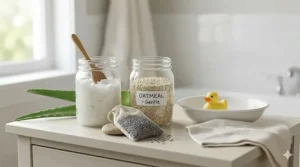
Oat Extract (Colloidal Oatmeal): Naturally soothes irritation and inflammation. Found in Aveeno products, it creates a protective barrier on skin. Research shows it effectively manages eczema symptoms in infants.
Glycerin: A humectant that draws moisture into skin. It’s gentle, effective, and appears in both budget and premium formulas.
Vitamin B5 (Panthenol): Supports skin barrier function and retains moisture. Johnson’s and other affordable brands include this routinely.
Calendula Extract: Natural anti-inflammatory properties from marigold flowers. Cetaphil Baby uses this to calm sensitive skin.
Ingredients to Avoid
Sulfates (SLS/SLES): Create impressive lather but can strip natural oils and irritate delicate skin.
Synthetic Fragrances: Often labeled simply as “fragrance” or “parfum.” These can trigger allergic reactions and respiratory sensitivity.
Parabens: While debate continues about their safety, many parents prefer avoiding these preservatives.
Phthalates: Linked to hormone disruption, though now less common in baby products.
Most quality budget brands have eliminated these concerning ingredients, making them just as safe as expensive alternatives.
How to Choose Cost-Effective Infant Products
Selecting the right budget baby bath products doesn’t require a PhD in chemistry—just some common sense and these practical guidelines:
1. Read Real Reviews, Not Marketing Copy
Look for reviews from parents who’ve used products for several months, not just initial impressions. Watch for patterns: if 20% of reviewers mention mold issues with a bathtub, that’s a real problem regardless of price.
2. Check Pediatrician Recommendations
Products bearing “dermatologist-tested” or “pediatrician-recommended” labels have undergone actual clinical testing. Brands like Aveeno, Cetaphil, and Johnson’s invest in this research even for budget lines.
3. Calculate Per-Use Cost
A $15 bottle lasting six months beats a $7 bottle lasting six weeks. Divide the total price by estimated uses to find true value.
4. Test Skin Sensitivity First
Buy the smallest size available first, especially for washes and shampoos. What works for your friend’s baby might irritate your little one’s skin, regardless of price or quality.
5. Prioritize Multi-Use Items
Washcloths that work for bath time, feeding, and diaper changes deliver better value than single-purpose items. Same logic applies to 2-in-1 wash and shampoo formulas.
6. Consider Growth Potential
Bathtubs and towels that adapt as baby grows eliminate the need for replacements. That $40 adjustable tub becomes cheaper than buying three $20 tubs over two years.
Bath Safety Essentials Every Parent Needs
No amount of money—budget or luxury—can replace proper bath safety practices. The MedlinePlus Medical Encyclopedia emphasizes these critical safety measures:
Temperature Control
Set your water heater below 120°F (48.9°C) to prevent scalding. Even with this precaution, always test bath water with your elbow or wrist before placing baby in the tub. The water should feel warm, not hot.
Constant Supervision
This bears repeating: never leave your baby alone in the bath, even for five seconds. If you forgot something or the doorbell rings, wrap baby in a towel and take them with you. According to the American Academy of Pediatrics, most infant drownings at home occur in bathtubs during lapses in adult supervision.
Proper Water Depth
For infants, 2-3 inches of water is sufficient. Never fill the tub higher than baby’s chest when sitting. More water increases drowning risk without improving cleaning effectiveness.
Non-Slip Surfaces
Use rubber bath mats or non-slip decals in adult tubs. For baby tubs, ensure they have non-slip feet or bases. A stable bathing surface prevents dangerous slips.
Organization is Safety
Gather all supplies before starting bath time: washcloth, towel, soap, fresh diaper, and clothes. Having everything within arm’s reach means you never need to turn away from your baby.
Inexpensive Baby Towels: What Actually Matters
The towel market loves convincing parents that babies need special luxury towels. Reality check: babies need towels that dry them quickly and keep them warm. Here’s what separates good budget towels from mediocre ones:
Absorbency Over Softness
A towel that feels like a cloud but can’t absorb water is useless. Look for terry cloth or cotton-polyester blends that actually dry rather than just pushing water around. Test reviews specifically mention absorbency—if multiple people complain about it, move on.
Adequate Size Coverage
Those tiny 20×20 inch towels look adorable but leave half your baby exposed to cold air. Minimum 28×28 inches for newborns, 30×30 or larger for older babies. Your shivering baby doesn’t care if the towel matches the bathroom decor.
Hood Functionality
Hooded towels keep baby’s head warm while you handle drying and dressing. This matters because babies lose heat rapidly through their heads. A functional hood should actually cover the head, not just drape decoratively.
Durability Through Washing
Budget towels should survive at least 50 wash cycles without falling apart or losing absorbency. Cotton content above 70% generally holds up better than synthetic-heavy blends. Reinforced seams prevent edge fraying.
Affordable Nursery Items Shopping Strategy
Smart parents approach budget baby bath products with the same strategy successful shoppers use everywhere: timing, comparison, and bulk thinking.
When to Buy
Best Times:
- January clearance sales (post-holiday inventory dumps)
- July Amazon Prime Day
- November Black Friday/Cyber Monday
- Registry completion discounts (even without a baby shower)
Avoid:
- Buying during third trimester panic (premium pricing targets anxious parents)
- Last-minute emergency purchases
- New product launches (wait 3-6 months for prices to stabilize)
Store Comparison
Amazon: Widest selection, easy returns, Subscribe & Save discounts up to 15%
Target: REDcard saves 5%, frequent sales on baby items
Walmart: Often lowest base prices, limited organic/specialty options
Buy Buy Baby: Use competitor coupons, 20% completion discount
Bulk Buying Strategy
Smart Bulk Purchases:
- Washcloths (you’ll need 15-20)
- Basic white towels (stains matter less)
- Refill-size body wash (if you know baby tolerates it)
Don’t Bulk Buy:
- Specialty items (baby might have allergies)
- New-to-market products
- Anything with expiration dates
Common Mistakes with Budget Baby Bath Products
Even savvy shoppers make these expensive mistakes when hunting for affordable baby bathtub and bath essentials:
Mistake 1: Assuming Organic Equals Better
Organic certification matters for things baby ingests (food, formula). For external products like shampoo and wash, organic ingredients don’t necessarily perform better or prove safer than quality conventional formulas. You’re often paying extra for marketing, not measurable benefits.
Mistake 2: Buying Too Much Before Baby Arrives
Every baby’s skin reacts differently. That 6-pack of “hypoallergenic” wash you bought on sale? Useless if it triggers your baby’s eczema. Start with single units, confirm compatibility, then stock up.
Mistake 3: Ignoring Return Policies
Amazon, Target, and Walmart offer generous baby product returns. Buy the cheap option and the mid-range option, test both for a week, return the loser. This strategy costs nothing but prevents long-term regret.
Mistake 4: Falling for “Baby-Specific” Marketing
That $15 baby-specific bath thermometer? A $3 candy thermometer does the same job. Baby-specific shampoo brushes? A soft adult washcloth works better. Question whether “designed for baby” adds actual function or just markup.
Mistake 5: Skipping Ingredient Research
“Gentle” and “mild” are marketing terms, not regulated claims. Two minutes reading ingredient lists reveals whether cheap options match expensive ones (they often do) or hide harsh chemicals (occasionally true).
Maintaining Your Budget Bath Products
Quality budget baby bath products last longer with simple maintenance habits:
Bathtub Care
After Each Use:
- Rinse completely to prevent soap residue buildup
- Wipe down with dry cloth
- Hang to air dry if possible
- Check drain areas for mold
Weekly:
- Deep clean with white vinegar solution (1:1 ratio with water)
- Scrub any sling or mesh inserts
- Inspect for cracks or loose parts
Towel and Washcloth Maintenance
Washing:
- Use hot water (sanitizes without harsh chemicals)
- Skip fabric softener (reduces absorbency)
- Add white vinegar to rinse cycle (natural softener that maintains absorbency)
- Wash baby items separately from adult laundry
Drying:
- Line dry when possible (extends fabric life)
- Low heat if using dryer
- Avoid over-drying (makes towels stiff)
Product Storage
Body Wash and Shampoo:
- Store away from direct sunlight
- Keep bottles capped tightly
- Use within 12 months of opening
- Avoid extremely hot or cold storage areas
When to Splurge vs. Save
Not every bath product deserves your entire baby budget. Here’s the honest breakdown:
Worth Spending More
Bathtubs with Growth Features: That extra $20-30 for a tub lasting 2+ years versus buying three separate tubs saves money long-term.
Organic Towels for Severe Eczema: If your baby has diagnosed severe eczema or chemical sensitivities, organic cotton towels might reduce flare-ups enough to justify the cost.
Dermatologist-Recommended Washes: For babies with confirmed skin conditions, the specific formula your pediatric dermatologist recommends (even if pricey) prevents costly medical treatments.
Save Your Money
Decorative Bath Accessories: Matching bathroom sets, themed organizers, and aesthetic items add zero functional value.
Baby-Branded Basics: Generic white washcloths work identically to ones with cartoon characters at half the price.
Trendy Ingredients: “Superfoods” like açai or activated charcoal in baby wash are marketing gimmicks. Babies don’t need trendy ingredients.
Seasonal Bath Time Considerations
Bath time requirements shift with seasons, affecting which budget baby bath products matter most:
Winter Bathing
Cold weather means dry air and chapped skin. Prioritize:
- Moisturizing washes with oat extract or glycerin
- Limiting baths to 2-3 times weekly (over-bathing strips oils)
- Thick, absorbent towels that dry quickly
- Slightly warmer bath water (test carefully)
Summer Bathing
Heat and outdoor play increase bathing frequency. Focus on:
- Gentle daily washes that don’t over-dry
- Quick-dry towels (faster laundry turnover)
- Sun protection ingredients if bathing after pool time
- Cooling bath water temperatures
Transition Seasons
Spring and fall bring unpredictable weather. Keep:
- Medium-weight towels ready
- Both moisturizing and basic washes available
- Bathtub in warm bathroom location
FAQ
❓ How often should I bathe my baby with budget baby bath products?
❓ Are cheap baby wash products safe for sensitive skin?
❓ What's the difference between baby shampoo and regular shampoo?
❓ How long do inexpensive baby towels typically last?
❓ Can I use regular adult washcloths for my baby?
Conclusion: Smart Spending on Bath Time
Let’s bring this home: you don’t need to drop hundreds of dollars on bath products to keep your baby clean, safe, and happy. The budget baby bath products I’ve tested and recommended deliver everything newborns actually need—gentle cleansing, soft drying, and safe bathing spaces—without the premium markup.
Start with these seven essentials: a versatile bathtub like the Frida Baby 4-in-1, reliable cleansers from Johnson’s or Aveeno, affordable towels from Hudson Baby, and basic Gerber washcloths. You’ll spend roughly $80-100 total for a complete setup that lasts well into toddlerhood.
The money you save on smart bath product choices? Redirect it toward what actually matters: quality time making bath time fun, building memories during those fleeting baby months, or frankly, your own coffee habit to survive those 3 AM wake-ups.
Remember, the best bath products aren’t the ones with impressive marketing campaigns—they’re the ones that work reliably, day after day, without breaking your budget or your baby’s delicate skin. Your wallet and your little one will thank you.
Recommended for You
- 7 Best Vapor Bath for Babies That Soothe & Comfort (2026)
- 7 Best Non Slip Bath Mat for Baby: Ultimate 2026 Safety Guide
- 7 Best Products for Black Baby Hair in 2026
Disclaimer: This article contains affiliate links. If you purchase products through these links, we may earn a small commission at no additional cost to you.
✨ Found this helpful? Share it with your friends! 💬🤗
