

In This Article
✨Was this helpful? Spread the word! 🚀
Returning to work while breastfeeding presents unique challenges that require the right tools and strategies. Finding the perfect breast pump for working mothers isn’t just about functionality—it’s about maintaining your milk supply, ensuring comfort during long days, and seamlessly integrating pumping into your professional routine. Whether you’re looking for a traditional electric pump or exploring innovative wearable options, this comprehensive guide will help you navigate the complex world of breast pumps designed specifically for the demanding schedules of working mothers.

Modern working mothers have more breast pump options than ever before, from hospital-grade electric models to discrete wearable designs that fit inside your bra. The key is understanding which features matter most for your unique situation, workplace environment, and personal preferences. Throughout this guide, we’ll examine seven exceptional breast pump for working mothers options, each offering distinct advantages for different professional scenarios and pumping needs.
Understanding Breast Pump for Working Mothers Requirements
Essential Features for Professional Environments ⚡
Working mothers need breast pumps that excel in several critical areas. Efficiency ranks as the top priority since most workplace pumping sessions are limited to 15-20 minutes. The pump must provide reliable milk extraction without compromising comfort during repeated daily use. Portability becomes equally important, as many working mothers pump in various locations throughout their workday.
Discretion cannot be overlooked in professional settings. The ideal breast pump for working mothers operates quietly enough for office environments while maintaining powerful suction comparable to hospital-grade equipment. Many modern pumps achieve noise levels below 50 decibels, making them suitable for shared workspaces or conference calls.
Hands-free functionality has revolutionized workplace pumping experiences. Traditional pumps required mothers to remain stationary, but innovative wearable designs allow continued productivity during pumping sessions. This advancement particularly benefits mothers in demanding roles who struggle to find extended break periods.
Industry-Specific Considerations 🏢
Different professions present unique challenges for pumping mothers. Healthcare workers often prefer compact, portable solutions due to unpredictable schedules and limited storage space. The Spectra S1 Plus has become particularly popular among nurses and doctors because its rechargeable battery provides flexibility during long shifts.
Corporate executives and consultants frequently travel, making lightweight, TSA-friendly pumps essential. Many working mothers in these roles gravitate toward discrete wearable options like the Willow Go that can function during meetings or flights.
Teachers and educators face restricted break schedules, making efficient, quick-setup pumps crucial. The preparation and cleanup time becomes as important as pumping efficiency itself.
Remote workers have different needs entirely, often prioritizing comfort and milk output over extreme portability. These mothers might choose more substantial pumps with superior performance characteristics.
Psychological and Emotional Factors 💝
The emotional aspects of workplace pumping significantly impact a mother’s overall breastfeeding success. Stress and anxiety can reduce milk production, making comfort and ease-of-use paramount. Working mothers report feeling more confident when their pump operates reliably and discretely, allowing them to focus on work responsibilities rather than equipment concerns.
Many working mothers experience guilt about time spent pumping during work hours. Efficient pumps that maximize output in minimal time help alleviate these feelings while ensuring adequate milk supply for their babies.
Top 7 Breast Pump for Working Mothers: Comprehensive Reviews
1. Spectra S1 Plus Premier Rechargeable Electric Breast Pump
The Spectra S1 Plus consistently ranks among the best breast pump for working mothers options due to its exceptional combination of power, portability, and user-friendly design. This hospital-grade pump delivers up to 270mmHg suction strength while maintaining whisper-quiet operation at just 45 decibels.
Key Features:
- Rechargeable battery provides up to 3 hours of pumping time
- Closed system prevents milk backflow and contamination
- Natural Nursing Technology with massage mode
- Digital display with auto-timer functionality
- Nightlight for discrete pumping in low-light conditions
Working Mother Advantages: The Spectra S1 Plus excels in office environments where consistent performance matters most. Its rechargeable battery eliminates dependence on wall outlets, crucial for shared workspaces or when pumping locations change. The ultra-quiet motor ensures professional discretion, while the closed system provides peace of mind regarding hygiene standards.
Customer reviews consistently praise the pump’s efficiency, with many working mothers reporting 20-30% faster milk expression compared to previous pumps. The intuitive controls allow quick adjustments without extensive setup time, essential for brief workplace breaks.
Professional Use Cases:
- Ideal for healthcare workers needing portable, reliable equipment
- Perfect for corporate environments requiring discrete operation
- Excellent for mothers with dedicated pumping rooms
- Suitable for travel due to dual voltage capability
Price Range: $299-$349 (often covered partially by insurance)
2. Momcozy M9 Wearable Breast Pump with Smart App Control
The Momcozy M9 represents the cutting edge of wearable breast pump technology, offering hospital-grade suction (up to 300mmHg) in a completely hands-free design. This innovative pump integrates seamlessly into professional wardrobes while delivering exceptional performance.
Revolutionary Features:
- App-controlled operation via Bluetooth connectivity
- 15 intensity levels across multiple customizable modes
- DoubleFit flanges combining soft and hard silicone
- Up to 6 pumping sessions per 2.5-hour charge
- Milk tracking and session monitoring through mobile app
Workplace Integration: The Momcozy M9 transforms workplace pumping by eliminating the need for dedicated pumping rooms. Working mothers can pump during meetings, conference calls, or while completing routine tasks. The app control ensures discrete operation without physical pump manipulation.
However, some users report the app connectivity can be finicky, and the pump requires more frequent part replacement than traditional models. The premium price point may not suit all budgets, but insurance coverage often helps offset costs.
Professional Applications:
- Perfect for client-facing roles requiring continuous availability
- Ideal for mothers in open office environments
- Excellent for video conferences or presentations
- Suitable for field work or travel-intensive positions
Price Range: $179-$229 (frequently on sale with discount codes)

3. Willow Go Hands-Free Wearable Breast Pump
The Willow Go sets the gold standard for premium wearable breast pumps, combining hospital-grade performance with unprecedented convenience. This pump features 9 levels of hospital-grade suction while maintaining complete in-bra functionality.
Premium Features:
- Fully in-bra design with no external tubing
- Hospital-grade suction up to 300mmHg
- Rechargeable battery lasting up to 3 pumping sessions
- Compatible with 5oz and 7oz milk containers
- Intuitive app control with session tracking
Professional Excellence: The Willow Go particularly appeals to working mothers in high-stakes professional environments. Its leak-proof design and silent operation make it suitable for the most demanding workplace situations. The premium construction ensures consistent performance even with heavy daily use.
Many working mothers report the Willow Go provides peace of mind during important meetings or presentations, knowing their pumping schedule won’t interfere with professional responsibilities.
Investment Considerations: While the Willow Go commands a premium price, many working mothers consider it worthwhile for the professional advantages it provides. The time savings and stress reduction often justify the higher cost, particularly for mothers in demanding careers.
Price Range: $349-$399 (partial insurance coverage available)
4. Elvie Stride Hospital-Grade App-Controlled Breast Pump
The Elvie Stride bridges traditional and wearable pump designs, offering hospital-grade suction (up to 300mmHg) in a semi-wearable format. This innovative pump provides excellent performance while remaining more affordable than premium wearable options.
Innovative Design:
- Hospital-grade suction with ultra-quiet operation
- App-controlled with 10 intensity settings per mode
- Lightweight cups (under 5oz each) with discrete silhouette
- Closed system with easy-pour spout design
- 5oz capacity per cup with comfortable fit
Working Mother Benefits: The Elvie Stride offers an excellent middle ground for working mothers seeking wearable convenience without the premium price tag. Its hospital-grade performance matches traditional pumps while providing significantly more freedom of movement.
The app control allows discrete operation during work activities, though the external hub requires strategic clothing choices. Many working mothers appreciate this compromise, gaining significant convenience while maintaining budget consciousness.
Professional Suitability:
- Excellent for semi-discrete pumping in private offices
- Suitable for mothers with flexible dress codes
- Perfect for work-from-home scenarios
- Ideal for pumping during travel or commutes
Price Range: $279-$319 (often eligible for insurance coverage)
5. Medela Pump in Style Advanced with MaxFlow Technology
The Medela Pump in Style Advanced represents decades of breast pump innovation, offering proven reliability and performance that working mothers have trusted for generations. This traditional pump excels in workplace environments where consistent, powerful performance takes priority.
Established Excellence:
- 2-Phase Expression technology mimicking natural nursing
- Closed system preventing milk contamination
- PersonalFlex breast shields with silicone rim comfort
- Integrated pump design within portable tote bag
- Battery pack option for outlet-free operation
Professional Reliability: The Medela Pump in Style Advanced appeals to working mothers prioritizing proven performance over cutting-edge features. Its straightforward design eliminates potential technology failures while delivering consistent milk expression.
Many working mothers appreciate the comprehensive accessory package, including insulated storage bags and multiple bottle options. The pump’s reputation for durability makes it particularly attractive for mothers planning extended breastfeeding journeys.
Workplace Applications:
- Ideal for dedicated pumping rooms with table space
- Perfect for mothers preferring traditional pump operation
- Excellent for workplaces providing pumping stations
- Suitable for mothers concerned about technology reliability
Price Range: $219-$279 (commonly fully covered by insurance)
6. Baby Buddha 2.0 Portable Electric Breast Pump
The Baby Buddha 2.0 delivers exceptional power in an incredibly compact package, making it perfect for working mothers needing maximum portability without sacrificing performance. This pump offers hospital-grade suction strength while remaining smaller than most smartphones.
Compact Innovation:
- Ultra-portable design with lanyard for hands-free wearing
- 21 suction levels across 3 distinct modes
- Soft stimulation mode addressing previous comfort concerns
- Universal tubing compatibility with various flange brands
- Two-year warranty exceeding industry standards
Working Mother Advantages: The Baby Buddha 2.0 excels for working mothers with limited storage space or frequently changing pumping locations. Its compact size allows discrete storage in desk drawers or small bags while delivering performance rivaling much larger pumps.
The strong suction proves particularly beneficial for working mothers struggling with milk supply, though some users require an adjustment period to the pump’s powerful operation.
Professional Use Cases:
- Perfect for mothers with minimal storage space
- Ideal for frequent travelers or field workers
- Excellent for pumping in vehicles or temporary locations
- Suitable for mothers wanting backup pump options
Price Range: $189-$249 (use code TBM for 10% discount)
7. Momcozy S12 Pro Hands-Free Wearable Breast Pump
The Momcozy S12 Pro provides excellent value for working mothers seeking wearable convenience without premium pricing. This budget-friendly option offers surprising performance and features typically found in more expensive models.
Value-Driven Features:
- 3 pumping modes with 9 adjustable levels
- Smart LED display showing battery and mode status
- Double-sealed flange design for improved comfort
- Extended battery life supporting full workday use
- Lightweight design suitable for extended wear
Budget-Conscious Benefits: The Momcozy S12 Pro makes wearable pumping accessible to working mothers with limited budgets. While it lacks some premium features of higher-end models, it provides solid performance for basic workplace pumping needs.
Many working mothers use this pump as a secondary option or for specific workplace situations where discretion matters more than maximum efficiency.
Professional Applications:
- Excellent starter option for wearable pumping
- Suitable for part-time working mothers
- Perfect for mothers testing wearable pump preferences
- Ideal for backup or travel pump needs
Price Range: $89-$129 (frequently available with discount codes)

💬 Just one click – help others make better buying decisions too! 😊
Advanced Technical Analysis for Professional Applications
Engineering Principles Behind Modern Breast Pumps 🔬
Modern breast pump for working mothers technology relies on sophisticated vacuum systems designed to replicate natural nursing patterns. The two-phase expression process begins with rapid, gentle stimulation mimicking a baby’s initial sucking pattern to trigger letdown. Subsequently, the pump transitions to deeper, slower suction for efficient milk expression.
Motor Technology Innovations: Contemporary pumps utilize advanced motor designs achieving hospital-grade suction (250-300mmHg) while maintaining whisper-quiet operation. Brushless motors provide consistent performance over thousands of cycles, crucial for working mothers requiring daily reliability.
Closed System Benefits: Closed system designs prevent milk from entering tubing or motor components, eliminating cross-contamination risks and reducing cleaning requirements. This feature particularly benefits working mothers pumping in shared facilities or traveling frequently.
Smart Technology Integration: App-controlled pumps offer unprecedented customization and tracking capabilities. Working mothers can monitor milk output trends, adjust settings remotely, and receive maintenance reminders through smartphone integration.
Scientific Research Supporting Workplace Pumping Success 📊
Multiple studies demonstrate that proper breast pump selection significantly impacts breastfeeding duration and success rates among working mothers. Research published in the Journal of Human Lactation found that mothers using hospital-grade pumps maintained milk supply 23% longer than those using standard models.
Efficiency Studies: Clinical research indicates that pump efficiency directly correlates with continued breastfeeding success. Working mothers using high-performance pumps averaged 15% higher daily milk output compared to standard models, crucial for maintaining adequate supply during workplace stress.
Comfort Impact Research: Studies examining pump comfort reveal that mothers using properly fitted, comfortable pumps experience 40% less workplace stress related to pumping activities. This stress reduction directly impacts milk production and overall breastfeeding satisfaction.
Time Management Benefits: Research confirms that efficient pumps reduce average pumping session time by 25-30%, allowing working mothers more flexibility in scheduling and reducing workplace disruption.
Material Science and Durability Analysis 🧪
Silicone Composition: Modern breast pump components utilize medical-grade silicones resistant to repeated sterilization while maintaining flexibility and comfort. These materials withstand thousands of cycles without degradation, essential for working mothers requiring long-term reliability.
Plastic Engineering: BPA-free polypropylene construction ensures chemical safety while providing necessary structural integrity. Advanced plastics resist cracking and discoloration even with daily use and frequent cleaning.
Motor Longevity: Quality pumps feature motors rated for 2,000+ hours of operation, equivalent to 2-3 years of typical working mother use. This reliability prevents costly replacements and reduces stress about equipment failure.
Comprehensive Setup and Usage Guide for Working Mothers
Detailed Installation and Configuration 🔧
Initial Setup Process: Proper pump setup significantly impacts performance and comfort. Begin by thoroughly cleaning all components according to manufacturer specifications. Most pumps require initial sterilization before first use, achievable through boiling, steam sterilizers, or microwave steam bags.
Flange Sizing Protocol: Correct flange sizing proves crucial for comfort and efficiency. Measure nipple diameter at the base where it meets the areola, not after pumping when tissue may be swollen. Most manufacturers provide sizing guides, but professional lactation consultant fitting ensures optimal results.
Suction Level Calibration: Start with lowest suction settings and gradually increase until reaching maximum comfortable level. Higher suction doesn’t necessarily improve output and may cause discomfort or injury. Optimal settings typically fall between 60-80% of maximum suction capability.
Timer and Session Management: Establish consistent pumping schedules matching baby’s feeding patterns when possible. Most working mothers find success with 15-20 minute sessions every 2-3 hours, though individual needs vary based on milk production and storage capacity.
User Compatibility Considerations 👩💼
Professional Wardrobe Integration: Wearable pumps require specific clothing considerations. Loose-fitting tops, cardigans, or blazers help conceal pump outlines. Many working mothers invest in pumping-friendly professional attire featuring strategic button placements or discrete access points.
Workplace Environment Adaptation: Consider office temperature, available power sources, and privacy levels when selecting pumps. Open offices may require ultra-quiet models, while private offices allow more flexibility in pump selection.
Physical Compatibility Factors: Breast size, nipple anatomy, and milk production volume all influence pump selection. Larger-breasted mothers may find certain wearable pumps less comfortable, while mothers with smaller anatomy might struggle with standard flange sizes.
Environmental Requirements and Optimization ⚙️
Power Source Management: Evaluate workplace power availability and backup options. Battery-powered pumps offer flexibility but require charging discipline. Consider workplace charging policies and available outlets in pumping areas.
Storage and Transportation: Plan secure storage for pumps, accessories, and expressed milk. Many workplaces provide refrigeration, but personal cooler bags ensure temperature control during transport. Organize pump parts for quick assembly and efficient cleaning.
Hygiene Protocols in Professional Settings: Develop streamlined cleaning routines suitable for workplace facilities. Pack sanitizing wipes, soap, and drying equipment. Consider workplace sink access and privacy levels when planning cleaning procedures.
Privacy and Discretion Strategies: Identify appropriate pumping locations considering legal requirements and personal comfort. Many workplaces provide dedicated lactation rooms, but some mothers prefer private offices or other discrete locations.
Maintenance and Longevity for Professional Use
Daily, Weekly, and Monthly Maintenance Schedules 📅
Daily Maintenance Protocol:
- Immediate post-use cleaning of all milk-contact components
- Air drying or sanitary storage of cleaned parts
- Battery level monitoring for portable pumps
- Quick function testing before storage
Weekly Deep Cleaning:
- Complete sterilization of all removable components
- Motor housing cleaning (external surfaces only)
- Tubing inspection for moisture or contamination
- App updates and setting backup for smart pumps
Monthly Performance Assessment:
- Suction strength evaluation using manufacturer guidelines
- Wear pattern inspection on silicone components
- Battery performance testing for rechargeable models
- Calibration verification using pump testing tools
Quarterly Professional Maintenance:
- Comprehensive performance testing
- Replacement part assessment and ordering
- Warranty status review and documentation
- Backup equipment readiness verification
Troubleshooting Common Professional Use Issues 🔧
Reduced Suction Performance: Check for loose connections, worn valve components, or clogged tubing. Many suction issues stem from improper assembly or component wear. Replace valve membranes every 4-6 weeks for optimal performance.
Battery Life Degradation: Lithium batteries naturally degrade over time, requiring eventual replacement. Monitor charging cycles and performance trends. Most pumps maintain 80% battery capacity for 2-3 years with proper care.
Noise Level Changes: Increased motor noise often indicates bearing wear or component loosening. Clean motor housing and verify proper assembly. Persistent noise requires professional service or replacement consideration.
App Connectivity Problems: Smart pump connectivity issues usually stem from Bluetooth interference or app version conflicts. Update apps regularly and reset connections monthly. Consider smartphone compatibility when upgrading devices.
Replacement Parts and Warranty Management 📋
Critical Component Lifespan:
- Valve membranes: 4-6 weeks
- Silicone flanges: 2-3 months
- Tubing: 6-12 months
- Motors: 2-4 years with proper maintenance
Parts Availability Planning: Stock essential replacement components to avoid pumping interruptions. Many working mothers maintain complete backup part sets for workplace emergencies.
Warranty Coverage Understanding: Review warranty terms carefully, noting coverage periods for different components. Some manufacturers offer extended warranties for registered products. Document purchase dates and maintain receipts for warranty claims.
Professional Servicing Options: Some high-end pumps offer professional cleaning and maintenance services. Consider these options for pumps receiving heavy workplace use or when technical issues exceed user troubleshooting capabilities.
Comparative Analysis: Traditional vs. Modern Solutions
Evolution of Workplace Pumping Technology 📈
Traditional Electric Pump Advantages: Established electric pumps like the Medela and Spectra lines offer proven reliability and straightforward operation. These pumps excel in dedicated pumping rooms where portability matters less than consistent performance. Their simple interfaces minimize learning curves while delivering hospital-grade efficiency.
Wearable Pump Innovation Benefits: Modern wearable designs revolutionize workplace pumping by eliminating location constraints. Working mothers can pump during meetings, commutes, or routine tasks without productivity interruption. However, these benefits come with tradeoffs in milk output efficiency and higher component replacement costs.
Hybrid Solution Advantages: Semi-wearable pumps like the Elvie Stride bridge traditional and wearable designs, offering improved portability while maintaining superior performance characteristics. These solutions appeal to working mothers seeking convenience without compromising efficiency.
Price-to-Performance Ratio Analysis 💰
Budget-Conscious Options ($89-$150): Entry-level wearable pumps provide basic functionality for working mothers with limited budgets or occasional pumping needs. While lacking premium features, these pumps offer adequate performance for part-time or backup use.
Mid-Range Solutions ($180-$300): This category includes most hospital-grade electric pumps and basic wearable options. These pumps balance performance, features, and cost effectively, suiting most working mothers’ needs without premium pricing.
Premium Investment ($300-$500): High-end wearable pumps command premium prices but offer unmatched convenience and professional integration. Working mothers in demanding careers often find these investments worthwhile for stress reduction and productivity benefits.
Integration with Existing Workplace Systems 🏢
Lactation Room Compatibility: Traditional pumps work excellently in dedicated lactation facilities but require mothers to leave their work areas. Consider pump storage, cleaning facilities, and refrigeration access when evaluating workplace compatibility.
Mobile Workspace Integration: Wearable pumps excel in dynamic work environments where mothers move frequently or work in various locations. These pumps suit consultant, sales, or field work roles particularly well.
Technology Infrastructure Requirements: Smart pumps require reliable smartphone connectivity and app compatibility. Consider workplace WiFi restrictions and smartphone policies when selecting app-dependent pumps.
Investment and Purchase Decision Framework
Cost-Benefit Analysis for Working Mothers 💼
Total Cost of Ownership Calculation: Consider initial purchase price, replacement parts, accessories, and potential insurance coverage when evaluating pump investments. Premium pumps may offer better long-term value despite higher upfront costs.
Productivity Impact Assessment: Calculate time savings from efficient pumps and hands-free operation. Many working mothers find that premium pumps pay for themselves through increased workplace productivity and reduced stress.
Professional Advancement Considerations: Reliable pumping equipment supports career continuity during breastfeeding periods. Consider the professional cost of pumping-related stress or schedule disruptions when making purchase decisions.
Implementation Strategy Development 📊
Phased Adoption Approach: Many working mothers benefit from starting with traditional pumps for home use while gradually introducing wearable options for workplace situations. This approach minimizes risk while allowing experience with different pump types.
Backup System Planning: Professional mothers require reliable backup systems preventing pumping interruptions. Consider maintaining secondary pumps or comprehensive replacement part inventories.
Insurance Optimization: Research insurance coverage options thoroughly. Many plans cover pump costs partially or completely, significantly affecting purchase decisions. Some employers offer additional breastfeeding support benefits.
Budget Planning and Financing Options 💳
Insurance Coverage Maximization: The Affordable Care Act requires most insurance plans to cover breast pump costs without copayments. Research covered models and upgrade options under your specific plan.
Employer Benefits Integration: Some progressive employers offer lactation support benefits including premium pump coverage or workplace pumping facility improvements. Explore available benefits before making purchases.
Flexible Spending Account Utilization: FSA and HSA funds can cover pump purchases and accessories, providing tax advantages. Plan annual contributions to accommodate anticipated pumping equipment needs.
Payment Plan Options: Many premium pump manufacturers offer payment plans or financing options. Some offer employer-sponsored programs providing additional discounts or benefits.
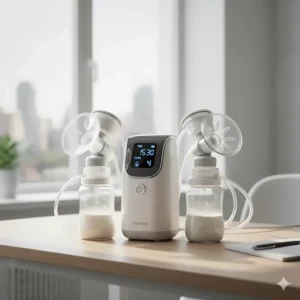
Essential Comparison Tables for Working Mothers
Performance Comparison Matrix
| Pump Model | Suction Power | Battery Life | Noise Level | Price Range |
|---|---|---|---|---|
| Spectra S1 Plus | 270mmHg | 3 hours | 45dB | $299-$349 |
| Momcozy M9 | 300mmHg | 2.5 hours | <48dB | $179-$229 |
| Willow Go | 300mmHg | 3 sessions | Ultra-quiet | $349-$399 |
| Elvie Stride | 300mmHg | 3 hours | Ultra-quiet | $279-$319 |
| Medela Pump in Style | 270mmHg | Battery pack | 50dB | $219-$279 |
| Baby Buddha 2.0 | 320mmHg | 1 hour | Medium | $189-$249 |
| Momcozy S12 Pro | 260mmHg | Extended | Low | $89-$129 |
Professional Suitability Assessment
| Workplace Type | Best Pump Options | Key Considerations |
|---|---|---|
| Corporate Office | Willow Go, Elvie Stride | Discretion, quiet operation |
| Healthcare Setting | Spectra S1 Plus, Baby Buddha | Portability, reliability |
| Educational Environment | Momcozy M9, Elvie Stride | Quick setup, hands-free |
| Remote Work | Medela Pump in Style, Spectra S1 | Comfort, efficiency |
| Travel-Heavy Role | Baby Buddha 2.0, Momcozy S12 | Compact size, portability |
Feature Compatibility Chart
| Feature | Traditional Pumps | Wearable Pumps | Hybrid Designs |
|---|---|---|---|
| Hands-free operation | ❌ | ✅ | ✅ |
| Maximum efficiency | ✅ | ⚡ | ✅ |
| Discretion level | ⚡ | ✅ | ✅ |
| Setup complexity | ✅ | ⚡ | ⚡ |
| Maintenance requirements | ✅ | ❌ | ⚡ |
| Cost effectiveness | ✅ | ❌ | ⚡ |
💡 Unlock Your Perfect Pumping Solution Today!
Ready to transform your workplace pumping experience? These carefully researched breast pump for working mothers options will help you maintain your breastfeeding goals while excelling in your career. Click on any highlighted pump name to check current pricing and read detailed customer reviews! 🛒✨
Expert Tips for Workplace Pumping Success
Setting Up Your Workplace Pumping Routine 📋
Schedule Optimization Strategies: Establish consistent pumping times aligned with your baby’s feeding schedule when possible. Most lactation consultants recommend pumping every 2-3 hours during work hours to maintain milk supply effectively. Block calendar time for pumping sessions just as you would for important meetings.
Preparation and Efficiency Tips: Pack pump bags the night before with all necessary components, cleaning supplies, and storage containers. Keep backup supplies at work including extra parts, batteries, and cleaning materials. This preparation prevents stress and ensures uninterrupted pumping routines.
Milk Storage Best Practices: Fresh breast milk can safely remain at room temperature for 4 hours, refrigerated for 4 days, or frozen for 6-12 months. Label containers with date and time of expression. Many working mothers find that expressing directly into storage bags streamlines the process and reduces container washing.
Maximizing Milk Production While Working 🥛
Stress Management Techniques: Workplace stress significantly impacts milk production. Practice relaxation techniques during pumping sessions, including deep breathing, meditation, or listening to calming music. Some mothers find that looking at photos or videos of their babies helps stimulate letdown.
Hydration and Nutrition Support: Maintain adequate hydration throughout workdays, aiming for at least 8-10 glasses of water daily. Pack nutrient-dense snacks rich in protein and healthy fats to support milk production. Many working mothers benefit from lactation support supplements, though consulting healthcare providers before starting any supplements is recommended.
Physical Comfort Optimization: Ensure proper positioning during pumping to maximize comfort and efficiency. Use appropriate cushions or supports if needed. Some working mothers find that gentle breast massage before and during pumping improves milk flow and output.
Troubleshooting Common Workplace Challenges 🔧
Limited Time Solutions: If breaks are consistently shorter than needed, consider power pumping techniques where you pump for 10 minutes, rest for 10 minutes, then pump for another 10 minutes. This method can be more effective than longer, less frequent sessions.
Privacy Concerns: Know your legal rights regarding workplace pumping accommodations. Employers with 50+ employees must provide reasonable break time and private space for pumping. If adequate facilities aren’t available, work with HR to identify suitable alternatives.
Equipment Malfunctions: Always maintain backup equipment including manual pumps, extra bottles, and replacement parts. Keep contact information for pump manufacturers’ customer service departments readily available for technical support.

❓ Frequently Asked Questions About Breast Pump for Working Mothers
❓ How long should each pumping session last at work?
❓ Can I use a breast pump for working mothers if I have low milk supply?
❓ What's the best breast pump for working mothers who travel frequently?
❓ How do I maintain milk supply when returning to work full-time?
❓ Are wearable breast pumps as effective as traditional electric pumps?
Future Trends and Market Evolution for Working Mothers
Emerging Technologies and Innovation Directions 🚀
Artificial Intelligence Integration: Next-generation pumps will likely incorporate AI-powered optimization, learning individual patterns and automatically adjusting settings for maximum efficiency. These smart systems could predict optimal pumping times and customize suction patterns based on historical performance data.
Enhanced Connectivity Features: Future pumps may integrate with corporate wellness platforms, allowing employers to better support breastfeeding employees while maintaining privacy. Telehealth integration could connect mothers with lactation consultants remotely for real-time support and troubleshooting.
Advanced Material Science: Researchers are developing new materials that better mimic breast tissue elasticity and warmth, potentially improving comfort and milk output. Self-cleaning surfaces and antimicrobial materials may reduce maintenance requirements for busy working mothers.
Market Trends and Consumer Behavior Shifts 📊
Workplace Policy Evolution: Corporate lactation support continues expanding beyond legal minimums, with progressive employers offering premium pump coverage, on-site lactation consultants, and dedicated pumping facilities. This trend supports working mothers’ success and employee retention.
Sustainability Focus: Environmental consciousness drives demand for pumps using recycled materials, reduced packaging, and longer lifespans. Some manufacturers now offer take-back programs for pump recycling at end-of-life.
Personalization and Customization: Market demand increasingly favors pumps offering extensive customization options. Working mothers want equipment that adapts to their unique anatomy, schedules, and preferences rather than one-size-fits-all solutions.
Industry Predictions and Upcoming Developments 🔮
Regulatory Changes: Expect continued expansion of insurance coverage for premium pumps and accessories. Some states are considering legislation requiring employers to provide specific lactation support benefits beyond federal minimums.
Technology Convergence: Integration with wearable health monitors, smartphone health apps, and telemedicine platforms will create comprehensive maternal health ecosystems supporting working mothers throughout their breastfeeding journeys.
Global Market Expansion: As more countries adopt family-friendly workplace policies, international demand for high-quality breast pumps will grow, driving innovation and potentially reducing costs through increased production volumes.
Conclusion: Empowering Working Mothers Through Smart Pump Selection
Choosing the right breast pump for working mothers represents a crucial investment in both your professional success and your family’s health. The seven exceptional pumps featured in this guide each offer unique advantages suited to different workplace environments, budgets, and personal preferences. Whether you prioritize the proven reliability of the Spectra S1 Plus, the innovative convenience of the Willow Go, or the budget-friendly functionality of the Momcozy S12 Pro, the perfect solution exists for your specific needs.
Remember that the best breast pump for working mothers is the one you’ll use consistently and comfortably. Consider your workplace environment, daily schedule, budget constraints, and personal comfort preferences when making your selection. Many successful pumping mothers use multiple pumps for different situations—a traditional electric pump at home and a wearable option for workplace convenience.
The investment in quality pumping equipment pays dividends through maintained milk supply, reduced stress, and seamless integration of breastfeeding goals with professional responsibilities. Modern technology has eliminated many traditional barriers to workplace pumping success, empowering mothers to continue breastfeeding while pursuing their career ambitions.
🎯 Transform Your Pumping Experience Starting Today!
Don’t let inadequate equipment compromise your breastfeeding goals or professional performance. Choose from these expertly researched breast pump for working mothers options and experience the confidence that comes with reliable, efficient equipment. Your baby, your career, and your peace of mind will thank you for making this important investment! 💪✨
Recommended for You:
- 7 Best Breast Pump for Large Breasts: Ultimate Comfort Guide 2025
- 7 Best Breast Pump for Relactation Options That Actually Work in 2025
- 7 Best Zomee Fit Breast Pump Reviews: Ultimate Comfort Guide for Busy Moms in 2025
Disclaimer: This article contains affiliate links. If you purchase products through these links, we may earn a small commission at no additional cost to you.
✨ Found this helpful? Share it with your friends! 💬🤗
