In This Article
When I first stood in the baby care aisle staring at dozens of shampoo bottles, I felt completely overwhelmed. Which one wouldn’t sting my baby’s eyes? Would it dry out her sensitive scalp? Could those ingredients actually be safe for newborn skin?
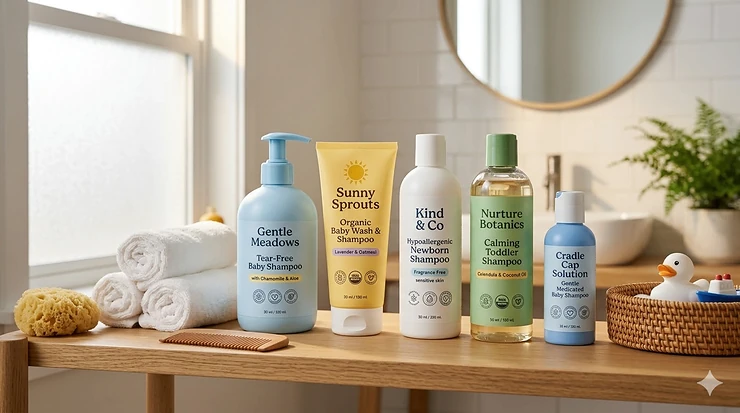
You’re not alone if you’re asking these same questions. Your baby’s skin is up to 30% thinner than adult skin, making it far more vulnerable to harsh chemicals and irritants. The best baby shampoo doesn’t just clean tiny heads of hair—it protects the delicate skin barrier that’s still developing during those crucial first months.
Here’s what makes this guide different: I’ve researched actual products available on Amazon right now, analyzed dermatologist recommendations from the American Academy of Pediatrics, and compiled feedback from thousands of real parents who’ve tested these formulas on their own babies. Whether you need a tear free baby shampoo for those squirmy bath times, a sulfate free baby shampoo for eczema-prone skin, or an organic baby shampoo free from questionable ingredients, you’ll find your match here.
Quick Comparison Table
| Product | Best For | Size | Price Range | Key Feature |
|---|---|---|---|---|
| Johnson’s Baby Shampoo | Budget-conscious families | 13.6 fl. oz | $5-8 | No More Tears formula |
| CeraVe Baby Wash & Shampoo | Eczema-prone skin | 8 oz | $8-12 | 3 essential ceramides |
| Aveeno Baby Daily Moisture | Everyday gentle cleansing | 18 fl. oz | $7-11 | Oat extract formula |
| Babo Botanicals Sensitive | Chemical-conscious parents | 16 fl. oz | $12-16 | EWG verified |
| Mustela Cradle Cap Foam | Cradle cap treatment | 5.07 fl. oz | $13-16 | 99% natural ingredients |
| The Honest Company 2-in-1 | Multipurpose convenience | 10 fl. oz | $9-13 | Naturally derived |
| Cetaphil Baby Wash | Hypoallergenic needs | 13.5 oz | $10-14 | Organic calendula |
💬 Just one click – help others make better buying decisions too! 😊
Top 7 Baby Shampoo: Expert Analysis
1. Johnson’s Baby Shampoo with Aloe Vera & Vitamin B5
Johnson’s Baby Shampoo has been a household name for over 125 years, and their classic formula with aloe vera remains one of the most trusted options for gentle infant hair cleanser needs. The 13.6 fl. oz bottle delivers exceptional value without sacrificing quality.
Key Specifications:
- Tear-free No More Tears formula
- Hypoallergenic and pH-balanced
- No added parabens, sulfates, or dyes
- Enriched with aloe vera and vitamin B5
Price Range: $5-8 (varies by retailer)
Parents consistently praise how this mild baby scalp wash creates a light lather that rinses clean without residue. One reviewer mentioned, “After trying expensive boutique brands, I came back to Johnson’s. It just works.” The formula maintains the natural moisture of hair and scalp without stripping essential oils.
✅ Pros:
- Widely available in stores and online
- Extremely affordable for families on a budget
- Proven track record spanning generations
❌ Cons:
- Contains fragrance (though hypoallergenic)
- Not certified organic
2. CeraVe Baby Wash & Shampoo
If your baby struggles with dry patches or eczema-prone skin, CeraVe Baby Wash & Shampoo deserves serious consideration. Developed with pediatric dermatologists, this 8 oz formula uses three essential ceramides to reinforce baby’s delicate skin barrier.
Key Specifications:
- 3 essential ceramides (1, 3, 6-II)
- Hyaluronic acid for moisture retention
- Vitamin E for soothing
- Accepted by the National Eczema Association
Price Range: $8-12
The fragrance-free, tear-free formula creates a gentle foam that cleanses without disrupting the protective skin barrier. According to research published in the National Center for Biotechnology Information, ceramide-containing cleansers help maintain infant skin barrier function better than traditional soaps.
✅ Pros:
- Clinically proven for eczema-prone skin
- Dermatologist-developed formula
- Free from parabens, phthalates, sulfates, and dyes
❌ Cons:
- Smaller bottle size compared to competitors
- Slightly higher price point
3. Aveeno Baby Daily Moisture 2-in-1 Wash & Shampoo
From a pediatrician-recommended brand, Aveeno Baby Daily Moisture offers an 18 fl. oz bottle packed with the soothing benefits of natural oat extract. This hypoallergenic baby shampoo works double-duty as both a body wash and hair cleanser.
Key Specifications:
- Natural oat extract
- Soap-free, tear-free formula
- No parabens, sulfates, or phthalates
- Gentle coconut scent option available
Price Range: $7-11
The oat-based formula has been used for generations to calm irritated skin. Parents love that the rich lather rinses completely clean while leaving a subtle, fresh scent. One mom shared, “My son had constant dry scalp issues until we switched to Aveeno. The oat formula made all the difference.”
✅ Pros:
- Excellent value for the size
- Trusted pediatrician-recommended brand
- Suitable for daily use
❌ Cons:
- Contains oat (potential issue for gluten-sensitive babies)
- Bottle design requires two hands when half-empty
4. Babo Botanicals Sensitive Baby Shampoo & Wash
For parents who scrutinize ingredient lists, Babo Botanicals Sensitive Baby Shampoo & Wash sets the gold standard. This fragrance-free, 16 fl. oz formula is EWG verified, meaning it contains zero ingredients of concern according to the Environmental Working Group.
Key Specifications:
- EWG verified for safety
- 23+ plant-based ingredients
- Shea butter and calendula
- Fragrance-free and vegan
Price Range: $12-16
The pump dispenser makes one-handed operation easy during those squirmy bath times. While it doesn’t lather as much as traditional shampoos, that’s actually a positive—excessive suds indicate harsh detergents. Consumer Reports consistently ranks Babo Botanicals among the safest baby shampoo options available.
✅ Pros:
- Absolutely no ingredients of concern
- Eco-healthy, cruelty-free formula
- Easy-to-use pump bottle
❌ Cons:
- Higher price point
- Minimal lather may feel less “clean” to some parents
5. Mustela Cradle Cap Foam Shampoo
Cradle cap affects up to 70% of babies in their first three months. Mustela Cradle Cap Foam Shampoo specifically targets those flaky patches with a 5.07 fl. oz foam formula containing naturally derived avocado polyphenols.
Key Specifications:
- 99% ingredients of natural origin
- Avocado polyphenols and sunflower seed oil
- Tear-free and fragrance-free
- Biodegradable formula
Price Range: $13-16
The foam texture makes application incredibly easy—just pump, massage into wet scalp, leave for 1-2 minutes, then rinse. Parents report visible improvement within one week of use. According to Mayo Clinic guidelines, gentle exfoliation combined with moisturizing ingredients provides the most effective cradle cap treatment.
✅ Pros:
- Specifically formulated for cradle cap
- Easy-to-apply foam texture
- Clinically tested under pediatric control
❌ Cons:
- Smaller bottle for specialized use
- Premium pricing
6. The Honest Company 2-in-1 Cleansing Shampoo & Body Wash
Jessica Alba’s The Honest Company built its reputation on transparency, and their 10 fl. oz 2-in-1 formula delivers on that promise. With a “No List” of over 3,500 banned ingredients, this naturally derived option gives peace of mind.
Key Specifications:
- Chamomile extract and aloe
- Available in multiple scent options
- No parabens, phthalates, or synthetic fragrances
- Cruelty-free and made in USA
Price Range: $9-13
The tear-free, hypoallergenic formula works equally well on hair and body, simplifying bath time routines. Parents appreciate the variety of scents—Lavender Calm, Sweet Almond Nourish, or Fragrance-Free Sensitive. The naturally derived botanicals create a gentle cleansing experience without harsh chemicals.
✅ Pros:
- Versatile 2-in-1 formula
- Multiple scent options available
- Dermatologist-tested for safety
❌ Cons:
- Mid-range pricing
- Smaller bottle compared to value brands
7. Cetaphil Baby Wash & Shampoo
Rounding out our list, Cetaphil Baby Wash & Shampoo brings the same gentle approach the adult line is famous for, packed into a 13.5 oz baby-specific formula with organic calendula.
Key Specifications:
- Organic calendula extract
- Soap-free, hypoallergenic
- Tear-free formula
- Dermatologist tested
Price Range: $10-14
The calendula-infused formula soothes sensitive skin while the soap-free base cleanses without stripping natural protective oils. Pediatric dermatologists from the American Academy of Dermatology frequently recommend Cetaphil for babies with reactive skin or family history of eczema.
✅ Pros:
- Trusted dermatologist-recommended brand
- Organic calendula for soothing
- Gentle enough for newborns
❌ Cons:
- Less widely available than major brands
- Some parents prefer more lather
Understanding Tear Free Baby Shampoo Technology
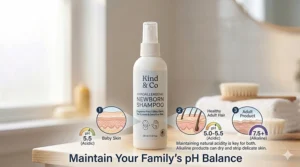
Ever wondered how tear free formulas actually work? Traditional shampoos use harsh surfactants that create an acidic pH—when this gets in eyes, it stings terribly. Tear free baby shampoo formulas maintain a neutral pH closer to that of tears (around 7.0), so even if it splashes into those adorable eyes, there’s minimal discomfort.
The best tear free baby shampoo products also use gentler cleansing agents. Instead of harsh sulfates like sodium lauryl sulfate, they employ milder alternatives such as cocamidopropyl betaine or decyl glucoside. These create less foam but clean just as effectively while being far kinder to delicate eye membranes.
Why Sulfate Free Baby Shampoo Matters for Sensitive Skin
Sulfates—particularly sodium lauryl sulfate (SLS) and sodium laureth sulfate (SLES)—strip oils from hair and skin. While adults can tolerate this, babies’ underdeveloped skin barriers can’t handle such aggressive cleansing. A quality sulfate free baby shampoo preserves the natural lipids that protect against moisture loss and irritation.
Research shows that babies bathed with sulfate-free cleansers experience significantly less transepidermal water loss, meaning their skin retains moisture better. If you notice your baby has dry, flaky scalp or body skin after baths, switching to a sulfate free option often resolves the issue within a week or two.
Hypoallergenic Baby Shampoo: What the Label Really Means
The term “hypoallergenic” sounds reassuring, but there’s no official regulatory definition. Manufacturers use it to indicate a product has been formulated to minimize allergic reactions, typically by excluding common allergens like fragrances, dyes, and certain preservatives.
When choosing a hypoallergenic baby shampoo, look beyond the label. Check ingredient lists for these common irritants:
- Synthetic fragrances (often listed as “parfum” or “fragrance”)
- Artificial dyes (FD&C colors, D&C colors)
- Formaldehyde-releasing preservatives
- Ethoxylated ingredients
The safest hypoallergenic formulas are those that have been patch-tested on sensitive skin and carry certifications from organizations like the National Eczema Association.
Organic Baby Shampoo vs. Natural: Understanding the Difference
Here’s where things get confusing. “Organic” and “natural” aren’t interchangeable terms. Organic baby shampoo contains ingredients grown without synthetic pesticides or fertilizers, though there’s no FDA standard for cosmetic products (only food). Natural typically means plant-derived rather than petroleum-based, but it’s largely an unregulated marketing term.
For truly safe baby hair products, look for third-party certifications:
- USDA Organic (for food-grade ingredients)
- EWG Verified (Environmental Working Group’s strictest standard)
- Made Safe Certified (screens for known toxins)
These certifications provide accountability that vague “natural” or “organic” claims can’t match.
✨ Don’t Miss These Exclusive Deals!
🔍 Take your baby’s bath time to the next level with these carefully selected products. Click on any highlighted item to check current pricing and availability. These gentle formulas will help you create a soothing routine your little one will love!
Baby Shampoo and Conditioner: Do Infants Really Need Both?
Most babies under 12 months don’t produce enough scalp oil to warrant a separate conditioner. Their fine, wispy hair naturally stays soft without conditioning agents. However, babies with thicker or curlier hair textures may benefit from a gentle baby shampoo and conditioner combo, especially after 6 months.
If you do use conditioner, apply only to hair lengths—never the scalp. Conditioners can clog delicate follicles and contribute to cradle cap if left on the scalp. Many parents find 2-in-1 products offer sufficient conditioning for babies without the extra step.
How Often Should You Use Gentle Infant Hair Cleanser?
Contrary to popular belief, babies don’t need daily shampooing. The American Academy of Pediatrics recommends bathing babies just 2-3 times per week during the first year. Daily bathing can actually strip protective oils, leading to dry skin and scalp irritation.
Between full baths, spot-clean the diaper area, face, and neck folds with warm water and a soft cloth. This “top and tail” approach keeps your baby fresh without over-bathing. Once babies start crawling and eating solids around 6 months, you might increase to 3-4 baths weekly.
Mild Baby Scalp Wash Application Techniques
Getting the shampoo right is only half the battle—application technique matters too. Here’s the dermatologist-recommended method:
Step 1: Wet your baby’s hair with lukewarm water (never hot—babies are sensitive to temperature).
Step 2: Dispense a small amount (about the size of a nickel) of mild baby scalp wash into your palm.
Step 3: Gently massage the scalp using circular motions with your fingertips—not nails. This stimulates circulation and helps prevent cradle cap.
Step 4: Work the lather through hair lengths if your baby has longer hair.
Step 5: Rinse thoroughly using a wet washcloth or cup, shielding eyes with your hand. Leftover shampoo residue can cause irritation.
Step 6: Pat dry gently—rubbing can irritate delicate scalp skin.
For newborns with cradle cap, your pediatrician might recommend leaving the shampoo on for 1-2 minutes before rinsing to help soften scales.
Safe Baby Hair Products: Ingredients to Seek and Avoid
When scanning ingredient labels on safe baby hair products, you want to see gentle, skin-identical components high on the list. Beneficial ingredients include:
Seek These:
- Oat extract or colloidal oatmeal (anti-inflammatory, moisturizing)
- Glycerin (humectant that draws moisture)
- Ceramides (strengthen skin barrier)
- Calendula (soothing, anti-irritant)
- Coconut-derived cleansers (gentle surfactants)
Avoid These:
- Sodium lauryl sulfate / Sodium laureth sulfate (harsh sulfates)
- Parabens (methylparaben, propylparaben)
- Phthalates (often hidden in “fragrance”)
- Formaldehyde donors (DMDM hydantoin, quaternium-15)
- Synthetic dyes (FD&C colors)
- PEG compounds (can be contaminated with carcinogens)
Remember, ingredients are listed in descending order by concentration. The first five ingredients make up the bulk of the formula.
Product Comparison: Value vs. Premium Options
Let’s break down what you’re actually paying for across price tiers:
Budget Tier ($5-8): Products like Johnson’s Baby Shampoo offer solid safety profiles with basic gentle cleansing. You’re getting proven formulas without fancy botanicals or certifications. Perfect if you just need reliable, tear-free cleansing.
Mid-Range ($8-13): This sweet spot includes brands like Aveeno, Cetaphil, and The Honest Company. You’re paying for enhanced ingredients (oat extract, ceramides, calendula) plus certifications. Better for babies with sensitive skin or specific concerns.
Premium ($13-16+): Brands like Babo Botanicals and Mustela offer specialized formulas, strict ingredient standards (EWG verified), and targeted treatments. Worth the investment if your baby has eczema, severe sensitivities, or cradle cap.
Interestingly, price doesn’t always correlate with safety. Consumer Reports found that some budget options scored just as well on safety metrics as premium brands. The key is matching the formula to your baby’s specific needs.
Specialty Formulas: Addressing Common Concerns
Cradle Cap Solutions
Cradle cap (seborrheic dermatitis) appears as yellowish, greasy scales on the scalp. While harmless, it concerns many parents. The best approach combines:
- Specialized cradle cap shampoo (like Mustela’s foam formula)
- Gentle scalp massage during washing
- Soft-bristle brush to loosen scales
- Limited use of oils (too much can worsen it)
Never pick at cradle cap scales—this can lead to infection. If it persists beyond 12 months or spreads to other body areas, consult your pediatrician.
Eczema-Prone Skin
Babies with eczema need extra-gentle formulas that won’t strip the skin barrier. Look for:
- Ceramide-containing shampoos (like CeraVe)
- Fragrance-free formulas
- Colloidal oatmeal
- Minimal, recognizable ingredients
Apply fragrance-free moisturizer immediately after bathing while skin is still damp. This “soak and seal” method traps moisture effectively.
Curly or Textured Hair
Babies with curly, coily, or textured hair have unique needs. Their hair tends to be drier because natural scalp oils don’t travel down spiral-shaped strands as easily. Choose:
- Sulfate-free formulas to prevent dryness
- Products with moisturizing ingredients (shea butter, coconut oil)
- 2-in-1 formulas with light conditioning
- Gentle detangling properties
Limit shampooing to once or twice weekly for very curly hair to preserve natural moisture.
Bath Time Safety Beyond Shampoo Selection
Choosing the right shampoo is crucial, but bath safety encompasses more. The American Academy of Pediatrics emphasizes these points:
Temperature: Keep water between 90-100°F. Test with your elbow or a bath thermometer—your hand can tolerate temperatures too hot for baby skin.
Water Level: Fill the tub with just 2-3 inches of water for infants. This is enough to clean without drowning risk.
Never Leave Unattended: Babies can drown in less than 2 inches of water in under 60 seconds. Stay within arm’s reach always.
Slip Prevention: Use a non-slip bath mat and support your baby’s head and neck throughout the bath.
Post-Bath Care: Pat dry gently and apply fragrance-free moisturizer while skin is slightly damp to lock in hydration.
FAQ
❓ How long does baby shampoo last once opened?
❓ Can I use adult shampoo on my baby in a pinch?
❓ What's the difference between baby shampoo and baby wash?
❓ Do I need organic baby shampoo or are regular formulas safe?
❓ Can baby shampoo help with cradle cap?
Conclusion: Choosing Your Perfect Match
Finding the best baby shampoo for your little one doesn’t require a PhD in chemistry—just understanding what your baby’s unique skin needs. Whether you prioritize budget-friendly reliability with Johnson’s, dermatologist-recommended care with CeraVe, or chemical-conscious cleansing with Babo Botanicals, each option on this list delivers gentle, effective cleansing.
Remember these key takeaways: tear free formulas protect those precious eyes, sulfate free options preserve natural skin barriers, and hypoallergenic certifications reduce reaction risks. Most babies thrive with 2-3 baths weekly using any quality baby shampoo from this guide.
Trust your instincts as a parent. If your baby’s skin looks healthy, hair feels soft, and bath time brings smiles (or at least minimal tears), you’ve found your winner. And if you notice dryness, irritation, or excessive fussiness during baths, don’t hesitate to switch formulas—every baby is wonderfully unique.
Bath time is more than hygiene—it’s precious bonding moments you’ll treasure forever. Choose a gentle infant hair cleanser that makes those moments safe, soothing, and special.
Recommended for You
- 7 Best Baby Hair Accessories 2026
- 7 Best Baby Washcloths 2026: Organic & Soft Options
- 7 Best Toddler Tub for Shower 2026: Transform Any Shower
Disclaimer: This article contains affiliate links. If you purchase products through these links, we may earn a small commission at no additional cost to you.
✨ Found this helpful? Share it with your friends! 💬🤗
