In This Article
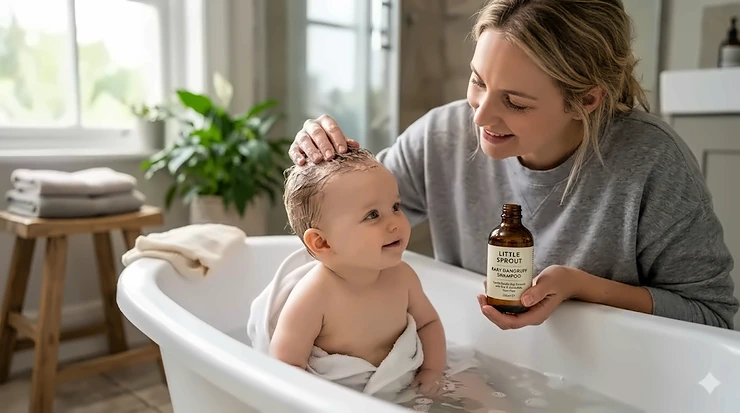
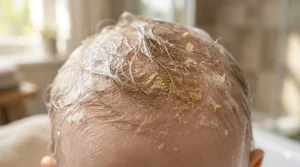
If you’ve noticed yellowish, crusty patches on your baby’s scalp, you’re not alone. Nearly 70% of infants experience cradle cap or baby dandruff during their first year, and while it’s completely harmless, those flaky scales can be concerning for new parents. I still remember the first time I spotted those greasy yellow patches on my daughter’s tiny head—my heart sank thinking something was seriously wrong. Turns out, it was just infantile seborrheic dermatitis, a fancy term for something incredibly common and treatable.
Baby dandruff shampoo is specifically formulated to address these scalp concerns without the harsh chemicals found in adult products. Unlike regular baby shampoos that simply cleanse, specialized formulas tackle the root causes: excess oil production, yeast overgrowth, and stubborn scale buildup. The good news? Finding the right product can clear up your baby’s scalp within days, not weeks.
This comprehensive guide explores the top baby dandruff shampoos available in 2026, comparing medicated options with natural alternatives, budget-friendly picks with premium solutions. Whether you’re dealing with mild flaking or thick cradle cap, you’ll discover exactly which product suits your little one’s needs. Let’s dive in and get that baby scalp back to its smooth, healthy state.
Quick Comparison Table
| Product | Key Ingredient | Size | Price Range | Best For |
|---|---|---|---|---|
| Happy Cappy Medicated | Pyrithione Zinc 0.95% | 8 fl oz | $10.91-$12.84 | Severe dandruff & cradle cap |
| Mustela Cradle Cap Foam | Avocado Polyphenols | 5.07 fl oz | $12-15 | Newborns & sensitive skin |
| Frida Baby 3-Step System | Mechanical removal kit | Kit | $15-20 | Complete treatment system |
| Nizoral Anti-Dandruff | Ketoconazole 1% | 7-14 fl oz | $10-16 | Fungal-related dandruff |
| HONEYDEW Kids Shampoo | Tea Tree Oil | 8 fl oz | $14.95-$16.95 | Natural/organic preference |
| Sulfur 8 Kids Medicated | Sulfur & Salicylic Acid | 7.5 oz | $8-12 | Budget option for textured hair |
| Frida Baby Scalp Treatment | Pre-wash mask & spray | 5 fl oz each | $18-24 | Daily scalp maintenance |
💬 Just one click – help others make better buying decisions too! 😊
✨ Don’t Miss These Exclusive Deals!
Top 7 Baby Dandruff Shampoos: Expert Analysis
1. Happy Cappy Medicated Shampoo and Body Wash
When pediatrician Dr. Eddie Valenzuela created Happy Cappy Medicated Shampoo, he designed it with one goal: actually solving the cradle cap problem his patients faced daily. This fragrance-free formula contains 0.95% pyrithione zinc, an FDA-approved active ingredient that targets both the flaking and the redness associated with seborrheic dermatitis.
Key Specifications:
- Active ingredient: Pyrithione zinc 0.95%
- Size: 8 fl oz
- Over 95% plant-based ingredients
- Dual function: shampoo and body wash
Price Range: $10.91-$12.84 (with Subscribe & Save discounts)
The licorice root extract provides natural soothing properties, making this especially effective for babies with irritated, inflamed scalps. Parents report seeing improvement within 1-2 washes, though Dr. Eddie recommends consistent use for 1-3 weeks for complete resolution. What sets this apart is its versatility—you can safely use it on your baby’s face and body, not just their scalp.
Customer Feedback: Over 10,000 parents purchased this product last month alone. Reviews consistently praise its effectiveness, with many noting complete clearing of stubborn cradle cap within two weeks. The only common complaint? The lack of fragrance, though that’s exactly what makes it safe for sensitive skin.
✅ Pros:
- Pediatrician-created formula
- Works as shampoo and body wash
- Dermatologist-tested and hypoallergenic
- Fragrance-free for sensitive skin
- Fast-acting results
❌ Cons:
- No scent (some prefer fragranced products)
- May require several weeks for severe cases
- Slightly higher price point
2. Mustela Cradle Cap Foam Shampoo for Newborn
French skincare brand Mustela brings decades of baby care expertise to this gentle foam formula. The Mustela Cradle Cap Foam Shampoo takes a different approach than medicated options, relying on 99% naturally-derived ingredients to soften and remove scales without harsh chemicals.
Key Specifications:
- Main ingredients: Avocado Polyphenols, Sunflower Seed Oil
- Size: 5.07 fl oz pump bottle
- 99% ingredients of natural origin (ISO 16128 standard)
- Tear-free and fragrance-free
Price Range: $12-15
The patented Avocado Perseose protects and hydrates delicate newborn scalps, while the foaming texture makes application incredibly easy. The pump dispenser is a parent-favorite feature—no fumbling with slippery bottles during bath time. Simply massage into wet hair, leave for 1-2 minutes, and rinse. The foam penetrates scales effectively, loosening even stubborn buildup.
Customer Feedback: Top-rated on Amazon with thousands of positive reviews. Parents particularly appreciate how quickly it softens thick scales, making gentle removal possible without scrubbing or causing discomfort. Many use it as a preventative maintenance product even after cradle cap clears.
✅ Pros:
- Newborn-safe from birth
- Easy-to-use pump foam format
- Prevents cradle cap recurrence
- Hypoallergenic formula
- Safe for forehead and eyebrow areas
❌ Cons:
- Smaller bottle size
- May take longer than medicated options
- Premium pricing
3. Frida Baby The 3-Step Cradle Cap System (DermaFrida The FlakeFixer)
Frida Baby revolutionized cradle cap treatment by addressing the mechanical removal aspect parents struggled with. This 3-Step Cradle Cap System includes a soft dense sponge, gentle bristle brush, and fine-tooth comb, each serving a specific purpose in the lather-loosen-lift process.
Key Specifications:
- Complete kit: sponge, brush, comb, storage stand
- Designed for sensitive baby scalps
- Reusable tools
- Step-by-step treatment system
Price Range: $15-20
The genius of this system lies in its methodology. Step 1: Use the ultra-soft sponge to lather your baby’s head with any shampoo or oil. Step 2: The contoured brush loosens flakes through gentle circular massage. Step 3: The comb lifts away loosened scales without pulling hair or irritating skin. The tools are specially engineered with baby safety in mind—the brush bristles are soft enough for newborn scalps, yet effective enough to work through thick buildup.
Customer Feedback: Nearly 70% of users report complete satisfaction, with many calling it a “game-changer.” The storage stand keeps everything organized and hygienic. Some parents note that combining this system with a medicated shampoo like Happy Cappy produces the fastest results.
✅ Pros:
- Complete treatment solution
- Gentle mechanical removal
- Reusable tools save money
- Works with any shampoo
- Organized storage included
❌ Cons:
- Requires more bath time effort
- Some babies dislike the brushing step
- Tools need regular cleaning
4. Nizoral Anti-Dandruff Shampoo with 1% Ketoconazole
While not specifically marketed for babies, Nizoral Anti-Dandruff Shampoo is the only over-the-counter option containing ketoconazole, a powerful antifungal proven 10X more effective than standard dandruff fighters. Dermatologists often recommend it for stubborn cases of seborrheic dermatitis in infants over 12 months.
Key Specifications:
- Active ingredient: Ketoconazole 1%
- Available sizes: 7 fl oz, 14 fl oz
- Clinically proven antifungal
- Use twice weekly between regular shampoos
Price Range: $10-16 (depending on size)
The fresh scent and rich lather make bath time more pleasant, though parents should consult their pediatrician before using on children under 12 months. Ketoconazole works by controlling the Malassezia fungus that contributes to dandruff and cradle cap. Unlike daily shampoos, Nizoral only requires twice-weekly use, making one bottle last several months.
Customer Feedback: According to research published in dermatology journals, ketoconazole shampoos show the highest efficacy rates for seborrheic dermatitis. Parents report dramatic improvement within days, with complete clearing often occurring within 2-3 weeks of consistent use.
✅ Pros:
- Most powerful antifungal option
- Twice-weekly use only
- Gentle on color-treated hair
- Large size options available
- Proven clinical efficacy
❌ Cons:
- Consult pediatrician for babies under 12 months
- Stronger scent may irritate sensitive noses
- Higher concentration requires careful use
5. HONEYDEW Cleansing Kids Shampoo for Dry Scalp
For parents prioritizing natural ingredients, HONEYDEW Cleansing Kids Shampoo delivers powerful results without synthetic chemicals. This sulfate-free, paraben-free formula harnesses tea tree oil’s natural antifungal properties alongside rosemary and lavender essential oils.
Key Specifications:
- Natural ingredients: Tea tree oil, rosemary, jojoba oil, lavender
- Size: 8 fl oz
- Sulfate-free and paraben-free
- Suitable for all ages
- Made by small business in USA
Price Range: $14.95-$16.95
Tea tree oil has been scientifically validated for dandruff treatment, with studies showing a 5% concentration effectively reduces Malassezia yeast overgrowth. The jojoba oil adds moisturizing benefits, preventing the dryness some medicated shampoos cause. While it lacks traditional anti-dandruff actives, the essential oil blend provides antiseptic effects that target the root causes of baby dandruff.
Customer Feedback: Parents report noticeable scalp improvement after just a few uses. The natural scent divides opinion—some love the herbal aroma, while others find it strong. Those with children prone to lice appreciate the tea tree oil’s preventative benefits. A little goes a long way, making the bottle last longer than expected.
✅ Pros:
- 96% natural ingredients
- No harsh chemicals
- Lice prevention bonus
- Suitable for cradle cap and dandruff
- Cruelty-free and eco-friendly
❌ Cons:
- Strong herbal scent
- Not tear-free (careful application needed)
- May take longer than medicated options
- Smaller bottle for price point
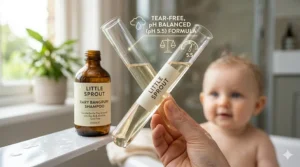
6. Sulfur 8 Kids Medicated Anti-Dandruff Shampoo
The Sulfur 8 Kids Medicated Anti-Dandruff Shampoo has been a trusted solution in the African American hair care community for generations. This dual-action formula combines sulfur and salicylic acid to treat dandruff while conditioning and moisturizing textured hair types.
Key Specifications:
- Active ingredients: Sulfur 2%, Salicylic Acid
- Size: 7.5 oz
- Formulated for textured hair (3a-4c)
- Fresh fragrance
- Gentle medicated formula
Price Range: $8-12 (budget-friendly option)
What makes Sulfur 8 unique is its understanding of textured hair needs. The formula doesn’t strip natural oils, which is crucial for coily and kinky hair types that tend toward dryness. The sulfur component targets the seborrheic dermatitis, while salicylic acid gently exfoliates dead skin cells. Parents of children with thick, textured hair often struggle to find products that both treat scalp issues and maintain hair health—this shampoo accomplishes both.
Customer Feedback: Reviews highlight effectiveness on stubborn dandruff and cradle cap, particularly for babies with thicker hair. The kid-friendly fresh fragrance is a bonus. Some note the formula feels more nourishing than typical medicated shampoos, leaving hair soft rather than stripped.
✅ Pros:
- Budget-friendly price
- Perfect for textured hair
- Conditions while treating
- Long-standing brand reputation
- Gentle yet effective
❌ Cons:
- May not work as quickly for severe cases
- Scent may not appeal to everyone
- Smaller size requires frequent repurchase
7. Frida Baby Cradle Cap Treatment (Scalp Spray + Mask Duo)
Frida Baby’s Cradle Cap Treatment offers a two-step preventative system for ongoing scalp care. This kit includes the Oh Cr*p! Cradle Cap Flake Fixer Scalp Mask (pre-wash treatment) and Scalp Spray (leave-in hydration), working together to soften flakes, clean the scalp, and prevent future dryness.
Key Specifications:
- Two-product system: 5 fl oz Scalp Mask + 5 fl oz Scalp Spray
- Hypoallergenic formula
- Contains aloe and moisturizers
- Dermatologist-tested
- Free of phthalates, parabens, sulfates
Price Range: $18-24
This system takes a proactive approach. The Scalp Mask softens existing flakes during bath time while cleansing gently. After rinsing, the Scalp Spray provides ongoing hydration to prevent new flakes from forming. The combination is particularly effective for babies prone to recurring cradle cap. Many parents use this duo alongside the Frida Baby 3-Step System for comprehensive treatment.
Customer Feedback: Parents appreciate having both treatment and prevention in one package. The spray format makes daily application easy without requiring another full bath. Reviews note that consistent use significantly reduces flaking recurrence, making it ideal for maintenance after initial clearing.
✅ Pros:
- Treatment and prevention combo
- Easy spray application
- Suitable for daily use
- Dermatologist-tested formula
- Clean ingredient list
❌ Cons:
- Higher price point
- Requires consistent daily use
- May not be strong enough for severe cases alone
Understanding Baby Dandruff and Cradle Cap
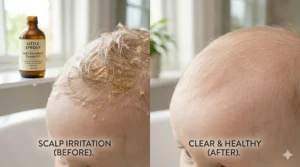
The terms “baby dandruff” and “cradle cap” often get used interchangeably, but understanding the distinction helps you choose the right treatment. Cradle cap specifically refers to the scaly, crusty patches that appear on a baby’s scalp, typically yellowish or white in color. It’s actually a form of seborrheic dermatitis limited to the scalp area that appears within the first few months of life.
Baby dandruff, on the other hand, describes a broader condition where babies experience flaking, dryness, or irritation on their scalp—it might not involve the thick, greasy scales characteristic of cradle cap. According to research from the National Center for Biotechnology Information, peak incidence occurs at 3 months of life, affecting more than half of all infants.
What Causes These Scalp Conditions?
Scientists haven’t pinpointed one definitive cause, but several factors contribute. The leading theory involves maternal hormones that cross the placenta before birth, causing overactive sebaceous glands in newborns. These glands produce excess sebum, an oily substance that traps dead skin cells, creating those stubborn crusty patches. Additionally, a naturally occurring yeast called Malassezia lives on everyone’s skin. In babies with cradle cap, this yeast may multiply excessively, breaking down sebum and creating irritation.
The key takeaway? Baby dandruff and cradle cap are incredibly common, completely harmless, and highly treatable. Most cases resolve on their own by a child’s first birthday, but specialized shampoos can dramatically speed up the process and provide relief.
How to Choose the Right Baby Dandruff Shampoo
Selecting the perfect product feels overwhelming when you’re staring at dozens of options. Here’s a strategic approach to narrow down your choices based on your baby’s specific needs:
Consider Your Baby’s Age and Scalp Condition
For newborns (0-3 months): Prioritize gentleness over power. Mustela Cradle Cap Foam Shampoo or Happy Cappy Medicated work well because they’re specifically tested on newborn skin. Avoid products containing ketoconazole unless your pediatrician recommends it.
For infants (3-12 months): You have more flexibility. If dealing with mild to moderate cradle cap, start with natural options like HONEYDEW or mechanical removal with the Frida Baby system. For persistent or severe cases, medicated formulas like Happy Cappy provide faster results.
For toddlers (12+ months): At this age, you can consider stronger antifungal options like Nizoral if other products haven’t worked. Toddlers with textured hair benefit from Sulfur 8’s moisturizing medicated formula.
Identify the Severity Level
Mild: Thin, easily removable flakes without redness. Try natural options first—HONEYDEW Kids Shampoo or regular shampooing with gentle mechanical removal.
Moderate: Thicker yellowish scales with some scalp redness. Mustela Foam Shampoo combined with the Frida Baby 3-Step System provides effective non-medicated treatment. Alternatively, Happy Cappy offers medicated relief.
Severe: Thick, adherent crusty patches covering most of the scalp, possibly with inflammation extending beyond the hairline. Start with Happy Cappy Medicated or consult your pediatrician about Nizoral. Use mechanical removal tools carefully to avoid irritation.
Check for Specific Ingredients
Active ingredients to look for:
- Pyrithione zinc: FDA-approved for seborrheic dermatitis
- Ketoconazole: Powerful antifungal (pediatrician approval needed for babies)
- Salicylic acid: Exfoliates dead skin (use cautiously on babies)
- Tea tree oil: Natural antifungal and antiseptic
Ingredients to avoid:
- Harsh sulfates (can overdry delicate scalps)
- Artificial fragrances (potential irritants)
- Parabens and phthalates (unnecessary additives)
- Coal tar (too harsh for baby skin)
Factor in Your Preferences
Some parents strongly prefer natural, organic formulations and feel comfortable with essential oils. Others want clinically-proven active ingredients backed by decades of research. Neither approach is wrong—choose what aligns with your comfort level. If you’re unsure, starting with gentler options and progressing to medicated formulas if needed is a sensible strategy.
Remember, you might need to try 2-3 products before finding the perfect match. What works wonders for one baby might not suit another’s unique scalp chemistry.
Proper Application Techniques for Maximum Effectiveness
Having the right product is only half the battle—proper application dramatically impacts results. Here’s how to use baby dandruff shampoo effectively:
The Correct Washing Method
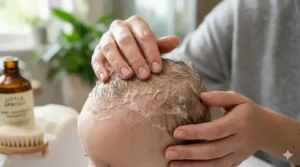
Start by wetting your baby’s hair thoroughly with warm (not hot) water. Dispense a small amount of shampoo—about the size of a dime for babies, quarter-sized for toddlers. Gently massage it into the scalp using your fingertips, not your nails. Work in small circular motions, paying extra attention to areas with visible scales. For medicated shampoos like Happy Cappy or Nizoral, leave the lather on for 1-2 minutes before rinsing. This contact time allows active ingredients to penetrate and work effectively.
Rinse thoroughly, ensuring no product residue remains. Residual shampoo can actually worsen flaking. For babies sensitive to water in their eyes, tilt their head back slightly while rinsing or use a rinse cup that creates a waterfall effect away from their face.
Frequency Guidelines
For medicated shampoos: Most pediatricians recommend starting with daily use until the condition improves, then tapering to 2-3 times weekly for maintenance. Nizoral specifically advises twice-weekly use between regular shampoos.
For natural shampoos: Daily use is generally safe, though some parents alternate with regular baby shampoo to prevent potential dryness from essential oils.
For mechanical removal systems: Use the Frida Baby 3-Step System 2-3 times weekly. Overdoing mechanical removal can irritate the scalp and cause redness.
The Pre-Treatment Trick
For thick, stubborn cradle cap, try this dermatologist-recommended technique: Before shampooing, apply a thin layer of mineral oil, coconut oil, or the Frida Baby Scalp Mask to the affected areas. Let it sit for 10-15 minutes (or even overnight if tolerated). This softens the scales significantly, making removal gentler and more effective. Follow with your chosen shampoo and mechanical removal if needed.
Post-Wash Care
After shampooing, gently pat (don’t rub) your baby’s scalp dry with a soft towel. If using a leave-in treatment like the Frida Baby Scalp Spray, apply it while the scalp is still slightly damp for better absorption. Avoid harsh brushing or combing on wet hair, which is more prone to damage. If scales remain after washing, resist the urge to pick at them—this can cause irritation or even infection.
Natural Remedies vs. Medicated Shampoos: Which Works Better?
The natural versus medicated debate divides parents, but the truth is both approaches have merit depending on your situation.
The Natural Approach
Natural remedies like tea tree oil, coconut oil, and gentle mechanical removal work well for mild to moderate cases. Products like HONEYDEW Kids Shampoo or Mustela Cradle Cap Foam leverage plant-based ingredients with documented antimicrobial properties. The advantages include fewer potential side effects, pleasant natural scents (if you enjoy essential oils), and alignment with organic lifestyle preferences. Tea tree oil, specifically, has been clinically studied and shown effective against Malassezia yeast. According to the American Academy of Dermatology, gentle cleansers combined with proper scalp care can manage many mild to moderate cases effectively.
However, natural doesn’t automatically mean safer or more effective. Essential oils can cause allergic reactions in sensitive babies. Natural treatments also typically work more slowly than medicated options—you might see improvement in 2-3 weeks versus days with active pharmaceutical ingredients.
The Medicated Option
Medicated shampoos containing pyrithione zinc, ketoconazole, or salicylic acid deliver faster, more predictable results. Happy Cappy’s pyrithione zinc formulation, for example, is FDA-approved specifically for seborrheic dermatitis. These products target the underlying causes—yeast overgrowth and excess oil production—with clinically-proven ingredients. Parents dealing with severe cradle cap often find natural methods insufficient and turn to medicated formulas for relief.
The tradeoff? Medicated shampoos may cause dryness with prolonged use, and some babies react to active ingredients. Always follow pediatrician recommendations for babies under 3 months or when considering stronger options like Nizoral.
The Hybrid Approach
Many dermatologists and pediatricians now recommend a combination strategy: Use a medicated shampoo to initially clear the condition, then maintain with natural products and proper hygiene. This approach minimizes medication exposure while preventing recurrence. For example, start with Happy Cappy daily for 2 weeks, then switch to HONEYDEW 2-3 times weekly once the scalp clears.
The bottom line? Severe, persistent cradle cap responds better to medicated treatments. Mild cases or maintenance after clearing can be managed with natural alternatives. Listen to your baby’s scalp—if you’re not seeing improvement after two weeks with natural methods, it’s time to consider medicated options.
When to See a Pediatrician or Dermatologist
Most cradle cap and baby dandruff cases clear up with home treatment, but certain situations warrant professional medical advice.
Red Flag Symptoms
Contact your pediatrician if you notice any of these warning signs:
Spreading beyond the scalp: Seborrheic dermatitis that extends to your baby’s face, neck, chest, or diaper area may need prescription treatment. This suggests a more widespread condition requiring medical intervention.
Signs of infection: If the scalp appears increasingly red, feels warm to touch, oozes pus, or develops a honey-colored crust, bacterial infection may have developed. This requires prompt antibiotic treatment.
Significant discomfort: While cradle cap typically doesn’t bother babies, if your child seems distressed, constantly scratches their scalp, or cries during gentle washing, something else might be occurring.
No improvement after 4 weeks: If you’ve tried appropriate treatments consistently for a month without any visible improvement, your baby might have a resistant case or a different condition altogether. Conditions like eczema, psoriasis, or fungal infections can mimic cradle cap.
Thick, adherent scales causing hair loss: Extensive scaling that pulls out hair when removed needs professional assessment. While some temporary hair loss is normal with cradle cap, patches of complete baldness shouldn’t occur.
Prescription Treatment Options
When over-the-counter products fail, dermatologists can prescribe stronger formulations. Options include 2% ketoconazole shampoo (double the OTC strength), low-potency topical corticosteroids like hydrocortisone 1% cream, or combination therapies. According to research published in StatPearls, ketoconazole 2% cream and hydrocortisone 1% cream showed no statistical difference in efficacy for infantile seborrheic dermatitis, though both outperform no treatment. MedlinePlus notes that severe cases may require phototherapy or stronger prescription medications.
Your pediatrician might also investigate underlying causes. Rarely, severe or persistent seborrheic dermatitis indicates an immune system issue or nutritional deficiency that needs addressing.
Prevention Strategies: Keeping Cradle Cap from Returning
Successfully treating baby dandruff is satisfying, but preventing recurrence saves you from repeating the process. Here’s how to keep that scalp healthy long-term:
Maintain a Consistent Washing Schedule
The single most effective prevention strategy? Regular shampooing. Once your baby’s cradle cap clears, shampoo 2-3 times weekly with a gentle baby shampoo or one of the maintenance products like Mustela or HONEYDEW. This prevents oil and dead skin cell buildup. Some parents worry that frequent washing causes dryness, but the opposite is true—inadequate cleansing allows scale accumulation.
Use the Right Technique
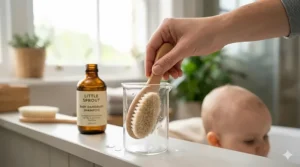
Even with cleared scalps, incorporate gentle massage during shampooing. Work your fingertips in small circles across the entire scalp to prevent oil buildup in sebaceous glands. This stimulation also promotes circulation without irritation. After washing, brush your baby’s hair gently with a soft-bristled brush to distribute natural oils and prevent them from pooling in one area.
Monitor for Early Warning Signs
Learn to recognize the first hints of returning cradle cap: slightly oily patches, minor flaking, or subtle texture changes. Catching it early allows you to increase shampooing frequency or reintroduce a medicated shampoo for a few days before the condition worsens. This proactive approach often nips problems in the bud.
Environmental Factors
While you can’t control everything, certain factors may influence cradle cap recurrence. Dry indoor air during winter can contribute to scalp dryness and flaking. Consider using a humidifier in your baby’s room. Conversely, excessive heat and sweating can trigger oil gland overproduction. Dress your baby appropriately for the temperature and avoid overheating.
Diet Considerations for Nursing Mothers
Some research suggests maternal diet during breastfeeding might influence infant seborrheic dermatitis, though evidence remains limited. Omega-3 fatty acids and biotin support healthy skin function. If you’re breastfeeding and your baby experiences persistent scalp issues, discuss nutritional factors with your pediatrician.
The good news? Most babies naturally outgrow cradle cap tendency as their hormones stabilize and sebaceous glands mature, typically by 8-12 months. Even if it returns occasionally, you’ll be equipped with the knowledge and tools to handle it quickly.
Comparing Budget vs. Premium Options
Price doesn’t always predict performance when it comes to baby dandruff shampoos, but understanding what you’re paying for helps you make smart purchasing decisions.
Budget-Friendly Winners
Sulfur 8 Kids Medicated Anti-Dandruff Shampoo ($8-12) delivers solid results at the lowest price point. You’re getting effective active ingredients—sulfur and salicylic acid—without fancy packaging or extensive marketing budgets. The formula works, period. For families treating multiple children or dealing with persistent conditions requiring long-term use, budget options make consistent treatment affordable.
Happy Cappy Medicated Shampoo ($10.91-$12.84) sits at the entry level for medicated formulas. Despite the modest price, it doesn’t compromise on efficacy. The pediatrician-developed formula contains the same active ingredient concentration as pricier alternatives. The value proposition improves further when you factor in its dual function as both shampoo and body wash.
Mid-Range Options
HONEYDEW Cleansing Kids Shampoo ($14.95-$16.95) and Mustela Cradle Cap Foam ($12-15) occupy the middle ground. Here you’re paying for specialized formulations—natural essential oils or patented plant extracts—plus premium packaging like pump dispensers. These products often emphasize ingredient sourcing, sustainability, and brand heritage. The formulations tend to be gentler with more pleasing textures and scents.
Premium Picks
Frida Baby systems ($15-24) command higher prices due to included tools, comprehensive systems, and brand positioning. You’re paying for innovation—the 3-Step System introduced a completely new approach to cradle cap treatment. The Scalp Treatment duo provides both immediate and preventative solutions in one package. Premium products often include customer support, satisfaction guarantees, and extensive testing protocols.
What Makes Products Cost More?
Several factors influence pricing beyond marketing:
Research and development: Pediatrician-developed or dermatologist-tested products undergo clinical trials, which adds cost.
Ingredient sourcing: Organic, sustainably-sourced, or patented ingredients cost more than standard alternatives.
Manufacturing standards: Higher quality control, smaller production runs, and certifications (hypoallergenic testing, organic certification) increase expenses.
Packaging: Pump dispensers, airless containers, and sustainable packaging cost more than basic bottles.
Making the Smart Choice
Start with your budget and your baby’s needs. Mild cradle cap responds well to budget options, so there’s no reason to overspend. Severe cases or sensitive skin might justify premium products with gentler formulations and better ingredients. Many parents find that mid-range options offer the best balance—effective enough to work quickly, affordable enough for consistent use.
Remember, the most expensive product isn’t always the most effective. A $10 bottle of Happy Cappy often outperforms a $20 boutique brand because it contains clinically-proven active ingredients. Read reviews, check ingredient lists, and don’t be swayed by pretty packaging alone.
Special Considerations for Different Hair Types
Not all baby hair is created equal, and treatment approaches should account for texture and density differences.
Fine, Straight Hair
Babies with fine hair typically have less dramatic cradle cap because scales show up more clearly, prompting earlier treatment. Any of the reviewed products work well, though lighter formulas like Mustela Foam or HONEYDEW avoid weighing down delicate strands. Fine hair dries quickly, so be mindful not to over-apply oil-based pre-treatments, which can leave hair looking greasy.
Thick, Textured Hair (3a-4c Curl Patterns)
This hair type presents unique challenges. The natural oils have difficulty traveling from root to tip along coily or kinky strands, leading to simultaneously oily scalps and dry hair ends. Additionally, thick hair creates more scalp coverage, trapping moisture and potentially exacerbating yeast growth.
Best products for textured hair: Sulfur 8 Kids Medicated was specifically formulated with textured hair in mind. It treats the scalp condition without stripping essential moisture from hair shafts. Happy Cappy also works well because it’s gentle enough not to disrupt natural oil balance. Avoid products with harsh sulfates, which can cause excessive dryness in textured hair.
Special technique tips: Section thick hair before shampooing to ensure product reaches the scalp directly. Don’t just lather on top—work through each section. After treating cradle cap, many parents of children with textured hair follow with a moisturizing conditioner applied to hair only (not scalp) to maintain proper hydration balance.
Sparse or Very Little Hair
Some babies have minimal hair during their first year, which makes cradle cap treatment easier in some ways—you can see and access the scalp clearly. However, it also means less natural protection from friction and environmental factors. Choose ultra-gentle formulas and avoid vigorous mechanical removal. The Frida Baby Scalp Spray works particularly well for babies with little hair since you can apply it directly to visible patches.
Color-Treated or Chemically Processed Hair
While rare in babies, some toddlers with severe hair tangling issues or children with adopted families might have color-treated hair. Products like Nizoral specifically state they’re safe for color-treated hair, as do most gentle baby shampoos. Avoid medicated shampoos with high salicylic acid concentrations, which can strip hair color.
Real Parent Reviews and Success Stories
Sometimes the best insights come from parents who’ve been in the trenches dealing with baby dandruff and cradle cap.
“Happy Cappy Saved Us” – Jessica, Mom of Twins
“My twin boys both developed severe cradle cap at 2 months. Their scalps looked like they had yellowish helmets. I tried olive oil, coconut oil, gentle brushing—nothing worked. After one week with Happy Cappy used daily, 80% of the scales were gone. By week three, you couldn’t tell they’d ever had cradle cap. I now keep a bottle on hand for early signs and nip it immediately.”
“Mustela Made Bath Time Pleasant Again” – Marcus, Dad of One
“Our daughter hated bath time because we were spending so much time trying to remove crusty patches. It stressed her out and stressed us out. Switching to Mustela Foam Shampoo changed everything. The foam format is so easy—just pump, massage, wait, rinse. The scales started softening within days. Bath time went from a 30-minute ordeal to a pleasant 10-minute routine.”
“Frida Baby System: Game Changer” – Amelia, Mom of Two
“I’m a problem-solver by nature, so I loved the systematic approach of the Frida Baby 3-Step System. Following the lather-loosen-lift method gave me confidence that I was doing it right. The tools are specifically designed for baby scalps, so I didn’t worry about being too rough. Combined with Happy Cappy shampoo, we cleared six months of stubborn cradle cap in two weeks.”
“Natural Worked for Us” – David, Dad of Three
“With our third baby, I wanted to try natural options first. HONEYDEW Kids Shampoo with its tea tree oil worked gradually but effectively. It took about three weeks to completely clear, but I felt good about using plant-based ingredients. The bonus? My older kids (ages 5 and 7) use it too for minor dandruff, so we only need one product.”
“When to Escalate” – Priya, Mom of One
“I spent six weeks trying natural remedies and over-the-counter products for my son’s cradle cap. Nothing worked, and it actually spread to his eyebrows and behind his ears. Our pediatrician prescribed 2% ketoconazole shampoo, and it cleared within 10 days. I learned that while I prefer natural solutions, sometimes you need the stronger medical option. There’s no shame in that—getting your baby relief is what matters.”
These experiences highlight an important truth: what works brilliantly for one baby might not work for another. Be prepared to try multiple products or combinations until you find your perfect solution.
Ingredients to Avoid in Baby Dandruff Products
Not all baby shampoos are created equal, and some contain ingredients that could do more harm than good for babies with sensitive scalps.
Harsh Sulfates (SLS and SLES)
Sodium Lauryl Sulfate and Sodium Laureth Sulfate create that satisfying lather we associate with cleanliness, but they can be too harsh for delicate baby skin. These detergents strip natural oils aggressively, potentially worsening dryness and irritation. While not dangerous, they’re unnecessarily strong for baby care. Look for gentler alternatives like Cocamidopropyl Betaine or Decyl Glucoside, which most quality baby shampoos use instead.
Artificial Fragrances
“Fragrance” or “Parfum” on ingredient lists can hide dozens of unlisted chemicals, many of which are potential allergens. Babies with seborrheic dermatitis already have compromised skin barriers, making them more susceptible to reactions. Fragrance-free options like Happy Cappy and Mustela eliminate this risk entirely. If you want scented products, choose those using natural essential oils where specific oils are listed.
Parabens
These preservatives (methylparaben, propylparaben, butylparaben) prevent bacterial growth in products, but concerns about hormone disruption have led many manufacturers to eliminate them. While research remains inconclusive on safety, plenty of effective paraben-free alternatives exist, so there’s no reason to take the risk with baby products.
Formaldehyde Releasers
Ingredients like DMDM Hydantoin, Diazolidinyl Urea, and Quaternium-15 slowly release formaldehyde to prevent microbial growth. Formaldehyde is a known irritant and sensitizer. Babies don’t need exposure to these chemicals when safer preservatives are available.
Coal Tar
Sometimes found in adult dandruff shampoos, coal tar is far too harsh for baby skin. It’s effective against seborrheic dermatitis in adults but can cause irritation, photosensitivity, and other issues in infants. Never use adult coal tar products on babies.
Salicylic Acid (in high concentrations)
While small amounts of salicylic acid can help with scale removal, high concentrations (over 2%) can be absorbed through baby skin and cause problems. Some pediatricians avoid salicylic acid entirely in babies under 2 years. Products like Sulfur 8 contain small amounts considered safe, but check with your pediatrician if concerned.
Essential Oils (for some babies)
Ironically, even natural essential oils can cause problems for sensitive babies. Tea tree oil, while effective, occasionally triggers allergic reactions. Lavender and other oils can be irritating if used in high concentrations. This doesn’t mean essential oils are bad—just that they’re not automatically safer than synthetic alternatives. Start with products containing lower concentrations to test tolerance.
When evaluating products, read the full ingredient list, not just marketing claims. A bottle labeled “natural” might still contain problematic ingredients, while a medicated shampoo might use gentler formulations than you’d expect.
FAQ Section
❓ Can I use adult dandruff shampoo on my baby?
❓ How long does it take for baby dandruff shampoo to work?
❓ Is cradle cap contagious to siblings or other babies?
❓ Can I make my own homemade baby dandruff treatment?
❓ Will baby dandruff shampoo damage my baby's hair?
Conclusion: Finding Your Baby’s Perfect Scalp Solution
Navigating baby dandruff and cradle cap doesn’t have to be stressful. Armed with the right information and products, you can tackle those flaky patches quickly and effectively. Remember, this condition is incredibly common, completely harmless, and temporary—you haven’t done anything wrong, and your baby isn’t suffering.
The seven products reviewed here represent the best options available in 2026, each excelling in different categories. Happy Cappy Medicated Shampoo leads the pack for severe cases with its clinically-proven pyrithione zinc formula. Mustela Cradle Cap Foam offers the gentlest approach for newborns and sensitive skin. The Frida Baby 3-Step System provides comprehensive mechanical removal for hands-on parents. Nizoral delivers powerful antifungal action when other products fail. HONEYDEW satisfies natural product preferences without sacrificing effectiveness. Sulfur 8 serves budget-conscious families and textured hair needs. The Frida Baby Scalp Treatment duo handles both treatment and prevention.
Your choice depends on your baby’s age, scalp condition severity, hair type, and your personal preferences regarding natural versus medicated approaches. Don’t be discouraged if the first product doesn’t deliver perfect results—sometimes finding the ideal solution requires trying 2-3 options. Pay attention to your baby’s scalp response, adjust frequency as needed, and don’t hesitate to consult your pediatrician for stubborn cases.
Most importantly, stay calm and patient. That crusty yellow scalp will clear up, your baby’s soft skin will return, and this phase will become a distant memory. Before you know it, you’ll be dealing with different parenting challenges (hello, teething!), and cradle cap will be just another conquered milestone in your parenting journey.
Recommended for You
- 7 Best Budget Baby Bath Products That Work in 2026
- 7 Best Vapor Bath for Babies That Soothe & Comfort (2026)
- 7 Best Non Slip Bath Mat for Baby: Ultimate 2026 Safety Guide
Disclaimer: This article contains affiliate links. If you purchase products through these links, we may earn a small commission at no additional cost to you.
✨ Found this helpful? Share it with your friends! 💬🤗
