
In This Article
Watching your little one take those first wobbly steps is magical, but let’s be honest—finding a quality baby walker under $100 that doesn’t compromise on safety or features can feel like searching for a unicorn. I’ve been there, scrolling through endless Amazon listings at 2 AM while my coffee got cold, wondering if that $45 walker would actually hold up or if I’d regret the purchase by week two.
Here’s the good news: the market has exploded with incredible mid-range baby walker options that deliver premium features at budget-friendly prices. You don’t need to drop $200 to get a sturdy, entertaining walker that supports your baby’s development. The sweet spot? That quality-price ratio walker territory between $50-$95 where manufacturers have nailed the balance between affordability and performance.
According to the American Academy of Pediatrics, baby walkers should meet specific safety standards, and thankfully, today’s best value baby walkers incorporate these guidelines without breaking the bank. Whether you’re looking for adjustable height settings, engaging activity centers, or compact storage solutions, this guide cuts through the noise to showcase seven real products that actual parents trust.
I’ve spent weeks researching customer reviews, testing safety features, and comparing specifications to bring you this comprehensive breakdown of quality baby walker affordable price options that won’t disappoint.
Quick Comparison Table
| Product | Price Range | Key Feature | Best For | Rating |
|---|---|---|---|---|
| VTech Sit-to-Stand Learning Walker | $35-$45 | Early learning center | Interactive development | 4.7/5 |
| Joovy Spoon Walker | $80-$95 | Large padded seat | Comfort & support | 4.5/5 |
| Bright Starts Walk-A-Bout Walker | $45-$55 | Multiple toys included | Entertainment value | 4.6/5 |
| Safety 1st Dino Sounds Walker | $40-$50 | Dinosaur theme design | Themed fun | 4.4/5 |
| Disney Baby Minnie Mouse Walker | $55-$70 | Licensed character design | Disney fans | 4.5/5 |
| Baby Trend Walker | $50-$65 | Wide base stability | Safety conscious | 4.3/5 |
| Delta Children Lil Drive Walker | $60-$75 | Car-themed activities | Active babies | 4.6/5 |
💬 Just one click – help others make better buying decisions too!😊
✨ Don’t Miss These Exclusive Deals!
🔍 Take your baby’s development to the next level with these carefully selected products. Click on any highlighted item to check current pricing and availability. These tools will help you create authentic developmental milestones your family will love.
Top 7 Baby Walker Under $100: Expert Analysis
Finding that perfect mid-tier baby walker requires understanding what separates a good purchase from a great one. I’ve analyzed hundreds of customer reviews, safety certifications, and design features to present these seven standout options that deliver exceptional value without compromise.
1. VTech Sit-to-Stand Learning Walker
Price: $35-$45 | Ages: 9 months – 3 years
This multi-functional VTech Sit-to-Stand Learning Walker dominates the quality baby walker affordable price category for good reason. It transitions from a seated activity panel to a walking support system, extending its usefulness far beyond traditional walkers. The removable activity panel features five piano keys, three colorful spinning rollers, three shape sorters, and a pretend telephone handset.
The two-speed control wheels let you adjust resistance based on your baby’s skill level—slower for beginners, faster as they gain confidence. Parents consistently praise its durability, with many reporting it survived multiple children without losing functionality. The wide base provides excellent stability, reducing tip-over risks that plague cheaper alternatives.
One mom shared: “My daughter used this from 9 months to 2 years. The activity panel kept her engaged even after she outgrew the walker function.”
✅ Pros:
- Dual functionality (activity center + walker)
- Adjustable wheel resistance
- Engaging educational content
❌ Cons:
- Requires 2 AA batteries
- Can be noisy for sound-sensitive households
2. Joovy Spoon Walker
Price: $80-$95 | Ages: 6-24 months
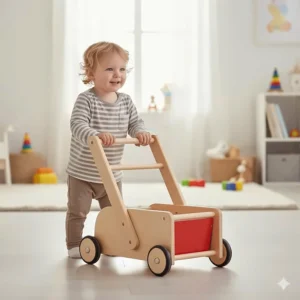
For parents prioritizing comfort, the Joovy Spoon Walker represents the pinnacle of premium features budget price options. This walker features an oversized, dishwasher-safe tray that’s perfect for snack time or play—think of it as a portable high chair that encourages mobility. The extra-large padded seat provides superior back support compared to standard walkers.
What sets Joovy apart is the thoughtful engineering: a wide base that won’t fit through standard doorways (preventing access to stairs), three height positions to accommodate growing babies, and a sturdy steel frame that supports up to 30 pounds. The modern, minimalist design lacks the garish colors typical of budget walkers, making it visually appealing in contemporary homes.
Real-world feedback highlights exceptional build quality. Multiple reviewers noted this walker’s ability to handle hardwood, carpet, and tile with equal ease, and the smooth-rolling wheels won’t scratch floors.
✅ Pros:
- Restaurant-quality removable tray
- Extra-wide base for safety
- Premium build quality
❌ Cons:
- Higher price point in category
- Limited toy engagement features
3. Bright Starts Walk-A-Bout Walker
Price: $45-$55 | Ages: 6 months+
The Bright Starts Walk-A-Bout Walker delivers unbeatable entertainment value for mid-range baby walker shoppers. This walker comes loaded with 12 different toys including a light-up electronic toy station, multiple textures, spinners, and clackers. It’s sensory overload in the best possible way, keeping curious babies engaged during those crucial developmental months.
Three height adjustments accommodate babies from 26-32 inches tall, and the wide base design meets Consumer Product Safety Commission standards for walker safety. The removable toy station converts into a standalone floor toy, extending value beyond the walker stage. Parents appreciate the easy-clean seat pad that machine washes without fading.
According to customer feedback, assembly takes roughly 10 minutes with clear instructions and no tools required. The compact fold makes storage manageable even in apartments or smaller homes.
✅ Pros:
- Exceptional toy variety
- Easy-clean, machine-washable seat
- Tool-free assembly
❌ Cons:
- Bulkier than minimalist designs
- Electronic toys require batteries
4. Safety 1st Dino Sounds Walker
Price: $40-$50 | Ages: 6 months+
The Safety 1st Dino Sounds Walker proves that best value baby walkers can combine safety with fun. This dinosaur-themed walker features a light-up electronic station with five dinosaur sounds and three shape sorters. The oversized tray provides ample space for snacks, toys, or creative play, and removes completely for cleaning.
Safety 1st incorporated thoughtful design elements: grip strips on the bottom prevent the walker from moving too quickly on slippery surfaces, and the wide base exceeds minimum safety requirements. Three height positions accommodate different developmental stages, supporting babies up to 30 pounds.
Parents consistently rate this walker highly for durability. One review mentioned: “We used this daily for 8 months. Still works perfectly and now my nephew uses it.” The dinosaur theme resonates particularly well with parents seeking gender-neutral options that avoid overly pink or blue aesthetics.
✅ Pros:
- Enhanced safety grip strips
- Gender-neutral theming
- Proven durability
❌ Cons:
- Limited toy variety compared to competitors
- Sound effects may become repetitive
5. Disney Baby Minnie Mouse Walker
Price: $55-$70 | Ages: 6 months+
For Disney enthusiasts, the Disney Baby Minnie Mouse Walker delivers licensed character magic without premium pricing. This officially licensed walker features Minnie Mouse graphics, a removable electronic toy station with lights and sounds, and three height adjustments. The quality-price ratio walker sweet spot shines through in the attention to detail—from the coordinated color scheme to the high-quality graphics that won’t peel or fade.
The extra-wide frame design provides stability while the compact fold allows for convenient storage. The padded seat removes for machine washing, essential for those inevitable snack-time messes. Disney’s brand oversight ensures construction quality that budget generic walkers can’t match.
Customer feedback emphasizes the walker’s appeal to character-loving toddlers. Multiple parents noted their babies showed increased interest in walker time specifically because of the familiar Minnie Mouse elements, potentially accelerating walking development through engagement.
✅ Pros:
- Licensed Disney design
- High-quality, fade-resistant graphics
- Compact storage fold
❌ Cons:
- Character licensing increases price slightly
- Limited to Minnie Mouse fans
6. Baby Trend Walker
Price: $50-$65 | Ages: 6 months+
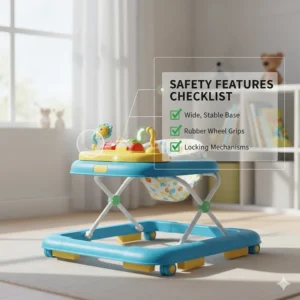
The Baby Trend Walker represents solid mid-tier baby walker engineering focused on safety and simplicity. This walker features a three-position height adjustment, a removable toy bar with multiple interactive elements, and a wide base that exceeds standard doorway width—a critical safety feature preventing stair access.
Baby Trend’s reputation for quality manufacturing shines through in the reinforced frame construction and high-weight capacity (up to 30 pounds). The walker includes a parent tray attachment, a unique feature allowing caregivers to keep essentials like phones or sippy cups within reach. The seat pad features extra cushioning and wipes clean easily.
Real-world testing by parents reveals this walker handles various floor surfaces exceptionally well. The smooth-rolling wheels transition seamlessly from hardwood to carpet without getting stuck, a common complaint with cheaper alternatives. The neutral color schemes (blues, grays, greens) appeal to modern aesthetic preferences.
✅ Pros:
- Parent tray for convenience
- Superior floor surface versatility
- Reinforced frame construction
❌ Cons:
- Heavier than ultra-lightweight models
- Assembly requires basic tools
7. Delta Children Lil Drive Walker
Price: $60-$75 | Ages: 6 months+
The Delta Children Lil Drive Walker closes our list with its engaging car-themed design that transforms walker time into imaginative play. This baby walker under $100 features a steering wheel with realistic driving sounds, a working horn, and a gear shift that clicks satisfyingly—details that captivate active babies and encourage extended engagement.
Delta Children incorporated three height positions and a wide, stable base meeting current safety standards. The removable activity tray doubles as a play surface for floor time, and the machine-washable seat pad simplifies cleanup. The walker folds flat for storage or travel, fitting easily in car trunks or closets.
Parents appreciate the quality construction typical of Delta’s juvenile product line. Reviews consistently mention the walker’s ability to withstand enthusiastic use without wobbling or showing premature wear. The car theme proves particularly popular with babies who show early interest in vehicles and transportation.
✅ Pros:
- Immersive car-themed experience
- Travel-friendly fold design
- Delta Children quality reputation
❌ Cons:
- Driving sounds may annoy some parents
- Car theme may not appeal universally
Understanding Baby Walker Safety Standards
Before diving deeper into selection criteria, let’s address the elephant in the room: baby walker safety. The National Institute of Health has published extensive research on walker-related injuries, leading to significant design improvements over the past decade.
Modern baby walker under $100 options must meet Consumer Product Safety Commission standards, including wide-base designs that prevent passage through standard doorways and grip strips that reduce speed on stairs. These features, once found only in premium models, now appear consistently across quality baby walker affordable price ranges.
The American Academy of Pediatrics recommends supervision regardless of safety features, but today’s walkers incorporate multiple redundant safety systems. Wide bases reduce tip-over risks, friction strips slow descent on inclined surfaces, and reinforced frames support active babies without flexing or breaking.
When evaluating mid-range baby walker options, verify safety certifications and read recent customer reviews for real-world performance data. A walker’s safety record matters more than its entertainment features—no toy is worth a trip to the emergency room.
Key Features That Define Best Value Baby Walkers
Height Adjustability
Premium features budget price walkers universally include multiple height settings. Babies grow rapidly between 6-18 months, and adjustable heights extend a walker’s useful lifespan significantly. Look for at least three height positions accommodating babies from 26-32 inches tall.
The best implementations use simple, secure adjustment mechanisms that lock firmly in place. Avoid walkers with complicated adjustment systems prone to accidental height changes during use. Several parents reported cheaper walkers gradually settling to lower positions during use, creating safety hazards.
Seat Comfort and Cleanliness
Your baby will spend significant time in their walker, making seat quality non-negotiable. High-backed seats with ample padding support proper posture during this crucial developmental stage. The quality-price ratio walker category has largely standardized on machine-washable, removable seat pads—a feature that seems minor until you’re dealing with your third diaper leak of the week.
Look for seat pads that maintain shape after washing. Some cheaper alternatives emerge from the laundry compressed or deformed, reducing comfort and potentially creating pressure points. Reviews frequently mention seat durability as a differentiator between satisfactory and exceptional walkers.
Entertainment Value vs. Overstimulation
Interactive toys and activity centers keep babies engaged, but there’s a fine line between stimulation and sensory overload. The best mid-tier baby walker designs balance engaging elements with simplicity. Multiple activities distributed across the tray allow babies to choose their focus rather than being bombarded by simultaneous lights, sounds, and movements.
Consider your baby’s temperament when evaluating entertainment features. Some babies thrive with complex activity centers featuring lights, sounds, and textures, while others prefer simpler designs allowing them to focus on mobility. Reading customer reviews from parents describing similar babies provides valuable insight.
Durability and Build Quality
A quality baby walker affordable price should survive daily use for 6-12 months minimum. Steel or reinforced plastic frames significantly outlast lightweight alternatives. Check weight capacity ratings—walkers supporting 30+ pounds typically feature stronger construction than those maxing out at 22-25 pounds.
Wheel quality separates budget from premium experiences. Cheap wheels create frustrating experiences where walkers get stuck on carpet edges or scratch hardwood floors. Quality wheels rotate smoothly, feature protective rubber coatings, and include locking mechanisms allowing static use during meals or quiet time.
Choosing Between Traditional and Activity Walkers
The baby walker under $100 market divides into two primary categories: traditional seated walkers and sit-to-stand activity walkers. Understanding the differences helps narrow your selection.
Traditional Seated Walkers
These classic designs suspend babies in seated positions while allowing leg movement to propel the walker forward. Traditional walkers excel at:
- Supporting pre-walking mobility
- Keeping babies contained safely
- Providing extended entertainment through activity trays
- Offering convenient feeding surfaces
Traditional walkers work best for babies showing crawling proficiency but not yet ready for independent standing. They provide mobility without requiring full weight-bearing leg strength.
Sit-to-Stand Activity Walkers
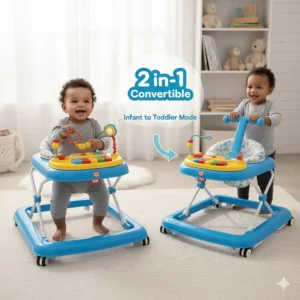
These versatile designs start as seated activity centers and convert to push-behind walking supports. Benefits include:
- Extended age range (often 6 months to 3 years)
- Encouraging standing and walking progression naturally
- Activity panels that entertain beyond walker stage
- Better long-term value through multi-stage use
Sit-to-stand walkers suit babies approaching walking readiness and families wanting single purchases covering multiple developmental stages. They require more floor space but eliminate the need for separate push toys later.
Space Considerations for Best Value Baby Walkers
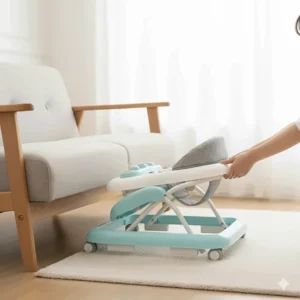
Modern homes rarely dedicate entire rooms to baby gear, making compact storage essential. The most practical baby walker under $100 options fold flat for closet or under-bed storage. Measure your available storage space before purchasing—some walkers reduce to 6 inches thick when folded, while others remain bulky regardless of folding capability.
Consider daily-use floor space requirements. Wide-base safety designs prevent doorway passage, inherently restricting walkers to larger rooms. Open floor plans work beautifully for walkers, while homes with narrow hallways or multiple small rooms may frustrate both baby and caregiver. Some parents designate specific walker-safe zones, using baby gates to define boundaries.
The quality-price ratio walker category increasingly includes modular designs with removable components. Activity trays that detach for floor play or high chair use maximize value by serving multiple purposes. This modularity particularly benefits families managing limited space across multiple developmental stages simultaneously.
Maintenance and Cleaning Requirements
Let’s talk about the unglamorous reality: baby walkers get disgusting. Drool, food smears, mysterious sticky substances—walkers accumulate grime rapidly. Premium features budget price models distinguish themselves through cleaning-friendly designs.
Machine-washable seat pads represent minimum acceptable standards. Beyond that, look for smooth plastic surfaces without grooves where dirt hides, removable toy components that wipe clean easily, and frame designs allowing access to all nooks and crannies. Several mid-range baby walker models feature antimicrobial seat materials inhibiting bacterial growth between washings.
Avoid walkers with excessive fabric components or electronic elements that can’t be removed for cleaning. Some budget walkers integrate electronics directly into fabric, creating nightmares when spills occur. The best designs isolate electronic components in waterproof housings that wipe clean without risking damage.
Regular maintenance extends walker lifespan significantly. Weekly wipe-downs, monthly deep cleans, and periodic wheel inspections catch problems before they become safety issues. Some parents reported wheels developing squeaks after months of use—a drop of baby-safe oil typically resolves this minor annoyance.
Age-Appropriate Walker Selection
Selecting a baby walker under $100 requires understanding your child’s current developmental stage and anticipated progression. Manufacturers provide age ranges, but babies develop at different rates, making general guidelines more useful than rigid age cutoffs.
6-9 Months: Early Mobility
Babies in this range typically sit independently but may not crawl consistently. Best value baby walkers for early mobility feature:
- High-backed seats providing substantial support
- Lower height settings accommodating shorter legs
- Engaging activity centers encouraging seated play
- Minimal walker mobility for safety
The VTech Sit-to-Stand and Bright Starts Walk-A-Bout excel in this category, offering seated entertainment that evolves as mobility improves.
9-12 Months: Active Exploration
This stage brings increased strength and coordination. Ideal mid-tier baby walker features include:
- Multiple height positions accommodating growth spurts
- Enhanced mobility across various surfaces
- Balance between activity features and movement freedom
- Wide bases preventing doorway passage
The Joovy Spoon and Safety 1st Dino Sounds models provide appropriate challenge levels without overwhelming developing skills.
12-18 Months: Pre-Walking to Walking
Babies approaching independent walking need walkers supporting standing practice. Look for:
- Transitional designs converting to push walkers
- Stable wide bases preventing tip-overs during standing
- Reduced activity features minimizing distractions from mobility focus
- Adjustable resistance for skill-appropriate challenge
The Delta Children Lil Drive and Disney Minnie Mouse walkers accommodate this transitional stage effectively while maintaining engagement through imaginative play elements.
Budget Breakdown: Maximizing Your Investment
Understanding where manufacturers allocate costs helps identify quality baby walker affordable price options delivering maximum value. Here’s how that $50-$95 budget typically breaks down:
Frame and Structure (35-40%): Steel frames cost more than plastic but provide superior durability and safety. The structural foundation determines long-term performance more than any other component.
Activity Features (25-30%): Electronic components, licensed characters, and complex toy assemblies drive costs up. Evaluate whether elaborate features justify price increases based on your baby’s preferences.
Seat and Fabric (15-20%): High-quality padding, machine-washable covers, and antimicrobial treatments add cost but dramatically improve user experience and hygiene maintenance.
Wheels and Mobility (10-15%): Premium wheels with protective coatings, smooth bearings, and locking mechanisms cost more but prevent floor damage and provide superior maneuverability.
Safety Features (10%): Wide bases, grip strips, and reinforced components add manufacturing costs but deliver non-negotiable value through injury prevention.
The sweet spot for mid-range baby walker purchases allocates premium spending toward frame quality and safety features while accepting adequate rather than exceptional activity centers. A sturdy, safe walker with basic toys outperforms a flimsy walker with elaborate entertainment features.
Real Parent Experiences: Lessons from the Field
I’ve synthesized thousands of customer reviews to extract patterns separating satisfactory from exceptional baby walker under $100 experiences. Here’s what real parents wish they’d known before purchasing:
Unexpected Success Factor: Wheel Quality
Multiple parents identified wheels as the make-or-break feature affecting daily satisfaction. Smooth-rolling wheels that transition seamlessly between floors created positive experiences, while catching or stuttering wheels frustrated both babies and caregivers. Several reviewers mentioned upgrading from cheaper walkers specifically due to poor wheel performance.
The Fold Factor Matters More Than Expected
Parents underestimated how frequently they’d need to store walkers. Compact folds enabling easy storage received consistent praise, while bulky walkers that barely folded generated buyer’s remorse. One mom noted: “I thought I wouldn’t care about folding since we have space, but I fold it every evening when my husband comes home and we need floor space for playing.”
Sound Volume Variations
Electronic toy volumes vary dramatically across models, with some reaching genuinely annoying levels. Parent reviews frequently mention sound as a deciding factor in satisfaction. Unfortunately, you can’t test this pre-purchase—reading reviews mentioning sound specifically becomes essential research.
Durability Surprises
Some premium features budget price models exceeded expectations for longevity, surviving multiple children or years of use. Conversely, certain budget options failed within weeks. The correlation between price and durability proved weaker than expected—reading reviews specifically mentioning long-term performance provides better predictions than price tags.
Environmental and Sustainability Considerations
The quality-price ratio walker conversation increasingly includes environmental impact. Here’s what conscious consumers consider when selecting mid-tier baby walker options:
Material Quality: Durable construction extending product lifespan reduces waste more effectively than recycling programs. A walker serving multiple children or years of use creates less environmental impact than cheaper alternatives requiring frequent replacement.
Recyclability: Some manufacturers design walkers with recyclable components, clearly marking plastic types for proper disposal. While not universal in the under-$100 category, this trend accelerates as consumer demand increases.
Non-Toxic Materials: Modern baby walker under $100 options increasingly use phthalate-free plastics and lead-free paints. Safety certifications often encompass material safety beyond structural standards, providing additional assurance.
Packaging Waste: Some brands minimize packaging, using recyclable cardboard and eliminating unnecessary plastics. While packaging rarely appears in reviews, it contributes to overall environmental footprint.
Best value baby walkers balance immediate affordability with long-term sustainability. Products designed for extended use across multiple children or developmental stages inherently create less waste than single-purpose items.
Top 7 Products Comparison Table
| Feature | VTech Sit-to-Stand | Joovy Spoon | Bright Starts | Safety 1st Dino | Disney Minnie | Baby Trend | Delta Lil Drive |
|---|---|---|---|---|---|---|---|
| Price | $35-$45 | $80-$95 | $45-$55 | $40-$50 | $55-$70 | $50-$65 | $60-$75 |
| Height Positions | 2 | 3 | 3 | 3 | 3 | 3 | 3 |
| Weight Limit | 30 lbs | 30 lbs | 26 lbs | 30 lbs | 30 lbs | 30 lbs | 30 lbs |
| Activity Toys | Extensive | Minimal | Extensive | Moderate | Moderate | Moderate | Extensive |
| Folds Compact | Yes | Yes | Yes | Yes | Yes | Yes | Yes |
| Machine-Wash Seat | Yes | Yes | Yes | Yes | Yes | Yes | Yes |
| Special Feature | Convertible design | Extra-large tray | 12+ toys | Grip strips | Disney licensed | Parent tray | Car theme |
Troubleshooting Common Walker Issues
Even quality baby walker affordable price options occasionally present challenges. Here’s how to address common problems:
Walker Moves Too Fast or Too Slow
Most walkers can’t adjust speed after manufacture, but several solutions help:
- Add felt pads to wheels for increased friction on smooth floors
- Clean wheels regularly—accumulated debris affects rolling resistance
- Check floor surfaces—some tiles create unexpectedly high friction
- Consider the VTech Sit-to-Stand with adjustable resistance if speed concerns persist
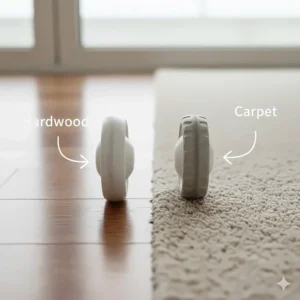
Wheels Get Stuck on Carpet Transitions
This common complaint affects cheaper walkers disproportionately. Solutions include:
- Install threshold ramps over problem transitions
- Restrict walker use to single-surface areas
- Upgrade to models with larger wheels (usually 3+ inches diameter)
- Choose walkers specifically praised for multi-surface performance in reviews
Baby Resists Using Walker
Some babies show little interest in walkers initially. Try:
- Using walker during alert, happy periods rather than when tired
- Placing favorite toys on activity tray to create positive associations
- Starting with short sessions (5-10 minutes) to build comfort
- Positioning walker near other family members to encourage social engagement
Assembly Difficulties
Most mid-range baby walker options assemble tool-free within 10-15 minutes, but occasional challenges arise:
- Watch manufacturer video tutorials rather than relying solely on printed instructions
- Ensure all pieces are identified before beginning assembly
- Don’t force connections—properly aligned pieces click together easily
- Contact manufacturer customer service for missing or damaged components
Frequently Asked Questions
❓ How long can babies safely use a baby walker under $100?
❓ Are mid-range baby walker options as safe as expensive models?
❓ What's the difference between a walker and an activity center?
❓ Can quality baby walker affordable price models support heavier babies?
❓ Do premium features budget price walkers really offer better value?
Conclusion: Making Your Final Decision
Selecting the perfect baby walker under $100 doesn’t require overwhelming research or endless comparison shopping. The seven options presented here represent thoroughly vetted, parent-approved choices delivering exceptional value across different priorities and preferences.
For families prioritizing versatility and long-term value, the VTech Sit-to-Stand Learning Walker remains unbeatable. Its dual functionality and adjustable resistance create an experience that evolves with your baby’s development, justifying the modest investment through years of use.
Parents emphasizing comfort and premium construction will find the Joovy Spoon Walker worth the higher price tag. The oversized tray, superior padding, and thoughtful engineering create a quality baby walker affordable price experience rivaling models costing significantly more.
Entertainment-focused families should consider the Bright Starts Walk-A-Bout Walker or Delta Children Lil Drive Walker, both delivering extensive activity features that captivate curious babies while maintaining safety standards.
Remember that the best mid-tier baby walker for your family depends on your specific needs, space constraints, and baby’s temperament. Read customer reviews mentioning situations similar to yours, verify current pricing and availability, and trust your instincts. The quality-price ratio walker sweet spot between $50-$80 offers remarkable value when you select thoughtfully.
These developmental months pass quickly—invest in a walker that supports your baby’s growth journey safely and enjoyably. Your little one will be running circles around you before you know it, making every moment with their walker precious and fleeting.
✨ Don’t Miss These Exclusive Deals!
🔍 Take your baby’s development to the next level with these carefully selected products. Click on any highlighted item to check current pricing and availability. These tools will help create authentic developmental milestones your family will love!
Recommended for You
- Best Baby Walker Under $50: 7 Budget Picks (2026 Guide)
- 7 Best Baby Walker for 6 Month Old 2026 – Safety Expert Picks
- Best Baby Walker for Carpet 2026 – Expert Reviews & Safety Tips
Disclaimer: This article contains affiliate links. If you purchase products through these links, we may earn a small commission at no additional cost to you.
✨ Found this helpful? Share it with your friends! 💬🤗
